INI-CET 2026 question paper
INI-CET · 2026 · 199 questions · 180 minutes · 0.33 mark deducted per wrong answer
- Medical & Surgical Nursing 59
- Pharmacology 29
- Pathology & Genetics 16
- Child Health Nursing (Pediatrics) 16
- Applied Physiology 15
- Applied Anatomy 14
- Applied Microbiology & Infection control 13
- Biochemistry & Nutrition 11
- Obstetrics & Gynaecology 10
- Nursing Research & Statistics 5
- Community Health Nursing 5
- Forensic Nursing & Indian laws 4
- Mental Health Nursing 1
- Applied Psychology 1
See the answers and explanations
Sign in free: every answer with its explanation, attempt the paper timed with negative marking, and track your score.
Q1 · Pharmacology · Miscellaneous
A child presents with hypotension, respiratory depression, and pinpoint pupils. What is the most appropriate antidote?
- A.
Naloxone
- B.
Flumazenil
- C.
Naltrexone
- D.
Atropine
- A.
Q2 · Medical & Surgical Nursing · Other Acute Problems
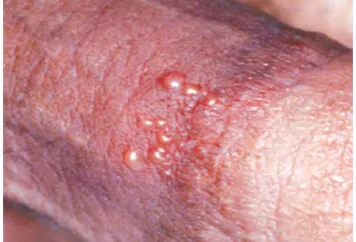
A male patient reports painful vesicular eruptions on the penis. Based on this presentation, which of the following is the most likely causative agent?
- A.
Haemophilus ducreyi
- B.
Human papillomavirus
- C.
Herpes simplex virus
- D.
Treponema pallidum
- A.
Q3 · Medical & Surgical Nursing · Perioperative Concepts and Nursing Management
A patient is planned for elective colon surgery. What is the ideal timing for administration of prophylactic parenteral antibiotics?
- A.
30 minutes before surgery
- B.
2 hours before surgery
- C.
4 hours before surgery
- D.
1 hour before skin incision
- A.
Q4 · Pathology & Genetics · Systemic Pathology
Which of the following vasculitis is NOT classified as a medium-vessel disease?
- A.
Microscopic polyangiitis (MPA)
- B.
Polyarteritis nodosa (PAN)
- C.
Buerger's disease (Thromboangiitis obliterans)
- D.
Kawasaki disease
- A.
Q5 · Medical & Surgical Nursing · Digestive and Gastrointestinal Function
A 65-year-old male with diabetes mellitus presents with purulent rectal discharge and is diagnosed with fistula-in-ano. Surgical management is planned. Which of the following procedures is considered internal anal sphincter-preserving?
- A.
LIFT
- B.
FiLaC
- C.
Fistulectomy
- D.
VAAFT
- A.
Q6 · Medical & Surgical Nursing · Other Acute Problems
According to ATLS guidelines, which of the following represents the correct sequence of steps in primary trauma management? Steps: a. Airway management with cervical spine protection b. Circulation with hemorrhage control c. Disability assessment d. Catastrophic bleeding control Which sequence is correct?
- A.
a → b → c → d
- B.
b → a → d → c
- C.
d → b → a → c
- D.
d → a → b → c
- A.
Q7 · Child Health Nursing (Pediatrics) · Newborn Infants
A 3-hour-old newborn is found to have a blood glucose level of 38 mg/dL on routine screening. The neonate is asymptomatic. What is the most appropriate next step in management?
- A.
A. Initiate 5% dextrose infusion intravenously
- B.
A. Initiate 5% dextrose infusion intravenously
- C.
C. Administer a 5% dextrose bolus and reassess
- D.
D. Continue breastfeeding and reassess blood glucose after the next feed
- A.
Q8 · Medical & Surgical Nursing · Gas Exchange and Respiratory Function
A 45-year-old farmer from Northeast India presents with low-grade fever, progressive weight loss, night sweats, and productive cough. Chest CT reveals upper lobe cavitary lesions. Lung biopsy shows granulomatous inflammation with caseous necrosis and abundant histiocyte infiltration. What is the most likely diagnosis?
- A.
Aspergillosis
- B.
Histoplasmosis
- C.
Sarcoidosis
- D.
Cryptococcosis
- A.
Q9 · Mental Health Nursing · Psychiatric Emergencies
A 45-year-old recently divorced alcoholic expresses suicidal ideation. What is the next best step?
- A.
Cognitive Behavioral Therapy and weekly outpatient visits
- B.
Start antidepressant therapy
- C.
Hospitalization and safety measures
- D.
Monitor for recurrence
- A.
Q10 · Pharmacology · Antimicrobial Drugs
What is the mechanism of action of Pretomanid under the BPaLM regimen?
- A.
Inhibition of ATP synthase
- B.
Inhibition of RNA polymerase
- C.
Inhibition of mycolic acid synthesis
- D.
Inhibition of arabinoglycan synthesis
- A.
Q11 · Medical & Surgical Nursing · Musculoskeletal Function
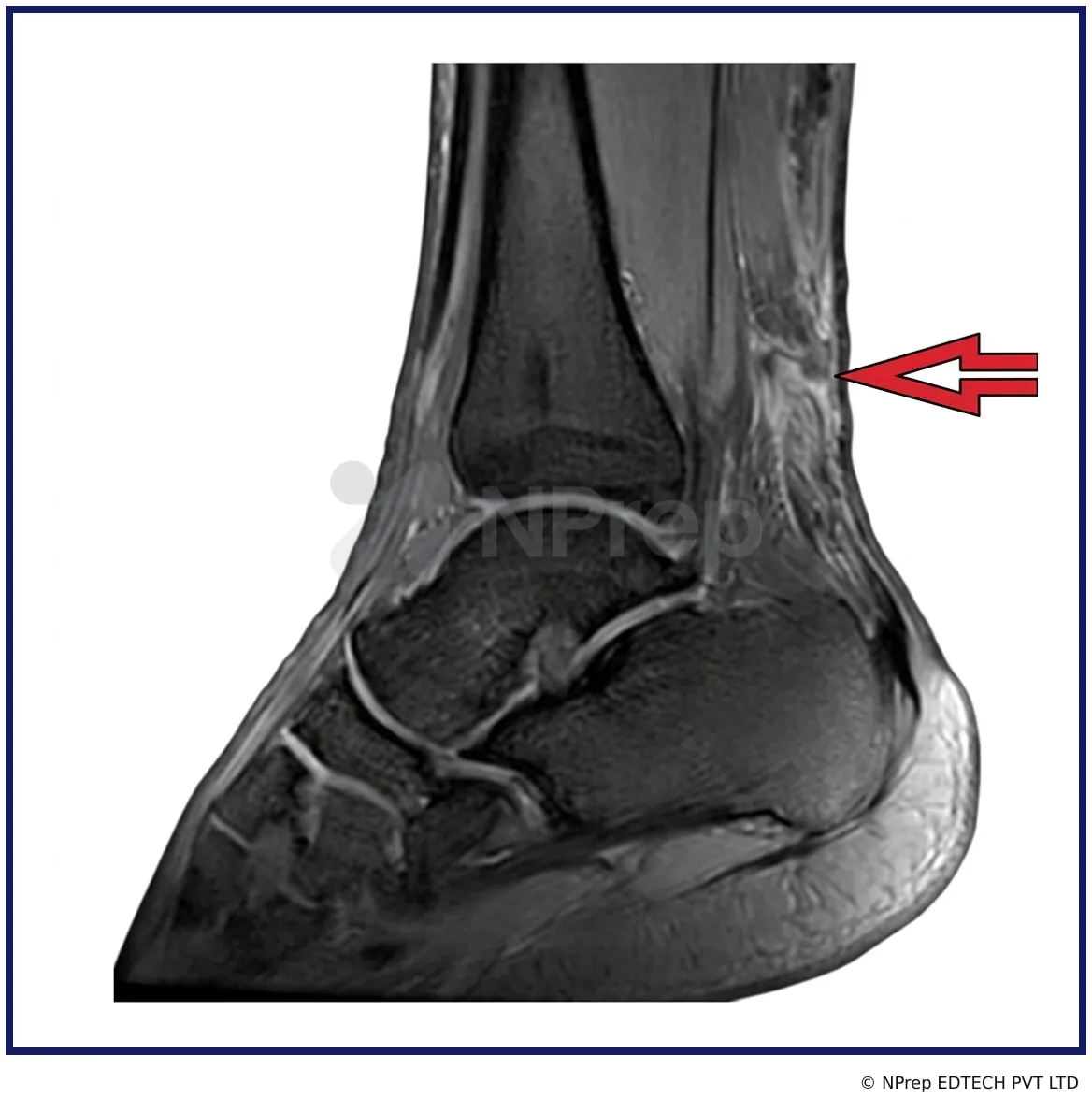
An MRI of the ankle shows a whitish, irregular abnormality in the Achilles tendon. What is the most likely finding and its corresponding management?
- A.
Thompson tests positive
- B.
Steroid injection
- C.
Plaster cast
- D.
Surgical repair
- A.
Q12 · Pharmacology · General Pharmacology
Which of the following is correctly matched (Anti-aging compound — Molecular pathway)?
- A.
Resveratrol — mTOR inhibition
- B.
Caloric restriction — Sirtuin (SIRT-1)
- C.
Metformin — AMPK pathway
- D.
Rapamycin — IGF-1/Insulin pathway
- A.
Q13 · Biochemistry & Nutrition · Lipids
1. Elevated serum triglyceride levels are observed in all of the following conditions EXCEPT:
- A.
1. Elevated serum triglyceride levels are observed in all of the following conditions EXCEPT:
- B.
A. Abetalipoproteinemia
- C.
C. High fructose diet
- D.
D. Nephrotic syndrome
- A.
Q14 · Biochemistry & Nutrition · Proteins
Which coenzyme is essential for carrying out transamination reactions in amino acid metabolism?
- A.
Thiamine pyrophosphate (TPP)
- B.
Nicotinamide adenine dinucleotide (NAD)
- C.
Pyridoxal phosphate (PLP)
- D.
Flavin adenine dinucleotide (FAD)
- A.
Q15 · Medical & Surgical Nursing · Miscellaneous
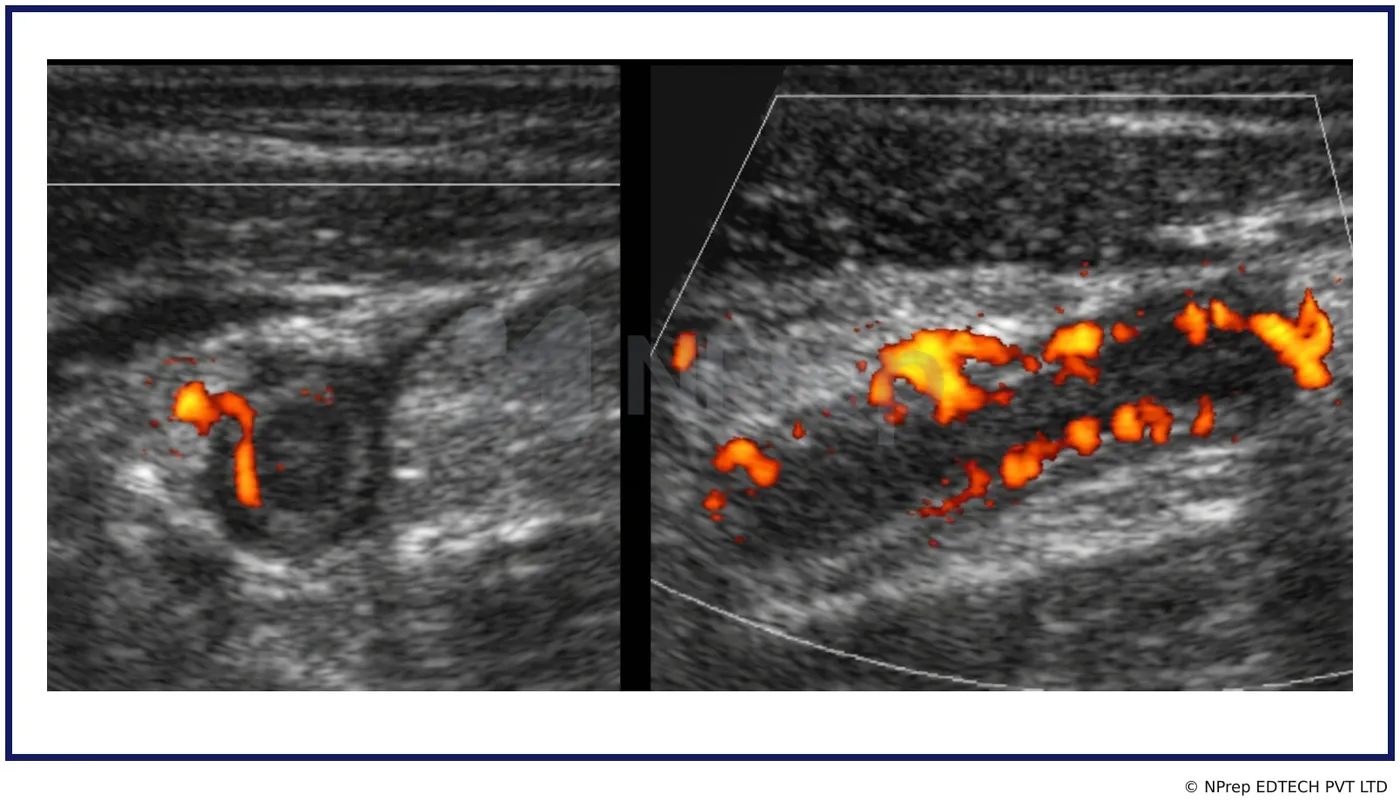
A patient presents with right iliac fossa pain for 48 hours. USG image (shown with Doppler) demonstrates a hyperaemic appendix-region structure with surrounding inflammatory changes. There is no free fluid or evidence of perforation on USG. What is the most appropriate next step?
- A.
Direct surgical management (emergency appendicectomy)
- B.
Contrast-enhanced CT (CECT) of the abdomen and pelvis
- C.
USG-guided biopsy of the lesion
- D.
USG-guided percutaneous drainage
- A.
Q16 · Pharmacology · Chemotherapy of Neoplastic Drugs
Which of the following drug-receptor target pairings are correctly matched? 1. Trastuzumab — HER2 receptor 2. Sunitinib — HER1 (EGFR) 3. Gefitinib — HER1 (EGFR)
- A.
Only 1 is correct
- B.
1 and 3 are correct
- C.
2 and 3 are correct
- D.
All are correct
- A.
Q17 · Pharmacology · Drugs Acting on Central Nervous System
Lamotrigine is most effective in which of the following seizure types?
- A.
Absence seizures
- B.
Tonic-clonic seizures
- C.
Atonic seizures
- D.
Myoclonic seizures
- A.
Q18 · Medical & Surgical Nursing · Fluid and Electrolytes: Balance and Distribution
A 28-year-old woman with severe anorexia is admitted for nutritional rehabilitation. Within 48 hours of initiating enteral feeding, she develops muscle weakness, cardiac arrhythmias, and respiratory distress. Which metabolic abnormality is most characteristically responsible?
- A.
Hyponatremia
- B.
Hypocalcemia
- C.
Hypophosphatemia
- D.
Hyperkalemia
- A.
Q19 · Pharmacology · Miscellaneous
A 45-year-old chronic smoker is being counselled for smoking cessation therapy. Which of the following statements regarding nicotine replacement and pharmacotherapy is correct?
- A.
Acidic beverages should be avoided 15 minutes before using nicotine gum to maximize absorption
- B.
Nicotine patch provides superior efficacy compared to nicotine gum
- C.
Bupropion is associated with more adverse effects than Varenicline
- D.
Varenicline carries a black box warning for cardiovascular toxicity
- A.
Q20 · Applied Anatomy · Respiratory System
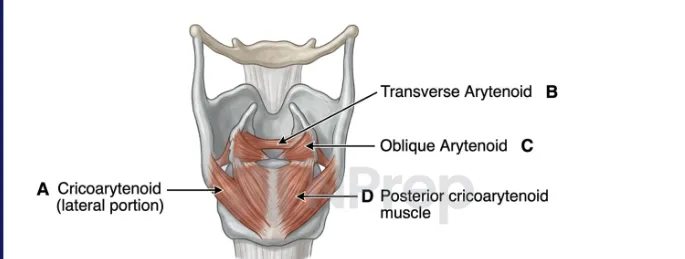
In the labelled diagram of laryngeal intrinsic muscles, which labelled muscle is solely responsible for abduction of the vocal cords?
- A.
Muscle labelled 'D (Posterior cricoarytenoid)
- B.
Muscle labelled 'b' Transverse Arytenoid
- C.
Muscle labelled 'c'-Oblique Arytenoid
- D.
Muscle labelled A - Aryepiglottic muscle
- A.
Q21 · Medical & Surgical Nursing · Oncology: Nursing Management in Cancer Care
A patient presents with hypercalcemia due to malignancy. According to the correct sequence of management, what should be the first step?
- A.
Administration of loop diuretics
- B.
Intravenous rehydration with normal saline
- C.
Administration of bisphosphonates
- D.
Other supportive measures
- A.
Q22 · Medical & Surgical Nursing · Neurologic Function
. A trauma patient is evaluated using the GCS. The patient localizes to painful stimuli, produces incoherent sounds, and opens eyes only in response to pain. What is the total GCS score?
- A.
6
- B.
7
- C.
8
- D.
9
- A.
Q23 · Medical & Surgical Nursing · Neurologic Function
A patient with chronic alcoholism presents with severe memory problems. Which of the following features is most characteristic of Korsakoff syndrome?
- A.
Inability to form new memories (anterograde amnesia)
- B.
Loss of personal identity
- C.
Impairment of unconscious (implicit) memory
- D.
Confusion, unsteady gait, and eye movement paralysis
- A.
Q24 · Applied Anatomy · Nervous System
During a lumbar puncture procedure, the spinal needle traverses several anatomical layers in a defined sequence before reaching the subarachnoid space. Given the structures listed below, which option correctly represents the order in which they are pierced? 1. Ligamentum flavum 2. Supraspinous ligament 3. Interspinous ligament 4. Dura mater 5. Subdural space 6. Arachnoid mater 7. Epidural space Which option correctly represents the order in which they are pierced?
- A.
2 → 3 → 1 → 7 → 4 → 5 → 6
- B.
2 → 3 → 7 → 1 → 4 → 5 → 6
- C.
3 → 2 → 1 → 7 → 4 → 5 → 6
- D.
2 → 1 → 3 → 4 → 7 → 5 → 6
- A.
Q25 · Applied Physiology · Reproductive system
If a patient is on testosterone therapy, what changes can one see in LH and FSH levels?
- A.
Increased LH, decreased FSH
- B.
Decreased LH, increased FSH
- C.
Increased LH, increased FSH
- D.
Decreased LH, decreased FSH
- A.
- Sign in free
Done 25 questions? Check your answers
Sign in free: every answer with its explanation, attempt the paper timed with negative marking, and track your score.
Q26 · Child Health Nursing (Pediatrics) · Skin Disorders
Which of the following is NOT a recognized diagnostic feature of Kawasaki disease?
- A.
Purulent conjunctivitis
- B.
Non-purulent (bilateral) conjunctivitis
- C.
Cervical lymphadenopathy
- D.
Fever lasting more than 5 days
- A.
Q27 · Medical & Surgical Nursing · Musculoskeletal Function
A 28-year-old male with bilateral femoral and tibial fractures and a chest wound presents with unstable blood pressure and tachycardia. After initial stabilization, what is the most appropriate initial management of his long bone fractures?
- A.
Internal fixation of the femur with screws and external fixation of the tibia
- B.
External fixation of the femur and internal fixation of the tibia with nailing
- C.
External fixation of both femur and tibia
- D.
External fixation, or screw/plating/nailing, depending on the surgical skill of the surgeon, which saves
- A.
Q28 · Applied Microbiology & Infection control · Pathogenic Organisms
A patient presents with fever, headache, and neck stiffness suggestive of meningitis. CSF examination is performed, and Nigrosin stain reveals encapsulated budding yeast cells. Which of the following organisms is the most likely causative agent?
- A.
Aspergillus fumigatus
- B.
Pneumocystis jirovecii
- C.
Histoplasma capsulatum
- D.
Cryptococcus neoformans
- A.
Q29 · Applied Microbiology & Infection control · Pathogenic Organisms
The virulence of Bacillus anthracis is mediated by two key plasmid-encoded factors. Which of the following is the correct biochemical composition?
- A.
pXO1 poly-D-glutamate capsule
- B.
pXO1 polysaccharide capsule
- C.
pXO2 polysaccharide capsule
- D.
pXO2 poly-D-glutamate capsule
- A.
Q30 · Applied Psychology · Cognitive Process
Which statement correctly describes classical conditioning?
- A.
Association between conditioned stimulus and conditioned response
- B.
Association between unconditioned stimulus and unconditioned response
- C.
Unconditioned stimulus produces a conditioned response after learning
- D.
Conditioned stimulus triggers a conditioned response after learning
- A.
Q31 · Applied Anatomy · Circulatory & Lymphatic System
Intercalated disc is composed of: 1. Cadherins 2. Desmosomes 3. Gap junctions 4. Tight junctions
- A.
1, 2 and 3
- B.
2, 3 and 4
- C.
1, 3 and 4
- D.
1,2, 3 and 4
- A.
Q32 · Nursing Research & Statistics · Research Approaches and Designs
Assertion: In a nested case-control study, incidence rates can be derived from the parent cohort. Reason: Nested case-control studies have the ability to estimate relative risk accurately.
- A.
Both assertion and reason are correct, and the reason is the correct explanation of the assertion
- B.
Both assertion and reason are correct, but they are unrelated
- C.
The assertion is correct, but the reason is incorrect
- D.
The assertion is incorrect, but the reason is correct
- A.
Q33 · Pharmacology · Miscellaneous
Match each poison with its characteristic feature: Column I — Poison Column II — Feature A. Carbon monoxide poisoning 1. Smell of bitter almond B. Organophosphorus poisoning 2. Pinpoint pupil with secretions C. Phosphorus poisoning 3. Cherry red discoloration D. Cyanide poisoning 4. Garlicky odour
- A.
A-4, B-2, C-3, D-1
- B.
A-1, B-2, C-3, D-4
- C.
A-4, B-3, C-1, D-2
- D.
A-3, B-2, C-4, D-1
- A.
Q34 · Medical & Surgical Nursing · Metabolic and Endocrine Function
A patient with a thyroid nodule undergoes FNAC, which yields a result suggestive of follicular carcinoma. What is the most appropriate next step in management?
- A.
Hemithyroidectomy
- B.
Total thyroidectomy
- C.
Radioactive iodine therapy
- D.
Repeat FNAC
- A.
Q35 · Medical & Surgical Nursing · Cardiovascular, Circulatory, and Hematologic Function
A 58-year-old male presents with crushing chest pain radiating to the jaw. His ECG reveals ST- segment elevation in leads II, III, and aVF. Which coronary artery is most likely occluded?
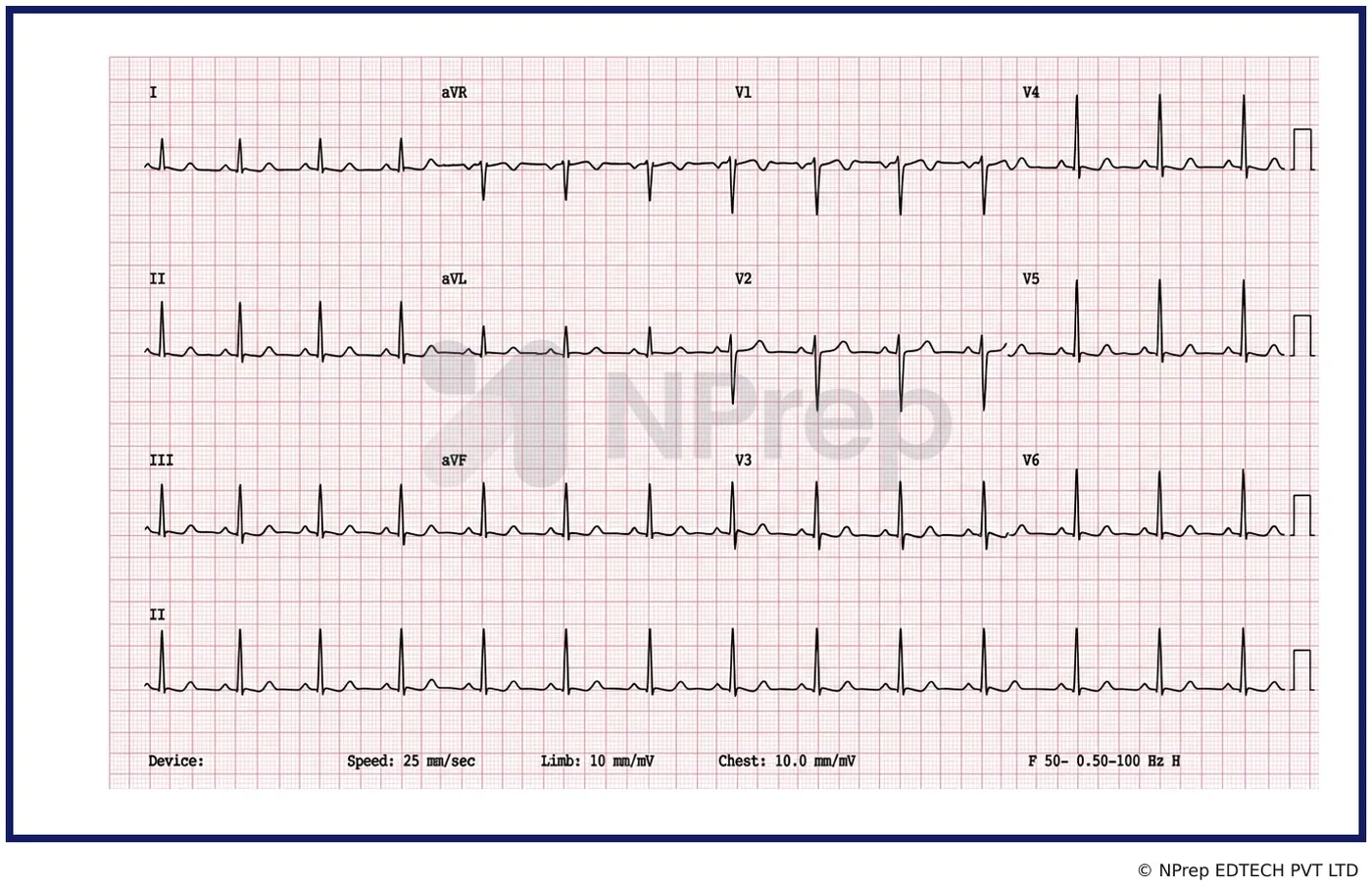
- A.
Right coronary artery
- B.
Posterior descending artery
- C.
Left circumflex artery
- D.
Anterior interventricular artery
- A.
Q36 · Applied Physiology · Nervous System
Which of the following neurotransmitters is correctly matched with its synthesis site?
- A.
Acetylcholine- substantia nigra
- B.
Serotonin-Raphe nucleus
- C.
Norepinephrine- Nucleus basalis of meynert
- D.
Dopamine – Locus ceruleus
- A.
Q37 · Medical & Surgical Nursing · Miscellaneous
A patient is evaluated for a rare orofacial syndrome. The classical diagnostic triad of this condition is being reviewed. Which of the following is NOT a component of the Melkersson- Rosenthal syndrome triad?
- A.
Lower motor neuron facial palsy
- B.
Proptosis (forward displacement of the eyeball)
- C.
Orofacial granulomatous oedema
- D.
Fissured (scrotal) tongue
- A.
Q38 · Medical & Surgical Nursing · Sensorineural Function
A patient develops acute-onset severe unilateral hearing loss with no identifiable cause. Audiometry confirms sensorineural hearing loss. Which of the following pharmacological regimens is considered the first-line treatment for this condition?
- A.
Intratympanic steroid injections
- B.
Topical steroid ear drops
- C.
Gentamicin combined with systemic steroids
- D.
Oral prednisolone (systemic corticosteroids)
- A.
Q39 · Applied Anatomy · Digestive System
A failure of fusion of the maxillary process with the medial nasal process during embryonic development results in which type of cleft anomaly?
- A.
Oblique cleft lip
- B.
Midline cleft lip
- C.
Bilateral cleft
- D.
Cleft palate
- A.
Q40 · Applied Physiology · Renal system
Which physiological abnormality increases renin secretion?
- A.
Reduced renal perfusion pressuren pressure
- B.
Increased extracellular volume
- C.
Elevated renal perfusion pressure
- D.
Elevated sodium load to macula densa
- A.
Q41 · Medical & Surgical Nursing · Integumentary Function
Match each clinical sign in Column A with its corresponding dermatological condition in Column B:
Column A (Clinical Sign) Column B (Condition)
Positive Nikolsky sign Pemphigus vulgaris
Pseudo-Nikolsky sign Stevens-Johnson syndrome
False Nikolsky sign Bullous pemphigoid Cerebriform tongue Pemphigus vegetans
Which of the following is the correct match?
- A.
A-2, B-1, C-3, D-4
- B.
A-1, B-2, C-3, D-4
- C.
A-1, B-3, C-2, D-4
- D.
A-4, B-2, C-1, D-3
- A.
Q42 · Child Health Nursing (Pediatrics) · Neuromuscular Disorders
A child presents with a Gower sign. What does this finding indicate?
- A.
Sensory neuropathy
- B.
Proximal muscle weakness
- C.
Joint laxity
- D.
Distal muscle weakness
- A.
Q43 · Obstetrics & Gynaecology · Amenorrhea
A 21-year-old girl presents with primary amenorrhea. Examination shows an absent uterus, present breast development, and sparse pubic and axillary hair. What is the genetic etiology?
- A.
MRKH
- B.
Androgen insensitivity
- C.
Turner's syndrome
- D.
CAH
- A.
Q44 · Applied Physiology · Nervous System
Emotional tone and prosody of speech is primarily controlled by which brain region?
- A.
Posterior superior temporal gyrus
- B.
Posterior inferior parietal gyrus
- C.
Precentral gyrus
- D.
Cingulate gyrus
- A.
Q45 · Biochemistry & Nutrition · Carbohydrates
Which of the following gives a negative Benedict's test?
- A.
Sucrose
- B.
Glucose
- C.
Fructose
- D.
Ascorbic acid
- A.
Q46 · Medical & Surgical Nursing · Oncology: Nursing Management in Cancer Care
A prostatic biopsy report reveals a Gleason score of 8 (4 + 4). What is the corresponding Grade Group classification of this tumor?
- A.
Grade Group 2
- B.
Grade Group 3
- C.
Grade Group 4
- D.
Grade Group 5
- A.
Q47 · Biochemistry & Nutrition · Proteins
Which of the following amino acid classifications are correctly matched? 1. Uncharged polar AA – Cysteine 2. Nonpolar AA – Histidine 3. Basic AA – Proline 4. Basic AA – Lysine
- A.
A and B
- B.
C and D
- C.
B and C
- D.
A and D
- A.
Q48 · Pathology & Genetics · Genetics
Which molecular biotechnology is depicted in the image shown below:
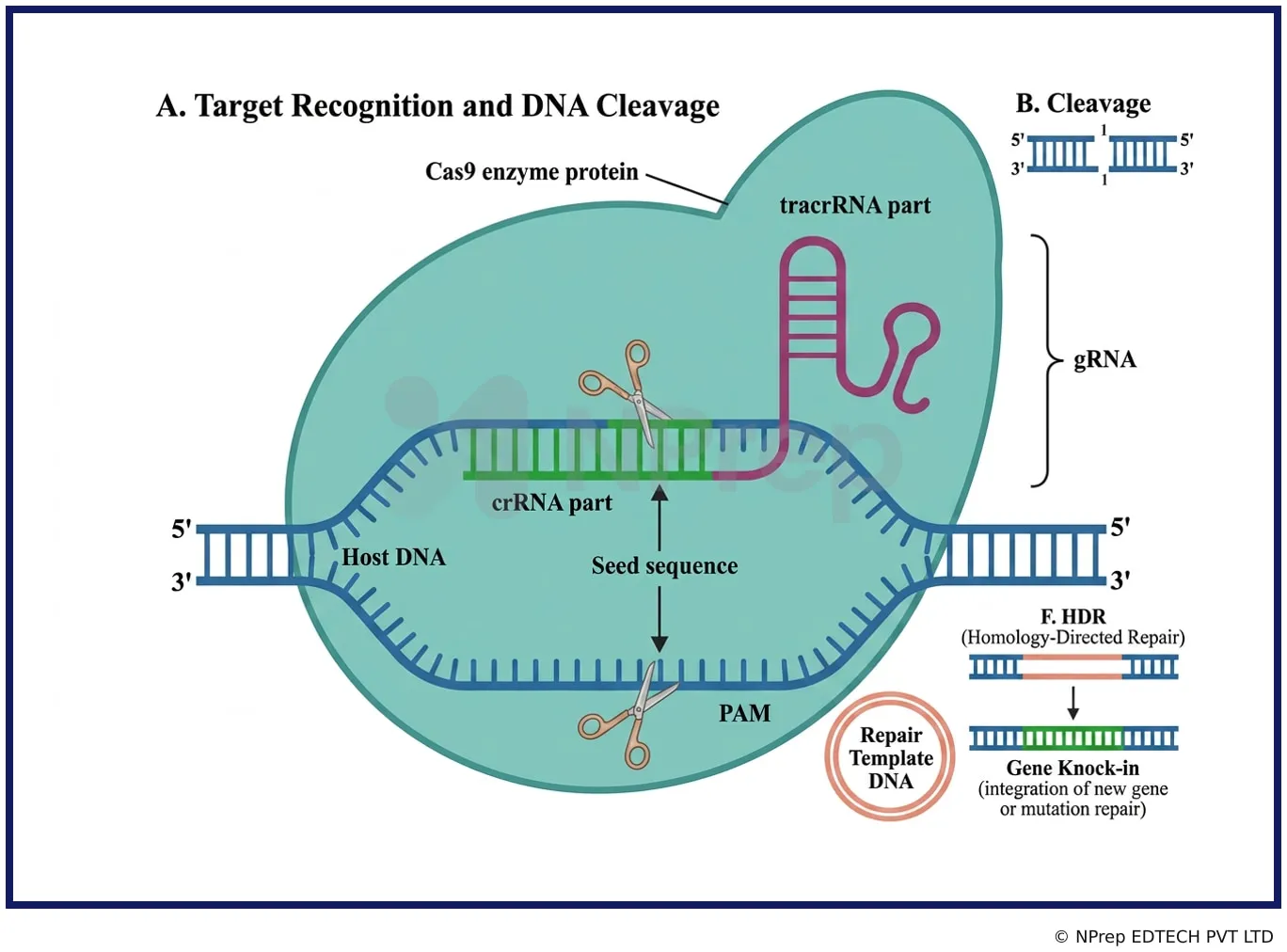
- A.
Microarray analysis
- B.
In situ hybridization
- C.
CRISPR-Cas9 gene editing system
- D.
DNA sequencing
- A.
Q49 · Biochemistry & Nutrition · Clinical Enzymology
A novel anti-aging compound induces autophagy by inhibiting EP300 histone acetyltransferase, leading to deacetylation of autophagy-related proteins. Which known anti-aging agent works by the same mechanism?
- A.
Rapamycin
- B.
Metformin
- C.
Resveratrol
- D.
Spermidine
- A.
Q50 · Child Health Nursing (Pediatrics) · Central Nervous System
. A 5-year-old child presents with recurrent episodes since age 3, characterized by sudden behavioral arrest, repetitive picking movements of the right hand, and goosebumps. The child is unresponsive during episodes and has no memory of them afterward. Which of the following is correct? 1. Focal seizure with intact awareness 2. Focal seizure with impaired awareness 3. Frontal lobe semiology 4. Temporal lobe semiology
- A.
1 and 3
- B.
2 and 4
- C.
2 and 3
- D.
1 and 4
- A.
- Sign in free
Done 50 questions? Check your answers
Sign in free: every answer with its explanation, attempt the paper timed with negative marking, and track your score.
Q51 · Community Health Nursing · Epidemiology – Epidemiological Approaches and Processes
In a defined population, approximately 67% of all stroke cases are attributable to uncontrolled hypertension. If hypertension were adequately managed, 2/3rd of the stroke burden could be eliminated. This is an example of:
- A.
Relative risk
- B.
Attributable risk
- C.
Population attributable risk
- D.
Odds Ratio
- A.
Q52 · Obstetrics & Gynaecology · Diagnosis of Pregnancy
Which of the following is classified as a probable sign of pregnancy?
A. Hegar's sign
B. Goodell's sign
C. Braxton Hicks contractions
D. Seitz sign
- A.
A and B only
- B.
A, B and C only
- C.
B, C and D only
- D.
A, B, C and D
- A.
Q53 · Medical & Surgical Nursing · Immunologic Function
Q2. A 32-year-old woman with a history of splenectomy presents to the emergency department with sudden-onset high-grade fever, vomiting, hypotension, and rapidly progressive septic shock. Her symptoms began 2 weeks after a minor febrile illness. Which organism is the most likely causative agent of this life-threatening condition?
- A.
Escherichia coli
- B.
Staphylococcus aureus
- C.
Streptococcus pneumoniae
- D.
Pseudomonas aeruginosa
- A.
Q54 · Pharmacology · Miscellaneous
An infant ingests a pesticide. Which drug reverses the acetylcholinesterase block?
- A.
Pralidoxime
- B.
Atropine
- C.
Flumazenil
- D.
Naloxone
- A.
Q55 · Pharmacology · Drugs Acting on Central Nervous System
A 40-year-old female is scheduled for parotid surgery and is administered general Anaesthesia. Approximately 10 minutes into the procedure, the following findings are noted: • Rise in end-tidal CO₂ (EtCO₂) • Temperature: 104°F (40°C) • Heart rate: 150 bpm • Blood pressure: 180/110 mmHg What is the most likely diagnosis?
- A.
Heat stroke
- B.
Malignant hyperthermia
- C.
Heat cramps
- D.
Heat pyrexia
- A.
Q56 · Applied Physiology · Endocrine system
Which of the following statements regarding hormones and their metabolic actions are correct? A. Insulin increases protein synthesis B. Thyroxine decreases basal metabolic rate C. Insulin decreases blood glucose levels D. Epinephrine increases glycogenolysis E. Glucagon increases gluconeogenesis
- A.
A, B and C only
- B.
A, C and D only
- C.
A, C, D and E only
- D.
All of the above
- A.
Q57 · Medical & Surgical Nursing · Cardiovascular, Circulatory, and Hematologic Function
. In which of the following conditions is cyanosis most likely to be a clinical finding?
- A.
Eisenmenger syndrome
- B.
Atrioventricular septal defect
- C.
Partial anomalous pulmonary venous connection
- D.
Advanced aortic stenosis
- A.
Q58 · Medical & Surgical Nursing · Neurologic Function
A 25-year-old college student presents with progressive headache, vomiting, and double vision. Examination reveals bilateral 6th nerve palsy and papilledema. CT brain shows hydrocephalus. CSF analysis reveals lymphocytic dominance, markedly low glucose, and elevated protein. What is the most likely diagnosis?
- A.
Viral meningitis
- B.
Tubercular meningitis
- C.
Fungal meningitis
- D.
Bacterial meningitis
- A.
Q59 · Pathology & Genetics · Genetics
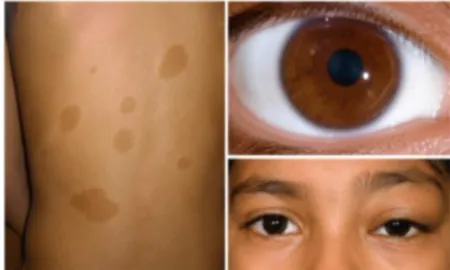
Images show café au lait spots, Lisch nodules on the iris, and swelling near the eye. Identify the most likely syndrome:
- A.
NF-1
- B.
Tuberous sclerosis
- C.
Sturge-Weber syndrome
- D.
Von Hippel-Lindau disease
- A.
Q60 · Applied Anatomy · Musculoskeletal System
Which muscle, as shown in the diagram, attaches to the cartilaginous portion of the Eustachian tube and also blends with the soft palate?
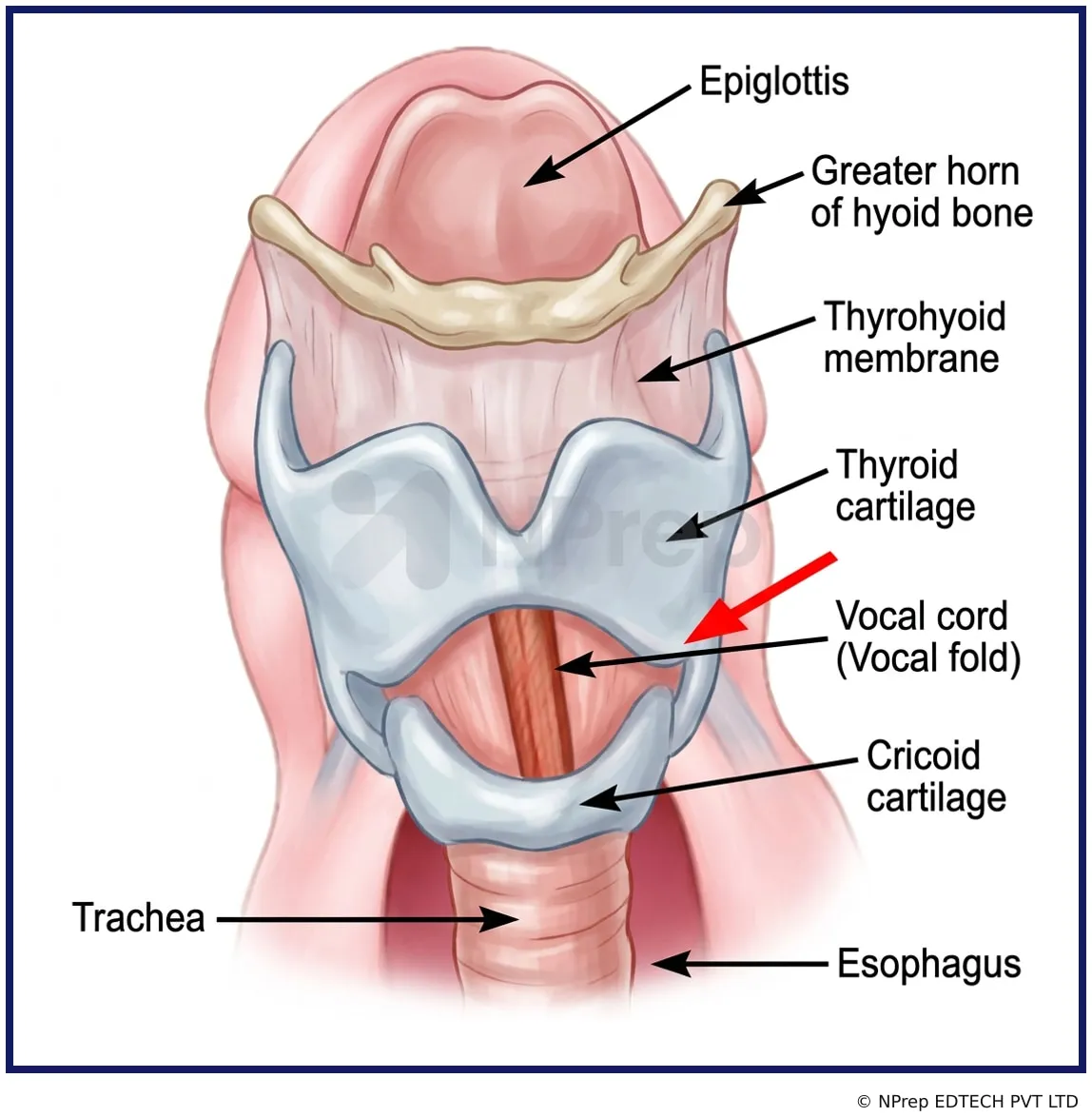
- A.
Stylopharyngeus
- B.
Tensor veli palatini
- C.
Levator veli palatini
- D.
Palatopharyngeus
- A.
Q61 · Pharmacology · Miscellaneous
A 45-year-old chronic smoker is being counselled for smoking cessation therapy. Which of the following statements regarding nicotine replacement and pharmacotherapy is correct?
- A.
Acidic beverages should be avoided 15 minutes before using nicotine gum to maximize absorption
- B.
Nicotine patch provides superior efficacy compared to nicotine gum
- C.
Bupropion is associated with more adverse effects than Varenicline
- D.
Varenicline carries a black box warning for cardiovascular toxicity
- A.
Q62 · Applied Anatomy · Sensory Organs
During tattooing, in which layer of the skin is the pigment/ink primarily deposited?
- A.
Dermis
- B.
Epidermis
- C.
Subcutaneous tissue
- D.
Muscle and vascular tissue
- A.
Q63 · Pharmacology · Miscellaneous
Respiratory depression is NOT a feature of which of the following poisonings?
- A.
Gelsemium
- B.
Strychnine
- C.
Opium
- D.
Dhatura
- A.
Q64 · Community Health Nursing · Epidemiology – Epidemiological Approaches and Processes
On investigating an outbreak, an epidemiologist plots an epidemic curve of acute febrile illness showing successive clusters separated by approximately 1 incubation period apart. Which of the following diseases shows this pattern of propagated spread?
- A.
Measles
- B.
Salmonellosis
- C.
Typhoid
- D.
Food poisoning
- A.
Q65 · Applied Physiology · Nervous System
Which cerebral lobe primarily governs hand–eye coordination?
- A.
Frontal
- B.
Parietal
- C.
Occipital
- D.
Temporal
- A.
Q66 · Forensic Nursing & Indian laws · Forensic Toxicology
A male traveller from Afghanistan is found dead in a hotel room. Autopsy shows the stomach packed with foreign substances. What is this phenomenon called?
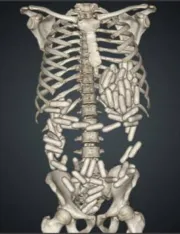
- A.
Body packing
- B.
Body stuffing
- C.
Body storage
- D.
Body smuggle
- A.
Q67 · Medical & Surgical Nursing · Neurologic Function
The given disorders are associated with dystonia and basal ganglia involvement. Which one requires a fundamentally different treatment approach than the others?
- A.
PKAN (Pantothenate kinase-associated neurodegeneration)
- B.
PLAN (PLA2G6-associated neurodegeneration)
- C.
Dopa-responsive dystonia
- D.
Wilson disease
- A.
Q68 · Nursing Research & Statistics · Foundation of Nursing Research
Which statement is correct regarding assessment of heterogeneity in meta-analysis?
- A.
It directly quantifies and corrects for publication bias
- B.
It evaluates the degree of variability in results across the combined studies
- C.
It automatically removes confounding variables from individual studies
- D.
It computes the incidence rate of the outcome across all populations
- A.
Q69 · Child Health Nursing (Pediatrics) · Development
A 20-month-old child walks independently without support, scribbles spontaneously, and appropriately follows and obeys simple commands. However, the child speaks only one meaningful word. What is the most appropriate next step in management?
- A.
Reassure the parents and schedule a routine follow-up at 5 years of age
- B.
Evaluate the child for autism spectrum disorder (ASD)
- C.
Reassess in 3 months to allow for spontaneous improvement
- D.
Suspect isolated speech delay and arrange a formal hearing assessment
- A.
Q70 · Nursing Research & Statistics · Research Approaches and Designs
Health data from 15 nations investigating the relationship between per capita tobacco consumption and national COPD prevalence, revealing a strong positive correlation. Which study type best describes this?
- A.
Case-control study
- B.
Cohort study
- C.
Cross-sectional study
- D.
Ecological study
- A.
Q71 · Pharmacology · Antimicrobial Drugs
Match the following antibiotics with their most commonly associated organism:
1. Streptomycin a. Streptococcal pharyngitis
2. Amoxicillin b. H. pylori
- Doxycycline c. Mycobacterium tuberculosis
4. Clarithromycin d. Chlamydia trachomatis
- A.
1-c, 2-a, 3-d, 4-b
- B.
1-c, 2-b, 3-d, 4-a
- C.
1-a, 2-c, 3-b, 4-d
- D.
1-d, 2-a, 3-c, 4-b
Q72 · Pharmacology · Antimicrobial Drugs
A wound swab reveals gram-positive cocci in clusters, catalase-positive, sensitive to Cefoxitin and Oxacillin. What is the drug of choice?
- A.
Ceftriaxone
- B.
Vancomycin
- C.
Cloxacillin
- D.
Amoxicillin/Clavulanate
- A.
Q73 · Pathology & Genetics · Genetics
In DNA replication, which enzyme synthesizes RNA primers?
- A.
Topoisomerase
- B.
DNA polymerase II
- C.
DNA polymerase III
- D.
Primase
- A.
Q74 · Child Health Nursing (Pediatrics) · Central Nervous System
An 8-year-old boy presents with freckling in the armpits, soft skin tumors over the back, and learning difficulties. His father has similar skin lesions. The images show findings under the slit lamp. What is the most likely diagnosis?
- A.
Neurofibromatosis type 2 (NF2)
- B.
Tuberous sclerosis complex
- C.
Sturge-Weber syndrome
- D.
Neurofibromatosis type 1 (NF1)
- A.
Q75 · Biochemistry & Nutrition · Carbohydrates
Assertion: The structural diversity of glycans exceeds that of proteins. Reason: Glycans are not assembled using a genetic template and can form branched chains with variable linkages.
- A.
A is true, but R is false
- B.
A is false, but R is true
- C.
Both A and R are true, and R is the correct explanation of A
- D.
Both A and R are true, but R is not the correct explanation of A
- A.
- Sign in free
Done 75 questions? Check your answers
Sign in free: every answer with its explanation, attempt the paper timed with negative marking, and track your score.
Q76 · Biochemistry & Nutrition · Clinical Enzymology
Q8. Which of the following enzymes are active in the dephosphorylated state? 1. Glycogen synthase 2. Glycogen phosphorylase 3. Fructose-2,6-bisphosphatase 4. Phosphofructokinase-2 (PFK-2)
- A.
1 and 2
- B.
2 and 3
- C.
3 and 4
- D.
1 and 4
- A.
Q77 · Pharmacology · Drugs Acting on Central Nervous System
Lamotrigine is most effective in which of the following seizure types?
- A.
Absence seizures
- B.
Tonic-clonic seizures
- C.
Atonic seizures
- D.
Myoclonic seizures
- A.
Q78 · Nursing Research & Statistics · Tools and Methods of Data Collection
A new screening test is evaluated in a population of 1,000 individuals. Of these, 100 individuals are known to have the disease. The test correctly identifies 90 of the diseased individuals, while 50 non-diseased individuals are false positives. Based on the data below, what is the Positive Predictive Value (PPV) of this screening test? Screening Test Diseased Non-Diseased Test Positive 90 50 Test Negative 10 850 Total 100 900
- A.
90%
- B.
98%
- C.
64%
- D.
47%
- A.
Q79 · Obstetrics & Gynaecology · Hypertensive Disorders in Pregnancy
A 34-year-old female, G2P1, with a history of pre-eclampsia in her previous pregnancy, comes for her first ANC visit at 12 weeks. What is the most appropriate intervention for prevention of pre- eclampsia in her current pregnancy?
- A.
Low-dose aspirin
- B.
Low-dose aspirin with Low Molecular Weight Heparin (LMWH)
- C.
Low calcium intake
- D.
Low salt intake
- A.
Q80 · Pharmacology · General Pharmacology
Q2. What is the mechanism of action of Resmetirom?
- A.
Blockage at NPC1L1 transporter
- B.
Activation of PPAR-γ
- C.
Blockage of Acetyl Co-A carboxylase
- D.
Stimulation of Thyroid Hormone Receptor-β
- A.
Q81 · Pharmacology · Drugs acting on Autonomic Nervoys system
Q5. Which adrenergic or muscarinic receptor subtype is coupled to the Gs protein?
- A.
M1 receptor
- B.
M2 receptor
- C.
Alpha adrenergic receptor
- D.
Beta adrenergic receptor
- A.
Q82 · Applied Anatomy · Endocrine System
Q4. Match each of the following organs with its correct embryological tissue of origin: Organ Embryological Origin
A. Thyroid gland 1. Neural crest cells
B. Adrenal medulla 2. Intermediate mesoderm
C. Kidney 3. Endoderm
- A.
A–3, B–1, C–2
- B.
A–1, B–3, C–2
- C.
A–2, B–1, C–3
- D.
A–1, B–2, C–3
- A.
Q83 · Obstetrics & Gynaecology · Prolonged Labor, Obstructed Labor, Dystocia Caused by Fetal Anomalies
A primigravida delivers the fetal head but the shoulders fail to deliver despite routine traction. What is the first step in management?
- A.
McRoberts maneuver with suprapubic pressure
- B.
Wood's corkscrew maneuver
- C.
Rubin maneuver
- D.
Zavanelli maneuver
- A.
Q84 · Pharmacology · General Pharmacology
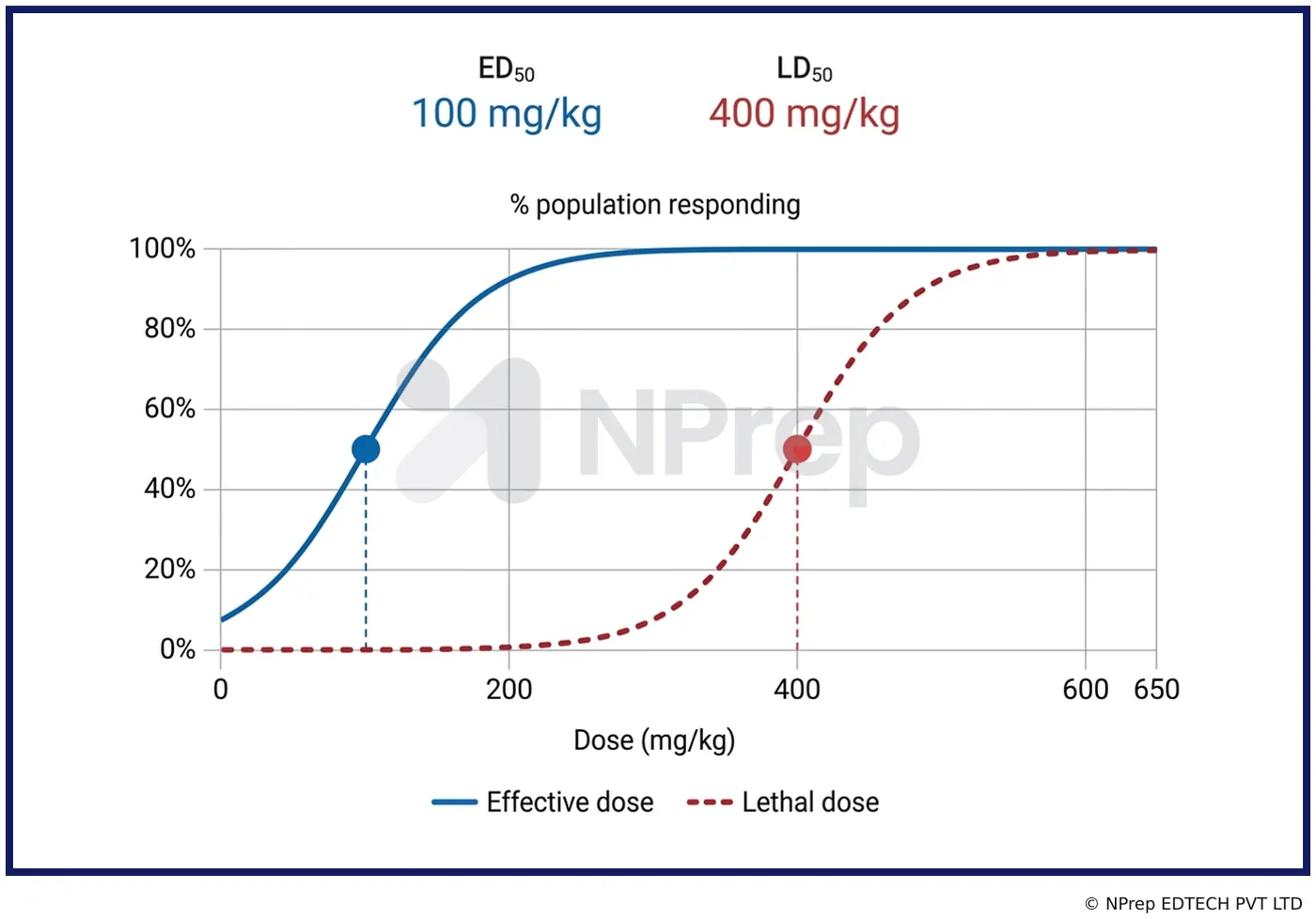
Calculate the Therapeutic Index of the given drug from the dose-response curve below:
- A.
0.25
- B.
0.75
- C.
2
- D.
4
- A.
Q85 · Medical & Surgical Nursing · Musculoskeletal Function
In femoral neck fracture management using the Garden classification, which treatment is indicated for an elderly patient?
- A.
Cannulated screws
- B.
Total hip replacement (THR)
- C.
Hemiarthroplasty
- D.
Conservative management
- A.
Q86 · Child Health Nursing (Pediatrics) · Orthopedic disorders
A 2-year-old child with a history of old knee injury now has varus deformity of the left knee. Deformity persists on flexion; blood report is normal. X-ray shows unilateral genu varum and angulated tibia. What is the diagnosis?
- A.
Malunion of tibial fracture
- B.
Osteofibrous dysplasia
- C.
Rickets
- D.
Focal fibrocartilaginous dysplasia
- A.
Q87 · Pharmacology · General Pharmacology
All the following are ligand-gated ion channels EXCEPT:
- A.
H2 receptor
- B.
5-HT3 receptor
- C.
GABA-A receptor
- D.
Nicotinic receptor
- A.
Q88 · Medical & Surgical Nursing · Digestive and Gastrointestinal Function
Which of the following clinical features best distinguishes mechanical small bowel obstruction from paralytic ileus?
- A.
Tachycardia
- B.
Vomiting
- C.
Abdominal distension
- D.
Colicky abdominal pain
- A.
Q89 · Medical & Surgical Nursing · Gas Exchange and Respiratory Function
A female patient presents with recurrent epistaxis and a unilateral nasal cavity mass. CT scan reveals localised bony erosion. Among the following differential diagnoses, which is the LEAST likely cause of these findings?
- A.
Inverted papilloma with malignant transformation
- B.
Olfactory esthesioneuroblastoma
- C.
Antrochoanal polyp
- D.
Juvenile nasopharyngeal angiofibroma
- A.
Q90 · Medical & Surgical Nursing · Metabolic and Endocrine Function
A 60-year-old patient presents with pruritus and obstructive jaundice. Physical examination reveals a palpable, non-tender gallbladder. What is the most likely diagnosis?
- A.
Choledocholithiasis
- B.
Carcinoma of the head of the pancreas
- C.
Cholangiocarcinoma
- D.
Gallbladder carcinoma
- A.
Q91 · Child Health Nursing (Pediatrics) · Newborn Infants
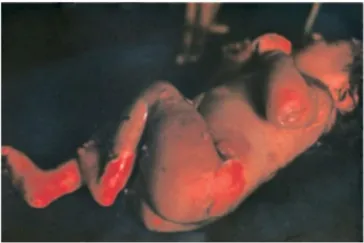
A newborn presents with a skin lesion as shown. The infant is feeding normally, has no fever, hypotension, or shock signs. Which diagnosis is most likely?
- A.
A. Staphylococcal scalded skin syndrome
- B.
B. Bullous pemphigoid
- C.
B. Bullous pemphigoid
- D.
D. Neonatal pemphigus due to transplacental antibody
- A.
Q92 · Child Health Nursing (Pediatrics) · Central Nervous System
A female child had normal developmental milestones until 6–8 months of age, after which she developed progressive regression in language, social interaction, and adaptive behavior. The regression was accompanied by loss of purposeful hand use replaced by stereotyped repetitive hand-wringing or clapping movements, and deceleration of head circumference growth. Which of the following is the most likely diagnosis?
- A.
Childhood disintegrative disorder
- B.
Down syndrome
- C.
Asperger syndrome
- D.
Rett syndrome
- A.
Q93 · Forensic Nursing & Indian laws · Dummy
A 16-year-old rape survivor presents at 16 weeks of pregnancy. All of the following are responsibilities of the examining doctor EXCEPT:
- A.
Fetal tissues for DNA to be preserved
- B.
Inform the police
- C.
MTP if needed can be conducted by one doctor's opinion
- D.
Parents' consent for medicolegal examination
- A.
Q94 · Pharmacology · Antimicrobial Drugs
A patient is diagnosed with invasive mucormycosis following COVID-19 infection. Which of the following antifungal agents has NO activity against Mucor species and should be avoided?
- A.
Voriconazole
- B.
Isavuconazole
- C.
Posaconazole
- D.
Liposomal Amphotericin B
- A.
Q95 · Pathology & Genetics · Systemic Pathology
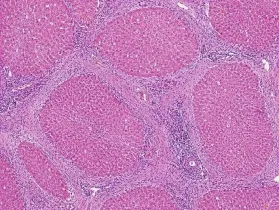
On histopathological examination of the liver from a chronic alcoholic, the following image is observed. Which special stain is the best choice to confirm the diagnosis?
- A.
Gomori Methenamine Silver (GMS)
- B.
Periodic Acid Schiff (PAS)
- C.
Masson Trichrome
- D.
Gram stain
- A.
Q96 · Applied Physiology · General Physiology
Q19. Which of the following statements regarding wound healing is correct?
- A.
The exudative phase directly follows the inflammatory phase
- B.
Type I collagen is deposited in early wound healing in a random haphazard manner
- C.
Angiogenesis occurs during the proliferative phase
- D.
Type III collagen replaces Type I collagen in a 3:1 ratio
- A.
Q97 · Pathology & Genetics · Systemic Pathology
Histopathological examination of cardiac tissue from a post-MI patient shows a predominant neutrophilic infiltrate. This finding corresponds to which post-infarction time window?
- A.
2–3 months
- B.
12–24 hours
- C.
1–3 days
- D.
7–10 days
- A.
Q98 · Medical & Surgical Nursing · Neurologic Function
What causes the resting tremors in Parkinson's disease?
- A.
Loss of inhibition of globus externa
- B.
Loss of inhibition of globus interna
- C.
Excitation of globus interna
- D.
Excitation of globus externa
- A.
Q99 · Medical & Surgical Nursing · Miscellaneous
Match each of the following clinical conditions with its most appropriate diagnostic investigation: Clinical Condition Investigation A. Pancreatic pseudocyst 1. FNAC B. Thyroid nodule 2. MRCP C. Prostate cancer 3. PET scan D. Obstructive jaundice 4. CT scan Which of the following is the correct match?
- A.
A-4, B-1, C-3, D-2
- B.
A-3, B-1, C-4, D-2
- C.
A-2, B-1, C-4, D-3
- D.
A-4, B-2, C-3, D-1
- A.
Q100 · Obstetrics & Gynaecology · Population Dynamics and Control of Conception
Which of the following statement is correct with respect to the Pearl Index?
- A.
Number of accidental pregnancies per 100 woman-years of contraceptive use
- B.
Number of accidental pregnancies in 100 women using a contraceptive for 1 year
- C.
Number of live births per 100 woman-years
- D.
Number of pregnancies including abortions per 100 couples
- A.
- Sign in free
Done 100 questions? Check your answers
Sign in free: every answer with its explanation, attempt the paper timed with negative marking, and track your score.
Q101 · Medical & Surgical Nursing · Cardiovascular, Circulatory, and Hematologic Function
A patient presents with Hb 8 g/dL, MCV 62 fL, and low serum ferritin. Which type of anemia is most likely?
- A.
Sideroblastic anemia
- B.
Megaloblastic anemia
- C.
Iron deficiency anemia
- D.
Aplastic anemia
- A.
Q102 · Applied Microbiology & Infection control · Pathogenic Organisms
Which of the following is an INCORRECT pairing of virus and associated malignancy?
- A.
CMV — Nasopharyngeal carcinoma
- B.
HTLV-1 — Adult T-cell lymphoma
- C.
EBV — Burkitt lymphoma
- D.
HHV-8 — Kaposi sarcoma
- A.
Q103 · Obstetrics & Gynaecology · Infections of the Individual Pelvic Organs
A female presents with greenish frothy discharge; whiff test and Amsel’s criteria are negative. What microscopy feature is expected?
- A.
Motile flagellates
- B.
Pseudohyphae
- C.
Clue cells
- D.
Gram-negative diplococci
- A.
Q104 · Medical & Surgical Nursing · Digestive and Gastrointestinal Function
According to the American Association for the Surgery of Trauma (AAST) colon injury grading scale, how is a colonic laceration involving more than 50% of the bowel wall circumference without complete transection classified?
- A.
Grade II
- B.
Grade III
- C.
Grade IV
- D.
Grade V
- A.
Q105 · Community Health Nursing · Concepts of Community Health and Community Health Nursing
Calculate the Odds Ratio with the following data: Cancer No Cancer Smoking 80 20 No Smoking 40 60
- A.
B. 8
- B.
C. 10
- C.
D. 12
- A.
Q106 · Applied Physiology · Sensory organs
Which sensory receptor generates a hyperpolarizing receptor potential upon stimulation?
- A.
Visual receptor (rods/cones)
- B.
Gustatory receptor
- C.
Olfactory receptor
- D.
Auditory receptor
- A.
Q107 · Medical & Surgical Nursing · Digestive and Gastrointestinal Function
On defecography, a rectocele is considered clinically significant when there is anterior bulging of the rectal wall into the posterior vaginal wall measuring more than:
- A.
1 cm
- B.
2 cm
- C.
3 cm
- D.
4 cm
- A.
Q108 · Medical & Surgical Nursing · Perioperative Concepts and Nursing Management
During laparoscopic inguinal hernia repair, what is the minimum distance of dissection required below the inguinal ligament to adequately expose the myopectineal orifice?
- A.
0.5 cm
- B.
1 cm
- C.
2 cm
- D.
4 cm
- A.
Q109 · Pharmacology · Miscellaneous
Which of the following statements regarding the HPV vaccine is correct?
- A.
One dose can be given instead of two
- B.
Live HPV vaccine is 100% protective for all HPV variants
- C.
Primary target age is 9–14 years
- D.
90% of 15-year-old girls to be vaccinated
- A.
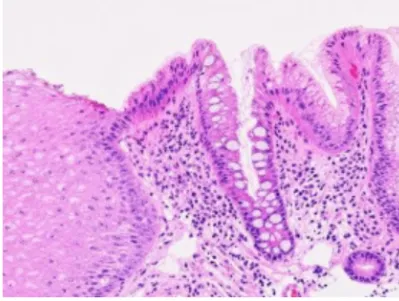
Q110 · Pathology & Genetics · Systemic Pathology
On histopathological examination of the gastro-esophageal junction, the following image is observed. What is the probable diagnosis?
- A.
Low-grade dysplasia
- B.
Squamous cell carcinoma
- C.
Adenocarcinoma
- D.
Barrett's esophagus
- A.
Q111 · Biochemistry & Nutrition · Insulin, Glucose Homeostasis & Diabetes Mellitus
Following a bolus administration of insulin, which of the following occurs?
- A.
Glucose uptake into the liver via GLUT 4
- B.
Glucose uptake into muscle via GLUT 4
- C.
Glucose uptake into muscle via GLUT 2
- D.
Glucose uptake into the liver via GLUT 2
- A.
Q112 · Biochemistry & Nutrition · Lipids
Q6. Match the following:
1. Most essential fatty acid a. Safflower oil
- Amino acid (AA) score b. Protein scoring system
3. Oil rich in essential fatty acid c. Protein quality + digestibility
4. Net Protein Utilization (NPU) d. Linoleic acid
- A.
1-d, 2-c, 3-a, 4-b
- B.
1-b, 2-d, 3-c, 4-a
- C.
1-d, 2-b, 3-a, 4-c
- D.
1-a, 2-b, 3-d, 4-c
Q113 · Applied Microbiology & Infection control · Review of Specimen Collection
Q3. Which of the following reagents is used for the digestion and decontamination of a sputum sample collected for tuberculosis diagnosis?
- A.
HCl with NAC
- B.
H₂SO₄ with NAC
- C.
HNO₃ with NALC
- D.
NaOH with NALC
- A.
Q114 · Medical & Surgical Nursing · Urinary Tract Function
An elderly female patient presents to the emergency department with acute onset left flank pain radiating to the groin. What is the most appropriate imaging protocol for initial evaluation?
- A.
Direct MRI of the abdomen and pelvis
- B.
Ultrasound of the abdomen followed by CT if inconclusive
- C.
Plain X-ray of the abdomen followed by CT urogram
- D.
Non-contrast CT (NCCT) followed by contrast-enhanced CT (CECT)
- A.
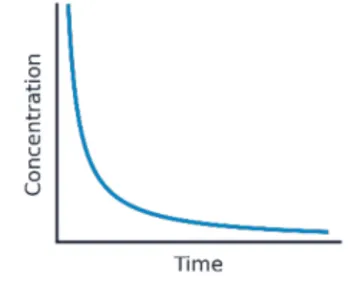
Q115 · Pharmacology · General Pharmacology
Identify the type of elimination kinetics represented in the given graph:
- A.
First-order kinetics
- B.
Zero-order kinetics
- C.
Nonlinear kinetics
- D.
Saturation kinetics
- A.
Q116 · Applied Microbiology & Infection control · Pathogenic Organisms
An elderly immunocompromised patient presents with blood-stained nasal discharge and a black necrotic eschar covering the right nasal cavity, hard palate, and nasal turbinates. Histopathology reveals broad aseptate hyphae. Which organism is the most common causative agent of this life-threatening condition?
- A.
Candida albicans
- B.
Cryptococcus neoformans
- C.
Aspergillus fumigatus
- D.
Rhizopus species
- A.
Q117 · Pathology & Genetics · Genetics
An elderly patient dies, and an autopsy reveals neuritic plaques in the brain. What is the most likely diagnosis?
- A.
Alzheimer’s disease
- B.
Parkinson’s disease
- C.
Creutzfeldt-Jakob disease
- D.
Huntington’s disease
- A.
Q118 · Pharmacology · Miscellaneous
After ingesting a liquid, a patient presents with pinpoint pupils, respiratory depression, excessive salivation, bradycardia, sweating, and lacrimation. What is the treatment of choice?
- A.
Pralidoxime
- B.
Atropine
- C.
Flumazenil
- D.
Naloxone
- A.
Q119 · Medical & Surgical Nursing · Miscellaneous
. Which of the following is least likely to be considered a major independent risk factor for falls in the elderly?
- A.
Muscle weakness (Sarcopenia)
- B.
Hearing impairment
- C.
Advanced age
- D.
Arthritis
- A.
Q120 · Pharmacology · Drugs Acting on Central Nervous System
Which of the following drugs is classified as a novel antidepressant?
- A.
Trazodone
- B.
Vilazodone
- C.
Blonanserin
- D.
Etizolam
- A.
Q121 · Pharmacology · Gastrointestinal Drugs
In which type of constipation are stimulant laxatives contraindicated or should be avoided?
- A.
Spastic constipationation
- B.
Habitual constipation
- C.
Atonic constipation
- D.
Post-operative constipation
- A.
Q122 · Pharmacology · Miscellaneous
Which instruction is correct for a patient using nicotine replacement therapy?
- A.
Gums are more effective than lozenges
- B.
Patient should avoid liquids like tea or coffee 15 minutes before using gum or lozenge
- C.
Correct timing of doses
- D.
Proper storage of nicotine products
- A.
Q123 · Medical & Surgical Nursing · Neurologic Function
In Myasthenia Gravis, why does repetitive nerve stimulation show a decremental response?
- A.
Decreased release of acetylcholine from the presynaptic terminal
- B.
Increased degradation of acetylcholine by acetylcholinesterase
- C.
Reduced number of functional acetylcholine receptors at the postsynaptic membrane
- D.
Autoantibodies blocking presynaptic calcium channels
- A.
Q124 · Medical & Surgical Nursing · Fluid and Electrolytes: Balance and Distribution
Match the following:
1. Metabolic acidosis a. Hyperventilation
2. Metabolic alkalosis b. Bronchopneumonia
3. Respiratory acidosis c. Pyloric stenosis
4. Respiratory alkalosis d. Glycol poisoning
- A.
1-c, 2-d, 3-b, 4-a
- B.
1-c, 2-d, 3-a, 4-b
- C.
1-a, 2-c, 3-b, 4-d
- D.
1-d, 2-c, 3-b, 4-a
- A.
Q125 · Applied Anatomy · Circulatory & Lymphatic System
Assertion (A): In a patient with scrotal swelling, examination of the superficial inguinal lymph nodes should always be performed. Reason (R): Most lymphatic drainage from scrotal skin goes to the superficial inguinal lymph nodes. Choose the correct option:
- A.
Both A and R are true, but R is not the correct explanation of A
- B.
Both A and R are true, and R is the correct explanation of A
- C.
A is true, but R is false
- D.
A is false, but R is true
- A.
- Sign in free
Done 125 questions? Check your answers
Sign in free: every answer with its explanation, attempt the paper timed with negative marking, and track your score.
Q126 · Biochemistry & Nutrition · Lipids
11. A newborn presents with craniofacial abnormalities, severely reduced muscle tone, and seizures. Biochemical analysis reveals elevated very long chain fatty acids in serum. What is the most likely underlying cause?
- A.
Mitochondrial inheritance
- B.
Lysosomal storage disorder
- C.
Peroxisomal biogenesis defect
- D.
Simultaneously activate multiple tumor suppressor genes
- A.
Q127 · Applied Microbiology & Infection control · Pathogenic Organisms
Which of the following statements are true about diphtheria toxin? A. It inhibits EF-2 B. It is an A-B type exotoxin C. It has particular affinity for myocardial and nervous tissue D. Toxin is produced only by strains carrying a plasmid Choose the correct answer:
- A.
A and C
- B.
A, B and C
- C.
All are correct
- D.
B and D
- A.
Q128 · Applied Physiology · Renal system
Which structure in the nephron functions as the counter-current multiplier to help concentrate urine?
- A.
Thick ascending loop of Henle
- B.
Thin ascending loop of Henle
- C.
Collecting duct
- D.
Vasa recta
- A.
Q129 · Medical & Surgical Nursing · Shock and Multisystem Failure
Q5. A female presents with high grade fever, diffuse erythematous rash and hypotension. She is currently menstruating and using tampoons. The toxin responsible acts by?
- A.
MHC class I molecule only
- B.
CD4 receptor only
- C.
B-cell receptor and IgG
- D.
Vβ region of the T-cell receptor and MHC class II molecule
- A.
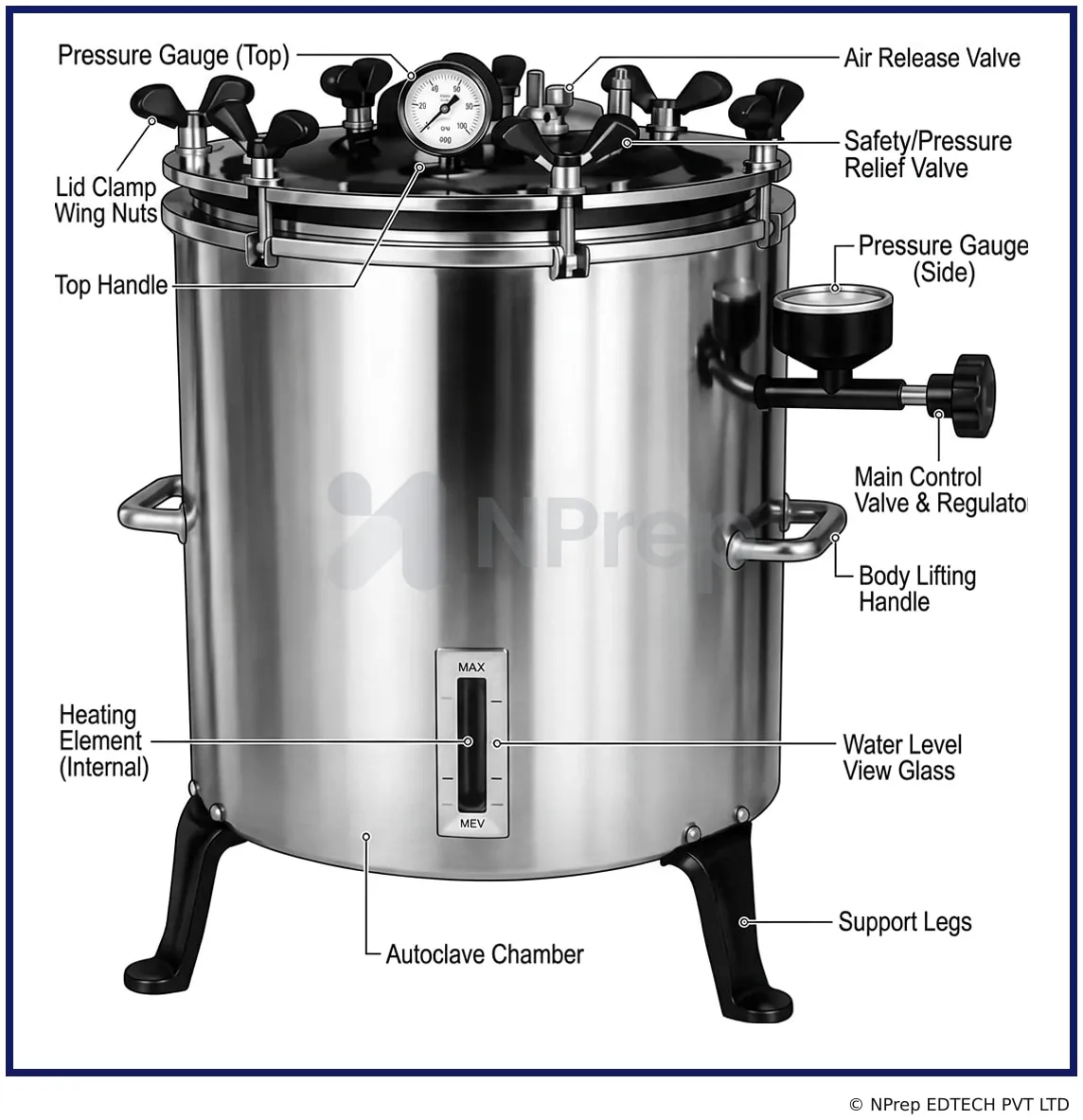
Q130 · Applied Microbiology & Infection control · Disinfection and Sterilization
The image shown depicts a piece of sterilization equipment. Which of the following statements regarding its sterilization properties is INCORRECT?
- A.
It is a method of moist heat sterilization operating above 100°C
- B.
Bowie-Dick test positive
- C.
Prions are completely destroyed at 121°C for 15 minutes
- D.
It is commonly used for sterilizing culture media
- A.
Q131 · Applied Microbiology & Infection control · Pathogenic Organisms
A 38-year-old man with advanced HIV infection (CD4 count: 60 cells/mm³) presents with chronic watery diarrhea for 2 months, significant weight loss, intermittent fever, and fatigue. Colonoscopy is performed, and biopsy from the colonic mucosa demonstrates trophozoites with RBCs. What is the most likely causative organism?
- A.
Giardia lamblia
- B.
Cryptococcus neoformans
- C.
Cryptosporidium parvum
- D.
Entamoeba histolytica
- A.
Q132 · Medical & Surgical Nursing · Neurologic Function
Which features help distinguish central nystagmus from peripheral nystagmus?
- A.
Direction and duration
- B.
Latency
- C.
Fatigue
- D.
All of the above
- A.
Q133 · Medical & Surgical Nursing · Urinary Tract Function
A 12-year-old presents with hypertension and hematuria. Serum C3 is raised. Renal biopsy shows subepithelial hump deposits on EM. What is the most likely diagnosis?
- A.
Goodpasture syndrome
- B.
Membranous glomerulonephritis
- C.
Post-streptococcal glomerulonephritis (PSGN)
- D.
Minimal change disease
- A.
Q134 · Medical & Surgical Nursing · Metabolic and Endocrine Function
A 15-year-old boy presents with hypertension and salt-water retention. He is suspected to have 17-alpha hydroxylase deficiency. What is the expected serological profile?
- A.
High mineralocorticoid, high cortisol, high androgen
- B.
High mineralocorticoid, high cortisol, low androgen
- C.
High mineralocorticoid, low cortisol, low androgen
- D.
Low mineralocorticoid, low cortisol, low androgen
- A.
Q135 · Applied Physiology · Sensory organs
What is the expected amplitude of accommodation in a healthy child?
- A.
2D
- B.
5D
- C.
14D
- D.
25D
- A.
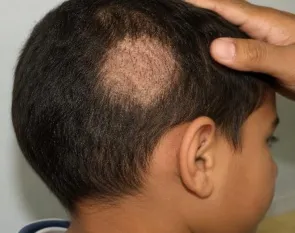
Q136 · Medical & Surgical Nursing · Integumentary Function
Q1. A patient presents with focal hair loss accompanied by pruritus and scalp scaling. Which of the following treatments is most suitable?
- A.
Methotrexate
- B.
Topical corticosteroids
- C.
Oral antibiotics
- D.
Oral antifungals
- A.
Q137 · Medical & Surgical Nursing · Cardiovascular, Circulatory, and Hematologic Function
A patient presents to the emergency room with breathlessness. Cardiac causes are suspected but need to be differentiated from obstructive lung disease. Which of the following features is more characteristic of heart failure?
- A.
Chest tightness
- B.
Not able to take deep breath
- C.
Air hunger
- D.
Intermittent wheezing
- A.
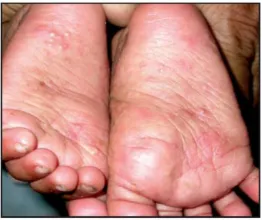
Q138 · Child Health Nursing (Pediatrics) · Skin Disorders
An infant presents with pruritic lesions distributed over the hands, feet, and periumbilical region. Which of the following diagnoses best fits this clinical picture?
- A.
Atopic dermatitis
- B.
Bullous impetigo
- C.
Scabies
- D.
Eczema
- A.
Q139 · Medical & Surgical Nursing · Cardiovascular, Circulatory, and Hematologic Function
A 38-year-old male presents with sudden onset palpitations. He has no known comorbidities and his vitals are stable. ECG shows an irregularly irregular rhythm with no identifiable P waves and a ventricular rate of 130 beats per minute. What is the most likely diagnosis?
- A.
Multifocal atrial tachycardia
- B.
Atrial fibrillation
- C.
Atrial flutter
- D.
Supraventricular tachycardia
- A.
Q140 · Applied Physiology · Digestive system
During oral rehydration therapy in diarrhoea, which transporter is most active in promoting fluid absorption?
- A.
CFTR
- B.
NHE
- C.
SGLT1
- D.
Na+-K+ ATPase
- A.
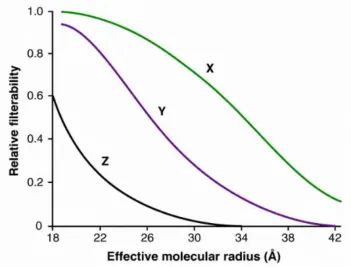
Q141 · Applied Physiology · Renal system
In a graph of glomerular filterability vs. effective molecular radius, if X and Y are two molecules, which statement is correct?
- Y has more filterability than X
2. Y has more filterability than Z
3. X has less filterability than Y
4. X represents positively charged molecules
A. 1 and 2
B. 2 and 3
C. 3 and 4
D. 1 and 4
Answer: C
- A.
1 and 2
- B.
2 and 3
- C.
3 and 4
- D.
1 and 4
Q142 · Applied Physiology · Renal system
Damage to the glomerular capillary wall causes which of the following to appear in urine?
- A.
Uric acid
- B.
Glucose
- C.
Ketones
- D.
Proteins
- A.
Q143 · Pathology & Genetics · Systemic Pathology
A patient with long-standing chronic inflammatory disease develops systemic amyloidosis. Which amyloid protein subtype is characteristically deposited?
- A.
ATTR
- B.
Abeta2m
- C.
AL
- D.
AA
- A.
Q144 · Child Health Nursing (Pediatrics) · Disorders of Respiratory System
A 12-year-old child presents with mild fever, runny nose, sore throat, and cough for 3 days. Clinical examination is consistent with an upper respiratory tract infection (URTI). There is no respiratory distress, oxygen desaturation, or focal chest findings. What is the most appropriate next step regarding imaging?
- A.
No further radiological investigation is required
- B.
Digital chest X-ray
- C.
Plain CT chest
- D.
HRCT chest
- A.
Q145 · Medical & Surgical Nursing · Other Acute Problems
Following an explosion, a person sustained burns to the face and chest. What type of blast injury is this?
- A.
Primary blast injury
- B.
Secondary blast injury
- C.
Tertiary blast injury
- D.
Quaternary blast injury
- A.
Q146 · Applied Physiology · Circulatory & Lymphatic system
Reason for biphasic flow in right coronary artery?
- A.
Increased aortic pressure
- B.
Increased right ventricular mass
- C.
High pressure in right ventricle
- D.
Low pressure in right ventricle
- A.
Q147 · Obstetrics & Gynaecology · Miscellaneous
Match the following conditions with their hormonal profiles:
Condition Hormonal Profile
1. PCOS A. Normal FSH, Normal LH, Normal Estradiol - B. Decreased FSH, Decreased LH, Decreased
2. Primary Ovarian Failure Estradiol - C. Increased LH, Normal to Low FSH (High
3. Asherman Syndrome LH:FSH ratio)
4. Sheehan Syndrome -D. Markedly Increased FSH, Low Estradiol
- A.
1-C, 2-D, 3-A, 4-B
- B.
1-A, 2-B, 3-C, 4-D
- C.
1-D, 2-C, 3-B, 4-A
- D.
1-C, 2-A, 3-D, 4-B
- A.
Q148 · Medical & Surgical Nursing · Musculoskeletal Function
A 30-year-old female post-RTA has persistent pain uncontrolled by analgesics. Compartment pressure is 90 mmHg with absent pulse. What is the treatment?
- A.
Emergency fasciotomy
- B.
Observation
- C.
Increase IV analgesics
- D.
External fixation
- A.
Q149 · Pathology & Genetics · Genetics
Which statement correctly describes incomplete penetrance?
- A.
All children of an affected parent will be clinically affected
- B.
The disease will not manifest in any individual of the next generation
- C.
Multiple individuals in one generation are affected but the next generation is entirely spared
- D.
Alternate generations of pedigree are affected by the condition
- A.
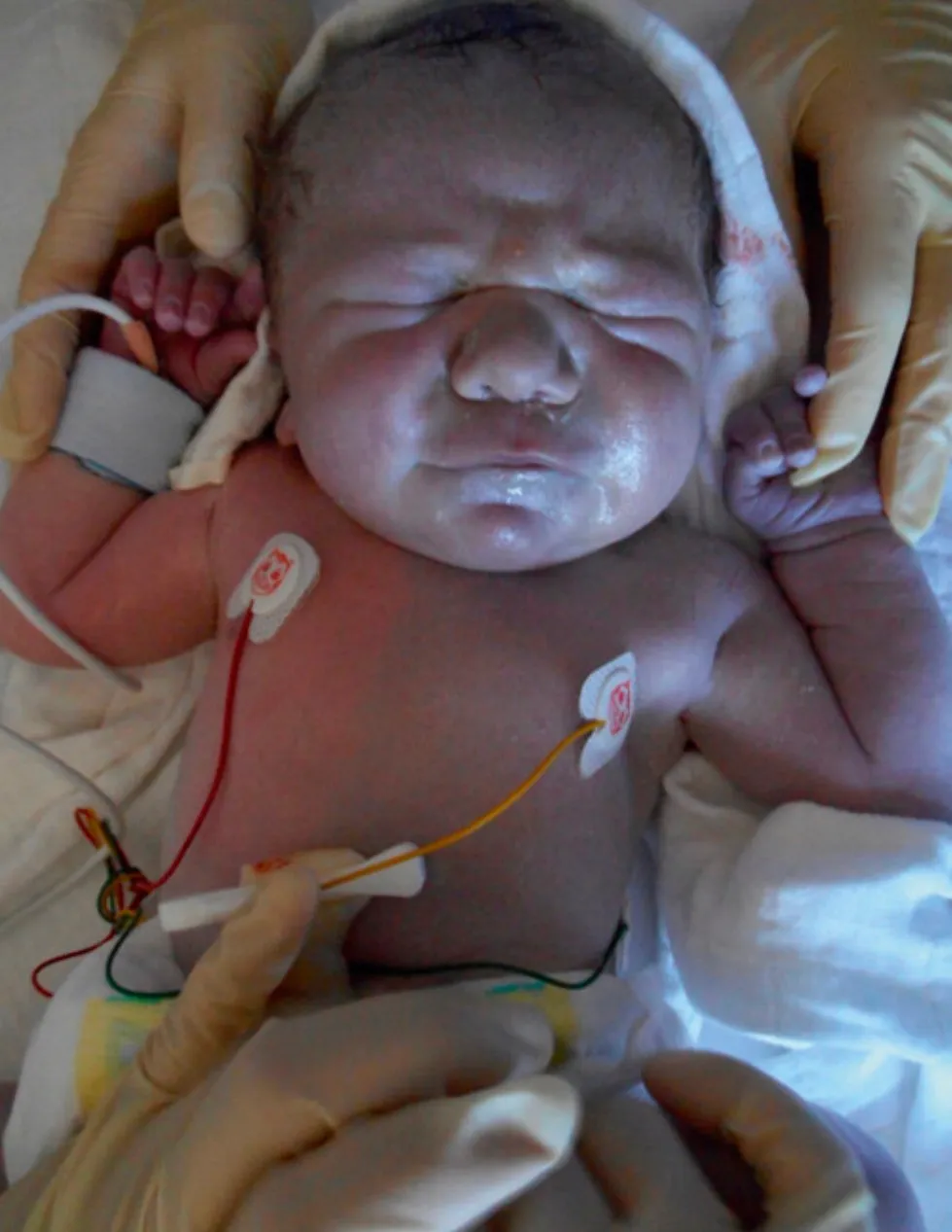
Q150 · Child Health Nursing (Pediatrics) · Disorders of Cardiovascular System
following congenital heart diseases is most likely responsible for this clinical presentation?
- A.
Atrioventricular septal defect
- B.
Severe mitral stenosis
- C.
Large patent ductus arteriosus (PDA)
- D.
Peripheral vascular disease
- A.
- Sign in free
Done 150 questions? Check your answers
Sign in free: every answer with its explanation, attempt the paper timed with negative marking, and track your score.
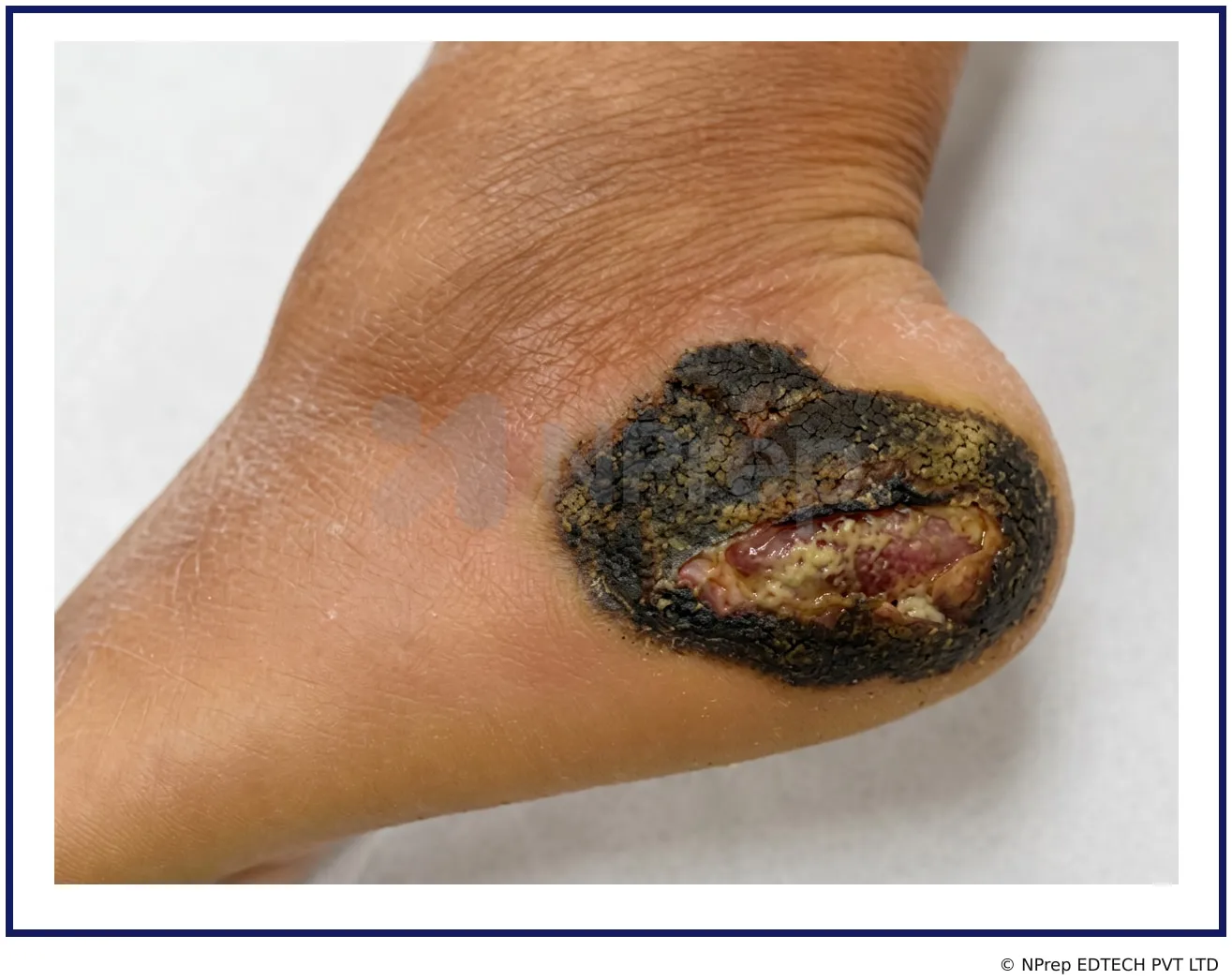
Q151 · Medical & Surgical Nursing · Miscellaneous
A patient is found to have a dark black lesion on the plantar surface of the foot. What is the most appropriate initial investigation?
Answer: C
- A.
KOH mount
- B.
Gram stain
- C.
Skin biopsy
- D.
Tzanck smear
- A.
Q152 · Medical & Surgical Nursing · Oncology: Nursing Management in Cancer Care
What is the fundamental surgical principle underlying TME in the operative management of rectal cancer?
- A.
Excision of only the peritumoral fat surrounding the tumor
- B.
Routine resection of the pelvic autonomic nerves
- C.
Ligation of the internal iliac artery
- D.
En bloc removal of the entire mesorectum as a single intact unit
- A.
Q153 · Child Health Nursing (Pediatrics) · Genetic Disorders
A neonate presents with prolonged neonatal jaundice, an umbilical hernia, and generalized hypotonia. Which of the following is the most likely underlying diagnosis?
- A.
Galactosemia
- B.
Down syndrome
- C.
Biliary atresia
- D.
Congenital hypothyroidism
- A.
Q154 · Medical & Surgical Nursing · Musculoskeletal Function
A proximal humerus fracture is classified using Neer's classification. Which surgical option is most appropriate for a 4-part fracture in a young patient?
- A.
Humerus nailing
- B.
Humerus plating
- C.
Hanging cast/K-wires
- D.
Shoulder hemiarthroplasty
- A.
Q155 · Pharmacology · Antimicrobial Drugs
Q9. Regarding ESBL-producing organisms and their treatment, which of the following statements are correct?
1. 1st generation cephalosporins such as Cefazolin retain activity against ESBL producers, unlike 3rd generation
2. Carbapenems have proven clinical efficacy against ESBL-producing organisms
3. The beta-lactamase enzyme responsible for ESBL resistance is encoded on transferable plasmids
4. Piperacillin-Tazobactam is a reliable and effective alternative to Carbapenems
- A.
1, 2, and 4 only
- B.
2, 3, and 4 only
- C.
1, 2, and 3 only
- D.
1, 2, 3, and 4 all
- A.
Q156 · Medical & Surgical Nursing · Oncology: Nursing Management in Cancer Care
A young patient presents with recurrent fever and constitutional symptoms. Evaluation reveals a mediastinal mass and biopsy confirms lymphoma. In the staging system, 'X' is mentioned. What does 'X' denote?
- A.
Extranodal spread of disease
- B.
Bulky or large tumor mass
- C.
Presence of systemic symptoms
- D.
Tumor present on both sides of the diaphragm
- A.
Q157 · Pathology & Genetics · Clinical Pathology
A patient diagnosed with beta-thalassemia major is being evaluated. Which of the following is characteristic of this condition?
- A.
Iron overload
- B.
Leukopoiesis
- C.
Ineffective hematopoiesis
- D.
Intravascular hemolysis
- A.
Q158 · Medical & Surgical Nursing · Cardiovascular, Circulatory, and Hematologic Function
Which of the following electrolyte or metabolic abnormalities is NOT a component of the lethal triad associated with massive blood transfusion?
- A.
Acidosis
- B.
Hypothermia
- C.
Coagulopathy
- D.
Hyponatremia
- A.
Q159 · Child Health Nursing (Pediatrics) · Central Nervous System
A child presents with fever, altered level of consciousness, and signs of meningeal irritation. Cerebrospinal fluid (CSF) analysis reveals the following findings: • Cell differential: Predominantly lymphocytes • Protein: Elevated • Glucose: Low Based on these CSF findings, what is the most likely diagnosis?
- A.
Tuberculous meningitis
- B.
Pyogenic (bacterial) meningitis
- C.
Viral meningitis
- D.
Fungal meningitis
- A.
Q160 · Applied Anatomy · Miscellaneous
Q6. A developmental remnant of the embryological hindgut persisting in the retrorectal (presacral) space is most likely to give rise to which of the following lesions?
A. Chondroma
B. Tailgut cyst
C. Epidermoid cyst
D. Dermoid cyst
- A.
Chondroma
- B.
Tailgut cyst
- C.
Epidermoid cyst
- D.
Dermoid cyst
- A.
Q161 · Applied Anatomy · Sensory Organs
Which of the following structures is NOT part of the trabecular outflow pathway?
- A.
Trabecular meshwork
- B.
Uveoscleral pathway
- C.
Schlemm's canal
- D.
Collector vessels
- A.
Q162 · Pathology & Genetics · Clinical Pathology
A peripheral blood smear is shown below. Which supravital stain was used?
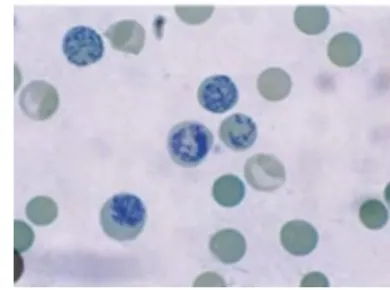
- A.
Giemsa stain
- B.
New Methylene Blue
- C.
Leishman stain
- D.
Diff-Quik stain
- A.
Q163 · Obstetrics & Gynaecology · Injuries to the Birth Canal
A patient is unable to pass urine four hours after an instrumental vaginal delivery. Examination reveals a bluish cystic swelling in the vaginal wall. What is the most likely diagnosis?
- A.
Vaginal hematoma
- B.
Perineal tear
- C.
Bartholin's cyst
- D.
Cystocoele
- A.
Q164 · Applied Anatomy · Digestive System
The histological section shown in the image, characterized by predominantly serous acini, is best identified as which organ?
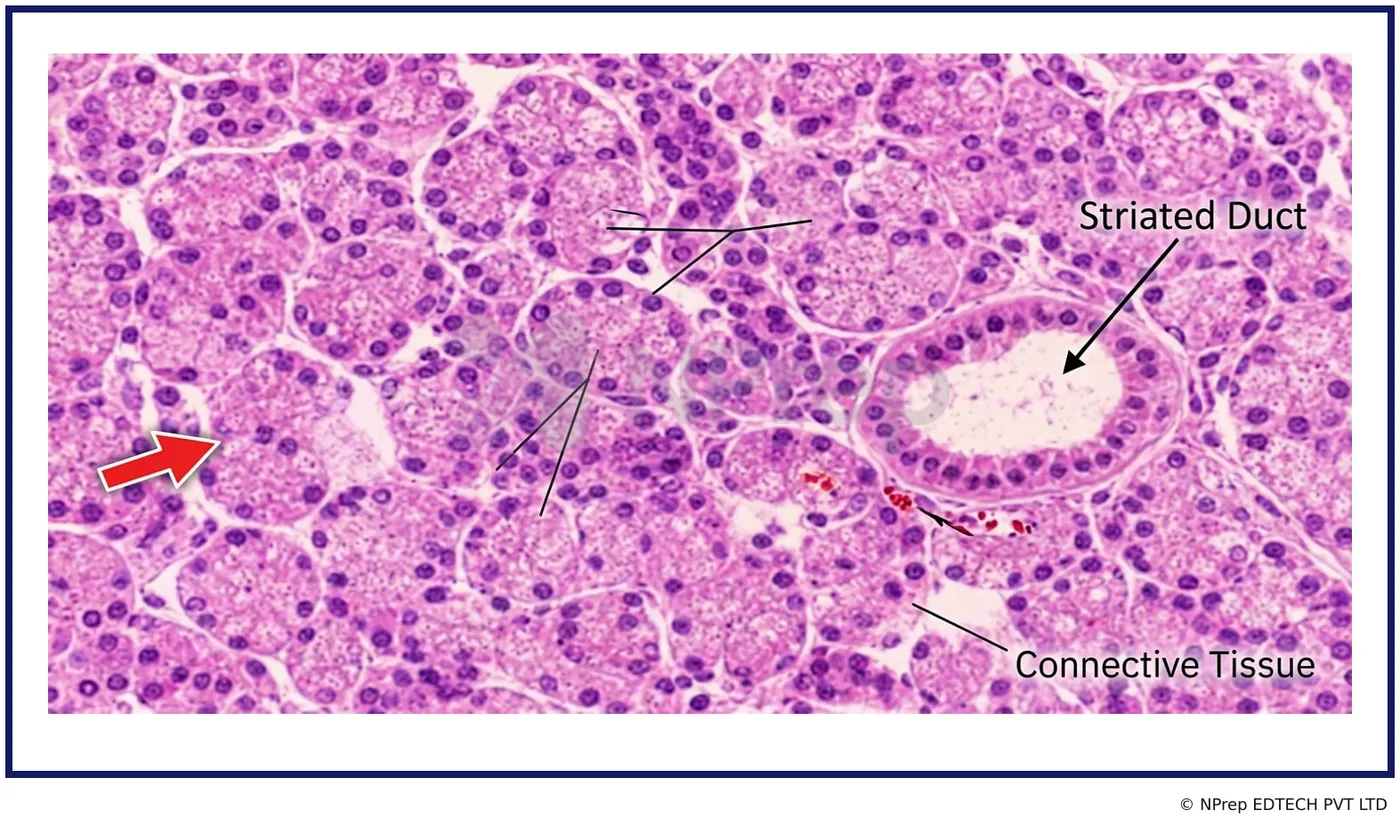
- A.
Sublingual salivary gland
- B.
Pancreas
- C.
Parotid gland
- D.
Liver
- A.
Q165 · Medical & Surgical Nursing · Metabolic and Endocrine Function
A patient on long-term steroid therapy presents with centripetal obesity, buffalo hump, and abdominal striae. Dexamethasone suppression test confirms the diagnosis. What is the next investigation to identify the source?
- A.
ACTH level
- B.
CECT adrenal
- C.
Non-contrast CT adrenal
- D.
MRI pituitary gland
- A.
Q166 · Applied Anatomy · Digestive System
Q5. Match each of the following gastrointestinal organs with its distinctive histological feature:
Organ Histological Feature
1. Ileum a. Taenia coli
2. Transverse colon b. Villi
3. Esophagus c. Peyer's patches
- Duodenum d. Non-keratinized stratified squamous epithelium
- A.
1-c, 2-a, 3-d, 4-b
- B.
1-a, 2-c, 3-d, 4-b
- C.
1-c, 2-b, 3-a, 4-d
- D.
1-d, 2-a, 3-c, 4-b
Q167 · Medical & Surgical Nursing · Urinary Tract Function
RADIOLOGY
A radiologist is reviewing requests for gadolinium-based contrast MRI (ACR Group II agent). In which of the following clinical scenarios is contrast-enhanced MRI CONTRAINDICATED or requires special caution?
- A.
A child with a documented normal renal function test report
- B.
A 50-year-old patient with eGFR of 30 mL/min/1.73 m²
- C.
A 30-year-old healthy male without available renal function tests
- D.
A 60-year-old diabetic male without available renal function tests
- A.
Q168 · Pathology & Genetics · Miscellaneous
A 10-year-old boy presents with excessive eating (hyperphagia) and obesity, with a BMI of 33. Genetic testing shows a deletion on chromosome 15. What is the most likely diagnosis?
- A.
Angelman syndrome
- B.
Prader-Willi syndrome
- C.
Rett syndrome
- D.
Down syndrome
- A.
Q169 · Forensic Nursing & Indian laws · Injuries
Based on the image, what is the range of the firearm wound?
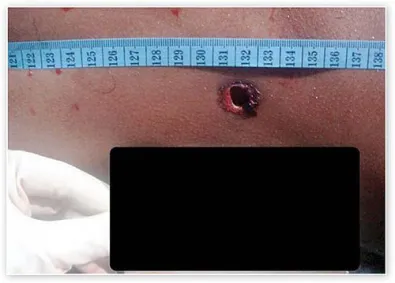
- A.
Close
- B.
Contact
- C.
Exit wound
- D.
Distant
- A.
Q170 · Applied Anatomy · Musculoskeletal System
In the diagram of the abdominal wall musculature, the muscle labelled 'X' and the structure formed by its aponeurosis are best identified as:
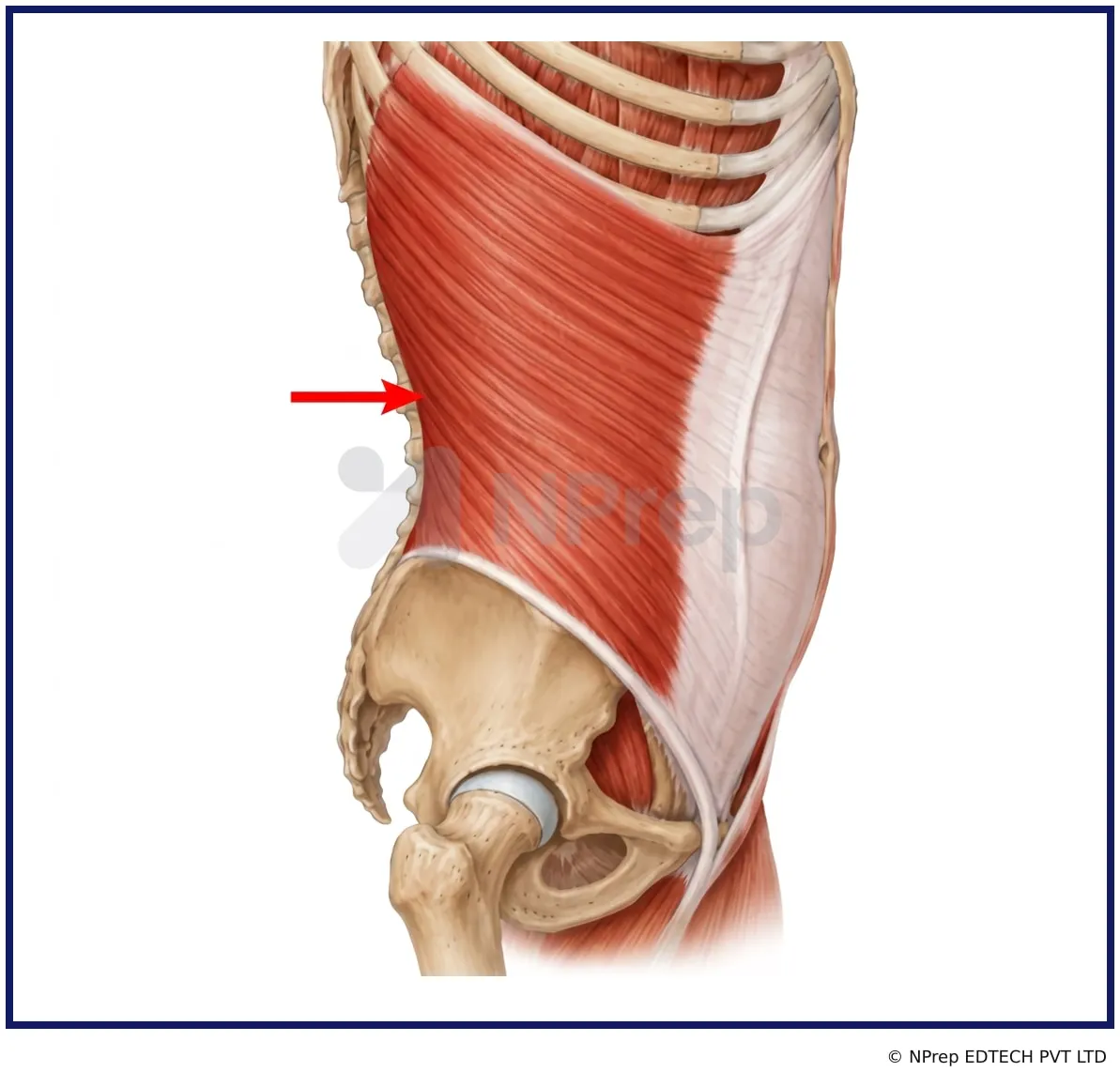
- A.
External oblique — Inguinal ligament
- B.
Internal oblique — Conjoint tendon
- C.
Transversus abdominis — Conjoint tendon
- D.
Rectus abdominis — Linea alba
- A.
Q171 · Pharmacology · Drug Affecting Blood & Blood Formation
Which of the following statements is correct regarding Ticagrelor?
- A.
It is associated with reduced risk of intracranial bleeding compared to Clopidogrel
- B.
It requires hepatic enzymatic activation to produce its active metabolite
- C.
It exerts its antiplatelet effect by directly blocking the P2Y12 ADP receptor
- D.
Its antiplatelet action is irreversible and persists until new platelets are formed
- A.
Q172 · Community Health Nursing · Epidemiology – Epidemiological Approaches and Processes
On evaluating an influenza vaccine, it demonstrated an efficacy of 95% in randomized controlled trials and an effectiveness of 90% in post-marketing surveillance studies. Which of the following statement is incorrect?
- A.
Vaccinated individuals demonstrate a 95% reduction in disease risk vs unvaccinated
- B.
Vaccinated individuals show a 90% reduction in influenza risk in real-world settings
- C.
The vaccine confers absolute and complete protection against influenza infection
- D.
Vaccine effectiveness can be lower than efficacy in real-world settings
- A.
Q173 · Applied Physiology · Sensory organs
Which of the following correctly describes the changes that take place during dark adaptation? A) Retinol is converted to vitamin D B) Dilated pupils C) Eyes sensitive to light D) Functional rhodopsin is formed (Opsin binds with 11-cis-retinal)
- A.
A and B
- B.
B only
- C.
B, C, and D
- D.
D only
- A.
Q174 · Applied Microbiology & Infection control · Miscellaneous
A wound swab reveals gram-positive cocci in clusters, catalase-positive, sensitive to Cefoxitin and Oxacillin. What is the drug of choice?
- A.
Ceftriaxone
- B.
Vancomycin
- C.
Cloxacillin
- D.
Amoxicillin/Clavulanate
- A.
Q175 · Biochemistry & Nutrition · Carbohydrates
Q12. A laboratory worker accidentally inhales fumes of an oxidative phosphorylation uncoupling agent. Which of the following physiological changes is most likely to occur?
- A.
↓ O2 consumption, ↑ Body temperature, ↑ ATP production
- B.
↑ O2 consumption, ↑ Body temperature, ↓ ATP production
- C.
↑ O2 consumption, ↓ Body temperature, ↑ ATP production
- D.
↓ O2 consumption, ↓ Body temperature, ↓ ATP production
- A.
- Sign in free
Done 175 questions? Check your answers
Sign in free: every answer with its explanation, attempt the paper timed with negative marking, and track your score.
Q176 · Pharmacology · Drugs Acting on Central Nervous System
Regarding the cardiovascular effects of halothane on blood pressure, the following statements are given: 1. A drop of 20–30 mmHg in blood pressure is commonly observed 2. The fall in blood pressure begins early and is proportional to the depth of Anaesthesia 3. The fall in blood pressure reduces as the depth of Anaesthesia 4. The baroreceptor reflex mechanism is activated in response to the fall in blood pressure Which of the above statements are correct?
- A.
1, 2, and 3 only
- B.
2, 3, and 4 only
- C.
1, 2, and 4 only
- D.
1, 3, and 4 only
- A.
Q177 · Obstetrics & Gynaecology · Physiological Changes During Pregnancy
What is the primary cause of mild breathlessness experienced during normal pregnancy?
- A.
Decreased tidal volume
- B.
Progesterone-induced stimulation of the respiratory centre
- C.
Reduced oxygen intake
- D.
Increased arterial PCO₂ levels
- A.
Q178 · Child Health Nursing (Pediatrics) · Newborn Infants
A pregnant woman with SLE delivers a neonate who is found to have a heart rate of 45 beats per minute. ECG confirms complete heart block. Which maternal antibody is most likely responsible?
- A.
Anti-Ro antibody
- B.
Anti-dsDNA antibody
- C.
Anti-histone antibody
- D.
Anti-Smith antibody
- A.
Q179 · Applied Anatomy · Sensory Organs
Q13. Identify the skin receptor shown in the image:
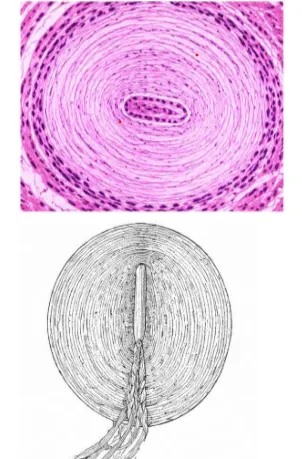
- A.
Pacinian corpuscle
- B.
Merkel disc
- C.
Ruffini ending
- D.
Meissner corpuscle
- A.
Q180 · Medical & Surgical Nursing · Metabolic and Endocrine Function
A 66-year-old female has normal calcium, elevated PTH, low phosphate, and raised ALP. What is the diagnosis?
- A.
Primary hyperparathyroidism
- B.
Vitamin D deficiency
- C.
Hypoparathyroidism
- D.
Chronic kidney disease
- A.
Q181 · Obstetrics & Gynaecology · Sexually Transmitted Infections
A woman presents with frothy green vaginal discharge, intense pruritus, and a negative Whiff test. What is seen on microscopy?
- A.
Motile flagellate organisms
- B.
Clue cells
- C.
Yeasts with pseudohyphae
- D.
Candida
- A.
Q182 · Applied Microbiology & Infection control · Miscellaneous
What is the primary molecular mechanism by which UV light induces carcinogenesis?
- A.
Inhibition of TP53
- B.
Activation of the NF-kappa β signaling pathway
- C.
Thymine dimers
- D.
Upregulation of cyclin proteins
- A.
Q183 · Pathology & Genetics · General Pathology
A pathologist receives a formalin-fixed paraffin-embedded (FFPE) tissue section. Which technique is most appropriate for identifying and localizing specific proteins within this section in situ?
- A.
Fluorescence in situ hybridisation (FISH)
- B.
Flow cytometry
- C.
Western blot
- D.
Immunohistochemistry (IHC)
- A.
Q184 · Pathology & Genetics · Systemic Pathology
In neuropraxia, what is the pathological finding?
- A.
Nerve trunk damage
- B.
Perineurium damage
- C.
Axon disruption
- D.
Physiological conduction block with intact axon
- A.
Q185 · Child Health Nursing (Pediatrics) · Central Nervous System
A child diagnosed with Dravet syndrome is receiving multi-drug anti-seizure therapy and is being considered for add-on treatment with fenfluramine. Which of the following monitoring strategies is most critical before initiating and during the course of this therapy, given the known pharmacological adverse-effect profile of fenfluramine?
- A.
Monthly complete blood count to monitor for agranulocytosis and aplastic anemia
- B.
Serial echocardiography to evaluate for cardiac valvular disease and pulmonary hypertension
- C.
Baseline and periodic ophthalmic examinations to monitor for visual field defects
- D.
Serial liver function tests and serum ammonia levels to monitor for hepatotoxicity
- A.
Q186 · Pathology & Genetics · Systemic Pathology
A patient from North-East India presents with pulmonary cavitary lesions and hepatic nodules. Sputum AFB smear is negative. Biopsy shows caseating granulomas with Langhans-type giant cells and raised ESR. What is the most probable diagnosis?
- A.
A. Toxoplasmosis
- B.
B. Tuberculosis
- C.
D. Sarcoidosis
- D.
D. Sarcoidosis
- A.
Q187 · Pharmacology · Cardiovascular Drugs
Unlike other calcium channel blockers, Cilnidipine does not cause reflex tachycardia. What is the reason for this?
- A.
It additionally blocks N-type calcium channels
- B.
It additionally blocks T-type calcium channels
- C.
It additionally blocks C-type calcium channels
- D.
It additionally blocks sodium channels
- A.
Q188 · Applied Microbiology & Infection control · Pathogenic Organisms
A diabetic patient presents with facial pain, black nasal eschar and eye pain following corticosteroid therapy. What is the etiological agent?
- A.
Candida tropicalis
- B.
Aspergillus fumigatus
- C.
Cryptococcus neoformans D. Rhizopus
- D.
Rhizopus
- A.
Q189 · Medical & Surgical Nursing · Sensorineural Function
A patient has sudden, painful loss of vision with RAPD but a normal-appearing optic disc on fundoscopy. What is the diagnosis?
- A.
AION
- B.
Central retinal artery occlusion
- C.
Retrobulbar neuritis
- D.
Papilledema
- A.
Q190 · Medical & Surgical Nursing · Miscellaneous
A 40-year-old female with progressive left flank pain, no mass or fever. What is the next best step?
- A.
CECT followed by MRI
- B.
Contrast-enhanced CT abdomen
- C.
Ultrasound followed by non-contrast CT
- D.
Non-contrast CT followed by contrast CT
- A.
Q191 · Medical & Surgical Nursing · Immunologic Function
A 35-year-old HIV-positive female on irregular ART presents with headache, confusion, fever, and right-sided weakness. Her CD4 count is 40 cells/mm³. MRI brain shows multiple ring-enhancing lesions in the basal ganglia. What is the most likely diagnosis?
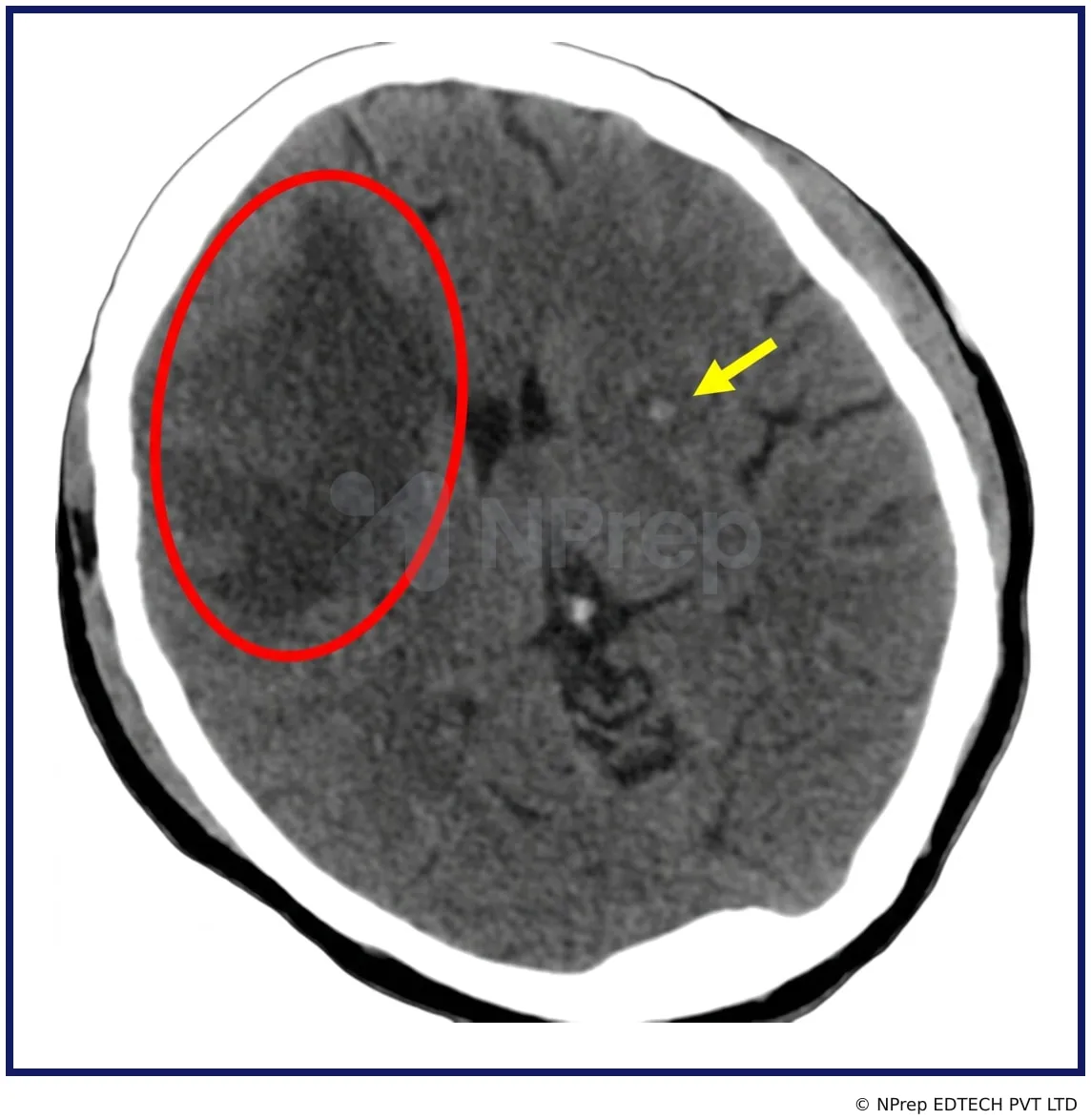
- A.
Cerebral toxoplasmosis
- B.
Primary CNS lymphoma
- C.
Progressive multifocal leukoencephalopathy (PML)
- D.
Neurocysticercosis
- A.
Q192 · Nursing Research & Statistics · Research Approaches and Designs
Health data from 15 nations investigating the relationship between per capita tobacco consumption and national COPD prevalence, revealing a strong positive correlation. Which study type best describes this?
- A.
Case-control study
- B.
Cohort study
- C.
Cross-sectional study
- D.
Ecological study
- A.
Q193 · Applied Microbiology & Infection control · Pathogenic Organisms
6. A young female presents with fatigue, pallor, and symptoms suggestive of iron deficiency anemia. A microscopic image of her stool examination is provided. Which of the following statements is correct regarding the parasite identified?
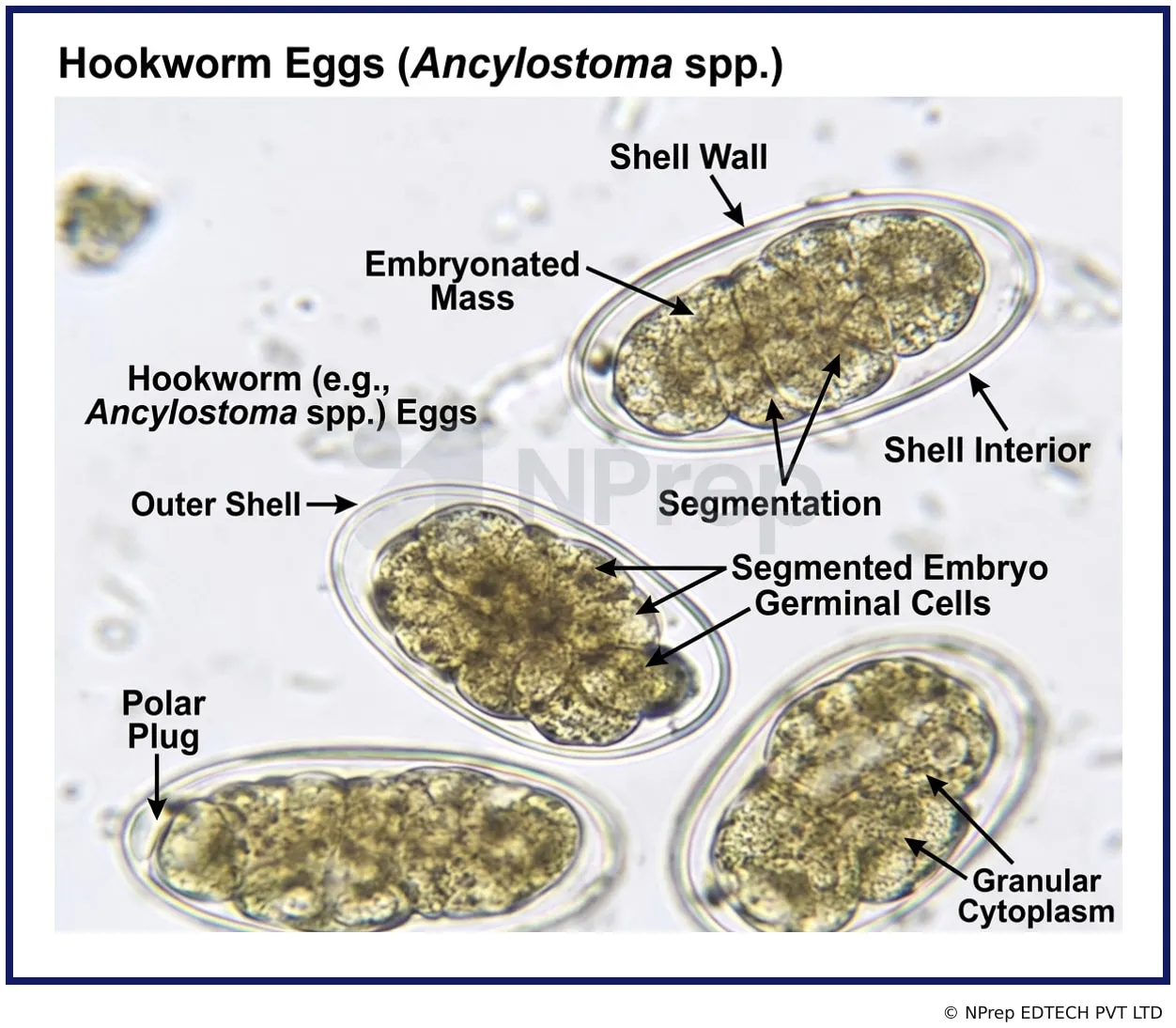
- A.
Infection occurs by ingestion of cysts in contaminated food or water
- B.
Infection occurs by active penetration of infective larvae through the skin
- C.
The image represents eggs of Enterobius vermicularis
- D.
The parasite shown is Ascaris lumbricoides
- A.
Q194 · Forensic Nursing & Indian laws · Injuries
Which type of injury is characterized by the 'sparrow foot' pattern?
- A.
Bomb blast
- B.
Motor vehicle accident
- C.
Contusion
- D.
Collision
- A.
Q195 · Medical & Surgical Nursing · Digestive and Gastrointestinal Function
A 55-year-old patient presents to the emergency department with abdominal pain, distension, and vomiting. Imaging confirms a diagnosis of cecal volvulus. Which of the following risk factors is responsible for 50–70% of cecal volvulus cases?
- A.
High-fiber diet
- B.
Lactulose abuse
- C.
Female sex
- D.
Previous abdominal surgery
- A.
Q196 · Applied Microbiology & Infection control · General Characteristics of Microbes
Which of the following bacteria possesses two circular DNA molecules (i.e., two distinct chromosomes) in its genome?
- A.
Escherichia coli
- B.
Vibrio cholerae
- C.
Salmonella typhi
- D.
Shigella dysenteriae
- A.
Q197 · Community Health Nursing · National Health Programs
Under the RMNCH+A programme, a state is categorized in the "Red" zone. Which criterion is likely responsible for this classification?
- A.
MMR lower than the national benchmark
- B.
Institutional delivery rate meeting the nationally accepted threshold
- C.
IMR exceeding the national average by 20% or more
- D.
Full immunization coverage achieving the desired target
- A.
Q198 · Medical & Surgical Nursing · Musculoskeletal Function
A 60-year-old man with treated TB 1 year ago presents with low back pain. MRI spine shows a lesion. What is the most appropriate next investigation?
- A.
CECT spine
- B.
Mantoux test
- C.
CT chest
- D.
Biopsy
- A.
Q199 · Medical & Surgical Nursing · Other Acute Problems
The injury shown in the image is best described as:

- A.
Laceration
- B.
Contusion
- C.
Stab injury
- D.
Bomb blast
- A.