OSSSC Nursing Officer 2021 question paper
OSSSC Nursing Officer · 2021 · 100 questions · 120 minutes · 0.25 mark deducted per wrong answer
- Medical & Surgical Nursing 23
- Obstetrics & Gynaecology 15
- Nursing Foundations 11
- Quantitative Aptitude and Mathematics 10
- Child Health Nursing (Pediatrics) 7
- Mental Health Nursing 7
- English 5
- Pharmacology 4
- Applied Physiology 4
- Applied Anatomy 3
- Applied Microbiology & Infection control 3
- Community Health Nursing 3
- Applied Nutrition & Dietetics 3
- Biochemistry & Nutrition 1
- Pathology & Genetics 1
See the answers and explanations
Sign in free: every answer with its explanation, attempt the paper timed with negative marking, and track your score.
Q1 · Medical & Surgical Nursing · Gas Exchange and Respiratory Function
Physician ordered oral as well as nasal suction to a client. You will do suction first in...
- A.
Mouth
- B.
Nose
- C.
Where the secretion is more
- D.
Where the secretion is less
- A.
Q2 · Pharmacology · General Pharmacology
A child is to receive dexamethasone (Decadron) intravenously at the ordered dosage of 7.6 mg. The drug concentration in the vial is 4 mg/mL. Which of the following amount would the nurse administer?
- A.
0.05 mL
- B.
0.72 mL
- C.
1.9 mL
- D.
3.8 mL
- A.
Q3 · Applied Physiology · Circulatory & Lymphatic system
What do you mean by systolic B.P.?
- A.
The pressure within the arteries during dilatation of left ventricles
- B.
The pressure within the arteries during contraction of left atrium
- C.
The pressure within the arteries during contraction of left ventricles
- D.
The pressure within the arteries during complete cardiac diastole.
- A.
Q4 · Nursing Foundations · Miscellaneous
What is the most appropriate nursing intervention while treating a laceration?
- A.
Monitor blood pressure
- B.
Elevate the body part
- C.
Apply pressure dressing and heat
- D.
Apply pressure dressing and ice pack
- A.
Q5 · Pharmacology · Miscellaneous
Nurse should be aware that which of the following medication is never given directly intravenously as a safety alert:
- A.
Calcium gluconate
- B.
Dextrose
- C.
Lasix
- D.
Potassium chloride.
- A.
Q6 · Medical & Surgical Nursing · Immunologic Function
For what purpose Paraffin bath is used?
- A.
Burn
- B.
Rheumatoid arthritis
- C.
Abdominal distension
- D.
Oedema
- A.
Q7 · English · Grammar
What is the feminine gender of ‘nephew’?
- A.
aunt
- B.
nun
- C.
niece
- D.
lass
- A.
Q8 · Applied Anatomy · Introduction to Anatomical terms & Organization of Human Body
Mr. Hari was complaining about the pain at his right hypochondriac region which refers to a region of the
- A.
Head
- B.
Thorax
- C.
Abdomen
- D.
Upper limb
- A.
Q9 · Child Health Nursing (Pediatrics) · Immunization and Immunodeficiency
A clinic nurse prepares to administer an MMR (Measles, Mumps, Rubella) vaccine to a five-year-old. The nurse administers this vaccine:
- A.
Intramuscularly in the anterolateral aspect of the thigh
- B.
Intramuscularly in deltoid muscle
- C.
Subcutaneously in the outer aspect of the upper arm
- D.
Subcutaneously in the gluteal muscle
- A.
Q10 · Nursing Foundations · Patient Education
When a drug is to be given at bed time, which of the following coded instruction is used?
- A.
sos
- B.
od
- C.
hs
- D.
ac
- A.
Q11 · Applied Microbiology & Infection control · Biomedical Waste Management (BMW)
Needles, syringes, scalpels and blades are disposed in:
- A.
Black bag
- B.
white box
- C.
Yellow bag
- D.
Red bag
- A.
Q12 · Community Health Nursing · Demography, Surveillance and Interpretation of Data
MMR Means...
- A.
Mother Mortality Ratio
- B.
Male Mortality Rate
- C.
Maternal Mortality Rate
- D.
Male Mortality Ratio
- A.
Q13 · Obstetrics & Gynaecology · Placenta and Fetal Membranes
Cut-section of Structure shown in the photograph contains
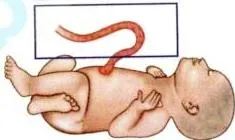
- A.
1 artery, 2 veins
- B.
2 artery, 2 veins
- C.
2 artery, 1 vein
- D.
1 artery, 1 vein
- A.
Q14 · Mental Health Nursing · Treatment modalities and therapies used in mental disorders
The sequence of administration of medications in anesthesia for ECT is:
- A.
Atropine--- thiopentone/methohexitol --- succinylcholine
- B.
Succinylcholine---atropine---thiopentone/methohexitol
- C.
Atracurium---succinylcholine---atropine
- D.
Atropine---succinylcholine---thiopentone/methohexitol
- A.
Q15 · Child Health Nursing (Pediatrics) · Immunization and Immunodeficiency
Following DPT immunization a child developed swelling and tenderness at the injection site, a low-grade fever, and malaise. What is the appropriate nursing reaction?
- A.
Ask the parents to take the child to emergency
- B.
Educate them that this is occurring because of allergy to the vaccine
- C.
This is the expected reaction and teach them how to manage
- D.
In future avoid DPT injections to the child
- A.
Q16 · Child Health Nursing (Pediatrics) · Newborn Infants
Which babies are at higher risk to have hypothermia?
- A.
Baby with any congenital abnormality
- B.
Low birth weight babies
- C.
Healthy baby
- D.
One year old child.
- A.
Q17 · Mental Health Nursing · Mood disorders
Mania is characterized by:
- A.
Paranoid delusion
- B.
High self-esteem
- C.
Loss of insight
- D.
Loss of orientation
- A.
Q18 · Medical & Surgical Nursing · Other Acute Problems
Identify the strip shown in the photograph
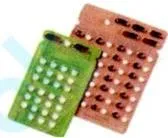
- A.
Combined OCP
- B.
Iron Folic acid tablets
- C.
DOTS
- D.
MDT
- A.
Q19 · English · Grammar
Fill in the blank with appropriate preposition.
Rama is senior _______________ Dama.
- A.
to
- B.
than
- C.
from
- D.
in
- A.
Q20 · Medical & Surgical Nursing · Cardiovascular, Circulatory, and Hematologic Function
Where does catheter inserted through, for left sided cardiac catheterization?
- A.
Antecubital vein
- B.
Radial vein
- C.
Femoral artery
- D.
Femoral vein
- A.
Q21 · Applied Physiology · Blood
The normal platelet count in human blood is about:
- A.
70000-90000/mm³ blood
- B.
150000-350000/mm³ blood
- C.
50,000-350000/mm³ blood
- D.
4000-11000/mm³ blood
- A.
Q22 · Applied Anatomy · Reproductive System
What is the normal size (length, width and thickness) of non-pregnant uterus in an adult?
- A.
7.5 × 2.5 × 1.5 cm
- B.
5 × 2 × 1 cm
- C.
12.5 × 10 × 2.5 cm
- D.
7.5 × 5 × 2.5 cm
- A.
Q23 · Medical & Surgical Nursing · Miscellaneous
During blood transfusion therapy patient developed wheezing and her skin becomes flushed with hives. These are the characteristics of...
- A.
Hemolytic reaction
- B.
Allergic reaction
- C.
Transfusion reaction
- D.
Thrombotic crisis
- A.
Q24 · Medical & Surgical Nursing · Sensorineural Function
Earliest sign of glaucoma is
- A.
Double vision
- B.
Halos around lights
- C.
Blurred vision
- D.
Headache
- A.
Q25 · Nursing Foundations · Administration of medications
Injection technique shown in figure is used to administer?
- A.
BCG
- B.
Measles
- C.
Hepatitis B
- D.
Japanese Encephalitis
- A.
- Sign in free
Done 25 questions? Check your answers
Sign in free: every answer with its explanation, attempt the paper timed with negative marking, and track your score.
Q26 · Applied Physiology · Blood
Which blood group is known as the universal donor?
- A.
O
- B.
AB
- C.
A
- D.
B
- A.
Q27 · Child Health Nursing (Pediatrics) · Normal Growth and its Disorders
Expected weight of one-year old child, when the birth weight is 3.5 kg:
- A.
7 kg
- B.
6 kg
- C.
9.5 kg
- D.
10.5 kg
- A.
Q28 · English · Grammar
Find out the correct part of the speech of the underlined word.
Always speak the truth.
- A.
noun
- B.
pronoun
- C.
verb
- D.
adverb
- A.
Q29 · Obstetrics & Gynaecology · Physiological Changes During Pregnancy
Which of the following conditions is common in pregnant clients in the 2nd trimester of pregnancy?
- A.
Mastitis
- B.
Metabolic alkalosis
- C.
Physiologic anemia
- D.
Respiratory acidosis
- A.
Q30 · Obstetrics & Gynaecology · Diagnosis of Pregnancy
Correct method for calculating EDD:
- A.
Last day of first period + 280 days
- B.
Last day of last menstrual period + 280 days
- C.
1st day of last menstrual period + 200 days
- D.
1st day of last menstrual period + 280 days
- A.
Q31 · Medical & Surgical Nursing · Fluid and Electrolytes: Balance and Distribution
What is this?
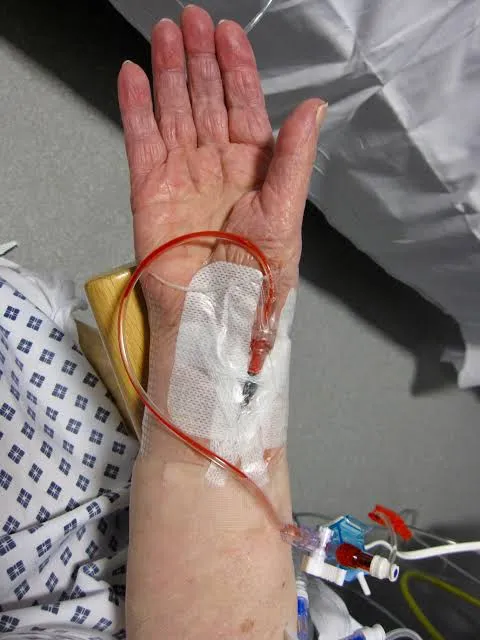
- A.
Intravenous fluid infusion set
- B.
Blood set
- C.
Arterial line
- D.
CVP line
- A.
Q32 · English · Grammar
Fill in the blank with appropriate verb.
The teacher as well as the students _______________ responsible for the agitation in the school campus.
- A.
are
- B.
is
- C.
shall
- D.
were
- A.
Q33 · Nursing Foundations · Administration of medications
500 mg of a drug is order. It is supplied in tablets of 1gram per tablet. How many tablets should be administered?
- A.
0.5 tablet
- B.
1 tablet
- C.
1.5 tablets
- D.
2 tablets
- A.
Q34 · Nursing Foundations · Procedures
What is the colour coding of nitrous oxide cylinder?
- A.
Red
- B.
French blue
- C.
Black with white shoulders
- D.
Black
- A.
Q35 · Quantitative Aptitude and Mathematics · Miscellaneous
After 4 years the principal amount of Rs. 12000 grows into Rs. 14,400. Find out the rate of simple interest?
- A.
3%
- B.
5%
- C.
4%
- D.
6%
- A.
Q36 · Child Health Nursing (Pediatrics) · Diseases of Gastrointestinal System and Liver
The nurse is aware that the most common assessment finding in a child with ulcerative colitis is:
- A.
Intense abdominal cramps
- B.
Profuse diarrhea
- C.
Anal fissures
- D.
Abdominal distention
- A.
Q37 · Quantitative Aptitude and Mathematics · Speed–distance–time
A man completed a journey in 10 hours. He travelled first half of the total distance at the rate of 21 km/hr and second half at the rate of 24 km/hr. What is the total distance he travelled in kilometer?
- A.
220 km
- B.
224 km
- C.
230 km
- D.
234 km
- A.
Q38 · Child Health Nursing (Pediatrics) · Nutrition
Which is the best solid food that can be used during the process of weaning?
- A.
Fruits
- B.
Vegetables
- C.
Egg white
- D.
Rice cereals
- A.
Q39 · Medical & Surgical Nursing · Miscellaneous
At what time blood sample should be collected from the patient with malaria.
- A.
When temperature is normal
- B.
When fever is just started
- C.
After taking meal
- D.
At the high level of fever.
- A.
Q40 · Child Health Nursing (Pediatrics) · Newborn Infants
Bottle fed babies are more prone than breastfed babies to:
- A.
cough and cold
- B.
diarrhea
- C.
impetigo
- D.
TB
- A.
Q41 · Applied Anatomy · Circulatory & Lymphatic System
Connection between artery and vein is known as
- A.
Capillaries
- B.
Arterioles
- C.
Venules
- D.
Lymph
- A.
Q42 · Community Health Nursing · Miscellaneous
Identify the symbol shown in photograph

- A.
Recyclable waste
- B.
Biohazard waste
- C.
E-waste
- D.
Food waste
- A.
Q43 · Medical & Surgical Nursing · Gas Exchange and Respiratory Function
What is the instrument shown below?

- A.
Urethral dilator
- B.
Tracheal dilator
- C.
Aneurysm needle
- D.
None of the above
- A.
Q44 · Medical & Surgical Nursing · Fluid and Electrolytes: Balance and Distribution
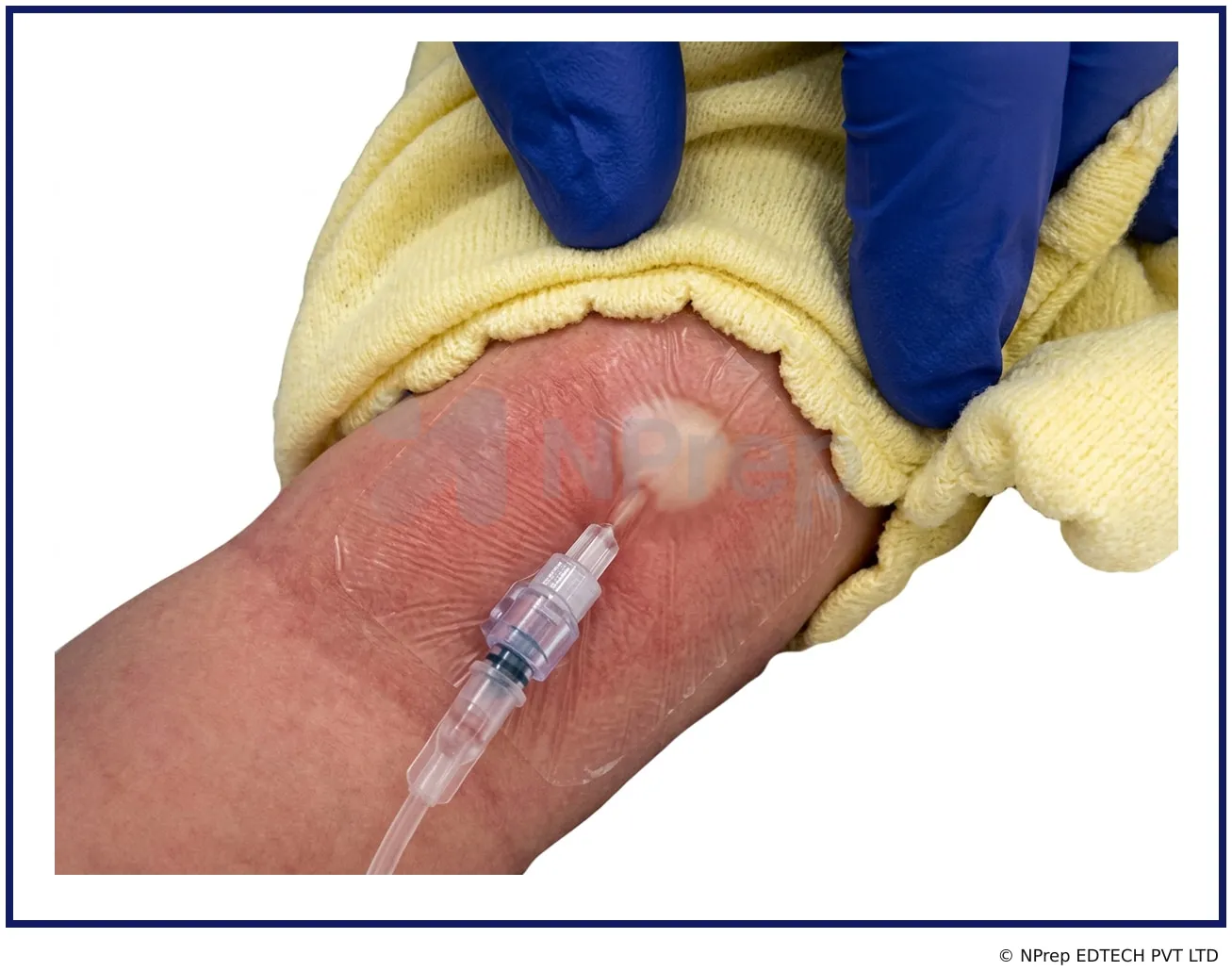
Patient complains of pain and has redness with swelling at the site of IV. The nurse must
- A.
Stop infusion and remove IV cannula
- B.
Start nasal oxygen
- C.
Change IV tubing and the solution
- D.
Apply warm moist pack to the reddened area
- A.
Q45 · Nursing Foundations · Administration of medications
The angle of the syringe and needle for intramuscular injections is:
- A.
90°
- B.
45°
- C.
15°
- D.
10°
- A.
Q46 · Medical & Surgical Nursing · Oncology: Nursing Management in Cancer Care
Risk factors for breast cancer include?
- A.
Young age
- B.
Young age at menopause
- C.
Young age at first births
- D.
Young age at menarche
- A.
Q47 · Applied Nutrition & Dietetics · Vitamins
Which of the following vitamin enhances blood clotting?
- A.
Vitamin K.
- B.
Vitamin B
- C.
Vitamin C
- D.
Vitamin A.
- A.
Q48 · Obstetrics & Gynaecology · Antenatal Care, Preconceptional Counseling and Care
Pregnant women, who is 4 months pregnant asks the nurse how much and what type of exercise she should get during pregnancy. How should nurse counsel her?
- A.
Exercise to raise the heart rate above 140 beats/minute for 20 minutes daily
- B.
Perform gentle back-lying exercises for 30 minutes daily
- C.
Try high-intensity aerobics, but limit sessions to 15 minutes daily.
- D.
Walk briskly for 10 to 15 minutes daily and gradually increase this time
- A.
Q49 · Quantitative Aptitude and Mathematics · Profit & loss
If the marked price of an article is Rs. 400/- and its sale price is Rs. 340/-, Find out the percentage of discount.
- A.
10%
- B.
15%
- C.
12%
- D.
18%
- A.
Q50 · Medical & Surgical Nursing · Cardiovascular, Circulatory, and Hematologic Function
The test done in the picture is to test the patency of:
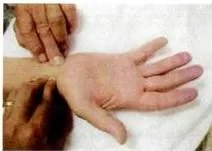
- A.
Ulnar artery
- B.
Radial artery
- C.
Ulnar vein
- D.
Radial vein
- A.
- Sign in free
Done 50 questions? Check your answers
Sign in free: every answer with its explanation, attempt the paper timed with negative marking, and track your score.
Q51 · Mental Health Nursing · Organic Brain Disorders
A person, seeing a rope, takes it to be a snake. This condition is called:
- A.
Depersonalization
- B.
Hallucination
- C.
Delusion
- D.
Illusion
- A.
Q52 · Obstetrics & Gynaecology · Miscellaneous
Oral contraceptive pills need to be started on...
- A.
1st day of menstruation
- B.
3rd day of menstruation
- C.
5th day of menstruation
- D.
7th day of menstruation
- A.
Q53 · Nursing Foundations · Vital Signs
While measuring blood pressure in upper arm, the chest piece of stethoscope is placed over which of the following arteries?
- A.
Ulnar
- B.
Radial
- C.
Brachial
- D.
Axillary
- A.
Q54 · Quantitative Aptitude and Mathematics · Miscellaneous
What is the cube of -1 1/3?
- A.
16/9
- B.
-16/27
- C.
-64/27
- D.
64/27
- A.
Q55 · Medical & Surgical Nursing · Gas Exchange and Respiratory Function
A client comes to the clinic with a bleeding nose. Which of the following instruction to the client is most appropriate?
- A.
Sit up with your head tilted forward. Grasp the soft part of your nose firmly between your thumb and forefinger
- B.
Lay down and tilt your head backward. Grasp the end of your nose between your fingers
- C.
Sit up and lean backwards. Put pressure on the side of your nose with your hand
- D.
Lay down and tilt your head to one side and put pressure on the side of your nose with your hand
- A.
Q56 · Applied Microbiology & Infection control · Disinfection and Sterilization
Sterilization of endoscope is done:
- A.
By autoclaving
- B.
By U. V. rays
- C.
By 2% phenol
- D.
By 2% gluteraldehyde
- A.
Q57 · Medical & Surgical Nursing · Sensorineural Function
Method of choice to remove ear wax is
- A.
Mineral oils
- B.
Cotton swab applicator
- C.
Warm normal saline irrigation
- D.
Otoscope
- A.
Q58 · Quantitative Aptitude and Mathematics · Profit & loss
If three-fifth (3/5) of 60% of a number is 36, then what is the number?
- A.
100
- B.
80
- C.
75
- D.
90
- A.
Q59 · Medical & Surgical Nursing · Musculoskeletal Function
Purposes of traction include
- A.
Used in the treatment of fracture
- B.
It helps to reduce muscle spasm and contracture
- C.
Helps in internal reduction
- D.
Both A and B
- A.
Q60 · Applied Microbiology & Infection control · Disinfection and Sterilization
For effective sterilization, steam in an autoclave should be at a pressure of 15 pounds per square inch for 30 minutes and at a temperature of:
- A.
100°C
- B.
110°C
- C.
121°C
- D.
131°C
- A.
Q61 · Mental Health Nursing · Schizophrenia
False sensory perceptions with no basis in reality are known as:
- A.
Hallucinations
- B.
Delusions
- C.
Loose associations
- D.
Neologisms
- A.
Q62 · Medical & Surgical Nursing · Miscellaneous
Which of the following is a common symptom of lung cancer?
- A.
Cough or change in a chronic cough
- B.
Wheezing sound on inspiration
- C.
Foamy, blood-tinged sputum
- D.
Dyspnea on exertion
- A.
Q63 · Obstetrics & Gynaecology · Examination of a Gynecological Patient
What is known as X-ray study of the fallopian tube?
- A.
Sonography
- B.
Cholecystoscopy
- C.
Myelography
- D.
Salpingography.
- A.
Q64 · Obstetrics & Gynaecology · Endoscopic Surgery in Gynecology
Which position used in laparoscopic sterilization, female should be placed in:
- A.
Lithotomy position
- B.
Left lateral position
- C.
Supine position
- D.
Knee chest position.
- A.
Q65 · Medical & Surgical Nursing · Digestive and Gastrointestinal Function
The nurse is providing a teaching session to a client who has ulcerative colitis. The nurse will instruct the client for which diet?
- A.
Carbohydrate-consistent diet
- B.
High-calorie, high-protein diet
- C.
High-calcium and high potassium diet
- D.
Low-residue, low-fiber diet
- A.
Q66 · Quantitative Aptitude and Mathematics · Profit & loss
What is the decimal of 9% ?
- A.
0.9
- B.
0.009
- C.
0.09
- D.
0.0009
- A.
Q67 · Medical & Surgical Nursing · Fluid and Electrolytes: Balance and Distribution
Characteristic feature of skin in a dehydrated patient include
- A.
Warm and dry
- B.
Loss of elasticity
- C.
Pigmented skin
- D.
Both A and B
- A.
Q68 · Obstetrics & Gynaecology · Diagnosis of Pregnancy
Appropriate time for TT immunization in a pregnant woman without previous TT immunization is
- A.
At first contact or as early as possible in pregnancy
- B.
Between 12 and 16 weeks of pregnancy
- C.
Between 20 and 24 weeks of pregnancy
- D.
Two weeks before EDD
- A.
Q69 · Medical & Surgical Nursing · Urinary Tract Function
The term used to describe blood in the urine.
- A.
Glycosuria
- B.
Hematuria
- C.
Pyuria
- D.
Albuminuria.
- A.
Q70 · Medical & Surgical Nursing · Digestive and Gastrointestinal Function
The most common site of occurring peptic ulcers in stomach:
- A.
Pyloric portion
- B.
Cardiac portion
- C.
Esophageal junction
- D.
Body of the stomach
- A.
Q71 · Obstetrics & Gynaecology · Fundamentals of Reproduction
When is the best time to achieve pregnancy?
- A.
Midway between periods
- B.
Immediately after menses end
- C.
14 days before the next period is expected
- D.
14 days after the beginning of the next period
- A.
Q72 · Mental Health Nursing · Neurotic, stress related and somatisation disorders
A 20-year-old female complains of sudden onset palpitation and apprehension. She is sweating for last 10 minutes and fears of impending death. Diagnosis is
- A.
Hysteria
- B.
Generalized Anxiety Disorder
- C.
Cystic fibrosis
- D.
Panic attack
- A.
Q73 · Obstetrics & Gynaecology · Neuroendocrinology in Relation to Reproduction
Which gland is responsible for initiating the menstrual cycle?
- A.
Ovaries
- B.
Anterior Pituitary Gland (APG)
- C.
Posterior pituitary gland (PPG)
- D.
Hypothalamus
- A.
Q74 · Obstetrics & Gynaecology · Medical and Surgical Illness Complicating Pregnancy
The physician is examining the patient's abdomen to diagnose possible _______.
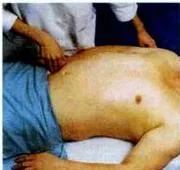
- A.
Cullen's sign
- B.
Ulcerative colitis
- C.
Appendicitis
- D.
Diverticulitis
- A.
Q75 · Medical & Surgical Nursing · Integumentary Function
A client is admitted with a burn injury to both of his upper extremities. What is the total body surface area (TBSA) affected for this patient, according to rule of nine?
- A.
9%
- B.
18%
- C.
36%
- D.
27%
- A.
- Sign in free
Done 75 questions? Check your answers
Sign in free: every answer with its explanation, attempt the paper timed with negative marking, and track your score.
Q76 · Medical & Surgical Nursing · Cardiovascular, Circulatory, and Hematologic Function
What does the following ECG indicates?
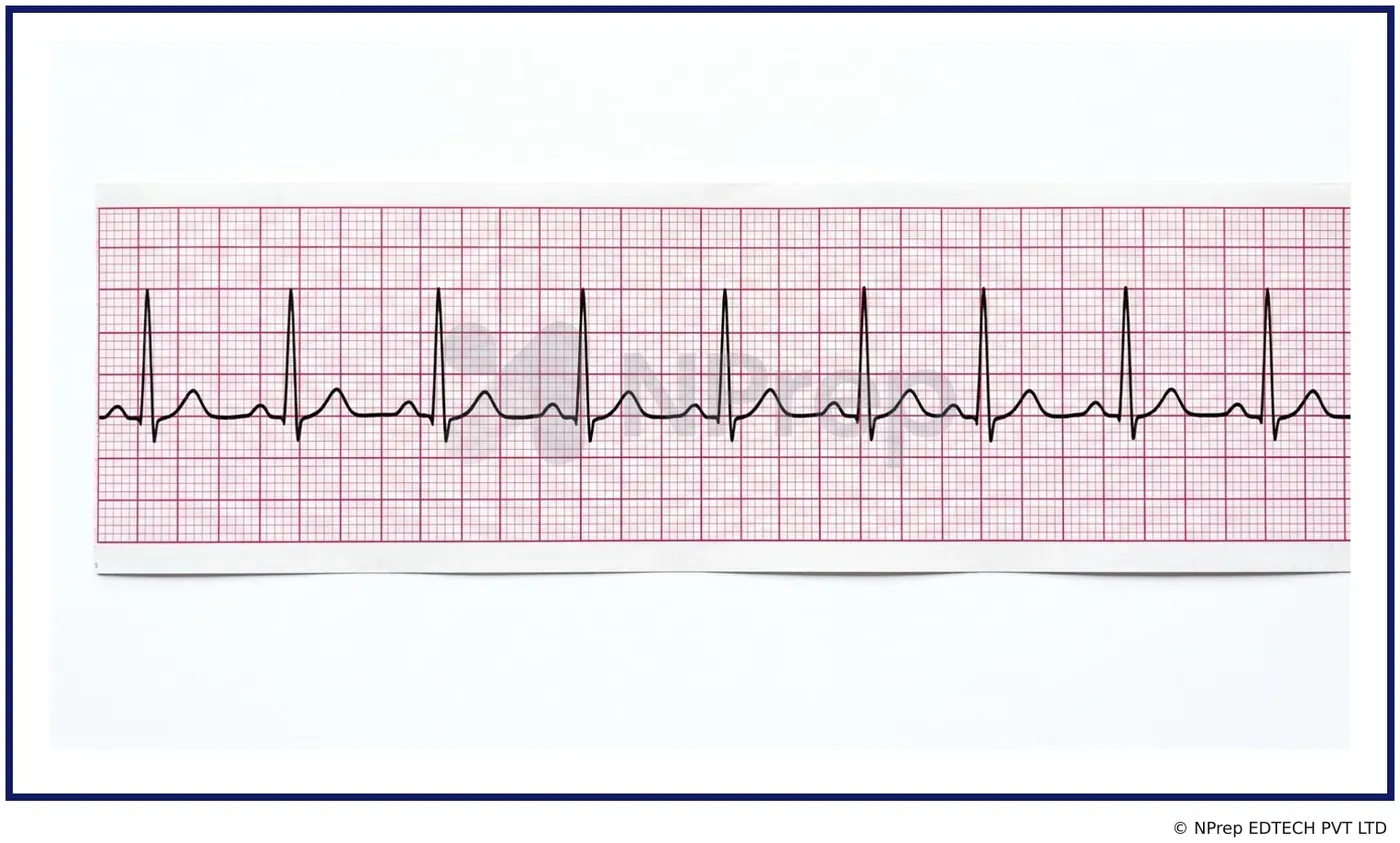
- A.
Complete heart block
- B.
First degree heart block
- C.
Second degree heart block
- D.
Third degree heart block
- A.
Q77 · Quantitative Aptitude and Mathematics · Miscellaneous
A person crosses a 600 metre long street in 5 minutes. What is his speed in kilometer per hour?
- A.
3.6
- B.
7.2
- C.
8.4
- D.
10
- A.
Q78 · Mental Health Nursing · Sleep Disorders
Hypnotic drugs are used to treat:
- A.
Psychosis
- B.
Sleep disorders
- C.
Narcolepsy
- D.
Parkinsonian disorders
- A.
Q79 · Obstetrics & Gynaecology · Hemorrhage in Early Pregnancy
The most common cause of abortion in first trimester
- A.
Chromosomal abnormality
- B.
Trauma
- C.
Maternal disease
- D.
RTI
- A.
Q80 · Quantitative Aptitude and Mathematics · Miscellaneous
What is the ratio between 0.02 and 0.002?
- A.
1:10
- B.
1:100
- C.
100:1
- D.
10:1
- A.
Q81 · Pharmacology · Antimicrobial Drugs
Which one of the following anti-tuberculosis drugs cannot be given during pregnancy?
- A.
Rifampicin
- B.
Ethambutol
- C.
Streptomycin
- D.
INH
- A.
Q82 · Obstetrics & Gynaecology · COMPLICATED LABOR-Malposition, Malpresentation and Cord Prolapse
Onset of true labour pains to full dilatation of cervix indicates.
- A.
First stage of labour
- B.
IInd stage of labour
- C.
IIIrd stage of labour
- D.
IVth stage of labour
- A.
Q83 · Community Health Nursing · Epidemiology – Epidemiological Approaches and Processes
Frozen DPT vaccine should be ?
- A.
Brought to room temperature before use
- B.
Discarded
- C.
Allowed to melt before use
- D.
Shaken thoroughly before use
- A.
Q84 · Applied Nutrition & Dietetics · Balanced Diet
The diet that is appropriate in normal pregnancy should be high in:
- A.
Carbohydrates and vitamins
- B.
Proteins, carbohydrates and fats
- C.
Fats and minerals
- D.
Protein, minerals and vitamins
- A.
Q85 · Quantitative Aptitude and Mathematics · Miscellaneous
After 15 years, a man will be just four times as old as he was 15 years ago. What is his present age?
- A.
10 years
- B.
15 years
- C.
20 years
- D.
25 years
- A.
Q86 · English · Vocabulary
Fill in the blank with correct spelling of the word.
The blue _______________ is flying very high in the air.
- A.
ballon
- B.
balloon
- C.
baloon
- D.
bellon
- A.
Q87 · Biochemistry & Nutrition · Insulin, Glucose Homeostasis & Diabetes Mellitus
Which of the following can be detected by Benedict’s test in a urine sample?
- A.
Protein
- B.
Bile salt
- C.
Glucose
- D.
Ketone
- A.
Q88 · Nursing Foundations · Administration of medications
A child is to receive 500 mL of an I/V solution over 12 hours via tubing that delivers micro drips at 60 drops/mL. The nurse would infuse solution at which of the following rates?
- A.
42 drops/minute
- B.
48 drops/minute
- C.
63 drops/minute
- D.
84 drops/minute
- A.
Q89 · Pathology & Genetics · Systemic Pathology
Abnormal hardening of bone and an elevation in bone density is known as
- A.
Osteoporosis
- B.
Osteopetrosis
- C.
Osteomalecia
- D.
Arthritis
- A.
Q90 · Nursing Foundations · Infection control & BMW management
You are irrigating a draining wound with sterile saline solution. Which of the following would be the most appropriate procedure to follow:
- A.
Prepare sterile field, put on sterile gloves and remove soiled dressing, wash hands
- B.
Wash hands, wear clean gloves, remove soiled dressing, remove gloves, wash hands, wear sterile gloves, prepare sterile field
- C.
Remove soiled dressing, flush wound and wash hands, prepare sterile field
- D.
Pour solution, wash hands and remove soiled dressing, prepare sterile field
- A.
Q91 · Obstetrics & Gynaecology · Normal Labor
The first thing that a nurse must ensure when the baby's head comes out is
- A.
The cord is intact
- B.
No part of the cord is encircling the baby's neck
- C.
The cord is still attached to the placenta
- D.
The cord is still pulsating
- A.
Q92 · Nursing Foundations · Diagnostic testing
Urine sample for culture is collected from:
- A.
First urine
- B.
Last urine
- C.
Midstream urine
- D.
First and last urine.
- A.
Q93 · Pharmacology · Miscellaneous
Which of the following drugs that causes expulsion of gas from the intestinal tract:
- A.
Laxative
- B.
Cathartics
- C.
Carminatives
- D.
Astringent
- A.
Q94 · Applied Nutrition & Dietetics · Nutritional Assessment and Nutrition Education
What of the following can be monitored using this tape?

- A.
Nutritional status
- B.
Ascites
- C.
Skull growth
- D.
Height
- A.
Q95 · Mental Health Nursing · Schizophrenia
During the assessment stage, a client with schizophrenia leaves his arm in the air after the nurse has taken his blood pressure. His action shows an evidence of:
- A.
Somatic delusions
- B.
Waxy flexibility
- C.
Neologisms
- D.
Nihilistic delusions
- A.
Q96 · Obstetrics & Gynaecology · Placenta and Fetal Membranes
Placenta is the organ that provides exchange of nutrients and waste products between mother and fetus. This develops by
- A.
First month
- B.
Third month
- C.
Fifth month
- D.
Seventh month
- A.
Q97 · Applied Physiology · Renal system
The main function of kidney is to
- A.
Eliminate oxygen
- B.
Regulate fluid balance and removing waste products
- C.
Metabolize vitamins
- D.
Eliminate carbon dioxide
- A.
Q98 · Nursing Foundations · Administration of medications
Identify the incorrect pair among the following:
- A.
BCG-TB-Intradermal
- B.
DPT-Pertussis-SC
- C.
MMR – Rubella-S/C
- D.
OPV-Polio-Oral
- A.
Q99 · Quantitative Aptitude and Mathematics · Miscellaneous
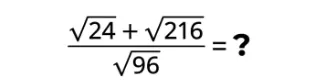
- A.
- B.
- C.
2
- D.
- A.
Q100 · Medical & Surgical Nursing · Fluid and Electrolytes: Balance and Distribution
The IV fluid of choice in a patient with severe dehydration
- A.
5% Dextrose
- B.
Dextrose Normal Saline (DNS)
- C.
IV albumin
- D.
Ringer Lactate
- A.