AIIMS Jodhpur Senior Nursing Officer 2023 question paper
AIIMS Nursing Officer · 2023 · 99 questions · 90 minutes · 0.33 mark deducted per wrong answer
- Medical & Surgical Nursing 25
- Child Health Nursing (Pediatrics) 11
- Community Health Nursing 10
- Applied Microbiology & Infection control 8
- Pathology & Genetics 5
- Nursing Management & Leadership 5
- Obstetrics & Gynaecology 5
- Applied Anatomy 5
- Nursing Foundations 4
- Pharmacology 4
- Nursing Research & Statistics 4
- Applied Physiology 3
- Applied Psychology 3
- Applied Nutrition & Dietetics 2
- Applied Sociology 1
- Mental Health Nursing 1
- Nursing Education 1
- Health Information and Technology (Basic Computer) 1
- General Knowledge 1
See the answers and explanations
Sign in free: every answer with its explanation, attempt the paper timed with negative marking, and track your score.
Q1 · Child Health Nursing (Pediatrics) · Disorders of Kidney and Urinary Tract
While doing bedside rounds, a nurse posted in the paediatric urology ward saw a 5-year-old child. On being asked about the child's medical history, the child's mother said that the child had recently had a streptococcal throat infection. She also reported periorbital and facial oedema, decreased urine output and haematuria. The child's blood pressure was 156/98 mm of Hg and lab investigations showed increased blood urea nitrogen level and creatinine level and increased anti-streptolysin O titer. Based on these inputs, what may be the probable diagnosis of the child?
- A.
Polycystic kidney disease
- B.
Nephrotic syndrome
- C.
Glomerulonephritis
- D.
Haemolytic uremic syndrome
- A.
Q2 · Medical & Surgical Nursing · Gas Exchange and Respiratory Function
Patient X came to the emergency department with a history of road traffic accidents. The triage nurse assessed the patient and shifted him to the Red area. During the assessment, she found that the patient had fractured a segment sinking into the chest with inspiration and expanding of the chest wall with expiration, opposite the normal chest wall mechanics. Which of the following abnormalities would have been noted by the nurse and what would this abnormality indicate?
- A.
Pectus carinatum; Chest trauma
- B.
Barrel chest; Rib fracture
- C.
Pectus excavatum; Chest trauma
- D.
Flail chest; Rib fracture
- A.
Q3 · Nursing Foundations · Administration of medications
A nurse is going to administer ear drops to a 30-year-old patient suffering from otitis media. The most appropriate method to administer the ear drops to this patient is by:
- A.
separating the palpebral fissures with a clean gauze pad
- B.
pulling the pinna up and back
- C.
pulling the tragus up and back
- D.
pulling the pinna down and back
- A.
Q4 · Pharmacology · Antimicrobial Drugs
Benzimidazole used in treatment of parasitic infections is:
- A.
an antifungal drug
- B.
None of the given option
- C.
a broad-spectrum antibiotic
- D.
a broad-spectrum anthelmintics
- A.
Q5 · Nursing Research & Statistics · Normal Distribution and Measures of Relationship
A probability distribution that is symmetric about the mean, showing that the data near the mean are more frequent in occurrence than the data far from the mean, is known as:
- A.
normal distribution
- B.
Poisson distribution
- C.
skewed distribution
- D.
binomial distribution
- A.
Q6 · Medical & Surgical Nursing · Cardiovascular, Circulatory, and Hematologic Function
The T wave in ECG represents:
- A.
ventricular repolarisation
- B.
time needed for sinus node stimulation
- C.
total time for ventricular depolarisation
- D.
repolarisation of Purkinje fibres
- A.
Q7 · Applied Sociology · Social structure
The main features of the rural community are that the rural community is closely associated with:
- A.
direct effect of natural elements like rains, drought, heat, on their lives
- B.
remote from nature
- C.
work in closed environment
- D.
work in different occupations and contact is less between members
- A.
Q8 · Applied Physiology · Endocrine system
A tumour of the Adrenal medulla (Pheochromocytoma) is associated with an increased production of which hormone?
- A.
Glucocorticoids
- B.
Mineralocorticoids
- C.
Androgen
- D.
Epinephrine
- A.
Q9 · Medical & Surgical Nursing · Cardiovascular, Circulatory, and Hematologic Function
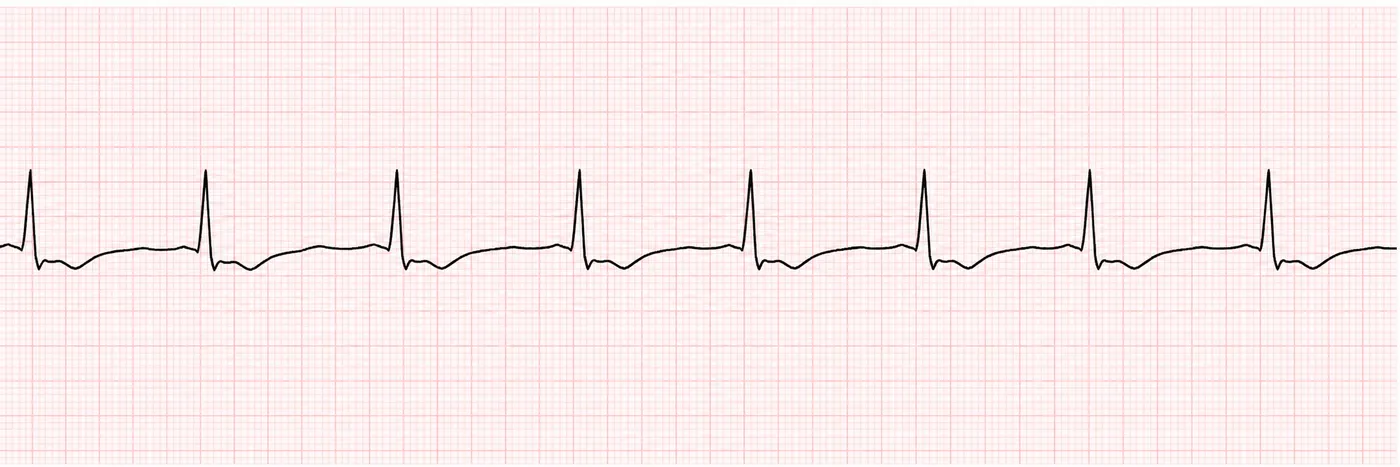
Given above is an ECG of a patient with chest pain due to ischemic heart disease. The ECG shows:
- A.
T-wave inversion
- B.
increased PR Interval
- C.
ST depression
- D.
increased QRS interval
- A.
Q10 · Pathology & Genetics · Genetics
What is the function of mRNA?
- A.
Escorts amino acid to ribosome
- B.
Carries message for protein synthesis
- C.
Helps form the ribosomes
- D.
Bonds with new strand
- A.
Q11 · Applied Physiology · Respiratory system
When ventilation exceeds perfusion, it leads to which of the following?
- A.
Dead space
- B.
Silent unit
- C.
Pneumothorax
- D.
Shunt
- A.
Q12 · Child Health Nursing (Pediatrics) · Genetic Disorders
Children with down's syndrome have what is known as brachycephaly. This means that the shape of the back of the head is:
- A.
pointed
- B.
rounded
- C.
flattened
- D.
pyramidal
- A.
Q13 · Applied Psychology · Motivation & Emotional Processes
Which type of coping strategy is most effective during a stressful circumstance that cannot be changed?
- A.
Emotion focused coping
- B.
Avoidance
- C.
Problem focused coping
- D.
Coping flexibility
- A.
Q14 · Nursing Management & Leadership · Management of Nursing Service in the Hospital & Community
Which of the following is an important principle of delegation?
- A.
Delegation is the same as work allocation
- B.
No transfer of authority exists when delegating
- C.
When delegating, you must transfer authority
- D.
Responsibility is not transferred with delegation
- A.
Q15 · Medical & Surgical Nursing · Urinary Tract Function
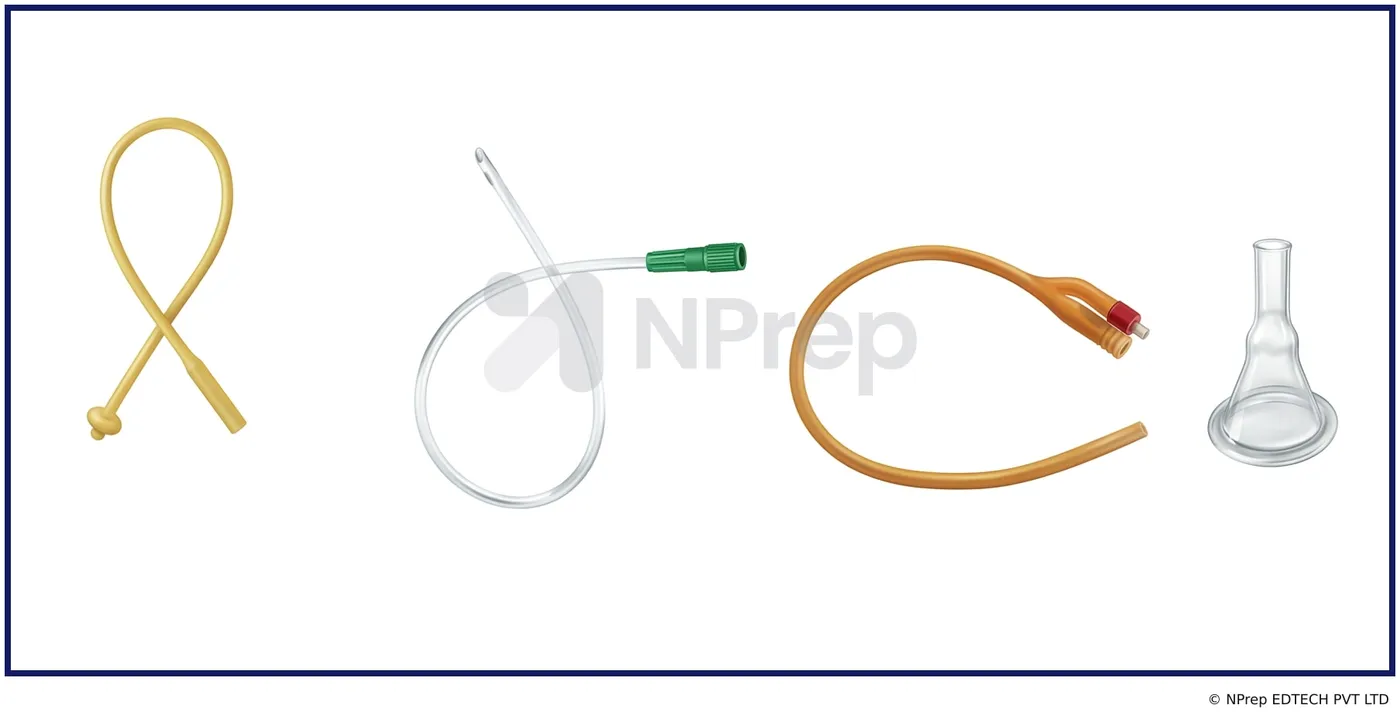
A suprapubic cystostomy with a malecot catheter has been ordered for a patient. Which of the given catheters in the images would you keep in your tray?
- A.
1
- B.
2
- C.
3
- D.
4
- A.
Q16 · Community Health Nursing · Concepts of Community Health and Community Health Nursing
_______ is an example of secondary prevention.
- A.
Treatment of the disease and rehabilitation
- B.
Proper disposal of garbage
- C.
Screening and case finding
- D.
Encouraging physical exercise
- A.
Q17 · Child Health Nursing (Pediatrics) · Newborn Infants
A nurse posted in the paediatric ward was doing a dehydration assessment for a child admitted with complaints of diarrhoea. The nurse noted that the child was unconscious, and he had sunken eyes, skin pinch going back very slowly. Also, the child was not able to drink fluids. Based on these observations, what should the nurse categorise this dehydration as?
- A.
No dehydration
- B.
Mild dehydration
- C.
Moderate dehydration
- D.
Severe dehydration
- A.
Q18 · Applied Microbiology & Infection control · Isolation Precautions and Use of Personal Protective Equipment
A client has an infection spreading through droplets. The nurse is ready to check the client's temperature. Which of the following should the nurse use to control the spread of infection?
- A.
Mask
- B.
Goggles
- C.
Gloves
- D.
Gown
- A.
Q19 · Mental Health Nursing · Schizophrenia
Epigenic factors play an important role in schizophrenia. In genetically vulnerable people, environmental factors may increase the risk and trigger schizophrenia. Which of the following statements is true?
- A.
Social companionship increases the risk of schizophrenia.
- B.
Living in poverty does not increase the risk of schizophrenia.
- C.
Childhood trauma such as poverty or abuse can trigger schizophrenia.
- D.
People living in rural areas are more vulnerable.
- A.
Q20 · Child Health Nursing (Pediatrics) · Skin Disorders
A patient was presented to the paediatric OPD with fever, malaise, coryza, cough and conjunctivitis. There were small red spots with a bluish-white centre and a red base located on the buccal mucosa and nurses documented this finding. What are these spots called and what are the spots indicative of?
- A.
Koplik's spots; diphtheria
- B.
Brush field spots; measles
- C.
Bull neck spots; diphtheria
- D.
Koplik's spots; measles
- A.
Q21 · Child Health Nursing (Pediatrics) · Central Nervous System
A woman visits the paediatrics OPD with her 2-year-old toddler with complaints of sudden stoppage of breath in the child initiated by a provocative event. All the following are true about breath holding spells EXCEPT:
- A.
they occur during inspiration
- B.
cyanosis may/may not occur
- C.
they are involuntary
- D.
bradycardia may occur
- A.
Q22 · Applied Psychology · Mental Health & mental hygiene
Which of the following is a stage in the stages of change model?
- A.
Deliberation
- B.
Meditation
- C.
Study
- D.
Contemplation
- A.
Q23 · Pathology & Genetics · Genetics
A normal man marries a woman with colour blindness. Their children would be:
- A.
colour blind sons and carrier daughters
- B.
normal daughters and normal sons
- C.
normal sons and carrier daughters
- D.
colour blind daughters and carrier sons
- A.
Q24 · Medical & Surgical Nursing · Gas Exchange and Respiratory Function
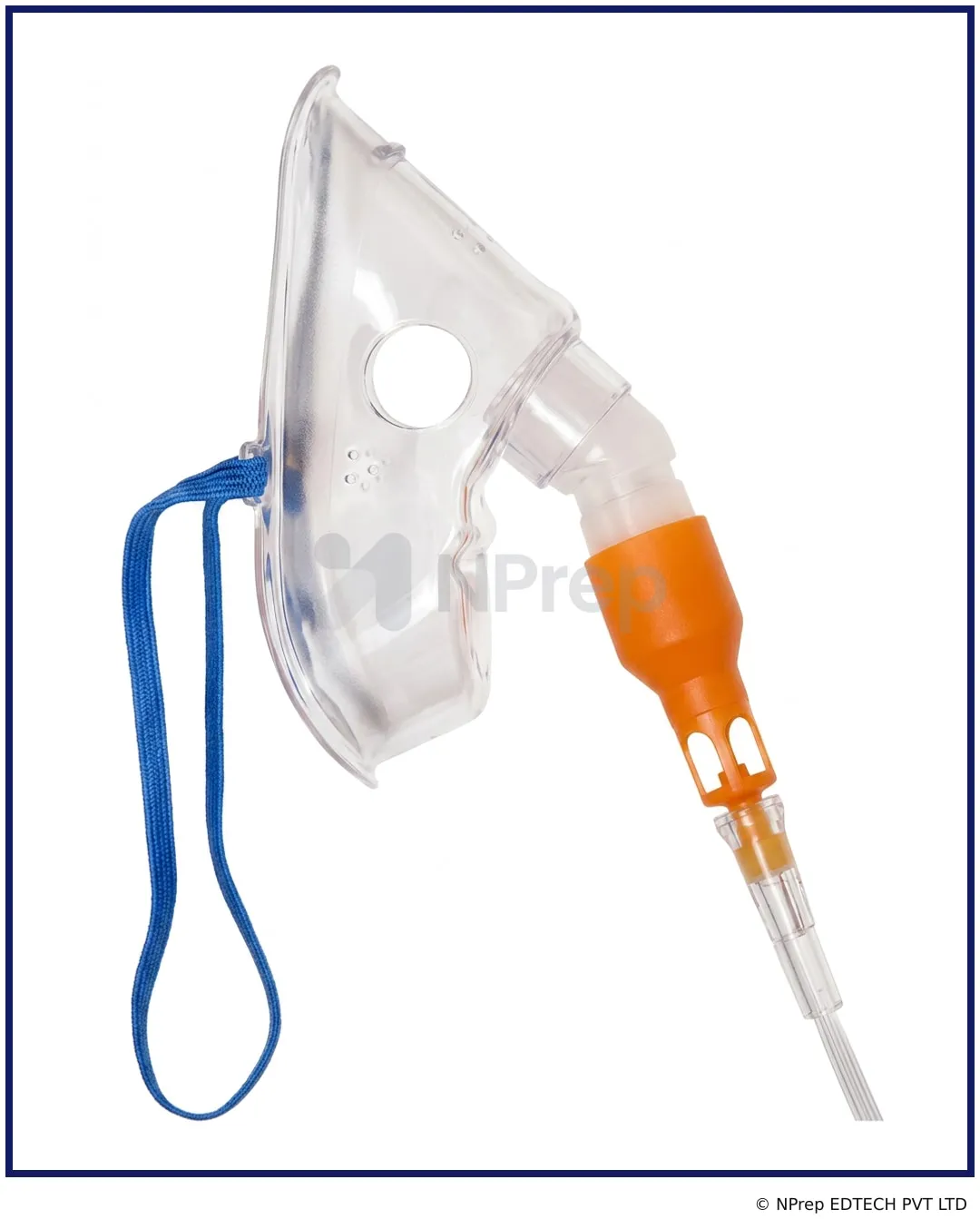
A patient with COAD has to be put on oxygen using a face mask. Identify the type of mask shown in the picture above.
- A.
CPAP mask
- B.
Simple face mask
- C.
Face mask with reservoir bag
- D.
Venturi mask
- A.
Q25 · Medical & Surgical Nursing · Metabolic and Endocrine Function
The optimal target for patients with diabetes mellitus is maintaining a glycated haemoglobin (HbA1c) at:
- A.
above 6.5%
- B.
below 6.5%
- C.
above 9%
- D.
below 9%
- A.
- Sign in free
Done 25 questions? Check your answers
Sign in free: every answer with its explanation, attempt the paper timed with negative marking, and track your score.
Q26 · Nursing Management & Leadership · Organisational Behaviour & Human Relations
The leadership style adopted to make crucial decisions that need to be made on the spot, when dealing with inexperienced and new team members and there's no time to wait for team members to gain familiarity with their role, is known as:
- A.
democratic
- B.
participatory
- C.
authoritative
- D.
coaching
- A.
Q27 · Medical & Surgical Nursing · End-of-Life Care
A terminally ill 70 years old lady has fears of being alone and constantly wants someone near her. Which of the following actions by the nurse would be most appropriate to deal with her loneliness?
- A.
Place her near the window so that she can see nature
- B.
Plan to spend more time with her holding her hands and listening to her
- C.
Put on the Television in her room and ask her to watch some programs
- D.
Explain to her that she has to keep her mind active and focused
- A.
Q28 · Obstetrics & Gynaecology · Prolonged Labor, Obstructed Labor, Dystocia Caused by Fetal Anomalies
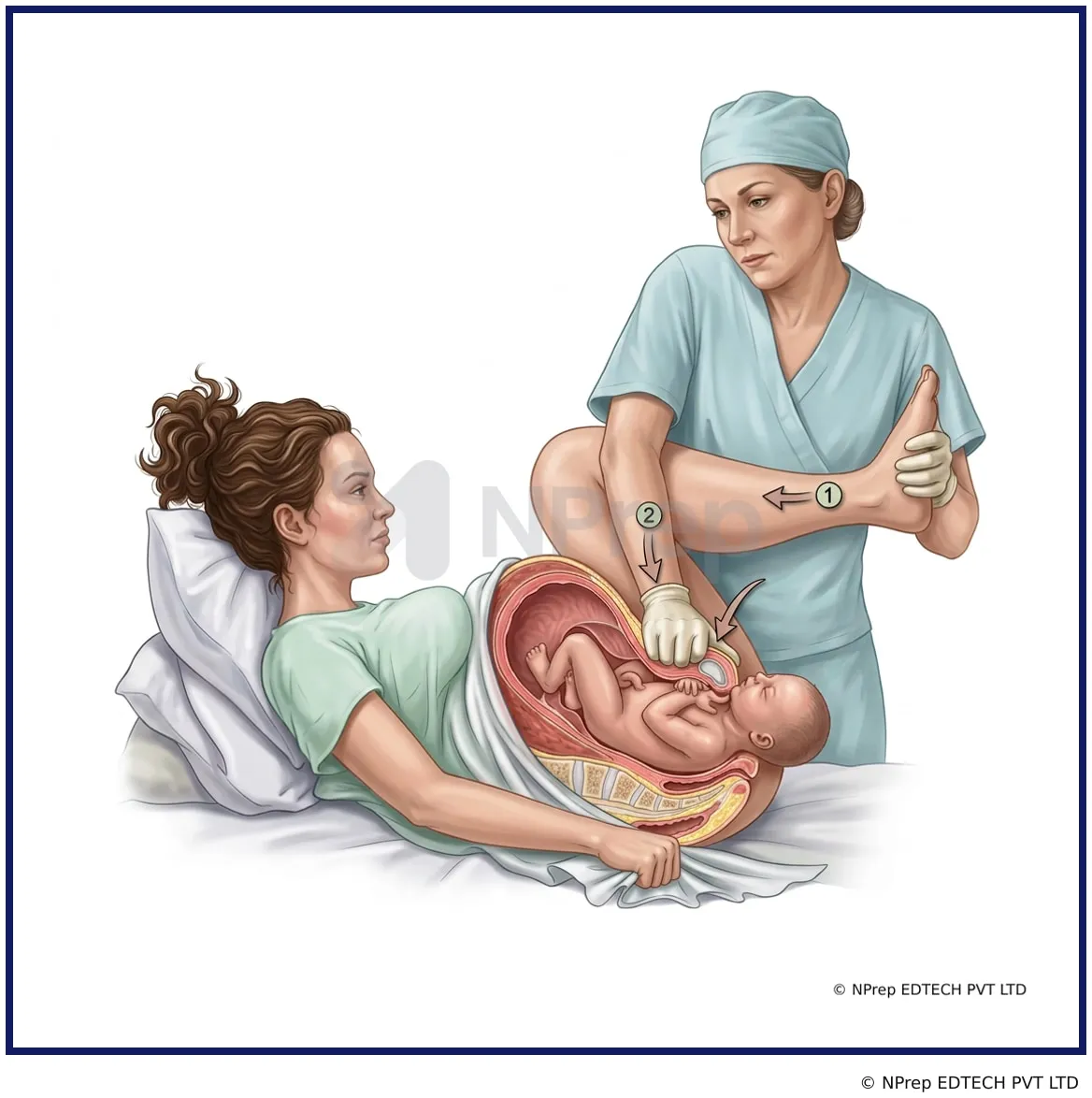
While conducting delivery of a woman, a midwife suddenly finds that the internal rotation of shoulders is not occurring even after good uterine contractions. To release the anterior shoulder, she is performing which of the following manoeuvres in the given picture?
- A.
Corkscrew manoeuvre
- B.
Lovset's manoeuvre
- C.
McRoberts manoeuvre
- D.
Rubin manoeuvre
- A.
Q29 · Nursing Foundations · Communication & Nurse-Patient Relationship
The misunderstanding or misinterpretation of the meaning which restricts effective communication is known as:
- A.
emotional barrier
- B.
physical barrier
- C.
semantic barrier
- D.
cultural barrier
- A.
Q30 · Applied Microbiology & Infection control · Biomedical Waste Management (BMW)
According to the Bio-medical Waste Management of India, Category 1 of waste, including human anatomical waste, should be disposed by:
- A.
disposal in municipal landfill
- B.
disinfection by chemical treatment
- C.
incineration
- D.
local autoclaving
- A.
Q31 · Medical & Surgical Nursing · Cardiovascular, Circulatory, and Hematologic Function
Water hammer pulse is seen in:
- A.
mitral stenosis
- B.
left ventricular failure
- C.
aortic stenosis
- D.
aortic regurgitation
- A.
Q32 · Nursing Research & Statistics · Research Problem/Question
The variable in the research which is purposely manipulated by the researcher is called:?
- A.
Dependent variable
- B.
Dichotomous variable
- C.
Independent variable
- D.
Research variable
- A.
Q33 · Child Health Nursing (Pediatrics) · Immunization and Immunodeficiency
CDC recommends children get two doses of MMR vaccine, starting with the first dose at 12 through 15 months of age, and the second dose at:
- A.
4-6 years of age
- B.
10-12 years of age
- C.
2-3 years of age
- D.
6-8 years of age
- A.
Q34 · Applied Anatomy · Renal System
The kidneys are located ______ on the posterior abdominal region.
- A.
supra peritoneally
- B.
infra peritoneally
- C.
in peritoneal cavity
- D.
retroperitoneally
- A.
Q35 · Child Health Nursing (Pediatrics) · Disorders of Cardiovascular System
A nurse posted in a paediatric cardiology unit noted that the assessment findings of an infant reveal a continuous machinery murmur on the auscultation of the heart and signs of heart failure. She identifies that the infant has which of the following congenital cardiac defects?
- A.
Atrial septal defect
- B.
Aortic stenosis
- C.
Ventricular septal defect
- D.
Patent ductus arteriosus
- A.
Q36 · Medical & Surgical Nursing · Cardiovascular, Circulatory, and Hematologic Function
A patient requires a blood transfusion, and the blood component has just been retrieved from the blood bank. What is the critical timeframe for initiating the transfusion to ensure patient safety?
- A.
30 min
- B.
60 min
- C.
90 min
- D.
No such time limit
- A.
Q37 · Child Health Nursing (Pediatrics) · Development
A nurse is posted in the paediatric immunisation clinic. She notices a child who is very active. He is climbing stairs in the playroom, walking forward and turning pages in a book. Based on these observations, what may be the approximate age of the child?
- A.
18-24 months
- B.
8-10 months
- C.
10-12 months
- D.
6-9 months
- A.
Q38 · Nursing Education · Implementation
A problem-based learning is student centred learning strategy in which students collaboratively solve the problems and this reflects on their experience. One important component is:
- A.
presentation of real-world situation or problem from ordinary life
- B.
focus of the educational program
- C.
careful inspection of methods
- D.
flexible approaches to learning
- A.
Q39 · Health Information and Technology (Basic Computer) · Information Systems in Healthcare
Hospital information systems (HIS) is introduced in a hospital to support tasks like patient care and administration of a hospital. The nurses are expected to have a cultural lag which can overcome by which of the following?
- A.
The organisation should recruit new nurses who are trained in HIS.
- B.
The organisation should leave the nurses to learn or not learn HIS.
- C.
The organisation should invest in equipment and training the nurses.
- D.
The organisation should refine policies to force the nurses to adapt to the change.
- A.
Q40 · Obstetrics & Gynaecology · Normal Puerperium
A nurse plans to teach a postpartum mother the prevention of breast engorgement. Which of the following measures would the nurse include in her teaching plan?
- A.
Breastfeed the neonate at regular intervals
- B.
Decrease the intake of fluid during the first 24 to 48 hours
- C.
Massage the breast vigorously before feeding
- D.
Use nipple shields while feeding the neonate
- A.
Q41 · Obstetrics & Gynaecology · Population Dynamics and Control of Conception
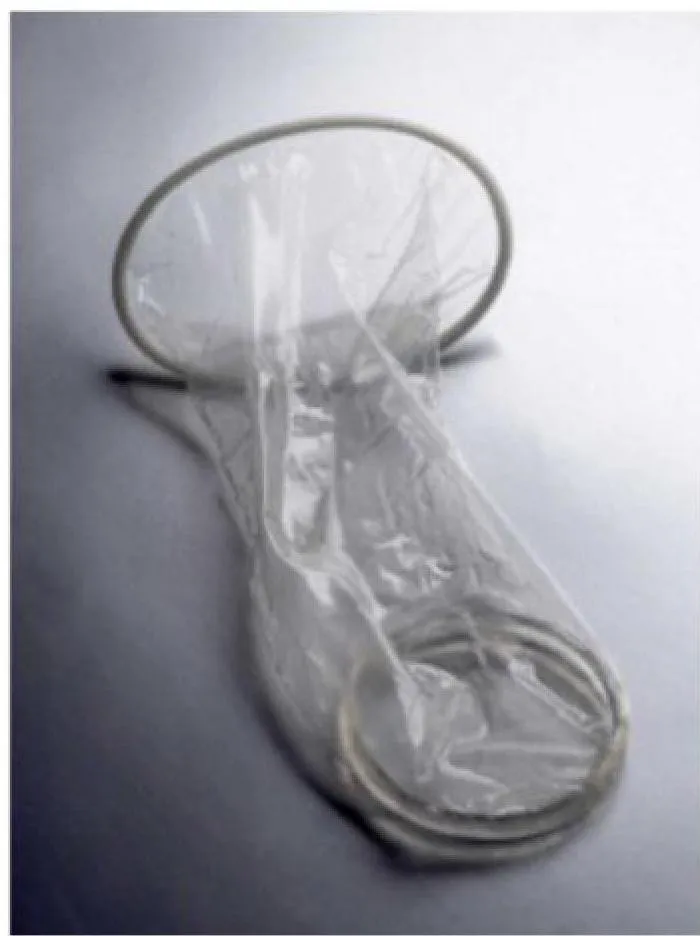 Identify the contraceptive device shown in the given picture.
- A.
Female condom
- B.
Diaphragm
- C.
Vaginal sponge
- D.
Male condom
- A.
Q42 · Applied Microbiology & Infection control · Immunity
When an antigen is mixed with its corresponding antibody at a suitable pH and temperature, antigen-antibody reaction causes clumping of particles together. This reaction is known as:
- A.
agglutination reaction
- B.
precipitation reaction
- C.
complement fixation
- D.
immunofluorescence
- A.
Q43 · Applied Microbiology & Infection control · Pathogenic Organisms
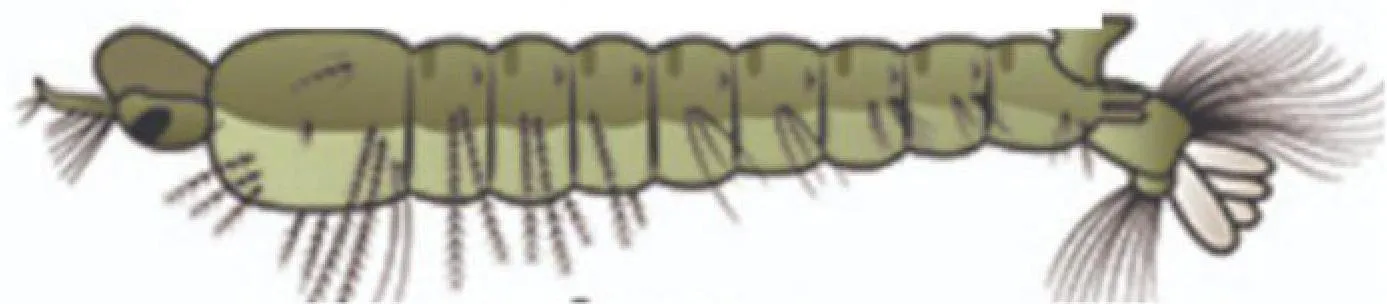 Water surface Identify the larva of the mosquito shown in the given picture.
- A.
Mansonia
- B.
Aedes
- C.
Anopheles
- D.
Culex
- A.
Q44 · Applied Anatomy · Digestive System
The part of the colon that absorbs the remaining water and other key nutrients from the indigestible material, solidifying it to form stool is:
- A.
Ascending colon
- B.
Descending colon
- C.
Rectum
- D.
Transverse colon
- A.
Q45 · Medical & Surgical Nursing · Cardiovascular, Circulatory, and Hematologic Function
The leakage of blood backwards through the mitral valve each time the left ventricle of the heart contracts, is known as:
- A.
mitral regurgitation
- B.
mitral prolapse
- C.
mitral stenosis
- D.
mitral systole
- A.
Q46 · General Knowledge · International Current Affairs
The year 2023 has been declared as The International Year of:
- A.
Fruits
- B.
Cereals
- C.
Nuts
- D.
Millets
- A.
Q47 · Community Health Nursing · Arthropod-borne infections
The primary fever in malaria corresponding to the development of the parasites in the red blood cells comprise all of the following EXCEPT:
- A.
hot stage
- B.
relapse stage
- C.
sweating stage
- D.
cold stage
- A.
Q48 · Nursing Foundations · Vital Signs
A client is admitted to the ward at 4 pm. She is posted for haemorrhoidectomy the next day morning. The nurse is expected to record the assessment of her vital signs. Before checking the blood pressure, the most important principle the nurse has to follow is:
- A.
prepare the equipment and supplies
- B.
explain the procedure to the client
- C.
wash hands
- D.
position the client
- A.
Q49 · Applied Microbiology & Infection control · Review of Specimen Collection
Suppose you were a nurse who was posted in the Covid-19 screening area where RT-PCR testing was conducted. Which transport media was used in the transport tube of Covid-19 swabs?
- A.
PCR
- B.
VVM
- C.
RAT
- D.
VTM
- A.
Q50 · Child Health Nursing (Pediatrics) · Nutrition
A 2-year-old child is brought to the paediatric OPD with the complain of failure to thrive. On assessment, the nurse observes that the child weighs less than 3SD, as per WHO growth chart, and MUAC (Mid Upper Arm Circumference) is less than 11 cm. What would the nurse suspect for this child?
- A.
Moderate acute malnutrition
- B.
Acute malnutrition
- C.
Chronic malnutrition
- D.
Severe acute malnutrition
- A.
- Sign in free
Done 50 questions? Check your answers
Sign in free: every answer with its explanation, attempt the paper timed with negative marking, and track your score.
Q51 · Medical & Surgical Nursing · Urinary Tract Function
Glomerulonephritis is a kidney disorder that affects the glomeruli. It is usually characterised by oedema, hypertension and:
- A.
WBC in urine
- B.
dysuria
- C.
polydipsia
- D.
haematuria
- A.
Q52 · Medical & Surgical Nursing · Cardiovascular, Circulatory, and Hematologic Function
During a home visit by a community health nurse, a middle-aged woman reported to the nurse that she has had weakness, fatigue, dyspnoea and headache for the past three months. On physical examination, the nurse noted spoon-shaped fingernails and a heart rate of 120/minute. Based on these findings, the nurse documented that the woman may have _______.
- A.
Folic acid deficiency anaemia
- B.
Aplastic anaemia
- C.
Iron deficiency anaemia
- D.
Haemolytic anaemia
- A.
Q53 · Community Health Nursing · Demography, Surveillance and Interpretation of Data
Infant Mortality Rate (IMR) is the ratio of deaths under 1 year of age to:
- A.
a rate per 100 live births
- B.
a rate per 1000 live births
- C.
a rate per 10 live births
- D.
a rate per 10,000 live births
- A.
Q54 · Pharmacology · Drugs Acting on Central Nervous System
During discharge teaching, a patient with depression, the psychiatric nurse informed him to avoid foods containing tyramine – such as cheese, milk, wine, preserved meats and avocados – to prevent a hypertensive crisis. Which class of antidepressant drugs prescribing to the patient?
- A.
Selective serotonin reuptake inhibitors
- B.
Tricyclic antidepressants
- C.
Selective norepinephrine reuptake inhibitors
- D.
Monoamine oxidase inhibitors
- A.
Q55 · Applied Nutrition & Dietetics · Balanced Diet
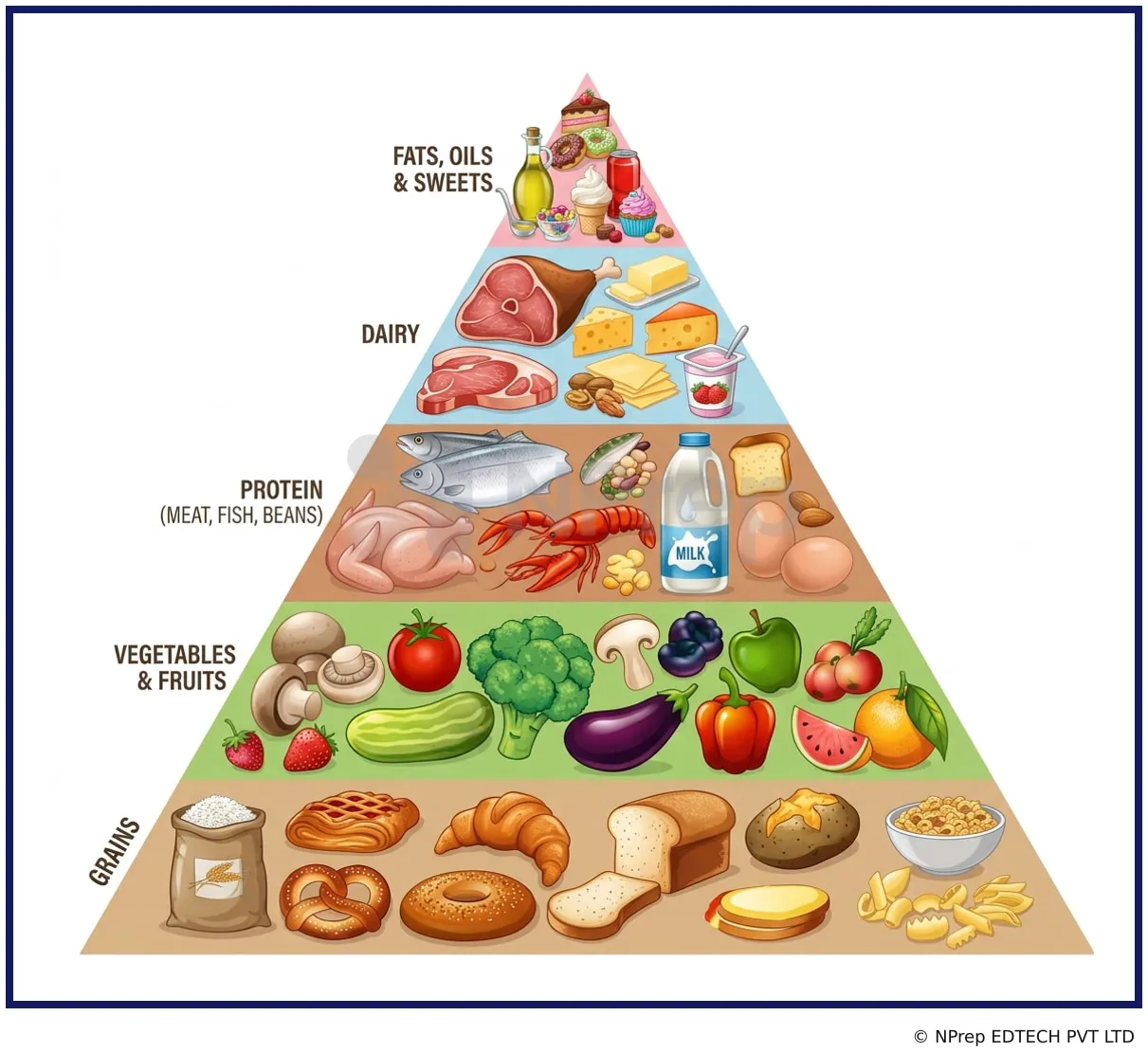
The Food Guide Pyramid The 'Food Guide Pyramid' is a nutritional educational guide that emphasises the importance of foods from different food groups. Which of the given statements is/are correct? 1. Each of the food groups (shown in the picture) provide some of the nutrients required. 2. Each of the food groups provides all the nutrients required. 3. Foods in one group cannot replace those in another. 4. Food groups towards the top of the pyramid are increasingly more important.
- A.
Only 1 and 4
- B.
Only 2
- C.
Only 2 and 4
- D.
Only 1 and 3
- A.
Q56 · Applied Anatomy · Musculoskeletal System
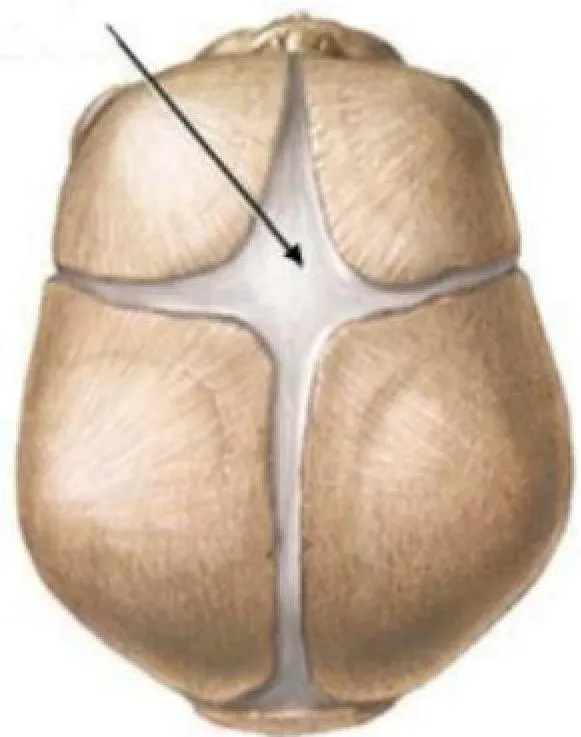 Identify the fontanel indicated by the arrow.
- A.
Anterior fontanel
- B.
Posterior fontanel
- C.
Temporal fontanel
- D.
Occipital fontanel
- A.
Q57 · Child Health Nursing (Pediatrics) · Development
A hospitalized 2-year-old child becomes extremely distressed when his mother leaves. Initially, he cries loudly, screams for his mother, refuses comfort from the nurse, and tries to follow her. Which phase of separation anxiety is the child demonstrating?
- A.
Despair
- B.
Detachment
- C.
Protest
- D.
Denial
- A.
Q58 · Nursing Management & Leadership · Management of Nursing Service in the Hospital & Community
The nurse manager compares the actual results of the budget with the projected results of the budget. What budgeting process is this?
- A.
Controlling
- B.
Incremental budgeting
- C.
Revenue sharing
- D.
Variable budgeting
- A.
Q59 · Applied Anatomy · Musculoskeletal System
Which of the following tarsal bones is most commonly fractured?
- A.
Cuboid bone
- B.
Navicular bone
- C.
Talus
- D.
Calcaneus
- A.
Q60 · Medical & Surgical Nursing · Fluid and Electrolytes: Balance and Distribution
The lab report of a patient is detailed below: PH 7.12 , HCO3-,1mmol/L , PCO2 | 18mm Hg | Which of the following is the primary acid base disorder?
- A.
Metabolic alkalosis
- B.
Metabolic acidosis
- C.
Respiratory alkalosis
- D.
Respiratory acidosis
- A.
Q61 · Nursing Research & Statistics · Research Approaches and Designs
Which of the following types of research involves at least some control by the researcher to implement the study treatment?
- A.
Correlational
- B.
Experimental
- C.
Descriptive
- D.
Quasi-experimental
- A.
Q62 · Community Health Nursing · Epidemiology – Epidemiological Approaches and Processes
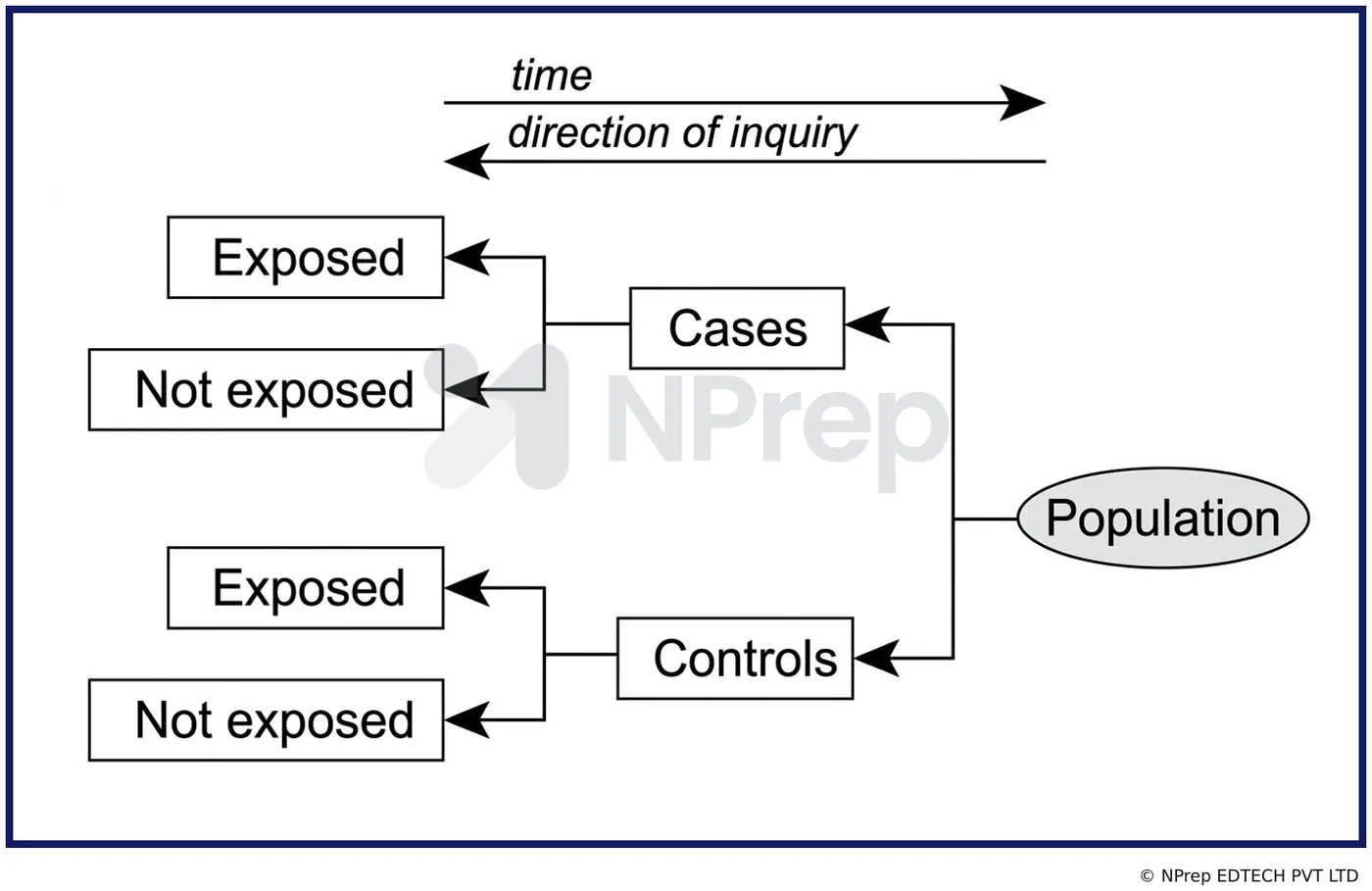 Identify the study design given in the picture.
- A.
Nested case control study
- B.
Retrospective cohort study
- C.
Case-control study
- D.
Prospective cohort study
- A.
Q63 · Medical & Surgical Nursing · Gas Exchange and Respiratory Function
A nurse is headed to work with her friend on a bus. Suddenly, she notices blood coming from her friend's nose. What is the first line of management that the nurse can use in this situation?
- A.
Do not touch the nose and immediately go to the hospital
- B.
Pinch the nose with sterile gauze
- C.
Pinch the nose and move forward
- D.
Pinch the nose and move backwards
- A.
Q64 · Applied Nutrition & Dietetics · Cookery Rules and Preservation of Nutrients
There are various techniques that are used to preserve foods and prevent foods from spoiling. Which of the following is the most common and best method?
- A.
Freeze drying
- B.
Fermentation
- C.
Freezing
- D.
Heating
- A.
Q65 · Medical & Surgical Nursing · Gas Exchange and Respiratory Function
A 30-year-old patient was brought to the emergency department. On examination, the triage nurse noticed that his respiratory rate was 36/ minute, and he had a non-productive cough. History also revealed that he recently had a cold. After lung auscultation and analysis of examination findings, she suspected the probability of asthma. Which of the following lung auscultation findings suggested that he may have bronchial asthma?
- A.
Pericardial friction rub
- B.
Low-pitched murmurs
- C.
Inspiratory and expiratory wheezes
- D.
Pleural friction rub
- A.
Q66 · Pathology & Genetics · Genetics
Beta-thalassemia is an autosomal recessive disorder. It is characterised by reduced haemoglobin levels in the body and is also known as:
- A.
aplastic anaemia
- B.
sickle cell anaemia
- C.
Cooley's anaemia
- D.
haemolytic anaemia
- A.
Q67 · Child Health Nursing (Pediatrics) · Normal Growth and its Disorders
While recording the weight of a 2-year-old boy on the WHO growth chart, a nurse notes that the weight curve is below -2 SD. The nurse interprets this as:
- A.
overweight for his age
- B.
under nutrition
- C.
severely underweight
- D.
normal weight for his age
- A.
Q68 · Applied Microbiology & Infection control · Disinfection and Sterilization
A nurse working in a ward notices that blood has spilled on the floor during blood collection. The spill covers an area of more than 20 cm. The nurse asked the housekeeping staff to clean the spill on the floor. What would the recommended disinfectant used for handling this spill be?
- A.
1:100 dilution of 5% sodium hypochlorite
- B.
1:2 dilution of 2% bleach solution
- C.
1:5 dilution of 5% bleach solution
- D.
1:10 dilution of 5% of sodium hypochlorite
- A.
Q69 · Community Health Nursing · National Health Programs
A short-term goal for a patient with Alzheimer's disease is:
- A.
regained sensory perception and cognitive function
- B.
increased self-esteem and improved self-concept
- C.
improved problem solving in activities of daily living
- D.
improved functioning in the least restrictive environment
- A.
Q70 · Community Health Nursing · Environmental Science, Environmental Health, and Sanitation
In India, unsafe drinking water and lack of basic sanitation are the leading causes for:
- A.
asthma
- B.
respiratory problems
- C.
heart disease and diabetes
- D.
diarrhoeal diseases and cholera
- A.
Q71 · Applied Physiology · Nervous System
A group of subcortical nuclei within the brain called basal ganglia helps a person perform which of the following important functions?
- A.
Unconditional learning
- B.
Emotional behaviours
- C.
Involuntary motor activity
- D.
Learning impairment
- A.
Q72 · Pathology & Genetics · General Pathology
All of the following are local manifestations of inflammation EXCEPT:
- A.
redness
- B.
increased WBC count
- C.
warmth
- D.
pain
- A.
Q73 · Medical & Surgical Nursing · Cardiovascular, Circulatory, and Hematologic Function
A shortened PR interval, slurring (called a delta wave) of the initial QRS deflection, and prolonged QRS duration are characteristics of:
- A.
atrial tachycardia
- B.
Wolff-Parkinson-White (WPW) syndrome
- C.
myocardial ischemia
- D.
left bundle branch block
- A.
Q74 · Medical & Surgical Nursing · Neurologic Function
A patient was brought to the emergency ward with numbness and weakness on one side of his body, slurred speech, difficulty in walking and dizziness. After taking a CT scan, the doctor diagnosed it as an embolic stroke. Which of the following conditions places the client at the risk of a thromboembolic stroke?
- A.
Atrial fibrillation
- B.
Guillain-Barré syndrome
- C.
Multiple sclerosis
- D.
Bradycardia
- A.
Q75 · Pharmacology · General Pharmacology
Low molecular weight heparin should be administered:
- A.
intradermally
- B.
intravenously
- C.
subcutaneously
- D.
intramuscularly
- A.
- Sign in free
Done 75 questions? Check your answers
Sign in free: every answer with its explanation, attempt the paper timed with negative marking, and track your score.
Q76 · Nursing Foundations · Health Assessment
The nurse is preparing for the physical examination of a newly admitted client. The assessment tray should contain all the following, EXCEPT:
- A.
sphygmomanometer
- B.
thermometer
- C.
fundoscope
- D.
stethoscope
- A.
Q77 · Medical & Surgical Nursing · Neurologic Function
A 28-year-old patient with a history of head injury is brought to the emergency department. The nurse performs a rapid neurological assessment using the Glasgow Coma Scale (GCS). The findings are recorded in the table below:
Behaviour Response Score Eye opening response Opens eyes to pain 2 Verbal response Speaks inappropriate words 3 Motor response Abnormal flexion observed 3 Total GCS score 8 The nurse in the ER makes a quick neurological assessment of the patient using Glasgow Coma Scale. Her assessment findings are shown in the given table. What will you interpret based on the given table?
- A.
Moderate brain injury
- B.
No neurological deficit
- C.
Severe brain injury
- D.
Mild brain injury
- A.
Q78 · Obstetrics & Gynaecology · Safe Motherhood, Epidemiology of Obstetrics
A nurse posted in the postnatal ward is going around assessing patients. The nurse should anticipate that postpartum women with ______ will need Rh(D) immune globulin (RhoGAM) before discharge.
- A.
an Rh-negative primigravida with an Rh-positive infant
- B.
an Rh-positive primigravida with an Rh-positive infant
- C.
an Rh-negative primigravida with an Rh-negative infant
- D.
an Rh-positive primigravida with an Rh-negative infant
- A.
Q79 · Medical & Surgical Nursing · Shock and Multisystem Failure
What is the best position for a patient in anaphylactic shock?
- A.
Supine with legs elevated
- B.
High fowler's
- C.
Semi fowler's
- D.
Lateral recumbent
- A.
Q80 · Pharmacology · Miscellaneous
The first drug of choice to treat an anaphylactic reaction is:
- A.
corticosteroids
- B.
epinephrine
- C.
antihistamines
- D.
bronchodilator
- A.
Q81 · Applied Microbiology & Infection control · General Characteristics of Microbes
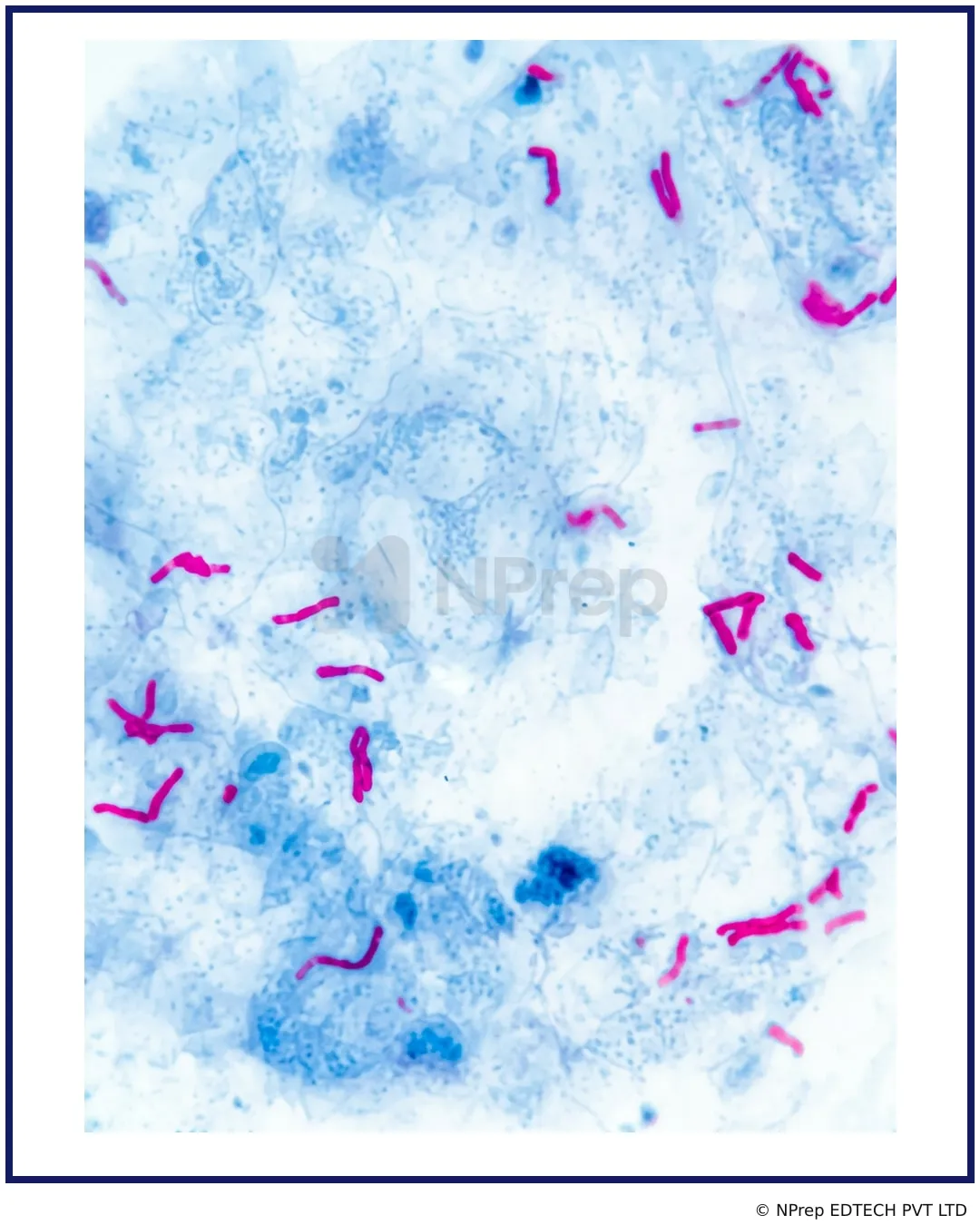 Acid fast staining used in the above slide showing mycobacterium tuberculi is named:
- A.
gram staining
- B.
Albert's staining
- C.
Giemsa staining
- D.
Ziehl-Neelsen staining
- A.
Q82 · Community Health Nursing · National Health Programs
The main objective of National Iodine Deficiency Disorders Control Programme in India is:
- A.
development of guidelines on control
- B.
supply of iodised salt in place of common salt
- C.
early detection of iodine deficiency
- D.
behaviour Change Communication
- A.
Q83 · Obstetrics & Gynaecology · Special Topics in Obstetrics
Second component (other than NST) in Modified Biophysical Profile is:
- A.
Foetal breathing movements
- B.
Amniotic fluid Index
- C.
Foetal movements
- D.
Foetal tone
- A.
Q84 · Medical & Surgical Nursing · Cardiovascular, Circulatory, and Hematologic Function
A physician has prescribed Tab Atenolol 25 mg for a patient. On assessment the nurse finds that the patient's systolic blood pressure is 90 mmHg. The appropriate nursing action would be:
- A.
advice the patient to increase sodium intake
- B.
monitor serum potassium levels
- C.
administer the drug and continue monitoring the blood pressure
- D.
hold the drug and notify the prescriber
- A.
Q85 · Medical & Surgical Nursing · Cardiovascular, Circulatory, and Hematologic Function
Regarding the placement of leads when recording ECG all of the following are correct, EXCEPT:
- A.
V4 - 7th intercostal space at the mid clavicular line
- B.
V3 - linear midpoint between V2 and V4
- C.
V2 - 4th intercostal space - left margin of sternum
- D.
V1 - 4th intercostal space - right margin of sternum
- A.
Q86 · Medical & Surgical Nursing · Sensorineural Function
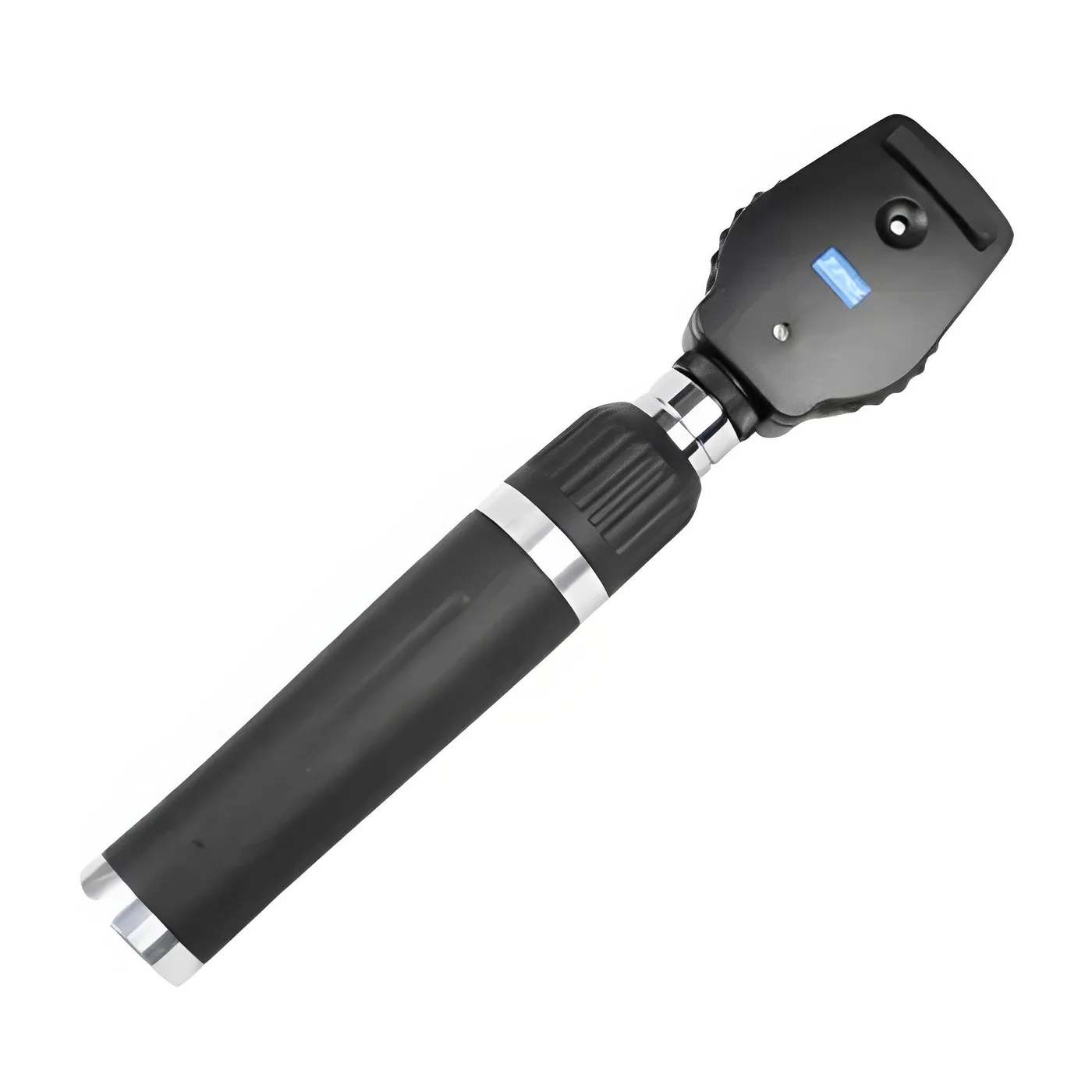
Identify the instrument shown in the picture above.
- A.
Otoscope
- B.
Arthroscope
- C.
Sigmoidoscope
- D.
Ophthalmoscope
- A.
Q87 · Nursing Management & Leadership · Organisational Behaviour & Human Relations
A leader can be effective in one circumstance and can be ineffective in another circumstance. This is a leader's ability to adapt, which can be their most important tool in the workplace. This theory of leadership is known as:
- A.
strategic
- B.
democratic
- C.
contingency
- D.
autocratic
- A.
Q88 · Pathology & Genetics · Genetics
The down's syndrome is a congenital chromosome abnormality and is also known as:
- A.
Trisomy 20
- B.
Trisomy 18
- C.
Trisomy 31
- D.
Trisomy 21
- A.
Q89 · Medical & Surgical Nursing · Gas Exchange and Respiratory Function
On physical examination of a patient's chest, a nurse observed a 'barrel chest'. A barrel chest is usually associated with:
- A.
emphysema
- B.
kyphoscoliosis
- C.
Marfan syndrome
- D.
rickets
- A.
Q90 · Medical & Surgical Nursing · Metabolic and Endocrine Function
A 54-year-old man presented in the emergency department with polyphagia and polydipsia. He also complained of headaches, malaise and some visual changes. The assessment showed signs of dehydration and some additional symptoms. The nurse reported to the physician that the patient may have diabetic ketoacidosis. Which of the following additional symptoms might the nurse have noted?
- A.
Decreased respirations and increased urine output
- B.
Kussmaul respirations and fruity odour on the breath
- C.
Cheyne-stokes respirations and foul-smelling urine
- D.
Biot respirations and severe abdominal pain
- A.
Q91 · Nursing Research & Statistics · Analysis of data
To use a t-test, the dependent variable must have:
- A.
nominal or interval data
- B.
interval or ratio data
- C.
ordinal or interval data
- D.
ordinal or ratio data
- A.
Q92 · Nursing Management & Leadership · Management Process
The nurse manager needs to buy six new hospital beds for the unit. What type of budget will be used for this expenditure?
- A.
Capital budget
- B.
Revenue budget
- C.
Operating budget
- D.
Salary budget
- A.
Q93 · Community Health Nursing · Communication management and Health Education
Doctors and nurses, who are in direct contact with patients and their relatives, have opportunities for much individual health education. What is the biggest advantage of individual health education?
- A.
It depends upon the personality and reputation of the speaker.
- B.
It can be costly and time consuming.
- C.
We can discuss, argue and persuade the individual to change his behaviour.
- D.
It is very useful in reaching large number of people.
- A.
Q94 · Applied Psychology · Cognitive Process
An example of inductive reasoning is:
- A.
reasoning from all chronically ill patients to a single chronically ill patient
- B.
reasoning from a single diabetic patient to all diabetic patients
- C.
using a computerised nursing care plan to care for insulin-dependent diabetic patients
- D.
using a standard nursing care plan to care for a specific patient
- A.
Q95 · Community Health Nursing · Intestinal Infections
At the Central level, the Union Ministry of Health and Welfare is headed by a Cabinet Minister, a Minister of State and a Deputy Health Minister. These are political appointments and have a dual role to serve political as well as administrative responsibilities for health. One of the functions in the Union List is:
- A.
to organise family welfare programme through family welfare centres
- B.
International health relations and quarantine
- C.
prevention of extension of communicable diseases from one unit to another
- D.
regulation and development of medical, nursing and other allied health professions
- A.
Q96 · Applied Microbiology & Infection control · General Characteristics of Microbes
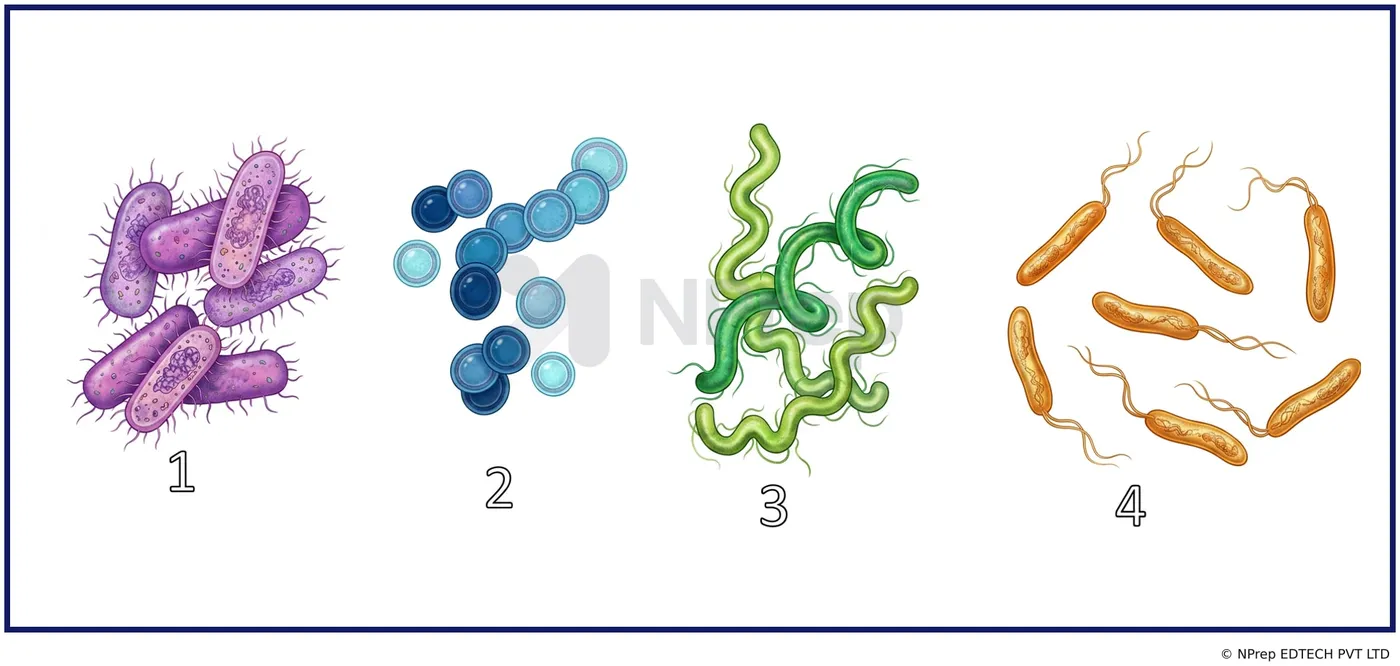 You have collected pus sample from a purulent lesion on the skin of a patient. You have sent the sample for gram staining. The microbiologist reports staphylococci seen. Which of the above shapes of bacteria must the microbiologist have seen?
- A.
4
- B.
2
- C.
1
- D.
3
- A.
Q97 · Applied Anatomy · Circulatory & Lymphatic System
Which of the following statements is INCORRECT with respect to portal vein?
- A.
Portal blood is rich in nutrients.
- B.
Portal blood is rich in oxygen.
- C.
Portal blood comes from the gastrointestinal system.
- D.
Portal circulation constitutes 80% of the circulation to the liver.
- A.
Q98 · Community Health Nursing · National Health Programs
According to WHO, the most cost-effective way to stop the spread of TB in communities with a high incidence is by curing it. The best curative method for TB is known as DOTS. One of its components is:
- A.
standardised treatment regimen directly of eighteen months observed by a healthcare worker
- B.
patients will buy the drugs
- C.
case detection by sputum smear microscopy
- D.
health for All by 2000 AD
- A.
Q99 · Medical & Surgical Nursing · Cardiovascular, Circulatory, and Hematologic Function
The blood groups in individuals are different due to the specific:
- A.
antigens on the surface of WBCs
- B.
antibodies on the surface of WBCs
- C.
antigens on the surface of RBCs
- D.
antibodies on the surface of RBCs
- A.
More AIIMS Nursing Officer papers
- AIIMS Raipur Lecturer 20212021 · 100 questions
- AIIMS Nagpur Nursing Officer 20202020 · 100 questions
- AIIMS Patna Nursing Officer 20202020 · 200 questions
- Combined AIIMS Nursing Officer 2020 (Jodhpur, Bhopal, Patna, Raipur)2020 · 200 questions
- AIIMS Rishikesh Nursing Officer 20192019 · 100 questions
- AIIMS Mangalagiri Nursing Officer 20192019 · 100 questions
- AIIMS Bathinda Nursing Officer 20192019 · 100 questions
- AIIMS Raipur Nursing Officer 2019 (Shift 1)2019 · 100 questions
- AIIMS Raipur Nursing Officer 2019 (Shift 2)2019 · 100 questions
- AIIMS Raipur Nursing Officer 2019 (Shift 3)2019 · 100 questions
- AIIMS Delhi Nursing Officer 20192019 · 200 questions
- AIIMS Bhubaneswar Senior Nursing Officer 20192019 · 100 questions