Combined AIIMS Nursing Officer 2020 (Jodhpur, Bhopal, Patna, Raipur) question paper
AIIMS Nursing Officer · 2020 · 200 questions · 180 minutes · 0.33 mark deducted per wrong answer
- Medical & Surgical Nursing 71
- Pharmacology 20
- Obstetrics & Gynaecology 19
- Nursing Foundations 18
- Reasoning 14
- Child Health Nursing (Pediatrics) 13
- Applied Microbiology & Infection control 8
- Health Information and Technology (Basic Computer) 7
- Mental Health Nursing 6
- Applied Anatomy 5
- Community Health Nursing 5
- Applied Physiology 4
- Applied Nutrition & Dietetics 3
- Applied Psychology 2
- General Knowledge 2
- Nursing Management & Leadership 1
- Nursing Research & Statistics 1
- Biochemistry & Nutrition 1
See the answers and explanations
Sign in free: every answer with its explanation, attempt the paper timed with negative marking, and track your score.
Q1 · Mental Health Nursing · Personality and Sexual Disorders
Schizotypal disorder is characterized by:
- A.
Severe social anxiety
- B.
Manic attacks
- C.
Suicidal tendency
- D.
Hallucinations
- A.
Q2 · Child Health Nursing (Pediatrics) · Diseases of Gastrointestinal System and Liver
In acetaminophen toxicity nurse observes:
- A.
Transaminase levels
- B.
Troponin levels
- C.
Complete blood count
- D.
EEG changes
- A.
Q3 · Medical & Surgical Nursing · Sensorineural Function
Identify the condition:
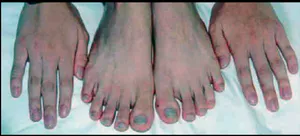
- A.
Differential Cyanosis
- B.
Central Cyanosis
- C.
Peripheral Cyanosis
- D.
Extremity Cyanosis
- A.
Q4 · Health Information and Technology (Basic Computer) · Introduction to computer applications
Find out odd one in computer?
- A.
Window
- B.
Printer
- C.
ROM
- D.
RAM
- A.
Q5 · Medical & Surgical Nursing · Miscellaneous
The common side effect of CPAP mask is:
- A.
Claustrophobia
- B.
Hydrophobia
- C.
Acrophobia
- D.
Nomophobia
- A.
Q6 · Child Health Nursing (Pediatrics) · Diseases of Gastrointestinal System and Liver
Which of the following is the cardinal sign of pyloric stenosis?
- A.
Projectile Vomiting
- B.
Fever
- C.
Diarrhea
- D.
Constipation
- A.
Q7 · Medical & Surgical Nursing · Gas Exchange and Respiratory Function
Identify the instrument device name that provides positive pressure ventilation:
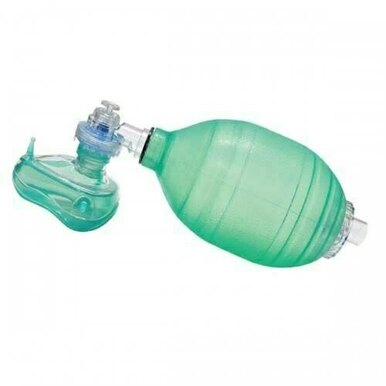
- A.
Non- Rebreather mask
- B.
Hudson mask
- C.
AMBU bag
- D.
Venturi mask
- A.
Q8 · Medical & Surgical Nursing · Neurologic Function
All of the following are complications of spinal cord injury (SCI); EXCEPT:
- A.
Risk of UTI
- B.
Gonorrhea
- C.
Flaccidity and spasticity
- D.
Autonomic hyperreflexia
- A.
Q9 · Medical & Surgical Nursing · Perioperative Concepts and Nursing Management
How many items are included in the WHO surgical safety checklist: SITOSO?
- A.
18 items
- B.
19 items
- C.
20 items
- D.
30 items
- A.
Q10 · Medical & Surgical Nursing · Gas Exchange and Respiratory Function
Highest concentration of O2 is with:
- A.
Face mask
- B.
Nasal prong
- C.
Venturi mask
- D.
Rebreathing mask
- A.
Q11 · Medical & Surgical Nursing · Urinary Tract Function
Food contraindicated with CRF and spironolactone:
- A.
Carrots
- B.
Papaya
- C.
Banana
- D.
Maize
- A.
Q12 · Medical & Surgical Nursing · Cardiovascular, Circulatory, and Hematologic Function
Identify the ECG strip:
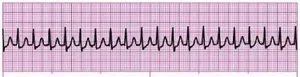
- A.
Atrial fibrillation
- B.
Ventricular fibrillation
- C.
Supraventricular tachycardia
- D.
First degree AV block
- A.
Q13 · Applied Physiology · Nervous System
In healthy adults, the normal plantar flexion causes a:
- A.
Downward response of hallux (Flexion)
- B.
Dorsiflexion of hallux
- C.
Both a and b
- D.
None of the above
- A.
Q14 · Nursing Foundations · Administration of medications
What is the size of needle for Intramuscular (IM) injection in adults?
- A.
19-25 gauge
- B.
25-27 gauge
- C.
22-25 gauge
- D.
All of the above
- A.
Q15 · Pharmacology · Miscellaneous
Antidote for heparin is:
- A.
Naloxone
- B.
Flumazenil
- C.
Digibind
- D.
Protamine sulfate
- A.
Q16 · Applied Nutrition & Dietetics · Vitamins
Which of the following vitamin deficiency causes Bitot's spot and Xerophthalmia?
- A.
Vitamin D
- B.
Vitamin K
- C.
Vitamin A
- D.
Vitamin E
- A.
Q17 · Medical & Surgical Nursing · Urinary Tract Function
A patient with low urine specific gravity will have all the following characteristics; EXCEPT:
- A.
Deficit fluid volume
- B.
Excess fluid volume
- C.
Rebounding pulse
- D.
Weight gain
- A.
Q18 · Applied Anatomy · Musculoskeletal System
The floor of mouth is formed by ___________ muscle.
- A.
Stylopharyngeus muscle
- B.
Mylohyoid muscle
- C.
Extensor Halluces muscle
- D.
Medial rectus muscle
- A.
Q19 · Applied Psychology · Personality
All of the following are the tools of behavioral assessment; EXCEPT:
- A.
Vineland adaptive behavior scale
- B.
Vanderbilt assessment scale
- C.
Vanderbilt digestive center scale
- D.
Behavior assessment system for children
- A.
Q20 · Reasoning · Arrangements & Puzzles
The ratio of the ages of A and B is 3:4. Four years ago , the ratio of their ages was 5:7 . What will be the ratio of the ages of A and B four years from now?
- A.
5:6
- B.
4:5
- C.
6:7
- D.
7:9
- A.
Q21 · Pharmacology · Drugs acting on peripheral nervous system
What is the purpose of using succinylcholine during the Electroconvulsive therapy?
- A.
Reduction in oral secretions
- B.
Muscle relaxant
- C.
Muscle contraction
- D.
Both b and c
- A.
Q22 · Child Health Nursing (Pediatrics) · Endocrine and Metabolic Disorders
A child develops signs of central obesity, moon face, and striae. What is the most likely underlying cause?
- A.
Progression of the disease
- B.
Use of exogenous steroids
- C.
Adrenal hyperplasia
- D.
Pituitary adenoma
- A.
Q23 · Medical & Surgical Nursing · Cardiovascular, Circulatory, and Hematologic Function
CVP is elevated in all the following conditions; EXCEPT:
- A.
Hypovolemic shock
- B.
Overhydration
- C.
Heart failure
- D.
Positive pressure breathing
- A.
Q24 · Obstetrics & Gynaecology · Normal Labor
How long do contractions last during second stage of labor at an interval of 3-5 minutes of rest?
- A.
20-30 seconds
- B.
45-90 seconds
- C.
100-120 seconds
- D.
None of these
- A.
Q25 · Medical & Surgical Nursing · Miscellaneous
Identify the procedure performed on a patient as shown in photograph:
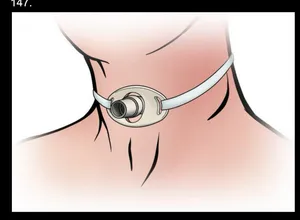
- A.
Cricothyroidotomy
- B.
Tracheostomy
- C.
Intubation
- D.
Hoodectomy
- A.
- Sign in free
Done 25 questions? Check your answers
Sign in free: every answer with its explanation, attempt the paper timed with negative marking, and track your score.
Q26 · Mental Health Nursing · Schizophrenia
Paranoid thoughts are described as:
- A.
Hallucinations
- B.
Delusions
- C.
Illusions
- D.
Anxiety disorders
- A.
Q27 · Reasoning · Number series
Find the next number in this series ?
2,4,8,16....
- A.
40
- B.
16
- C.
30
- D.
32
- A.
Q28 · Pharmacology · Miscellaneous
A patient's blood pressure suddenly drops, what is expected from on-duty nursing officer, that which drug will doctor order that is to be administered immediately?
- A.
Dopamine
- B.
NORAD
- C.
Both a and b
- D.
None of these
- A.
Q29 · Obstetrics & Gynaecology · Practical Obstetrics
The instrument used for measuring fetal heart rate (FHR):
- A.
Pinard Stethoscope
- B.
Proctoscope
- C.
Endoscope
- D.
Both a and b
- A.
Q30 · Medical & Surgical Nursing · Cardiovascular, Circulatory, and Hematologic Function
The image below represents:
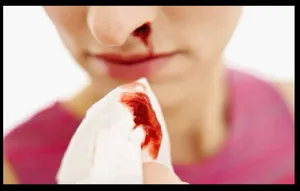
- A.
Hemoptysis
- B.
Nasal laceration
- C.
Hematemesis
- D.
Epistaxis
- A.
Q31 · Medical & Surgical Nursing · Miscellaneous
Positive end expiratory pressure (PEEP) is:
- A.
Alveolar pressure above atmospheric pressure
- B.
Atmospheric pressure above alveolar pressure
- C.
Atmospheric pressure above osmotic pressure
- D.
None of the above
- A.
Q32 · Child Health Nursing (Pediatrics) · Immunization and Immunodeficiency
In DPT vaccine 'P' stands for:
- A.
Pertussis
- B.
Polio
- C.
Pneumonia
- D.
Pancreatitis
- A.
Q33 · Medical & Surgical Nursing · Shock and Multisystem Failure
What is an early sign of hypovolemic shock?
- A.
Loss of blood volume up to 15%
- B.
Loss of blood volume up to 30%
- C.
Loss of blood volume up to 60%
- D.
Loss of blood volume up to 80%
- A.
Q34 · Nursing Foundations · Nursing Care & Specific Procedures
According to hospital's protocol during emergency situation "code pink" is used for which condition?
- A.
Infant and child abduction
- B.
Disastrous situation
- C.
Bomb threat nearby
- D.
Fire in hospital
- A.
Q35 · Medical & Surgical Nursing · Digestive and Gastrointestinal Function
What is the colostomy size for a client whose stoma diameter is of 27 mm size?
- A.
29 mm
- B.
28 mm
- C.
27 mm
- D.
30 mm
- A.
Q36 · Medical & Surgical Nursing · Gas Exchange and Respiratory Function
Identify the image procedure name:
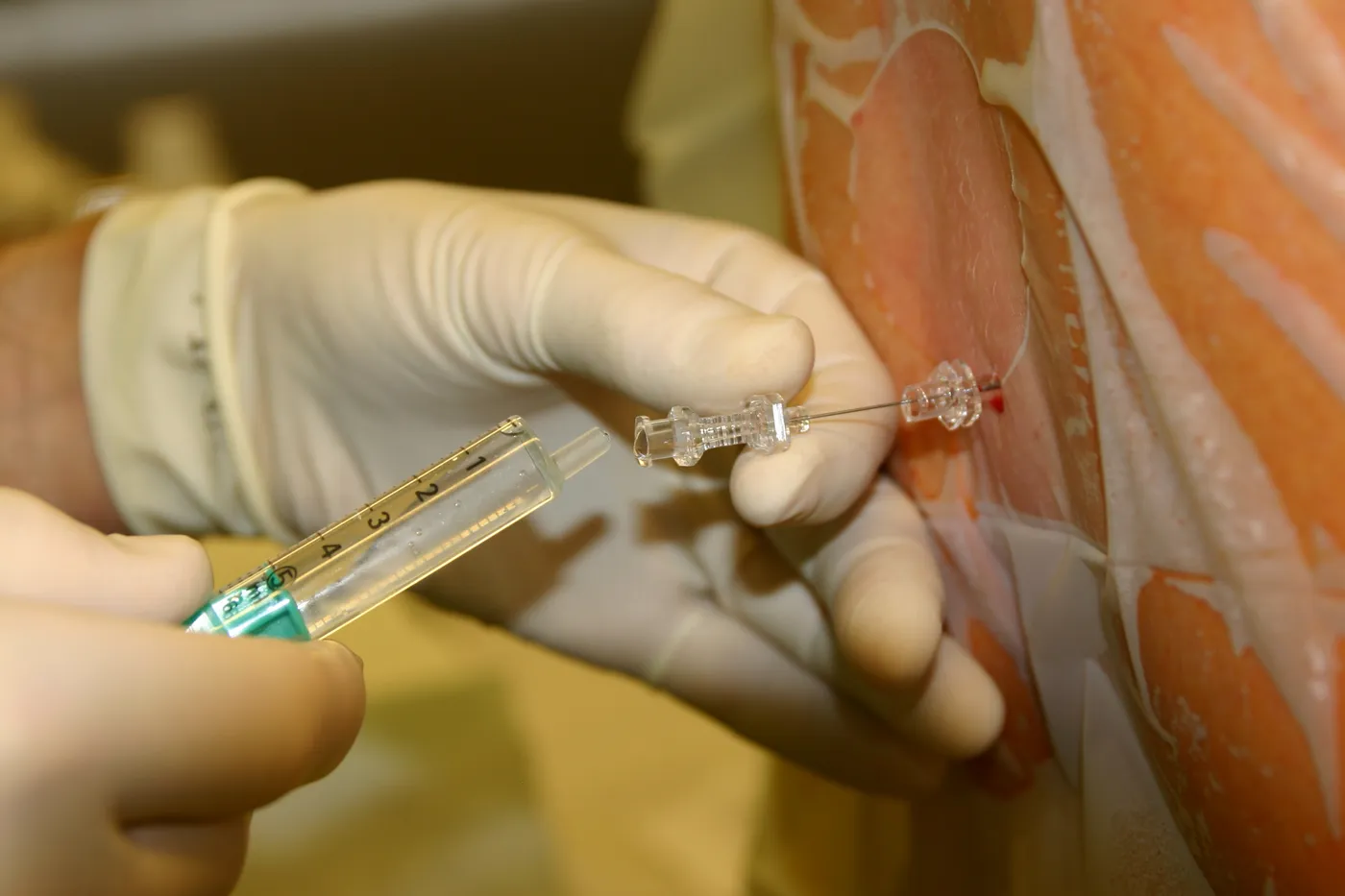
- A.
Spinal anesthesia
- B.
Thoracotomy
- C.
Local anesthesia
- D.
Lumbar puncture
- A.
Q37 · Mental Health Nursing · Substance Use Disorders
Emergency treatment for cocaine toxicity seeks to stabilize:
- A.
Kidney functioning
- B.
Body temperature
- C.
Heart functioning
- D.
All of these
- A.
Q38 · General Knowledge · Miscellaneous
Most important element of country is?
- A.
Religion
- B.
Area
- C.
Constitution
- D.
People
- A.
Q39 · Reasoning · Coding-Decoding
if CLOCK is coded as DMPDL, then what will be the code for WATCH?
- A.
XNUJD
- B.
XBUJE
- C.
WBUDI
- D.
XBUDI
- A.
Q40 · Mental Health Nursing · Substance Use Disorders
CAGE questionnaire is used for which of the following behavioral disorders?
- A.
Alcohol screening
- B.
Heroine screening
- C.
Opioid screening
- D.
Naloxone screening
- A.
Q41 · Medical & Surgical Nursing · Miscellaneous
What is the early sign of increased ICP (Intracranial pressure)?
- A.
Altered level of consciousness
- B.
Decreased level of consciousness
- C.
Bradycardia
- D.
All of the above
- A.
Q42 · Medical & Surgical Nursing · Urinary Tract Function
Which of the following is the warning sign post renal transplantation?
- A.
Decreased urine output
- B.
Increased urine output
- C.
Pale color urine
- D.
Both a and b
- A.
Q43 · Pharmacology · Drug Affecting Blood & Blood Formation
Therapeutic use of streptokinase is:
- A.
Lysis of thrombi in coronary artery
- B.
Lysis of pulmonary emboli
- C.
Restoration of cannula patency
- D.
All of the above
- A.
Q44 · Pharmacology · General Pharmacology
A Nursing officer is working in eye ward. A doctor ordered for a specific eye disease an ointment and an eye drops, a prudent nursing officer should administer which type of medicine first?
- A.
Eye drops
- B.
Eye ointment
- C.
Both simultaneously
- D.
None of these
- A.
Q45 · Nursing Foundations · Nursing Care & Specific Procedures
The sutures used to close deep, multi-layer lacerations are:
- A.
Vicryl suture
- B.
Dexon suture
- C.
Monocryl suture
- D.
All of these
- A.
Q46 · Medical & Surgical Nursing · Fluid and Electrolytes: Balance and Distribution
Which of the following changes are seen in ECG reading, in patients with hyperkalemia?
- A.
Tall and peaked T wave
- B.
Shortened QT interval
- C.
Prolong PR interval
- D.
All of these
- A.
Q47 · Child Health Nursing (Pediatrics) · Disorders of Cardiovascular System
The type of cyanosis seen in PDA is:
- A.
Differential cyanosis
- B.
Central cyanosis
- C.
Peripheral cyanosis
- D.
All of these
- A.
Q48 · Medical & Surgical Nursing · Cardiovascular, Circulatory, and Hematologic Function
The sports that should be avoided in hemophilia is:
- A.
Swimming
- B.
Golf
- C.
Badminton
- D.
Wrestling and boxing
- A.
Q49 · Applied Microbiology & Infection control · Miscellaneous
The first sign of infection is:
- A.
Fever
- B.
Nausea
- C.
Diarrhea
- D.
All of these
- A.
Q50 · Medical & Surgical Nursing · Miscellaneous
During CPR after how many cycles does a rescuer change?
- A.
5 cycles
- B.
4 cycles
- C.
3 cycles
- D.
2 cycles
- A.
- Sign in free
Done 50 questions? Check your answers
Sign in free: every answer with its explanation, attempt the paper timed with negative marking, and track your score.
Q51 · Nursing Foundations · Nursing Care & Specific Procedures
Who discovered Catgut suture?
- A.
Galen of Pergamon
- B.
Louis pasteur
- C.
Robert Hooke
- D.
Linda Richards
- A.
Q52 · Obstetrics & Gynaecology · Special Topics in Obstetrics
Identify the device shown here:
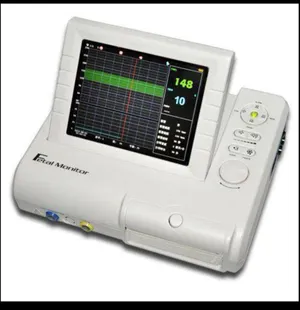
- A.
CTG machine
- B.
ECG monitor
- C.
Ultrasound machine
- D.
Ventilator machine
- A.
Q53 · Medical & Surgical Nursing · Gas Exchange and Respiratory Function
Which of the following is the cardinal sign of pulmonary edema?
- A.
Crackling sound
- B.
Cough
- C.
Weight loss
- D.
Diaphoresis
- A.
Q54 · Applied Microbiology & Infection control · Biomedical Waste Management (BMW)
As per BMW management and according to WHO, infected syringe without needle is discarded into which color-coded bag?
- A.
Yellow bag
- B.
Red bag
- C.
Black bag
- D.
Blue bag
- A.
Q55 · Obstetrics & Gynaecology · Examination of a Gynecological Patient
A 27-year-old female, 16-week pregnant, has 2-year-old twins, who were born at 39 weeks gestation and a 5-year-old who was born at 40 weeks, she had no history of abortion what is her GTPAL score?
- A.
G=3, T=2, P=0, A=0, L=3
- B.
G=3, T=1, P=0, A=2, L=3
- C.
G=3, T=2, P=2, A=0, I=3
- D.
G=3, T=1, P=0, A=0, L=2
- A.
Q56 · Applied Microbiology & Infection control · Pathogenic Organisms
What is the incubation period of Ascariasis?
- A.
2-3 weeks
- B.
4-8 weeks
- C.
9-10 weeks
- D.
None of these
- A.
Q57 · Medical & Surgical Nursing · Gas Exchange and Respiratory Function
Which of the following method is used for high flow oxygen administration:
- A.
High flow nasal cannula (HFNC)
- B.
Non re-breather face mask
- C.
Simple face mask
- D.
Nasal prongs
- A.
Q58 · Applied Physiology · General Physiology
In which type of solution does the fluid shift from tissues to blood?
- A.
Hypertonic solution
- B.
Hypotonic solution
- C.
Isotonic solution
- D.
None of these
- A.
Q59 · Medical & Surgical Nursing · Gas Exchange and Respiratory Function
The following conditions can be diagnosed using chest X-ray; EXCEPT:
- A.
Pneumonia
- B.
Interstitial lung disease
- C.
Heart failure
- D.
Cell tumor
- A.
Q60 · Nursing Foundations · Nursing Care & Specific Procedures
The contraindications of the procedure shown in the following image is:
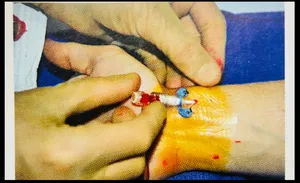
- A.
Pulse pressure variation
- B.
Hyperkalemia
- C.
Negative Allen's test
- D.
Ventilated patients
- A.
Q61 · Health Information and Technology (Basic Computer) · Introduction to computer applications
The most recent version of Mac OS is based on the operating system.
- A.
Windows
- B.
Linux
- C.
Unix
- D.
CMOS
- A.
Q62 · Pharmacology · Hormones & Related Drugs
Which of the following oral contraceptive pills is an emergency contraceptive method?
- A.
Chhaya OCP
- B.
Unwanted 72
- C.
Saheli OCP
- D.
All of these
- A.
Q63 · Child Health Nursing (Pediatrics) · Normal Growth and its Disorders
When does the infant's weight get double in relation to birth weight?
- A.
5 months
- B.
8 months
- C.
10 months
- D.
12 months
- A.
Q64 · Obstetrics & Gynaecology · Population Dynamics and Control of Conception
What is the best time of insertion of Intrauterine Contraceptive Devices (IUCD)?
- A.
Starting of menstrual cycle
- B.
Mid cycle insertion
- C.
After completion of menstrual cycle
- D.
None of the above
- A.
Q65 · Mental Health Nursing · Organic Brain Disorders
Which of the following are the causes of delirium?
- A.
Brain tumor
- B.
Head trauma
- C.
Alcohol consumption
- D.
All of these
- A.
Q66 · Nursing Management & Leadership · Management of Nursing Service in the Hospital & Community
1 Chief Nursing officer is posted on how many beds-
- A.
1:300
- B.
1:400
- C.
1:500
- D.
1:600
- A.
Q67 · Reasoning · Analogy
Most important element of Jungle is?
- A.
Birds
- B.
Animals
- C.
Tree
- D.
Rain
- A.
Q68 · Medical & Surgical Nursing · Neurologic Function
Parkinson's disease is characterized by deficiency of neurotransmitter.
- A.
Dopamine
- B.
Acetylcholine
- C.
Serotonin
- D.
GABA
- A.
Q69 · Medical & Surgical Nursing · Perioperative Concepts and Nursing Management
In suture holding position, the tip of the needle should penetrate the skin perpendicularly about ___________from the wound edge.
- A.
2-4 mm
- B.
5-10 mm
- C.
12-15 mm
- D.
18-20 mm
- A.
Q70 · Health Information and Technology (Basic Computer) · Introduction to computer applications
Personnel who design, program, operate and maintain computer equipment are called:
- A.
Console operator
- B.
Programmer
- C.
Peopleware
- D.
System analyst
- A.
Q71 · Obstetrics & Gynaecology · Diagnosis of Pregnancy
Which is the primary assessment done when patients BP fall during labor?
- A.
Assess vital signs of client
- B.
Assess the weight of client
- C.
Change the position from supine
- D.
Both a and b
- A.
Q72 · Nursing Foundations · Procedures
A patient is hungry; he/she suddenly falls down on the floor, what would be the first action of the Nursing officer upon this situation?
- A.
Check for pulse and breathing
- B.
Wait for patient to get conscious
- C.
Do nothing
- D.
None of the above
- A.
Q73 · Medical & Surgical Nursing · Metabolic and Endocrine Function
What is minimum distance between insulin injection site?
- A.
2 cm
- B.
2.5 cm
- C.
1.5 cm
- D.
3 cm
- A.
Q74 · Reasoning · Arrangements & Puzzles
Team B is chasing score, and need 10 run per over in next 20 overs. Find out the score of team A?
- A.
351
- B.
348
- C.
349
- D.
350
- A.
Q75 · Reasoning · Arrangements & Puzzles
The sides of a triangle are 7 cm, 5 cm and 3 cm. Then the largest angle of the triangle is:
- A.
120°
- B.
90°
- C.
60°
- D.
45°
- A.
- Sign in free
Done 75 questions? Check your answers
Sign in free: every answer with its explanation, attempt the paper timed with negative marking, and track your score.
Q76 · Applied Physiology · Circulatory & Lymphatic system
What is the action of vagus nerve stimulation on heart rate?
- A.
Decreases heart rate
- B.
Increases heart rate
- C.
Normal heart rate
- D.
None of these
- A.
Q77 · Applied Anatomy · Respiratory System
Tracheostomy is done in which tracheal ring?
- A.
Between 1st and 2nd tracheal ring
- B.
Between 2nd and 3rd tracheal ring
- C.
Between 3rd and 4th tracheal ring
- D.
None of the above
- A.
Q78 · Medical & Surgical Nursing · Perioperative Concepts and Nursing Management
All the principles should be followed while transferring patient to OT table; EXCEPT:
- A.
Ensure safe transfer from bed to transportation device
- B.
Ensure safe transfer to pre-operative area
- C.
Ensure prevention of falls from OT table
- D.
Ensure safety in recovery room /post-operative ICU
- A.
Q79 · Pharmacology · Miscellaneous
All among the following are killed vaccines; EXCEPT:
- A.
Salk vaccine
- B.
Cholera vaccine
- C.
Typhoid vaccine
- D.
MMR
- A.
Q80 · Obstetrics & Gynaecology · Normal Labor
At how much interval BP measurement for a mother should be done during second stage of labor?
- A.
15-20 minutes
- B.
30-40 minutes
- C.
50-60 minutes
- D.
60-90 minutes
- A.
Q81 · Community Health Nursing · Health Care Planning and Organization of Health Care at various levels
Anganwadi worker is supervised by:
- A.
Mukhya sevika
- B.
Male health worker
- C.
Both a and b
- D.
None of the above
- A.
Q82 · Pharmacology · Drugs Acting on Central Nervous System
Which antipsychotic medications cause amenorrhea?
- A.
Haloperidol
- B.
Paroxetine
- C.
Sertraline
- D.
Citalopram
- A.
Q83 · Medical & Surgical Nursing · Cardiovascular, Circulatory, and Hematologic Function
Which gauze cannula is commonly used for blood transfusion?
- A.
16 G - Gray color
- B.
18 G - Green color
- C.
22 G - Blue color
- D.
23 G - Orange color
- A.
Q84 · Medical & Surgical Nursing · Metabolic and Endocrine Function
The condition presented below is caused due to:
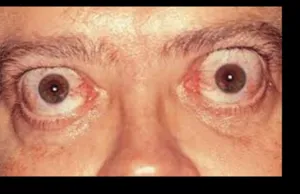
- A.
Glaucoma
- B.
Hyperthyroidism
- C.
Hypothyroidism
- D.
Hypopituitarism
- A.
Q85 · Medical & Surgical Nursing · Perioperative Concepts and Nursing Management
Which position is given to a client by nursing officer, who has been brought from OT after craniotomy surgery?
- A.
Low Fowler's position with head elevated at a 30-degree angle
- B.
Semi-Fowler's position with head elevated at a 45-degree angle
- C.
High Fowler's position with head elevated at a 90-degree angle
- D.
All of the above
- A.
Q86 · Applied Psychology · Developmental Psychology
According to psychosocial theory of Erikson, which behavior is seen in toddler age group?
- A.
Autonomy vs. shame
- B.
Generativity vs. stagnation
- C.
Ego integrity vs. despair
- D.
Trust vs. mistrust
- A.
Q87 · Nursing Research & Statistics · Communication and utilization of Research
Identify the disorder presented in X-ray:
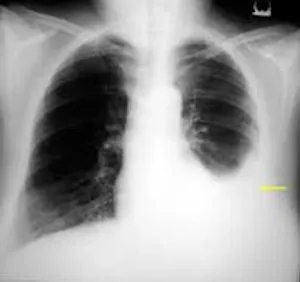
- A.
Pleural effusion
- B.
Right sided pneumonia
- C.
Pericarditis
- D.
Bronchiectasis
- A.
Q88 · Child Health Nursing (Pediatrics) · Modern concepts of child- care
The preferred site for intramuscular injection in infants is:
- A.
Anterolateral portion of vastus lateralis muscle
- B.
Posterior portion of vastus lateralis muscle
- C.
Dorsogluteal muscle
- D.
Ventrogluteal site
- A.
Q89 · Applied Microbiology & Infection control · Disinfection and Sterilization
The ratio of mixing bleaching powder and water for acting as a disinfectant is:
- A.
1:1
- B.
1:50
- C.
1:99
- D.
1:1000
- A.
Q90 · Applied Microbiology & Infection control · Pathogenic Organisms
The incubation period of Taenia solium is:
- A.
6 to 8 weeks
- B.
10 to 12 weeks
- C.
14 to 20 weeks
- D.
20 to 24 weeks
- A.
Q91 · Nursing Foundations · Comfort, Rest & Sleep & Pain
How many faces are there in Wong-Baker facial pain rating scale?
- A.
8 faces
- B.
6 faces
- C.
10 faces
- D.
5 faces
- A.
Q92 · Health Information and Technology (Basic Computer) · Introduction to computer applications
What is the shortcut key to display field codes?
- A.
Alt + F9
- B.
Ctrl + F9
- C.
Shift + F9
- D.
Space + F9
- A.
Q93 · Nursing Foundations · Vital Signs
In the following, all are the contraindications for measurement of rectal temperature; EXCEPT:
- A.
Colon surgery
- B.
Hemorrhoid and piles
- C.
Diarrhea
- D.
Constipation
- A.
Q94 · Nursing Foundations · Nursing Care & Specific Procedures
The common veins used for placement of central line are all; EXCEPT:
- A.
Internal jugular vein
- B.
Subclavian vein
- C.
Femoral vein
- D.
Tibial vein
- A.
Q95 · Medical & Surgical Nursing · Gas Exchange and Respiratory Function
Identify the procedure demonstrated in the video:
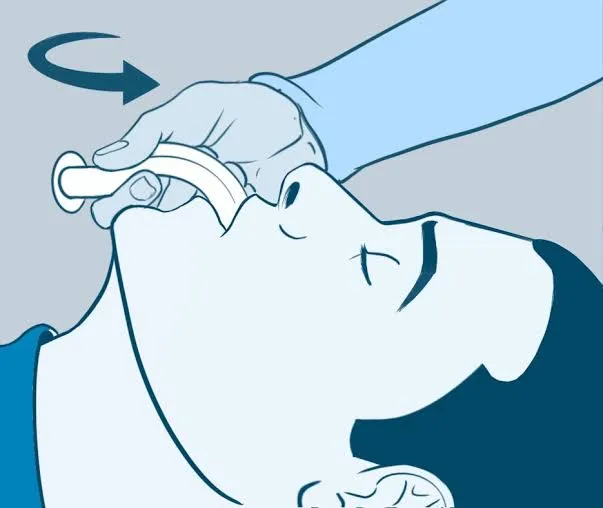
- A.
Endotracheal intubation
- B.
Guedel's airway insertion
- C.
Laryngeal mask airway insertion
- D.
Oropharyngeal airway
- A.
Q96 · Medical & Surgical Nursing · Cardiovascular, Circulatory, and Hematologic Function
All of the following are used as treatment modalities of Deep Vein Thrombosis (DVT); EXCEPT:
- A.
Use of low molecular weight heparin (LMWH)
- B.
Stockings
- C.
Intermittent pneumatic compression (IC)
- D.
Maximizing invasive procedures
- A.
Q97 · Medical & Surgical Nursing · Miscellaneous
High Potassium diet should be avoided in patient's with:
- A.
CKD
- B.
Diabetes mellitus
- C.
Renal failure
- D.
Both a and c
- A.
Q98 · Applied Physiology · Nervous System
Lumbar puncture for adults is done at:
- A.
Between the lumbar vertebrae L-1/ L-2
- B.
Between the lumbar vertebrae L-4/ L-5
- C.
Between the lumbar vertebrae L-5/ S-1
- D.
All the above
- A.
Q99 · Reasoning · Direction Sense
A man walks 4 km north, then turn to the right and walk 2 km. after that, he walk 4km south. now how much distance is he from the starting point ?
- A.
2 KM
- B.
4 KM
- C.
6 KM
- D.
8 KM
- A.
Q100 · Medical & Surgical Nursing · Gas Exchange and Respiratory Function
Tongue fall is the main cause of:
- A.
Central sleep apnea
- B.
Obstructive sleep apnea
- C.
Both a and b
- D.
None of these
- A.
- Sign in free
Done 100 questions? Check your answers
Sign in free: every answer with its explanation, attempt the paper timed with negative marking, and track your score.
Q101 · Applied Microbiology & Infection control · Disinfection and Sterilization
Another name for Cidex solution is:
- A.
Glutaraldehyde
- B.
Formaldehyde
- C.
Carbaldehyde
- D.
Carboxaldehyde
- A.
Q102 · Medical & Surgical Nursing · Fluid and Electrolytes: Balance and Distribution
Fluid volume deficit or hypovolemia describes the loss of
- A.
Intracellular fluid
- B.
Extracellular fluid
- C.
Capsular fluid
- D.
Both a and b
- A.
Q103 · Medical & Surgical Nursing · Cardiovascular, Circulatory, and Hematologic Function
All of the following are goals in the management of massive blood transfusion; EXCEPT:
- A.
Early recognition of blood loss
- B.
Maintenance of tissue perfusion
- C.
Restoration of blood volume and hemoglobin
- D.
Replacement of >1 blood volume in 8 hours
- A.
Q104 · Applied Anatomy · Musculoskeletal System
All of the following bones are present in anatomical segment of leg; EXCEPT:
- A.
Femur
- B.
Fibula
- C.
Shin bone
- D.
Chin bone
- A.
Q105 · Medical & Surgical Nursing · Miscellaneous
The suture shown in the image is:
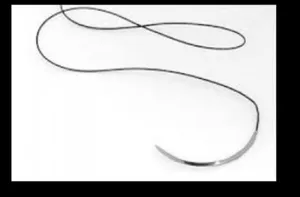
- A.
Nylon suture
- B.
Plain catgut
- C.
Prolene
- D.
Cotton
- A.
Q106 · Nursing Foundations · Vital Signs
The core temperature is measured from which of the following sites?
- A.
Rectum
- B.
Tympanic membrane
- C.
Axilla
- D.
Both a and b
- A.
Q107 · Applied Nutrition & Dietetics · Vitamins
Early sign of Vitamin A deficiency is:
- A.
Myopia
- B.
Hypermetropia
- C.
Presbyopia
- D.
Nyctolopia
- A.
Q108 · Applied Nutrition & Dietetics · Introduction to Nutrition
Which of the following are characteristic feature of malnutrition?
- A.
Stunting, wasting, underweight, and micronutrient deficiency
- B.
Protein and energy deficiency
- C.
Kwashiorkor, Marasmus and stunting
- D.
Low weight for age, weight loss and vomiting
- A.
Q109 · Nursing Foundations · Procedures
The correct sequence of cardiopulmonary Resuscitation (CPR) is:
- A.
CAB
- B.
ABC
- C.
ACB
- D.
None of these
- A.
Q110 · Reasoning · Arrangements & Puzzles
A can do a piece of work in 12 days and B can do it in 18 days. They work together for 2 days and then A leaves. How long will B take to finish the remaining work?
- A.
13 days
- B.
10 days
- C.
8 days
- D.
6 days
- A.
Q111 · Nursing Foundations · Nursing Care & Specific Procedures
Which is the appropriate nursing action by nursing officer after taking ABG sample from radial artery?
- A.
Put pressure on the site for 5 minutes with sterile pad
- B.
Clean with alcohol swabs
- C.
Cover site with cloth-piece
- D.
None of the above
- A.
Q112 · Health Information and Technology (Basic Computer) · Introduction to computer applications
Which of the following helps to reduce spelling error in the document?
- A.
Auto Format
- B.
Auto Correct
- C.
Smart Tags
- D.
Auto Text
- A.
Q113 · Pharmacology · Hormones & Related Drugs
Chhaya oral contraceptive pills (OCP) is:
- A.
Non-hormonal and non-steroidal
- B.
Hormonal and steroidal
- C.
Non-hormonal and steroidal
- D.
None of the above
- A.
Q114 · Applied Anatomy · Nervous System
What is the most common site of a berry aneurysm in the Circle of Willis?
- A.
Basilar artery
- B.
Vertebral artery
- C.
Anterior cerebral artery (ACA)
- D.
Middle cerebral artery (MCA)
- A.
Q115 · Nursing Foundations · Infection control & BMW management
Which of the following are the correct steps of handwashing?
- A.
Rub palm to palm - Right palm over left dorsum with fingers interlacing - Palm to palm with interlacing - Back of fingers with interlocking - Rotational rubbing of thumbs and fingertips - Rinse hands
- B.
Right palm over left dorsum with fingers interlacing - Palm to palm with interlacing back of fingers with interlocking - Rotational rubbing of thumbs and fingertips
- C.
Rub palm to palm - Palm to palm with interlacing - Back of fingers with interlocking rotational rubbing of thumbs and fingertips - Rinse hands
- D.
None of the above
- A.
Q116 · Medical & Surgical Nursing · Urinary Tract Function
What is contraindicated in male patient reporting the symptoms of redness and ecchymosis in the scrotum region?
- A.
Prolonged catheterization
- B.
Scrotal support
- C.
Rest and comfort
- D.
Use of ice packs
- A.
Q117 · Medical & Surgical Nursing · Gas Exchange and Respiratory Function
Identify the instrument device name:
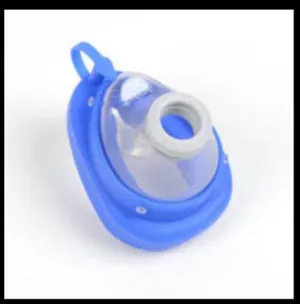
- A.
Tracheostomy mask
- B.
AMBU mask
- C.
Partial Rebreather mask
- D.
Venturi mask
- A.
Q118 · Obstetrics & Gynaecology · Normal Puerperium
The breastfeeding should be initiated within the delivery after
- A.
1hr
- B.
2 hrs
- C.
3 hrs
- D.
4 hrs
- A.
Q119 · Child Health Nursing (Pediatrics) · Pediatric Critical Care
Identify the device in the image:
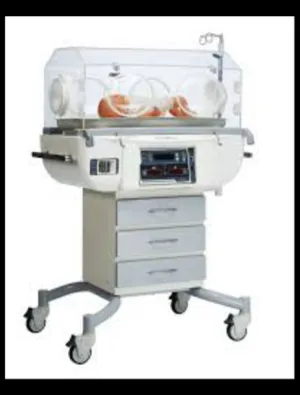
- A.
Phototherapy machine
- B.
Incubator
- C.
Ventilator
- D.
None of the above
- A.
Q120 · Medical & Surgical Nursing · Fluid and Electrolytes: Balance and Distribution
Identify the sign and what deficiency caused it:
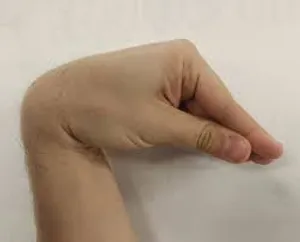
- A.
Chvostek's sign: Hypocalcemia
- B.
Trousseau sign: Hypocalcemia
- C.
Muscle twitching : hypomagnesiemia
- D.
None of the above
- A.
Q121 · Mental Health Nursing · Psychiatric Emergencies
Which of the following drug causes EPS (Extra Pyramidal Symptoms)?
- A.
Antipsychotics
- B.
SSRI
- C.
Mood stabilizers
- D.
Anti-anxiety drugs
- A.
Q122 · Child Health Nursing (Pediatrics) · Newborn Infants
All of the following are the benefits of KMC (Kangaroo mother care); EXCEPT:
- A.
To maintain temperature of the baby
- B.
To promote bonding between mother and baby
- C.
To stimulate the hormones like prolactin, oxytocin
- D.
To increase the hormones like growth hormone
- A.
Q123 · Child Health Nursing (Pediatrics) · Newborn Infants
Waxy or cheese like white substance found coating the skin of newborn human baby is known as:
- A.
Lanugo
- B.
Vernix caseosa
- C.
Caput succedaneum
- D.
Amniotic fluid
- A.
Q124 · Reasoning · Classification (Odd One Out)
Find out odd one in the following?
- A.
Mumbai
- B.
Kolkata
- C.
Nagpur
- D.
Chennai
- A.
Q125 · Child Health Nursing (Pediatrics) · Normal Growth and its Disorders
Number of teeth in a 3-year old child is:
- A.
20 temporary teeth
- B.
25 temporary teeth
- C.
12 temporary teeth
- D.
16 temporary teeth
- A.
- Sign in free
Done 125 questions? Check your answers
Sign in free: every answer with its explanation, attempt the paper timed with negative marking, and track your score.
Q126 · Obstetrics & Gynaecology · Complications of the Third Stage of Labor
Which of the following medication is used in PPH (Post-Partum Hemorrhage)?
- A.
Oxytocin
- B.
Epinephrine
- C.
Norepinephrine
- D.
Dobutamine
- A.
Q127 · Obstetrics & Gynaecology · Complications of the Third Stage of Labor
How is blood loss measured in Post-partum hemorrhage?
- A.
By estimating blood loss in number of pads and by weighing the sponges absorbed with blood.
- B.
By monitoring pulse rate and blood pressure.
- C.
By monitoring hematocrit count
- D.
All of the above
- A.
Q128 · Pharmacology · Miscellaneous
The antidote used for heroin poisoning is:
- A.
Naloxone
- B.
Flumazenil
- C.
Digibind
- D.
Protamine sulfate
- A.
Q129 · Medical & Surgical Nursing · Cardiovascular, Circulatory, and Hematologic Function
How many chest compressions should be given in one minute during CPR, when two rescuers are present?
- A.
100 compressions per minute
- B.
120 compressions per minute
- C.
130 compressions per minute
- D.
80 compressions per minute
- A.
Q130 · Pharmacology · Drugs Acting on Central Nervous System
What is the drug of choice for alcohol withdrawal symptoms?
- A.
Chlordiazepoxide
- B.
Labetalol
- C.
Metoclopramide
- D.
Digoxin
- A.
Q131 · Obstetrics & Gynaecology · Practical Obstetrics
What is the name of this retractor?
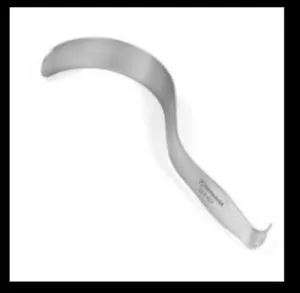
- A.
Deaver's retractor
- B.
Langenbeck retractor
- C.
Czerny retractor
- D.
Thomson retractor
- A.
Q132 · Medical & Surgical Nursing · Miscellaneous
Thyroid eye disease (TED) is also known as:
- A.
Graves Orbitopathy
- B.
Hashimoto's Disease
- C.
Goiter
- D.
Thyroid nodules
- A.
Q133 · Pharmacology · Miscellaneous
The antidote of Paracetamol poisoning is:
- A.
N-acetylcysteine
- B.
Morphine
- C.
Warfarin
- D.
Heparin
- A.
Q134 · Obstetrics & Gynaecology · Examination of a Gynecological Patient
A woman comes to the hospital his history is 1 abortion two years back, one twins baby and now she is pregnant. What is the GTPAL Score?
- A.
G2T1P2A1L2
- B.
G2T1P1A1L2
- C.
G3T1P2A1L2
- D.
G3T1P1A1L2
- A.
Q135 · Medical & Surgical Nursing · Perioperative Concepts and Nursing Management
During organ transplantation the living donor must give consent related to all components; EXCEPT:
- A.
Consent process
- B.
Health Evaluation process
- C.
Surgical procedure
- D.
No follow up
- A.
Q136 · Medical & Surgical Nursing · Integumentary Function
In second degree bedsore, there is an involvement of:
- A.
Epidermis and dermis
- B.
Dermis and subcutaneous tissues
- C.
Subcutaneous tissues and muscles
- D.
All of the above
- A.
Q137 · Medical & Surgical Nursing · Gas Exchange and Respiratory Function
A patient suddenly develops respiratory difficulties such as dyspnea, what is the first priority of the nursing officer?
- A.
Raise the head of bed for Fowler's position and administer oxygen
- B.
Only administer oxygen
- C.
Check oxygen saturation of client
- D.
Give Semi-Fowler's position
- A.
Q138 · Community Health Nursing · Surface Infections
Incubation period of Tetanus is?
- A.
20 days
- B.
15 days
- C.
10 days
- D.
5 days
- A.
Q139 · Medical & Surgical Nursing · Cardiovascular, Circulatory, and Hematologic Function
If 'P' wave is absent in ECG rhythm, it is an indication of:
- A.
Sinus arrest
- B.
Atrial fibrillation
- C.
Both a and b
- D.
None of these
- A.
Q140 · Reasoning · Arrangements & Puzzles
Ravi is 7 ranks ahead of Sumit in a class of 39. If Sumit's rank is seventeenth from the last, what is Ravi's rank from the start?
- A.
17th
- B.
16th
- C.
15th
- D.
14th
- A.
Q141 · Medical & Surgical Nursing · Gas Exchange and Respiratory Function
A nurse at ICU setting is doing suctioning for a client to remove excessive secretions from the mouth. She should know that the maximum time for suctioning according to the protocol is not to exceed:
- A.
More than 10 seconds
- B.
More than 5 seconds
- C.
More than 8 seconds
- D.
More than 20 seconds
- A.
Q142 · Nursing Foundations · Oxygenation needs
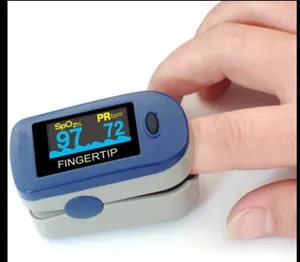
All of the following can alter the reading of the below mentioned device; EXCEPT:
- A.
Nail polish
- B.
Intravascular dyes
- C.
Carboxyhemoglobin
- D.
Oxyhemoglobin
- A.
Q143 · Medical & Surgical Nursing · Cardiovascular, Circulatory, and Hematologic Function
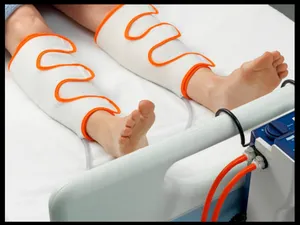
SCD (Sequential Compressive Device) used for treatment of DVT patients, ensures:
- A.
Formation of thrombus within the deep veins
- B.
Walking and preventing blood clots
- C.
Prevents patients from hypothermia
- D.
None of the above
- A.
Q144 · Nursing Foundations · Procedures
Spinal tap is also known as:
- A.
Pleural tap
- B.
Abdominal tap
- C.
Lumbar puncture
- D.
All of these
- A.
Q145 · Medical & Surgical Nursing · Musculoskeletal Function
The traction used for cervical spine injury:
- A.
Halo traction
- B.
Skin traction
- C.
Skeletal traction
- D.
All of these
- A.
Q146 · Medical & Surgical Nursing · Cardiovascular, Circulatory, and Hematologic Function
The device shown in the image is used in the management of which condition?
- A.
Varicose veins
- B.
Hypothermia
- C.
Cellulitis
- D.
DVT
- A.
Q147 · Obstetrics & Gynaecology · Complications of the Third Stage of Labor
A primigravida with a normal vaginal delivery develops postpartum hemorrhage not controlled by uterine massage. What should be the next step in management?
- A.
Uterine artery embolization
- B.
Hysterectomy
- C.
Balloon tamponade
- D.
Pelvis specific embolization
- A.
Q148 · Applied Anatomy · Respiratory System
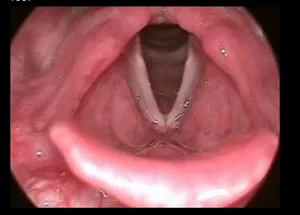
Identify the anatomical structure:
- A.
Epiglottis with trachea
- B.
Cervix
- C.
Esophagus opening into stomach
- D.
Pharynx
- A.
Q149 · Health Information and Technology (Basic Computer) · Introduction to computer applications
1GB is equal to how many MB?
- A.
500 MB
- B.
212 MB
- C.
2024 MB
- D.
1024 MB
- A.
Q150 · Medical & Surgical Nursing · Urinary Tract Function
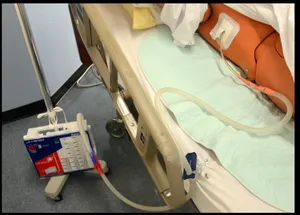
Identify the procedure shown in the image:
- A.
Water seal drainage system
- B.
Thoracocentesis
- C.
Catheterization
- D.
Bronchoalveolar lavage
- A.
- Sign in free
Done 150 questions? Check your answers
Sign in free: every answer with its explanation, attempt the paper timed with negative marking, and track your score.
Q151 · Pharmacology · Drugs Acting on Central Nervous System
The side effects of Tri-cyclic antidepressants (TCA) drugs are:
- A.
Dry mouth
- B.
Blurred vision
- C.
Constipation
- D.
All of these
- A.
Q152 · Nursing Foundations · Vital Signs
In a normal client the maximum time for checking pulse rate is:
- A.
1 minute
- B.
2 minutes
- C.
3 minutes
- D.
4 minutes
- A.
Q153 · Pharmacology · Drug Affecting Blood & Blood Formation
A client name Rohan with weight 65 kg with pulmonary edema is ordered heparin 10 units/kg/hr. How much units of heparin should he receive each hour?
- A.
450 Units/hr
- B.
550 Units/hr
- C.
650 Units/hr
- D.
750 Units/hr
- A.
Q154 · Obstetrics & Gynaecology · Medical and Surgical Illness Complicating Pregnancy
The vaccine that is contraindicated in pregnancy is (OBG):
- A.
MMR
- B.
Varicella zoster
- C.
Both (a) and (b)
- D.
TT
- A.
Q155 · Child Health Nursing (Pediatrics) · Newborn Infants
When does the posterior fontanel close in the baby?
- A.
2 to 3 months
- B.
2 to 3 years
- C.
2 to 3 weeks
- D.
2 to 3 days
- A.
Q156 · Health Information and Technology (Basic Computer) · Introduction to computer applications
Which key is used as the refresh button on a keyboard ?
- A.
F8
- B.
F5
- C.
F3
- D.
F1
- A.
Q157 · Medical & Surgical Nursing · Cardiovascular, Circulatory, and Hematologic Function
Sounds in congestive heart failure are:
- A.
Rhonchi
- B.
Wheezes
- C.
Pleural rubs
- D.
Crackles
- A.
Q158 · Medical & Surgical Nursing · Cardiovascular, Circulatory, and Hematologic Function
Diagnose the underlying medical disorder by ECG change in photograph:
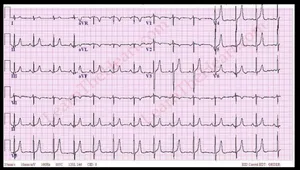
- A.
Hypokalemia
- B.
Hypercalcemia
- C.
Hypocalcemia
- D.
Hyperkalemia
- A.
Q159 · Medical & Surgical Nursing · Musculoskeletal Function
Identify the image:
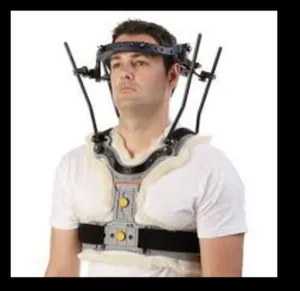
- A.
Halo traction
- B.
Facet joint traction
- C.
Thoracic traction
- D.
Lumbar traction
- A.
Q160 · Nursing Foundations · Administration of medications
The route of Mantoux skin test is:
- A.
Intramuscular
- B.
Intravenous
- C.
Intradermal
- D.
Subcutaneous
- A.
Q161 · Medical & Surgical Nursing · Integumentary Function
Identify the condition shown in image:
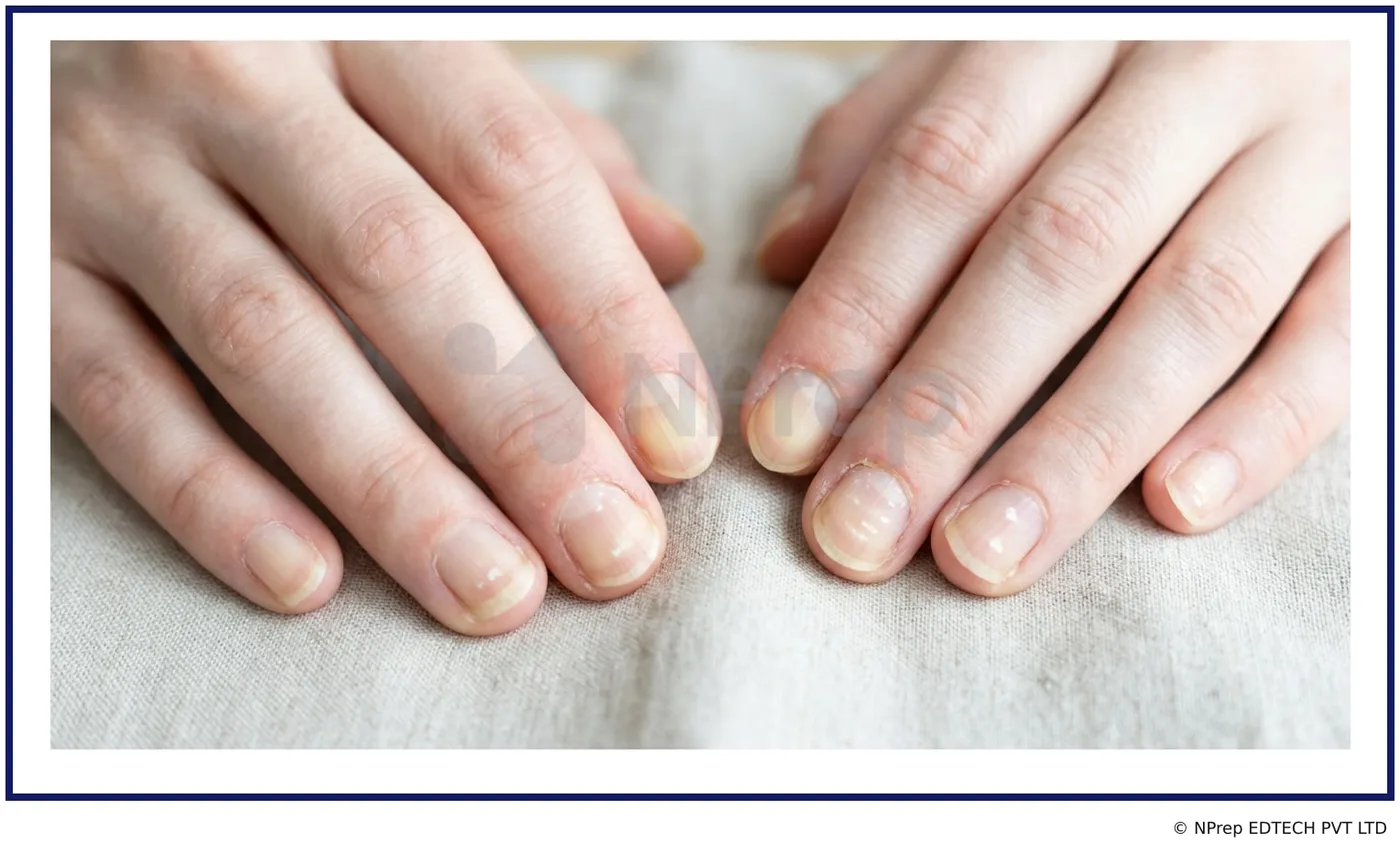
- A.
Koilonychia
- B.
Spoon shaped nails
- C.
Anemic nails
- D.
Paronychia
- A.
Q162 · Pharmacology · Drugs Acting on Central Nervous System
Which is not used in status epilepticus?
- A.
Valproate
- B.
Ethosuximide
- C.
Fosphenytoin
- D.
Levetiracetam
- A.
Q163 · Community Health Nursing · Environmental Science, Environmental Health, and Sanitation
ICDS (Integrated Child Development Services) program was launched in the year;
- A.
1975
- B.
1980
- C.
1992
- D.
1995
- A.
Q164 · Applied Microbiology & Infection control · Disinfection and Sterilization
Which solution is used for management of blood spillage?
- A.
Sodium hypochlorite 0.5%
- B.
Sodium bicarbonate 0.5%
- C.
Potassium hypochlorite 0.5%
- D.
Potassium chloride 0.5%
- A.
Q165 · Community Health Nursing · National Health Programs
With which of the following, the "Indradhanush scheme" is associated with:
- A.
Immunization
- B.
Sanitation
- C.
Mid-day meal programme
- D.
All of the above
- A.
Q166 · General Knowledge · Indian history
Who is known as the 'missile man of India'?
- A.
C.V. Raman
- B.
Homi Bhabha
- C.
A.P.J. Abdul Kalam
- D.
Vikram Sarabhai
- A.
Q167 · Medical & Surgical Nursing · Miscellaneous
Which of the following code is associated with cardiac arrest during medical emergency?
- A.
Code Blue
- B.
Code Black
- C.
Code Green
- D.
Code Red
- A.
Q168 · Medical & Surgical Nursing · Cardiovascular, Circulatory, and Hematologic Function
In iron deficiency anemia, the fingernails become spoon shaped, this condition is referred to as:
- A.
Koilonychia
- B.
Paronychia
- C.
Bleb
- D.
Felon
- A.
Q169 · Reasoning · Arrangements & Puzzles
After 4 years, a principal amount of Rs. 12000 grows into Rs. 14400. Find out the rate of simple interest.?
- A.
3%
- B.
4%
- C.
5%
- D.
6%
- A.
Q170 · Obstetrics & Gynaecology · Examination of a Gynecological Patient
Which position a pregnant woman must be given for blood pressure monitoring during last trimester?
- A.
Trendelenburg position
- B.
Fowler's position
- C.
Supine position
- D.
Left lateral position
- A.
Q171 · Medical & Surgical Nursing · Gas Exchange and Respiratory Function
Surgical procedure used to correct a deviated nasal septum is:
- A.
Septoplasty
- B.
Annuloplasty
- C.
Valvuloplasty
- D.
None of these
- A.
Q172 · Medical & Surgical Nursing · Miscellaneous
First sign of immunosuppressed patient is:
- A.
Vomiting and nausea
- B.
Headache
- C.
Fever
- D.
Dizziness
- A.
Q173 · Pharmacology · Drugs Acting on Central Nervous System
The normal value of serum lithium test is:
- A.
0.6 - 1.2 mmol/L
- B.
0.10 - 3.2 mmol/L
- C.
1-1.8 mmol/L
- D.
1.2-2.2 mmol/L
- A.
Q174 · Pharmacology · Miscellaneous
What is the antidote of narcotics?
- A.
Naloxone
- B.
Flumazenil
- C.
Digibind
- D.
Atropine sulfate
- A.
Q175 · Pharmacology · Drug Affecting Blood & Blood Formation
Which drug should be used for rinsing the syringe before taking blood sample for ABG analysis?
- A.
Heparin
- B.
Dobutamine
- C.
Dopamine
- D.
Adrenaline
- A.
- Sign in free
Done 175 questions? Check your answers
Sign in free: every answer with its explanation, attempt the paper timed with negative marking, and track your score.
Q176 · Medical & Surgical Nursing · Sensorineural Function
In Below given image test is used for-
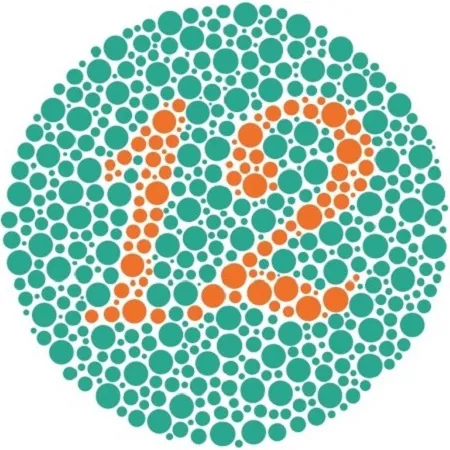
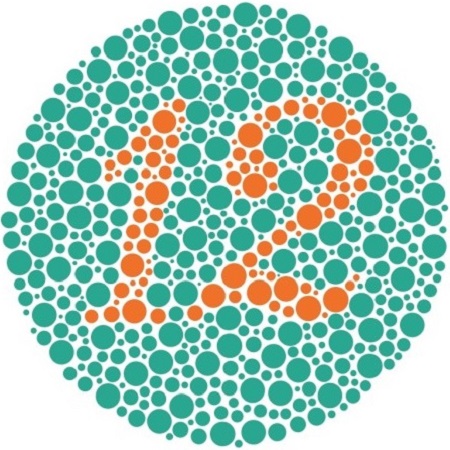
- A.
For Peripheral Vision
- B.
For Near Vision
- C.
For Far Vision
- D.
For Color Blindness
- A.
Q177 · Applied Microbiology & Infection control · Immunity
For which of the following there is no vaccine available?
- A.
Hib
- B.
HIV
- C.
Polio
- D.
None of these
- A.
Q178 · Medical & Surgical Nursing · Gas Exchange and Respiratory Function
The X-ray finding in a patient with pleural effusion reveals that fluid starts to build up as a result of gravity in:
- A.
Costophrenic angle
- B.
Anterior angle
- C.
Lateral angle
- D.
None of these
- A.
Q179 · Obstetrics & Gynaecology · Special Topics in Obstetrics
Fetal monitoring machine is used to:
- A.
Record heartbeat of fetus
- B.
Record respiratory rate of fetus
- C.
Record contractions of mother's uterus.
- D.
Both a and c
- A.
Q180 · Nursing Foundations · Infection control & BMW management
As per BMW management and according to WHO, infected cotton sponge is discarded into which colour-coded bag?
- A.
Yellow Bag
- B.
Red Bag
- C.
Black Bag
- D.
Blue Bag
- A.
Q181 · Reasoning · Arrangements & Puzzles
13 chairs and 5 tables were bought for Rs. 8280. If the average cost of table be Rs 1227, what is the average cost of a chair?
- A.
Rs. 175
- B.
Rs. 145
- C.
Rs. 165
- D.
None
- A.
Q182 · Reasoning · Arrangements & Puzzles
A, B, C, D, and E are sitting in a row. C is to the immediate left of D, and B is at one end. Who is in the middle?
- A.
A
- B.
C
- C.
D
- D.
E
- A.
Q183 · Medical & Surgical Nursing · Fluid and Electrolytes: Balance and Distribution
Measurement of arterial blood gas shows pH: 7.2, PaCO2 : 70 mm Hg, HCO3: 27 mmol/L and PaO2: 59 mm Hg. Interpret this:
- A.
Respiratory acidosis
- B.
Respiratory alkalosis
- C.
Metabolic acidosis
- D.
Metabolic alkalosis
- A.
Q184 · Medical & Surgical Nursing · Perioperative Concepts and Nursing Management
In operation theater during cauterization, the electric current passing from a single electrode is called:
- A.
Bovie cautery
- B.
Mono polar cautery
- C.
Bipolar cautery
- D.
Both a and b
- A.
Q185 · Medical & Surgical Nursing · Cardiovascular, Circulatory, and Hematologic Function
The condition shown in the following image is seen in all; EXCEPT:
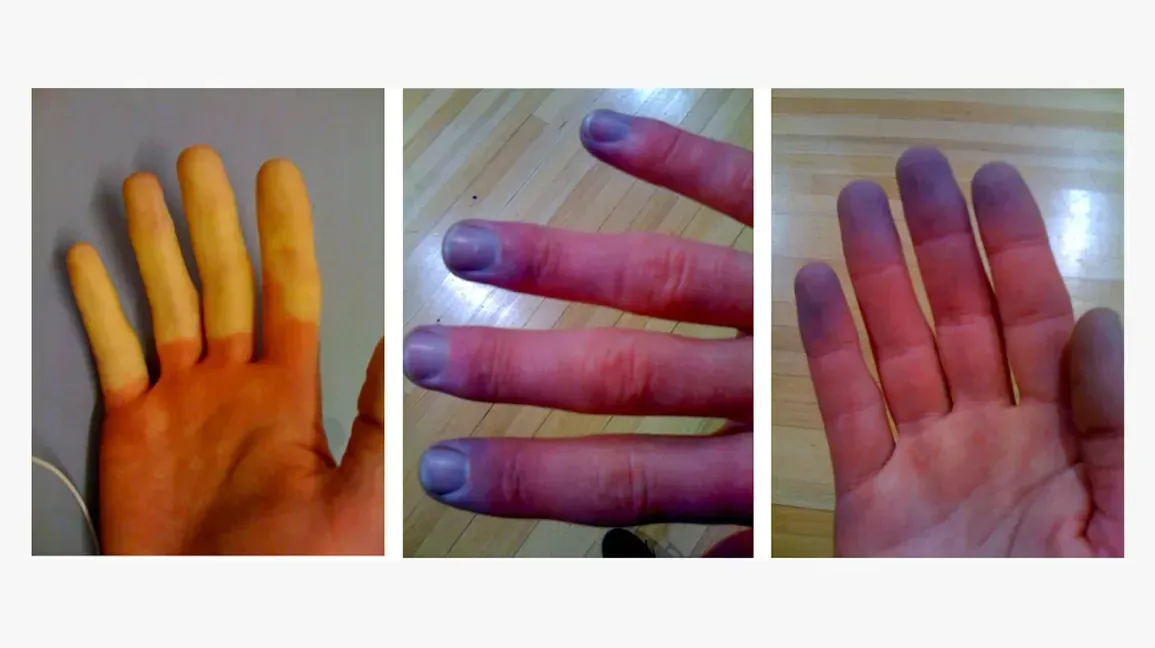
- A.
Tetralogy of fallot
- B.
Cystic fibrosis
- C.
Bronchiectasis
- D.
Raynaud's disease
- A.
Q186 · Obstetrics & Gynaecology · Diagnosis of Pregnancy
The bluish discoloration of the cervix, vagina that is observed as early as 6-8 weeks after conception is called:
- A.
Chadwick sign
- B.
Osiander sign
- C.
Homans sign's
- D.
None of these
- A.
Q187 · Pharmacology · Drug Affecting Blood & Blood Formation
All of the following are antiplatelet medications; EXCEPT:
- A.
Aspirin
- B.
Clopidogrel
- C.
Cangrelor
- D.
Canglob
- A.
Q188 · Medical & Surgical Nursing · Cardiovascular, Circulatory, and Hematologic Function
Identify the encircled part of wave form:
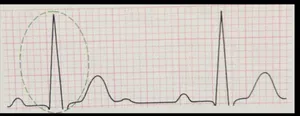
- A.
PQR complex
- B.
RS wave
- C.
QRS complex
- D.
T wave
- A.
Q189 · Reasoning · Classification (Odd One Out)
Identify the figure that is odd in the group?
- A.
Square
- B.
Triangle
- C.
Rectangle
- D.
Circle
- A.
Q190 · Community Health Nursing · Environmental Science, Environmental Health, and Sanitation
Which form of chlorine preparation is used to reduce the bacterial residue in water?
- A.
Sodium hypochlorite
- B.
Chlorine bleach
- C.
Calcium hypochlorite
- D.
All of these
- A.
Q191 · Biochemistry & Nutrition · Acid base Maintenance
Which of the following clinical conditions are correctly matched with their respective anion gap status?
A) Starvation – Increased anion gap
B) Diabetic ketoacidosis – Increased anion gap
C) Severe vomiting – Increased anion gap
- A.
Only A is correct
- B.
A and C are correct
- C.
A and B are correct
- D.
Only B is correct
- A.
Q192 · Medical & Surgical Nursing · Perioperative Concepts and Nursing Management
Before a surgery to take place, what is the allowable or estimated profuse blood loss in a female patient weighing 60 kg, if her initial hematocrit is 45% and final hematocrit is 30%?
- A.
1200 mL
- B.
1300 mL
- C.
1500 mL
- D.
1600 mL
- A.
Q193 · Medical & Surgical Nursing · Gas Exchange and Respiratory Function
The device used to maintain the patency of the oral airways:
- A.
Guedel Airway
- B.
Nasopharyngeal Airway
- C.
Endotracheal Intubation
- D.
All of these
- A.
Q194 · Medical & Surgical Nursing · Miscellaneous
Ishihara chart is used for the assessment of.
- A.
Night blindness
- B.
Color vision
- C.
Both and b
- D.
None of these
- A.
Q195 · Obstetrics & Gynaecology · Hypertensive Disorders in Pregnancy
All are the cardinal sign of Pre-eclampsia; EXCEPT:
- A.
Proteinuria
- B.
Increased blood pressure
- C.
Edema
- D.
Weight loss
- A.
Q196 · Medical & Surgical Nursing · Gas Exchange and Respiratory Function
In HIV positive patient Mantoux tuberculin test is positive when the scar is more than-
- A.
5mm
- B.
7mm
- C.
11mm
- D.
15mm
- A.
Q197 · Pharmacology · Miscellaneous
What is the ratio of adrenaline solution in 1mg/mL of injection?
- A.
1:1
- B.
1:10
- C.
1:100
- D.
1:1000
- A.
Q198 · Obstetrics & Gynaecology · Examination of a Gynecological Patient
The position used for most of the gynecological procedures?
- A.
Lithotomy position
- B.
Supine position
- C.
Prone position
- D.
Sim’s position
- A.
Q199 · Medical & Surgical Nursing · Fluid and Electrolytes: Balance and Distribution
100 mL fluid is given to patient and patient's CVP is 3 mm Hg, then what is the next intervention?
- A.
Give more fluids
- B.
Restrict fluids
- C.
Nothing
- D.
None of these
- A.
Q200 · Child Health Nursing (Pediatrics) · Normal Growth and its Disorders
The infant's weight becomes triple from birth weight in:
- A.
1 year
- B.
2 years
- C.
3 years
- D.
None of these
- A.
More AIIMS Nursing Officer papers
- AIIMS Jodhpur Senior Nursing Officer 20232023 · 99 questions
- AIIMS Raipur Lecturer 20212021 · 100 questions
- AIIMS Nagpur Nursing Officer 20202020 · 100 questions
- AIIMS Patna Nursing Officer 20202020 · 200 questions
- AIIMS Rishikesh Nursing Officer 20192019 · 100 questions
- AIIMS Mangalagiri Nursing Officer 20192019 · 100 questions
- AIIMS Bathinda Nursing Officer 20192019 · 100 questions
- AIIMS Raipur Nursing Officer 2019 (Shift 1)2019 · 100 questions
- AIIMS Raipur Nursing Officer 2019 (Shift 2)2019 · 100 questions
- AIIMS Raipur Nursing Officer 2019 (Shift 3)2019 · 100 questions
- AIIMS Delhi Nursing Officer 20192019 · 200 questions
- AIIMS Bhubaneswar Senior Nursing Officer 20192019 · 100 questions