MP NHM CHO 2024 (Shift 1) question paper
CHO (Community Health Officer) · 2024 · 100 questions · 150 minutes · 0.3333 mark deducted per wrong answer
- Community Health Nursing 18
- Obstetrics & Gynaecology 17
- Medical & Surgical Nursing 12
- Applied Microbiology & Infection control 11
- General Knowledge 7
- Applied Physiology 7
- Pathology & Genetics 5
- Child Health Nursing (Pediatrics) 4
- Nursing Foundations 4
- Applied Anatomy 3
- Reasoning 3
- Applied Psychology 2
- Applied Nutrition & Dietetics 2
- Nursing Research & Statistics 1
- English 1
- Mental Health Nursing 1
- Biochemistry & Nutrition 1
- Pharmacology 1
See the answers and explanations
Sign in free: every answer with its explanation, attempt the paper timed with negative marking, and track your score.
Q1 · Community Health Nursing · Health Care Planning and Organization of Health Care at various levels
Which stage of the national health planning involves the identification, balancing and ranking of priorities by stakeholders?
- A.
Monitoring and evaluation
- B.
Programming and implementation
- C.
Priority setting
- D.
Resource planning and budgeting
- A.
Q2 · General Knowledge · Miscellaneous
What is the largest population size that can be supported by available resources without harming the environment, known?
- A.
Carrying Capacity
- B.
Population outgrowth
- C.
Null point
- D.
Break-even
- A.
Q3 · Child Health Nursing (Pediatrics) · Newborn Infants
When does an infant start gaining good head control?
- A.
At Birth
- B.
3rd month
- C.
8th month
- D.
10th month
- A.
Q4 · Obstetrics & Gynaecology · Sexually Transmitted Infections
Which of the following is a common, treatable, vaginal condition which can increase the chance of getting an STD?
- A.
Bacterial Vaginosis
- B.
Chlamydia
- C.
Genital Herpes
- D.
HIV AIDS
- A.
Q5 · Nursing Research & Statistics · Introduction to Statistics
Manifest classification is a subtype of ______ type of statistical classification of data.
- A.
Geographical classification
- B.
Chronological classification
- C.
Qualitative classification
- D.
Quantitative classification
- A.
Q6 · Applied Anatomy · Nervous System
Where does a neuron receive input from other cells?
- A.
Axon
- B.
Soma
- C.
Cell body
- D.
Dendrite
- A.
Q7 · English · Vocabulary
Four words are given, out of which one is spelt correctly. Choose the correctly spelt word
- A.
DETEORIATE
- B.
ANHEILATE
- C.
CHICANERY
- D.
TRICKRY
- A.
Q8 · Medical & Surgical Nursing · Cardiovascular, Circulatory, and Hematologic Function
Which of the following uses ultrasound to create a picture of the heart, and diagnose CAD?
- A.
Chest X-ray
- B.
Coronary angiogram
- C.
Echocardiogram
- D.
Exercise stress test
- A.
Q9 · Applied Microbiology & Infection control · Immunity
What type of immunity is conferred by administering a booster shot of a vaccine?
- A.
Active immunity
- B.
Passive immunity
- C.
Innate Immunity
- D.
Enhanced immunity
- A.
Q10 · Applied Physiology · Circulatory & Lymphatic system
The contraction phase of heart which leads to the ejection of blood into the arteries is called ___.
- A.
Ventricular repolarization
- B.
Atrial depolarization
- C.
Systole
- D.
Diastole
- A.
Q11 · Obstetrics & Gynaecology · Population Dynamics and Control of Conception
______ is a hormonal contraceptive method involving the injection of progestin into the muscle every three moths to prevent pregnancy.
- A.
Vaginal ring
- B.
Injectable contraceptives
- C.
Contraceptive patch
- D.
Implantable rod
- A.
Q12 · Medical & Surgical Nursing · Gas Exchange and Respiratory Function
Identify the given below image.
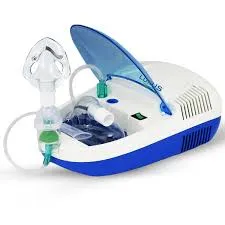
- A.
Nasogastric tube
- B.
Nebulizer
- C.
Glucose monitor
- D.
Oxygen mask
- A.
Q13 · Applied Microbiology & Infection control · Miscellaneous
Viral and bacterial proteins that bind simultaneously to the variable domain of beta of a T-cell receptor and the alpha chain of a class II MHC molecules are called _______.
- A.
Superantigen
- B.
Super antibody
- C.
Super macrophage
- D.
Super protein
- A.
Q14 · Obstetrics & Gynaecology · Induction of Labor
The biochemical process which primarily contributes to cervical ripening is the _____.
- A.
Increase in water molecules intercalation
- B.
Decrease in hyaluronic acid content
- C.
Increase in collagen fiber alignment
- D.
Increase in dermatan sulphate
- A.
Q15 · Applied Psychology · Developmental Psychology
What is a key feature of psycho-pathology during adolescence that differentiates it from earlier childhood disorders?
- A.
Increased prevalence of neurodevelopmental disorder
- B.
Emergence of mood disorders such as depression
- C.
Reduction in behavioral problems
- D.
Stability in personality traits
- A.
Q16 · Applied Microbiology & Infection control · Pathogenic Organisms
Which is the causative organism of Typhoid?
- A.
Staphylococcus aureus
- B.
Salmonella typhi
- C.
Pseudomonas aeruginosa
- D.
Yersinia pestis
- A.
Q17 · Medical & Surgical Nursing · Oncology: Nursing Management in Cancer Care
Suggest a key advantage of broadening cancer screening activities to include risk factor assessment and management?
- A.
It restricts access to cancer screening services for higher- risk populations
- B.
It helps to find cancer at early stage, before the symptoms appear
- C.
It leads to higher costs associated with cancer prevention
- D.
It increases the complexity of healthcare services
- A.
Q18 · Applied Microbiology & Infection control · Pathogenic Organisms
Which is NOT a common route of transmission for Q- fever from arthropods to humans?
- A.
Tick bites
- B.
Ingestion of infected food products
- C.
Blood transfusion
- D.
Inhalation of contaminated aerosols
- A.
Q19 · Medical & Surgical Nursing · Neurologic Function
Which of the following type of infections is NOT associated with the development of epilepsy?
- A.
Neurocysticercosis
- B.
Meningitis
- C.
Influenza
- D.
Encephalitis
- A.
Q20 · Community Health Nursing · Health Care Planning and Organization of Health Care at various levels
Which committee laid down the blueprint for a three-tier system to deliver healthcare at centres in India before the first national health policy?
- A.
The Bhore Committee
- B.
The Mudaliar Committee
- C.
The Chadha Committee
- D.
The Bajaj Committee
- A.
Q21 · General Knowledge · Indian geography
The Narmada River flows through a rift valley between which two mountain ranges?
- A.
Vindhya and Satpura
- B.
Aravalli and Western Ghats
- C.
Eastern Ghats and Western Ghats
- D.
Satpura and Western Ghats
- A.
Q22 · Community Health Nursing · National Health Programs
Which organization in India is primarily responsible for implementing the National Anti-Malaria Programme?
- A.
National Vector Borne Disease Control Programme
- B.
Indian Council of Medical Research
- C.
World Health Organization
- D.
Ministry of Health and Family Welfare
- A.
Q23 · Child Health Nursing (Pediatrics) · Newborn Infants
Which condition is most likely to cause when a newborn displays cyanosis, tachypnea and poor feeding?
- A.
Kernicterus
- B.
Polycythemia
- C.
Hypoglycemia
- D.
Respiratory distress syndrome
- A.
Q24 · Community Health Nursing · Zoonoses
____ is the most effective method for preventing Rabies in humans following exposure.
- A.
Applying antiseptic ointment to the wound
- B.
Immediate vaccination with Rabies immune globulin and Rabies vaccine
- C.
Administration of antibiotics
- D.
Cleaning the wound thoroughly with soap and water
- A.
Q25 · Applied Physiology · General Physiology
Which of the following is not one of the four mechanisms for temperature regulation?
- A.
Radiation
- B.
Conduction
- C.
Evaporation
- D.
Respiration
- A.
- Sign in free
Done 25 questions? Check your answers
Sign in free: every answer with its explanation, attempt the paper timed with negative marking, and track your score.
Q26 · Applied Psychology · Developmental Psychology
What is the correct sequence of stages of grief in the Kübler-Ross Model?
- A.
Anger, Denial, Bargaining, Depression, Acceptance
- B.
Denial, Anger, Bargaining, Depression, Acceptance
- C.
Anger, Bargaining, Depression, Denial, Acceptance
- D.
Denial, Depression, Anger, Bargaining, Acceptance
- A.
Q27 · Applied Microbiology & Infection control · Immunity
Which type of hypersensitivity is mediated by T cells that provoke an inflammatory reaction against exogenous or endogenous antigens?
- A.
Type-I
- B.
Type-II
- C.
Type-III
- D.
Type-IV
- A.
Q28 · Obstetrics & Gynaecology · Normal Labor
During the first stage of labor, which maternal system may experience temporary hyperventilation?
- A.
Renal system
- B.
Musculoskeletal system
- C.
Digestive system
- D.
Respiratory system
- A.
Q29 · Applied Nutrition & Dietetics · Introduction to Nutrition
Which of the following types of malnutrition describes low weight-for-height?
- A.
Wasting
- B.
Stunting
- C.
Underweight
- D.
Deficiency in vitamins and minerals
- A.
Q30 · Obstetrics & Gynaecology · Population Dynamics and Control of Conception
Which barrier method of contraception needs to be used with a spermicide and covers the cervix to prevent pregnancy?
- A.
Male condom
- B.
Contraceptive sponge
- C.
Diaphragm
- D.
Cervical cap
- A.
Q31 · Applied Physiology · Sensory organs
Which structure is considered as a special nose for detecting chemical signals, facilitating the sense of smell?
- A.
Pharyngeal tonsil
- B.
Ethmoid bone
- C.
Vomeronasal organ
- D.
Nasal conchae
- A.
Q32 · Reasoning · Blood Relations
Amit says, "Priti's brother is the only son of my father." How is Priti related to Amit?
- A.
Sister
- B.
Mother
- C.
Daughter
- D.
Wife
- A.
Q33 · Community Health Nursing · Bio-Medical Waste Management
all are live vaccine except.?
- A.
DPT
- B.
ovp
- C.
MR
- D.
BCG
- A.
Q34 · Medical & Surgical Nursing · Miscellaneous
Following are the symptoms of Angina except __________.
- A.
Chest pain and discomfort
- B.
Sweating
- C.
Sudden loss of hair
- D.
Dizziness
- A.
Q35 · Community Health Nursing · Demography, Surveillance and Interpretation of Data
Which of the following best describes morbidity indicators?
- A.
Total fertility rate
- B.
Infant mortality rate
- C.
Life expectancy
- D.
Incidence rate of infectious disease
- A.
Q36 · General Knowledge · Constitution basics
A total of 22 AIIMS have been announced under the Pradhan Mantri Swasthya Suraksha Yojana out of which ______ AIIMS are already functional.
- A.
16
- B.
6
- C.
10
- D.
20
- A.
Q37 · Applied Anatomy · Introduction to Anatomical terms & Organization of Human Body
Which of the following is a part of a dorsal cavity?
- A.
Abdominal cavity
- B.
Pelvic cavity
- C.
Thoracic cavity
- D.
Spinal cavity
- A.
Q38 · Community Health Nursing · National Health Programs
Which of the following is a common symptom of kala- azar, a disease targeted by the National Vector Borne Disease Control Programme?
- A.
Cough
- B.
Joint Pain
- C.
Rash
- D.
Persistent fever
- A.
Q39 · Community Health Nursing · National Health Programs
____ is the primary focus of the National Tobacco Control Programme.
- A.
Increasing tobacco consumption
- B.
Marketing tobacco products to children
- C.
Control and reduce the tobacco consumption
- D.
Promote tobacco cultivation
- A.
Q40 · Applied Nutrition & Dietetics · National Nutritional Program and Role
As part of a National Health Programme focused on reducing childhood malnutrition, a public health officer is tasked with designing an intervention. Which of the following strategies would be most effective in addressing this issue?
- A.
Distributing pamphlets on healthy eating habits
- B.
Implementing a school-based nutrition education program
- C.
Conducting awareness campaigns on the importance of exercise
- D.
Organizing a community marathon event
- A.
Q41 · Community Health Nursing · Epidemiology – Epidemiological Approaches and Processes
An Ice Lined Refrigerator (ILR) maintains a temperature of _______________.
- A.
+2°C to +8°C.
- B.
+5°C to +10°C.
- C.
-5°C to -10°C.
- D.
0°C to +4°C.
- A.
Q42 · Child Health Nursing (Pediatrics) · Common Medical Procedures
What is the most appropriate feeding volume suggested for a neonate of Day 1-Day 4 age?
- A.
20-40 ml/gm/day
- B.
30-60 ml/kg/day
- C.
100-120 ml/kg/day
- D.
150-200 ml/kg/day
- A.
Q43 · Medical & Surgical Nursing · Metabolic and Endocrine Function
____ is the leading cause for blindness worldwide.
- A.
Hypothyroidism
- B.
Cataract
- C.
Hyperthyroidism
- D.
Dementia
- A.
Q44 · Obstetrics & Gynaecology · Population Dynamics and Control of Conception
What does the scope of family planning include?
- A.
Methods to prevent unintended pregnancies and spacing childbirth
- B.
Methods only applicable to married couples
- C.
Only birth control methods
- D.
Only educating women about pregnancy
- A.
Q45 · Medical & Surgical Nursing · Musculoskeletal Function
______ is a common repetitive stress injury associated with prolonged typing in desk which may indirectly lead to accidents.
- A.
Carpal tunnel syndrome
- B.
Prepatellar bursitis
- C.
Vibration white finger
- D.
Mesothelioma
- A.
Q46 · Applied Microbiology & Infection control · Miscellaneous
____ is the arthropod responsible for transmitting the parasite responsible for Chagas disease.
- A.
Sandflies
- B.
Lice
- C.
Ticks
- D.
Triatomine bugs
- A.
Q47 · Obstetrics & Gynaecology · Hemorrhage in Early Pregnancy
Which finding has a high positive predictive value for the diagnosis of ectopic pregnancy but may not necessarily indicate a ruptured ectopic pregnancy?
- A.
Normal fallopian tubes
- B.
Uterine ovaries
- C.
Enlarged ovaries
- D.
Hemoperitoneum
- A.
Q48 · Community Health Nursing · Health Care Planning and Organization of Health Care at various levels
Which of the following statements best describes the purpose of health planning in India?
- A.
To restrict healthcare service access to specific demographic categories
- B.
To meet health needs and demands of the people
- C.
To distribute healthcare resources solely according to financial standing
- D.
To guarantee fair dispersion of healthcare services
- A.
Q49 · Applied Microbiology & Infection control · Pathogenic Organisms
The main type of immune cells targeted by HIV is
- A.
B cells
- B.
T cells
- C.
NK cells
- D.
Macrophages
- A.
Q50 · Obstetrics & Gynaecology · Normal Labor
A 26-year-old primigravida at 39 weeks of gestation presents to the labor and delivery unit with regular contractions and cervical dilation of 4 cm. The obstetric team observes the progression of labor through various stages. After reaching full cervical dilation, the patient enters the second stage of labor. During this stage, she experiences the urge to push, and fetal descent occurs. Subsequently, the third stage of labor begins, marked by the delivery of the placenta. To monitor the uterine contractions and fetal heart rate during labor, the obstetric team utilizes a Partograph, a device that plots these parameters on a graph.
Which of the following sequences accurately represents the stages of labor described for this patient, including the use of Partograph plotting?
- A.
1st stage, 2nd stage, Partograph plotting, 3rd stage
- B.
1st stage, Partograph plotting, 2nd stage, 3rd stage
- C.
Partograph plotting, 1st stage, 2nd stage, 3rd stage
- D.
1st stage, 2nd stage, 3rd stage, Partograph plotting
- A.
- Sign in free
Done 50 questions? Check your answers
Sign in free: every answer with its explanation, attempt the paper timed with negative marking, and track your score.
Q51 · Community Health Nursing · National Health Programs
The objective of the National Rural Health Mission is to reduce IMR (Infant Mortality Rate) to ______ live births.
- A.
10/1000 live births
- B.
30/1000 live births
- C.
50/1000 live births
- D.
100/1000 live births
- A.
Q52 · Medical & Surgical Nursing · Other Acute Problems
Which stage of whooping cough is characterized by the intense, uncontrollable coughing that often ends in a 'whooping' sound?
- A.
Incubation stage
- B.
Convalescent stage
- C.
Paroxysmal stage
- D.
Catarrhal stage
- A.
Q53 · General Knowledge · Constitution basics
The concept of Panchayati Raj institutions in India is enshrined in which part of the Constitution?
- A.
Part IX
- B.
Part X
- C.
Part XI
- D.
Part XII
- A.
Q54 · Medical & Surgical Nursing · Perioperative Concepts and Nursing Management
Arrange the steps in the correct order for performing a running suture on long, straight wounds.
- A.
DBEAFC
- B.
ABCDEF
- C.
DEDFAC
- D.
DABCEF
- A.
Q55 · Community Health Nursing · National Health Programs
What is a key objective of National Health Programmes and Health and Family Welfare Programmes in many countries?
- A.
Promote industrial growth and manufacturing sectors
- B.
Provide funding for artistic and cultural initiatives
- C.
Ensure access to quality healthcare services for all citizens
- D.
Increase morbidity
- A.
Q56 · Community Health Nursing · Epidemiology – Epidemiological Approaches and Processes
Point Prevalence of a disease is defiled as_______.?
- A.
Number of old cases present during a specific time in a given population
- B.
Number of current cases existing over a specified period of time in a given population
- C.
Number of new cases existing over a specified period of time in a given population
- D.
Number of current cases at a specified point of time in a given population
- A.
Q57 · Applied Microbiology & Infection control · Pathogenic Organisms
Enteropathogenic E. coli causes-
- A.
Giardiasis
- B.
Tuberculosis
- C.
Diarrhoea
- D.
Listeriosis
- A.
Q58 · Nursing Foundations · Diagnostic testing
Arrange the steps for a Rapid Diagnostic Test (RDT) for HIV in the correct order:
A. Apply the patient's blood to the test strip
B. Wait for the specified time
C. Observe the test lines for HIV antibodies
D. Add a buffer solution to the sample well
- A.
ADBC
- B.
DACB
- C.
CDAB
- D.
CDBA
- A.
Q59 · Obstetrics & Gynaecology · Preterm Labor, Preterm Rupture of the Membranes, Postmaturity, Intrauterine Fetal Death
_______ are sporadic contractions and relaxation of the uterine muscle also referred to as prodromal or "false labor" pains.
- A.
Preterm labor contractions
- B.
Active labor contractions
- C.
Braxton Hicks contractions
- D.
Transition labor contractions
- A.
Q60 · Community Health Nursing · Assisting individuals and families to promote and maintain their health
Which of the following is not an indicator of complementary feeding?
- A.
Introduction of solid, semi-solid, or soft foods (ISSSF)
- B.
Minimum dietary diversity (MDD)
- C.
Minimum meal frequency (MMF)
- D.
Maximum acceptable diet (MAD)
- A.
Q61 · Mental Health Nursing · Mood disorders
____ is the first-line pharmacological treatment for adolescents with major depressive disorder.
- A.
Venlafaxine
- B.
Selective serotonin reuptake inhibitors (SSRIs)
- C.
Fluoxetine
- D.
Escitalopram
- A.
Q62 · Obstetrics & Gynaecology · Medical and Surgical Illness Complicating Pregnancy
Which of the following may be a complication of normal pregnancy?
- A.
Gestational Diabetes
- B.
Low blood pressure
- C.
Cataract
- D.
Retinitis pigmentosa
- A.
Q63 · Medical & Surgical Nursing · Digestive and Gastrointestinal Function
Which is NOT a symptom associated with Crohn's disease?
- A.
Weight gain
- B.
Weight loss
- C.
Diarrhoea
- D.
Abdominal pain
- A.
Q64 · Obstetrics & Gynaecology · Population Dynamics and Control of Conception
Which of the following is not an example of barrier contraceptives?
- A.
Condoms
- B.
Diaphragms
- C.
Cervical caps
- D.
Copper-releasing IUDs
- A.
Q65 · Obstetrics & Gynaecology · Antenatal Care, Preconceptional Counseling and Care
What is the recommended amount of folic acid daily that reduces the risk for neural tube defects. Most prenatal vitamins contain the this recommended amount of folic acid? Choose the closest option.
- A.
40 micrograms
- B.
400 milligrams
- C.
40 milligrams
- D.
400 micrograms
- A.
Q66 · Nursing Foundations · Administration of medications
The methods to calculate paediatric doses of drug administration are: A. Body weight method B. Body surface area method C. Body height method
- A.
Only A
- B.
A and B
- C.
Only B
- D.
A, B and C
- A.
Q67 · Applied Anatomy · Sensory Organs
Tympanometry assess the integrity of ___, structure of the ear.
- A.
Tympanic membrane
- B.
Oval window
- C.
Eustachian tube
- D.
Cochlea
- A.
Q68 · Obstetrics & Gynaecology · Population Dynamics and Control of Conception
Following are the negative impacts of population explosion except ?
- A.
Unemployment
- B.
High GDP
- C.
Poverty
- D.
Migration Pressure
- A.
Q69 · Pathology & Genetics · Clinical Pathology
A characteristic of afibrinogenemia is the ____.
- A.
Absence of circulating fibrinogen
- B.
Circulating fibrinogen is reduced in quantity and is functionally abnormal
- C.
Reduced levels of circulating fibrinogen
- D.
Circulating fibrinogen is dysfunctional
- A.
Q70 · Applied Microbiology & Infection control · Pathogenic Organisms
Which of the following is a causative organism for chicken pox?
- A.
Varicella-zoster
- B.
Flavivirus
- C.
Escherichia coli
- D.
Bordetella pertussis
- A.
Q71 · Reasoning · Arrangements & Puzzles
Five friends Ram, Sam, Pam, Ham and Jam are sitting in a row facing north. Ram sits exactly between Pam and Jam. No one sits to the left of Sam. Three people sit between Sam and Pam. Who sits to the immediate left of Jam?
- A.
Ham
- B.
Sam
- C.
Pam
- D.
Ram
- A.
Q72 · Applied Physiology · Reproductive system
______ involves cutting the tubes that carry sperm from the testes to the penis.
- A.
Tubal ligation
- B.
Vasectomy
- C.
Cervical mucus
- D.
Vaginal rings
- A.
Q73 · Obstetrics & Gynaecology · Population Dynamics and Control of Conception
Which of the following contraceptions are considered effective and suitable for adolescents due to its long-acting nature and minimal need for daily maintenance?
- A.
Emergency contraceptions
- B.
Intrauterine devices
- C.
Condoms
- D.
Birth control pills
- A.
Q74 · Child Health Nursing (Pediatrics) · Newborn Infants
Match the components of Kangaroo Mother Care (KMC) with their corresponding benefits:
Components: Benefits: 1. Skin-to-Skin Contact A. Regulation of Baby's Body Temperature 2. Exclusive Breastfeeding B. Promotion of Bonding and Attachment 3. Supportive Environment C. Enhanced Maternal Milk Production - A.
2-A, 1-B, 3-C
- B.
1-A, 2-B, 3-C
- C.
3-A, 2-B, 1-C
- D.
1-A, 2-C, 3-B
- A.
Q75 · General Knowledge · Indian history
The Anushilan Samiti, a revolutionary group during the freedom struggle, was most active in which part of British India?
- A.
Punjab
- B.
Bengal
- C.
Maharashtra
- D.
Madras
- A.
- Sign in free
Done 75 questions? Check your answers
Sign in free: every answer with its explanation, attempt the paper timed with negative marking, and track your score.
Q76 · Nursing Foundations · Communication & Nurse-Patient Relationship
Which one of the following pairs is correct with respect to formal communication?
- A.
Origin: Deliberately Structured
- B.
Form: Usually Oral
- C.
Accuracy: Often Distorted, may be rumors and gossips.
- D.
Flow: Unofficial Channels
- A.
Q77 · Applied Physiology · Nervous System
Name the reflex action in which the flexer muscle contracts and the extensor muscle relax in withdrawing limb?
- A.
Crossed extensor reflex
- B.
Golgi tendon reflex
- C.
Flexor reflex
- D.
Withdrawal reflex
- A.
Q78 · Pathology & Genetics · Clinical Pathology
Identify the given below image.
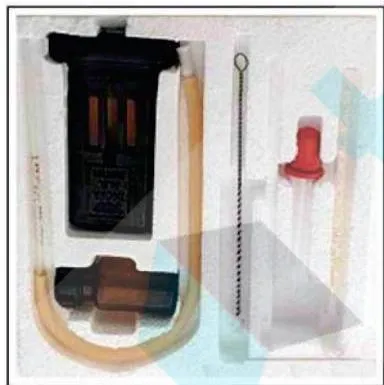
- A.
Sahli's Hemoglobinometer
- B.
Sphygmomanometer
- C.
Thermometer
- D.
Nebulizer
- A.
Q79 · Biochemistry & Nutrition · Carbohydrates
The electron flow in the electron transport chain results in the pumping of protons from the matrix into the ____.
- A.
Cytoplasm
- B.
Mitochondrial outer membrane
- C.
Intermembrane space
- D.
Matrix
- A.
Q80 · Applied Physiology · Blood
Fibrinogen helps in ________.
- A.
blood clotting
- B.
transport
- C.
maintaining blood pressure
- D.
maintaining blood volume
- A.
Q81 · Pharmacology · General Pharmacology
______ route of administration typically provides the fastest onset of action for a medication.
- A.
Subcutaneous
- B.
Intravenous
- C.
Oral
- D.
Intramuscular
- A.
Q82 · Nursing Foundations · Vital Signs
Arrange the steps involved in measuring blood pressure correctly.
- Place the stethoscope over the brachial artery
- Inflate the blood pressure cuff to a level above the expected systolic pressure
- Release the pressure in the cuff slowly
- Note the point at which the first sound is heard (systolic) and the point at which the sound disappears (diastolic)
- A.
2, 1, 3, 4
- B.
1, 2, 3, 4
- C.
3, 4, 2, 1
- D.
4, 3, 2, 1
Q83 · Pathology & Genetics · Genetics
Which of the following mutations is implicated in Liddle syndrome, a rare form of inherited hypertension?
- A.
Mutation in the NR3C2 gene
- B.
Mutation in the SCNN1B gene
- C.
Mutation in the ACE gene
- D.
Mutation in the ABTR1 gene
- A.
Q84 · Reasoning · Analogy
Select the option that is related to the third word in the same way as the second word is related to the first word.
Protractor : Angle :: Scale : ?
- A.
arc
- B.
diameter
- C.
sector
- D.
length
- A.
Q85 · Medical & Surgical Nursing · Miscellaneous
______ is a common neurological disorder that occurs when the median nerve, which runs from the forearm into the palm of the hand, becomes pressed or squeezed at the wrist.
- A.
Concussion
- B.
Carpal tunnel syndrome (CTS)
- C.
Mesothelioma
- D.
Haemorrhage
- A.
Q86 · Applied Microbiology & Infection control · Pathogenic Organisms
Which of the following arthropod species is primarily responsible for transmitting the yellow fever virus?
- A.
Anopheles mosquito
- B.
Aedes aegypti mosquito
- C.
Ixodes tick
- D.
Black-legged tick
- A.
Q87 · Obstetrics & Gynaecology · Miscellaneous
Organize the steps in the accurate sequence for the placement of a PPIUCD.
- A.
ABC
- B.
CBA
- C.
ACB
- D.
BCA
- A.
Q88 · Pathology & Genetics · Systemic Pathology
The organ which is particularly affected by severe malnutrition, leading to fatty degeneration and functional impairment is _____.
- A.
Spleen
- B.
Liver
- C.
Kidneys
- D.
Pancreas
- A.
Q89 · Community Health Nursing · National Health Programs
Which of the following is not one of the objectives of the Rashtriya Kishor Swasthya Karyakram?
- A.
Improve nutrition
- B.
Improve sexual and reproductive health
- C.
Affect mental health
- D.
Prevent injuries and violence
- A.
Q90 · Obstetrics & Gynaecology · Fetus
At the end of which week after fertilization the embryo is considered a foetus? Choose the closest option.
- A.
3rd
- B.
8th
- C.
15th
- D.
36th
- A.
Q91 · Community Health Nursing · Family planning
When was the National Population Policy (NPP) established?
- A.
1978
- B.
2000
- C.
2002
- D.
2010
- A.
Q92 · Obstetrics & Gynaecology · COMPLICATED LABOR-Malposition, Malpresentation and Cord Prolapse
Mrs. Rodriguez, a 28-year-old woman at 40 weeks of gestation, arrives at the maternity unit with contractions. As part of the initial assessment, the healthcare provider decides to perform a per vaginal examination (PVE). During the examination, the cervix is found to be 3 centimeters dilated and 70% effaced. Fetal station is at -1. What is the most appropriate interpretation of these findings?
- A.
Mrs. Rodriguez is in early labor
- B.
Mrs. Rodriguez is in active labor
- C.
Mrs. Rodriguez is not in labor; these findings are within the normal range for a full-term pregnancy
- D.
Mrs. Rodriguez is experiencing a false labor
- A.
Q93 · General Knowledge · Economy and Business Current Affairs
In the context of the government budget, what does the term "fiscal deficit" represent?
- A.
Excess of government expenditure over revenue
- B.
Excess of government revenue over expenditure
- C.
Total government revenue
- D.
Total government expenditure
- A.
Q94 · Pathology & Genetics · Genetics
______ gene mutation is connected to a condition causing high cholesterol and heart disease.
- A.
CETP gene mutation
- B.
LDLR gene mutation
- C.
ADBR2 gene mutation
- D.
PPARG gene mutation
- A.
Q95 · Community Health Nursing · Assisting individuals and families to promote and maintain their health
What is it called if a disease occurs regularly, habitually, and constantly affecting the population group?
- A.
Epidemic
- B.
Endemic
- C.
Sporadic
- D.
Pandemic
- A.
Q96 · Community Health Nursing · Screening of Disease
Which of the following levels of disease prevention involves the early detection and prompt treatment to halt the progress of a disease and prevent further complications?
- A.
Primary prevention
- B.
Secondary prevention
- C.
Tertiary prevention
- D.
Quaternary prevention
- A.
Q97 · Applied Microbiology & Infection control · Immunity
Which of the following is not an antigen presenting cell?
- A.
T cells
- B.
B cells
- C.
Dendritic cells
- D.
Langerhans cells
- A.
Q98 · General Knowledge · Union government and Judiciary Bodies
Which one among the following has an objective to develop mechanisms to formulate credible plans at the village level?
- A.
Planning commission
- B.
NITI Aayog
- C.
Mudaliar committee
- D.
Bhore Committee
- A.
Q99 · Applied Physiology · General Physiology
In the process of osmosis, water molecules move from an area of higher concentration to lower concentration across a selectively permeable membrane. This phenomenon is most analogous to:
- A.
Simple diffusion
- B.
Filtering water
- C.
Salt dissolution
- D.
Steam distillation
- A.
Q100 · Medical & Surgical Nursing · Other Acute Problems
Which of the following is NOT a symptom of bubonic plague?
- A.
Headache
- B.
Tiredness
- C.
Respiratory distress
- D.
Fever
- A.
More CHO (Community Health Officer) papers
- Rajasthan CHO 20252025 · 150 questions
- Bihar NHM CHO 20252025 · 80 questions
- Rajasthan CHO 20242024 · 100 questions
- MP NHM CHO 2024 (Shift 2)2024 · 100 questions
- Rajasthan CHO 20232023 · 100 questions
- Haryana CHO 20232023 · 99 questions
- UP NHM CHO, 7 September 2022 (Shift 1)2022 · 100 questions
- UP NHM CHO, 7 September 2022 (Shift 2)2022 · 100 questions
- UP NHM CHO, 7 September 2022 (Shift 3)2022 · 99 questions
- MP CHO 20222022 · 100 questions
- HP CHO, 9 October 20222022 · 100 questions
- Haryana CHO 20222022 · 100 questions