MP NHM CHO 2024 (Shift 2) question paper
CHO (Community Health Officer) · 2024 · 100 questions · 150 minutes · 0.3333 mark deducted per wrong answer
- Medical & Surgical Nursing 16
- Community Health Nursing 14
- Applied Physiology 12
- Obstetrics & Gynaecology 10
- General Knowledge 7
- Child Health Nursing (Pediatrics) 7
- Applied Microbiology & Infection control 6
- Nursing Foundations 5
- Applied Nutrition & Dietetics 4
- Pathology & Genetics 3
- Reasoning 3
- Pharmacology 3
- Nursing Research & Statistics 2
- Applied Anatomy 2
- Applied Sociology 2
- Applied Psychology 1
- Mental Health Nursing 1
- Nursing Management & Leadership 1
- English 1
See the answers and explanations
Sign in free: every answer with its explanation, attempt the paper timed with negative marking, and track your score.
Q1 · Applied Physiology · Endocrine system
Which of the following is a Prolactin-inhibiting hormone?
- A.
Dopamine
- B.
Adrenaline
- C.
Noradrenaline
- D.
CRH
- A.
Q2 · Obstetrics & Gynaecology · Hemorrhage in Early Pregnancy
Which of the following is the potential risk related to failure of female sterilization?
- A.
Ectopic pregnancy
- B.
Ovarian cysts
- C.
Increased fertility
- D.
Hormonal imbalance
- A.
Q3 · Medical & Surgical Nursing · Other Acute Problems
Which of the following diseases is also known as break-bone fever?
- A.
Dengue
- B.
Yellow fever
- C.
Q-fever
- D.
Typhoid
- A.
Q4 · Pathology & Genetics · Genetics
In a dihybrid cross, how many different genotypes can be formed from the combination of two heterozygous individuals?
- A.
1
- B.
8
- C.
9
- D.
32
- A.
Q5 · Reasoning · Analogy
Select the option that is related to the third word in the same way as the second word is related to the first word.
Chair : Furniture :: Pen : ?
- A.
Pencil
- B.
Stationery
- C.
Book
- D.
Cloth
- A.
Q6 · Obstetrics & Gynaecology · Antenatal Care, Preconceptional Counseling and Care
Immunization against tetanus, immediately after the confirmation of pregnancy is a type of ______ care.
- A.
Ante natal care
- B.
Intra natal care
- C.
Natal care
- D.
Post natal care
- A.
Q7 · Medical & Surgical Nursing · Other Acute Problems
Arrange the Following Steps in the Rapid Diagnostic Test (RDT) for Malaria: A. Observe the appearance of test lines for malaria antigens B. Add the patient's blood sample to the test strip C. Apply a buffer solution to the sample well D. Wait for the specified time for results
- A.
ABDC
- B.
DCBA
- C.
CDAB
- D.
BCDA
- A.
Q8 · Community Health Nursing · Assisting individuals and families to promote and maintain their health
What is the role of Health and Family Welfare Programmes in promoting reproductive health?
- A.
Providing limited access to family planning services
- B.
Offering comprehensive reproductive health services and education
- C.
Ignoring prenatal care for pregnant women
- D.
Promoting early marriage and teenage pregnancies
- A.
Q9 · Medical & Surgical Nursing · Neurologic Function
Which of the following type of stroke is commonly associated with a sudden blockage of blood flow to the brain?
- A.
Ischemic stroke
- B.
Embolic stroke
- C.
Haemorrhagic stroke
- D.
Transient ischemic attack
- A.
Q10 · General Knowledge · Miscellaneous
In India the phenomenon of 'Break in the Monsoon' is associated with which of the following?
- A.
Abrupt onset of monsoon rains
- B.
Intense cyclonic activity
- C.
Temporary cessation of monsoon rains
- D.
Prolonged dry spells during monsoon
- A.
Q11 · Medical & Surgical Nursing · Neurologic Function
__________ is a chronic noncommunicable disease of the brain that affects people of all ages.
- A.
Epilepsy
- B.
Down syndrome
- C.
Clubfoot
- D.
Fetal alcohol syndrome
- A.
Q12 · Reasoning · Arrangements & Puzzles
Five friends A, B, H, I, and J are sitting around a circular table facing opposite to the centre. B is an immediate neighbour of both A and J. I sits to the immediate left of J. Who sits to the immediate right of A?
- A.
H
- B.
I
- C.
J
- D.
B
- A.
Q13 · Obstetrics & Gynaecology · Special Topics in Obstetrics
What does the decreased diastolic flow in umbilical artery Doppler velocimetry indicate?
- A.
Normal placental function
- B.
Improved fetal status
- C.
Increased placental vascular resistance
- D.
Decreased placental vascular resistance
- A.
Q14 · Medical & Surgical Nursing · Cardiovascular, Circulatory, and Hematologic Function
Which of the following is a non-modifiable risk factor for hypertension?
- A.
Co-morbidity-Diabetes
- B.
Obesity
- C.
Consumption of tobacco
- D.
Physical inactivity
- A.
Q15 · Child Health Nursing (Pediatrics) · Adolescent Health and Development
What is the potential consequence of delayed introduction of complementary foods?
- A.
Enhanced cognitive development
- B.
Iron deficiency anaemia
- C.
Increased acceptance of new foods
- D.
Reduced risk of food allergies
- A.
Q16 · Nursing Foundations · Infection control & BMW management
Arrange the steps in the correct order for the management of biomedical waste.
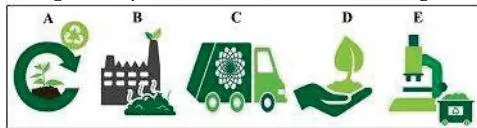
- A.
ABCDE
- B.
BCEAD
- C.
BECAD
- D.
EDCBA
- A.
Q17 · Community Health Nursing · National Health Programs
What is a primary focus area of Health and Family Welfare Programmes related to child health?
- A.
Encouraging malnutrition and undernourishment
- B.
Providing access to paediatric healthcare services
- C.
Limiting access to immunization programs
- D.
Ignoring maternal and newborn care
- A.
Q18 · Community Health Nursing · National Health Programs
In which year was Universal Immunization Programme (UIP) launched in India?
- A.
1977
- B.
1978
- C.
1985
- D.
1950
- A.
Q19 · Applied Physiology · Blood
Where are lymphocytes formed?
- A.
Cranium
- B.
Bone marrow
- C.
Trabeculae
- D.
Spinal cord
- A.
Q20 · Applied Nutrition & Dietetics · Carbohydrates
What is the daily calorie requirement for an adolescent female?
- A.
1500-2000 calories /day
- B.
Approx 2200 calories /day
- C.
2500-3000 calories /day
- D.
4500-5000 calories /day
- A.
Q21 · General Knowledge · Indian history
The Simon Commission, appointed in 1927, was boycotted by Indian political parties because:
- A.
It recommended the partition of India.
- B.
It lacked Indian representation.
- C.
It advocated for harsher colonial policies.
- D.
It supported the Rowlatt Act.
- A.
Q22 · Nursing Research & Statistics · Analysis of data
Which of the following types of statistical data classification method classifies data based on descriptive characteristics of the data?
- A.
Chronological classification
- B.
Geographical classification
- C.
Qualitative classification
- D.
Quantitative classification
- A.
Q23 · Applied Microbiology & Infection control · Pathogenic Organisms
What is the causative organism of Q-fever?
- A.
Varicella
- B.
Coxiella burnetii
- C.
Lyssavirus
- D.
Rotavirus
- A.
Q24 · General Knowledge · National Current Affairs
Who is the current minister of Health and Family Welfare of India?
- A.
Shri Mansukh L. Mandaviya
- B.
Dr. Bharati Pravin Pawar
- C.
Shri Rajesh Bhushan
- D.
Shri Parsadi Lal Meena
- A.
Q25 · Applied Microbiology & Infection control · Disinfection and Sterilization
According to the CDC, ______ can inactivate HIV.
- A.
Acetone
- B.
Distilled Water
- C.
ethyl alcohol
- D.
Acetic acid
- A.
- Sign in free
Done 25 questions? Check your answers
Sign in free: every answer with its explanation, attempt the paper timed with negative marking, and track your score.
Q26 · Applied Anatomy · Introduction to Anatomical terms & Organization of Human Body
The ____ cavity contains the urinary bladder, uterus/ prostate and rectum.
- A.
Cranial cavity
- B.
Pelvic cavity
- C.
Abdominal cavity
- D.
Thoracic cavity
- A.
Q27 · Applied Physiology · Musculoskeletal system
During muscle relaxation, the ____ covers the active site on actin.
- A.
Myosin
- B.
Titin
- C.
Troponin
- D.
Tropomyosin
- A.
Q28 · Nursing Foundations · Infection control & BMW management
The given below diagram represents various methods used for sterilizing nursing instruments. Label each method accordingly.
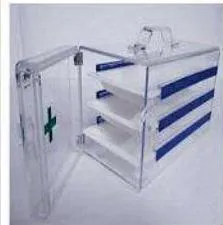 A
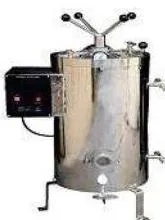 B
 C
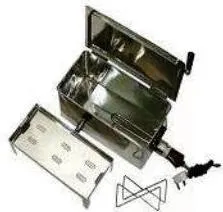 D
- A.
A. Autoclave B. Dental boiler C. Electric instrument sterilizer D. Formalin chamber
- B.
A. Formalin chamber B. Autoclave C. Electric instrument sterilizer D. Dental boiler
- C.
A. Formalin chamber B. Autoclave C. Dental boiler D. Electric instrument sterilizer
- D.
A. Dental boiler B. Autoclave C. Formalin chamber D. Electric instrument sterilizer
- A.
Q29 · Medical & Surgical Nursing · Cardiovascular, Circulatory, and Hematologic Function
Which of the following is a cause of obstructive coronary artery disease?
- A.
Myocardial bridging
- B.
Coronary Vasospasm
- C.
Plaque buildup
- D.
Endothelial dysfunction
- A.
Q30 · Applied Microbiology & Infection control · Pathogenic Organisms
Which of the following diseases is not a food-borne disease?
- A.
Shigellosis
- B.
Listeriosis
- C.
Giardiasis
- D.
Malaria
- A.
Q31 · Applied Sociology · Miscellaneous
Which stage of the Demographic Transition Model (DTM) is characterized by low birth rates and low death rates, resulting in a stabilized population?
- A.
Stage 1
- B.
Stage 2
- C.
Stage 3
- D.
Stage 4
- A.
Q32 · Community Health Nursing · Epidemiology – Epidemiological Approaches and Processes
The epidemiological triad or epidemiological triangle is a traditional model to explain how infectious diseases are caused and transmitted. All of the following are parts of the epidemiological triangle, except ___________.
- A.
External Agent
- B.
Susceptible host
- C.
Remedy
- D.
Environment
- A.
Q33 · Applied Sociology · Social organization and disorganization
Which of the following countries have a one-child policy?
- A.
Japan
- B.
India
- C.
China
- D.
USA
- A.
Q34 · Nursing Foundations · Introduction to Health & Illness
____ aspect of health acknowledges the fulfilment and richness that work brings to a person's life.
- A.
Physical
- B.
Mental
- C.
Occupational
- D.
Spiritual
- A.
Q35 · Community Health Nursing · Concepts of Community Health and Community Health Nursing
Which of the following is a type of primary prevention of an illness?
- A.
Moderation of Alcohol
- B.
Mammography
- C.
Pap smear
- D.
Blood glucose screening
- A.
Q36 · Community Health Nursing · National Health Programs
When were the strategies of the National Cancer Control Program revised by the Govt. of India, stressing primary prevention and early detection of cancer?
- A.
1975
- B.
1984-85
- C.
1998
- D.
2004-05
- A.
Q37 · Applied Psychology · Personality
Which therapeutic approach in adolescent counselling focuses on exploring unconscious conflicts and unresolved issues from early life experiences?
- A.
Gestalt therapy
- B.
Cognitive behavioural therapy
- C.
Dialectical behaviour therapy
- D.
Psychodynamic therapy
- A.
Q38 · Child Health Nursing (Pediatrics) · Immunization and Immunodeficiency
Which vaccine is primarily given to children to prevent tuberculosis?
- A.
MMR
- B.
DPT
- C.
BCG
- D.
HepB
- A.
Q39 · Medical & Surgical Nursing · Immunologic Function
Which non- communicable disease is commonly associated with anemia?
- A.
Chronic kidney disease
- B.
Type 2 diabetes
- C.
Hypertension
- D.
Rheumatoid arthritis
- A.
Q40 · Medical & Surgical Nursing · Immunologic Function
In which of the following stages of HIV infection, do people have a large amount of HIV in their blood and are very contagious?
- A.
Acute HIV infection
- B.
Chronic HIV infection
- C.
Acquired immunodeficiency syndrome
- D.
Stage 4 HIV infection
- A.
Q41 · Community Health Nursing · Demography, Surveillance and Interpretation of Data
What does 'Demographic Transition Theory' concerns with?
- A.
Explains the changes in birth and death rates
- B.
Study migration patterns
- C.
Analyse the impact of urbanization
- D.
Predict future population growth
- A.
Q42 · Community Health Nursing · National Health Programs
When was the National Malaria Control Programme (NMCP) launched by the Govt. of India?
- A.
1946
- B.
1953
- C.
1977
- D.
1982
- A.
Q43 · Community Health Nursing · National Health Programs
Which of the following is NOT an objective of the National Rural Health Mission (NRHM)?
- A.
Providing universal access to quality health care services at high costs
- B.
Providing access to integrated comprehensive primary health care system
- C.
Reducing maternal morbidity and child mortality ratio
- D.
Preventing and controlling communicable and non- communicable diseases
- A.
Q44 · Medical & Surgical Nursing · Cardiovascular, Circulatory, and Hematologic Function
Which of the following is NOT a symptom of Anemia?
- A.
Elevated blood pressure
- B.
Pale skin
- C.
Weakness
- D.
Brittle nails
- A.
Q45 · Applied Microbiology & Infection control · Pathogenic Organisms
Which of the following animals is not responsible for the transmission of rabies?
- A.
Dog
- B.
Cat
- C.
Bat
- D.
Snake
- A.
Q46 · Applied Nutrition & Dietetics · Nutritional Deficiency Disorder
_______ deficiency is the most common cause of thyroid disease, specifically hypothyroidism.
- A.
Iodine
- B.
Calcium
- C.
Iron
- D.
Sodium
- A.
Q47 · Obstetrics & Gynaecology · Miscellaneous
The ______ prevents pregnancy by stopping the ovaries from releasing an egg each month.
- A.
Tubal ligation
- B.
Femidom
- C.
Diaphragm
- D.
Vaginal rings
- A.
Q48 · Applied Physiology · Circulatory & Lymphatic system
Which equation is correct for stroke volume (SV)?
- A.
SV = HR + ESV
- B.
SV = EDV + ESV
- C.
SV = EDV - ESV
- D.
SV = HR - ESV
- A.
Q49 · Applied Physiology · Blood
The part of the immune system that cleans up damaged cells is called _______.
- A.
Excretory system
- B.
Digestive system
- C.
Complement system
- D.
Cell based immune system
- A.
Q50 · Medical & Surgical Nursing · Sensorineural Function
______ is inflammation that can cause temporary or permanent vision loss.
- A.
Glaucoma
- B.
Optic neuritis
- C.
Cataract
- D.
Macular Degeneration
- A.
- Sign in free
Done 50 questions? Check your answers
Sign in free: every answer with its explanation, attempt the paper timed with negative marking, and track your score.
Q51 · Pharmacology · General Pharmacology
Match the oral drug administration term with its corresponding description:
1. Absorption A. The percentage of a drug that reaches the systemic circulation after oral administration. 2. First-pass metabolism B. The process by which a drug moves from the site of administration to the bloodstream. 3. Bioavailability C. The metabolism of a drug that occurs in the liver before it reaches systemic circulation. 4. Enterohepatic circulation D. The recycling of drugs between the liver and the small intestine, influencing drug concentration. - A.
1-B, 2-C, 3-A, 4-D
- B.
1-A, 2-B, 3-C, 4-D
- C.
1-B, 2-A, 3-C, 4-D
- D.
1-A, 2-C, 3-D, 4-B
- A.
Q52 · Applied Physiology · General Physiology
______ fluid represents the 2/3 of Total Body Weight.
- A.
Transcellular fluid compartment
- B.
Interstitial fluid
- C.
Intracellular fluid
- D.
Extracellular fluid
- A.
Q53 · Child Health Nursing (Pediatrics) · Newborn Infants
What is the primary misconception among mothers regarding feeding liquids other than milk to infants?
- A.
It helps lessen problems like colic and infant gas
- B.
It boosts infants' immunity against infections
- C.
It promotes better sleep pattern in infants
- D.
It aids in weight loss for the mother
- A.
Q54 · Mental Health Nursing · Behavioural & Emotional Disorders of Childhood and Adolescence
Which approach is commonly used in managing anxiety disorders in adolescents?
- A.
Psychodynamic therapy
- B.
Electroconclusive therapy
- C.
Hypnotherapy
- D.
Cognitive behavioural therapy
- A.
Q55 · Medical & Surgical Nursing · Other Acute Problems
Which of the following is a parasitic disease that affects lymph nodes and lymph vessels?
- A.
Malaria
- B.
Typhoid
- C.
Filariasis
- D.
Tuberculosis
- A.
Q56 · General Knowledge · Economy and Business Current Affairs
According to classical economics, what is the key factor that determines the level of employment in an economy?
- A.
Labor Union Negotiations
- B.
Wage rates
- C.
Government intervention
- D.
Money supply
- A.
Q57 · Pharmacology · General Pharmacology
Match the drug administration route with the correct description.
1. Administration directly into the bloodstream A. Oral drug administration 2. Administration into the fatty tissue beneath the skin B. Intra muscular injection 3. Administration through mouth C. Bone marrow injection 4. Administration into the muscle D. Subcutaneous injection 5. Administration through intraosseous E. Intra venous injection - A.
1-B, 2-D, 3-C, 4-A, 5-E
- B.
1-E, 2-D, 3-C, 4-B, 5-A
- C.
1-A, 2-B, 3-C, 4-D, 5-E
- D.
1-E, 2-D, 3-A, 4-B, 5-C
- A.
Q58 · Obstetrics & Gynaecology · Miscellaneous
Which STD can present with the characteristic symptom of a 'chancre' at the site of infection?
- A.
Gonorrhea
- B.
Syphilis
- C.
Chlamydia
- D.
HIV/AIDS
- A.
Q59 · Applied Physiology · Circulatory & Lymphatic system
How much time does a heartbeat last?
- A.
About 2 seconds
- B.
About 0.8 second
- C.
About 0.5 second
- D.
About 1.5 seconds
- A.
Q60 · Pathology & Genetics · General Pathology
Which of the following genetic alteration is commonly found in melanomas and is associated with increased cell proliferation and survival?
- A.
IDH1
- B.
PTEN
- C.
NRAS
- D.
RET
- A.
Q61 · Medical & Surgical Nursing · Miscellaneous
Which vaccine is commonly recommended for older adults to prevent shingles?
- A.
Influenza
- B.
Shingrix vaccine
- C.
Varicella
- D.
Pneumococcal
- A.
Q62 · Pathology & Genetics · Systemic Pathology
In type II hypersensitivity reactions, which mechanism leads to tissue damage?
- A.
Antibody- mediated cell destruction
- B.
Complement activation
- C.
Opsonization and phagocytosis
- D.
Deposition of immune complexes
- A.
Q63 · Nursing Management & Leadership · Organisational Behaviour & Human Relations
The HR department sends out an email to all staff detailing the new dress code policy (for working days as well as weekends) that will be effective from the next month. This is an example of:
- A.
Informal communication, because it uses email, which is quick and easy.
- B.
Formal communication, because it is an official announcement from the HR department.
- C.
Informal communication, because dress codes are not important.
- D.
Formal communication, because it talks about weekend plans.
- A.
Q64 · Child Health Nursing (Pediatrics) · Poisonings, Injuries and Accidents
Which is a common cause of injury among adolescents?
- A.
Adequate sleep patterns
- B.
Insufficient screen time
- C.
Regular physical pattern
- D.
Unsafe driving practices
- A.
Q65 · Applied Physiology · Circulatory & Lymphatic system
Infants undergoing cardiac surgery require meticulous preoperative assessment of their hemodynamic and thus dehydration must be avoided in patients. Hemodynamic means _______.
- A.
dynamics of blood flow
- B.
dynamics of nervous system
- C.
dynamics of breathing
- D.
dynamics of muscle movements
- A.
Q66 · Nursing Foundations · Health Assessment
Match items in Column A with items in columns B.
Column A: Physical Examination Techniques Column B: Description or Method 1. Inspection A. The use of the hands to feel for texture, size, consistency, and location of body structures 2. Palpation B. Listening to sounds produced by the body, usually using a stethoscope 3. Percussion C. Involves tapping on the body to assess the underlying structures and detect abnormalities 4. Auscultation D. The systematic visual examination of the body for signs such as color changes, swelling, or abnormalities - A.
1-A, 2-B, 3-C, 4-D
- B.
1-D, 2-C, 3-B, 4-A
- C.
1-D, 2-C, 3-A, 4-B
- D.
1-D, 2-A, 3-C, 4-B
- A.
Q67 · Applied Microbiology & Infection control · Pathogenic Organisms
Which of the following parasites causes malaria?
- A.
Nematodes
- B.
Acanthamoeba
- C.
Plasmodium
- D.
Flavivirus
- A.
Q68 · Medical & Surgical Nursing · Cardiovascular, Circulatory, and Hematologic Function
Which factor is considered a non- modifiable risk factor for essential hypertension?
- A.
Family history of hypertension
- B.
Obesity
- C.
High sodium intake
- D.
Sedentary lifestyle
- A.
Q69 · Nursing Research & Statistics · Introduction to Statistics
In a health research, which of the following type of statistics is concerned with making predictions, inferences or generalizations about a population based on sample data?
- A.
Inferential statistics
- B.
Vital statistics
- C.
Descriptive statistics
- D.
Epidemiological statistics
- A.
Q70 · Obstetrics & Gynaecology · Hypertensive Disorders in Pregnancy
Which of the following maternal condition can potentially lead to slowed foetal growth during pregnancy?
- A.
Regular prenatal vitamins intake
- B.
Controlled blood pressure
- C.
High blood pressure
- D.
Adequate hydration
- A.
Q71 · Pharmacology · Miscellaneous
Which of the following is not an example of inactivated vaccine?
- A.
Rabies vaccine
- B.
Varicella vaccine
- C.
Hepatitis A virus vaccine
- D.
Whole cell pertussis vaccine
- A.
Q72 · Child Health Nursing (Pediatrics) · Development
How is a functional disorder treated in adolescents?
- A.
Punishment
- B.
Antibiotics
- C.
Avoiding the issue
- D.
Occupational therapy
- A.
Q73 · Obstetrics & Gynaecology · COMPLICATED LABOR-Malposition, Malpresentation and Cord Prolapse
Which of the following is true about 'true labour contractions'?
- A.
Do not increase in duration, frequency or intensity
- B.
Do not achieve cervical dilatation
- C.
Begin and remain irregular
- D.
Felt first in lower back and sweep around to the abdomen in a wave
- A.
Q74 · General Knowledge · Miscellaneous
Which of the following statements about the State Executive in India is incorrect?
- A.
The Council of Ministers is collectively responsible to the State Legislature.
- B.
The chief minister is elected by the members of parliament.
- C.
The Governor is the nominal head of the State Executive
- D.
The State Executive consists of the Governor, the Chief Minister, and the Council of Ministers.
- A.
Q75 · Community Health Nursing · Health Management Information System (HMIS)
Which of the following stages of National health planning involves the analysis of the current status and expected trends in a country's health and health system?
- A.
Situation assessment
- B.
Priority setting
- C.
Identifying effective strategies
- D.
Resource planning and budgeting
- A.
- Sign in free
Done 75 questions? Check your answers
Sign in free: every answer with its explanation, attempt the paper timed with negative marking, and track your score.
Q76 · Applied Physiology · Respiratory system
Organize the stages of the oxygen cascade in the appropriate sequence. A. Dispersion from capillary to cellular level B. Blood's transportation capacity C. Pulmonary absorption D. Localized allocation of oxygen distribution E. Transfer from lungs to tissues F. Utilization of oxygen at the cellular level
- A.
CBEDAF
- B.
BACDEF
- C.
CBDEAF
- D.
BAFDEC
- A.
Q77 · Obstetrics & Gynaecology · Population Dynamics and Control of Conception
The ______ is a loose non-latex pouch with a flexible ring at each end that sits in the vagina, to stop sperm from getting into the uterus.
- A.
External condom
- B.
Femidom
- C.
Diaphragm
- D.
Tubal ligation
- A.
Q78 · General Knowledge · Miscellaneous
When was the Pradhan Mantri Swasthya Suraksha Yojana approved?
- A.
1989
- B.
1997
- C.
2000
- D.
2006
- A.
Q79 · Applied Physiology · Blood
______ is a hormone produced by the kidneys to stimulate the production of red blood cells. It ensures normal oxygen levels in the mother and fetus.
- A.
Cortisol
- B.
Thyroxine
- C.
Insulin
- D.
Erythropoietin
- A.
Q80 · Medical & Surgical Nursing · Miscellaneous
Where do the sperm go after vasectomy?
- A.
They come out during ejaculation
- B.
They are collected in the Vas Deferens
- C.
They get reabsorbed into the body
- D.
They travel to the epididymis
- A.
Q81 · Community Health Nursing · Epidemiology – Epidemiological Approaches and Processes
Which of the following is not the correct dosage age for the Oral Polio Vaccine (OPV), as per the National Immunization Schedule?
- A.
At Birth
- B.
6 weeks
- C.
14 weeks
- D.
36 weeks
- A.
Q82 · Applied Physiology · General Physiology
Which of the following body system is primarily responsible for maintaining homeostasis?
- A.
Digestive System and Integumentary System.
- B.
Digestive System and Respiratory System
- C.
Integumentary System and Endocrine System
- D.
Endocrine System and Nervous System
- A.
Q83 · Obstetrics & Gynaecology · COMPLICATED LABOR-Malposition, Malpresentation and Cord Prolapse
What term describes the intermittent painful uterine contractions which are often referred to as 'false labor' during pregnancy?
- A.
Menstruation
- B.
Braxton hicks contraction
- C.
Menopause
- D.
Ovulation
- A.
Q84 · Child Health Nursing (Pediatrics) · Newborn Infants
What is the WHO-recommended timeline for exclusive breastfeeding?
- A.
3 months
- B.
6 months
- C.
9 months
- D.
12 months
- A.
Q85 · Community Health Nursing · National Health Programs
Who launched the National Cancer Registry Programme?
- A.
ICMR
- B.
MoHFW
- C.
WHO
- D.
NIMES
- A.
Q86 · Medical & Surgical Nursing · Sensorineural Function
Arrange the Sequence of the tests to evaluate hearing to determine whether you have hearing loss and in what part of your ear the problem is located.
- Sound detection
- Visual exam of the external ear canal (otoscopy)
- Middle ear check
- Hearing history
- Word recognition
- A.
2, 4, 3, 5, 1
- B.
3, 2, 1, 5, 4
- C.
4, 2, 3, 1, 5
- D.
1, 3, 4, 2, 5
Q87 · Applied Anatomy · Renal System
____ type of nephrons have short loops of Henle that do not dip far beyond the cortex.
- A.
Cortical nephrons
- B.
Papillary nephrons
- C.
Medullary nephrons
- D.
Juxtamedullary nephrons
- A.
Q88 · Applied Nutrition & Dietetics · Balanced Diet
What is the recommended period for exclusive breast feeding by WHO ?
- A.
3 months
- B.
6 months
- C.
1 year
- D.
8 months
- A.
Q89 · Community Health Nursing · Concepts of Community Health and Community Health Nursing
Why is it important for National Health Programmes to address social determinants of health?
- A.
To discriminate against marginalized communities
- B.
To create barriers to healthcare access
- C.
To promote health equity and reduce disparities
- D.
To limit access to education and employment opportunities
- A.
Q90 · Nursing Foundations · Health Assessment
Which of the following is the correct sequence of steps in conducting an auditory assessment?
A) Pure-tone audiometry, otoscopy, speech audiometry B) Speech audiometry, otoscopy, pure-tone audiometry C) Otoscopy, pure-tone audiometry, speech audiometry D) Otoscopy, speech audiometry, pure-tone audiometry
- A.
Only A
- B.
Both B and C
- C.
Only C
- D.
Both A and B
- A.
Q91 · Obstetrics & Gynaecology · Antenatal Care, Preconceptional Counseling and Care
Organize the elements of antenatal care in the sequence typically adhered to during assessments. A. Building a connection B. Assessment interview for fostering trust between the doctor and the pregnant woman C. Gathering details about the woman's physical and psychological well-being D. Providing the foundation for anticipatory guidance during pregnancy
- A.
BACD
- B.
ABCD
- C.
DCAB
- D.
CBDA
- A.
Q92 · Medical & Surgical Nursing · Digestive and Gastrointestinal Function
Which of the following occurs when small defects in the muscle of the wall of the large intestine or colon allow small pockets or pouches to form?
- A.
Hepatitis C
- B.
Diverticulosis
- C.
Peptic ulcer disease
- D.
Gastroesophageal reflux disease
- A.
Q93 · Community Health Nursing · Respiratory Infections
Disease surveillance involves _____.
- A.
Systematic collection and analysis of data
- B.
Educating individuals about healthy lifestyle choices
- C.
Developing new vaccines and treatments for emerging diseases
- D.
Conducting clinical trials to access the efficacy of medications
- A.
Q94 · General Knowledge · Economy and Business Current Affairs
According to the Economic Survey 2022, what was the government expenditure on healthcare in 2021-22?
- A.
1.8% of GDP
- B.
2.1% of GDP
- C.
8% of GDP
- D.
20% of GDP
- A.
Q95 · Applied Physiology · Sensory organs
What does the ciliary body in the eye do?
- A.
Filter out harmful UV radiation
- B.
Replaces damaged retina cells.
- C.
Change the shape of the lens to focus light
- D.
Detect light and convert it into electrical signals
- A.
Q96 · English · Vocabulary
Four words are given, out of which only one word is spelt correct. Choose the correct spelt word.
- A.
REMINISENCE
- B.
HIEARCHY
- C.
CONSCIENTIOUS
- D.
CATHEDERAL
- A.
Q97 · Child Health Nursing (Pediatrics) · Immunization and Immunodeficiency
At what age is the DTaP vaccine typically administered to children?
- A.
6 weeks, 10 weeks, 14 weeks
- B.
2 years, 3 years, 4 years
- C.
2 months, 4 months, 6 months
- D.
12 months, 18 months, 24 months
- A.
Q98 · Reasoning · Statement-Based Reasoning
Three Statements are given followed by two conclusions numbered I and II. Assuming the statements to be true, even if they seem to be at variance with commonly known facts, decide which of the conclusions logically follow(s) from the statements.
Statement I: All circles are spheres. Statement II: All spheres are cones. Statement III: No cone is a cube.
Conclusion I: All circles are cones. Conclusion II: No sphere is a cube.
- A.
Only conclusion I follows
- B.
Only conclusion II follows
- C.
Both conclusions I and II follow
- D.
Neither conclusion I nor II follows
- A.
Q99 · Applied Nutrition & Dietetics · Balanced Diet
WHO and UNICEF recommend that children initiate breastfeeding within the ______ of birth.
- A.
First 10 minutes
- B.
First hour
- C.
Six hours
- D.
24 hours
- A.
Q100 · Applied Microbiology & Infection control · General Characteristics of Microbes
Shiga toxin is produced by ______.
- A.
Salmonella typhi
- B.
Streptococcus pyogenes
- C.
Escherichia coli
- D.
Staphylococcus aureus
- A.
More CHO (Community Health Officer) papers
- Rajasthan CHO 20252025 · 150 questions
- Bihar NHM CHO 20252025 · 80 questions
- Rajasthan CHO 20242024 · 100 questions
- MP NHM CHO 2024 (Shift 1)2024 · 100 questions
- Rajasthan CHO 20232023 · 100 questions
- Haryana CHO 20232023 · 99 questions
- UP NHM CHO, 7 September 2022 (Shift 1)2022 · 100 questions
- UP NHM CHO, 7 September 2022 (Shift 2)2022 · 100 questions
- UP NHM CHO, 7 September 2022 (Shift 3)2022 · 99 questions
- MP CHO 20222022 · 100 questions
- HP CHO, 9 October 20222022 · 100 questions
- Haryana CHO 20222022 · 100 questions