GMCH Chandigarh Nursing Officer 2019 question paper
GMCH Nursing Officer · 2019 · 100 questions · 120 minutes · 0.25 mark deducted per wrong answer
- Medical & Surgical Nursing 32
- Nursing Foundations 16
- Mental Health Nursing 9
- Child Health Nursing (Pediatrics) 8
- Community Health Nursing 7
- Obstetrics & Gynaecology 7
- Pharmacology 7
- Applied Microbiology & Infection control 5
- Applied Psychology 2
- Applied Anatomy 2
- Applied Nutrition & Dietetics 1
- Applied Sociology 1
- Nursing Research & Statistics 1
- Forensic Nursing & Indian laws 1
- General Knowledge 1
See the answers and explanations
Sign in free: every answer with its explanation, attempt the paper timed with negative marking, and track your score.
Q1 · Community Health Nursing · National Health Programs
Rashtriya Bal Swasthya Karyakram (RBSK) is a new initiative aiming at early identification and early intervention for children from birth to 18 years to cover 4 'D's viz.
- A.
Defects at birth, deficiencies, diseases, development delays including disability.
- B.
Drug abuse, deficiencies, and development delays including disability and defects at birth.
- C.
Deformities, development delays including disability, deficiencies and drug abuse
- D.
Diseases, development delays including disability, defects at birth and diarrhoeal diseases
- A.
Q2 · Medical & Surgical Nursing · Perioperative Concepts and Nursing Management
A patient with a history of atrial fibrillation is scheduled for a left hip hemiarthroplasty at 09:00 AM. The health professional is administering 08:00 am medications. Which of these medication orders should the nurse be concerned about?
- A.
Opioid analgesic intravenously
- B.
Low molecular weight heparin anticoagulant subcutaneously
- C.
Beta blocker orally
- D.
Cephalosporin antibiotic intravenously
- A.
Q3 · Applied Nutrition & Dietetics · Nutritional Assessment and Nutrition Education
Which one of the following is the correct formula for calculating a person's body mass index (BMI)?
- A.
Weight in kg x height in metres
- B.
Weight in kg divided by height in metres squared
- C.
Weight in kg divided by height in metres
- D.
None of the above
- A.
Q4 · Obstetrics & Gynaecology · Neuroendocrinology in Relation to Reproduction
Arrange the following five events in correct order of occurrence?
I. Stimulation of anterior pituitary II. Stimulation of ovaries III. Stimulation of neurosecretory cells IV. Release of gonadotroph hormone V. Release of gonadotropin releasing hormone
- A.
III, V, I, IV, II
- B.
II, IV, I, V, III
- C.
I, V, III, II, IV
- D.
IV, V, III, II, I
- A.
Q5 · Pharmacology · Drugs Acting on Central Nervous System
An emergency room nurse is assessing a 22 year old male who has been using opioids. What symptoms indicate that the client has overdosed?
- A.
Constricted pupils and hypotension
- B.
Vomiting and tachypnoea
- C.
Papillary dilatation and hypertensive crisis
- D.
Tremors and ataxia.
- A.
Q6 · Mental Health Nursing · Schizophrenia
A person with schizophrenia was found to repeat whatever words the psychiatric nurse was speaking. This behaviour can be labelled as?
- A.
Echopraxia
- B.
Neologism
- C.
Word salad
- D.
Echolalia
- A.
Q7 · Medical & Surgical Nursing · Cardiovascular, Circulatory, and Hematologic Function
A nurse auscultates the heart of Anu, a 21-year-old female. Anu seeks a consultation for dizziness and easy fatigability. During assessment, the nurse identifies a mid-to-late systolic click followed with mid-to-late systolic murmur at the cardiac apex. The murmur gets louder when she stands up. Based on these findings, Anu is most likely considered for which of the following cardiac problems?
- A.
Aortic stenosis
- B.
Mitral valve prolapse
- C.
Pulmonic stenosis
- D.
Mitral regurgitation
- A.
Q8 · Mental Health Nursing · Psychiatric Emergencies
A nurse is caring for a client who expresses active suicidal ideation. Which of the following should be the nurse's action?
- A.
Engage patient actively in ward activities so that patient does not talk more about suicide
- B.
Administer the antidepressant drugs to reduce suicidal thoughts
- C.
Teach JPMR exercises to patient to reduce suicidal thoughts via relaxation
- D.
Indulge patient in interaction on suicidal related thoughts and actions
- A.
Q9 · Child Health Nursing (Pediatrics) · Otolaryngology
A 4-year-old female child suffered severe burns in a house fire. How will you examine the extent of her burns?
- A.
By using the Parkland formula
- B.
By using the Lund and Browder chart
- C.
By using the Hartman's formula
- D.
By using the rule of tens
- A.
Q10 · Child Health Nursing (Pediatrics) · Otolaryngology
The nurse is caring for a 10-year-old on admission to the burn unit. One assessment parameter that will indicate that the child has adequate fluid replacement is?
- A.
Urinary output of 30 ml per hour
- B.
No complaints of thirst
- C.
Increased hematocrit
- D.
Good skin turgor around burn.
- A.
Q11 · Medical & Surgical Nursing · Cardiovascular, Circulatory, and Hematologic Function
A man is admitted to the telemetry unit for evaluation of complaints of chest pain. Eight hours after admission, the patient goes into ventricular fibrillation. The physician defibrillates the patient. The nurse understands that the purpose of defibrillation is to?
- A.
Increase cardiac contractility and cardiac output
- B.
Cause asystole so the normal pacemaker
- C.
Reduce cardiac ischemia and acidosis
- D.
Provide energy for depleted myocardial cells
- A.
Q12 · Child Health Nursing (Pediatrics) · Disorders of Cardiovascular System
Select the anatomic malformations associated with tetralogy of Fallot (TOF)?
- A.
Ventricular septal defect, an overriding aorta, right ventricular hypertrophy, pulmonary stenosis
- B.
Atrial septal defect, an overriding aorta, right ventricular hypertrophy, pulmonary stenosis
- C.
Ventricular septal defect, an overriding aorta, left ventricular hypertrophy, and right ventricular outflow
- D.
Atrial septal defect, an overriding aorta, pulmonary atresia, and right ventricular outflow.
- A.
Q13 · Applied Microbiology & Infection control · Disinfection and Sterilization
Which action by the nurse in charge is essential when cleaning the area around a Jackson Pratt wound drain?
- A.
Cleaning from the centre to outward in a circular motion
- B.
Cleaning from periphery towards centre in circular motion
- C.
Cleaning briskly around the site from left to right
- D.
Cleaning briskly around the site from right to left
- A.
Q14 · Child Health Nursing (Pediatrics) · Newborn Infants
When caring for an infant during cardiac arrest, which pulse must be palpated to determine cardiac function?
- A.
Carotid
- B.
Brachial
- C.
Pedal
- D.
Radial
- A.
Q15 · Mental Health Nursing · Miscellaneous
A nurse is giving instructions to a client receiving lithium citrate. The nurse tells the client to do which of the following to prevent lithium toxicity?
- A.
Avoid becoming dehydrated during exercise
- B.
Instruct the client to change positions slowly
- C.
Restrict salt intake in the diet
- D.
Limit fluid intake
- A.
Q16 · Medical & Surgical Nursing · Pain Management
When examining a patient with abdominal pain the nurse in charge should assess?
- A.
Any quadrant first
- B.
The symptomatic quadrant first
- C.
The symptomatic quadrant last
- D.
The symptomatic quadrant either second or third
- A.
Q17 · Medical & Surgical Nursing · Cardiovascular, Circulatory, and Hematologic Function
During an arteriogram (angiogram), the patient suddenly says, "I'm feeling really hot". Which is the best response?
- A.
"You are having an allergic reaction to the dye. I will get an order for Benadryl."
- B.
"The heat indicates that the clots in the coronary vessels are dissolving."
- C.
"Let me check the room temperature"
- D.
"That feeling of warmth is normal when the dye is injected. It will last up to 20 seconds."
- A.
Q18 · Medical & Surgical Nursing · Neurologic Function
A patient who has experienced a stroke is being monitored during the acute management phase. The clinician notes that the patient's intracranial pressure (ICP) is 30 mm Hg. Which of the following interventions should be taken first?
- A.
Give Trendelenburg position to the patient
- B.
Obtain vital signs and measure urine output
- C.
Assess level of consciousness
- D.
Raise the head of the bed to 30°
- A.
Q19 · Pharmacology · Cardiovascular Drugs
The nurse should instruct a patient who is to receive digoxin (Lanoxin) to report development of which of the following side effects?
- A.
Ringing in the ears
- B.
Alopecia
- C.
Signs of bruising
- D.
Sensitivity to sunlight, double vision
- A.
Q20 · Nursing Foundations · Communication & Nurse-Patient Relationship
Choose the most therapeutic response to Mr. Shyam's question: "Am I going to die?"
- A.
We all are going to die one day.
- B.
What has your doctor told you?
- C.
You really don't want to talk about death, do you?
- D.
Would you like to talk about your condition and prognosis?
- A.
Q21 · Applied Psychology · Personality
Which of the following categories would a 70 year old adult is placed in?
- A.
Intimacy vs. isolation
- B.
Generativity vs. stagnation
- C.
Integrity vs. despair
- D.
Longevity vs. guilt
- A.
Q22 · Child Health Nursing (Pediatrics) · Central Nervous System
An infant born with non communicating hydrocephalus has just had a ventro peritoneal shunt inserted. In addition to neuromuscular assessment what measures should the nurse use in child's care plan?
- A.
Reinforce wet dressings every 2 hourly
- B.
Position the infant on operative side
- C.
Place infant in semi fowlers position
- D.
Measure head and abdominal circumference
- A.
Q23 · Child Health Nursing (Pediatrics) · Disorders of Respiratory System
A pediatric patient has been diagnosed with right lower lobe pneumonia. Upon auscultation of this lung field, the nurse would expect to hear which breath sound?
- A.
Rhonchi
- B.
Stridor
- C.
Crackles
- D.
Wheezes
- A.
Q24 · Nursing Foundations · Nursing Process
After assessing the client, the nurse formulates the following diagnoses. Place them in order of priority, with the most important (classified as high) listed first. 1. Constipation 2. Anticipated grieving 3. Ineffective airway clearance 4. Ineffective tissue perfusion?
- A.
3, 4, 2, 1
- B.
4, 3, 2, 1
- C.
1, 3, 2, 4
- D.
3, 4, 1, 2
- A.
Q25 · Obstetrics & Gynaecology · Diagnosis of Pregnancy
A nurse is assessing a pregnant client for the presence of ballottement. To make this determination, the nurse does which of the following?
- A.
Auscultates for fetal heart sounds
- B.
Assesses the cervix for compressibility
- C.
Palpates the abdomen for fetal movement
- D.
Initiates a gentle upward tap on the cervix
- A.
- Sign in free
Done 25 questions? Check your answers
Sign in free: every answer with its explanation, attempt the paper timed with negative marking, and track your score.
Q26 · Medical & Surgical Nursing · Gas Exchange and Respiratory Function
While doing the tracheal suctioning of a patient, the suction should be applied
- A.
Only when withdrawing the suction catheter
- B.
Only when inserting the suction catheter
- C.
Either during insertion or withdrawal, depending on when the patient coughs
- D.
Only if the patient coughs
- A.
Q27 · Medical & Surgical Nursing · Oncology: Nursing Management in Cancer Care
The nurse is caring for a patient with cervical cancer. The nurse notes that the cervical implant has become dislodged. Which of the following actions should the nurse take first?
- A.
Stay with the patient and contact radiology
- B.
Wrap the implant in a blanket and place it behind the lead shield
- C.
Obtain a dosimeter reading to the patient and report it to the physician
- D.
Pick up the implant with long-handled forceps and place it in lead container
- A.
Q28 · Child Health Nursing (Pediatrics) · Disorders of Respiratory System
You are working in a paediatric unit of the hospital and caring for a six year old boy who is hospitalized with cystic fibrosis and respiratory compromise. Which developmental task is the challenge for this boy at his age?
- A.
To cough, deep breath and improve respiratory status
- B.
To establish industry and self confidence
- C.
To develop autonomy and self control
- D.
To develop initiative and a sense of purpose
- A.
Q29 · Medical & Surgical Nursing · Cardiovascular, Circulatory, and Hematologic Function
A client has just returned to a nursing unit after a cardiac catheterization performed using the femoral artery. The nurse places the client in which position?
- A.
Bed rest with head elevation at 30°
- B.
Bed rest with head elevation at 45°
- C.
Bed rest with head elevation at 60°
- D.
Bed rest with head elevation at 90°
- A.
Q30 · Medical & Surgical Nursing · Shock and Multisystem Failure
After falling from a 10 feet ladder, a patient is brought to the emergency department. The patient is alert, reports back pain, and difficulty moving the lower extremities. Which additional observation is an indication the patient may be experiencing neurogenic shock?
- A.
Cool and pale skin
- B.
Bradycardia
- C.
Poor skin turgor
- D.
Increased systolic blood pressure
- A.
Q31 · Obstetrics & Gynaecology · Special Topics in Obstetrics
A client is in late active phase of labour. Suddenly she tells the nurse she feels weak and dizzy. The nurse notes the drop in maternal B.P. and late decelerations of fetal heart rate. The initial action the nurse should be to?
- A.
Increase the I.V. drip rate and notify the provider
- B.
Turn the client on side and administer oxygen
- C.
Assess for cord prolapsed or vaginal bleeding
- D.
Prepare for immediate delivery
- A.
Q32 · Applied Sociology · Miscellaneous
As per latest census sex ratio (the number of females per 1000 of males) of Chandigarh is reported to be...........?
- A.
718
- B.
818
- C.
918
- D.
1000
- A.
Q33 · Nursing Foundations · Administration of medications
A nurse gives a double dose of acetaminophen (Tylenol) to a client who only requires a single dose. What, if anything, must the nurse do?
- A.
Ask a colleague to help assess the client
- B.
Withhold the client's next dose of Tylenol
- C.
Report the error as soon as possible
- D.
Nothing, because this is an over-the-counter medication
- A.
Q34 · Medical & Surgical Nursing · Miscellaneous
A patient recently been diagnosed with leukemia. Which of the following symptoms would a nurse expect to see given this diagnosis?
- A.
Bruising, fatigue and bone pain
- B.
Bradycardia, hypotension and palpitations
- C.
Paresthesia, facial rash and abdominal pain
- D.
Dyspnea, malaise and hypotension
- A.
Q35 · Nursing Foundations · Nutritional Needs
Which nursing action is essential when providing continuous enteral feeding?
- A.
Elevating the head of the bed
- B.
Positioning the patient on left side
- C.
Warming the formula before administering it
- D.
Hanging the formula for 8 hrs in the beginning of morning shift
- A.
Q36 · Medical & Surgical Nursing · Miscellaneous
You come upon an unconscious victim with a palpable pulse. He does not appear to be breathing. You are unable to deliver the first breath. What is the next step?
- A.
Begin CPR
- B.
Repeat the head tilt/chin maneuver and attempt the breath again
- C.
Abdominal thrusts
- D.
Heimlich maneuver
- A.
Q37 · Mental Health Nursing · Psychiatric Emergencies
Nurse can minimize agitation in a disturbed client by?
- A.
Increasing stimulation
- B.
Limiting unnecessary interaction
- C.
Increasing appropriate sensory perception
- D.
Ensuring constant client and staff contact
- A.
Q38 · Nursing Research & Statistics · Research Approaches and Designs
The evidence to assert, whether or not, experimental treatment/condition has made the difference refers to?
- A.
External validity
- B.
Internal validity
- C.
Criterion validity
- D.
Construct validity
- A.
Q39 · Medical & Surgical Nursing · Urinary Tract Function
Which of the following conditions is related to the development of renal calculi?
- A.
Pancreatitis
- B.
Fractured femur
- C.
Gout
- D.
Disc disease
- A.
Q40 · Applied Anatomy · Renal System
Urinary bladder is lined with?
- A.
Simple epithelium
- B.
Stratified epithelium
- C.
Transitional epithelium
- D.
Pseudostratified epithelium
- A.
Q41 · Medical & Surgical Nursing · Miscellaneous
Which type of cancer has the poorest prognosis?
- A.
Squamous cell carcinoma
- B.
Breast cancer
- C.
Pancreatic cancer
- D.
Gastric cancer
- A.
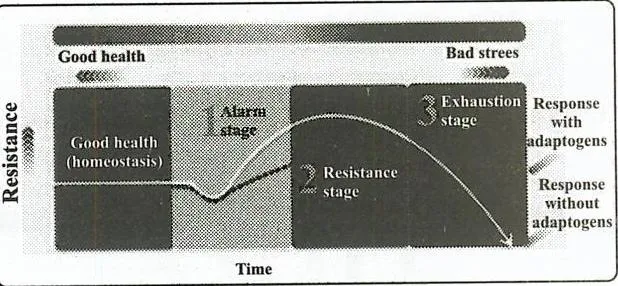
Q42 · Nursing Foundations · Psychosocial needs
Alarm, resistance, and exhaustion are concepts related to?
- A.
Health belief model
- B.
Trans theoretical model
- C.
Health promotion model
- D.
General adaptation syndrome
- A.
Q43 · Nursing Foundations · Nursing Care & Specific Procedures
Which of the following would be a common indication of infiltration of a peripheral intravenous infusion?
- A.
Cool skin, Redness and swelling around the insertion site
- B.
Blood return in the cannula
- C.
Difficulty regulating the flow with gravity
- D.
Hot & warmth skin distal to the insertion site
- A.
Q44 · Medical & Surgical Nursing · End-of-Life Care
During an assessment of a patient's abdomen, a pulsating abdominal mass is noted by the nurse. Which of the following should be the nurse's next action?
- A.
Ask the patient to perform a Valsalva maneuver
- B.
Obtain an order for a bladder scan
- C.
Assess femoral pulses
- D.
Measure the abdominal circumference
- A.
Q45 · Nursing Foundations · Procedures
When administering single rescuer adult CPR, what is breaths-to-compressions ratio?
- A.
2 breaths every 30 compressions
- B.
1 breath every 30 compressions
- C.
1 breath every 15 compressions
- D.
2 breaths every 5 compressions
- A.
Q46 · Medical & Surgical Nursing · Cardiovascular, Circulatory, and Hematologic Function
While receiving blood transfusion the patient develops chills and headache. What should be the nurse's initial action?
- A.
Notify the physician stat
- B.
Stop the transfusion immediately
- C.
Cover the patient with a blanket and administer ordered acetaminophen.
- D.
Slow the blood flow to keep the vein open.
- A.
Q47 · Applied Microbiology & Infection control · Miscellaneous
The stages of infection in correct sequential order are?
- A.
The prodromal, incubation, illness and convalescence
- B.
The incubation, prodromal, illness and convalescence stages
- C.
The prodromal, primary infection, secondary infection and tertiary infection
- D.
The inflammation, infection and disease
- A.
Q48 · Child Health Nursing (Pediatrics) · Newborn Infants
Select the criterion that is coupled with its indication of gestational age or birth weight.
- A.
Small for gestational age: the neonate's weight is less than 20th percentile
- B.
Large for gestational age: the infant's weight is above 99th percentile
- C.
Low birth weight: the infant's weight is less than 1500 g at the time of delivery
- D.
Appropriate for gestational age: the neonate's weight lies in the range of 10th to 90th percentile
- A.
Q49 · Medical & Surgical Nursing · Cardiovascular, Circulatory, and Hematologic Function
A female client who has just been diagnosed with hepatitis A, asks 'How could I have got this disease?' What is the nurse's best response?
- A.
You may have eaten contaminated restaurant food.
- B.
You could have gotten it by using I.V. drugs.
- C.
You must have received an infected blood transfusion.
- D.
You probably got it by engaging in unprotected sex.
- A.
Q50 · Obstetrics & Gynaecology · Fetus
During which week does the fetal heart begin pumping its own blood?
- A.
3rd week
- B.
4th week
- C.
5th week
- D.
6th week
- A.
- Sign in free
Done 50 questions? Check your answers
Sign in free: every answer with its explanation, attempt the paper timed with negative marking, and track your score.
Q51 · Nursing Foundations · Elimination needs
Which of the following is a primary nursing intervention necessary for a patient complain of pain abdomen with Foley catheter urine output nill ?
- A.
Maintain the drainage tubing and collection bag level with the patient's bladder
- B.
Irrigate the patient with 1% Neosporin solution three times daily
- C.
Tubing check for kinking & collection bag below bladder level
- D.
Maintain the drainage tubing and inform doctors
- A.
Q52 · Nursing Foundations · Vital Signs
Which of the following are correct techniques while checking the blood pressure of a patient?
I. Before the measurement patient must remain sitting position for about 5 minutes.
II. The cuff must be at the level of the heart.
III. The arm must be freely hanging without any firm support
IV. The stethoscope must be placed a little above than the cuff.
- A.
I, II, IV
- B.
I, III, IV
- C.
I & II
- D.
II & IV
- A.
Q53 · Medical & Surgical Nursing · Oncology: Nursing Management in Cancer Care
The nurse is assisting a doctor with the removal of a central venous catheter. To prevent complications, the patient should be instructed to?
- A.
Perform the Adsons maneuver while removing catheter
- B.
Perform the Valsalva maneuver as the catheter is pulled
- C.
Turn his head to the right while grasping the siderails
- D.
Turn his head to the left side and hyperextend the neck while looking up
- A.
Q54 · Medical & Surgical Nursing · Gas Exchange and Respiratory Function
The healthcare provider is caring for a patient on a ventilator with an endotracheal tube in place. What assessment data indicate the tube has migrated too far down the trachea?
- A.
Decreased breath sounds on the left side of the chest
- B.
A high pressure alarm sounds
- C.
Increased crackles auscultation bilaterally
- D.
Low pressure alarm sounds
- A.
Q55 · Medical & Surgical Nursing · End-of-Life Care
When teaching the caregivers of a patient who has dementia of the Alzheimer type, a nurse should stress the importance of?
- A.
Increased stimuli
- B.
Predictable environment
- C.
Restricted activities
- D.
Independent decision making
- A.
Q56 · Mental Health Nursing · Neurotic, stress related and somatisation disorders
Which of the following does not describe an obsession? 1. Continually reliving a traumatic event. 2. An unwanted thought that a person finds intrusive and distressing. 3. A behavior that a person feels compelled to perform. 4. Something a person enjoys doing and talking about constantly. Codes:-
- A.
1, 2, and 4
- B.
2 and 4
- C.
2,3 and 4
- D.
1,3 and 4
- A.
Q57 · Medical & Surgical Nursing · Perioperative Concepts and Nursing Management
A nurse performs pre operative teaching for a client who is to have a cataract surgery. Which is most important instruction for the client she should render?
- A.
Remain flat for 3 hours
- B.
Eat a soft diet for 2 days
- C.
Breathe and cough deeply
- D.
Avoid bending from the waist
- A.
Q58 · Obstetrics & Gynaecology · Diagnosis of Pregnancy
Which of the following is the best method to relieve constipation during pregnancy?
- A.
Lying flat on the back while sleeping
- B.
Increasing the intake of vegetables and fruits
- C.
Reduction of iron intake by half
- D.
Taking a mild over-the-counter laxative
- A.
Q59 · Nursing Foundations · Nursing Theories
Which nursing theorist believes that most patients are capable of performing self care?
- A.
Dorothea Orem
- B.
Madeleine Leininger
- C.
Martha Rogers
- D.
Sister Callista Roy
- A.
Q60 · Nursing Foundations · Mobility & Immobility
Which of the following actions should the nurse take to use a wide base support when assisting a client to get up in a chair?
- A.
Bend at the waist and place arms under the client's arms and lift
- B.
Face the client, bend knees and place hands on client's forearm and lift
- C.
Spread his or her feet apart
- D.
Stand at the back of patient and lift him her
- A.
Q61 · Medical & Surgical Nursing · Miscellaneous
There are a number of risk factors associated with coronary artery disease. Which of the following is a modifiable risk factor?
- A.
Obesity
- B.
Heredity
- C.
Gender
- D.
Age
- A.
Q62 · Community Health Nursing · Arthropod-borne infections
Which of the following is responsible for the spread of dengue?
- A.
Anopheles
- B.
Culex mosquito
- C.
Aedes mosquito
- D.
Housefly
- A.
Q63 · Obstetrics & Gynaecology · Diagnosis of Pregnancy
What could be the expected delivery date for the woman who got her last menstrual cycle on 20th April 2018?
- A.
January 27th 2019
- B.
February 20th 2019
- C.
January 31st 2019
- D.
February 27th 2019
- A.
Q64 · Community Health Nursing · Respiratory Infections
Of the following which disease causes most death worldwide?
- A.
Cardiovascular disease
- B.
HIV/AIDS
- C.
Malaria
- D.
Tuberculosis
- A.
Q65 · Mental Health Nursing · Neurotic, stress related and somatisation disorders
Arrange the following events in the order of their occurrence in panic circle? I. Apprehension or worry II. Body sensations III. Perceived threat IV. Interpretation of sensations as catastrophic V. Trigger stimulus
- A.
I, III, II, V, IV
- B.
V, II, III, I, IV
- C.
V, III, I, II, IV
- D.
III, V, I, II, IV
- A.
Q66 · Medical & Surgical Nursing · Fluid and Electrolytes: Balance and Distribution
A patient who has a history of chronic bronchitis is admitted to the medical unit. The nurse notes the red blood cell count is elevated. Which of these is the likely contributing factor to this lab result in this patient?
- A.
Chronic hypoxia
- B.
Hypercapnia
- C.
Decreased fluid intake
- D.
Insensible water loss
- A.
Q67 · Medical & Surgical Nursing · Fluid and Electrolytes: Balance and Distribution
Where should you place the AED pads on an adult victim?
- A.
One under the left arm pit and one high on the right side of the chest
- B.
One under the right arm and one high on the left side of the chest
- C.
One under each arm pit
- D.
One in the centre of the back and one over the centre of the chest
- A.
Q68 · Medical & Surgical Nursing · Shock and Multisystem Failure
Ms. Babita is in the emergency room after being involved in a traffic accident. What would be an early sign of hemorrhagic shock?
- A.
Increased blood pressure
- B.
Pallor
- C.
Increased pulse
- D.
Deep breathing
- A.
Q69 · Community Health Nursing · Demography, Surveillance and Interpretation of Data
Birth rate is?
- A.
Live birth/1000 mid-year population
- B.
Birth/1000 mid-year population
- C.
Live birth/100000 mid-year population
- D.
Live birth/1000 population of reproductive age group (15-45)
- A.
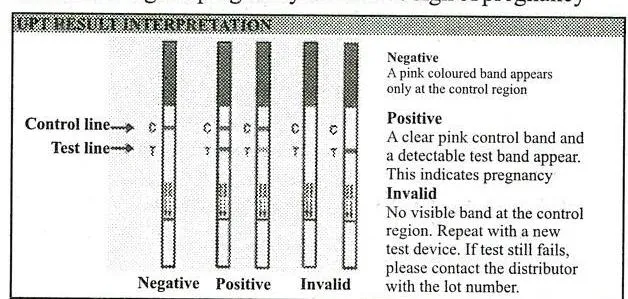
Q70 · Obstetrics & Gynaecology · Diagnosis of Pregnancy
A positive over-the-counter pregnancy test is considered a?
- A.
Possible sign of pregnancy
- B.
Presumptive sign of pregnancy
- C.
Probable sign of pregnancy
- D.
Positive sign of pregnancy
- A.
Q71 · Nursing Foundations · Fluid, electrolytes & Acid-base balances
A patient is receiving 3000 ml of 0.9% NaCl IV in 24 hours. The intravenous set delivers 15 drops per milliliter. The nurse should regulate the flow rate so the patient receives how many drops of fluid per minute?
- A.
21
- B.
28
- C.
31
- D.
42
- A.
Q72 · Medical & Surgical Nursing · Cardiovascular, Circulatory, and Hematologic Function
A patient presents to the emergency department with a blood pressure of 180/130 mmHg, headache, and confusion. Which additional finding is consistent with a diagnosis of hypertensive emergency?
- A.
Retinopathy
- B.
Bradycardia
- C.
Jaundice
- D.
Urinary retention
- A.
Q73 · Mental Health Nursing · Mood disorders
Which of the following describes the cognitive triad of depression?
- A.
Helplessness, sleeplessness, worthlessness
- B.
Thoughtlessness, worthlessness, sleeplessness
- C.
Hopelessness, worthlessness, thoughtlessness
- D.
Hopelessness, worthlessness, helplessness
- A.
Q74 · Community Health Nursing · Epidemiology – Epidemiological Approaches and Processes
Match list - I with list II and indicate your answer with the help of the codes given below?
List I
P. Number of new cases that occur over a given period of time Q. Study of the distribution of diseases or health related behaviours in a given population R. Number of cases in a population in a given period of time S. A group or cluster of symptoms that occur together.
List II
1. Epidemiology 2. Syndrome 3. Incidence 4. Prevalence Codes: PQRS
- A.
2134
- B.
4213
- C.
3142
- D.
1432
- A.
Q75 · Pharmacology · General Pharmacology
The doctor orders Zofram (ondansetron HCl) 8 mg PO t.i.d. The pharmacy sends a 100 ml bottle, labeled 4 mg/teaspoon. How many ml should be given for each dose?
- A.
2 ml
- B.
8 ml
- C.
5 ml
- D.
10 ml
- A.
- Sign in free
Done 75 questions? Check your answers
Sign in free: every answer with its explanation, attempt the paper timed with negative marking, and track your score.
Q76 · Community Health Nursing · National Health Programs
DOTS stands for
- A.
Direct observation treatment short course
- B.
Differential observation treatment short course
- C.
Direct observation treatment scheme
- D.
Direct observation treatment survey
- A.
Q77 · Applied Microbiology & Infection control · Pathogenic Organisms
Which of the following is a vector of infection?
- A.
An infectious fly
- B.
A contaminated thermometer
- C.
A contaminated ball
- D.
An infected person
- A.
Q78 · Medical & Surgical Nursing · Digestive and Gastrointestinal Function
The nurse is providing a teaching session to a client who has ulcerative colitis. The nurse will instruct the client for which diet?
- A.
Carbohydrate-consistent diet
- B.
High-calorie, high-protein diet
- C.
High-calcium and high potassium diet
- D.
Low-residue, low-fiber diet
- A.
Q79 · Medical & Surgical Nursing · Musculoskeletal Function
Which of the following is paired correctly with its description about skeletal fracture?
- A.
An avulsion fracture: a fracture that extracts a part of bone from the ligament or tendon
- B.
A greenstick fracture: this bends the bone not lead to a fracture
- C.
A complete fracture: the fractured bone pierces to the skin surface through the skin
- D.
A pathological fracture: a fracture that occurs due to some physical trauma
- A.
Q80 · Pharmacology · Drug Affecting Blood & Blood Formation
The nurse anticipates the following laboratory study to assess the therapeutic effect in the client taking heparin intravenously?
- A.
Prothrombin
- B.
Activated partial thromboplastin time
- C.
Hematocrit
- D.
Hemoglobin
- A.
Q81 · Mental Health Nursing · Schizophrenia
A perception that occurs when a sensory stimulus is present but is incorrectly perceived and misinterpreted is known as?
- A.
Hallucination
- B.
Delusion
- C.
Illusion
- D.
Neologism
- A.
Q82 · Applied Psychology · Introduction
Given below are the three types of psychological investigations:
(1) field experiments,
(2) laboratory experiments, and
(3) ex post facto field studies.
If the above investigation are arranged in descending order in terms of researcher's ability to control secondary variance, the typical order would be?
- A.
2, 1, 3
- B.
3, 1, 2
- C.
2, 3, 1
- D.
3, 2, 1
- A.
Q83 · Nursing Foundations · Health Assessment
Physical assessment is being performed by a nurse. During the abdominal examination, nurse should perform the four physical examination techniques in which sequence?
- A.
Auscultation immediately after inspection and then percussion and palpation
- B.
Percussion, following by inspection, auscultation and palpation
- C.
Palpation of tender areas first and then inspection, percussion and auscultation
- D.
Inspection and then palpation, percussion and auscultation
- A.
Q84 · Nursing Foundations · Vital Signs
What is the term used for normal respiratory rhythm and depth in a client?
- A.
Eupnea
- B.
Apnea
- C.
Bradypnea
- D.
Tachypnea
- A.
Q85 · Medical & Surgical Nursing · Perioperative Concepts and Nursing Management
Ms. Anita asks the nurse when she can start eating after surgery. What is the most appropriate response by the nurse?
- A.
"You'll have to ask the doctor."
- B.
"Tell me about your appetite."
- C.
"You'll likely start on clear fluids once bowel sounds can be heard."
- D.
"I'll have the dietitian consult with you about the most nutritious post surgery menus."
- A.
Q86 · Pharmacology · Antimicrobial Drugs
A 65-year-old patient with pneumonia is receiving Gentamicin. It would be most important for a nurse to monitor which of the following laboratory values in this patient?
- A.
Hemoglobin and hematocrit
- B.
Blood urea nitrogen and creatinine
- C.
Platelet count and clotting time
- D.
Sodium and potassium
- A.
Q87 · Medical & Surgical Nursing · Neurologic Function
Which of these assessment findings should the nurse expect to identify as an early clinical characteristic of multiple sclerosis (MS)?
- A.
Dementia
- B.
Muscle atrophy
- C.
Vision loss
- D.
Clonus
- A.
Q88 · Applied Microbiology & Infection control · Immunity
Which of the following is not a potential source of acquired immunity?
- A.
Antibodies received in response to disease
- B.
Antibodies received from the mother
- C.
Prescribed multivitamins
- D.
Animal serum
- A.
Q89 · Mental Health Nursing · Schizophrenia
Which of the following pairs is not the negative symptom of schizophrenia?
- A.
Emotional flattening and asociality
- B.
Anhedonia and amotivation
- C.
Poverty of speech and apathy
- D.
Hallucinations and bizarre behavior
- A.
Q90 · Nursing Foundations · Nursing Process
This step of the nursing process includes the systematic collection of all subjective and objective data about the client in which the nurse focuses holistically on the client physical, psychological, emotional, socio-cultural, and spiritual aspect?
- A.
Assessment
- B.
Planning
- C.
Implementation
- D.
Diagnosis
- A.
Q91 · Nursing Foundations · History of Nursing & Nursing as a profession
During which war did the United States ask for Florence Nightingale's assistance in setting up military hospitals?
- A.
Crimean war
- B.
World war I
- C.
World war II
- D.
Civil war
- A.
Q92 · Applied Microbiology & Infection control · Employee Safety Indicators
Nurse working in an operation theatre must know, the risk of HIV infection with needle stick injury is about?
- A.
1:100
- B.
1:200
- C.
1:300
- D.
1:400
- A.
Q93 · Medical & Surgical Nursing · Cardiovascular, Circulatory, and Hematologic Function
A nurse receives report on four clients admitted to the emergency room. Who should she assess first?
- A.
Client with cherry red skin who has been waiting 15 minutes
- B.
Client with a blood pressure of 170/76 on 2L of oxygen via NC
- C.
Client vomiting from a heroin overdose
- D.
Client with asthma receiving treatment from respiratory therapy
- A.
Q94 · Community Health Nursing · Environmental Science, Environmental Health, and Sanitation
World health day is observed on?
- A.
7th April
- B.
8th May
- C.
9th June
- D.
10th July
- A.
Q95 · Pharmacology · Autacoids & Related Drugs
Which of the following signs and symptoms indicates salicylate toxicity?
- A.
Chest pain
- B.
Pink coloured urine
- C.
Slow pulse rate
- D.
Ringing in ears
- A.
Q96 · Medical & Surgical Nursing · Cardiovascular, Circulatory, and Hematologic Function
A 68 year old woman diagnosed with thrombocytopenia due to acute lymphocytic leukemia is admitted to the hospital. The nurse should assign the patient to?
- A.
To a private room so she/he feel security
- B.
To private room so she will not be infected by other patients and health care workers
- C.
To a semiprivate room so she will have stimulation during her hospitalization
- D.
To a semiprivate room so she will have the opportunity to express her feelings about her illness
- A.
Q97 · Applied Anatomy · Nervous System
Select the cranial nerve paired with its name correctly?
- A.
The twelfth cranial nerve: the hypoglossal nerve
- B.
The fifth cranial nerve: the auditory nerve
- C.
The second cranial nerve: the olfactory nerve
- D.
The tenth cranial nerve: the trigeminal nerve
- A.
Q98 · Forensic Nursing & Indian laws · Indian Judicial System and Laws
What is the age limit approved in COTPA bill for the sale of tobacco products and cigarettes in approved packing?
- A.
16 years
- B.
18 years
- C.
21 years
- D.
25 years
- A.
Q99 · Pharmacology · Drugs Acting on Kidney
Furosemide acts on which part of the nephron?
- A.
Proximal tubule
- B.
Descending limb of the loop of Henle
- C.
Ascending limb of the loop of Henle
- D.
Distal tubule
- A.
Q100 · General Knowledge · International Current Affairs
Which of the following is true about the aim of sustainable development goals: goal 1?
- A.
Cut poverty by half in 2030
- B.
Reduce poverty by 75% by 2030
- C.
End poverty in all its forms everywhere
- D.
Help each nation make progress on reducing poverty
- A.