GMCH Chandigarh Nursing Officer 2025 question paper
GMCH Nursing Officer · 2025 · 100 questions · 120 minutes · 0.25 mark deducted per wrong answer
- Medical & Surgical Nursing 33
- Community Health Nursing 11
- Nursing Foundations 9
- Mental Health Nursing 6
- Obstetrics & Gynaecology 6
- Pharmacology 6
- Child Health Nursing (Pediatrics) 6
- Nursing Research & Statistics 5
- Applied Microbiology & Infection control 5
- Nursing Management & Leadership 4
- Nursing Education 3
- Forensic Nursing & Indian laws 3
- Applied Nutrition & Dietetics 2
- Applied Psychology 1
See the answers and explanations
Sign in free: every answer with its explanation, attempt the paper timed with negative marking, and track your score.
Q1 · Nursing Education · Assessment and Planning
While teaching pharmacology to intern nurses at bedside, the nurse educator asks them to explain the rationale for the drug regimen of a cardiac patient. Which teaching principle is being applied?
- A.
Repetition
- B.
Motivation
- C.
Correlation with clinical experience
- D.
Evaluation
- A.
Q2 · Community Health Nursing · Demography, Surveillance and Interpretation of Data
Which of the following is a correct pairing of indicator and purpose?
- A.
Crude Birth Rate Measures total deaths
- B.
Infant Mortality Rate Indicator of socio-economic development
- C.
Maternal Mortality Rate Measures immunization coverage
- D.
Total Fertility Rate Measures disease prevalence
- A.
Q3 · Nursing Management & Leadership · Organisational Behaviour & Human Relations
Which leadership style is most appropriate in a high-acuity critical care unit during a code blue emergency?
- A.
Transformational
- B.
Democratic
- C.
Autocratic
- D.
Laissez-faire
- A.
Q4 · Medical & Surgical Nursing · Gas Exchange and Respiratory Function
During weaning from mechanical ventilation, which sign indicates that the patient is not tolerating the trial?
- A.
Respiratory rate of 18/min
- B.
SpO₂ of 96%
- C.
Use of accessory muscles & paradoxical abdominal movement
- D.
Tidal volume of 450 mL
- A.
Q5 · Mental Health Nursing · Treatment modalities and therapies used in mental disorders
In the milieu therapy setting, which principle most effectively fosters autonomy in hospitalized psychiatric patients?
- A.
Minimizing patient choices to reduce stress
- B.
Encouraging patient participation in decision-making
- C.
Enforcing rigid ward routines to maintain safety
- D.
Limiting peer interaction to reduce triggers
- A.
Q6 · Obstetrics & Gynaecology · Hypertensive Disorders in Pregnancy
A patient with preeclampsia is on magnesium sulfate. Which sign indicates magnesium toxicity?
- A.
Positive ankle clonus
- B.
Respiratory rate of 10/min
- C.
Blood pressure of 160/110 mmHg
- D.
Hyperreflexia
- A.
Q7 · Medical & Surgical Nursing · Cardiovascular, Circulatory, and Hematologic Function
What is the most critical nursing assessment after administering IV thrombolytics for myocardial infarction?
- A.
Assess respiratory effort
- B.
Monitor for chest pain
- C.
Check for signs of bleeding
- D.
Monitor ECG for ST elevation
- A.
Q8 · Obstetrics & Gynaecology · Injuries to the Birth Canal
A woman who has been in labor for 36 hours is found to have a ruptured uterus. What is the most appropriate treatment in this scenario?
- A.
Emergency cesarean section
- B.
Vaginal delivery
- C.
Administration of antibiotics
- D.
Induction of labor
- A.
Q9 · Medical & Surgical Nursing · Gas Exchange and Respiratory Function
Which intervention is the priority for a patient with a GCS score of 7?
- A.
Insert a nongastric tube
- B.
Administer IV fluids
- C.
Prepare for intubation
- D.
Provide family counseling
- A.
Q10 · Pharmacology · Drug Affecting Blood & Blood Formation
A nurse is caring for a patient on warfarin therapy with an INR of 5.6. Which medication should be administered?
- A.
Vitamin K
- B.
Protamine sulfate
- C.
Fresh frozen plasma
- D.
Heparin
- A.
Q11 · Nursing Education · Implementation
A nurse educator observes that students lack confidence during patient interaction. Which approach best addresses this issue?
- A.
Increasing classroom lectures on communication skills
- B.
Assigning individual assignments on patient rights
- C.
Organizing structured role-playing of patient scenarios
- D.
Providing detailed manuals on nurse-patient communication
- A.
Q12 · Child Health Nursing (Pediatrics) · Disorders of Cardiovascular System
A 4-year-old child with a history of cyanotic heart disease is scheduled for a minor surgical procedure. Pre-operative vitals are stable, but the child suddenly becomes unresponsive and cyanotic while waiting. What is the most likely cause of this sudden deterioration?
- A.
Febrile seizure
- B.
Tet spell (hypercyanotic spell)
- C.
Hypoglycemia
- D.
Pulmonary embolism
- A.
Q13 · Nursing Education · Assessment and Evaluation Methodologies
During evaluation of student nurses' clinical performance, which of the following best ensures objectivity?
- A.
Anecdotal records by clinical instructors
- B.
Use of standardized checklists and rating scales
- C.
Peer assessment and feedback
- D.
Faculty group discussion post-clinical posting
- A.
Q14 · Medical & Surgical Nursing · Neurologic Function
In a patient with increased intracranial pressure (ICP), which intervention should be avoided?
- A.
Head midline and elevated 30°
- B.
Frequent suctioning
- C.
Osmotic diuretics
- D.
Hypertonic saline
- A.
Q15 · Child Health Nursing (Pediatrics) · Newborn Infants
The nurse who is a team member of neonatal resuscitation is rightly resuscitating the newborn when she provides a compression ventilation ratio of _______.
- A.
3:1
- B.
5:1
- C.
15:1
- D.
30:2
- A.
Q16 · Nursing Foundations · Nursing Process
While using the nursing process, a nurse formulates nursing diagnoses based on which of the following?
- A.
Physician's diagnosis
- B.
Patient's identified medical problem
- C.
Subjective and objective assessment data
- D.
Treatment plan from interdisciplinary team
- A.
Q17 · Pharmacology · Chemotherapy of Neoplastic Drugs
The nurse providing care to a patient of carcinoma bladder explains rightly that myositis is a side effect of _______ drugs.
- A.
Antineoplastic agents
- B.
Anxiolytics
- C.
Antidepressants
- D.
Narcotic analgesics
- A.
Q18 · Community Health Nursing · Reproductive, maternal, newborn, child and adolescent Health (Review from OBG Nursing and application in community setting)
A community assessment reveals high infant mortality despite high antenatal coverage. What should the nurse evaluate next?
- A.
Nutritional practices of mothers
- B.
Sanitation facilities
- C.
Quality of intra-natal and postnatal services
- D.
Immunization records
- A.
Q19 · Nursing Research & Statistics · Research Approaches and Designs
Which of the following threats to internal validity is best controlled by using random assignment in experimental studies?
- A.
History
- B.
Maturation
- C.
Selection bias
- D.
Testing effect
- A.
Q20 · Medical & Surgical Nursing · Gas Exchange and Respiratory Function
Which of the following maneuver you will use for a patient who is brought to emergency after a fall from ladder while doing electrical work on a street light?
- A.
Jaw thrust maneuver
- B.
Neck extension
- C.
Head tilt chin lift
- D.
Modified head tilt chin lift
- A.
Q21 · Nursing Foundations · Administration of medications
The nurse administering medication to a patient realizes that she has administered a wrong dose of medication to the patient. But she informed the physician regarding the error immediately. The nurse demonstrates:
- A.
Responsibility
- B.
Authority
- C.
Decision making
- D.
Accountability
- A.
Q22 · Community Health Nursing · Family planning
Which of the following health programs in India focuses on population stabilization, gender equity, and reproductive rights?
- A.
National Population Policy
- B.
National Tuberculosis Elimination Programme
- C.
National Rural Health Mission
- D.
Integrated Child Development Scheme
- A.
Q23 · Forensic Nursing & Indian laws · Forensic Team and evidence
Which of the following patient brought to emergency require the involvement of a forensic nurse?
- A.
An old woman with signs of abuse
- B.
A college student with signs of rape
- C.
A victim of violence
- D.
A victim of assault while doing robbery
- A.
Q24 · Medical & Surgical Nursing · Musculoskeletal Function
Identify the type of fracture seen in the given X-ray:
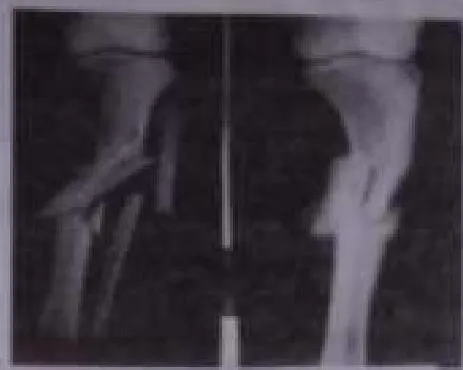
- A.
Transverse fracture
- B.
Green stick fracture
- C.
Comminuted fracture
- D.
Spiral fracture
- A.
Q25 · Community Health Nursing · National Health Programs
Which of the following indicators is not used to measure the effectiveness of the Janani Suraksha Yojana (JSY)?
- A.
Institutional delivery rate
- B.
Maternal mortality ratio
- C.
Neonatal mortality rate
- D.
Total fertility rate
- A.
- Sign in free
Done 25 questions? Check your answers
Sign in free: every answer with its explanation, attempt the paper timed with negative marking, and track your score.
Q26 · Medical & Surgical Nursing · Other Acute Problems
How many compressions and breaths should you do for each cycle of CPR?
- A.
15 compressions, 2 breaths
- B.
30 compressions, 5 breaths
- C.
30 compressions, 2 breaths
- D.
15 compressions, 5 breaths
- A.
Q27 · Mental Health Nursing · Schizophrenia
Which neurotransmitter imbalance is most strongly associated with the positive symptoms of schizophrenia?
- A.
Decreased serotonin
- B.
Increased dopamine activity in the mesolimbic pathway
- C.
Decreased GABA
- D.
Increased norepinephrine in the frontal cortex
- A.
Q28 · Medical & Surgical Nursing · Cardiovascular, Circulatory, and Hematologic Function
A nurse notes narrow pulse pressure, muffled heart sounds, and jugular vein distention in a trauma patient. What condition is suspected?
- A.
Tension pneumothorax
- B.
Cardiac tamponade
- C.
Myocardial infarction
- D.
Pulmonary embolism
- A.
Q29 · Community Health Nursing · Health Care Planning and Organization of Health Care at various levels
Which is the correct match regarding Indian health committees and their contributions?
- A.
Bhore Committee Introduced CHC concept
- B.
Kartar Singh Committee Laid foundation of multipurpose worker scheme
- C.
Shrivastava Committee Focused on medical education reform
- D.
Mudaliar Committee Introduced primary health care
- A.
Q30 · Medical & Surgical Nursing · Perioperative Concepts and Nursing Management
Nurse is giving care to a teenage girl with Mullerian agenesis on first postoperative day of vaginoplasty. Which of the following instruction by the physician should alert the nurse?
- A.
Early ambulation
- B.
Removal of Foley's catheter
- C.
Early resumption of feeding
- D.
Respiratory exercises
- A.
Q31 · Medical & Surgical Nursing · Pain Management
Which of the following is a standardized scale that can be used by a nurse to best quantify the severity of postoperative pain in an adult patient?
- A.
Color analog scale
- B.
11-point numerical rating scale
- C.
Descriptive rating scale
- D.
Faces pain scale
- A.
Q32 · Applied Psychology · Biology of behaviour
In behavioral therapy, which of the following is an example of negative reinforcement?
- A.
A patient receives praise for taking medication
- B.
A nurse ignores a patient's shouting to extinguish behavior
- C.
A patient's pain subsides after following an exercise regime
- D.
A patient is reprimanded for refusing physiotherapy
- A.
Q33 · Pharmacology · Drugs acting on Autonomic Nervoys system
A patient with septic shock is being treated with norepinephrine. Which is the primary goal of this therapy?
- A.
Increase systemic vascular resistance and MAP
- B.
Reduce heart rate
- C.
Decrease myocardial oxygen demand
- D.
Improve urine output directly
- A.
Q34 · Nursing Research & Statistics · Inferential Statistics
Which of the following is the most appropriate statistical test to compare the mean pain scores between three groups receiving different analgesic protocols?
- A.
Paired t-test
- B.
ANOVA
- C.
Chi-square test
- D.
Pearson correlation
- A.
Q35 · Medical & Surgical Nursing · Miscellaneous
Which among the following is an inappropriate management for Mr. Y with serum potassium 6.2 mEq/L?
- A.
Administration of spironolactone
- B.
Calcium gluconate infusion
- C.
5% dextrose with insulin
- D.
Infusion of sodium bicarbonate
- A.
Q36 · Medical & Surgical Nursing · Fluid and Electrolytes: Balance and Distribution
During acute management, which electrolyte imbalance is most expected in the first 24 hours post-burn?
- A.
Hyperkalemia
- B.
Hypernatremia
- C.
Hypokalemia
- D.
Hypercalcemia
- A.
Q37 · Medical & Surgical Nursing · Fluid and Electrolytes: Balance and Distribution
In a patient with Diabetic Ketoacidosis, which laboratory value requires the most immediate intervention?
- A.
Blood glucose of 490 mg/dL
- B.
Serum potassium of 2.8 mEq/L
- C.
Serum bicarbonate of 12 mEq/L
- D.
Arterial pH of 7.25
- A.
Q38 · Community Health Nursing · Health Care Planning and Organization of Health Care at various levels
Under Ayushman Bharat, Health and Wellness Centres (HWCs) aim to deliver which level of care?
- A.
Specialized secondary care
- B.
Community-based rehabilitation
- C.
Comprehensive primary health care
- D.
Emergency trauma care
- A.
Q39 · Nursing Management & Leadership · Management Process
A nursing superintendent decides to decentralize decision-making. Which benefit is most likely to result from this strategy?
- A.
Faster decision-making at the point of care
- B.
Reduced communication between departments
- C.
Increased control at the executive level
- D.
Homogenization of staff policies
- A.
Q40 · Mental Health Nursing · Miscellaneous
The nurse is providing care to a patient with bipolar disorder. Which of the following lithium levels of the patient she understands as within the therapeutic range?
- A.
0.4 mmol/L
- B.
1.1 mmol/L
- C.
1.8 mmol/L
- D.
2.6 mmol/L
- A.
Q41 · Community Health Nursing · Epidemiology – Epidemiological Approaches and Processes
Herd immunity protects the population by:
- A.
Treating infected individuals
- B.
Vaccinating children only
- C.
Reducing the number of susceptible hosts
- D.
Isolating infected persons
- A.
Q42 · Medical & Surgical Nursing · Integumentary Function
The burned area on the right arm of a patient received in emergency room appears red, has blisters, and is very painful. The nurse correctly identifies it as
- A.
Superficial burn
- B.
Partial thickness burn
- C.
Deep burn
- D.
Full thickness burn
- A.
Q43 · Forensic Nursing & Indian laws · Thanatology
Which of the following rightly describes the changes happening in a cadaver?
- A.
Rigor, cooling, marbling, mummification
- B.
Marbling, cooling, rigor, mummification
- C.
Cooling, marbling, rigor, mummification
- D.
Cooling, rigor, marbling, mummification
- A.
Q44 · Mental Health Nursing · Schizophrenia
The nurse is collecting history from the husband of Mrs. X brought to psychiatry OPD. Which of the following symptom reported by her husband leads the nurse towards the diagnosis of schizophrenia?
- A.
Hallucinations
- B.
Excessive worry
- C.
Delirium
- D.
Grandiosity
- A.
Q45 · Medical & Surgical Nursing · Miscellaneous
The nurse is involved in managing a patient with cardiac arrest. Which of the following must be considered as a shockable rhythm while providing Advanced Cardiac Life Support (ACLS)?
- A.
Ventricular tachycardia
- B.
Atrial tachycardia
- C.
Atrial fibrillation
- D.
Ventricular fibrillation
- A.
Q46 · Nursing Research & Statistics · Foundation of Nursing Research
Which statement best reflects evidence-based practice (EBP) in nursing?
- A.
We've always done it this way, so we continue.
- B.
I read a textbook that recommends this method.
- C.
Found a recent clinical trial supporting this technique.
- D.
My supervisor prefers this procedure over others.
- A.
Q47 · Nursing Management & Leadership · Management Basics Applied to Nursing
Which management theory focuses on workers' motivation through self-direction & autonomy?
- A.
Scientific Management Theory
- B.
Theory X
- C.
Bureaucratic Theory
- D.
Theory Y
- A.
Q48 · Medical & Surgical Nursing · Pain Management
The nurse is providing care to Mr X who is admitted in a palliative care unit. The main strategy used in palliative care to manage pain is ______.
- A.
Acetaminophen
- B.
Diazepam
- C.
Gabapentin
- D.
Morphine
- A.
Q49 · Applied Nutrition & Dietetics · Balanced Diet
Breast milk can be stored at room temperature safely for ___ hours.
- A.
2 hours
- B.
4 hours
- C.
6 hours
- D.
8 hours
- A.
Q50 · Medical & Surgical Nursing · Immunologic Function
A patient is receiving an antibiotic. She suddenly complains of trouble breathing, weakness, and nausea. The nurse should recognize that these signs are usually indicative of impending:
- A.
Pulmonary embolism
- B.
Heart attack
- C.
Anaphylaxis
- D.
Bronchospasm
- A.
- Sign in free
Done 50 questions? Check your answers
Sign in free: every answer with its explanation, attempt the paper timed with negative marking, and track your score.
Q51 · Medical & Surgical Nursing · Neurologic Function
The Glasgow Coma Scale assesses all the following parameters, EXCEPT?
- A.
Motor response
- B.
Verbal response
- C.
Eye opening
- D.
Memory
- A.
Q52 · Nursing Foundations · Promoting safety in health care environment
The Heimlich maneuver (abdominal thrust) is used for a client who has:
- A.
A bloody nose
- B.
A blocked airway
- C.
Fall from bed
- D.
Impaired eyesight
- A.
Q53 · Nursing Foundations · Procedures
The proper steps for operating AED?
- A.
Switch on AED, analyze the rhythm, apply pad, deliver shock
- B.
Switch on AED, apply pads, clear the victim, deliver shock
- C.
Apply pads, switch on AED, deliver shock, analyze rhythm
- D.
Apply pads, switch on AED, clear the victim, deliver shock
- A.
Q54 · Medical & Surgical Nursing · Perioperative Concepts and Nursing Management
While preparing a disinfection protocol for reusable surgical instruments, a nurse chooses glutaraldehyde. Which of the following instruments is most appropriately disinfected using high-level disinfection with glutaraldehyde?
- A.
Vaginal speculum
- B.
Laryngoscope blade
- C.
Surgical scalpel
- D.
IV infusion set
- A.
Q55 · Forensic Nursing & Indian laws · Dummy
A nurse notes that a diabetic patient has not received insulin as prescribed due to a missed dose. Which ethical principle has been most violated?
- A.
Autonomy
- B.
Fidelity
- C.
Nonmaleficence
- D.
Veracity
- A.
Q56 · Child Health Nursing (Pediatrics) · Development
After delivery, a newborn infant is immediately assessed with a routine procedure as part of their care. Which of the following scale is used for this immediate newborn assessment?
- A.
Infant Functionality Scale
- B.
Apgar scoring system
- C.
Neonatal Development Scale
- D.
Dubowitz-Ballard Scale
- A.
Q57 · Mental Health Nursing · Miscellaneous
A patient on lithium therapy presents with diarrhea, muscle weakness, and coarse tremors. What should the nurse suspect?
- A.
Lithium non-compliance
- B.
Lithium toxicity
- C.
Dehydration
- D.
Serotonin syndrome
- A.
Q58 · Child Health Nursing (Pediatrics) · Common Medical Procedures
A child admitted after ventriculo-peritoneal shunt is receiving 60 ml/hour normal saline via a micro-drip set. How much drop rate is required to meet the fluid requirement of the child?
- A.
40 drops/minute
- B.
60 drops/minute
- C.
80 drops/minute
- D.
10 drops/minute
- A.
Q59 · Medical & Surgical Nursing · Cardiovascular, Circulatory, and Hematologic Function
Which finding indicates cardiac tamponade in a patient post open heart surgery?
- A.
Narrow pulse pressure and muffled heart sounds
- B.
Hypertension and bounding pulses
- C.
Bradycardia with high CVP
- D.
Loud S1 and increased cardiac output
- A.
Q60 · Obstetrics & Gynaecology · Diagnosis of Pregnancy
The primary hormone responsible for maintaining the pregnancy in the early stages is ______.
- A.
Estrogen
- B.
HCG
- C.
Progesterone
- D.
Oxytocin
- A.
Q61 · Medical & Surgical Nursing · Cardiovascular, Circulatory, and Hematologic Function
Which hemodynamic parameter is most indicative of left ventricular preload?
- A.
Central venous pressure (CVP)
- B.
Mean arterial pressure (MAP)
- C.
Pulmonary capillary wedge pressure (PCWP)
- D.
Systemic vascular resistance (SVR)
- A.
Q62 · Applied Microbiology & Infection control · Hand Hygiene
Which of the following hand hygiene moments is most frequently missed in clinical settings, according to WHO compliance studies?
- A.
Before touching a patient
- B.
After body fluid exposure risk
- C.
After touching patient surroundings
- D.
After touching a patient
- A.
Q63 · Community Health Nursing · Health Care Planning and Organization of Health Care at various levels
According to the Indian Public Health Standards (IPHS), what is the population norm for a PHC in hilly/tribal areas?
- A.
10,000
- B.
20,000
- C.
30,000
- D.
50,000
- A.
Q64 · Nursing Foundations · Administration of medications
Calculate the drop per minute if a nurse wants to administer intravenous (IV) fluid at a rate of 60 ml/hour using a micro drip set?
- A.
15 drops/minute
- B.
20 drops/minute
- C.
30 drops/minute
- D.
60 drops/minute
- A.
Q65 · Community Health Nursing · Concepts of Community Health and Community Health Nursing
A community health nurse is assessing the neighborhood near the health agency. He drove around observing the condition of the buildings, facilities, and the people in the community. Which of the following best describes the action done by the nurse?
- A.
A phenomenological survey
- B.
A neighborhood observation
- C.
An ethnographic study
- D.
A windshield survey
- A.
Q66 · Nursing Research & Statistics · Population, Sample & Sampling
A nursing researcher wants to estimate the prevalence of gestational diabetes among pregnant women in rural India. Which of the following sampling techniques is best suited for this purpose?
- A.
Purposive sampling
- B.
Quota sampling
- C.
Simple random sampling
- D.
Snowball sampling
- A.
Q67 · Medical & Surgical Nursing · Integumentary Function
During the first 24 hours after a major burn injury, which of the following should the nurse anticipate?
- A.
Hyperkalemia and metabolic alkalosis
- B.
Hypokalemia and metabolic acidosis
- C.
Hyperkalemia and metabolic acidosis
- D.
Hypocalcemia and respiratory alkalosis
- A.
Q68 · Nursing Foundations · History of Nursing & Nursing as a profession
The theme for International Nurses Day 2025 was:
- A.
Our Nurses. Our Future. Caring Nurses Strengthens economies
- B.
Nursing Power to Change the World!
- C.
Our Nurses. Our Future
- D.
Nurses: A voice to lead. Invest in Nursing and Respect Rights to secure global health
- A.
Q69 · Nursing Foundations · Introduction to Health & Illness
In Maslow's hierarchy of needs, which intervention demonstrates prioritisation of physiological needs?
- A.
Teaching relaxation techniques to reduce anxiety
- B.
Providing a heated blanket to a hypothermic patient
- C.
Encouraging socialization in a long-term care setting
- D.
Assisting with spiritual support at end-of-life care
- A.
Q70 · Pharmacology · Cardiovascular Drugs
A patient presents with third-degree heart block on ECG. Which drug is contraindicated?
- A.
Epinephrine
- B.
Isoproterenol
- C.
Atropine
- D.
Digoxin
- A.
Q71 · Medical & Surgical Nursing · Integumentary Function
Which laboratory finding is most consistent with inhalation injury?
- A.
Decreased PaCO₂ with respiratory alkalosis
- B.
Elevated carboxyhemoglobin levels
- C.
Elevated serum amylase
- D.
Low hematocrit
- A.
Q72 · Medical & Surgical Nursing · Neurologic Function
Mr. X is admitted with traumatic brain injury in critical care unit. On assessment, he opens eyes to pain, produces incomprehensible sound and localizes upper extremities to pain. What is his score on Glasgow Coma Scale?
- A.
E3V3M6
- B.
E3V2M4
- C.
E2V2M5
- D.
E2V3M5
- A.
Q73 · Medical & Surgical Nursing · Sensorineural Function
Which of the following advice given by nurse to a postoperative patient of extracapsular cataract extraction and lens implantation is inappropriate?
- A.
Use the eye patch for 24 hours
- B.
Use aspirin for pain
- C.
Minimize activity for 24 hours
- D.
Wear sunglasses
- A.
Q74 · Obstetrics & Gynaecology · Normal Labor
Mrs. X is in active labor and is hyperventilating with a respiratory rate of 28. You are expecting that she will develop respiratory alkalosis. Which of the following presenting manifestations would you notice the patient to have?
- A.
Productive and persistent coughing
- B.
Dizziness
- C.
Cyanosis
- D.
Pallor
- A.
Q75 · Nursing Foundations · Vital Signs
When recording blood pressure using Sphygmomanometer, the sounds which can be heard with a stethoscope placed over the artery is termed as:
- A.
Wheeze
- B.
Murmurs
- C.
Crackle sounds
- D.
Korotkoff sounds
- A.
- Sign in free
Done 75 questions? Check your answers
Sign in free: every answer with its explanation, attempt the paper timed with negative marking, and track your score.
Q76 · Child Health Nursing (Pediatrics) · Integrated Management of Neonatal and Childhood Illness
A 3-month-old child is noticed to have chest indrawing and difficulty in breast feeding. How would you classify the child using integrated management of childhood illness (IMCI)?
- A.
Bronchopneumonia
- B.
Pneumonia
- C.
Mild pneumonia
- D.
Severe pneumonia
- A.
Q77 · Nursing Management & Leadership · Miscellaneous
A nurse manager is evaluating cost-effectiveness of a tuberculosis (TB) control program. Which economic evaluation method is most appropriate?
- A.
Cost-Benefit Analysis (CBA)
- B.
Cost-Minimization Analysis (CMA)
- C.
Cost-Utility Analysis (CUA)
- D.
Cost-Effectiveness Analysis (CEA)
- A.
Q78 · Medical & Surgical Nursing · Fluid and Electrolytes: Balance and Distribution
The nurse identifies that the condition in which arterial blood gas analysis showing pH of 7 and plasma bicarbonate value of 19 mmol/L is ___.
- A.
Respiratory acidosis
- B.
Respiratory alkalosis
- C.
Metabolic acidosis
- D.
Metabolic alkalosis
- A.
Q79 · Child Health Nursing (Pediatrics) · Otolaryngology
Which of the following you identify as a risk factor for otitis media in an infant?
- A.
Preterm birth
- B.
Low birth weight
- C.
Bottle feeding
- D.
Formula feeding
- A.
Q80 · Applied Microbiology & Infection control · Biomedical Waste Management (BMW)
Which of the following combinations best meets the WHO criteria for a safe sharp's container in a high-risk infectious disease ward?
- A.
Transparent, puncture-resistant, foot-operated
- B.
Rigid, colorless, autoclavable
- C.
Leak-proof, puncture-resistant, labeled with biohazard symbol
- D.
Plastic, sealed with lid, located near pharmacy
- A.
Q81 · Applied Nutrition & Dietetics · Therapeutic Diet
A renal patient on hemodialysis is prescribed a high-biological value (HBV) protein diet. Which food would best meet this requirement?
- A.
Lentils
- B.
Tofu
- C.
Almonds
- D.
Egg whites
- A.
Q82 · Obstetrics & Gynaecology · Prolonged Labor, Obstructed Labor, Dystocia Caused by Fetal Anomalies
Mrs. Y is a 24-year-old primigravida at 39 weeks gestation who presents to the labor and delivery room in active labor. On admission, the obstetrician notes that she has been pushing for 3 hours with no descent of the fetal head. What is the most likely cause of Mrs. Y's obstructed labor?
- A.
Fetal malpresentation
- B.
Maternal exhaustion
- C.
Pelvic contracture
- D.
Fetal macrosomia
- A.
Q83 · Applied Microbiology & Infection control · Biomedical Waste Management (BMW)
What is the rationale for pre-treating microbiology laboratory waste before incineration or landfill disposal?
- A.
Prevent transmission of drug-resistant pathogens
- B.
Reduce plastic burden
- C.
Enhance combustion efficiency
- D.
Reduce color contamination in landfill soil
- A.
Q84 · Medical & Surgical Nursing · Miscellaneous
A client with COPD is receiving oxygen at 4 L/min via nasal cannula. Patient becomes increasingly drowsy. What is the likely cause?
- A.
Oxygen-induced hypercapnia
- B.
CO₂ necrosis from acidosis
- C.
Respiratory alkalosis from hyperventilation
- D.
Cerebral hypoxia
- A.
Q85 · Medical & Surgical Nursing · Miscellaneous
Which of the following intervention is considered right while providing first aid to a victim of snake bite?
- A.
Applying tourniquet above the bite wound
- B.
Attempting to suck out venom
- C.
Removing jewelry from the affected limb
- D.
Cut a bite wound
- A.
Q86 · Medical & Surgical Nursing · Miscellaneous
Which of the following ECG findings is most characteristic of hyperkalemia?
- A.
U waves and flattened T waves
- B.
Tall, peaked T waves and widened QRS complex
- C.
ST elevation and Q waves
- D.
Sinus tachycardia with premature atrial complexes
- A.
Q87 · Community Health Nursing · Assisting individuals and families to promote and maintain their health
Which is the correct sequence of steps in the Community Health Nursing Process?
- A.
Assessment → Implementation → Planning → Evaluation
- B.
Planning → Diagnosis → Implementation → Assessment
- C.
Assessment → Diagnosis → Planning → Implementation → Evaluation
- D.
Diagnosis → Planning → Implementation → Evaluation → Assessment
- A.
Q88 · Medical & Surgical Nursing · Immunologic Function
A nurse caring for an immunocompromised patient with neutropenia must:
- A.
Use only droplet precautions
- B.
Avoid fresh fruits and flowers in the patient's room
- C.
Restrict all visitors regardless of symptoms
- D.
Apply airborne precautions for all procedures
- A.
Q89 · Medical & Surgical Nursing · Fluid and Electrolytes: Balance and Distribution
Which electrolyte imbalance is most life-threatening in a patient with acute kidney injury (AKI)?
- A.
Hyperphosphatemia
- B.
Hypocalcemia
- C.
Hyperkalemia
- D.
Hypernatremia
- A.
Q90 · Obstetrics & Gynaecology · Complicated Pregnancy
Which statement accurately describes the mechanism of Rh isoimmunization?
- A.
Rh-negative mother produces IgM antibodies that cross the placenta
- B.
Rh-positive fetus destroys maternal red blood cells
- C.
Rh-positive mother develops antibodies against Rh-negative fetal cells
- D.
Rh-negative mother develops IgG antibodies after exposure to Rh-positive fetal cells
- A.
Q91 · Nursing Research & Statistics · Research Approaches and Designs
A nurse researcher is studying the effect of a new wound care protocol on healing time. She randomly assigns patients to intervention and control groups and measures wound healing over 3 weeks. Which research design is most appropriate for this study?
- A.
Descriptive design
- B.
Quasi-experimental design
- C.
True experimental design
- D.
Correlational design
- A.
Q92 · Mental Health Nursing · Psychiatric Emergencies
A psychiatric nurse observes a patient sitting still, staring at the wall, and resisting all attempts at interaction. What is the most appropriate nursing diagnosis?
- A.
Risk for Violence
- B.
Disturbed Sensory Perception
- C.
Social Isolation
- D.
Catatonia related to Schizophrenia
- A.
Q93 · Pharmacology · Hormones & Related Drugs
A patient (weight: 60 kg) admitted to critical care unit is to be administered with inj. methyl prednisolone 5.4 mg/kg/hour. The nurse dilutes 2 g methyl prednisolone in 50 ml of normal saline. Calculate the rate of infusion.
- A.
8.1 ml/hour
- B.
7.5 ml/hour
- C.
9.4 ml/hour
- D.
9 ml/hour
- A.
Q94 · Applied Microbiology & Infection control · Disinfection and Sterilization
During the sterilization audit of an autoclave, it is found that biological indicators test positive but chemical indicators are normal. What is the most appropriate conclusion?
- A.
The autoclave cycle was successful
- B.
The sterilization process was incomplete
- C.
Chemical indicators are more reliable than biological ones
- D.
It indicates only packaging failure
- A.
Q95 · Medical & Surgical Nursing · Neurologic Function
Mr X, 45 years is admitted with loss of balance while walking. A nurse performs the Romberg's sign to evaluate the function of ______.
- A.
Cerebellum
- B.
Acoustic nerve
- C.
Posterior spinal column
- D.
Facial nerve
- A.
Q96 · Applied Microbiology & Infection control · Hospital-Acquired Infections
A patient develops a catheter-associated urinary tract infection (CAUTI) despite adherence to aseptic insertion technique. Which of the following best explains this infection from an epidemiological standpoint?
- A.
Endogenous transmission via ascending colonization
- B.
Cross-transmission by health workers
- C.
Contaminated catheter tip during insertion
- D.
Improper urinary bag positioning
- A.
Q97 · Nursing Foundations · Patient Education
A student got chemical burn while working in the lab. As a school nurse, which of the following intervention you will do to reduce the severity of the burn?
- A.
Immediately cover the area
- B.
Apply antidote solution
- C.
Remove skin from burned area
- D.
Flush the area with water
- A.
Q98 · Pharmacology · Gastrointestinal Drugs
Which micronutrient deficiency is most commonly seen in patients on long-term proton pump inhibitor (PPI) therapy?
- A.
Iron
- B.
Zinc
- C.
Magnesium
- D.
Vitamin C
- A.
Q99 · Community Health Nursing · Assisting individuals and families to promote and maintain their health
Which epidemiological measure best reflects the burden of chronic illness in a community?
- A.
Crude death rate
- B.
Incidence rate
- C.
Prevalence rate
- D.
Case fatality rate
- A.
Q100 · Medical & Surgical Nursing · End-of-Life Care
The nurse caring a patient with lung cancer in palliative care unit understands that the main goal of palliative care is to provide _______.
- A.
Aggressive treatment
- B.
Plan surgery
- C.
Advanced diagnostic testing
- D.
Comfort and pain relief
- A.