RUHS Jaipur M.Sc Nursing Entrance 2015 question paper
RUHS M.Sc Nursing Entrance · 2015 · 120 questions · 120 minutes
- Medical & Surgical Nursing 41
- Obstetrics & Gynaecology 9
- Nursing Foundations 8
- Child Health Nursing (Pediatrics) 8
- Applied Nutrition & Dietetics 7
- Applied Physiology 7
- Community Health Nursing 6
- Applied Anatomy 6
- Pathology & Genetics 5
- Applied Sociology 5
- Applied Psychology 4
- Biochemistry & Nutrition 3
- Applied Microbiology & Infection control 3
- Pharmacology 3
- Mental Health Nursing 3
- Nursing Research & Statistics 1
- Health Information and Technology (Basic Computer) 1
See the answers and explanations
Sign in free: every answer with its explanation, attempt the paper timed with negative marking, and track your score.
Q1 · Medical & Surgical Nursing · Fluid and Electrolytes: Balance and Distribution
What is inside a red color fire extinguisher?
- A.
Carbon dioxide
- B.
Dry chemical
- C.
Foam
- D.
Water
- A.
Q2 · Pathology & Genetics · Systemic Pathology
Which of the following patho-physiological changes are seen in patient with pleurisy?
- A.
Inflammation of pleura stimulates nerve endings causing pain
- B.
Decrease or absence of inflammation
- C.
Increase pulmonary vascular resistance
- D.
Increase pulmonary arterial pressure
- A.
Q3 · Biochemistry & Nutrition · Lipids
Lipids can be stored in the body as a food resource because they are?
- A.
Insoluble in aqueous solution
- B.
Soluble in aqueous solution
- C.
Rich in fatty acids
- D.
Fat soluble
- A.
Q4 · Obstetrics & Gynaecology · Miscellaneous
Identify the obstetric instrument shown?
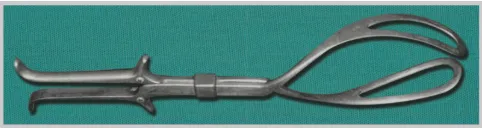
- A.
Wrigley's forceps
- B.
Piper's forceps
- C.
Das forceps
- D.
Kielland's forceps
- A.
Q5 · Medical & Surgical Nursing · Pain Management
Patient with appendicitis complains of pain, nurse can reduce pain by?
- A.
Giving analgesics
- B.
Applying ice bag
- C.
Giving rest and medicine
- D.
Giving position and comfort
- A.
Q6 · Nursing Foundations · Miscellaneous
What is the primary philosophy guiding hospice care for a patient with a terminal illness?
- A.
To provide aggressive, curative treatments to prolong life.
- B.
To focus on symptom management and enhancing the quality of life.
- C.
To offer care exclusively within a hospital or inpatient facility.
- D.
To prioritize the physical needs of the patient over psychosocial and spiritual needs.
- A.
Q7 · Applied Nutrition & Dietetics · National Nutritional Program and Role
How much dose of Vitamin A is administered every 6 months to Pre-School children?
- A.
100,000 IU
- B.
150,000 IU
- C.
200,000 IU
- D.
250,000 IU
- A.
Q8 · Applied Microbiology & Infection control · Miscellaneous
Antibodies that cause pathogens to dissolve or break up are known as?
- A.
Antitoxins
- B.
Lysins
- C.
Agglutinins
- D.
Precipitins
- A.
Q9 · Applied Psychology · Cognitive Process
One of the following experiments by Pavlov had shown an association between stimulus and response i.e. through pairing of conditional stimulus with an unconditional stimulus which gave response?
- A.
Operant conditioning
- B.
Classical conditioning
- C.
Conditional reinforcement
- D.
Autonomic responses
- A.
Q10 · Pharmacology · Miscellaneous
Patient with pulmonary embolism is given heparin I/V as an anti-coagulant and anti-thrombotic agent to?
- A.
Extend prothrombin time
- B.
Interrupt the coagulation mechanism
- C.
Neutralize heparin in case of bleeding
- D.
Extend clotting time and stop further thrombus formation
- A.
Q11 · Medical & Surgical Nursing · Sensorineural Function
One of the complications of chronic otitis media is?
- A.
Acute and chronic mastoiditis
- B.
Irreversible hearing loss
- C.
Infection
- D.
Internal injury
- A.
Q12 · Medical & Surgical Nursing · Immunologic Function
Which test is undertaken to measure the amount actively replicating HIV virus which help to know the progress and relapse of ART drugs?
- A.
HIV viral load test
- B.
CD4 count
- C.
CD4 percentage
- D.
Western blot test
- A.
Q13 · Obstetrics & Gynaecology · Normal Labor
A primigravida is in labor for 8 hours, when you notice that the labor curve comes to the right of the alert line. What will you do next?
- A.
Check uterine contractions
- B.
Give injection Oxytocin
- C.
Start normal saline infusion
- D.
Shift patient for Caesarean section
- A.
Q14 · Medical & Surgical Nursing · Gas Exchange and Respiratory Function
What will nurse do if she receives a patient with status asthmaticus manifest with tachypnea, laboured respiration with effort on exhalation, tachycardia, elevated blood pressure and is irritable?
- A.
Administer treatment as prescribed
- B.
Monitor i/v therapy and give bronchodilators
- C.
Start oxygen & check vital signs
- D.
Provide comfortable position and check vital signs
- A.
Q15 · Applied Microbiology & Infection control · Pathogenic Organisms
Which of the following organisms is most commonly associated with catheter-associated urinary tract infections (CAUTI)?
- A.
Pseudomonas aeruginosa
- B.
Escherichia coli
- C.
Staphylococcus aureus
- D.
Klebsiella pneumoniae
- A.
Q16 · Medical & Surgical Nursing · Neurologic Function
What assessment is carried out by a nurse in case patient had heat stroke?
- A.
Take history and record
- B.
Assess airway, breathing and circulation
- C.
Perform neurological assessment
- D.
Inform doctor
- A.
Q17 · Medical & Surgical Nursing · Shock and Multisystem Failure
Atherosclerotic plaque formation causing narrowing, ischemia lead to thromboembolism, which results in cardio or cerebro vascular disease in patient with?
- A.
Infective endocarditis
- B.
Cardiogenic shock
- C.
Hyperlipidemia
- D.
Myocardial infarction
- A.
Q18 · Child Health Nursing (Pediatrics) · Orthopedic disorders
When assessing a newborn with clubfoot, the nurse should be aware of an increased association with which other condition?
- A.
Congenital heart defects
- B.
Developmental dysplasia of the hip (DDH)
- C.
Cleft lip and palate
- D.
Gastrointestinal atresia
- A.
Q19 · Applied Nutrition & Dietetics · Food Safety
One of the following organism causes food intoxication in milk, meat and cheese?
- A.
Streptococcus
- B.
Salmonella
- C.
Clostridium botulinum
- D.
Staphylococcus
- A.
Q20 · Nursing Foundations · Comfort, Rest & Sleep & Pain
When patient is given fowler's position the head of the bed is elevated to?
- A.
20-30 degree
- B.
30-40 degree
- C.
45 to 60 degree
- D.
65-90 degree
- A.
Q21 · Obstetrics & Gynaecology · Sexually Transmitted Infections
Which of the following pre-packed STI/RTI kit is for the treatment of vaginitis?
- A.
Grey colour
- B.
White colour
- C.
Green colour
- D.
Yellow colour
- A.
Q22 · Medical & Surgical Nursing · Miscellaneous
A patient is admitted with a diagnosis of acute pyelonephritis. Which of the following assessment findings would the nurse most expect to see?
- A.
Hematuria and suprapubic pain
- B.
Fever, chills, and costovertebral angle (CVA) tenderness
- C.
Urinary retention and bladder distention
- D.
Polyuria and excessive thirst
- A.
Q23 · Biochemistry & Nutrition · Acid base Maintenance
Acid base balance is regulated by kidney by exchange by excreting hydrogen ion and electrolytes to maintain the?
- A.
Electrolyte balance in body
- B.
Specific gravity of urine
- C.
Filter the protein from urine
- D.
normal PH of blood plasma
- A.
Q24 · Pathology & Genetics · Genetics
G6PD deficiency is classified in the following trait?
- A.
Autosomal dominant
- B.
Dominant x linked
- C.
Autosomal recessive
- D.
Recessive x linked
- A.
Q25 · Medical & Surgical Nursing · Gas Exchange and Respiratory Function
A 65-year-old post-op patient with a tracheostomy is restless, tachycardic (HR 122), and has audible coarse breath sounds. SpO₂ has dropped from 96% to 88%. The nurse prepares for suctioning. Which nursing action is the most appropriate and safe initial step before beginning suctioning?
- A.
Apply 120 mmHg suction pressure and begin suctioning immediately to prevent further desaturation
- B.
Hyperoxygenate the patient with 100% oxygen for 30-60 seconds before suctioning
- C.
Instill 5 mL sterile saline into the tracheostomy to loosen secretions
- D.
Insert the suction catheter and apply suction during insertion to minimize procedure time
- A.
- Sign in free
Done 25 questions? Check your answers
Sign in free: every answer with its explanation, attempt the paper timed with negative marking, and track your score.
Q26 · Community Health Nursing · Concepts of Community Health and Community Health Nursing
One of the following is a universally accepted indicator of health status and socio economic condition of a country?
- A.
Maternal mortality rate
- B.
Life expectancy
- C.
Under 5 proportionate rate
- D.
Infant mortality rate
- A.
Q27 · Nursing Foundations · Fluid, electrolytes & Acid-base balances
Hypertensive patient is given diuretics because it lowers blood pressure by?
- A.
Excretion of water and potassium
- B.
Excretion of sodium water and potassium
- C.
Excretion of water and sodium
- D.
Excretion of sodium and potassium
- A.
Q28 · Mental Health Nursing · Psychiatric Emergencies
A patient on treatment for Schizophrenia complains about a persistent feeling of restlessness and says "I feel like I need to move all the time." What should a nurse do?
- A.
Ask the patient to take rest
- B.
Ask the patient to go for a walk
- C.
Assess the patient for other extrapyramidal symptoms
- D.
Educate the patient about psychomotor agitation associated with Schizophrenia
- A.
Q29 · Applied Anatomy · Endocrine System
Which of the following is a master gland which influences the endocrine glands?
- A.
Thyroid
- B.
Parathyroid
- C.
Adrenal
- D.
Pituitary
- A.
Q30 · Applied Nutrition & Dietetics · Vitamins
Which of the following deficiency disease is caused by deficiency of Thiamine (B1)?
- A.
Angular stomatitis
- B.
Pellagra
- C.
Glossitis
- D.
Beriberi
- A.
Q31 · Applied Anatomy · Circulatory & Lymphatic System
A failure in lymphatic system to return body fluids adequately results in?
- A.
Swelling of hands and legs
- B.
Swelling of face and hands
- C.
Oedema in spleen
- D.
Swelling of tissues as oedema
- A.
Q32 · Medical & Surgical Nursing · Metabolic and Endocrine Function
Glycosylated hemoglobin (HbA1C) test measures the average blood glucose control of an individual over the previous three months. Which of the following values is considered a diagnosis of pre-diabetes?
- A.
6.5-7%
- B.
5.7-6.4%
- C.
5-5.6%
- D.
5.6%
- A.
Q33 · Applied Sociology · Social organization and disorganization
Following are the features of social control in society?
- A.
Influence by specific group for welfare
- B.
Influence by society for welfare
- C.
Opinion by family and religious group for welfare
- D.
Suggestions by formal and informal groups for welfare
- A.
Q34 · Obstetrics & Gynaecology · Population Dynamics and Control of Conception
A 19-year-old unmarried female presents 4 days after unprotected intercourse. She is hemodynamically stable and has no history of pelvic infections. She seeks emergency contraception. Which method is most appropriate at this point?
- A.
Levonorgestrel 1.5 mg orally
- B.
Copper-T IUD insertion
- C.
Yuzpe method
- D.
Mifepristone 200 mg orally
- A.
Q35 · Applied Psychology · Motivation & Emotional Processes
Repulsion, curiosity, self assertion, construction are examples of?
- A.
Needs
- B.
Drives
- C.
Incentives
- D.
Instincts
- A.
Q36 · Applied Nutrition & Dietetics · Therapeutic Diet
Dietician will prescribe one of the following diet for the patient with emphysema?
- A.
Low protein low calorie
- B.
High protein high calorie
- C.
High calorie normal diet
- D.
High calorie soft diet
- A.
Q37 · Medical & Surgical Nursing · Neurologic Function
A patient with Guillain-Barré syndrome has developed bulbar paralysis, resulting in an inability to swallow. The medical team is discussing nutritional support. Which intervention should the nurse anticipate as the most appropriate long-term solution for this patient?
- A.
Administering total parenteral nutrition (TPN) for the duration of the illness.
- B.
Encouraging the patient to consume a pureed diet with thickened liquids
- C.
Placement of a gastrostomy tube for enteral feedings.
- D.
Maintaining the patient on IV fluids until the gag reflex returns.
- A.
Q38 · Medical & Surgical Nursing · Cardiovascular, Circulatory, and Hematologic Function
Which of the following could be a risk factor for the development of atherosclerosis and peripheral vascular disease?
- A.
Low levels of a Low-Density Lipid (LDL) cholesterol
- B.
High levels of Very Low-Density Lipid (VLDL) cholesterol
- C.
High levels of Low-Density Lipid (LDL) cholesterol
- D.
High levels of High-Density Lipid (HDL) cholesterol
- A.
Q39 · Nursing Foundations · Mobility & Immobility
Objective to maintain body mechanics by nurses is to?
- A.
Maintain posture
- B.
Have good muscle strength
- C.
Avoid strain and fatigue
- D.
Make less mistakes
- A.
Q40 · Community Health Nursing · Nutrition Assessment and Nutrition Education
Mid day meal supplement diet provides following nutrients?
- A.
200 calories 6-8 gms protein
- B.
200 calories 7-10 gms protein
- C.
300 calories 8-12 gms protein
- D.
300 calories 14-16 gms protein
- A.
Q41 · Applied Physiology · Musculoskeletal system
Excessive exercise without rest results in accumulation of carbon dioxide and Lactic acid and this causes fatigue in muscles. Therefore, what advice should a nurse give to patients?
- A.
Sit and take rest
- B.
Breath in-between exercise
- C.
Sit and breath
- D.
Breathe deeply after exercise
- A.
Q42 · Applied Anatomy · Sensory Organs
Most of the infections spread to the ear from throat through?
- A.
Eustachian tube
- B.
Cochlea
- C.
Ear canal
- D.
Tympanic membrane
- A.
Q43 · Applied Sociology · Family and Marriage
Group in which people are not married if having blood relations but are married outside the group is termed as?
- A.
Endogamy
- B.
Exogamy
- C.
Caste exogamy
- D.
Caste endogamy
- A.
Q44 · Medical & Surgical Nursing · Shock and Multisystem Failure
Which physiological event is a hallmark of the progressive stage of shock, initiating a vicious cycle of cardiovascular deterioration?
- A.
Activation of sympathetic reflexes to maintain blood pressure
- B.
Cardiac depression due to inadequate coronary blood flow
- C.
Fluid conservation by the kidneys through the renin-angiotensin system
- D.
Full recovery of circulatory function without medical intervention
- A.
Q45 · Pathology & Genetics · Genetics
Disorders like Cancer, CHD, Schizophrenia, IHD, Mental retardations are examples of?
- A.
Unifactoral disorders
- B.
Multifactoral disorders
- C.
Chromosomal disorders
- D.
Genetic disorders
- A.
Q46 · Obstetrics & Gynaecology · Normal Labor
A woman in active labor undergoes a vaginal examination. The examiner records the fetal station as +2 with a cephalic presentation. Which description best corresponds to station +2?
- A.
The presenting part is 2 cm above the ischial spines
- B.
The biparietal diameter is level with the ischial spines
- C.
The presenting part is 2 cm below the ischial spines
- D.
The biparietal diameter is 5 cm above the ischial spines
- A.
Q47 · Medical & Surgical Nursing · Miscellaneous
Naso-tracheal suctioning is contraindicated in case patient is having?
- A.
Laryngeal oedema and spasm
- B.
Hypoxia
- C.
Dysrhythmias
- D.
Increase ICP
- A.
Q48 · Applied Nutrition & Dietetics · Therapeutic Diet
Food exchange list will help the diabetic patient to?
- A.
Avoid certain food items
- B.
Plan menu
- C.
Select food items and amount of food for a day
- D.
Select food items if sugar level is low
- A.
Q49 · Pharmacology · Drugs Acting on Kidney
Hypertensive patient is given diuretics because it lowers blood pressure by?
- A.
Excretion of water and potassium
- B.
Excretion of sodium, water and potassium
- C.
Excretion of water and sodium
- D.
Excretion of sodium and potassium
- A.
Q50 · Medical & Surgical Nursing · Other Acute Problems
Extra space or room in-between the patient's room and main corridor of hospital will help in?
- A.
Less contamination of room articles
- B.
Reduced flow of airborne pathogens
- C.
Patient will be less disturbed
- D.
Nurse will have place for things
- A.
- Sign in free
Done 50 questions? Check your answers
Sign in free: every answer with its explanation, attempt the paper timed with negative marking, and track your score.
Q51 · Mental Health Nursing · Behavioural & Emotional Disorders of Childhood and Adolescence
A patient with an Intelligence Quotient (IQ) score of 30 will be classified under which of the following category?
- A.
Mild mental retardation
- B.
Moderate mental retardation
- C.
Severe mental retardation
- D.
Profound mental retardation
- A.
Q52 · Biochemistry & Nutrition · Proteins
A patient with prolonged protein deficiency will manifest with low plasma proteins which will affect the maintenance of?
- A.
Osmotic pressure
- B.
Blood pressure
- C.
Circulatory blood volume
- D.
Total blood volume
- A.
Q53 · Medical & Surgical Nursing · Gas Exchange and Respiratory Function
Patient with acute pulmonary oedema should be provided with?
- A.
Ventilator in ICU
- B.
High concentrated oxygen
- C.
Position and rest
- D.
Comfort with upright position
- A.
Q54 · Medical & Surgical Nursing · Fluid and Electrolytes: Balance and Distribution
Which diet is given to patient with nephrotic syndrome?
- A.
Fluid restriction and high calorie and high protein
- B.
Protein supplement with calorie restriction
- C.
Protein supplement, sodium and fluid restriction
- D.
Fluid and sodium and potassium restriction
- A.
Q55 · Medical & Surgical Nursing · Musculoskeletal Function
Why active exercises are encouraged if traction is applied?
- A.
To improve the condition of patient
- B.
To prevent foot drop
- C.
To improve circulation
- D.
To avoid pressure sores
- A.
Q56 · Medical & Surgical Nursing · Neurologic Function
A 28-year-old woman is diagnosed with relapsing-remitting multiple sclerosis (RRMS) and is prescribed interferon beta-1a (Avonex). Which statement by the patient indicates a need for further teaching regarding this medication?
- A.
I will take an NSAID before my injection to help with flu-like symptoms.
- B.
I should rotate the injection sites to avoid skin irritation.
- C.
This medication will cure my multiple sclerosis over time.
- D.
I need to learn how to self-administer this injection intramuscularly once a week.
- A.
Q57 · Medical & Surgical Nursing · Sensorineural Function
Which description best suits serous drainage from a wound?
- A.
Free bleeding
- B.
Thick and yellow
- C.
Brown and foul smelling
- D.
Clear watery plasma
- A.
Q58 · Applied Nutrition & Dietetics · Cookery Rules and Preservation of Nutrients
Mixing of brick powder with Chili powder is a case of:
- A.
Food Toxication
- B.
Food Additives
- C.
Food Fortification
- D.
Food Adulteration
- A.
Q59 · Medical & Surgical Nursing · Integumentary Function
In which of the following stage of pressure ulcer nurse will observe there is partial thickness, loss of dermis with open ulcer with wound without slough?
- A.
First
- B.
Second
- C.
Third
- D.
Fourth
- A.
Q60 · Applied Sociology · Social stratification
The phenomenon in society in which people move up and down and vice versa on social scale is known as?
- A.
Social status
- B.
Social class
- C.
Social classification
- D.
Social mobility
- A.
Q61 · Applied Psychology · Cognitive Process
Retaining permanent change in behavior that occurs as a result of prior experiences is known as?
- A.
Education
- B.
Aptitude
- C.
Learning
- D.
Intelligence
- A.
Q62 · Medical & Surgical Nursing · Perioperative Concepts and Nursing Management
Nurse should be alert for following complications after patient has undergone bronchoscopy:
- A.
Bronchitis
- B.
Haemoptysis
- C.
Pneumonitis
- D.
Pneumothorax
- A.
Q63 · Medical & Surgical Nursing · Gas Exchange and Respiratory Function
Which of the following is treatment duration for category IV (DOTS Plus) MDR-TB?
- A.
6 months
- B.
9 months
- C.
18 months
- D.
24 months
- A.
Q64 · Child Health Nursing (Pediatrics) · Newborn Infants
Baby Ravi is undergoing phototherapy treatment for hyperbilirubinemia. Which parts of his body should be covered to prevent tissue damage?
- A.
Eyes and Abdomen
- B.
Eyes and Genitalia
- C.
Eyes and Extremities
- D.
Genital area and Abdomen
- A.
Q65 · Obstetrics & Gynaecology · Normal Labor
Which of the following are signs of true labour?
- A.
Painful uterine contractions, show, dilatation of cervix
- B.
Painful uterine contractions, show, taking up of cervix
- C.
Painful uterine contractions, show, lightening
- D.
Painful uterine contractions, show, rupture of membrane
- A.
Q66 · Applied Sociology · Family and Marriage
Change in relationship, economic independence, small family, marriage settled by partners is an features of?
- A.
Single family
- B.
Joint family
- C.
Traditional family
- D.
Modern family
- A.
Q67 · Child Health Nursing (Pediatrics) · Integrated Management of Neonatal and Childhood Illness
In case child of 2 years manifest with chest in-drawing, wheezing, fever, nurse will?
- A.
Give antibiotics and advice home care
- B.
Do assessment and give antibiotics
- C.
Give treatment for fever and advice home care
- D.
Treat for fever, wheezing, give antibiotics and refer
- A.
Q68 · Applied Physiology · Blood
During clotting, the prothrombin is changed into thrombin in the presence of?
- A.
Calcium ions and fibrinogen
- B.
Thromboplastin and vitamin k
- C.
Calcium and vitamin K
- D.
Calcium ion and thromboplastin
- A.
Q69 · Child Health Nursing (Pediatrics) · Diseases of Gastrointestinal System and Liver
A 1-year-old child with acute diarrhea is prescribed zinc supplementation along with ORS. According to WHO recommendations, what is the correct daily dose and duration of zinc therapy for this child?
- A.
10 mg once daily for 7 days
- B.
20 mg twice daily for 10 days
- C.
10 mg once daily for 14 days
- D.
20 mg once daily for 14 days
- A.
Q70 · Applied Psychology · Personality
One of the stages as per Freud's psycho-social development theory emphasized that an infant in first year of life derives pleasure by nursing and sucking, putting finger or things in mouth?
- A.
Anal stage
- B.
Phallic stage
- C.
Oral stage
- D.
Latency stage
- A.
Q71 · Medical & Surgical Nursing · Cardiovascular, Circulatory, and Hematologic Function
Which of the following is an evidence-based guideline for routine care of a central venous catheter (CVC) to prevent complications such as infection and occlusion?
- A.
Change the needleless connector every 96 hours regardless of contamination
- B.
Use povidone-iodine for site cleaning prior to every dressing change
- C.
Scrub the hub with alcohol or CHG for at least 15 seconds before accessing the line
- D.
Change the transparent dressing every 72 hours, even if clean and intact
- A.
Q72 · Applied Sociology · Social structure
Following are examples of groups in which members identify themselves with the whole group with sense of belonging, mutual respect, sympathy and attitude?
- A.
Family, college
- B.
Family, club members
- C.
College, religious group
- D.
Club and religious groups
- A.
Q73 · Nursing Foundations · Miscellaneous
For treatment of hypovolemic shock, which IV fluid is given?
- A.
Normal saline at 0.45%
- B.
Dextrose at 5%
- C.
Normal saline at 0.9%
- D.
Normal saline at 3%
- A.
Q74 · Applied Anatomy · Respiratory System
The trachea or wind pipe is made up of cartilage rings; shape of the rings is?
- A.
C shaped
- B.
S shaped
- C.
Cone shaped
- D.
Straight
- A.
Q75 · Medical & Surgical Nursing · Cardiovascular, Circulatory, and Hematologic Function
Which nutrient needs to be assessed by nurse in case patient has infective endocarditis?
- A.
Protein and fat intake
- B.
Calorie protein intake and record weight
- C.
Calorie intake and record weight
- D.
Fat and calorie intake
- A.
- Sign in free
Done 75 questions? Check your answers
Sign in free: every answer with its explanation, attempt the paper timed with negative marking, and track your score.
Q76 · Community Health Nursing · Epidemiology – Epidemiological Approaches and Processes
Concept of one to one relationship between agent and disease is explained by?
- A.
Germ theory of disease
- B.
Multifactorial disease causation
- C.
Epidemiological triad
- D.
Web of causation of disease
- A.
Q77 · Child Health Nursing (Pediatrics) · Newborn Infants
A newborn's mother asks the nurse why Vitamin K is given to her newborn? The nurse explains that Vitamin K helps in:
- A.
Coagulation of blood
- B.
Gut maturation
- C.
Immunization process
- D.
Brain growth
- A.
Q78 · Obstetrics & Gynaecology · Hemorrhage in Early Pregnancy
A female reports in OPD with a history of severe pain in the lower abdomen and dizziness for 4 hours. On enquiring, she informs that she is overdue for menstruation by 15 days. The probable reason could be:
- A.
Missed abortion
- B.
Ectopic pregnancy
- C.
Molar pregnancy
- D.
Septic abortion
- A.
Q79 · Medical & Surgical Nursing · Miscellaneous
A patient undergoing hemodialysis develops a headache, nausea, and restlessness, followed by a decreased level of consciousness. The nurse recognizes these symptoms as indicative of which complication?
- A.
Air embolism
- B.
Dialysis disequilibrium syndrome
- C.
Hypotension
- D.
Exsanguination
- A.
Q80 · Nursing Foundations · Hospital Admission & Discharge
Why nurse should keep unit ready for admission?
- A.
Nurse will be ready to receive the patient
- B.
Patient feel expected and welcome
- C.
Patient feel at home and ease
- D.
Nurse will be ready for treatment
- A.
Q81 · Medical & Surgical Nursing · Miscellaneous
What is the immediate management for a patient with 40 mg/dL Random Blood Sugar (RBS)?
- A.
5% dextrose
- B.
25% dextrose
- C.
5% DNS
- D.
Ringer lactate
- A.
Q82 · Applied Nutrition & Dietetics · Cookery Rules and Preservation of Nutrients
Food cooked in copper utensils lose ascorbic acid quickly because it?
- A.
Oxidise in presence of copper and iron
- B.
Oxidise in presence of copper and aluminium
- C.
is destroy by alkalize
- D.
Is stable due to acidic action
- A.
Q83 · Child Health Nursing (Pediatrics) · Common Medical Procedures
A nurse administers intravenous immunoglobulin (IVIG) to a child. What is the primary therapeutic goal of this intervention?
- A.
To provide immediate, short-term passive immunity.
- B.
To stimulate the child's bone marrow to produce B-cells.
- C.
To create long-lasting immunological memory.
- D.
To suppress an overactive autoimmune response permanently.
- A.
Q84 · Child Health Nursing (Pediatrics) · Infections and Infestations
Nurse will advise the mother to isolate the child with measles for?
- A.
3 days
- B.
5 days
- C.
7 days
- D.
9 days
- A.
Q85 · Community Health Nursing · Epidemiology – Epidemiological Approaches and Processes
When the body is able to make its own antibodies by having disease & recovering or by vaccination, it is known as?
- A.
Acquired immunity
- B.
Passive immunity
- C.
Active immunity
- D.
Passive acquired immunity
- A.
Q86 · Applied Microbiology & Infection control · Miscellaneous
One of the following organism causes food intoxication in milk, meat and cheese?
- A.
Streptococcus
- B.
Salmonella
- C.
Clostridium botulinum
- D.
Staphylococcus
- A.
Q87 · Community Health Nursing · Miscellaneous
Levels of prevention in pathogenesis phase of natural history of disease are?
- A.
Primary and secondary prevention
- B.
Secondary and tertiary prevention
- C.
Pre-primary and primary prevention
- D.
Primary and tertiary prevention
- A.
Q88 · Applied Physiology · Nervous System
Psychological changes during emotional arousal results from activation of the sympathetic division of the?
- A.
Autonomic nervous system
- B.
Parasympathetic system
- C.
Central nervous system
- D.
Peripheral nervous system
- A.
Q89 · Applied Physiology · Sensory organs
Myopia can be corrected by using which lens?
- A.
Convex
- B.
Cylindrical
- C.
Concave
- D.
Plain
- A.
Q90 · Medical & Surgical Nursing · Miscellaneous
Why humidification is important when patient is on oxygen therapy?
- A.
To prevent drying of nasal mucosa
- B.
To prevent drying of mouth
- C.
To help patient to breath
- D.
To help patient to be at ease
- A.
Q91 · Medical & Surgical Nursing · Sensorineural Function
A 68-year-old patient is prescribed a corticosteroid eye drop and an antibiotic eye drop for postoperative care following cataract surgery. The nurse is providing instructions on administration. Which statement by the nurse is most appropriate?
- A.
“Instill both drops at the same time in the conjunctival sac to save time.”
- B.
“It doesn't matter which drop you use first, just wait one minute between them.”
- C.
“Administer the antibiotic drop first, wait 5 minutes, and then instill the corticosteroid drop.”
- D.
“Mix the two drops in the bottle before administration for better effect.”
- A.
Q92 · Nursing Foundations · Procedures
Saline water cannot be used to inflate the catheter balloon because?
- A.
Saline crystallizes and results in incomplete deflation of the balloon
- B.
Saline crystallizes and results in deflation of the balloon
- C.
If leakage occurs, it does not irritate the skin
- D.
It helps in optimal drainage
- A.
Q93 · Medical & Surgical Nursing · Miscellaneous
A patient scheduled for hemodialysis has a prescription for an antihypertensive medication. What is the most appropriate nursing action regarding this medication on the day of dialysis?
- A.
Administer the medication as scheduled to control blood pressure.
- B.
Withhold the medication until after the dialysis treatment.
- C.
Give half the dose to prevent rebound hypertension.
- D.
Administer the medication with a large glass of water for better absorption.
- A.
Q94 · Applied Physiology · Renal system
Renin catalyzes the synthesis of angiogenesis which causes vasoconstriction in the kidney thereby?
- A.
Causing water and electrolyte excretion
- B.
Causing water and electrolyte retention
- C.
Stimulates synthesis of minerals
- D.
Affect melatonin synthesis
- A.
Q95 · Nursing Research & Statistics · Analysis of data
Which of the following test is done to find out the difference between the demographic variables of the groups?
- A.
T test
- B.
Z test
- C.
ANOVA
- D.
Chi square
- A.
Q96 · Medical & Surgical Nursing · Integumentary Function
Which of the following rule will be used to determine the extent of body surface after burn?
- A.
Rule of eleven
- B.
Rule of nine
- C.
Rule of eight
- D.
Rule of four
- A.
Q97 · Medical & Surgical Nursing · Miscellaneous
In which of the condition patient is indicated to take milk initially with small amount of easily digested diet?
- A.
Gastritis
- B.
Indigestion
- C.
Peptic ulcer
- D.
Mal-absorption syndrome
- A.
Q98 · Nursing Foundations · Mobility & Immobility
To prevent external rotation of the hips for a patient immobilized in a body cast, which positioning device should the nurse use?
- A.
Hand rolls
- B.
Abdominal binder
- C.
Trochanter roll
- D.
Trapeze bar
- A.
Q99 · Applied Anatomy · Nervous System
Paralysis of which nerve produces 'Ape thumb deformity'?
- A.
Axillary
- B.
Radial
- C.
Ulnar
- D.
Median
- A.
Q100 · Medical & Surgical Nursing · Digestive and Gastrointestinal Function
Withhold oral feeding in patient with acute pancreatitis to?
- A.
Maintain alkaline gastric PH
- B.
Relieve gastric stasis
- C.
Relieve distension
- D.
Reduce pancreatic secretions
- A.
- Sign in free
Done 100 questions? Check your answers
Sign in free: every answer with its explanation, attempt the paper timed with negative marking, and track your score.
Q101 · Applied Physiology · Nervous System
One of the functions of cerebellum is to?
- A.
Serve as a passage between spinal cord and brain
- B.
Maintain balance, coordination and muscular control
- C.
Conduct nerve impulse
- D.
Maintain area of reason, thought, memory and sensation
- A.
Q102 · Obstetrics & Gynaecology · Urinary Problems in Gynecology
A 72-year-old male presents to the outpatient department with complaints of nocturia, hesitancy, and weak urinary stream for the past 4 months. He now reports acute urinary retention since last night. On assessment, his bladder is palpable and distended. His vitals are stable. The physician diagnoses BPH with acute urinary retention. As a nurse, what is your priority action?
- A.
Prepare the patient for immediate surgical prostatectomy
- B.
Insert a Foley catheter to relieve bladder distention
- C.
Administer prescribed alpha-blockers and monitor response
- D.
Apply a hot compress over the suprapubic area to facilitate voiding
- A.
Q103 · Applied Physiology · Musculoskeletal system
Example of ball and socket joint is?
- A.
Elbow
- B.
Hip joint
- C.
Thumb and fingers
- D.
Between wrist bones
- A.
Q104 · Community Health Nursing · Screening of Disease
Method by which search for unrecognized cases in healthy individuals is done is known as?
- A.
Screening
- B.
Surveys
- C.
Health camp
- D.
Health check ups
- A.
Q105 · Medical & Surgical Nursing · Digestive and Gastrointestinal Function
Clinical manifestation of patient with gastrointestinal bleeding are?
- A.
Collapsed with low feeble pulse
- B.
Low blood pressure, bright red blood in vomiting
- C.
Acute bright red hematemesis, rapid pulse, drop in BP
- D.
Fatigue, normal BP, pulse rapid
- A.
Q106 · Applied Anatomy · Musculoskeletal System
Patella is which type of bone?
- A.
Short
- B.
Irregular
- C.
Sesamoid
- D.
Accessory
- A.
Q107 · Child Health Nursing (Pediatrics) · Infections and Infestations
A child with a severe primary immunodeficiency is due for vaccinations. Which vaccine is strictly contraindicated for this child?
- A.
Diphtheria, Tetanus, acellular Pertussis (DTaP)
- B.
Inactivated Poliovirus (IPV)
- C.
Measles, Mumps, Rubella (MMR)
- D.
Hepatitis B (HepB)
- A.
Q108 · Medical & Surgical Nursing · Miscellaneous
A 45-year-old man is brought to the emergency after a fall. He opens his eyes to voice, speaks inappropriate words, and withdraws his arm when a painful stimulus is applied. What is his GCS score?
- A.
13
- B.
11
- C.
10
- D.
8
- A.
Q109 · Medical & Surgical Nursing · Fluid and Electrolytes: Balance and Distribution
If patient is on IV it is important for the nurse to check the tubing for knots and clots so that?
- A.
There is no swelling
- B.
No pain at site
- C.
Patient is not uncomfortable
- D.
Fluid flow or going at proper rate
- A.
Q110 · Medical & Surgical Nursing · Miscellaneous
One of the complications of hypertension is?
- A.
Myocardial infarction
- B.
Accelerated hypertension
- C.
Acute arterial occlusion
- D.
Irreversible ischemia
- A.
Q111 · Medical & Surgical Nursing · Metabolic and Endocrine Function
Hepatic cirrhosis patient is given diuretic therapy because it will?
- A.
Maintain osmotic pressure
- B.
Decrease osmotic pressure
- C.
Inhibit the action of aldosterone
- D.
Inhibit action of renin
- A.
Q112 · Pathology & Genetics · Miscellaneous
Genetic disorder, Down syndrome is caused by defect in chromosome number?
- A.
21
- B.
18
- C.
13
- D.
22
- A.
Q113 · Medical & Surgical Nursing · Cardiovascular, Circulatory, and Hematologic Function
Raising the foot end of the bed of the patient with chronic venous insufficiency will help in?
- A.
Preventing oedema
- B.
Improve circulation
- C.
Provide comfort
- D.
Venous drainage by gravity
- A.
Q114 · Health Information and Technology (Basic Computer) · Information Systems in Healthcare
Which of the following is an example of phishing?
- A.
A virus hiding in a file
- B.
A legitimate software update
- C.
An email asking for your bank details
- D.
A firewall setting
- A.
Q115 · Mental Health Nursing · Eating Disorders
Anorexia nervosa complications are?
- A.
Hypokalemia, dehydration anaemia, electrolyte imbalance
- B.
Obesity, electrolyte imbalance, anaemia
- C.
Protein deficiency, dehydration, anaemia
- D.
Vitamin and protein deficiency with anaemia
- A.
Q116 · Medical & Surgical Nursing · Neurologic Function
Cardiovascular insufficiency is caused due to atherosclerotic plague/thrombosis and?
- A.
Decrease intracranial pressure and PCO2 and increase PO2
- B.
Decrease intracranial pressure and increased PO2 , PCO2
- C.
Increased intracranial pressure and PCO2 and decreased PO2
- D.
Increased intracranial pressure and increased PO2, PCO2
- A.
Q117 · Obstetrics & Gynaecology · Induction of Labor
Which of the following graph is used for recording of maternal and foetal condition During the labour?
- A.
Labour record
- B.
Partograph
- C.
Vital sign graph
- D.
Progress graph
- A.
Q118 · Pharmacology · Drug Affecting Blood & Blood Formation
In myocardial infarction, thrombolytic agents such as tissue plasminogen activators, streptokinase are given to?
- A.
Prevent fibrogen from adhering to platelets
- B.
Improve oxygen supply and dissolve thrombus
- C.
Re-establishing blood flow by dissolving thrombus
- D.
Decrease ventricular irritability
- A.
Q119 · Pathology & Genetics · Clinical Pathology
One of the following disorders in which an abnormal haemoglobin leads to chronic hemolytic anemia with other clinical manifestations due to point mutation of DNA is?
- A.
Thalassemia
- B.
Haemophilia
- C.
Haemoglobinopathy
- D.
Sickle cell anemia
- A.
Q120 · Medical & Surgical Nursing · Miscellaneous
What will nurse do in case patient have seizures if alcohol is withdrawn suddenly?
- A.
Make patient comfortable and restrain
- B.
Take blood sample for ethanol level
- C.
Monitor vital signs
- D.
Prevent patient from injury
- A.
More RUHS M.Sc Nursing Entrance papers
- RUHS Jaipur M.Sc Nursing Entrance 20242024 · 120 questions
- RUHS Jaipur M.Sc Nursing Entrance 20232023 · 120 questions
- RUHS Jaipur M.Sc Nursing Entrance 20222022 · 120 questions
- RUHS Jaipur M.Sc Nursing Entrance 20212021 · 120 questions
- RUHS Jaipur M.Sc Nursing Entrance 20192019 · 120 questions
- RUHS Jaipur M.Sc Nursing Entrance 20182018 · 120 questions
- RUHS Jaipur M.Sc Nursing Entrance 20162016 · 120 questions