MP CHO 2021 (Shift 1) question paper
CHO (Community Health Officer) · 2021 · 100 questions · 150 minutes · 0.3333 mark deducted per wrong answer
- Community Health Nursing 23
- Obstetrics & Gynaecology 16
- Medical & Surgical Nursing 12
- Child Health Nursing (Pediatrics) 11
- Applied Microbiology & Infection control 9
- Pharmacology 6
- Applied Anatomy 5
- General Knowledge 4
- Applied Nutrition & Dietetics 3
- Nursing Foundations 3
- Pathology & Genetics 2
- Mental Health Nursing 2
- Applied Physiology 1
- Biochemistry & Nutrition 1
- Applied Psychology 1
- Nursing Research & Statistics 1
See the answers and explanations
Sign in free: every answer with its explanation, attempt the paper timed with negative marking, and track your score.
Q1 · Pharmacology · Miscellaneous
When two live vaccines are needed, how should they be administered?
- A.
Simultaneously at different sites
- B.
Simultaneously at the same site
- C.
Both together in IV form
- D.
All of These
- A.
Q2 · Obstetrics & Gynaecology · Safe Motherhood, Epidemiology of Obstetrics
Which of the following is not an essential obstetric care provided under the first phase of RCH?
- A.
Early Registration of Pregnancy
- B.
Approximately a minimum of 10 antenatal check-ups by ANM or medical officer
- C.
Provision of safe hospital or home delivery
- D.
Provision of three postnatal check-ups
- A.
Q3 · Child Health Nursing (Pediatrics) · Otolaryngology
A 5 year old child is admitted in hospital. The best nursing action for parents who are displaying anger and guilt is?
- A.
Give personal examples that are similar to their situation
- B.
Distract their attention to something less painful
- C.
Explain the dangers of excess anxiety and guilt
- D.
Anticipate their emotional responses and acknowledge them
- A.
Q4 · Applied Physiology · General Physiology
What is the function of a Flame cell?
- A.
Excretion
- B.
Digestion
- C.
Respiration
- D.
Reproduction
- A.
Q5 · Obstetrics & Gynaecology · Antenatal Care, Preconceptional Counseling and Care
Which of the following is not an objective of Antenatal care?
- A.
To promote and protect the mother's health
- B.
To prevent adolescent pregnancy
- C.
To reduce infant and maternal mortality
- D.
To attend the Under Five Clinic with the mother
- A.
Q6 · Community Health Nursing · Surface Infections
For which disease was the "SAFE" strategy adopted in the WHO's Vision 2020 program?
- A.
Trachoma
- B.
Glaucoma
- C.
Diabetic Retinopathy
- D.
Onchocerciasis
- A.
Q7 · Community Health Nursing · Respiratory Infections
What is the cause of Measles?
- A.
Varicella Zoster
- B.
RNA Paramyxovirus
- C.
Rubella virus
- D.
Influenza virus
- A.
Q8 · Community Health Nursing · Reproductive, maternal, newborn, child and adolescent Health (Review from OBG Nursing and application in community setting)
When are Iron and Folic Acid Supplementation provided in the Adolescent Health Programme?
- A.
All days
- B.
Fixed Day Every week
- C.
Once a month
- D.
Once in 2 months
- A.
Q9 · Medical & Surgical Nursing · Sensorineural Function
Due to insufficient blood flow, there is an impairment in the heart's function, and fat has accumulated in the blood vessels. According to the CHO, what would be the diagnosis?
- A.
Heart Failure
- B.
Coronary Heart Disease
- C.
Pneumonia
- D.
Pulmonary failure
- A.
Q10 · Medical & Surgical Nursing · Cardiovascular, Circulatory, and Hematologic Function
What does Thrombocytopenia mean?
- A.
Weakness of Platelet Aggregation
- B.
Low Platelet Count
- C.
Increased Platelet Count
- D.
Normal Platelet Count
- A.
Q11 · Applied Anatomy · Sensory Organs
Which membrane separates the Middle Ear from the Auditory Canal?
- A.
Eustachian Tube
- B.
Tympanic membrane
- C.
Labyrinth
- D.
Pinna
- A.
Q12 · Community Health Nursing · National Health Programs
What is the primary function of the Adolescent Health Programme?
- A.
Iron and Folic Acid Supplementation
- B.
Menstrual Hygiene
- C.
Preventive health check up
- D.
All of these
- A.
Q13 · General Knowledge · Everyday science
What is the study of the atmosphere called?
- A.
Geology
- B.
Nephology
- C.
Meteorology
- D.
Seismology
- A.
Q14 · Applied Nutrition & Dietetics · Balanced Diet
MAA - 'Mother's Absolute Affection' is to revitalize efforts towards promotion, protection and support of practices?
- A.
Antenatal
- B.
Breast feeding and complementary feeding
- C.
Mothers nutrition
- D.
Postnatal
- A.
Q15 · Pathology & Genetics · General Pathology
When cancer spreads to regional lymph nodes and distant organs, it is called?
- A.
Primary Tumor
- B.
Secondary Tumor
- C.
Lymphoma
- D.
Leukemia
- A.
Q16 · Nursing Foundations · Communication & Nurse-Patient Relationship
When the main message is repeated by the nurse to the patient to ensure it is conveyed, what is this technique called?
- A.
Listening
- B.
Restating
- C.
Clarification
- D.
Reflection
- A.
Q17 · Obstetrics & Gynaecology · Safe Motherhood, Epidemiology of Obstetrics
Maternal Mortality Rate is expressed per which of the following?
- A.
per 1000
- B.
per 10,000
- C.
per 100
- D.
per 1,00,000
- A.
Q18 · Medical & Surgical Nursing · Sensorineural Function
Which of the following is not an adverse effect of obesity?
- A.
Hyperlipidemia
- B.
Glucose Intolerance
- C.
Hypotension
- D.
Coronary Heart Disease
- A.
Q19 · Community Health Nursing · National Health Programs
By when has the Government of India set the National Framework for Malaria Elimination?
- A.
2024
- B.
2025
- C.
2027
- D.
2030
- A.
Q20 · Obstetrics & Gynaecology · Safe Motherhood, Epidemiology of Obstetrics
What is a woman who has never given birth to a child called?
- A.
Nullipara
- B.
Nulligravida
- C.
Primipara
- D.
Parturient
- A.
Q21 · Biochemistry & Nutrition · Insulin, Glucose Homeostasis & Diabetes Mellitus
Which parameter is used to identify Diabetes mellitus?
- A.
Albuminuria
- B.
High SGPT
- C.
Glycosuria
- D.
Urea in urine
- A.
Q22 · Applied Microbiology & Infection control · Pathogenic Organisms
Which of the following diseases is caused by Varicella Zoster?
- A.
Diphtheria
- B.
Leprosy
- C.
Syphilis
- D.
Chicken Pox
- A.
Q23 · Child Health Nursing (Pediatrics) · Miscellaneous
A woman has a normal delivery at an HWC. After birth, the CHO assessed the newborn's APGAR score at 5 minutes, which was 8. What does this indicate?
- A.
No Depression
- B.
Mild Depression
- C.
Moderate Depression
- D.
Severe Depression
- A.
Q24 · Applied Anatomy · Endocrine System
Which of the following glands is called the Master Gland?
- A.
Pancreas
- B.
Pituitary
- C.
Thyroid
- D.
Adrenal
- A.
Q25 · Pharmacology · Drugs Acting on Kidney
What is included in the Mala-D oral contraceptive package?
- A.
25 OCP and 3 Iron tablets
- B.
22 OCP and 6 Iron tablets
- C.
21 OCP and 7 Iron tablets
- D.
20 OCP and 8 Iron tablets
- A.
- Sign in free
Done 25 questions? Check your answers
Sign in free: every answer with its explanation, attempt the paper timed with negative marking, and track your score.
Q26 · Applied Nutrition & Dietetics · Vitamins
Xerophthalmia is controlled by which of the following vitamins?
- A.
Vita-D
- B.
Vita-B
- C.
Vita-A
- D.
Vita-E
- A.
Q27 · Child Health Nursing (Pediatrics) · Newborn Infants
Which of the following is not a Kangaroo Mother Care (KMC) Benefit?
- A.
Improves Mother Baby bond
- B.
Increases Milk production in Mothers
- C.
Increases Infection in Babies
- D.
Keeps the baby warm
- A.
Q28 · Medical & Surgical Nursing · Fluid and Electrolytes: Balance and Distribution
When a patient develops thrombophlebitis from an intravenous infusion, which of the following initial symptoms should the CHO/Nurse look for?
- A.
Mottling and Coolness
- B.
Erythema, Pain, and Heat
- C.
Leakage fluid and numbness
- D.
Pallor and swelling
- A.
Q29 · Community Health Nursing · National Health Programs
Which national health program aims to reduce Maternal Mortality by promoting deliveries of pregnant women in Govt Health Facilities?
- A.
Janani Suraksha Yojana
- B.
Navjat Shishu Karyakram
- C.
Rogi Kalyan Samiti
- D.
None of these
- A.
Q30 · General Knowledge · Important Health Days & Themes
When is International Yoga Day celebrated?
- A.
May 21
- B.
June 11
- C.
June 21
- D.
July 11
- A.
Q31 · Pharmacology · Antimicrobial Drugs
When is Albendazole given to control Helminth infections in adolescents?
- A.
Once a year
- B.
Twice a year
- C.
3-4 times a year
- D.
Once every 3 months
- A.
Q32 · Community Health Nursing · National Health Programs
Protection against how many diseases is provided under the National Vector Borne Disease Control Programme?
- A.
4
- B.
5
- C.
6
- D.
7
- A.
Q33 · Applied Anatomy · Respiratory System
Which of the following allows air to enter the Lungs?
- A.
Aorta
- B.
Esophagus
- C.
Heart
- D.
Trachea
- A.
Q34 · Community Health Nursing · Epidemiology of Chronic Non-Communicable Diseases & Conditions
Which of the following is not a modifiable risk factor for Hypertension?
- A.
Salt Intake
- B.
Obesity
- C.
Alcohol
- D.
Genetic Factors
- A.
Q35 · Applied Anatomy · Musculoskeletal System
Which of the following bones is called the Collar Bone?
- A.
Femur
- B.
Pelvic
- C.
Scapula
- D.
Clavicle
- A.
Q36 · Applied Psychology · Miscellaneous
What is the person who transmits a message called?
- A.
Encoder
- B.
Receiver
- C.
Decoder
- D.
Thinker
- A.
Q37 · Obstetrics & Gynaecology · Operative Obstetrics
During which stage of labor is an episiotomy performed?
- A.
In the first stage of labor
- B.
In the second stage of labor
- C.
In the third stage of labor
- D.
None of these
- A.
Q38 · Child Health Nursing (Pediatrics) · Immunization and Immunodeficiency
When is the Pentavalent vaccine given?
- A.
4, 8, 12 weeks
- B.
5, 10, 15 weeks
- C.
6, 10, 14 weeks
- D.
4, 8, 16 weeks
- A.
Q39 · Community Health Nursing · National Health Programs
What is included in the National AIDS Control Programme?
- A.
IEC Activities
- B.
AIDS Education
- C.
University Talk AIDS Program
- D.
All of the above
- A.
Q40 · Mental Health Nursing · Introduction
When was the National Mental Health Program launched in India?
- A.
1982
- B.
1987
- C.
1994
- D.
2014
- A.
Q41 · Nursing Research & Statistics · Application of Statistics in Health and Uses of Computer in Statistics
All of the following are reasons for the High Birth Rate in India, except one?
- A.
Early Puberty
- B.
Universality of Marriage
- C.
Early Marriage
- D.
High Level of Literacy
- A.
Q42 · Applied Microbiology & Infection control · Pathogenic Organisms
Kala Azar fever spreads by the bite of which insect?
- A.
Dragon Fly
- B.
Tsetse Fly
- C.
Sand Fly
- D.
All of these
- A.
Q43 · Community Health Nursing · National Health Programs
Which of the following is not a beneficiary of the SUMAN scheme?
- A.
All pregnant women
- B.
Mothers up to 6 months post-delivery
- C.
All sick newborns
- D.
All children up to 3 years of age
- A.
Q44 · Applied Microbiology & Infection control · Miscellaneous
What is the time interval from the entry of a microorganism into the body to the appearance of signs and symptoms called?
- A.
Latent Period
- B.
Quarantine
- C.
Incubation Period
- D.
Termination Period
- A.
Q45 · Obstetrics & Gynaecology · Endocrinology in Relation to Reproduction
Which peptide hormone is produced almost exclusively by the corpus luteum during pregnancy?
- A.
Leptin
- B.
Relaxin
- C.
Estriol
- D.
PAPPA
- A.
Q46 · Medical & Surgical Nursing · Oncology: Nursing Management in Cancer Care
Which of the following is not a cancer?
- A.
Glaucoma
- B.
Leukemia
- C.
Carcinoma
- D.
Sarcoma
- A.
Q47 · Medical & Surgical Nursing · Miscellaneous
Identify this instrument.
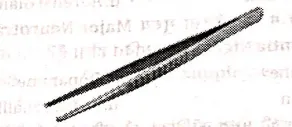
- A.
Dissecting Forceps
- B.
Dilator
- C.
Spatula
- D.
Blade handle
- A.
Q48 · Medical & Surgical Nursing · Cardiovascular, Circulatory, and Hematologic Function
A CHO/Nurse is caring for a patient with Right-Sided Heart Failure. Which of the following conditions would the CHO/Nurse expect?
- A.
Peripheral Edema
- B.
Decreased Urinary output
- C.
Shortness of Breath
- D.
Seizure Activity
- A.
Q49 · Medical & Surgical Nursing · Miscellaneous
What is the name of this machine?
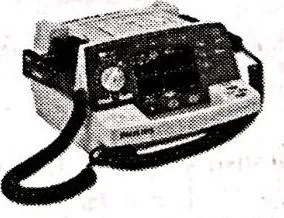
- A.
Cardiac Monitor
- B.
Defibrillator
- C.
Pulse Oximeter
- D.
Portable Ventilator
- A.
Q50 · Pharmacology · General Pharmacology
Where is the rate of Drug Absorption highest?
- A.
Large intestine
- B.
Gallbladder
- C.
Small intestine
- D.
Stomach
- A.
- Sign in free
Done 50 questions? Check your answers
Sign in free: every answer with its explanation, attempt the paper timed with negative marking, and track your score.
Q51 · Medical & Surgical Nursing · Miscellaneous
When diarrhea lasts for more than 14 days, it is called?
- A.
Dysentery
- B.
Acute watery Diarrhoea
- C.
Persistent Diarrhoea
- D.
All of these
- A.
Q52 · Child Health Nursing (Pediatrics) · Immunization and Immunodeficiency
What is the most preferred site for Hepatitis-B vaccine in infants?
- A.
Intradermal
- B.
Vastus Lateralis
- C.
Intravenous
- D.
Central Venous Catheter
- A.
Q53 · Child Health Nursing (Pediatrics) · Disorders of Kidney and Urinary Tract
When a child is in the acute phase of Nephrotic Syndrome, which of the following is an essential measure for the Nurse/CHO to take?
- A.
Perform a urine dipstick test every hour
- B.
Measure abdominal girth every 2 hours
- C.
Check hematocrit value every 12 hours
- D.
Take the child's daily weight
- A.
Q54 · Obstetrics & Gynaecology · Antenatal Care, Preconceptional Counseling and Care
Pradhan Mantri Surakshit Matritva Abhiyan (PMSMA) was launched to provide assured, comprehensive, and quality antenatal care, universally to all pregnant women on a fixed day. In which trimester is this provided?
- A.
2nd Trimester
- B.
2nd and 3rd Trimester
- C.
1st Trimester
- D.
1st and 2nd Trimester
- A.
Q55 · General Knowledge · Art & Culture
In which of the following cities is the Elephant Festival celebrated?
- A.
Bangalore
- B.
Hyderabad
- C.
Kolkata
- D.
Jaipur
- A.
Q56 · Community Health Nursing · Demography, Surveillance and Interpretation of Data
Which of the following is not included in measuring population data?
- A.
Population size
- B.
Sex Ratio
- C.
Dependency Ratio
- D.
Morbidity Rate
- A.
Q57 · Nursing Foundations · Administration of medications
Which of the following is not one of the Five Rights of Drug Administration?
- A.
Right Patient
- B.
Right Posture
- C.
Right Time
- D.
Right Dose
- A.
Q58 · Community Health Nursing · Reproductive, maternal, newborn, child and adolescent Health (Review from OBG Nursing and application in community setting)
Who are the beneficiaries of the Weekly Iron and Folic Acid Supplementation (WIFS) program?
- A.
Adolescent Girls and Lactating Mothers
- B.
Adolescent Girls & boys (10-19 yrs), adolescent girls who are not enrolled in school through Anganwadi
- C.
Pregnant Women
- D.
Adolescent Boys and Girls
- A.
Q59 · Community Health Nursing · Demography, Surveillance and Interpretation of Data
What is the characteristic of the High Stationary Stage in the demographic cycle?
- A.
High birth rate and high death rate
- B.
Death rate starts to decline while birth rate remains unchanged
- C.
Death rate has fallen further and birth rate has fallen
- D.
Low Birth and Low Death Rate
- A.
Q60 · General Knowledge · Art & Culture
Which of the following is a cultural dance of Tamil Nadu?
- A.
Bharatanatyam
- B.
Kathak
- C.
Kuchipudi
- D.
Mohiniyattam
- A.
Q61 · Applied Microbiology & Infection control · Miscellaneous
The person, animal, object, or substance from which an infectious agent is transmitted?
- A.
Reservoir
- B.
Source
- C.
Carrier
- D.
Latent Infection
- A.
Q62 · Applied Microbiology & Infection control · Pathogenic Organisms
Which virus is the cause of Dengue Fever?
- A.
Arbovirus
- B.
Flavivirus
- C.
Retrovirus
- D.
D.N.A Virus
- A.
Q63 · Obstetrics & Gynaecology · Antenatal Care, Preconceptional Counseling and Care
During which period should a pregnant woman visit the Antenatal clinic twice a month?
- A.
6th month
- B.
7th month
- C.
8th month
- D.
9th month
- A.
Q64 · Community Health Nursing · National Health Programs
When was the National Programme for Family Planning launched?
- A.
1951
- B.
1952
- C.
1956
- D.
2008
- A.
Q65 · Child Health Nursing (Pediatrics) · Newborn Infants
What is the main objective of ORS Therapy during diarrhea in a child?
- A.
Prevent Dehydration
- B.
Reduce Mortality
- C.
To correct water and electrolyte imbalance
- D.
All of these
- A.
Q66 · Community Health Nursing · National Health Programs
Mission Parivar Vikas is an initiative in which direction?
- A.
Promoting antenatal care
- B.
Promoting breastfeeding
- C.
Promoting family planning
- D.
Promoting safe sexual practices
- A.
Q67 · Community Health Nursing · Arthropod-borne infections
Filariasis is the common term for a group of diseases caused by?
- A.
Virus
- B.
Bacteria
- C.
Parasitic nematodes
- D.
Fungi
- A.
Q68 · Obstetrics & Gynaecology · Population Dynamics and Control of Conception
All of the following are Natural Family Planning Methods, except one?
- A.
Symptothermic Method
- B.
Cervical Mucus Method
- C.
Basal Body temperature Method
- D.
Use of Condom
- A.
Q69 · Child Health Nursing (Pediatrics) · Immunization and Immunodeficiency
Which vaccine controls diarrhea?
- A.
Pneumococcal
- B.
Rotavirus
- C.
Salk
- D.
HIB
- A.
Q70 · Applied Nutrition & Dietetics · Vitamins
The deficiency of which nutrient causes Pellagra?
- A.
Riboflavin
- B.
Niacin
- C.
Pyridoxine
- D.
Folate
- A.
Q71 · Applied Microbiology & Infection control · Miscellaneous
Which of the following diseases is not spread through infected blood?
- A.
Hep-B
- B.
Hep-C
- C.
HIV
- D.
Hep-E
- A.
Q72 · Applied Microbiology & Infection control · Pathogenic Organisms
Which disease is spread by the Plasmodium protozoa?
- A.
Typhoid
- B.
Malaria
- C.
Dengue
- D.
Dracunculiasis
- A.
Q73 · Community Health Nursing · Family planning
When a Nurse/CHO is giving health education in the community for the prevention of Osteoporosis, what should be emphasized?
- A.
Do not smoke
- B.
Minimizing sun exposure
- C.
Restricting sodium intake
- D.
Restricting exercise
- A.
Q74 · Community Health Nursing · National Health Programs
Which disease is not covered by the National Vector Borne Disease Control Programme?
- A.
Malaria
- B.
Leprosy
- C.
Chikungunya
- D.
Japanese Encephalitis
- A.
Q75 · Obstetrics & Gynaecology · Practical Gynecology
Identify this instrument.
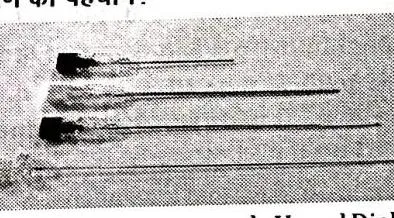
- A.
I.V. Cannula
- B.
Vessel Dilator
- C.
Lumbar Puncture Needle
- D.
Long Needle
- A.
- Sign in free
Done 75 questions? Check your answers
Sign in free: every answer with its explanation, attempt the paper timed with negative marking, and track your score.
Q76 · Child Health Nursing (Pediatrics) · Common Medical Procedures
When is the first dose of Hepatitis-B given?
- A.
At Birth
- B.
14 weeks
- C.
6 months
- D.
9 months
- A.
Q77 · Obstetrics & Gynaecology · Population Dynamics and Control of Conception
Which of the following is not a barrier method of contraception?
- A.
Diaphragm
- B.
Nova-T
- C.
Vaginal Sponge
- D.
Condom
- A.
Q78 · Pathology & Genetics · Systemic Pathology
What are the characteristics of Wilson's disease?
- A.
Difficulty in breathing
- B.
Accumulation of copper in the liver, kidney, and brain
- C.
Abnormal development of organs
- D.
None of these
- A.
Q79 · Pharmacology · Antimicrobial Drugs
The vitamin supplement provided for patients taking INH as part of their antituberculosis regime is?
- A.
Riboflavin
- B.
Niacin
- C.
Pantothenic acid
- D.
Pyridoxine
- A.
Q80 · Community Health Nursing · Respiratory Infections
What is the constant presence of a disease or infection within a geographical area called?
- A.
Pandemic
- B.
Epidemic
- C.
Endemic
- D.
Sporadic
- A.
Q81 · Medical & Surgical Nursing · Cardiovascular, Circulatory, and Hematologic Function
A woman is diagnosed with severe anemia when her hemoglobin is less than what value?
- A.
7 gm/dl
- B.
10 gm/dl
- C.
11 gm/dl
- D.
12 gm/dl
- A.
Q82 · Applied Microbiology & Infection control · Pathogenic Organisms
Which of the following infections is not caused by an RNA virus?
- A.
Poliomyelitis
- B.
Mumps
- C.
Rubella
- D.
Smallpox
- A.
Q83 · Applied Anatomy · Introduction to Anatomical terms & Organization of Human Body
Flexible connective tissues that are part of joints, connecting bones, are called?
- A.
Cartilage
- B.
Tendon
- C.
Nerves
- D.
Muscles
- A.
Q84 · Mental Health Nursing · Therapeutic Communication and Nurse- Patient Relationship
Voice level, facial expression, and body language are related to what type of communication?
- A.
Verbal
- B.
Nonverbal
- C.
Formal
- D.
Structured
- A.
Q85 · Medical & Surgical Nursing · Immunologic Function
HIV virus is transmitted through all of the following routes, except one?
- A.
Sexual Transmission
- B.
Blood contact
- C.
Fomite Transmission
- D.
Maternal Fetal Transmission
- A.
Q86 · Obstetrics & Gynaecology · Diagnosis of Pregnancy
Where is the Uterine Fundus palpable at 20 weeks of pregnancy?
- A.
Abdomen
- B.
Lower border of the umbilicus
- C.
Just below the xiphisternum
- D.
At the level of the xiphisternum
- A.
Q87 · Community Health Nursing · National Health Programs
What are the target diseases of the NPCDCS program?
- A.
Cancer
- B.
Cardiac diseases
- C.
Diabetes
- D.
All of these
- A.
Q88 · Obstetrics & Gynaecology · Population Dynamics and Control of Conception
What is the most suitable measure for spacing between births?
- A.
Reducing female mortality
- B.
Family Planning
- C.
Health counselling
- D.
All of these
- A.
Q89 · Community Health Nursing · Demography, Surveillance and Interpretation of Data
What is the ratio of the number of conceptions in a year to married women aged 15-44 years called?
- A.
Gross Reproduction Rate
- B.
Net Reproduction Rate
- C.
Pregnancy Rate
- D.
Marriage Rate
- A.
Q90 · Applied Microbiology & Infection control · Immunity
When antibodies are produced in one body and transferred to another body for protection against a disease, what is it called?
- A.
Active Immunity
- B.
Herd Immunity
- C.
Passive Immunity
- D.
Cellular Immunity
- A.
Q91 · Obstetrics & Gynaecology · Normal Puerperium
What is the breast milk called for the first three days after delivery?
- A.
Foremilk
- B.
Hind Milk
- C.
Colostrum
- D.
All of these
- A.
Q92 · Obstetrics & Gynaecology · Population Dynamics and Control of Conception
What is the mode of action of hormone-releasing Intrauterine Devices (IUDs)?
- A.
Increasing cellular response in the endometrium
- B.
Increasing the viscosity of cervical mucus
- C.
Increasing sperm motility and capacitation
- D.
Creating a favorable environment for implantation
- A.
Q93 · Child Health Nursing (Pediatrics) · Newborn Infants
Which immunoglobulin protects the newborn against enteric infection?
- A.
IgA
- B.
IgD
- C.
IgE
- D.
IgM
- A.
Q94 · Child Health Nursing (Pediatrics) · Micronutrients in Health and Disease
What dose of Vitamin A should be given orally to a 3-year-old child every 6 months?
- A.
5000 IU / 0.05 ml
- B.
50,000 IU / 0.5 ml
- C.
1,00,000 IU / 1.0 ml
- D.
2,00,000 IU / 2.0 ml
- A.
Q95 · Nursing Foundations · Nursing Process
The CHO/Nurse informs the physician about a deviation in the patient's recovery, 'understanding' that some remedial actions are necessary. This is an example of?
- A.
Complex level of critical thinking
- B.
Commitment level of critical thinking
- C.
Basic level of critical thinking
- D.
Advanced level of critical thinking
- A.
Q96 · Community Health Nursing · Reproductive, maternal, newborn, child and adolescent Health (Review from OBG Nursing and application in community setting)
What are the key activities under the Menstrual Hygiene Scheme?
- A.
Safe disposal of sanitary napkins
- B.
Sourcing and procurement of sanitary napkins
- C.
Storage and distribution of sanitary napkins
- D.
All of these
- A.
Q97 · Medical & Surgical Nursing · Cardiovascular, Circulatory, and Hematologic Function
Which of the following is a Bleeding Disorder?
- A.
Leukaemia
- B.
Anaemia
- C.
Haemophilia
- D.
Leucopenia
- A.
Q98 · Obstetrics & Gynaecology · Physiological Changes During Pregnancy
What is the increased pigmentation on the face of a pregnant woman during pregnancy called?
- A.
Linea Nigra
- B.
Striae Gravidarum
- C.
Chloasma
- D.
Caput medusae
- A.
Q99 · Community Health Nursing · Concepts of Community Health and Community Health Nursing
When is National Immunization Day celebrated every year in India?
- A.
12th March
- B.
18th March
- C.
16th March
- D.
25th March
- A.
Q100 · Pharmacology · General Pharmacology
What is the route of administration for the DPT Vaccine?
- A.
Intradermal
- B.
Subcutaneous
- C.
Intramuscular
- D.
Intravenous
- A.
More CHO (Community Health Officer) papers
- Rajasthan CHO 20252025 · 150 questions
- Bihar NHM CHO 20252025 · 80 questions
- Rajasthan CHO 20242024 · 100 questions
- MP NHM CHO 2024 (Shift 1)2024 · 100 questions
- MP NHM CHO 2024 (Shift 2)2024 · 100 questions
- Rajasthan CHO 20232023 · 100 questions
- Haryana CHO 20232023 · 99 questions
- UP NHM CHO, 7 September 2022 (Shift 1)2022 · 100 questions
- UP NHM CHO, 7 September 2022 (Shift 2)2022 · 100 questions
- UP NHM CHO, 7 September 2022 (Shift 3)2022 · 99 questions
- MP CHO 20222022 · 100 questions
- HP CHO, 9 October 20222022 · 100 questions