ESIC Nursing Officer 2016 (Shift 2) question paper
ESIC Nursing Officer · 2016 · 125 questions · 120 minutes · 0.25 mark deducted per wrong answer
- Obstetrics & Gynaecology 27
- Medical & Surgical Nursing 14
- Reasoning 13
- Applied Physiology 13
- Applied Anatomy 11
- Child Health Nursing (Pediatrics) 8
- General Knowledge 7
- Quantitative Aptitude and Mathematics 6
- Nursing Foundations 6
- Pharmacology 5
- Applied Microbiology & Infection control 5
- Community Health Nursing 4
- Applied Nutrition & Dietetics 3
- Mental Health Nursing 1
- Pathology & Genetics 1
- Biochemistry & Nutrition 1
See the answers and explanations
Sign in free: every answer with its explanation, attempt the paper timed with negative marking, and track your score.
Q1 · Reasoning · Classification (Odd One Out)
Pick the odd one out.
- A.
London
- B.
EU
- C.
Paris
- D.
Madrid
- A.
Q2 · Applied Anatomy · Circulatory & Lymphatic System
JVP point is?
- A.
Supra-sternal notch
- B.
Mid-axillary line at 4th intercostal space
- C.
Xiphoid process
- D.
Sternocleidomastoid muscle
- A.
Q3 · Obstetrics & Gynaecology · COMPLICATED LABOR-Malposition, Malpresentation and Cord Prolapse
Most common presentation during labor?
- A.
Vertex
- B.
Breech
- C.
Brow
- D.
Face & brow
- A.
Q4 · Obstetrics & Gynaecology · Hemorrhage in Early Pregnancy
Chief site of ectopic pregnancy is?
- A.
Fallopian tube
- B.
Cervix
- C.
Ovary
- D.
Outside uterus
- A.
Q5 · Medical & Surgical Nursing · Metabolic and Endocrine Function
Long term adherence to the diabetes mellitus management is measured by?
- A.
Fasting blood sugar
- B.
Random blood sugar
- C.
Last 1 month blood sugar value review
- D.
Glycosylated haemoglobin
- A.
Q6 · Quantitative Aptitude and Mathematics · Miscellaneous
If X:Y=3:4 and Y:Z=5:6 then what is X:Z?
- A.
3:6
- B.
6:3
- C.
5:8
- D.
8:5
- A.
Q7 · Nursing Foundations · Comfort, Rest & Sleep & Pain
Prone position is?
- A.
Lying face upwards
- B.
Lying face downwards
- C.
Turning upwards
- D.
Lying face sideways
- A.
Q8 · Applied Nutrition & Dietetics · Nutritional Assessment and Nutrition Education
In obesity, BMI is?
- A.
20 kg/m2
- B.
25 kg/m2
- C.
30 kg/m2
- D.
36 kg/m2
- A.
Q9 · Obstetrics & Gynaecology · Dysmenorrhea and Other Disorders of Menstrual Cycles
Painful menstruation is known as?
- A.
Dysmenorrhoea
- B.
Menorrhagia
- C.
Metrorrhagia
- D.
Endometriosis
- A.
Q10 · Quantitative Aptitude and Mathematics · Proportion
Abdhul, Vipul and Sunil enter into a partnership investing Rs 1000, Rs 3600 and Rs 5800 respectively. At the end of a certain period they earn Rs 2860 as profit. Vipul's share of profit will be ....................
- A.
Rs 905
- B.
Rs 905
- C.
Rs 990
- D.
Rs 1000
- A.
Q11 · Medical & Surgical Nursing · Gas Exchange and Respiratory Function
Occupational hazard associated with inhalation of Cotton fiber is?
- A.
Byssinosis
- B.
Baggosis
- C.
Silicosis
- D.
Asbestosis
- A.
Q12 · Obstetrics & Gynaecology · Diagnosis of Pregnancy
Urine pregnancy test is based upon .... Hormone?
- A.
Estrogen
- B.
HCG
- C.
Progesterone
- D.
Testosterone
- A.
Q13 · Applied Physiology · Blood
Plasma protein responsible for oncotic pressure maintenance is?
- A.
Globulin
- B.
Prothrombin
- C.
Thrombin
- D.
Albumin
- A.
Q14 · Quantitative Aptitude and Mathematics · Miscellaneous

- A.
5√2
- B.
6√2
- C.
4√2
- D.
7√2
- A.
Q15 · Child Health Nursing (Pediatrics) · Endocrine and Metabolic Disorders
Hypothyroidism in children can lead to?
- A.
Myxoedema
- B.
Cretinism
- C.
Acromegaly
- D.
Gigantism
- A.
Q16 · Applied Physiology · Blood
Blood group which is known as universal donor is?
- A.
O negative
- B.
O positive
- C.
Both A&B
- D.
AB group
- A.
Q17 · Applied Nutrition & Dietetics · Vitamins
Bitot spot is occurring due to the deficiency of?
- A.
VitA
- B.
VitB
- C.
VitC
- D.
VitD
- A.
Q18 · Reasoning · Blood Relations
Anita says "Prabhu's father is the only son of my father". How is Anita related to Prabhu?
- A.
Aunt
- B.
Sister
- C.
Mother
- D.
Grandmother
- A.
Q19 · Reasoning · Miscellaneous
If 6 spiders make 6 webs in 6 days, then one spider will make one web in how many days?
- A.
1 day
- B.
3 days
- C.
6 days
- D.
2 days
- A.
Q20 · Reasoning · Arrangements & Puzzles
Five students participated in a Quiz Programme. Prithvi ranked higher than Smriti. Smriti ranked higher then Pranav. Prithvi ranked lower than Alvira. Madhura's rank is in between prathivi and smriti. Who is the highest in rank.
- A.
Prithvi
- B.
Alvira
- C.
Smriti
- D.
Madhura
- A.
Q21 · General Knowledge · Sports Current Affairs
'Free throw' is given in which of the following sports?
- A.
Cricket
- B.
Volleyball
- C.
Basketball
- D.
Badminton
- A.
Q22 · Child Health Nursing (Pediatrics) · Newborn Infants
Prophylaxis against Rh incompatibility includes?
- A.
Anti D to mother
- B.
Anti D to newborn
- C.
Anti D to father
- D.
Anti D to the first child
- A.
Q23 · Reasoning · Miscellaneous
Identify the number of rhombus in the following figure.
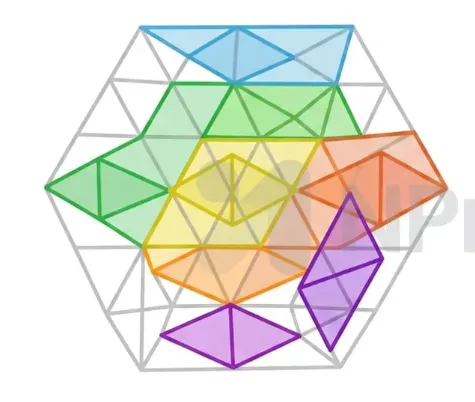
- A.
15
- B.
16
- C.
14
- D.
17
- A.
Q24 · Applied Nutrition & Dietetics · Balanced Diet
Weaning starts at .... Month of age?
- A.
3 months
- B.
6 months
- C.
8 months
- D.
10 months
- A.
Q25 · Obstetrics & Gynaecology · Operative Obstetrics
Vulsellum forceps used for clipping the?
- A.
Cervix
- B.
Fetal head
- C.
Labium
- D.
Perineum
- A.
- Sign in free
Done 25 questions? Check your answers
Sign in free: every answer with its explanation, attempt the paper timed with negative marking, and track your score.
Q26 · Quantitative Aptitude and Mathematics · Work & Efficiency
Anita can do 1/3 of a work in 5 days and Vinita can do 2/5 of work in 10 days. In how many days can they finish the work, if they work together?
- A.
8 days
- B.
9 3/8 days
- C.
10 days
- D.
12 days
- A.
Q27 · Quantitative Aptitude and Mathematics · Miscellaneous
A mother is currently twice as old as her daughter. 20 years ago, the age of the mother was 12 times the age of daughter. The present age of the mother in year is ....................
- A.
22
- B.
44
- C.
32
- D.
34
- A.
Q28 · Obstetrics & Gynaecology · Population Dynamics and Control of Conception
Natural method of family planning among the following is?
- A.
Condom
- B.
Copper T
- C.
Spermicidal jelly
- D.
Calendar method
- A.
Q29 · Child Health Nursing (Pediatrics) · Newborn Infants
Neonate period is defined as?
- A.
Up to 7 days
- B.
Up to 28 days
- C.
Up to 1 month
- D.
Up to 1 year
- A.
Q30 · Reasoning · Arrangements & Puzzles
Arrange the following words in a logical sequence.
- Result
- Interview
- Exam
- Application
- Appointment
- A.
43125
- B.
32145
- C.
31275
- D.
42315
Q31 · General Knowledge · Important Health Days & Themes
Consumer Day is celebrated on
- A.
January 24
- B.
October 23
- C.
April 1
- D.
March 15
- A.
Q32 · Pharmacology · General Pharmacology
Route of administration of insulin is?
- A.
IV
- B.
IM
- C.
SC
- D.
ID
- A.
Q33 · Obstetrics & Gynaecology · Infertility
Drug of choice for induction of ovulation?
- A.
Clomiphene
- B.
Estrogen
- C.
Metformin
- D.
Progesterone
- A.
Q34 · Applied Microbiology & Infection control · Miscellaneous
Mode of spread of TB infection is?
- A.
Droplet
- B.
Water borne
- C.
Fomite
- D.
Insect bite
- A.
Q35 · Medical & Surgical Nursing · Miscellaneous
Increased pulse rate during sleeping is seen in?
- A.
Hyperthyroidism
- B.
Hypothyroidism
- C.
Diabetes mellitus
- D.
Diabetes insipidus
- A.
Q36 · Reasoning · Number series
Select the suitable alternative to complete the series. 512, 64, 16, 8, 8, 16, ______
- A.
64
- B.
16
- C.
32
- D.
3
- A.
Q37 · Community Health Nursing · National Health Programs
National Family Welfare Programme (NFWP) launched in .... Year?
- A.
1951
- B.
1952
- C.
1956
- D.
1950
- A.
Q38 · Obstetrics & Gynaecology · Endocrinology in Relation to Reproduction
Chief source of progesterone during pregnancy is?
- A.
Ovary
- B.
Adrenal cortex
- C.
Placenta
- D.
Corpus luteum
- A.
Q39 · Reasoning · Number series
Insert the missing number: [Matrix Grid] 2 5 2 3 4 3 1 2 4 36 197 ?
- A.
109
- B.
99
- C.
72
- D.
97
- A.
Q40 · Nursing Foundations · Miscellaneous
<300 ml of urine in 24 hr is known as?
- A.
Oliguria
- B.
Anuria
- C.
Enuresis
- D.
Encopresis
- A.
Q41 · Applied Anatomy · Circulatory & Lymphatic System
Pacemaker of heart is?
- A.
SA node
- B.
AV node
- C.
Atrium
- D.
Ventricle
- A.
Q42 · Reasoning · Arrangements & Puzzles
Arrange the following words in a logical sequence.
- Result
- Interview
- Exam
- Application
- Appointment
- A.
43125
- B.
32145
- C.
31275
- D.
42315
Q43 · Community Health Nursing · Respiratory Infections
Among the following, identify the eradicated disease from the world?
- A.
Polio
- B.
Swine flu
- C.
Rabies
- D.
Smallpox
- A.
Q44 · Applied Anatomy · Circulatory & Lymphatic System
Distal blood vessel of leg is?
- A.
Femoral
- B.
Popliteal
- C.
Saphenous
- D.
Dorsalis pedis
- A.
Q45 · Community Health Nursing · Arthropod-borne infections
In dengue fever, the vector is?
- A.
Aedes species
- B.
Culex
- C.
Male anopheles
- D.
Female anopheles
- A.
Q46 · Nursing Foundations · Vital Signs
Normal systolic BP of a healthy individual is ... mm Hg?
- A.
80
- B.
95
- C.
110
- D.
120
- A.
Q47 · Quantitative Aptitude and Mathematics · Speed–distance–time
A train 175 m long is running at a speed of 45 km/Hr. Time taken by the train to cross a pole is ...
- A.
15 seconds
- B.
16 seconds
- C.
18 seconds
- D.
14 seconds
- A.
Q48 · Obstetrics & Gynaecology · Menstruation
Constant phase of menstrual cycle is?
- A.
Follicular phase
- B.
Luteal phase
- C.
Ovulation phase
- D.
All of the above
- A.
Q49 · Obstetrics & Gynaecology · Examination of a Gynecological Patient
Spinnbarkeit appearance of cervical mucus means?
- A.
Thick and stretchable mucous
- B.
Clear, and stretchable mucous
- C.
Scant and tacky mucous
- D.
Thin and tacky mucous
- A.
Q50 · Applied Physiology · Circulatory & Lymphatic system
Pulse rate more than 100 bpm is called as?
- A.
Tachycardia
- B.
Tachypnoea
- C.
Bradycardia
- D.
Bradypnoea
- A.
- Sign in free
Done 50 questions? Check your answers
Sign in free: every answer with its explanation, attempt the paper timed with negative marking, and track your score.
Q51 · Medical & Surgical Nursing · Shock and Multisystem Failure
Hemorrhagic shock is otherwise known as?
- A.
Cold shock
- B.
Septic shock
- C.
Hypovolemic shock
- D.
Neurologic shock
- A.
Q52 · Obstetrics & Gynaecology · Miscellaneous
Women who become pregnant for the first time are known as?
- A.
Primigravida
- B.
Primipara
- C.
Multigravida
- D.
Nullipara
- A.
Q53 · Obstetrics & Gynaecology · Endocrinology in Relation to Reproduction
Hormone responsible for ovulation is?
- A.
FSH
- B.
LH
- C.
Estrogen
- D.
Both A&B
- A.
Q54 · Medical & Surgical Nursing · Miscellaneous
Hydronephrosis means?
- A.
Dilation of whole urinary system
- B.
Dilation of kidney
- C.
Dilation of ureter
- D.
Dilation of bladder
- A.
Q55 · Nursing Foundations · Hygiene
Bad odour is neutralized by?
- A.
Antihistamine
- B.
Deodorant
- C.
Perfume
- D.
Analgesics
- A.
Q56 · Pharmacology · Miscellaneous
Drug of choice during anaphylaxis reaction is?
- A.
Adrenaline
- B.
Atropine
- C.
Dopamine
- D.
Sodium bicarbonate
- A.
Q57 · Medical & Surgical Nursing · Urinary Tract Function
Hydrocele is accumulation of fluid in?
- A.
Scrotum
- B.
Pelvis
- C.
Penis
- D.
Epididymis
- A.
Q58 · Medical & Surgical Nursing · Miscellaneous
Tenderness at Mc Burney's point indicates .... Condition?
- A.
Intestinal obstruction
- B.
Appendicitis
- C.
Inguinal hernia
- D.
Diarrhea
- A.
Q59 · Applied Anatomy · Endocrine System
Endocrine gland that is situated in the brain is?
- A.
Pituitary gland
- B.
Hypothalamus
- C.
Adrenal gland
- D.
Thyroid gland
- A.
Q60 · General Knowledge · Indian geography
Where is located Gateway of India?
- A.
Mumbai
- B.
New Delhi
- C.
Kolkata
- D.
Jaipur
- A.
Q61 · Obstetrics & Gynaecology · Diagnosis of Pregnancy
Duration of pregnancy is?
- A.
260 days
- B.
280 days
- C.
286 days
- D.
300 days
- A.
Q62 · Reasoning · Number series
Select the suitable alternative to complete the series. 0, 7, 26, ?, 124, 215
- A.
80
- B.
47
- C.
51
- D.
63
- A.
Q63 · Nursing Foundations · Fluid, electrolytes & Acid-base balances
Isotonic NS contains ... sodium per 100 ml?
- A.
0.09 mg
- B.
0.9 mg
- C.
0.09 gm
- D.
0.9 gm
- A.
Q64 · Applied Microbiology & Infection control · Pathogenic Organisms
Causative organism of chickenpox is?
- A.
Virus
- B.
Bacteria
- C.
Fungi
- D.
Protozoa
- A.
Q65 · Child Health Nursing (Pediatrics) · Development
Development of central incisor occurs at .... Month?
- A.
5
- B.
6
- C.
8
- D.
10
- A.
Q66 · Mental Health Nursing · Sleep Disorders
Sleepwalking in medical terms is?
- A.
Insomnia
- B.
Somnolent
- C.
Somnambulism
- D.
Hypersomnia
- A.
Q67 · Obstetrics & Gynaecology · Menstruation
Fern test is helpful for?
- A.
Presence of amniotic fluid
- B.
Ovulation
- C.
Implantation
- D.
Both A and B
- A.
Q68 · Nursing Foundations · Vital Signs
BP is measured with the help of?
- A.
Ophthalmoscope
- B.
Goniometer
- C.
Sphygmomanometer
- D.
Proctoscope
- A.
Q69 · Applied Anatomy · Digestive System
Bile is produced by ...... organ?
- A.
Gall bladder
- B.
Pancreas
- C.
Liver
- D.
Small intestine
- A.
Q70 · Applied Physiology · Digestive system
Secretion of bile into duodenum is stimulated by?
- A.
Lipase
- B.
Cholecystokinin
- C.
Pepsin
- D.
Amylase
- A.
Q71 · Applied Anatomy · Reproductive System
Longest portion of fallopian tube is?
- A.
Ampulla
- B.
Intramural
- C.
Isthmus
- D.
Infundibulum
- A.
Q72 · Applied Microbiology & Infection control · Disinfection and Sterilization
Pasteurization is a process used for ensuring the quality of?
- A.
Milk
- B.
Water
- C.
Chemicals used in hospital
- D.
Antibiotics
- A.
Q73 · Applied Anatomy · Sensory Organs
Snellen chart is used for the assessment of ..... organ?
- A.
Eye
- B.
Ear
- C.
Heart
- D.
Liver
- A.
Q74 · Applied Anatomy · Reproductive System
Bartholin gland is present in?
- A.
Breast
- B.
Vagina
- C.
Penis
- D.
Small intestine
- A.
Q75 · Applied Physiology · Reproductive system
Male sex hormone is?
- A.
Oestrogen
- B.
Progesterone
- C.
Prolactin
- D.
Testosterone
- A.
- Sign in free
Done 75 questions? Check your answers
Sign in free: every answer with its explanation, attempt the paper timed with negative marking, and track your score.
Q76 · Applied Physiology · Respiratory system
Muscle of inspiration is?
- A.
Diaphragm
- B.
Sternum
- C.
Ribs
- D.
Abdominal muscles
- A.
Q77 · Medical & Surgical Nursing · Cardiovascular, Circulatory, and Hematologic Function
Decreased platelet count is a typical manifestation of?
- A.
Dengue fever
- B.
Anemia
- C.
Typhoid fever
- D.
Scarlet fever
- A.
Q78 · Obstetrics & Gynaecology · Induction of Labor
Ripeness of cervix is assessed with?
- A.
Bishop score
- B.
APGAR score
- C.
Pantograph
- D.
GCS score
- A.
Q79 · Medical & Surgical Nursing · Digestive and Gastrointestinal Function
Lack of bowel sounds is called as?
- A.
Paralytic ileus
- B.
Constipation
- C.
Aganglionic megacolon
- D.
Intestinal obstruction
- A.
Q80 · Obstetrics & Gynaecology · Anatomy of the Female Pelvic Organs
During abdominal palpation, the uterus just above the symphysis pubis is at?
- A.
12 weeks
- B.
14 weeks
- C.
16 weeks
- D.
18 weeks
- A.
Q81 · Child Health Nursing (Pediatrics) · Disorders of Kidney and Urinary Tract
Enuresis is?
- A.
Urination in sleep
- B.
Excessive urination
- C.
Decreased urination
- D.
Painful urination
- A.
Q82 · General Knowledge · Everyday science
Which is the nearest planet to the Sun?
- A.
Mercury
- B.
Venus
- C.
Pluto
- D.
Jupiter
- A.
Q83 · Child Health Nursing (Pediatrics) · Adolescent Health and Development
First event of puberty is?
- A.
Thelarche
- B.
Menarche
- C.
Adrenarche
- D.
Menopause
- A.
Q84 · Pathology & Genetics · General Pathology
Increase in number of new cells is known as?
- A.
Hyperplasia
- B.
Hypoplasia
- C.
Hyperncolcmia
- D.
Hypertrophy
- A.
Q85 · Pharmacology · Miscellaneous
DPT contains all the following, EXCEPT?
- A.
Diphtheria
- B.
Pertussis
- C.
Tetanus
- D.
Measles
- A.
Q86 · Pharmacology · Miscellaneous
ORS mainly contains?
- A.
Sodium and glucose
- B.
Calcium carbonate
- C.
Sodium bicarbonate
- D.
Potassium bicarbonate
- A.
Q87 · Applied Microbiology & Infection control · Biomedical Waste Management (BMW)
Discarded wound dressing is destroyed in the hospital by?
- A.
Dumping
- B.
Autoclaving
- C.
Land filling
- D.
Incineration
- A.
Q88 · Applied Microbiology & Infection control · Immunity
All among the following are killed vaccines EXCEPT?
- A.
BCG
- B.
DPT
- C.
Hepatitis B
- D.
Pentavalent
- A.
Q89 · Applied Physiology · Blood
Site of haematopoiesis is?
- A.
Red bone marrow
- B.
Thymus
- C.
Liver
- D.
Kidney
- A.
Q90 · Obstetrics & Gynaecology · Normal Puerperium
Milk ejection hormone is?
- A.
Oxytocin
- B.
Vasopressin
- C.
Prolactin
- D.
Progesterone
- A.
Q91 · Obstetrics & Gynaecology · Normal Labor
Second stage of labor is associated with?
- A.
Dilation of cervix
- B.
Expulsion of fetus
- C.
Expulsion of placenta
- D.
Observatory management
- A.
Q92 · General Knowledge · International Current Affairs
UNO was founded in the year
- A.
1945
- B.
1940
- C.
1920
- D.
1935
- A.
Q93 · Obstetrics & Gynaecology · Menstruation
Average blood loss of menstrual cycle is?
- A.
50-100 ml
- B.
100-200 ml
- C.
200-250 ml
- D.
250-300 ml
- A.
Q94 · Reasoning · Coding-Decoding
If MUSIC is coded as 37489 and GHAZALS is coded as 6051524, then how can SILICA be coded?
- A.
483895
- B.
482895
- C.
482985
- D.
483985
- A.
Q95 · Child Health Nursing (Pediatrics) · Infections and Infestations
TORCH includes all the following, EXCEPT?
- A.
Tetanus
- B.
Rubella
- C.
Cytomegalovirus
- D.
Herpes infection
- A.
Q96 · Obstetrics & Gynaecology · Placenta and Fetal Membranes
During intrauterine life, the main source of nutrition to the fetus is?
- A.
Umbilical cord
- B.
Placenta
- C.
Amniotic fluid
- D.
Maternal blood
- A.
Q97 · Applied Physiology · Circulatory & Lymphatic system
ECG is used for the assessment/functioning of .... Organ?
- A.
Brain
- B.
Heart
- C.
Liver
- D.
Muscles
- A.
Q98 · Obstetrics & Gynaecology · Medical and Surgical Illness Complicating Pregnancy
Hb of an antenatal mother just 7 days before the EDD was 8 gm/dl. Which among the following is the most appropriate management in this situation?
- A.
Nutritional counseling
- B.
Oral iron therapy
- C.
Parenteral iron therapy
- D.
Blood transfusion
- A.
Q99 · Applied Physiology · Respiratory system
Normal tidal volume is?
- A.
500 ml
- B.
750 ml
- C.
1100 ml
- D.
1500 ml
- A.
Q100 · Applied Physiology · Respiratory system
The amount of air exhaled from lungs as water vapour is about?
- A.
1000 ml
- B.
500 ml
- C.
1500 ml
- D.
200 ml
- A.
- Sign in free
Done 100 questions? Check your answers
Sign in free: every answer with its explanation, attempt the paper timed with negative marking, and track your score.
Q101 · General Knowledge · Basic Chemistry
Which of the following is used as a cooling agent in refrigerator?
- A.
Liquid Hydrogen
- B.
Liquid Ammonia
- C.
Liquid Nitrogen
- D.
Liquid Helium
- A.
Q102 · Obstetrics & Gynaecology · Hypertensive Disorders in Pregnancy
Pap smear is used to diagnose?
- A.
Cervical cancer
- B.
Uterine fibroid
- C.
Preeclampsia
- D.
Endometriosis
- A.
Q103 · Obstetrics & Gynaecology · Complications of the Third Stage of Labor
In PPH, blood loss is?
- A.
500 ml
- B.
1000 ml
- C.
1500 ml
- D.
2500 ml
- A.
Q104 · Obstetrics & Gynaecology · Physiological Changes During Pregnancy
Normal weight gain during pregnancy is?
- A.
7-9 kg
- B.
8-10 kg
- C.
11 kg
- D.
13-16 kg
- A.
Q105 · Medical & Surgical Nursing · Cardiovascular, Circulatory, and Hematologic Function
Bleeding disorder is?
- A.
Hemophilia
- B.
Beta thalassemia
- C.
Sickle cell anemia
- D.
DIC
- A.
Q106 · Obstetrics & Gynaecology · Fetus
Fetal kidney starts to produce urine by .... Week POG?
- A.
10 weeks
- B.
12 weeks
- C.
14 weeks
- D.
16 weeks
- A.
Q107 · Applied Anatomy · Musculoskeletal System
All among the following are long bones, EXCEPT?
- A.
Scapula
- B.
Tibia
- C.
Femur
- D.
Fibula
- A.
Q108 · Medical & Surgical Nursing · Gas Exchange and Respiratory Function
Epistaxis is bleeding from?
- A.
Nose
- B.
Throat
- C.
Stomach
- D.
Rectum
- A.
Q109 · Pharmacology · Antimicrobial Drugs
Among the following, identify the drug that comes under ATT category?
- A.
Rifampicin
- B.
Zidovudine
- C.
Erythromycin
- D.
Nevirapine
- A.
Q110 · Applied Physiology · Blood
Chief regulatory among the immune cells are?
- A.
Helper T cells
- B.
Memory T cells
- C.
B lymphocyte
- D.
Neutrophil
- A.
Q111 · Community Health Nursing · Epidemiology of Chronic Non-Communicable Diseases & Conditions
Most common cause of blindness in India is?
- A.
Glaucoma
- B.
Vit A deficiency
- C.
Trachoma
- D.
Cataract
- A.
Q112 · Reasoning · Series
Two pairs of letters in the word PARCEL have as many letters between them as in the alphabet. Those pairs are.....
- A.
C, E and E, L
- B.
P, R and A, C
- C.
P, A and R, C
- D.
A, R and C, E
- A.
Q113 · Applied Anatomy · Reproductive System
Thickest layer of uterus is?
- A.
Endometrium
- B.
Myometrium
- C.
Myocardium
- D.
Epicardium
- A.
Q114 · Obstetrics & Gynaecology · Normal Puerperium
Puerperium is a period seen?
- A.
Before delivery
- B.
After delivery
- C.
During delivery
- D.
All of the above
- A.
Q115 · Obstetrics & Gynaecology · Miscellaneous
Which of the following is a quantitative assessment for a newborn?
- A.
APGAR
- B.
Skin colour
- C.
Reflex
- D.
Cry
- A.
Q116 · General Knowledge · Basic Physics
The liquid drops or gas bubbles are always spherical due to?
- A.
Volume tension
- B.
Surface tension
- C.
Gravitational force
- D.
Magnetic force
- A.
Q117 · Applied Physiology · General Physiology
In a 70 kg person, total body water content is?
- A.
35 L
- B.
40 L
- C.
42 L
- D.
46 L
- A.
Q118 · Medical & Surgical Nursing · Miscellaneous
Presence of blood in urine is?
- A.
Hematochezia
- B.
Melena
- C.
Pyuria
- D.
Hematuria
- A.
Q119 · Medical & Surgical Nursing · Perioperative Concepts and Nursing Management
Position provided to the patient during perineal operation is?
- A.
Supine
- B.
Lithotomy
- C.
Trendelenburg
- D.
Knee chest
- A.
Q120 · Applied Anatomy · Miscellaneous
Select the related word from the given alternatives: Autotroph: Producer::?: Consumer
- A.
Entrepreneur
- B.
Carnivore
- C.
Heterotroph
- D.
Herbivore
- A.
Q121 · Child Health Nursing (Pediatrics) · Development
The term infant is used for a child of age?
- A.
0 - 2 months
- B.
1 - 4 years
- C.
1 - 10 years
- D.
2 months - 1 year
- A.
Q122 · Reasoning · Coding-Decoding
If TRUST should be coded as RPSQR, then HONEST will be coded as ______?
- A.
FMLCQR
- B.
HNSEOT
- C.
FMCRQL
- D.
FRQCLM
- A.
Q123 · Biochemistry & Nutrition · Organ function tests
Serum amylase is a diagnostic test used to assess the function of?
- A.
Pancreas
- B.
Liver
- C.
Stomach
- D.
Small intestine
- A.
Q124 · Applied Physiology · General Physiology
Normal pH of blood is?
- A.
7.3-7.4
- B.
7.35-7.45
- C.
7.35-7.4
- D.
7.3-7.45
- A.
Q125 · Medical & Surgical Nursing · Miscellaneous
Myopia can be corrected with the help of?
- A.
Convex lenses
- B.
Concave lenses
- C.
Cylindrical lenses
- D.
Angled lenses
- A.