ESIC Nursing Officer, 7 July 2024 question paper
ESIC Nursing Officer · 2024 · 125 questions · 120 minutes · 0.25 mark deducted per wrong answer
- Medical & Surgical Nursing 36
- Community Health Nursing 12
- Obstetrics & Gynaecology 12
- Pharmacology 8
- Child Health Nursing (Pediatrics) 8
- Mental Health Nursing 8
- Nursing Research & Statistics 7
- Applied Psychology 6
- Applied Physiology 6
- Nursing Foundations 5
- Applied Nutrition & Dietetics 4
- Nursing Management & Leadership 3
- Applied Anatomy 2
- Applied Microbiology & Infection control 2
- Biochemistry & Nutrition 2
- Applied Sociology 2
- General Knowledge 1
- Pathology & Genetics 1
See the answers and explanations
Sign in free: every answer with its explanation, attempt the paper timed with negative marking, and track your score.
Q1 · Nursing Research & Statistics · Research Approaches and Designs
A researcher conducted a study to describe the lived experiences of care givers of patients with Dementia. Which type of qualitative study is conducted by the researcher?
- A.
Ethnography
- B.
Phenomenology
- C.
Case study
- D.
Grounded theory
- A.
Q2 · Nursing Research & Statistics · Tools and Methods of Data Collection
Approach to reliability assessment that involves administration of the same measure to the same people on two occasions is called as
- A.
Inter-rater reliability
- B.
Test-retest reliability
- C.
Intra-rater reliability
- D.
Parallel test reliability
- A.
Q3 · Applied Anatomy · Digestive System
Peyer's patches are present in
- A.
Stomach
- B.
Duodenum
- C.
Jejunum
- D.
Ileum
- A.
Q4 · Community Health Nursing · Epidemiology – Epidemiological Approaches and Processes
Which one of the following is NOT a component of epidemiological triad?
- A.
Environment
- B.
Agent
- C.
Host
- D.
Disease
- A.
Q5 · General Knowledge · National Government Health Programmes
Under Ayushman Bharat Pradhan Mantri Jan Arogya Yojana (ABPMJAY), how much cover per family per year is provided for secondary and tertiary care hospitalization?
- A.
INR 2,00,000
- B.
INR 5,00,000
- C.
INR 7,00,000
- D.
INR 10,00,000
- A.
Q6 · Obstetrics & Gynaecology · Genital Malignancy
Classical symptom of invasive cervical cancer is
- A.
Hematuria
- B.
Back pain
- C.
Postcoital bleeding
- D.
Anemia
- A.
Q7 · Obstetrics & Gynaecology · Infections of the Individual Pelvic Organs
A 26 years old woman visiting gynaecology OPD complains of creamy vaginal discharge with fishy odour. There is no history of itching. The possible diagnosis of the patient is
- A.
Candidiasis
- B.
Chlamydial infection
- C.
Bacterial vaginosis
- D.
Leucoderma
- A.
Q8 · Applied Microbiology & Infection control · Pathogenic Organisms
Match the causative agents listed in List I with their corresponding diseases given in List II. Select the correct answer using the codes provided below:
List I (Causative Agents)
A. Bordetella pertussis B. Salmonella typhi C. Clostridium perfringens D. Flavivirus
List II (Diseases) Yellow fever Food poisoning Whooping cough Enteric (typhoid) fever
- A.
A-1, B-2, C-4, D-3
- B.
A-3, B-4, C-2, D-1
- C.
A-3, B-2, C-4, D-1
- D.
A-1, B-4, C-2, D-3
- A.
Q9 · Obstetrics & Gynaecology · Preterm Labor, Preterm Rupture of the Membranes, Postmaturity, Intrauterine Fetal Death
The irregular overlapping of the cranial bones on one another due to liquefaction of the brain matter of foetus is called
- A.
Jacquemier's sign
- B.
Spalding sign
- C.
Piskacek's sign
- D.
Robert's sign
- A.
Q10 · Biochemistry & Nutrition · Clinical Enzymology
Which one of the following serum enzymes is used in clinical diagnosis of acute pancreatitis?
- A.
Lactate dehydrogenase
- B.
Alanine aminotransferase
- C.
Aspartate aminotransferase
- D.
Amylase
- A.
Q11 · Nursing Foundations · Documentation & Reporting
A report of any event that is NOT consistent with the routine of hospital and is written only if any mishap or mistake occurs in patient care is called
- A.
Compliance report
- B.
Hand-off report
- C.
Incident report
- D.
Clinical information report
- A.
Q12 · Applied Psychology · Psychological assessment & tests
An IQ score of 90 is classified as
- A.
Borderline
- B.
Average
- C.
Superior
- D.
Bright normal
- A.
Q13 · Medical & Surgical Nursing · Metabolic and Endocrine Function
A nurse caring for a patient with Type-2 Diabetes mellitus with high dose insulin was monitoring blood glucose level between 2 am to 4 am. She is trying to assess
- A.
Dawn effect
- B.
Somogyi effect
- C.
Rebound Hypoglycemia
- D.
Insulin effectiveness
- A.
Q14 · Medical & Surgical Nursing · Miscellaneous
All of the following instructions related to investigation of a patient who has to undergo bone densitometry are correct EXCEPT
- A.
Calcium supplements should be avoided 24 hours prior to the investigation
- B.
Patient must remain nil per orally at least 12 hours before the investigation
- C.
Patient has to remove clothing, jewellery and other metallic objects when scanning is done
- D.
Patient to lie still with hips flexed for about 20 minutes during test
- A.
Q15 · Medical & Surgical Nursing · Miscellaneous
Vascular skin lesions which are benign tumor consisting of blood and lymph vessels are called
- A.
Purpura
- B.
Osler's nodes
- C.
Ecchymosis
- D.
Angioma
- A.
Q16 · Obstetrics & Gynaecology · Dysmenorrhea and Other Disorders of Menstrual Cycles
All of the following are the causes of secondary dysmenorrhoea EXCEPT
- A.
Endometriosis
- B.
Adenomyosis
- C.
Bicornuate uterus
- D.
Pelvic adhesions
- A.
Q17 · Community Health Nursing · Epidemiology – Epidemiological Approaches and Processes
During Pulse Polio Immunization, Auxiliary Nurse Midwife (ANM) has noticed that on vaccine vial monitor the color of square inside the circle is darker than the circle around it. What should be her action?
- A.
Administer the vaccine to children from the same vial
- B.
Administer the vaccine from same vial after shaking it
- C.
Put the vial in ice box for some time and then administer from the same vial
- D.
Should not use this vial for vaccination
- A.
Q18 · Pharmacology · Antimicrobial Drugs
Which one of the following drugs used for treatment of malaria is contraindicated in pregnancy?
- A.
Chloroquine
- B.
Primaquine
- C.
Quinine
- D.
Sulfadoxine + Pyrimethamine
- A.
Q19 · Biochemistry & Nutrition · Carbohydrates
All of the following foods have high glycemic index EXCEPT.
- A.
Brown rice
- B.
Corn flakes
- C.
Baked potato
- D.
White bread
- A.
Q20 · Applied Physiology · General Physiology
In the neonates, the brown fat is located at the following sites EXCEPT
- A.
Around the heart
- B.
In the axillae
- C.
Around the brain
- D.
Around the kidney
- A.
Q21 · Child Health Nursing (Pediatrics) · Newborn Infants
Nipple confusion is a situation where the infant
- A.
Accepts the artificial as well as mother's nipple
- B.
Accepts the mother's nipple but refuses artificial nipple
- C.
Accepts the artificial nipple but refuses the mother's nipple
- D.
Refuses to feed at all
- A.
Q22 · Medical & Surgical Nursing · Miscellaneous
Nursing care of the patient after thyroid surgery includes all of the following EXCEPT
- A.
Monitoring calcium level
- B.
Providing semi-Fowler's position
- C.
Assessing patients' ability to speak
- D.
Promoting intake of iodine rich food
- A.
Q23 · Applied Sociology · Culture
Which of the following are ways of Acculturation? 1. Trade and commerce 2. Industrialization 3. Education 4. Conquest
- A.
1 and 2 only
- B.
1, 2 and 3 only
- C.
2, 3 and 4 only
- D.
1, 2, 3 and 4
- A.
Q24 · Pathology & Genetics · Systemic Pathology
Which of the following conditions can cause Steatorrhea? 1. Pancreatic enzyme insufficiency 2. Diseases affecting small intestines 3. Bile acid deficiency 4. Insulin deficiency
- A.
1 and 2 only
- B.
2 and 3 only
- C.
1, 2 and 3
- D.
2, 3 and 4
- A.
Q25 · Applied Nutrition & Dietetics · Therapeutic Diet
A patient is suffering with celiac disease. Which one of the following food items he should avoid in his diet?
- A.
Wheat
- B.
Eggs
- C.
Cheese
- D.
Soy products
- A.
- Sign in free
Done 25 questions? Check your answers
Sign in free: every answer with its explanation, attempt the paper timed with negative marking, and track your score.
Q26 · Mental Health Nursing · Therapeutic Communication and Nurse- Patient Relationship
Which one of the following counselling skills involves, paraphrasing client's words and saying what counsellor think about client's feeling?
- A.
Concreting
- B.
Reflecting
- C.
Summarizing
- D.
Listening
- A.
Q27 · Medical & Surgical Nursing · Digestive and Gastrointestinal Function
A nurse is assessing stoma before changing the colostomy bag. Which one of the following colour of stoma indicates ischemia?
- A.
Rose pink
- B.
Brown-black
- C.
Dusky blue
- D.
Bright red
- A.
Q28 · Obstetrics & Gynaecology · Displacement of the Uterus
Match List I with List II and select the correct answer using the code given below the lists :| List I / (Degree of uterine prolapse) | List II / (Clinical / feature of / prolapse) A. First degree / B. Second degree / C. Third degree / D. Procidentia |
- Uterus prolapses with eversion of entire vagina \
- The uterine cervix, body and the fundus descends outside the introitus \
- The external os protrudes outside the vaginal introitus but uterine body still remains inside the vagina \
- Uterus descends down from its normal anatomical position but the external os remains above the introitus |
- A.
A-4, B-3, C-2, D-1
- B.
A-4, B-2, C-3, D-1
- C.
A-1, B-3, C-2, D-4
- D.
A-1, B-2, C-3, D-4
Q29 · Medical & Surgical Nursing · Urinary Tract Function
The characteristic manifestations of Nephrotic syndrome include
- A.
Massive proteinuria, Hypertension, Hyperlipidemia, hypoalbuminemia, foamy urine
- B.
Massive proteinuria, Hypertension, hypolipidemia, hyperalbuminemia
- C.
Peripheral edema, hypotension, hypoalbuminemia, hypolipidemia
- D.
Hyperlipidemia, hypoalbuminemia, hypotension, cola colored urine
- A.
Q30 · Child Health Nursing (Pediatrics) · Newborn Infants
During resuscitation, which one of the following medications is indicated initially if the heart rate of a newborn continues to be less than 60 per minute after 30 seconds of Positive Pressure Ventilation and Chest Compression?
- A.
Epinephrine
- B.
Sodium Bicarbonate
- C.
Atropine
- D.
Dexamethasone
- A.
Q31 · Applied Psychology · Developmental Psychology
According to Freud, the toddler is primarily in which psychosexual stage?
- A.
Oral
- B.
Anal
- C.
Phallic
- D.
Latency
- A.
Q32 · Pharmacology · Miscellaneous
All of the following are symptoms of opioids overdose EXCEPT
- A.
Delirium tremens
- B.
Respiratory depression
- C.
Stupor
- D.
Coma
- A.
Q33 · Medical & Surgical Nursing · Miscellaneous
Which one of the following markers begin to rise about 6 hours after Myocardial Infarction and peaks in 18 hours?
- A.
CK-MB
- B.
Cardiac specific troponin T(cTnT)
- C.
Myoglobin
- D.
Cardiac specific troponin I (cTnI)
- A.
Q34 · Medical & Surgical Nursing · Miscellaneous
Which one of the following diagnostic tests is used to measure the electrical activity of brain cells?
- A.
Computed tomography
- B.
Electroneurography
- C.
Electroencephalography
- D.
Electromyography
- A.
Q35 · Medical & Surgical Nursing · Digestive and Gastrointestinal Function
The predominant clinical manifestations of ulcerative colitis include
- A.
Diarrhea, passage of mucus and pus in stool, rectal bleeding
- B.
Diarrhea, rectal bleeding, weight gain
- C.
Pallor, vomiting, hypercalcemia
- D.
Right upper quadrant abdominal pain, joint abnormalities, hypocalcemia
- A.
Q36 · Pharmacology · Respiratory System Drugs
Which of the following are the advantages of Dry powdered Inhalers (DPIs) over Metered Dose inhalers (MDIs)? 1. It requires less manual dexterity 2. It does not require spacer 3. It is effective in patients with low FEV1 (<1 L) 4. There is no need to coordinate device puffs with inhalation
- A.
1 and 2 only
- B.
1, 2 and 3
- C.
1, 2 and 4
- D.
2 and 3 only
- A.
Q37 · Obstetrics & Gynaecology · Endometriosis and Adenomyosis
Presence of functioning endometrium in sites other than uterine mucosa is called
- A.
Uterine polyps
- B.
Adenomyosis
- C.
Paget's disease
- D.
Endometriosis
- A.
Q38 · Child Health Nursing (Pediatrics) · Integrated Management of Neonatal and Childhood Illness
A 15-month-old child is brought to the OPD with diarrhoea. He has sunken eyes; the skin pinch goes back slowly and he drinks eagerly. As per the Integrated Management of Neonatal and Childhood Illnesses (IMNCI), this child is classified as
- A.
Severe dehydration
- B.
Some dehydration
- C.
No dehydration
- D.
Severe persistent diarrhoea
- A.
Q39 · Community Health Nursing · Screening of Disease
Community Based Assessment Checklist (CBAC) for early detection of non-communicable diseases is to be filled by
- A.
Medical Officer
- B.
Staff Nurse
- C.
ANM
- D.
ASHA
- A.
Q40 · Applied Nutrition & Dietetics · Nutritional Deficiency Disorder
Which one of the following types of undernutrition is indicated by Z-score below -3 SD of the median WHO child growth standards?
- A.
Underweight
- B.
Stunting
- C.
Wasting
- D.
Severe acute malnutrition
- A.
Q41 · Applied Psychology · Personality
According to Sigmund Freud's theory of Psychoanalysis, all of the following are structures of personality EXCEPT
- A.
Conscious
- B.
Id
- C.
Ego
- D.
Superego
- A.
Q42 · Mental Health Nursing · Treatment modalities and therapies used in mental disorders
Which of the following are assumptions in Milieu therapy? 1. The patient owns his/her environment 2. The patient takes responsibility for his/her behaviour 3. Inappropriate behaviour needs to be corrected 4. Peer pressure has no role to play
- A.
1 and 2 only
- B.
1, 2 and 3
- C.
2, 3 and 4
- D.
1, 3 and 4
- A.
Q43 · Applied Physiology · Musculoskeletal system
The type of joints, where movement takes place about a single stationary axis, and is largely restricted to one plane are known as
- A.
Plane joints
- B.
Hinge joints
- C.
Ellipsoid joints
- D.
Saddle joints
- A.
Q44 · Nursing Foundations · Infection control & BMW management
Which of the following biomedical wastes should be discarded in yellow colour waste bin? 1. Human anatomical waste 2. Urobag 3. Needles 4. Soiled plaster casts 5. Glass slides
- A.
1 and 2
- B.
1 and 4
- C.
2 and 3
- D.
3 and 5
- A.
Q45 · Medical & Surgical Nursing · Miscellaneous
Bell's palsy is an acute, usually temporary condition resulting from damage or trauma of
- A.
Cranial III
- B.
Cranial IV
- C.
Cranial V
- D.
Cranial VII
- A.
Q46 · Medical & Surgical Nursing · Neurologic Function
Which one of the following is a generalized disorder of connective tissue characterized by hardening and thickening of skin, blood vessels, skeletal muscles and internal organs?
- A.
Systemic Lupus Erythematosus
- B.
Systemic Sclerosis
- C.
Gout
- D.
Psoriasis
- A.
Q47 · Nursing Management & Leadership · Management Process
According to S.I.U. staffing norms for the nurses working in Central government hospitals, the normal/general ward should have
- A.
One nurse/nursing sister for every seven beds
- B.
One nurse/nursing sister for every six beds
- C.
One nurse/nursing sister for every five beds
- D.
One nurse/nursing sister for every four beds
- A.
Q48 · Medical & Surgical Nursing · Perioperative Concepts and Nursing Management
Match the surgical retractors given in List I with their most appropriate clinical uses given in List II. Choose the correct answer using the codes provided below:
List I (Surgical Retractors)
A. Langenbeck retractor B. Morris retractor C. Deaver retractor D. Doyen retractor
List II (Clinical Uses) 1 Provides maximum exposure in large abdominal incisions 2 Used to elevate and retract the liver during cholecystectomy 3 Used in major abdominal surgeries to retract deep structures such as the abdominal wall, bladder, or uterus during rectal procedures 4 Used to hold open superficial wounds, such as in appendicectomy
- A.
A-4, B-2, C-1, D-3
- B.
A-4, B-1, C-2, D-3
- C.
A-3, B-1, C-2, D-4
- D.
A-3, B-2, C-1, D-4
- A.
Q49 · Medical & Surgical Nursing · Pain Management
Which one of the following is most appropriate for pain assessment in patients with chronic pain?
- A.
Multidimensional questionnaire
- B.
FACES scale
- C.
Visual Analogue Scale
- D.
Verbal Descriptor Scale
- A.
Q50 · Nursing Research & Statistics · Research Problem/Question
Consider the following research statement : "A study to assess motivation-focused intervention effect on self-esteem of adolescents in a school" What type of variable is 'motivation-focused intervention' in the statement given above?
- A.
Confounding
- B.
Independent
- C.
Dependent
- D.
Extraneous
- A.
- Sign in free
Done 50 questions? Check your answers
Sign in free: every answer with its explanation, attempt the paper timed with negative marking, and track your score.
Q51 · Obstetrics & Gynaecology · Placenta and Fetal Membranes
Match List I with List II and select the correct answer using the code given below the lists : List I
(Phenomenon)
List II
(Diagnostic feature of USG) A. Threatened abortion B. Missed abortion C. Incomplete abortion D. Complete abortion List II
(Diagnostic feature of USG) 1. Foetus without cardiac activity 2. Uterine cavity empty 3. Foetus alive and retroplacental haemorrhage 4. Products of conception partly retained- A.
A-3, B-1, C-4, D-2
- B.
A-3, B-4, C-1, D-2
- C.
A-2, B-1, C-4, D-3
- D.
A-2, B-4, C-1, D-3
- A.
Q52 · Medical & Surgical Nursing · Neurologic Function
All of the following are exclusion criteria for tPA (tissue plasminogen activator) therapy EXCEPT
- A.
Glucose level > 400 mg/dL
- B.
Coagulopathy
- C.
History of major surgery in the past 2 weeks
- D.
Ischemic stroke
- A.
Q53 · Medical & Surgical Nursing · Miscellaneous
Which one of the following is NOT surgical therapy in case of Meniere's disease?
- A.
Stapedotomy
- B.
Labyrinthectomy
- C.
Endolymphatic shunt
- D.
Vestibular nerve section
- A.
Q54 · Mental Health Nursing · Mood disorders
All of the following symptoms present in a patient since last 2 weeks are indicative of Major Depressive Disorder EXCEPT
- A.
Depressed mood
- B.
Markedly diminished interest
- C.
Catatonic behaviour
- D.
Fatigue
- A.
Q55 · Medical & Surgical Nursing · Miscellaneous
Elderly people are more prone to get respiratory infection because of 1. Decline in cell mediated immunity 2. Decline in humoral immunity 3. Decreased formation of secretory IgA 4. Fewer or less functional cilia
- A.
1 and 2 only
- B.
1 and 4 only
- C.
1, 2 and 3 only
- D.
1, 2, 3 and 4
- A.
Q56 · Obstetrics & Gynaecology · Diagnosis of Pregnancy
Which of the following are true about the signs of good attachment in breastfeeding technique? 1. The baby's mouth is wide open 2. Upper areola is visible, not the lower one 3. Baby's chin touches the breast 4. The upper lip of the baby is everted/turned outward 5. Baby's head and body are in one plane
- A.
1, 4 and 5
- B.
2, 3 and 5
- C.
1, 2 and 3
- D.
3, 4 and 5
- A.
Q57 · Applied Physiology · Blood
Which one of the following is the major immunoglobulin in human serum?
- A.
IgA
- B.
IgD
- C.
IgG
- D.
IgE
- A.
Q58 · Medical & Surgical Nursing · Integumentary Function
In wound healing, the phase where fibroblasts migrate into the wound and begin to synthesize collagen is called
- A.
Inflammatory phase
- B.
Maturation phase
- C.
Proliferation phase
- D.
Evisceration
- A.
Q59 · Pharmacology · Miscellaneous
All of the following are non-steroidal anti-inflammatory drugs EXCEPT
- A.
Naproxen
- B.
Indomethacin
- C.
Allopurinol
- D.
Diclofenac sodium
- A.
Q60 · Obstetrics & Gynaecology · Normal Puerperium
Daily requirement of calcium during pregnancy and lactation is
- A.
500-1000 mg
- B.
1.0-1.5 gm
- C.
1.5-2.0 gm
- D.
2.0 gm
- A.
Q61 · Medical & Surgical Nursing · Miscellaneous
Which one of the following is the prerenal cause of Acute Kidney Injury (AKI)?
- A.
Immunologic processes
- B.
Toxins
- C.
Shock
- D.
Urinary stricture
- A.
Q62 · Nursing Research & Statistics · Normal Distribution and Measures of Relationship
The following diagram is indicative of
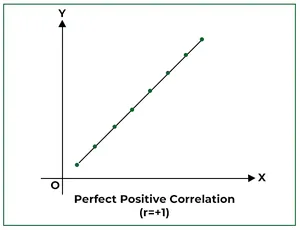
- A.
Weak negative correlation
- B.
Strong negative correlation
- C.
Perfect positive correlation
- D.
Moderate positive correlation
- A.
Q63 · Medical & Surgical Nursing · Perioperative Concepts and Nursing Management
Consider the following statements regarding the principles of aseptic technique practiced in operating room : 1. All material that enters the sterile field must be sterile 2. The parts of gown worn by surgical team considered sterile are the front from chest to table level and sleeves up to 2 inches above elbow 3. A wide margin of safety is maintained between sterile and unsterile field 4. Tables are sterile at table top and up to 4 inches below it Which of the statement(s) given above is/are NOT correct?
- A.
2 only
- B.
2, 3 and 4
- C.
1 and 3
- D.
4 only
- A.
Q64 · Mental Health Nursing · Schizophrenia
The withdrawal and inability to initiate and persist in goal-directed activity is called
- A.
Apathy
- B.
Anhedonia
- C.
Avoidance
- D.
Avolition
- A.
Q65 · Applied Physiology · Reproductive system
Which one of the following hormones is secreted by neurohypophysis that causes uterine contractions?
- A.
Estrogen
- B.
Progesterone
- C.
Prolactin
- D.
Oxytocin
- A.
Q66 · Medical & Surgical Nursing · Perioperative Concepts and Nursing Management
All of the following are the potential circulatory problems after surgery EXCEPT
- A.
Thrombophlebitis
- B.
Embolus
- C.
Hemorrhage
- D.
Tympanites
- A.
Q67 · Applied Physiology · Respiratory system
Which one of the following breathing patterns indicates rhythm abnormality?
- A.
Dyspnea
- B.
Cheyne-Stokes breathing
- C.
Bradypnea
- D.
Hyperventilation
- A.
Q68 · Applied Nutrition & Dietetics · Proteins
Which of the following are essential amino acids? 1. Leucine 2. Tryptophan 3. Methionine 4. Cystine 5. Histidine
- A.
1, 2 and 3 only
- B.
3, 4 and 5 only
- C.
1, 2, 3 and 5
- D.
1, 3, 4 and 5
- A.
Q69 · Nursing Foundations · History of Nursing & Nursing as a profession
When one chooses a course of action from several options, based on a criterion, based on regulations of institution and professional standards, this process is called
- A.
Problem solving
- B.
Decision making
- C.
Diagnostic reasoning
- D.
Hypothesizing a solution
- A.
Q70 · Applied Nutrition & Dietetics · Nutritional Assessment and Nutrition Education
What will be the approximate Body Mass Index (BMI) of a woman with weight 70 kg and height 155 cm?
- A.
26.1
- B.
29.1
- C.
25.2
- D.
24.6
- A.
Q71 · Medical & Surgical Nursing · Miscellaneous
Transverse depressions in nails indicating temporary disturbance of nail growth are known as
- A.
Koilonychia
- B.
Paronychia
- C.
Clubbing
- D.
Beau's lines
- A.
Q72 · Mental Health Nursing · Introduction
While assessing the patient nurse asks the patient, "if a house were on fire, what would you do?" Which one of the following is being assessed by the nurse by asking that question?
- A.
Test judgement
- B.
Social judgement
- C.
Insight
- D.
Abstract thinking
- A.
Q73 · Medical & Surgical Nursing · Miscellaneous
Wound caused by an injury with a blunt object, leading to tearing of soft tissue is known as
- A.
Laceration
- B.
Abrasions
- C.
Punctures
- D.
Incision
- A.
Q74 · Community Health Nursing · Family planning
Which one of the following is the indicator of prevalence of contraceptive practice in the community?
- A.
Total Fertility Rate
- B.
General Fertility Rate
- C.
Couple Protection Rate
- D.
Net Reproduction Rate
- A.
Q75 · Community Health Nursing · Demography, Surveillance and Interpretation of Data
Numerator for calculating neonatal mortality rate is neonatal deaths within
- A.
28 days of life
- B.
45 days of life
- C.
75 days of life
- D.
90 days of life
- A.
- Sign in free
Done 75 questions? Check your answers
Sign in free: every answer with its explanation, attempt the paper timed with negative marking, and track your score.
Q76 · Child Health Nursing (Pediatrics) · Disorders of Kidney and Urinary Tract
A 10-year-old child has been admitted in a paediatric medical ward with sudden onset of haematuria, oliguria, edema and hypertension. Which one of the following conditions the child is likely to have?
- A.
Nephrotic syndrome
- B.
Acute kidney injury
- C.
Acute glomerulonephritis
- D.
Chronic renal failure
- A.
Q77 · Nursing Research & Statistics · Research Process
Match List I with List II and select the correct answer using the code given below the lists :| List I / (Phase) | List II / (Step) | | :--: | :--: | | A. Empirical / phase | 1. Deciding a / sampling plan | | B. Design and / planning phase | 2. Interpreting / the results | | C. Dissemination / phase | 3. Collecting / the data | | D. Analytic phase | 4. Utilizing the / findings |
- A.
A-2, B-1, C-4, D-3
- B.
A-2, B-4, C-1, D-3
- C.
A-3, B-1, C-4, D-2
- D.
A-3, B-4, C-1, D-2
- A.
Q78 · Pharmacology · Miscellaneous
Which one of the following drugs stabilize the cardiac membrane in a patient with hyperkalemia?
- A.
Sodium bicarbonate
- B.
Insulin
- C.
Calcium gluconate
- D.
Digoxin
- A.
Q79 · Community Health Nursing · Health Care Planning and Organization of Health Care at various levels
Which of the following are the team members of Health and Wellness Centre (HWC) at Sub Centre (SC) level? 1. Community health officers (Mid-Level Health Provider) 2. ANM 3. ASHA 4. Anganwadi worker
- A.
1, 2, 3 and 4
- B.
2 and 3 only
- C.
1 and 4 only
- D.
1, 2 and 3 only
- A.
Q80 · Nursing Foundations · Nursing Process
Which one of the following core critical thinking skills relates to monitoring and correcting mistakes occurring in process of interpreting, analyzing, inferring, evaluating or explaining?
- A.
Analysis
- B.
Interpretation
- C.
Self-regulation
- D.
Explanation
- A.
Q81 · Community Health Nursing · Demography, Surveillance and Interpretation of Data
Which one of the following is a measure of overall disease burden expressed as a number of years lost due to ill-health, disability or early death?
- A.
Health-adjusted life expectancy
- B.
Quality-adjusted life years
- C.
Disability-free life expectancy
- D.
Disability-adjusted life years
- A.
Q82 · Medical & Surgical Nursing · Miscellaneous
For adults the ratio of chest compression-to-ventilation in case of single rescuer Cardiopulmonary resuscitation (CPR) is
- A.
15:2
- B.
15:1
- C.
30:2
- D.
30:1
- A.
Q83 · Mental Health Nursing · Treatment modalities and therapies used in mental disorders
A highly structured psychotherapeutic method used to alter distorted beliefs and problem behaviour by identifying and replacing negative inaccurate thoughts and changing rewards for behaviour is
- A.
Behaviour therapy
- B.
Cognitive behaviour therapy
- C.
Solution-focused belief therapy
- D.
Motivational enhancement therapy
- A.
Q84 · Medical & Surgical Nursing · Miscellaneous
Flat and painless thickened portion of epidermis consisting of mass of horny, keratotic cells formed by local pressure or friction found on palm or undersurface of foot is called
- A.
Plantar warts
- B.
Corns
- C.
Athlete's foot
- D.
Callus
- A.
Q85 · Medical & Surgical Nursing · Neurologic Function
Match the arteries listed in List I with the corresponding clinical manifestations of stroke given in List II. Select the correct answer using the codes provided below:
List I (Arteries)
A. Anterior cerebral artery B. Middle cerebral artery C. Posterior cerebral artery D. Vertebral artery
List II (Clinical Manifestations)
- Aphasia
- Loss of proprioception and fine touch
- Dysarthria and dysphagia
- Visual hallucinations
- A.
A-3, B-4, C-1, D-2
- B.
A-2, B-1, C-4, D-3
- C.
A-2, B-4, C-1, D-3
- D.
A-3, B-1, C-4, D-2
Q86 · Applied Anatomy · Introduction to Anatomical terms & Organization of Human Body
In normal range-of-motion, movement of extremity away from midline of body is termed as
- A.
Adduction
- B.
Eversion
- C.
Inversion
- D.
Abduction
- A.
Q87 · Nursing Management & Leadership · Management of Nursing Service in the Hospital & Community
All of the following are techniques of inventory control EXCEPT
- A.
ABC analysis
- B.
VED analysis
- C.
XYZ analysis
- D.
SDX analysis
- A.
Q88 · Applied Physiology · Musculoskeletal system
The type of exercise in which muscle contraction occurs without moving the joint is called
- A.
Isotonic exercise
- B.
Isokinetic exercise
- C.
Aerobic exercise
- D.
Isometric exercise
- A.
Q89 · Nursing Research & Statistics · Tools and Methods of Data Collection
The most appropriate data collection tool to measure attitude towards condom use would be
- A.
Checklist
- B.
Q sorts
- C.
Vignettes
- D.
Likert-scale
- A.
Q90 · Pharmacology · Hormones & Related Drugs
Which one of the following is a nonsteroidal compound with potent antiestrogenic properties used for oral contraception?
- A.
Progestin-only pill
- B.
Levonorgestrel
- C.
Desogestrel
- D.
Centchroman
- A.
Q91 · Community Health Nursing · Epidemiology of Chronic Non-Communicable Diseases & Conditions
Discouraging children from adopting harmful lifestyles for the prevention of non-communicable disease is an example of
- A.
Primordial prevention
- B.
Primary prevention
- C.
Secondary prevention
- D.
Tertiary prevention
- A.
Q92 · Obstetrics & Gynaecology · Induction of Labor
Active management of 3rd stage of labor includes
- A.
Administration of oxytocin 10 units IM
- B.
Crede's expression of the placenta
- C.
Administration of carboprost IM
- D.
Administration of misoprostol 1000 µg per rectum
- A.
Q93 · Obstetrics & Gynaecology · Abnormal Uterine Bleeding
All of the following are the causes of menorrhagia EXCEPT
- A.
Androgen producing tumours
- B.
Pelvic endometriosis
- C.
Adenomyosis
- D.
Granulosa cell tumour of the ovary
- A.
Q94 · Mental Health Nursing · Therapeutic Communication and Nurse- Patient Relationship
Consider the following communication between a patient and nurse : Patient: I have done something awful. Nurse : I would like to hear about it. It's okay to discuss it with me. Which one of the following verbal communication techniques is being used by the nurse?
- A.
Acceptance
- B.
Confrontation
- C.
Reflection
- D.
Validation
- A.
Q95 · Child Health Nursing (Pediatrics) · Newborn Infants
Which one of the following methods is the most appropriate for feeding the baby born at 31 weeks of gestation?
- A.
Intravenous fluids and oral feeding
- B.
Oro-gastric/nasogastric tube feeding with occasional spoon or paladai feeding
- C.
Intravenous fluids with occasional oro-gastric/nasogastric tube feeding
- D.
Total parenteral nutrition
- A.
Q96 · Medical & Surgical Nursing · Miscellaneous
A nurse caring the patient after cataract surgery should include which of the following care immediately after the surgery? 1. Administer topical antibiotics 2. Administer topical corticosteroids 3. Administer sedatives 4. Advise activity restriction like bending and lifting
- A.
1 and 2 only
- B.
1, 2 and 4
- C.
3 and 4
- D.
1, 2 and 3
- A.
Q97 · Applied Psychology · Motivation & Emotional Processes
All of the following are theories of motivation EXCEPT
- A.
Self-determination theory
- B.
Hull's theory
- C.
Psychoanalytical theory
- D.
Sternberg's triarchic theory
- A.
Q98 · Child Health Nursing (Pediatrics) · Endocrine and Metabolic Disorders
A fourteen-year-old child has been admitted with the complaints of fever, headache, chills and vomiting. He has been provisionally diagnosed as a case of bacterial meningitis and has been advised lumbar puncture for the examination of cerebrospinal fluid (CSF). Which one of the following variations in CSF will confirm that the child has bacterial meningitis?
- A.
Neutrophils and protein content elevated
- B.
Colour of CSF is clear or slightly turbid
- C.
Lymphocytes are elevated
- D.
Glucose content is normal
- A.
Q99 · Nursing Foundations · Fluid, electrolytes & Acid-base balances
Which one among the following is a physiologically hypertonic solution?
- A.
3% sodium chloride
- B.
0.9% sodium chloride
- C.
0.45 sodium chloride
- D.
2.5% dextrose solution
- A.
Q100 · Community Health Nursing · Health Care Planning and Organization of Health Care at various levels
Which one of the following color codes is NOT correct for triage system adopted in triage of disaster management in India?
- A.
Red indicates high priority treatment
- B.
Yellow indicates medium care priority
- C.
Blue indicates ambulatory patients
- D.
Black indicates dead and moribund patients
- A.
- Sign in free
Done 100 questions? Check your answers
Sign in free: every answer with its explanation, attempt the paper timed with negative marking, and track your score.
Q101 · Mental Health Nursing · Treatment modalities and therapies used in mental disorders
The most important and effective strategy for the elderly to maintain self-esteem and support the natural healing process of life review is
- A.
Bibliotherapy
- B.
Token economy
- C.
Reminiscence
- D.
Milieu therapy
- A.
Q102 · Nursing Research & Statistics · Application of Statistics in Health and Uses of Computer in Statistics
What will be the incidence rate, if there are 500 new cases of an illness in a population of 30,000 in a year?
- A.
1.42 per 1000 per year
- B.
14.2 per 1000 per year
- C.
16.7 per 1000 per year
- D.
1.67 per 1000 per year
- A.
Q103 · Applied Microbiology & Infection control · General Characteristics of Microbes
Presence and growth of micro-organisms within a host but without tissue invasion or damage is known as
- A.
Infestation
- B.
Inflammation
- C.
Colonization
- D.
Infection
- A.
Q104 · Medical & Surgical Nursing · Integumentary Function
As per Parkland formula, the amount of fluid to be infused in the first 8 hours to the patient of 70 kg weight having 50% total body surface area of burn will be
- A.
8000 mL
- B.
7000 mL
- C.
6000 mL
- D.
5000 mL
- A.
Q105 · Applied Psychology · Mental Health & mental hygiene
The conflict that occurs due to having to choose between two positive goals which are equally attractive at the same time is called
- A.
Approach-avoidance conflict
- B.
Double approach avoidance conflict
- C.
Avoidance-avoidance conflict
- D.
Approach-approach conflict
- A.
Q106 · Medical & Surgical Nursing · Metabolic and Endocrine Function
A patient is diagnosed with acute pancreatitis. The laboratory test was performed. Which one of the following laboratory findings will show decrease in value?
- A.
Blood glucose
- B.
Serum amylase
- C.
Serum lipase
- D.
Serum calcium
- A.
Q107 · Pharmacology · Chemotherapy of Neoplastic Drugs
Purposes of administering Bacillus Calmette-Guérin (BCG) in cases of bladder cancer are all EXCEPT
- A.
Antitumor activity
- B.
Prevents bleeding
- C.
Prevents recurrence of transitional cell bladder tumors
- D.
Acts as immunotherapeutic agent
- A.
Q108 · Community Health Nursing · National Health Programs
Which one of the following vaccines is sensitive to freezing and should be protected from sub-zero temperature?
- A.
Oral polio
- B.
BCG
- C.
Japanese encephalitis
- D.
Cholera
- A.
Q109 · Medical & Surgical Nursing · Miscellaneous
Match List I with List II and select the correct answer using the code given below the lists :| List I / (Deficiency) | List II / (Sign) | | :- A. Corneal xerosis / B. Keratomalacia / C. Conjunctival xerosis / D. Bitot's spot | 1. Triangular, pearly-white or yellowish, foamy spots on bulbar conjunctiva / 2. Cornea dull, dry and non-wettable and eventually opaque / 3. Cornea becomes soft and may burst open / 4. Conjunctiva becomes dry and non-wettable |
- A.
A-2, B-4, C-3, D-1
- B.
A-1, B-3, C-4, D-2
- C.
A-2, B-3, C-4, D-1
- D.
A-1, B-4, C-3, D-2
- A.
Q110 · Community Health Nursing · Health Care Planning and Organization of Health Care at various levels
Which one of the following levels of illness prevention includes actions and measures that inhibit the emergence of risk factors?
- A.
Secondary prevention
- B.
Primordial prevention
- C.
Primary prevention
- D.
Tertiary prevention
- A.
Q111 · Medical & Surgical Nursing · Miscellaneous
Consider the following steps of Chest tube removal
1. Valsalva maneuver
2. Administration of analgesic
3. Chest X-ray
4. Air tight dressing of the site Which, one of the following is the correct sequence of steps of Chest tube removal?
- A.
3, 1, 4, 2
- B.
2, 1, 4, 3
- C.
3, 4, 1, 2
- D.
2, 4, 1, 3
- A.
Q112 · Nursing Management & Leadership · Management of Nursing Service in the Hospital & Community
A temporary placement of nurses in a ward for 12 hours or less which is done to cover the shortage of nurses, especially during evening and night shifts by the supervisors is called
- A.
Intradepartmental deployment
- B.
Interdepartmental deployment
- C.
Interlocation deployment
- D.
Short-term deployment
- A.
Q113 · Applied Psychology · Motivation & Emotional Processes
The highest level of growth needs as per Maslow's hierarchy of needs theory is
- A.
Aesthetic
- B.
Cognitive
- C.
Esteem
- D.
Self-actualization
- A.
Q114 · Medical & Surgical Nursing · Musculoskeletal Function
Excessive stretching of a muscle and its fascial sheath often involving tendon is known as
- A.
Strain
- B.
Sprain
- C.
Fracture
- D.
Greenstick fracture
- A.
Q115 · Medical & Surgical Nursing · Miscellaneous
All are the examination assessment of eyes EXCEPT
- A.
Tonometry
- B.
Slit lamp test
- C.
Refraction test
- D.
Romberg test
- A.
Q116 · Obstetrics & Gynaecology · Genital Fistulae
Abnormal, tortuous opening between the bladder and vagina is known as
- A.
Ureterovaginal fistula
- B.
Vaginoperineal fistula
- C.
Rectovaginal fistula
- D.
Vesicovaginal fistula
- A.
Q117 · Pharmacology · Drugs Acting on Central Nervous System
The psychopharmacologic drug classification of Olanzapine is
- A.
Typical antipsychotic
- B.
Atypical antipsychotic
- C.
Antidepressant
- D.
Mood stabilizer
- A.
Q118 · Medical & Surgical Nursing · Sensorineural Function
The definite symptoms of acute angle closure glaucoma include
- A.
Severe eye pain, blurred vision, seeing colored halos around lights and ocular redness
- B.
Tunnel vision, loss of peripheral vision with no pain in and around the eye
- C.
Severe eye pain, Tunnel vision, loss of peripheral vision
- D.
No eye pain, ocular redness, tunnel vision
- A.
Q119 · Community Health Nursing · Concepts of Community Health and Community Health Nursing
Which one of the following services should ideally form the base of the health service pyramid?
- A.
Clinical preventive services
- B.
Population based health care services
- C.
Secondary health care services
- D.
Tertiary health care services
- A.
Q120 · Medical & Surgical Nursing · Gas Exchange and Respiratory Function
Which one of the following occupational diseases occurs due to sugarcane dust?
- A.
Anthracosis
- B.
Silicosis
- C.
Farmer's lung
- D.
Bagassosis
- A.
Q121 · Applied Sociology · Family and Marriage
The type of family in which father has highest status in family who controls the social life of family is called
- A.
Patriarchal family
- B.
Matriarchal family
- C.
Patrilocal family
- D.
Patrilineal family
- A.
Q122 · Child Health Nursing (Pediatrics) · Childhood Malignancies
A six-year-old child has been admitted in paediatric medical ward as a case of malignant tumour. Which one of the following is the most common in the above age group?
- A.
Acute myeloid leukaemia
- B.
Juvenile myelomonocytic leukaemia
- C.
Acute lymphoblastic leukaemia
- D.
Chronic myeloid leukaemia
- A.
Q123 · Medical & Surgical Nursing · Miscellaneous
Which of the following are adventitious breath sounds on auscultation? 1. Crackles 2. Rhonchi 3. Wheeze 4. Pleural friction rub
- A.
1 and 2 only
- B.
2 and 3 only
- C.
2, 3 and 4 only
- D.
1, 2, 3 and 4
- A.
Q124 · Child Health Nursing (Pediatrics) · Miscellaneous
A persistent rise in PCO2 and decrease in pH level in newborn is indicative of
- A.
Metabolic acidosis
- B.
Respiratory acidosis
- C.
Respiratory alkalosis
- D.
Metabolic alkalosis
- A.
Q125 · Medical & Surgical Nursing · Miscellaneous
All of the following are true about care bundle EXCEPT
- A.
Care bundle is a group of interventions related to a disease process or condition
- B.
Care bundles increases the possibility of long-term complication of a particular disease
- C.
Care bundle interventions, when executed together, result in better patient outcomes than when implemented individually
- D.
Care bundle ensure that patients receive quality care and preventing most common complications associated with their diagnoses
- A.