ESIC Nursing Officer 2019 (Shift 1) question paper
ESIC Nursing Officer · 2019 · 125 questions · 120 minutes · 0.25 mark deducted per wrong answer
- Nursing Foundations 14
- Applied Microbiology & Infection control 13
- Medical & Surgical Nursing 13
- Applied Physiology 12
- Obstetrics & Gynaecology 11
- Quantitative Aptitude and Mathematics 9
- General Knowledge 8
- Reasoning 8
- Child Health Nursing (Pediatrics) 7
- Mental Health Nursing 6
- Community Health Nursing 5
- Applied Anatomy 5
- Applied Psychology 4
- Nursing Research & Statistics 3
- Pharmacology 3
- Applied Sociology 1
- Biochemistry & Nutrition 1
- Pathology & Genetics 1
- Forensic Nursing & Indian laws 1
See the answers and explanations
Sign in free: every answer with its explanation, attempt the paper timed with negative marking, and track your score.
Q1 · Nursing Research & Statistics · Miscellaneous
In a corporate company, eight engineers participate in a technical discussion with each other to design a product. Each one has to discuss with everyone else.How many discussions will they have to decide on the final design of that specific product?
- A.
12
- B.
28
- C.
15
- D.
21
- A.
Q2 · General Knowledge · International Current Affairs
In which year did Japan attack the American base at Pearl Harbor?
- A.
1940
- B.
1943
- C.
1941
- D.
1939
- A.
Q3 · Child Health Nursing (Pediatrics) · Otolaryngology
In a normal average infant, the percentage increase in body length, compared to that at birth, at the age of 1 year is:
- A.
10%
- B.
75%
- C.
50%
- D.
20%
- A.
Q4 · Community Health Nursing · Assisting individuals and families to promote and maintain their health
The full form of DALY in the context of community health is:
- A.
Disability adjusted life years
- B.
Disease adapted life years
- C.
Disability adapted life years
- D.
Disease adjusted life years
- A.
Q5 · Applied Anatomy · Musculoskeletal System
Among the following, the bone that belongs to the axial skeleton is:
- A.
Hyoid
- B.
Tarsals
- C.
Humerus
- D.
Patella
- A.
Q6 · Applied Microbiology & Infection control · Pathogenic Organisms
Scrub typhus is caused by:
- A.
Rickettsia prowazekii
- B.
Rickettsia akari
- C.
Orientia tsutsugamushi
- D.
Rickettsia typhi
- A.
Q7 · Pharmacology · Autacoids & Related Drugs
A non-opioid analgesic among the following is:
- A.
Butorphanol
- B.
Naproxen
- C.
Buprenorphine
- D.
Paracetamol
- A.
Q8 · Nursing Foundations · Miscellaneous
The term 'veracity' in the context of nursing values refers to:
- A.
Being faithful to agreements
- B.
Telling the truth
- C.
Being answerable for one's actions
- D.
Being fair and just
- A.
Q9 · Quantitative Aptitude and Mathematics · Miscellaneous
If x : : y = 5/9 and y: z = 4/7 then x : y: z is:?
- A.
30:36:81
- B.
36:30:81
- C.
20:36:63
- D.
20:63:36
- A.
Q10 · General Knowledge · Union government and Judiciary Bodies
The Governor of a state is appointed by?
- A.
Chief Minister of the state
- B.
Chief Justice of Supreme Court
- C.
President of India
- D.
Speaker of the Lok Sabha
- A.
Q11 · Medical & Surgical Nursing · Oncology: Nursing Management in Cancer Care
The meaning of remission is:
- A.
The symptoms re-appear
- B.
The severity of disease increases
- C.
The disease is present, but the person does not experience symptoms
- D.
The person is clinically cured
- A.
Q12 · Reasoning · Miscellaneous
If a paper is folded and cut according to the given diagram, how will the paper appear after unfolding it?

- A.
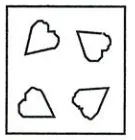
- B.
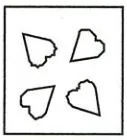
- C.
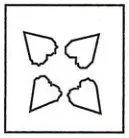
- D.
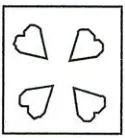
- A.
Q13 · Obstetrics & Gynaecology · Safe Motherhood, Epidemiology of Obstetrics
The total number of foetal and early neonatal deaths per 1000 live births is called:
- A.
Foetal death
- B.
Intrauterine death
- C.
Neonatal death
- D.
Perinatal mortality
- A.
Q14 · Pharmacology · Autacoids & Related Drugs
In a patient taking high doses of acetaminophen over a prolonged period, the parameter to be monitored regularly is:
- A.
GI irritation
- B.
Kidney function
- C.
Liver function
- D.
Prothrombin time
- A.
Q15 · Applied Physiology · Renal system
When a person's blood pressure drops, the kidneys respond by:
- A.
Secreting renin
- B.
Increasing urine output
- C.
Producing aldosterone
- D.
Slowing the release of ADH
- A.
Q16 · Applied Microbiology & Infection control · Pathogenic Organisms
The genera that needs pyridoxal for growth is:
- A.
Aerococcus
- B.
Enterococcus
- C.
Pediococcus
- D.
Granulicatella
- A.
Q17 · Applied Microbiology & Infection control · Immunity
The new cell that takes part in innate immunity by killing virus-infected cells is:
- A.
Neutrophil
- B.
T cell
- C.
NK cell
- D.
Macrophage
- A.
Q18 · Mental Health Nursing · Introduction
A scale that cannot be used to assess a subject for a mood disorder is:
- A.
Beck inventory
- B.
Edinburgh inventory
- C.
Wakefield questionnaire
- D.
Hamilton rating scale
- A.
Q19 · Obstetrics & Gynaecology · Diagnosis of Pregnancy
Naegele's rule is used to calculate:
- A.
Cervical dilation
- B.
Amniotic fluid
- C.
Gestational age
- D.
Expected date of delivery
- A.
Q20 · Quantitative Aptitude and Mathematics · Miscellaneous
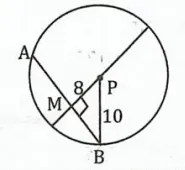
In the following figure, if PM overline AT is perpendicular, PT = 10 and PM =8 vec 6 then the value of AT is:
- A.
36
- B.
10
- C.
6
- D.
12
- A.
Q21 · Nursing Foundations · Nursing Process
Which of the below is NOT a part of the nursing process of 'planning'?
- A.
Writing nursing interventions
- B.
Formulating goals/desired outcome
- C.
Prioritising problems/diagnoses
- D.
Supervising delegated care
- A.
Q22 · Nursing Research & Statistics · Research Approaches and Designs
The relative risk of a disease can be obtained from:
- A.
Experimental study
- B.
Case-control study
- C.
Case study
- D.
Cohort study
- A.
Q23 · Applied Physiology · Renal system
The hormone that increases water reabsorption by inserting water channel or aquaporins is:
- A.
Angiotensin
- B.
Anti-diuretic hormone
- C.
Aldosterone
- D.
Atrial natriuretic peptide
- A.
Q24 · Medical & Surgical Nursing · Gas Exchange and Respiratory Function
If palpating the tragus or auricle causes pain, the problem is:
- A.
Pharyngitis
- B.
Otitis media
- C.
Otitis externa
- D.
Sinusitis
- A.
Q25 · General Knowledge · Miscellaneous
if a= 1+ √2 and b = 1 - √2 , so value of a² + b² ?
- A.
8
- B.
6
- C.
2
- D.
5
- A.
- Sign in free
Done 25 questions? Check your answers
Sign in free: every answer with its explanation, attempt the paper timed with negative marking, and track your score.
Q26 · Medical & Surgical Nursing · Cardiovascular, Circulatory, and Hematologic Function
The test that's most specific for myocardial damage is:
- A.
Creatinine kinase
- B.
Myoglobin
- C.
Ck-mb
- D.
Troponin I
- A.
Q27 · Mental Health Nursing · Principles and Concepts of Mental Health Nursing
Voluntary rejection of unacceptable thoughts or feelings from conscious awareness is called:
- A.
Suppression
- B.
Symbolisation
- C.
Sublimation
- D.
Substitution
- A.
Q28 · Applied Sociology · Social structure
Where is the Muria Gond tribe found?
- A.
Chhattisgarh
- B.
Manipur
- C.
Andhra Pradesh
- D.
Kerala
- A.
Q29 · Child Health Nursing (Pediatrics) · Normal Growth and its Disorders
Microcephaly is diagnosed when head circumference is less than:
- A.
4 standard deviations
- B.
2 standard deviations
- C.
1 standard deviation
- D.
3 standard deviations
- A.
Q30 · Quantitative Aptitude and Mathematics · Miscellaneous
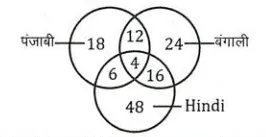
Study the given figures carefully and answer the question. The following Venn diagram shows information about the number of officers who speak three different languages in army camp XXX.What will be the ratio of the number of officers who speak Bengali and Hindi but not Punjabi to the number of officers who speak Bengali and Punjabi but not Hindi?
- A.
3:4
- B.
4:5
- C.
4:3
- D.
4:1
- A.
Q31 · Reasoning · Coding-Decoding
If 16%4@6
- A.
46
- B.
48
- C.
71
- D.
16
- A.
Q32 · Medical & Surgical Nursing · Gas Exchange and Respiratory Function
Which of the below is NOT a sign of respiratory distress?
- A.
Changing of posture to ease breathing
- B.
Speaking complete sentences
- C.
Nasal flaring
- D.
Cyanosis
- A.
Q33 · Child Health Nursing (Pediatrics) · Miscellaneous
Newborn maturity rating is done using:
- A.
Ballard score
- B.
Chandler score
- C.
Apgar score
- D.
Olliander score
- A.
Q34 · Community Health Nursing · Environmental Science, Environmental Health, and Sanitation
Which of the below DOES NOT help in controlling hazards in a school setting?
- A.
Health education should be included in the curriculum
- B.
Food supply to the students should be safe
- C.
The school should be built near from the source of noise
- D.
The school should be well-ventilated
- A.
Q35 · Obstetrics & Gynaecology · Hypertensive Disorders in Pregnancy
Which of the below is true with regard to pregnancy-induced hypertension?
- A.
There is raised BP before 20 weeks' gestation
- B.
It is also called as gestational hypertension
- C.
Visual disturbances are always present
- D.
Proteinuria is usually present
- A.
Q36 · Community Health Nursing · Demography, Surveillance and Interpretation of Data
Which of the below is a mortality indicator?
- A.
Disability rate
- B.
Incidence rate
- C.
Prevalence rate
- D.
Crude death rate
- A.
Q37 · Medical & Surgical Nursing · Sensorineural Function
The most common cause of retinal detachment is:
- A.
Degenerative changes in the retina or vitreous
- B.
Diabetes mellitus
- C.
Trauma
- D.
Brain tumors
- A.
Q38 · Applied Microbiology & Infection control · General Characteristics of Microbes
A rapid grower among the following is:
- A.
Mycobacterium gordonae
- B.
Mycobacterium abscessus
- C.
Mycobacterium avium
- D.
Mycobacterium bovis
- A.
Q39 · Reasoning · Miscellaneous
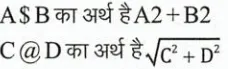
Select the term from the options that has the same relation as given below.
- A.
7$24 का अर्थ है 25
- B.
4@5 का अर्थ है 9
- C.
5$12 का अर्थ है 13
- D.
3@4 का अर्थ है 5
- A.
Q40 · Applied Microbiology & Infection control · Pathogenic Organisms
The causative agent for the disease scrapie belongs to the category of:
- A.
Prions
- B.
Bacteria
- C.
Viruses
- D.
Protozoans
- A.
Q41 · Community Health Nursing · Assisting individuals and families to promote and maintain their health
Which of the following is the population targeted by the 'Indications Preventive Intervention'?
- A.
Individuals at high risk for a disorder who have a biological marker for that disorder
- B.
General population
- C.
Affected families
- D.
Population of a specific age group
- A.
Q42 · Quantitative Aptitude and Mathematics · Work & Efficiency
Alice can do a particular job in 7 days working 9 hours a day, and Bob can do it in 6 days working 7 hours a day. How long will it take them to complete it working together, working 9 hours a day?
- A.
3 day
- B.
2 day
- C.
5 day
- D.
4 day
- A.
Q43 · Applied Psychology · Personality
During the age of 1 - 3 years, the developmental stage according to Freud's theory is:
- A.
Genital
- B.
Anal
- C.
Oral
- D.
Phallic
- A.
Q44 · Medical & Surgical Nursing · Pain Management
The surgical intervention for pain management, which involves cutting a nerve root to relieve pain, is called:
- A.
Cordotomy
- B.
Radio frequency ablation
- C.
Cry analgesia
- D.
Rhizotomy
- A.
Q45 · Nursing Foundations · Introduction to Health & Illness
The dimension of health concerned with proper biological functioning is called:
- A.
Mental dimension
- B.
Social dimension
- C.
Spiritual dimension
- D.
Physical dimension
- A.
Q46 · Quantitative Aptitude and Mathematics · Profit & loss
A quality control analyst rejects 0.08% of the fabric produced, finding it defective. How many meters of fabric must he examine to reject 4 meters?
- A.
5000
- B.
2500
- C.
10000
- D.
1000
- A.
Q47 · Mental Health Nursing · Miscellaneous
The condition in which false beliefs are firmly maintained even though they are not shared by others is called:
- A.
Delirium
- B.
Hallucination
- C.
Illusion
- D.
Delusion
- A.
Q48 · Quantitative Aptitude and Mathematics · Simple interest
The simple interest on a sum of money is equal to 4/9 of the principal. If the rate of interest and the time are numerically equal, the profit will be
- A.
6
- B.
7
- C.
6
- D.
6 2/3
- A.
Q49 · Applied Physiology · Endocrine system
The third phase of the body's adaptation to stress is:
- A.
Reaction
- B.
Rebound
- C.
Exhaustion
- D.
Resistance
- A.
Q50 · Child Health Nursing (Pediatrics) · Newborn Infants
The anterior fontanelle closes by:
- A.
2-3 years of age
- B.
birth
- C.
2 months of age
- D.
9 to 18 months of age
- A.
- Sign in free
Done 50 questions? Check your answers
Sign in free: every answer with its explanation, attempt the paper timed with negative marking, and track your score.
Q51 · Nursing Foundations · Administration of medications
What is the document called that authorizes nurses to take specific actions under certain conditions when a doctor is not immediately available?
- A.
Concept Map
- B.
Standing Order
- C.
Prescription
- D.
Discharge Summary
- A.
Q52 · Nursing Foundations · History of Nursing & Nursing as a profession
Which of the below is NOT a role played by a nurse?
- A.
Physician
- B.
Caregiver
- C.
Counselor
- D.
Communicator
- A.
Q53 · Nursing Research & Statistics · Theories, Models, and Frameworks in Nursing Research
A group of related ideas or statements is called?
- A.
Philosophy
- B.
Paradigm
- C.
Theory
- D.
Conceptual framework
- A.
Q54 · Medical & Surgical Nursing · Cardiovascular, Circulatory, and Hematologic Function
Intermittent claudication is a sign of:
- A.
Nerve injury
- B.
Peripheral neuropathy
- C.
Myocardial infarction
- D.
Arterial occlusive disease
- A.
Q55 · Reasoning · Statement-Based Reasoning
Read the given statement and conclusions carefully and choose which conclusion logically follows the statement. a. Statement: b. Ramesh eats almonds every day. He is good at math. He has a good IQ.с. Conclusion: 1. If you can't eat almonds, you won't succeed in math. 2. If someone has a high IQ, they eat almonds every day.
- A.
Both 1 and 2 follow
- B.
Neither 1 and not 2
- C.
Only 1 follow
- D.
Only follow 2
- A.
Q56 · Obstetrics & Gynaecology · Antenatal Care, Preconceptional Counseling and Care
Folic acid supplements in pregnancy are mainly used for the prevention of:
- A.
Neural tube defects
- B.
Gestational diabetes
- C.
Anemia in mother
- D.
Anemia in fetus
- A.
Q57 · Obstetrics & Gynaecology · Hypertensive Disorders in Pregnancy
Which of the below is NOT a component of HELLP syndrome?
- A.
Hemolysis
- B.
Elevated liver enzymes
- C.
Bleeding per vaginum
- D.
Low platelet count
- A.
Q58 · Biochemistry & Nutrition · Miscellaneous
Which of the following is NOT assimilated by eukaryotic cells?
- A.
Sulfate
- B.
Glucose
- C.
Nitrogen
- D.
Lactate
- A.
Q59 · Applied Physiology · Musculoskeletal system
Tropomyosin in the muscle fiber is a ______ protein.
- A.
contractile
- B.
anchoring
- C.
structural
- D.
regulatory
- A.
Q60 · Pathology & Genetics · Genetics
The mode of inheritance of cystic fibrosis is:
- A.
X linked disease
- B.
Autosomal dominant
- C.
Autosomal recessive
- D.
Non-Mendelian
- A.
Q61 · Medical & Surgical Nursing · Miscellaneous
Positive Brudzinski's and Kernig's signs are indicative of:
- A.
Hemiplegia
- B.
Alcohol intoxication
- C.
Peripheral neuropathy
- D.
Meningitis
- A.
Q62 · General Knowledge · Indian geography
Lion-tailed macaques are found in which part of India?
- A.
Jammu and Kashmir
- B.
Sikkim
- C.
Assam
- D.
Western Ghats
- A.
Q63 · Applied Microbiology & Infection control · Miscellaneous
Pseudohyphae are seen in:
- A.
Aspergillus
- B.
Mucor
- C.
Candida
- D.
Penicillium
- A.
Q64 · Nursing Foundations · Fluid, electrolytes & Acid-base balances
In the diagnostic statement "Excess fluid volume related to decreased venous return as manifested by lower extremity edema (swelling)," the etiology of the problem is:
- A.
Idiopathic
- B.
Excess fluid volume
- C.
Edema
- D.
Decreased venous return
- A.
Q65 · Obstetrics & Gynaecology · Diagnosis of Pregnancy
Which of the below is a confirmed indication of pregnancy?
- A.
Fetal heart in ultra-sonogram
- B.
Nausea and vomiting
- C.
Beta HCG in urine
- D.
Amenorrhea
- A.
Q66 · Medical & Surgical Nursing · Neurologic Function
Multiple sclerosis is characterised by:
- A.
Progressive demyelination in the CNS
- B.
Impaired cerebral circulation
- C.
Deficiency of the neurotransmitter dopamine
- D.
Deterioration of the spinal column
- A.
Q67 · Applied Microbiology & Infection control · Pathogenic Organisms
The causative agent for bacterial vaginosis is:
- A.
Candida albicans
- B.
Chlamydia trachomatis
- C.
Herpes simplex
- D.
Gardnerella vaginalis
- A.
Q68 · Applied Physiology · Musculoskeletal system
Which of the below is the true statement about the H zone of the sarcomere?
- A.
It is devoid of thick or thin filaments
- B.
It contains thick and thin filaments lying side by side
- C.
It contains thin filaments only
- D.
It contains thick filaments only
- A.
Q69 · Quantitative Aptitude and Mathematics · Miscellaneous
In a quadrilateral ABCD, if m < A = 2x m > B = 40 m < C = 2x m < D = 40, then m < C is equal to:
- A.
140
- B.
100
- C.
160
- D.
120
- A.
Q70 · Obstetrics & Gynaecology · Normal Labor
The normal order of events taking place during the second stage of labour is:
- A.
Descent → flexion → crowning → extension → internal rotation
- B.
Descent → flexion → internal rotation → extension → crowning
- C.
Descent → internal rotation → crowning → extension → flexion
- D.
Descent → flexion → internal rotation → crowning → extension
- A.
Q71 · Applied Physiology · Endocrine system
An example of positive feedback mechanism in our body is:
- A.
Temperature regulation
- B.
Baroreceptor mechanism
- C.
Oxytocin in childbirth
- D.
Regulation of thyroid hormone
- A.
Q72 · Applied Physiology · Nervous System
Depolarisation in a nerve action potential is due to:
- A.
Opening of sodium channels
- B.
Opening of calcium channels
- C.
Opening of potassium channels
- D.
Closing of sodium channels
- A.
Q73 · Applied Psychology · Motivation & Emotional Processes
According to Maslow's hierarchy, the need to be well thought of by oneself as well as by others comes under:
- A.
Physiological needs
- B.
Self-esteem needs
- C.
Security and safety needs
- D.
Self-awareness needs
- A.
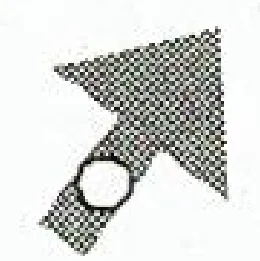
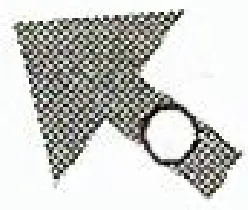
Q74 · Reasoning · Non-Verbal Reasoning
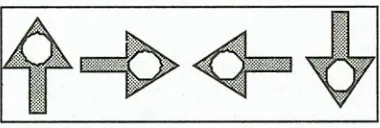 Study the following figures carefully and identify the similar figure from the options that has a relation of similarity with the given set of figures.
- A.

- B.

- C.
- D.
- A.
Q75 · Nursing Foundations · Psychosocial needs
The term resourcefulness implies:
- A.
Problem solving ability
- B.
Sense of belonging
- C.
Involvement in spiritual activities
- D.
Ability to handle stressful situations
- A.
- Sign in free
Done 75 questions? Check your answers
Sign in free: every answer with its explanation, attempt the paper timed with negative marking, and track your score.
Q76 · Applied Anatomy · Introduction to Anatomical terms & Organization of Human Body
The organ that does not lie in the pelvic cavity is:
- A.
Urinary bladder
- B.
Rectum
- C.
Transverse colon
- D.
Fallopian tube
- A.
Q77 · General Knowledge · National Government Health Programmes
Ayushman Bharat Day is celebrated annually on which day?
- A.
April 30
- B.
July 1
- C.
May 2
- D.
January 28
- A.
Q78 · Child Health Nursing (Pediatrics) · Newborn Infants
Fine downy hair, normally found abundantly in premature babies, is called:
- A.
Caput
- B.
Vernix
- C.
Naevi
- D.
Lanugo
- A.
Q79 · Applied Microbiology & Infection control · Pathogenic Organisms
Bacillus cereus food poisoning is commonly associated with the consumption of:
- A.
Green beans
- B.
Fried rice
- C.
Baked potato
- D.
Bottled honey
- A.
Q80 · Applied Microbiology & Infection control · Immunity
The type of hypersensitivity reaction due to IgE-mediated histamine release is called:
- A.
Type 1
- B.
Type 2
- C.
Type 4
- D.
Type 3
- A.
Q81 · Medical & Surgical Nursing · Other Acute Problems
The test used for the diagnosis of trichomoniasis is:
- A.
Wet mount of vaginal fluid
- B.
Enzyme-linked immunoassay (ELISA) test of serum
- C.
Specific serologic test
- D.
Ova and parasite fecal smear
- A.
Q82 · Obstetrics & Gynaecology · Population Dynamics and Control of Conception
Lactational amenorrhea acts as a contraceptive method by:
- A.
Spermicidal action
- B.
Preventing implantation
- C.
Preventing sperm entry
- D.
Preventing ovulation
- A.
Q83 · Applied Microbiology & Infection control · Pathogenic Organisms
The genetic exchange process in which donor DNA is introduced to the recipient by a virus is:
- A.
Transfection
- B.
Transduction
- C.
Conjugation
- D.
Transformation
- A.
Q84 · Pharmacology · Drugs Acting on Central Nervous System
Neuroleptic drugs are also known as:
- A.
Antidepressants
- B.
Hypnotics
- C.
Antipsychotics
- D.
Antiepileptics
- A.
Q85 · Nursing Foundations · Health care delivery system
The first referral level in the healthcare system is:
- A.
Tertiary health care
- B.
Primary health care
- C.
Secondary health care
- D.
Primordial health care
- A.
Q86 · Nursing Foundations · Oxygenation needs
When performing suctioning on a patient, you should:
- A.
oxygenate the patient's lungs before and after suctioning procedure
- B.
perform suction on the patient for longer than 10 seconds each time
- C.
apply suction intermittently as the catheter is inserted
- D.
apply suction continuously while inserting the catheter
- A.
Q87 · Mental Health Nursing · Neurotic, stress related and somatisation disorders
A mental illness specific to certain Indian populations where there is severe anxiety and hypochondriacal concerns is called:
- A.
Dhat
- B.
Nervios
- C.
Amok
- D.
Root work
- A.
Q88 · Reasoning · Coding-Decoding
In a certain code language, if DOCTOR is written as 'cnbsnq', then how can ENGINEER be written in that code?
- A.
dnfhmddr
- B.
dlfhmddq
- C.
dmfhmccq
- D.
dmfhmddq
- A.
Q89 · Nursing Foundations · Nursing Process
The type of assessment done to compare the client's current status to previously obtained baseline data is called:
- A.
Problem-focused assessment
- B.
Time-lapsed reassessment
- C.
Emergency assessment
- D.
Initial assessment
- A.
Q90 · Applied Physiology · General Physiology
Proton pump in stomach is an example for:
- A.
Simple diffusion
- B.
Facilitated diffusion
- C.
Primary active transport
- D.
Secondary active transport
- A.
Q91 · Applied Physiology · Nervous System
The action of the sympathetic system in the walls of airways is called as:
- A.
Bronchoconstriction
- B.
Increased secretion
- C.
Bronchodilation
- D.
Increased gas exchange
- A.
Q92 · Applied Anatomy · Respiratory System
The "Adam's Apple" is formed by:
- A.
Thyroid cartilage
- B.
Cricoid cartilage
- C.
Hyoid bone
- D.
Epiglottis
- A.
Q93 · Applied Physiology · Digestive system
Pepsinogen in the stomach is secreted by:
- A.
Goblet cells
- B.
G cells
- C.
Parietal cells
- D.
Chief cells
- A.
Q94 · Nursing Foundations · Health care delivery system
Which of the below is NOT a part of the secondary prevention of mental illness?
- A.
Crisis stabilisation
- B.
Rehabilitation
- C.
Screening
- D.
Early detection
- A.
Q95 · Obstetrics & Gynaecology · Multiple Pregnancy, Amniotic Fluid Disorders, Abnormalities of Placenta and Cord
When is there a possibility of locked twins being born?
- A.
First twin has cephalic and the second twin has breech presentation
- B.
Fraternal twins
- C.
First twin has breech and the second twin has cephalic presentation
- D.
Dichorionic diamniotic twins
- A.
Q96 · Applied Physiology · Musculoskeletal system
An immovable joint is called:
- A.
Synarthrosis
- B.
Amphiarthrosis
- C.
Polyarthritis
- D.
Diarthrosis
- A.
Q97 · Applied Psychology · Motivation & Emotional Processes
The full form of GAS in the context of response to stress is:
- A.
General adaptation system
- B.
General adaptation syndrome
- C.
General alarm signals
- D.
General alarm syndrome
- A.
Q98 · Medical & Surgical Nursing · Gas Exchange and Respiratory Function
Air bronchogram in X-ray is seen in the case of:
- A.
Sepsis
- B.
Respiratory distress syndrome
- C.
Tuberculosis
- D.
Bronchial asthma
- A.
Q99 · Community Health Nursing · Occupational Health
Which is NOT a high risk factor that might affect workers in a construction company?
- A.
Allergic diseases
- B.
Traumatic injuries
- C.
Chest disease
- D.
Malnutrition
- A.
Q100 · Quantitative Aptitude and Mathematics · Miscellaneous
In what ratio should water be mixed with milk so that on selling the mixture at cost price a profit of 20% is made?
- A.
1 : 5
- B.
1 : 6
- C.
1 : 4
- D.
1 : 3
- A.
- Sign in free
Done 100 questions? Check your answers
Sign in free: every answer with its explanation, attempt the paper timed with negative marking, and track your score.
Q101 · Applied Microbiology & Infection control · Miscellaneous
The term MRSA in bacteriology stands for:
- A.
Methicillin Reactive Staphylococcus aureus
- B.
Multidrug Resistant Staphylococcus aureus
- C.
Methicillin Resistant Staphylococcus aureus
- D.
Methicillin Resistant Streptococcus anginosus
- A.
Q102 · Applied Microbiology & Infection control · Pathogenic Organisms
The vertical transmission of diseases occurs through:
- A.
placenta
- B.
droplets
- C.
direct contact
- D.
mosquitoes
- A.
Q103 · Child Health Nursing (Pediatrics) · Newborn Infants
Introduction of solid foods along with breast feeding is called:
- A.
Scheduled feeding
- B.
Conditional feeding
- C.
Demand feeding
- D.
Complementary feeding
- A.
Q104 · Child Health Nursing (Pediatrics) · Newborn Infants
Poor skin turgor in neonates and infants indicates:
- A.
Dehydration
- B.
Hypoglycemia
- C.
Hypocalcemia
- D.
Hypertonia
- A.
Q105 · Nursing Foundations · Nursing Process
The advantage of using a three-part diagnostic statement such as the problem-etiology-signs/symptoms (PES) format is:
- A.
It decreases the cost of healthcare
- B.
It standardises organisation of client data
- C.
It improves communication between physician and nurse
- D.
It helps the nurse in delegating
- A.
Q106 · Nursing Foundations · History of Nursing & Nursing as a profession
The professional value of nursing that describes the right to self-determination is called:
- A.
Altruism
- B.
Autonomy
- C.
Dignity
- D.
Integrity
- A.
Q107 · Nursing Foundations · Miscellaneous
Among the following, the task that does NOT require a registered nurse but can be delegated to the home health aide is:
- A.
Assessing wound healing progress
- B.
Adjusting oxygen flow
- C.
Teaching the client about medications
- D.
Feeding and bathing the client
- A.
Q108 · General Knowledge · Miscellaneous
A man loses 5% by selling a book for ₹ 1,140. At what price should the book be sold to make a profit of 5%?
- A.
रू 1150
- B.
रू 1,450
- C.
रू 1,260
- D.
रू 1,560
- A.
Q109 · Applied Anatomy · Introduction to Anatomical terms & Organization of Human Body
A plane that passes through the midline of the body and divides it into equal right and left sides is called:
- A.
Coronal plane
- B.
Mid-sagittal plane
- C.
Oblique plane
- D.
Para-sagittal plane
- A.
Q110 · Forensic Nursing & Indian laws · Dummy
Which of the below is an example of unintentional tort?
- A.
Assault
- B.
Invasion of privacy
- C.
Negligence
- D.
Defamation
- A.
Q111 · Applied Microbiology & Infection control · General Characteristics of Microbes
The correct order of the phases in the bacterial growth curve is:
- A.
Lag → exponential → decline → stationary
- B.
Lag → exponential → stationary → decline
- C.
Lag → decline → exponential → stationary
- D.
Lag → stationary → exponential → decline
- A.
Q112 · Quantitative Aptitude and Mathematics · Speed–distance–time
A man traveled from his village to the post office at a speed of 25km/hr and returned at a speed of 4km/hr. If the entire journey took 5 hours and 48 minutes, the distance from his village to the post office is:
- A.
20km
- B.
40km
- C.
30km
- D.
35km
- A.
Q113 · Obstetrics & Gynaecology · Normal Labor
Schultze method and Matthew Duncan method describe:
- A.
Methods of detachment of placenta
- B.
Delivery of the presenting part
- C.
Ways of presentation of the foetus
- D.
Ways to monitor fetal heart rate
- A.
Q114 · Applied Anatomy · Circulatory & Lymphatic System
Which of the below is NOT a function of the fibrous skeleton of the heart?
- A.
Conducts the impulses from atria to ventricles
- B.
Forms a structural foundation for the heart valves
- C.
Prevents overstretching of the valves
- D.
Acts as a point of insertion for cardiac muscle fibers
- A.
Q115 · Applied Psychology · Mental Health & mental hygiene
An unattractive man selects expensive, stylish clothes to draw attention to himself. The defense mechanism exemplified here is:
- A.
Denial
- B.
Compensation
- C.
Dissociation
- D.
Conversion
- A.
Q116 · Reasoning · Classification (Odd One Out)
Three of the alternatives follows a certain relation, Find the instrument which does not belong to the group?
- A.
Guitar
- B.
Conga
- C.
Tabla
- D.
Gongs
- A.
Q117 · General Knowledge · Indian geography
What is the capital of Manipur?
- A.
Imphal
- B.
Itanagar
- C.
Kohima
- D.
Dispur
- A.
Q118 · General Knowledge · Indian history
In which year did the 'Battle of Plassey' take place?
- A.
1761
- B.
1758
- C.
1757
- D.
1760
- A.
Q119 · Medical & Surgical Nursing · Integumentary Function
The group at the increased risk for herpes zoster is:
- A.
Pregnant women
- B.
Infants with congenital infections
- C.
Persons at advanced age
- D.
Patients with atopic dermatitis
- A.
Q120 · Mental Health Nursing · Behavioural & Emotional Disorders of Childhood and Adolescence
Repeated involuntary or intentional passage of feces by a child in inappropriate places, after the age when bowel control is normally expected, is called:
- A.
Nightmares
- B.
Night sweats
- C.
Enuresis
- D.
Encopresis
- A.
Q121 · Reasoning · Number series
What would be the next number in the series?
8, 13, 18, 23,?
- A.
29
- B.
26
- C.
28
- D.
27
- A.
Q122 · Obstetrics & Gynaecology · Hemorrhage in Early Pregnancy
Bleeding in the first trimester with no uterine contraction or pain and no dilation of cervix indicates:
- A.
Inevitable abortion
- B.
Threatened abortion
- C.
Missed abortion
- D.
Complete abortion
- A.
Q123 · Mental Health Nursing · Mood disorders
An affective disorder among the following is:
- A.
Bipolar disorder
- B.
Schizophrenia
- C.
Somatoform disorder
- D.
Phobic anxiety disorder
- A.
Q124 · Applied Physiology · Nervous System
The cranial nerve affected in Bell's Palsy is:
- A.
Cranial nerve VII
- B.
Cranial nerve IX
- C.
Cranial nerve V
- D.
Cranial nerve III
- A.
Q125 · Medical & Surgical Nursing · Pain Management
The minimally invasive technique by which thin, insulated lead wire with electrodes (neurostimulator) is surgically implanted in the brain is called:
- A.
Functional MRI
- B.
Transcranial magnetic stimulation
- C.
Electroconvulsive therapy
- D.
Deep brain stimulation
- A.