NORCET-11 Mains question paper
NORCET · 2026 · 155 questions · 180 minutes · 0.33 mark deducted per wrong answer
- Medical & Surgical Nursing 55
- Child Health Nursing (Pediatrics) 20
- Obstetrics & Gynaecology 20
- Mental Health Nursing 18
- Pharmacology 14
- General Knowledge 8
- Community Health Nursing 8
- Pathology & Genetics 3
- Nursing Foundations 3
- Applied Psychology 2
- Applied Sociology 1
- Nursing Research & Statistics 1
- Applied Physiology 1
- Applied Microbiology & Infection control 1
See the answers and explanations
Sign in free: every answer with its explanation, attempt the paper timed with negative marking, and track your score.
Q1 · Child Health Nursing (Pediatrics) · Development
A nurse shows a 4-year-old child a model scene with a doll sitting on the opposite side. The child describes the scene only from his own viewpoint, even when asked what the doll can see. Which feature of Piaget's preoperational stage does this demonstrate?
- A.
Egocentrism
- B.
Animism
- C.
Conservation
- D.
Object permanence
- A.
Q2 · Obstetrics & Gynaecology · Antepartum Hemorrhage
A woman with abruptio placentae has excessive bleeding, and the blood does not clot. What is the most likely complication?
- A.
Atonic postpartum hemorrhage
- B.
Disseminated intravascular coagulation
- C.
Gestational thrombocytopenia
- D.
Couvelaire uterus
- A.
Q3 · Medical & Surgical Nursing · Fluid and Electrolytes: Balance and Distribution
A client on peritoneal dialysis receives 1000 mL of dialysate. At the end of the exchange, the nurse records a negative fluid balance of 100 mL. How much fluid drained out?
- A.
900 mL
- B.
1000 mL
- C.
1100 mL
- D.
1200 mL
- A.
Q4 · Medical & Surgical Nursing · Cardiovascular, Circulatory, and Hematologic Function
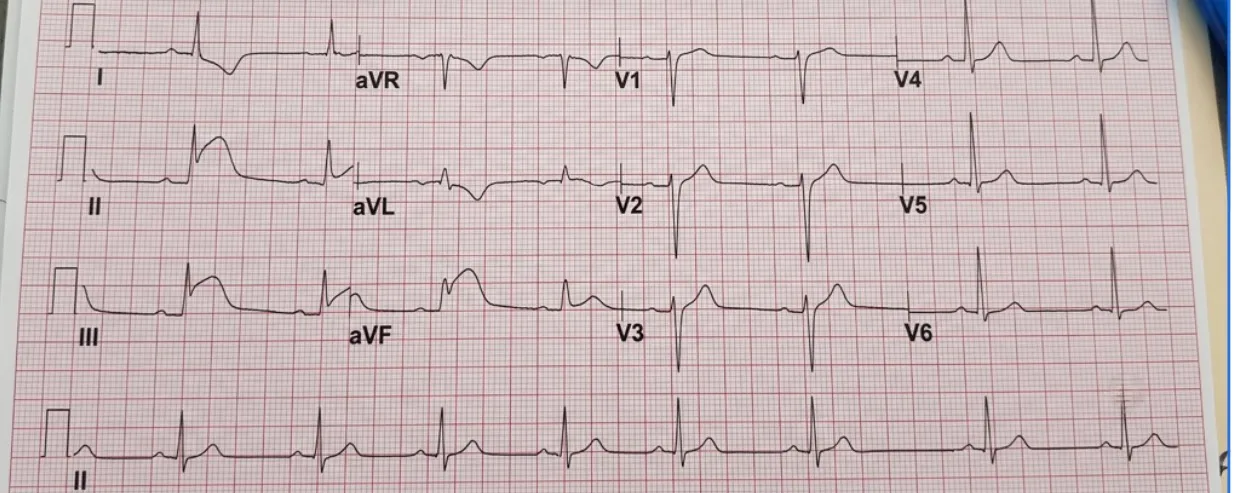
A 42-year-old client presents with acute chest pain. Which type of myocardial infarction is shown on the ECG?
- A.
Anterior wall myocardial infarction
- B.
Lateral wall myocardial infarction
- C.
Inferior wall myocardial infarction
- D.
Posterior wall myocardial infarction
- A.
Q5 · Mental Health Nursing · Substance Use Disorders
A client presents with yawning, lacrimation, diarrhea, vomiting, and excessive sweating. Which condition is suspected?
- A.
Sedative withdrawal
- B.
Opioid withdrawal
- C.
Alcohol withdrawal
- D.
Stimulant withdrawal
- A.
Q6 · Mental Health Nursing · Substance Use Disorders
Apart from educating the family about substance abuse, what is the main purpose of involving the family in group therapy?
- A.
To make the family responsible for supervising every dose of medication
- B.
To help the family support the client in maintaining abstinence
- C.
To change the client's problem behavior directly
- D.
To teach them only the harmful effects of substances
- A.
Q7 · Medical & Surgical Nursing · Neurologic Function
A client after a stroke understands speech but cannot express fluent speech, and has weakness in the right arm and right side of the face. Damage to which area is most likely?
- A.
Left frontal lobe
- B.
Left temporal lobe
- C.
Left occipital lobe
- D.
Right parietal lobe
- A.
Q8 · Obstetrics & Gynaecology · Hemorrhage in Early Pregnancy
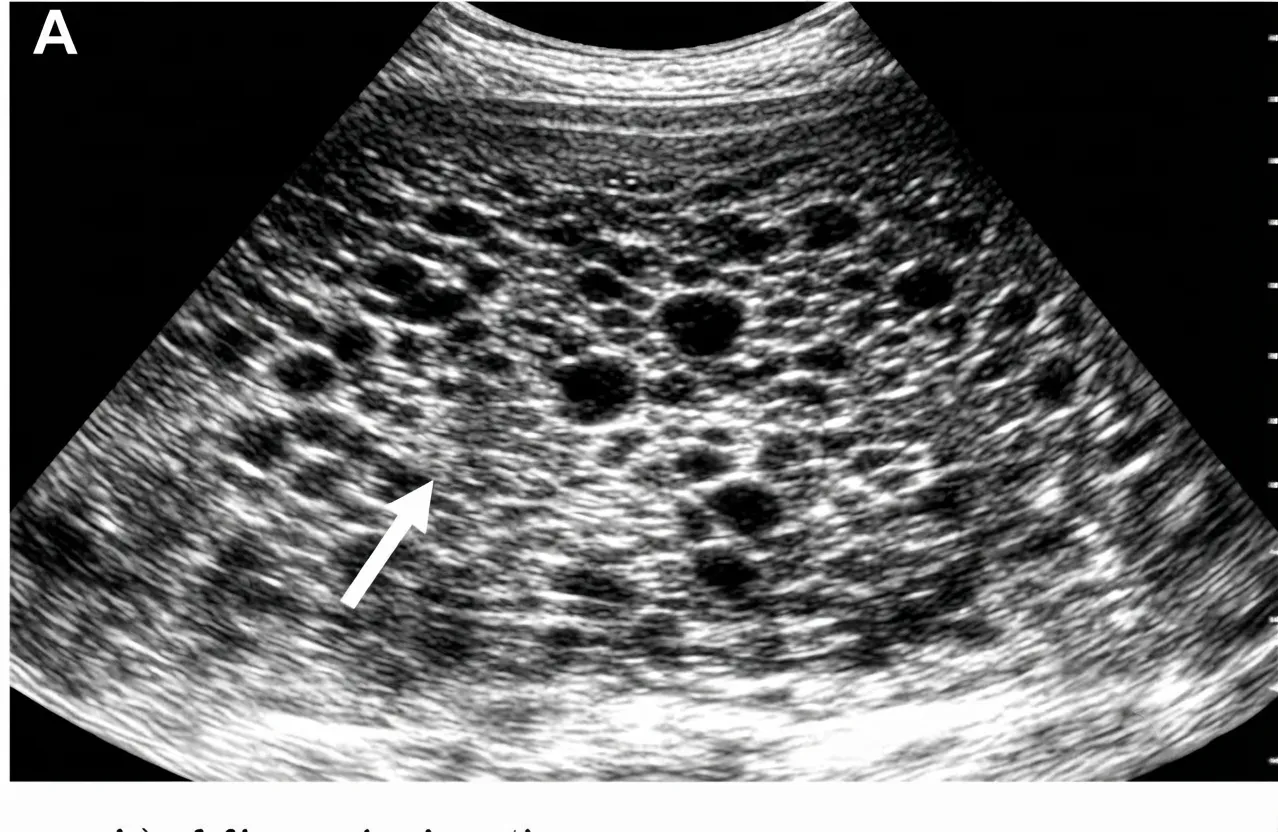
A pregnant woman has vaginal bleeding and a very high human chorionic gonadotropin level. What is the diagnosis?
- A.
Missed abortion
- B.
Complete hydatidiform mole
- C.
Ectopic pregnancy
- D.
Placenta previa
- A.
Q9 · Pharmacology · Cardiovascular Drugs
A 9-month-old infant is on digoxin. At which apical heart rate should the nurse withhold the dose?
- A.
88 beats per minute
- B.
106 beats per minute
- C.
130 beats per minute
- D.
140 beats per minute
- A.
Q10 · Pharmacology · Antimicrobial Drugs
Which type of vaccine is Vimkunya, the recently launched chikungunya vaccine?
- A.
Live attenuated vaccine
- B.
Non-live virus-like particle recombinant vaccine
- C.
Toxoid vaccine
- D.
Messenger RNA vaccine
- A.
Q11 · General Knowledge · Miscellaneous
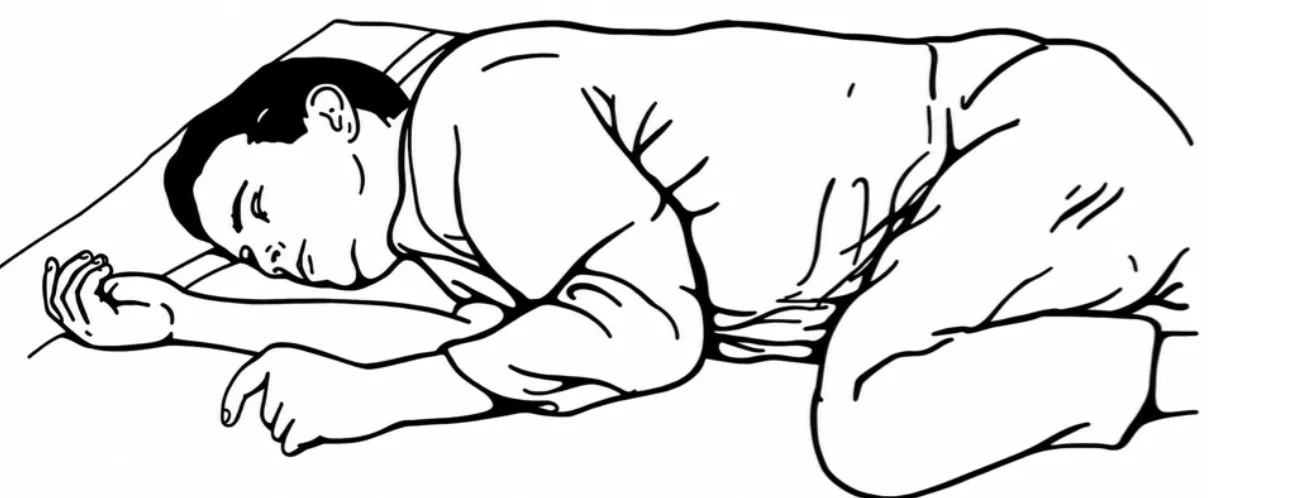
A client attending the outpatient department for rectal examination is placed on the left side with the right knee and thigh drawn up and the left arm behind the body. Name this position.
- A.
Lithotomy position
- B.
Knee-chest position
- C.
Sims lateral position
- D.
Dorsal recumbent position
- A.
Q12 · Medical & Surgical Nursing · Cardiovascular, Circulatory, and Hematologic Function
During hemodialysis, a patient develops pallor, coldness, and numbness of the hand distal to the arteriovenous fistula, with a diminished radial pulse. What should the nurse do first?
- A.
Notify the physician immediately
- B.
Increase the blood flow rate
- C.
Give a ball to squeeze in the hand
- D.
Encourage hand exercises
- A.
Q13 · Child Health Nursing (Pediatrics) · Pediatric Critical Care
What is the main advantage of the push-pull method for fluid resuscitation in infants and children?
- A.
It allows continuous flow of fluids
- B.
It prevents all fluid overload
- C.
It allows rapid flow of fluids
- D.
It allows unlimited fluid administration
- A.
Q14 · Mental Health Nursing · Organic Brain Disorders
An 80-year-old client becomes confused overnight and says he can see insects crawling on the wall. The symptoms developed suddenly within 24 hours. What is the most likely condition?
- A.
Delirium
- B.
Dementia
- C.
Schizophrenia
- D.
Depression
- A.
Q15 · Medical & Surgical Nursing · Gas Exchange and Respiratory Function
A patient on a mechanical ventilator has a low-pressure alarm. Oxygen saturation is falling and respiratory rate support is not being maintained. Initial assessment shows no blockage, no tubing kinking, and all connections are proper. What should the nurse do first?
- A.
Disconnect the patient from the ventilator and ventilate with a bag-mask device
- B.
Increase the tidal volume and fraction of inspired oxygen
- C.
Perform endotracheal suctioning
- D.
Continue ventilation and observe
- A.
Q16 · General Knowledge · Miscellaneous
Calculate the 24-hour maintenance fluid requirement for an 11 kg child and the flow rate using a pediatric microdrip set of 60 drops per mL.
- A.
1050 mL per day at about 44 drops per minute
- B.
1100 mL per day at about 46 drops per minute
- C.
1000 mL per day at about 42 drops per minute
- D.
1150 mL per day at about 48 drops per minute
- A.
Q17 · Obstetrics & Gynaecology · Pharmacotherapeutics in Obstetrics
A pregnant female is prescribed a beta-agonist tocolytic agent to suppress preterm uterine contractions. In which pafient should the nurse question the prescription?
- A.
A female with cardiovascular disease
- B.
GI diseases
- C.
Respiratory disorders
- D.
female with hypothyroidism
- A.
Q18 · Medical & Surgical Nursing · Gas Exchange and Respiratory Function
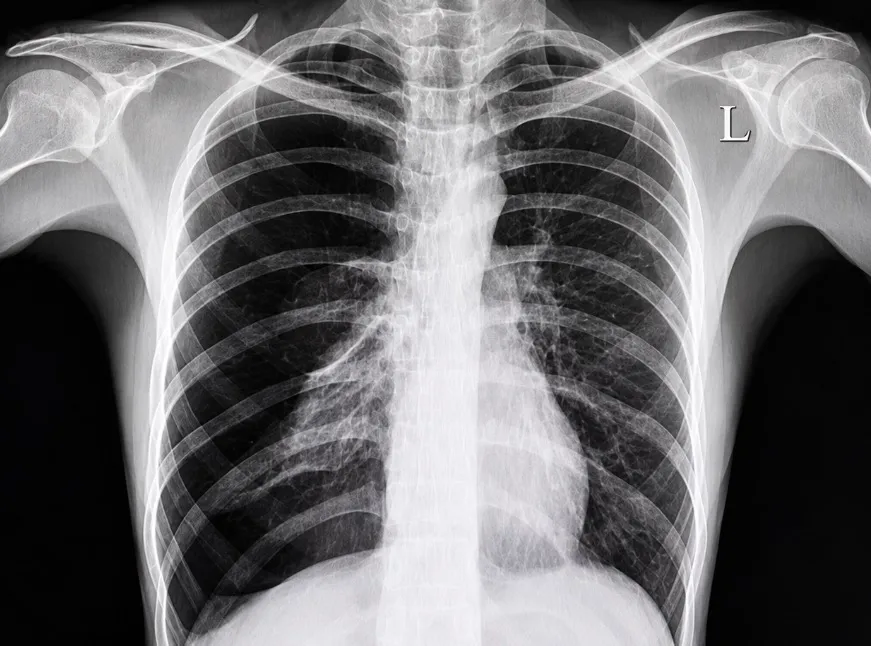
A road traffic accident victim has absent breath sounds and tracheal deviation. The X-ray shows a hyperlucent hemithorax without lung markings and mediastinal shift to the opposite side. What is the diagnosis?
- A.
Tension pneumothorax
- B.
Massive hemothorax
- C.
Flail chest
- D.
Pleural effusion
- A.
Q19 · Medical & Surgical Nursing · Metabolic and Endocrine Function
A client passes 3.5 liters of urine a day. Plasma osmolality is 305 mOsm/kg, urine osmolality is 150 mOsm/kg, urine specific gravity is 1.000, and plasma ADH is raised. What is the priority intervention?
- A.
Give desmopressin
- B.
Start fluid replacement
- C.
Restrict fluids and monitor serum sodium closely
- D.
Give 3 percent hypertonic saline
- A.
Q20 · Pathology & Genetics · Genetics
Both parents are healthy carriers of cystic fibrosis and are planning another baby. What is the chance that the child will have cystic fibrosis?
- A.
5 percent
- B.
25 percent
- C.
50 percent
- D.
75 percent
- A.
Q21 · Medical & Surgical Nursing · Urinary Tract Function
A female client has light pink-tinged urine after a cystoscopy. What is the best explanation the nurse can give?
- A.
It is normal after the procedure
- B.
It needs assessment and urgent admission
- C.
The doctor must be informed immediately
- D.
She should drink 3 to 4 liters of fluid a day
- A.
Q22 · Medical & Surgical Nursing · Sensorineural Function
During an eye examination, the nurse notes a dull red reflex with an opacity in the lens. Which examination should be done next to confirm and localize the opacity?
- A.
Slit-lamp examination
- B.
Tonometry
- C.
Perimetry
- D.
Snellen chart
- A.
Q23 · Mental Health Nursing · Psychiatric Emergencies
A girl was started on clozapine a few days ago. She now has fever, muscle rigidity, and intermittent confusion or agitation. What is the priority nursing action?
- A.
Give the next clozapine dose as scheduled
- B.
Assess vital signs and suspect neuroleptic malignant syndrome
- C.
Reassure the family that these are expected side effects
- D.
Administer lithium and continue observing
- A.
Q24 · Obstetrics & Gynaecology · Operative Obstetrics
A woman in active labor has a nonreactive cardiotocograph and is being prepared for emergency cesarean section. Which position should the nurse use to reduce aortocaval compression?
- A.
Supine with a wedge under the right hip
- B.
Supine with a wedge under the left hip
- C.
Trendelenburg position
- D.
Lithotomy position
- A.
Q25 · Pharmacology · Cardiovascular Drugs
Assertion: Beta-blockers should not be given routinely to every patient with myocardial infarction. Reason: Beta-blockers decrease heart rate and cardiac workload.
- A.
Both the assertion and reason are true, and the reason correctly explains the assertion
- B.
Both the assertion and reason are true, but the reason does not correctly explain the assertion
- C.
The assertion is true, but the reason is false
- D.
The assertion is false, but the reason is true
- A.
- Sign in free
Done 25 questions? Check your answers
Sign in free: every answer with its explanation, attempt the paper timed with negative marking, and track your score.
Q26 · Child Health Nursing (Pediatrics) · Newborn Infants
A nurse is assessing four neonates in the newborn unit. Which neonate requires priority assessment and intervention?
- A.
2.4-kg neonate with a respiratory rate of 74/min and grunting
- B.
1.8-kg neonate with a temperature of 36.2°C and jitteriness
- C.
2.3-kg neonate with a respiratory rate of 64/min and no chest retractions
- D.
1.7-kg neonate with jaundice who is feeding adequately
- A.
Q27 · Medical & Surgical Nursing · Cardiovascular, Circulatory, and Hematologic Function
Thirty minutes into a blood transfusion, an elderly client with heart failure develops dyspnea, blood pressure 150/90 mmHg, heart rate 130 per minute, and distended neck veins. Which transfusion reaction is this?
- A.
Transfusion-associated circulatory overload
- B.
Transfusion-related acute lung injury
- C.
Febrile nonhemolytic transfusion reaction
- D.
Anaphylactic reaction
- A.
Q28 · Community Health Nursing · Surface Infections
A 30-year-old man has a single pale numb patch on his forearm. No nerves are thickened, and the slit-skin smear is negative. How is his leprosy classified for treatment?
- A.
Multibacillary leprosy
- B.
Paucibacillary leprosy
- C.
Borderline lepromatous leprosy
- D.
Lepromatous leprosy
- A.
Q29 · Medical & Surgical Nursing · Digestive and Gastrointestinal Function
A client comes in with suspected acute cholecystitis. Which abdominal finding most strongly supports the diagnosis?
- A.
Pain when pressure is suddenly released from the abdomen
- B.
Pain in the right lower quadrant when the left lower quadrant is pressed
- C.
The client stops inspiration when pressure is applied below the right costal margin
- D.
Bluish discoloration around the umbilicus
- A.
Q30 · Mental Health Nursing · Treatment modalities and therapies used in mental disorders
What is an important role of family therapy is given to help and to ?
- A.
To punish the patient for substance use
- B.
To improve family communication and support recovery
- C.
replace all medical treatment
- D.
To isolate the patient from family members
- A.
Q31 · Mental Health Nursing · Therapeutic Communication and Nurse- Patient Relationship
A depressed client says that the family would be better off without the client. What is the nurse's best response?
- A.
Do not say that; your family loves you.
- B.
Are you thinking of killing yourself?
- C.
Everyone feels that way sometimes.
- D.
Let us talk about something more cheerful.
- A.
Q32 · Obstetrics & Gynaecology · Examination of a Gynecological Patient
According to ACOG recommendations, how often may a clinical breast examination be offered to an average-risk woman aged 40 years or older?
- A.
Once every year
- B.
Once every 2 years
- C.
Once every 3 years
- D.
Once every 6 months
- A.
Q33 · Mental Health Nursing · Substance Use Disorders
In the CAGE questionnaire for alcohol use, what does the letter E stand for?
- A.
Excessive drinking
- B.
Eye-opener
- C.
Emotional dependence
- D.
Early withdrawal
- A.
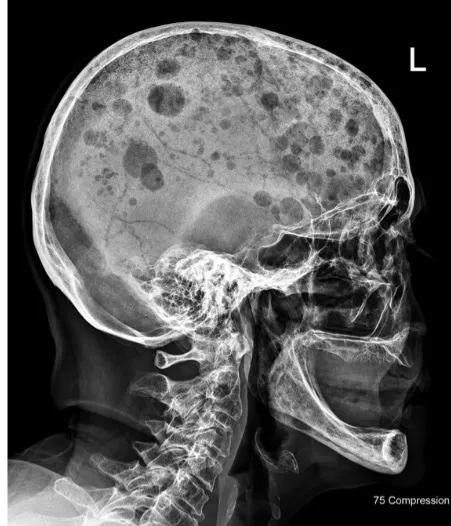
Q34 · Medical & Surgical Nursing · Oncology: Nursing Management in Cancer Care
A skull X-ray shows multiple punched-out lytic lesions. What is the diagnosis?
- A.
Ewing sarcoma
- B.
Osteosarcoma
- C.
Chondrosarcoma
- D.
Multiple myeloma
- A.
Q35 · Pharmacology · Drugs Acting on Central Nervous System
A client with bipolar disorder is started on lithium. Which dietary instruction is correct?
- A.
Carbohydrate-rich foods lower lithium levels
- B.
Increasing calorie intake will decrease lithium levels
- C.
Increasing calorie intake will increase lithium levels
- D.
Increasing sodium intake will decrease lithium levels
- A.
Q36 · Mental Health Nursing · Treatment modalities and therapies used in mental disorders
A girl with a phobia of flying is treated with systematic desensitization. Which finding indicates that the therapy has been successful?
- A.
She completes a short journey by flight
- B.
She says her phobia is irrational
- C.
She plans a tour that includes a flight
- D.
She says her fear has lessened
- A.
Q37 · General Knowledge · Miscellaneous
Why is sham feeding given to an infant with tracheoesophageal fistula who is fed by gastrostomy?
- A.
To keep the gastrostomy patent
- B.
To prevent infection
- C.
To maintain normal sucking and swallowing skills associated with feeding
- D.
To provide the main source of nutrition
- A.
Q38 · Applied Sociology · Social stratification
Which of the following is considered a social indicator of health?
- A.
Genetic history
- B.
Income
- C.
low blood pressure
- D.
High Heart rate
- A.
Q39 · Community Health Nursing · Epidemiology – Epidemiological Approaches and Processes
A disease has been present continuously in a particular geographical area for a long time. What is this called?
- A.
Epidemic
- B.
Endemic
- C.
Sporadic
- D.
Pandemic
- A.
Q40 · Mental Health Nursing · Neurotic, stress related and somatisation disorders
A 16-year-old girl suddenly cannot move either leg after her parents' divorce. No physical cause is found, and she seems unconcerned about it. Which understanding should guide the nurse's care?
- A.
She is producing the paralysis deliberately to gain attention
- B.
Confronting her about the paralysis will help her recover
- C.
The paralysis itself is causing her severe anxiety
- D.
The paralysis has a symbolic meaning for her
- A.
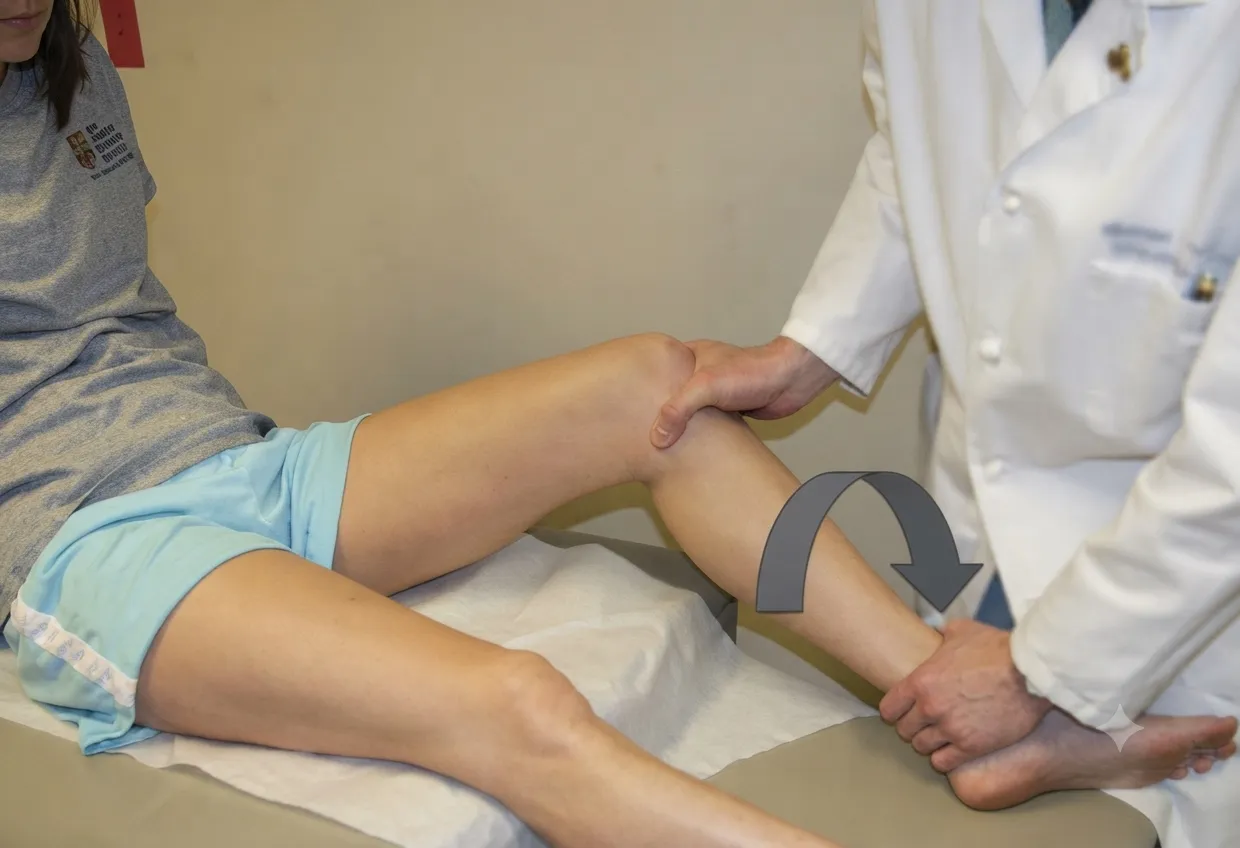
Q41 · Medical & Surgical Nursing · Musculoskeletal Function
Which test is performed for a suspected meniscal tear by flexing the knee and rotating the tibia while extending the knee?
- A.
Lachman test
- B.
McMurray test
- C.
Anterior drawer test
- D.
Thomas test
- A.
Q42 · Medical & Surgical Nursing · Other Acute Problems
A client is brought unconscious with pinpoint pupils and a respiratory rate of 8 per minute. What is the first priority?
- A.
Administer IV naloxone
- B.
Start IV fluids
- C.
Perform gastric lavage
- D.
Administer activated charcoal
- A.
Q43 · Medical & Surgical Nursing · Digestive and Gastrointestinal Function
A patient with hemorrhoids has painless bright red bleeding with prolapse during defecation, and the prolapse reduces spontaneously afterward. What is the grade of the hemorrhoids?
- A.
Grade I
- B.
Grade II
- C.
Grade III
- D.
Grade IV
- A.
Q44 · Medical & Surgical Nursing · Neurologic Function
A client with a T4 spinal cord injury suddenly develops a pounding headache, blood pressure 210/110 mmHg, heart rate 48 per minute, flushing, nasal congestion, and sweating above the level of injury. What is the most likely condition?
- A.
Autonomic dysreflexia
- B.
Spinal shock
- C.
Neurogenic shock
- D.
Hypovolemic shock
- A.
Q45 · Obstetrics & Gynaecology · COMPLICATED LABOR-Malposition, Malpresentation and Cord Prolapse
A woman has a footling breech presentation, with the fetal back felt on the right side of the umbilicus and the head at the fundus. What are the lie, presentation, and presenting part?
- A.
Longitudinal lie, breech presentation, feet presenting
- B.
Transverse lie, shoulder presentation, acromion presenting
- C.
Longitudinal lie, cephalic presentation, vertex presenting
- D.
Oblique lie, breech presentation, buttocks presenting
- A.
Q46 · Child Health Nursing (Pediatrics) · Immunization and Immunodeficiency
A mother brought her infant at 6 weeks to the healthcare facility for routine immunization. The mother reports that the child has mild nasal congestion but no fever or other significant symptoms. What should the nurse do?
- A.
Administer the scheduled vaccine as recommended
- B.
Withhold the vaccine until the nasal congestion completely resolves
- C.
Vaccination will resolve the nasal congestion
- D.
Give vaccine as it is a killed vaccine
- A.
Q47 · Child Health Nursing (Pediatrics) · Newborn Infants
A mother has long-standing type 1 diabetes with retinopathy and neuropathy. Which finding is most likely in her newborn?
- A.
Hyperbilirubinemia
- B.
Hypercalcemia
- C.
Hypernatremia
- D.
Hyperglycemia
- A.
Q48 · Medical & Surgical Nursing · Fluid and Electrolytes: Balance and Distribution
A client has a serum potassium of 7.0 mEq/L. The physician prescribes IV 10 percent calcium gluconate. Why is it given?
- A.
It moves potassium from the blood into the cells
- B.
It stabilizes the cardiac cell membrane and protects against arrhythmias
- C.
It increases potassium excretion by the kidneys
- D.
It binds potassium in the intestine
- A.
Q49 · Applied Psychology · Developmental Psychology
According to Piaget, what is the process of modifying an existing schema to fit a new, challenging situation called?
- A.
Adaptation
- B.
Assimilation
- C.
Accommodation
- D.
Equilibration
- A.
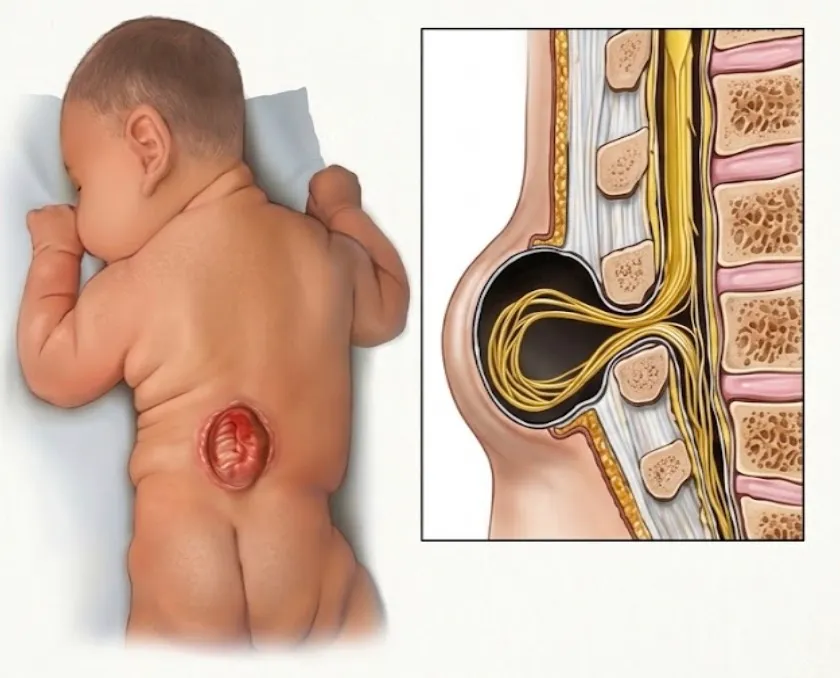
Q50 · Child Health Nursing (Pediatrics) · Newborn Infants
The image shows a sac protruding over the lumbosacral spine of a newborn that contains meninges, cerebrospinal fluid, spinal cord, and nerve roots. Identify the condition.
- A.
Meningocele
- B.
Myelomeningocele
- C.
Spina bifida occulta
- D.
Encephalocele
- A.
- Sign in free
Done 50 questions? Check your answers
Sign in free: every answer with its explanation, attempt the paper timed with negative marking, and track your score.
Q51 · Applied Psychology · Developmental Psychology
A person has an intelligence quotient of 48. Which activity can this person most likely be expected to manage?
- A.
An intellectually demanding job
- B.
Living fully independently
- C.
Budgeting and handling money independently
- D.
Performing daily self-care activities
- A.
Q52 · Medical & Surgical Nursing · Shock and Multisystem Failure
In hypovolemic shock, the release of antidiuretic hormone results in:
- A.
Increased water reabsorption in the renal collecting ducts, decreasing urine output
- B.
Peripheral vasodilation
- C.
Increased urine output
- D.
Decreased heart rate
- A.
Q53 · Medical & Surgical Nursing · Gas Exchange and Respiratory Function
A client arrives in the emergency department on oxygen at 2 liters per minute by nasal cannula. The nurse notes an oxygen saturation of 88 percent, and the client has become confused. What is the priority nursing action?
- A.
Increase the oxygen to 6 liters per minute immediately
- B.
Assess the client and obtain an arterial blood gas if indicated
- C.
Encourage the client to take deep breaths
- D.
Reassess the oxygen saturation after 30 minutes
- A.
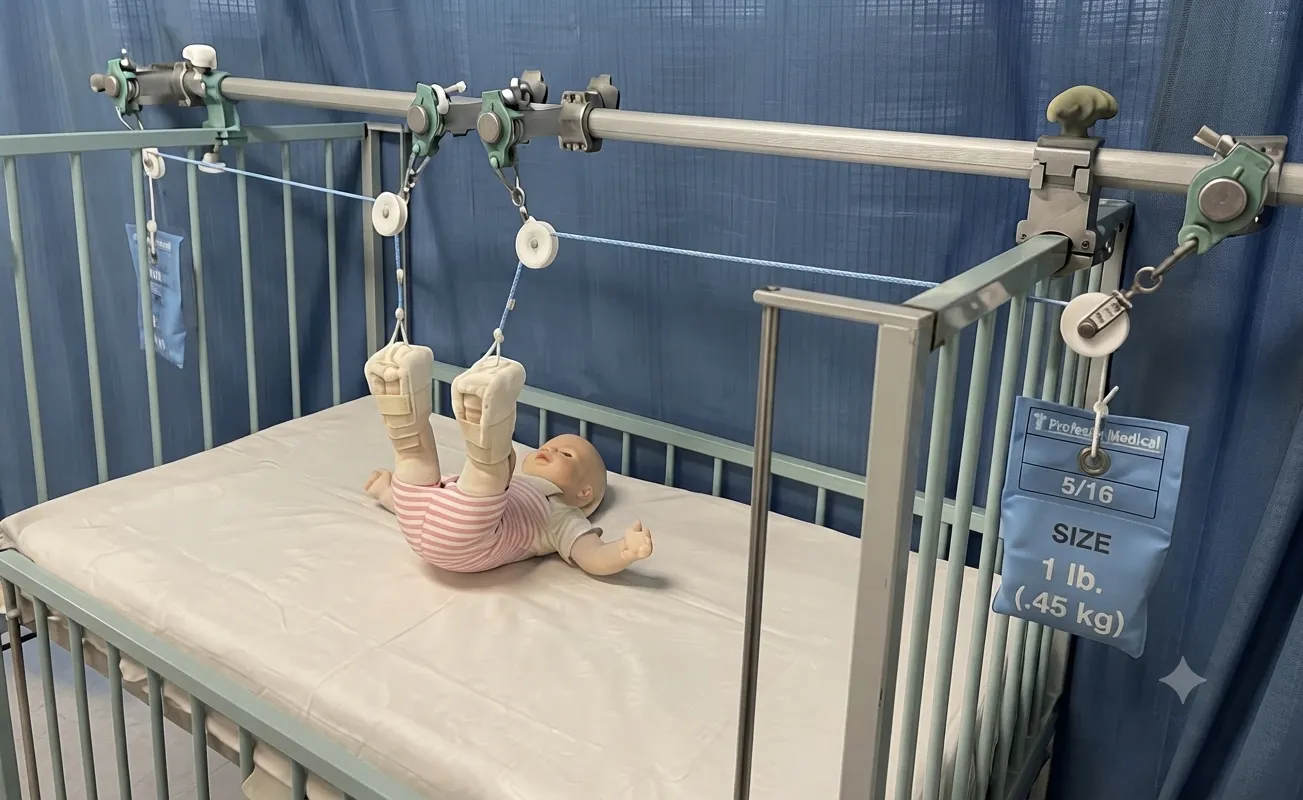
Q54 · Child Health Nursing (Pediatrics) · Orthopedic disorders
Identify the traction shown, used for a femur fracture in a child under 2 years.
- A.
Hamilton-Russell traction
- B.
Russell extension traction
- C.
Gallows or Bryant traction
- D.
Buck traction
- A.
Q55 · Child Health Nursing (Pediatrics) · Nutrition
Identify the condition shown.
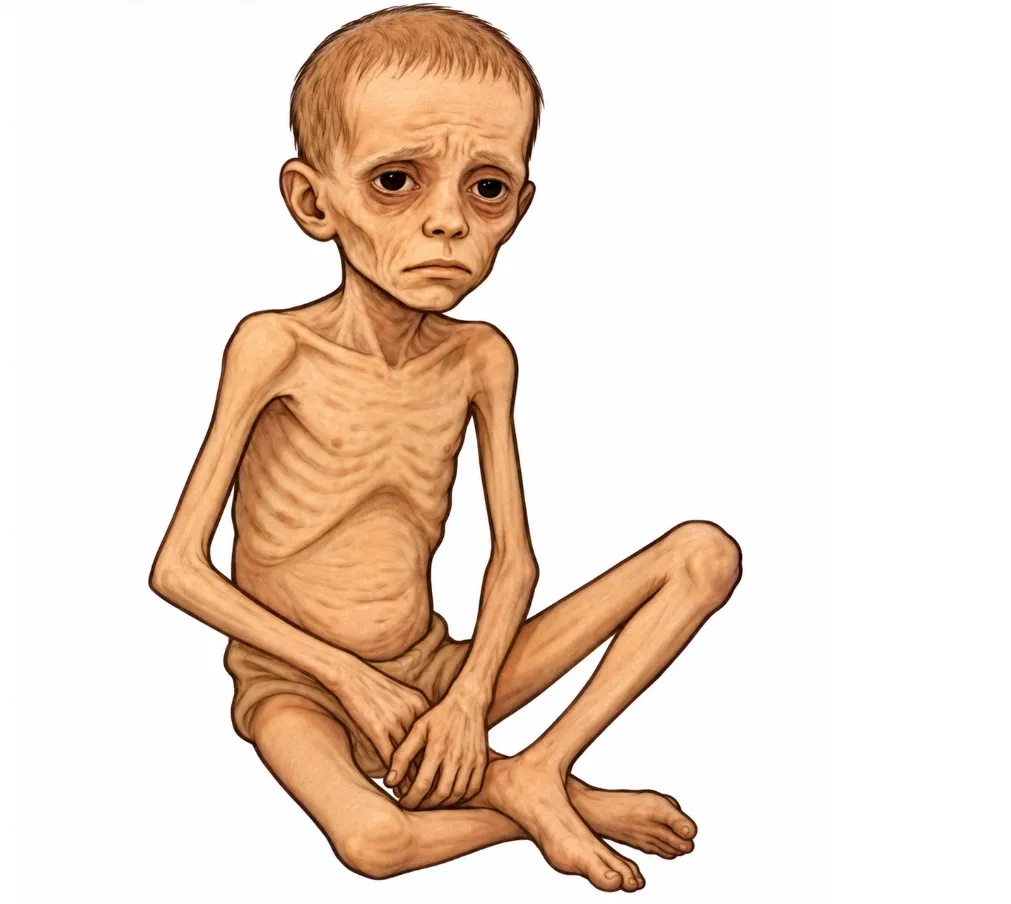
- A.
Kwashiorkor
- B.
Marasmus
- C.
Marasmic kwashiorkor
- D.
Rickets
- A.
Q56 · Medical & Surgical Nursing · Urinary Tract Function
A client underwent transplant surgery. Which finding indicates rejection of a transplanted kidney?
- A.
Decreased blood pressure
- B.
Decreased body temperature
- C.
Reduced creatinine clearance
- D.
Increased urine output
- A.
Q57 · Medical & Surgical Nursing · Cardiovascular, Circulatory, and Hematologic Function
A 20-year-old woman with no previous cardiac history has fever, monoarthralgia, an erythrocyte sedimentation rate of 33 mm per hour, and throat culture positive for group A beta-hemolytic streptococcus. Applying the revised Jones criteria, what can be concluded?
- A.
Initial acute rheumatic fever is confirmed by 2 major criteria
- B.
Initial acute rheumatic fever is confirmed by 1 major and 2 minor criteria
- C.
Initial acute rheumatic fever cannot be diagnosed; only minor criteria are met
- D.
Rheumatic heart disease is confirmed
- A.
Q58 · Community Health Nursing · Demography, Surveillance and Interpretation of Data
An area has 20000 women aged 15 to 49 years who had 600 live births in a year. In the same year, 5000 married women aged 15 to 49 had 500 live births. Calculate the general fertility rate and the general marital fertility rate.
- A.
General fertility rate 30 and general marital fertility rate 100 per 1000
- B.
General fertility rate 3 and general marital fertility rate 10 per 1000
- C.
General fertility rate 30 and general marital fertility rate 10 per 1000
- D.
General fertility rate 100 and general marital fertility rate 30 per 1000
- A.
Q59 · Medical & Surgical Nursing · Cardiovascular, Circulatory, and Hematologic Function
A patient is suspected of having coarctation of the aorta. Which finding should the nurse expect when comparing upper and lower extremities?
- A.
Higher blood pressure in the lower extremities with stronger femoral pulses
- B.
Higher blood pressure in the upper extremities with weak or delayed femoral pulses
- C.
Equal blood pressure in upper and lower extremities
- D.
Lower blood pressure in the upper extremities with bounding femoral pulses
- A.
Q60 · Child Health Nursing (Pediatrics) · Diseases of Gastrointestinal System and Liver
For which condition is the Kasai procedure or hepatoportoenterostomy performed?
- A.
Biliary atresia
- B.
Hirschsprung disease
- C.
Intussusception
- D.
Choledochal cyst
- A.
Q61 · Child Health Nursing (Pediatrics) · Newborn Infants
neonatal hypoglycemia which is the following abnormal finding of preterm infant is not associated with neonatal hypoglycemia
- A.
Lethargy & convulsions
- B.
Jitteriness
- C.
Unexplained apnea with bradycardia
- D.
Normal breast feeding
- A.
Q62 · Obstetrics & Gynaecology · Physiological Changes During Pregnancy
A pregnant woman complains of a waddling gait. Which physiological change of pregnancy is responsible?
- A.
Relaxin and progesterone-induced relaxation of pelvic joints and ligaments
- B.
Excessive weight gain during pregnancy
- C.
Edema of the lower limbs
- D.
Increased muscle tone of the thighs
- A.
Q63 · Medical & Surgical Nursing · Fluid and Electrolytes: Balance and Distribution
hypernatremia dehydration Serum sodium 158Meq/L
- A.
Flaccid paralysis
- B.
Lethargy & seizure
- C.
Hyperactive DTR
- D.
Constipation
- A.
Q64 · Pharmacology · Miscellaneous
What is the antidote for magnesium sulfate toxicity?
- A.
10 percent calcium gluconate
- B.
Naloxone
- C.
Protamine sulfate
- D.
Vitamin K
- A.
Q65 · Obstetrics & Gynaecology · Normal Labor
Where should the tocodynamometer be placed on the mother's abdomen?
- A.
Over the uterine fundus
- B.
Over the fetal back
- C.
Over the lower uterine segment
- D.
Over the membranes
- A.
Q66 · Community Health Nursing · National Health Programs
Which government scheme provides financial protection to families for hospitalization expenses through empanelled healthcare facilities?
- A.
National Health Mission
- B.
Janani Suraksha Yojana
- C.
Rashtriya Swasthya Bima Yojana
- D.
Pradhan Mantri Jan Arogya Yojana
- A.
Q67 · Obstetrics & Gynaecology · Complications of the Third Stage of Labor
A patient with postpartum hemorrhage is given carboprost. After administration the uterus becomes well contracted, but vaginal bleeding continues. What should the nurse do next?
- A.
Perform ultrasonography of the abdomen
- B.
Perform manual examination for hidden clots in the uterus
- C.
Perform a physical examination of the vagina, cervix, and perineum
- D.
Administer another dose of carboprost
- A.
Q68 · Pharmacology · Chemotherapy of Neoplastic Drugs
A client with an unruptured ectopic pregnancy is treated with single-dose intramuscular methotrexate. Three days later she has painful mouth ulcers, severe nausea, and falling white blood cell and platelet counts. Which drug should the nurse expect to give as the antidote?
- A.
Folic acid
- B.
Leucovorin or folinic acid
- C.
Naloxone
- D.
Protamine sulfate
- A.
Q69 · Pharmacology · General Pharmacology
A client with a previous history of malignant hyperthermia is to receive general anesthesia. Which prescribed drug should the nurse question?
- A.
Succinylcholine
- B.
Midazolam
- C.
Propofol
- D.
Fentanyl
- A.
Q70 · Pharmacology · Antimicrobial Drugs
A client with HIV was switched to a second-line regimen containing atazanavir boosted with ritonavir. How should the nurse explain how this drug works?
- A.
It stops viral RNA from being copied into DNA
- B.
It stops the virus attaching to the CD4 cell
- C.
It stops viral proteins from being cut, so new virus particles cannot mature
- D.
It stops viral DNA from joining host DNA
- A.
Q71 · Pharmacology · Drugs Acting on Central Nervous System
A client on an antipsychotic develops restlessness and inability to sit still, consistent with akathisia. Blockade of which dopamine pathway is primarily responsible?
- A.
Mesolimbic pathway
- B.
Mesocortical pathway
- C.
Tuberoinfundibular pathway
- D.
Nigrostriatal pathway
- A.
Q72 · Nursing Foundations · Nursing Care & Specific Procedures
A patient with a central venous pressure line is at risk of air embolism. All of the following are signs and symptoms of air embolism except:
- A.
Sudden dyspnea and chest pain
- B.
Tachycardia and hypotension
- C.
A mill-wheel murmur over the precordium
- D.
Bradycardia with hypertension
- A.
Q73 · Medical & Surgical Nursing · Gas Exchange and Respiratory Function
A 70-year-old man is brought in after a road traffic accident. A segment of his chest wall moves inward during inspiration and outward during expiration. What is the most likely cause?
- A.
Pneumothorax
- B.
Cardiac tamponade
- C.
Tension pneumothorax
- D.
Flail chest
- A.
Q74 · Mental Health Nursing · Mood disorders
A client admitted with severe depression started a selective serotonin reuptake inhibitor two weeks ago. He has been withdrawn and tearful, but today is suddenly calm and cheerful and is socializing. What is the nurse's priority?
- A.
Encourage him to join group activities
- B.
Assess him for suicidal thoughts and a plan
- C.
Record the improvement and discuss early discharge
- D.
Arrange a family visit to support his better mood
- A.
Q75 · Mental Health Nursing · Substance Use Disorders
A nurse is working in a deaddiction center. Which nursing action has the highest priority?
- A.
Develop a long-term deaddiction plan
- B.
Assess for signs and symptoms of withdrawal
- C.
Teach the client about substance abuse
- D.
Discuss relapse-prevention strategies
- A.
- Sign in free
Done 75 questions? Check your answers
Sign in free: every answer with its explanation, attempt the paper timed with negative marking, and track your score.
Q76 · Obstetrics & Gynaecology · Abnormalities of the Puerperium
A women 2nd day post operative period complains of passing of clots with saturation of pad in very short duration. She appeared pale and drowsy?
- A.
Assess uterine tone & massage the uterus
- B.
Assess after 15 minutes.
- C.
Assess for retained clot in the uterine cavity
- D.
it normal no need intervention
- A.
Q77 · Community Health Nursing · Nutrition Assessment and Nutrition Education
Under Mission Saksham Anganwadi and Poshan 2.0, the Scheme for Adolescent Girls covers girls of which age group?
- A.
10 to 14 years
- B.
14 to 18 years
- C.
10 to 19 years
- D.
15 to 19 years
- A.
Q78 · General Knowledge · Miscellaneous
A 30-year-old pregnant woman has elevated liver enzymes and thrombocytopenia. What hematological finding completes the diagnosis of HELLP syndrome?
- A.
Disseminated intravascular coagulation
- B.
Elevated liver enzymes
- C.
Thrombocytopenia
- D.
Microangiopathic hemolytic anemia
- A.
Q79 · General Knowledge · National Current Affairs
What are the names of the official mascots of Census 2027 of India?
- A.
Gyan and Vigyan
- B.
Pragati and Vikas
- C.
Shakti and Samarthya
- D.
Jan and Gan
- A.
Q80 · Medical & Surgical Nursing · Urinary Tract Function
After transurethral resection of the prostate, a three-way catheter is inserted. What is the correct function of its three ports?
- A.
Balloon inflation, urine drainage, and continuous bladder irrigation inflow
- B.
Two urine drainage ports and one balloon port
- C.
Urine drainage, medication instillation, and irrigation outflow
- D.
Balloon inflation, suction, and urine drainage
- A.
Q81 · Medical & Surgical Nursing · Perioperative Concepts and Nursing Management
67 yr old patient becomes agitated and restless 24 hours after surgery, despite having been adequately counselled preoperatively. What should the nurse assess first?
- A.
Assess for pain, irritability, and hydration status
- B.
Assess for the patient's level of anxiety only
- C.
Administer a sedative immediately
- D.
Assume the patient is experiencing postoperative delirium
- A.
Q82 · Medical & Surgical Nursing · Oncology: Nursing Management in Cancer Care
A client with carcinoma of the lung develops facial and neck edema, distended neck and chest wall veins, and dyspnea. Which oncologic emergency should the nurse suspect?
- A.
Superior vena cava syndrome
- B.
Spinal cord compression
- C.
Tumor lysis syndrome
- D.
Syndrome of inappropriate antidiuretic hormone secretion
- A.
Q83 · Child Health Nursing (Pediatrics) · Normal Growth and its Disorders
Which is the most stable parameter for growth monitoring in children?
- A.
Height
- B.
Weight
- C.
Head circumference
- D.
Mid-upper arm circumference
- A.
Q84 · Medical & Surgical Nursing · Urinary Tract Function
A client is diagnosed with acute glomerulonephritis. Which finding would the nurse not expect?
- A.
Smoky or cola-colored urine
- B.
Proteinuria
- C.
Hypotension
- D.
Periorbital edema
- A.
Q85 · Obstetrics & Gynaecology · Antepartum Hemorrhage
In a woman with antepartum hemorrhage and active bleeding, which procedure is contraindicated?
- A.
Digital vaginal examination
- B.
Ultrasonography
- C.
Monitoring maternal vital signs
- D.
Positioning in the left lateral position
- A.
Q86 · Medical & Surgical Nursing · Digestive and Gastrointestinal Function
Identify the procedure and its indication. ?
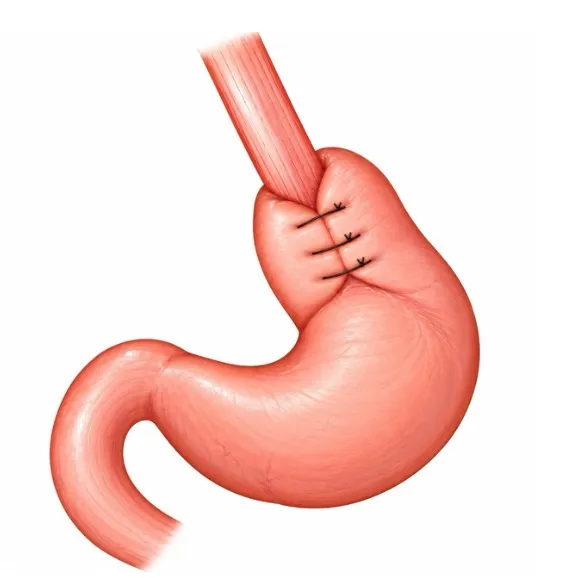
- A.
Nissen fundoplication for gastroesophageal reflux disease or hiatal hernia
- B.
Heller myotomy for achalasia
- C.
Esophagotomy
- D.
Pyloromyotomy for pyloric stenosis
- A.
Q87 · Medical & Surgical Nursing · Gas Exchange and Respiratory Function
A patient receiving mechanical ventilation in PRVC mode is set at an Fi02 50% and a tidal volume of 380 mL. The patient's oxygen saturation suddenly decreases to 95% to 89% Which of the following is the most likely cause?
- A.
reposition & assess the pt after few min
- B.
decrease inspiratory pressure
- C.
increase fi02 to 100% immediately
- D.
mechanically ventilate the pt
- A.
Q88 · Medical & Surgical Nursing · Musculoskeletal Function
A 35-year-old factory worker loses his right leg in a machine accident at work. In the WHO classification, what is the loss of his leg?
- A.
Impairment
- B.
Disability
- C.
Disease
- D.
Handicap
- A.
Q89 · Medical & Surgical Nursing · Urinary Tract Function
During hemodialysis, a client develops headache, nausea, restlessness, and confusion. What is the most likely cause?
- A.
Dialysis disequilibrium syndrome
- B.
Fluid overload
- C.
Shock
- D.
Hypermagnesemia
- A.
Q90 · Community Health Nursing · Epidemiology of Chronic Non-Communicable Diseases & Conditions
What is the target of SDG 3.4, under which cervical cancer control falls, to be achieved by 2030?
- A.
Reduce maternal mortality by 30 percent
- B.
Reduce all-cause mortality by 50 percent
- C.
Reduce premature mortality from non-communicable diseases by one-third
- D.
Eliminate cervical cancer completely
- A.
Q91 · Pharmacology · Cardiovascular Drugs
A 4-month-old infant has supraventricular tachycardia with a heart rate of 260 per minute. IV adenosine is prescribed. Which nursing action is specific to giving this drug?
- A.
Check the drug three times before giving it
- B.
Give it as a slow IV push over 1 to 2 minutes
- C.
Dilute it in 30 mL of normal saline and infuse it rapidly
- D.
Give it through a proximal vein in the upper limb
- A.
Q92 · Pathology & Genetics · Genetics
In a pedigree chart, what does a double horizontal line connecting a male and a female represent?

- A.
Divorce
- B.
Consanguineous marriage
- C.
Twins
- D.
Adoption
- A.
Q93 · Medical & Surgical Nursing · Fluid and Electrolytes: Balance and Distribution
Which foods should the nurse advise for a client on furosemide?
- A.
Bananas and oranges
- B.
Creamed corn
- C.
Fresh green vegetables
- D.
White rice
- A.
Q94 · Mental Health Nursing · Schizophrenia
A client with schizophrenia has developed a paranoid delusion. Which psychosocial intervention should the nurse include?
- A.
Provide a structured environment
- B.
Encourage participation in group activities immediately
- C.
Agree with the belief to keep the client calm
- D.
Encourage detailed discussion of the delusion
- A.
Q95 · Medical & Surgical Nursing · Cardiovascular, Circulatory, and Hematologic Function
A client with atrial fibrillation suddenly develops a heart rate of 175 to 195 per minute, blood pressure of 80/50 mmHg, chest pain, dizziness, and oxygen saturation of 88 percent. What should be done immediately?
- A.
Increase oxygen flow
- B.
Give an IV beta-blocker
- C.
Perform synchronized cardioversion
- D.
Perform unsynchronized defibrillation
- A.
Q96 · Nursing Foundations · Nutritional Needs
What filter size should be used when administering a lipid emulsion or lipid-containing total parenteral nutrition?
- A.
0.22 micron
- B.
1.2 micron
- C.
5 micron
- D.
170 micron
- A.
Q97 · Obstetrics & Gynaecology · Endoscopic Surgery in Gynecology
During hysteroscopic polypectomy using monopolar cautery, which distension fluid should be used to fill the uterine cavity?
- A.
Glycine 1.5 percent
- B.
Normal saline 0.9 percent
- C.
Ringer lactate
- D.
5 percent dextrose saline
- A.
Q98 · Obstetrics & Gynaecology · Multiple Pregnancy, Amniotic Fluid Disorders, Abnormalities of Placenta and Cord
Identify the placental abnormality shown.
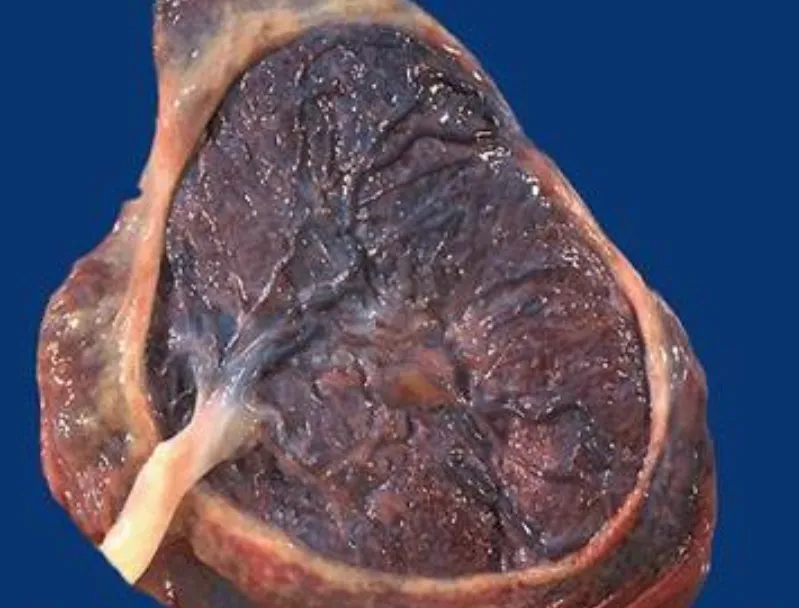
- A.
Succenturiate placenta
- B.
Circumvallate placenta
- C.
Battledore placenta
- D.
Velamentous insertion
- A.
Q99 · Medical & Surgical Nursing · Perioperative Concepts and Nursing Management
A client is on postoperative day 5 after coronary artery bypass grafting. Vital signs are temperature 39 degrees Celsius, heart rate 130 per minute in sinus rhythm, blood pressure 110/60 mmHg, and oxygen saturation 96 percent on room air. What should the nurse do first?
- A.
Start IV fluids to correct dehydration
- B.
Give the prescribed antipyretic and reassess after 30 minutes
- C.
Give the prescribed beta-blocker to control the heart rate
- D.
Apply cooling measures and reassure the client
- A.
Q100 · Obstetrics & Gynaecology · Hemorrhage in Early Pregnancy
A woman with an ectopic pregnancy is being considered for methotrexate. Which finding is a relative contraindication?
- A.
Beta human chorionic gonadotropin 2500 mIU per mL
- B.
Tubal mass of 3 cm
- C.
Hemodynamically stable client
- D.
Embryonic or fetal cardiac activity on ultrasound
- A.
- Sign in free
Done 100 questions? Check your answers
Sign in free: every answer with its explanation, attempt the paper timed with negative marking, and track your score.
Q101 · General Knowledge · Miscellaneous
A baby is born to a mother who does not know the date of her last menstrual period. The nurse uses the New Ballard Score, checking posture, square window, scarf sign, lanugo, plantar creases, and breast tissue. What is the nurse assessing?
- A.
Gestational age of the newborn
- B.
Severity of brain injury after birth asphyxia
- C.
Severity of neonatal jaundice
- D.
Severity of respiratory distress
- A.
Q102 · Obstetrics & Gynaecology · Normal Labor
A woman in labor at 6 cm dilatation shows no progress after two vaginal examinations. Which method assesses uterine contractions most accurately?
- A.
Fetal scalp electrode
- B.
Intrauterine pressure catheter
- C.
Abdominal ultrasound
- D.
Examination in the lithotomy position
- A.
Q103 · Medical & Surgical Nursing · Fluid and Electrolytes: Balance and Distribution
A client with advanced malignancy has repeated vomiting and diarrhea after chemotherapy. The client reports muscle weakness, leg cramps, constipation, and passing large amounts of urine. Which electrolyte imbalance should the nurse suspect?
- A.
Hypokalemia
- B.
Hypercalcemia
- C.
Hypernatremia
- D.
Hypomagnesemia
- A.
Q104 · Medical & Surgical Nursing · Perioperative Concepts and Nursing Management
Identify the self-retaining retractor used in thyroid surgery.
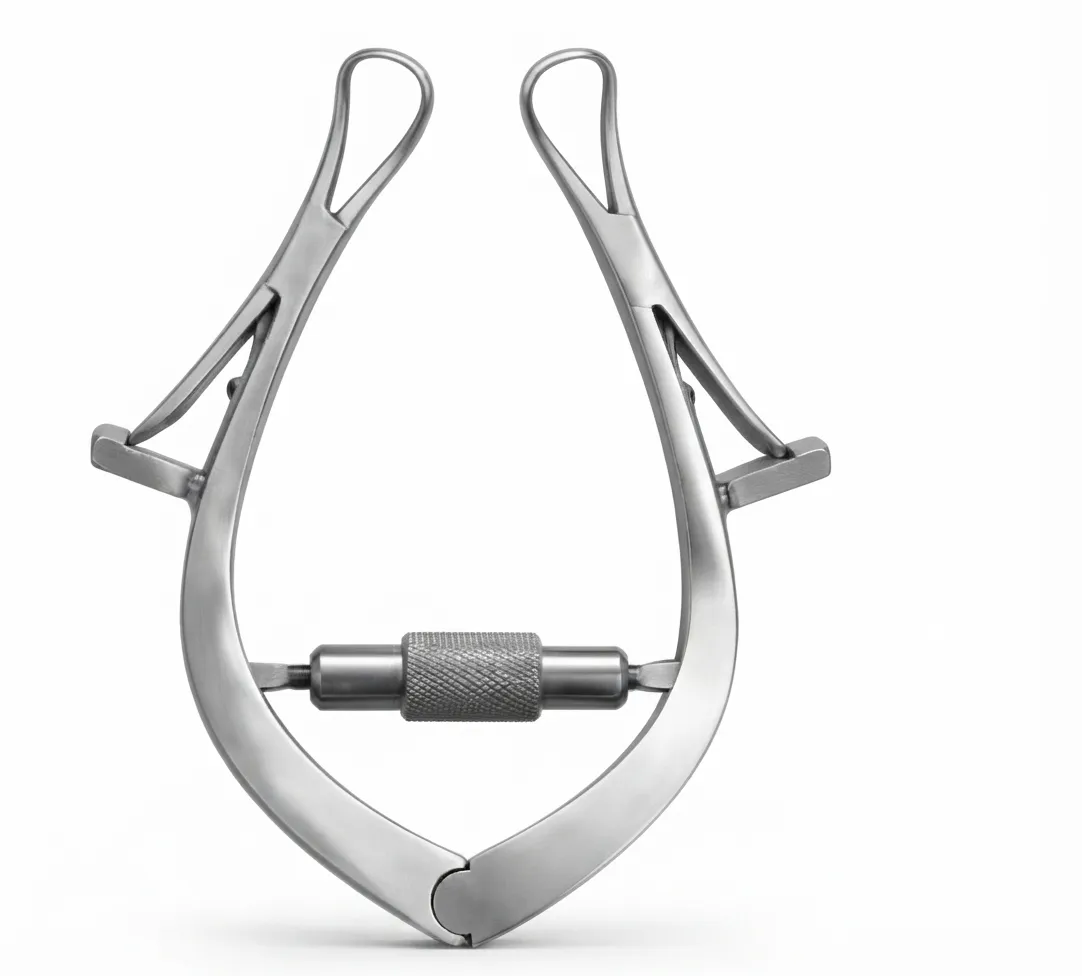
- A.
Joll thyroid retractor
- B.
Deaver retractor
- C.
Doyen retractor
- D.
Czerny retractor
- A.
Q105 · Medical & Surgical Nursing · Urinary Tract Function
A client who has been receiving IV NSAIDs for postoperative pain develops acute kidney injury. What is the nursing priority?
- A.
Stop the NSAIDs and monitor urine output and electrolytes
- B.
Give the prescribed oral potassium supplement
- C.
Give IV furosemide to increase urine output
- D.
Slow the diclofenac infusion and continue monitoring
- A.
Q106 · Medical & Surgical Nursing · Musculoskeletal Function
A client lies supine with the knee flexed 20 to 30 degrees. The examiner holds the thigh steady and pushes the lower leg outward with a valgus force. Which test is this?
- A.
Valgus stress test
- B.
Lachman test
- C.
Anterior drawer test
- D.
McMurray test
- A.
Q107 · Nursing Research & Statistics · Introduction to Statistics
The ratio of the incidence of a disease among exposed people to its incidence among non-exposed people is called:
- A.
Relative risk
- B.
Odds ratio
- C.
Attributable risk
- D.
Prevalence rate
- A.
Q108 · Pathology & Genetics · Genetics
An inherited disease causes damage to the glomerular basement membrane along with sensorineural hearing loss. What is it?
- A.
Goodpasture syndrome
- B.
Alport syndrome
- C.
Polycystic kidney disease
- D.
IgA nephropathy
- A.
Q109 · Medical & Surgical Nursing · Cardiovascular, Circulatory, and Hematologic Function
A postoperative day 1 client after coronary artery bypass grafting has a sudden decrease in drain output from 50 mL to 0 mL, hypotension, and distended neck veins. Which complication should the nurse suspect?
- A.
Cardiac tamponade
- B.
Tension pneumothorax
- C.
Left ventricular failure
- D.
Post-pericardiotomy syndrome
- A.
Q110 · Mental Health Nursing · Substance Use Disorders
A few days after alcohol detoxification begins, a client develops tremors, irritability, fever, and muscle rigidity. The client is at risk of developing:
- A.
Korsakoff syndrome
- B.
Wernicke encephalopathy
- C.
Delirium tremens
- D.
Alcoholic hallucinosis
- A.
Q111 · Child Health Nursing (Pediatrics) · Endocrine and Metabolic Disorders
A school child with type 1 diabetes becomes sweaty and shaky, and the random blood glucose is 56 mg/dL. What is the school health nurse's priority?
- A.
Give 15 g of simple fast-acting carbohydrate
- B.
Give complex carbohydrate with protein
- C.
Administer insulin
- D.
Call the parents and wait
- A.
Q112 · Medical & Surgical Nursing · Metabolic and Endocrine Function
A known diabetic client comes to the emergency department with a random blood sugar of 400 mg/dL, Kussmaul respirations, and a serum potassium of 5.8 mEq/L. Which intervention should the nurse carry out first?
- A.
Start an IV infusion of 0.9 percent sodium chloride
- B.
Add potassium chloride to the IV fluids
- C.
Start an IV infusion of regular insulin
- D.
Give IV sodium bicarbonate
- A.
Q113 · Medical & Surgical Nursing · Oncology: Nursing Management in Cancer Care
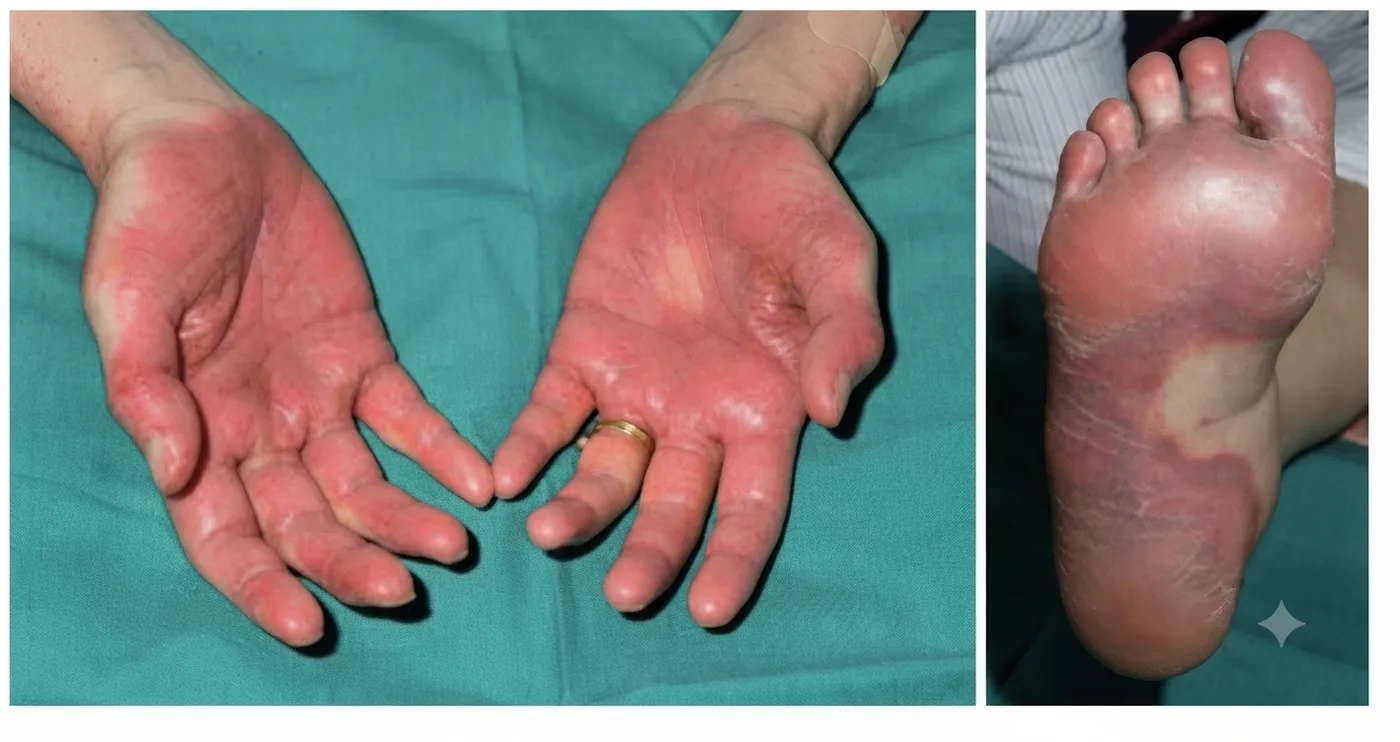
A client on chemotherapy has redness, swelling, peeling, and pain on the palms and soles. Identify the condition.
- A.
Hand-foot syndrome
- B.
Stevens-Johnson syndrome
- C.
Contact dermatitis
- D.
Raynaud phenomenon
- A.
Q114 · Pharmacology · Respiratory System Drugs
A mother of a 10 year old child asks why he requires a spacer along with MDi for asthma. What is the primary purpose of using a spacer along with MDI while delivering an inhaled medication?
- A.
To enhance prolong drug delivery to the lungs
- B.
To reduce the wastage of drug
- C.
To provide continuous flow of drugs.
- D.
To provide faster absorption of the drug
- A.
Q115 · Obstetrics & Gynaecology · Fetal Skull and Maternal Pelvis
Which type of pelvis has a rounded inlet, straight side walls, and a subpubic angle of about 90 degrees?
- A.
Android
- B.
Anthropoid
- C.
Gynecoid
- D.
Platypelloid
- A.
Q116 · General Knowledge · Miscellaneous
A 70 kg client is prescribed dopamine at 5 microgram per kg per minute. Dopamine is available as 160 mg in 5 mL. How many milliliters of dopamine will the client receive in 8 hours?
- A.
5.25 mL
- B.
4.2 mL
- C.
0.66 mL
- D.
21 mL
- A.
Q117 · Mental Health Nursing · Treatment modalities and therapies used in mental disorders
For which condition is EMDR therapy primarily used?
- A.
Obsessive-compulsive disorder
- B.
Post-traumatic stress disorder
- C.
Schizophrenia
- D.
Bipolar disorder
- A.
Q118 · Medical & Surgical Nursing · Oncology: Nursing Management in Cancer Care
A client receiving chemotherapy has an absolute neutrophil count of 300 per cubic millimeter. Which statement shows a need for further teaching?
- A.
I will wash my hands often.
- B.
I will stay away from people who are sick.
- C.
I will report a temperature of 38 degrees Celsius immediately.
- D.
I will eat raw sprouts because they are healthy.
- A.
Q119 · Medical & Surgical Nursing · Oncology: Nursing Management in Cancer Care
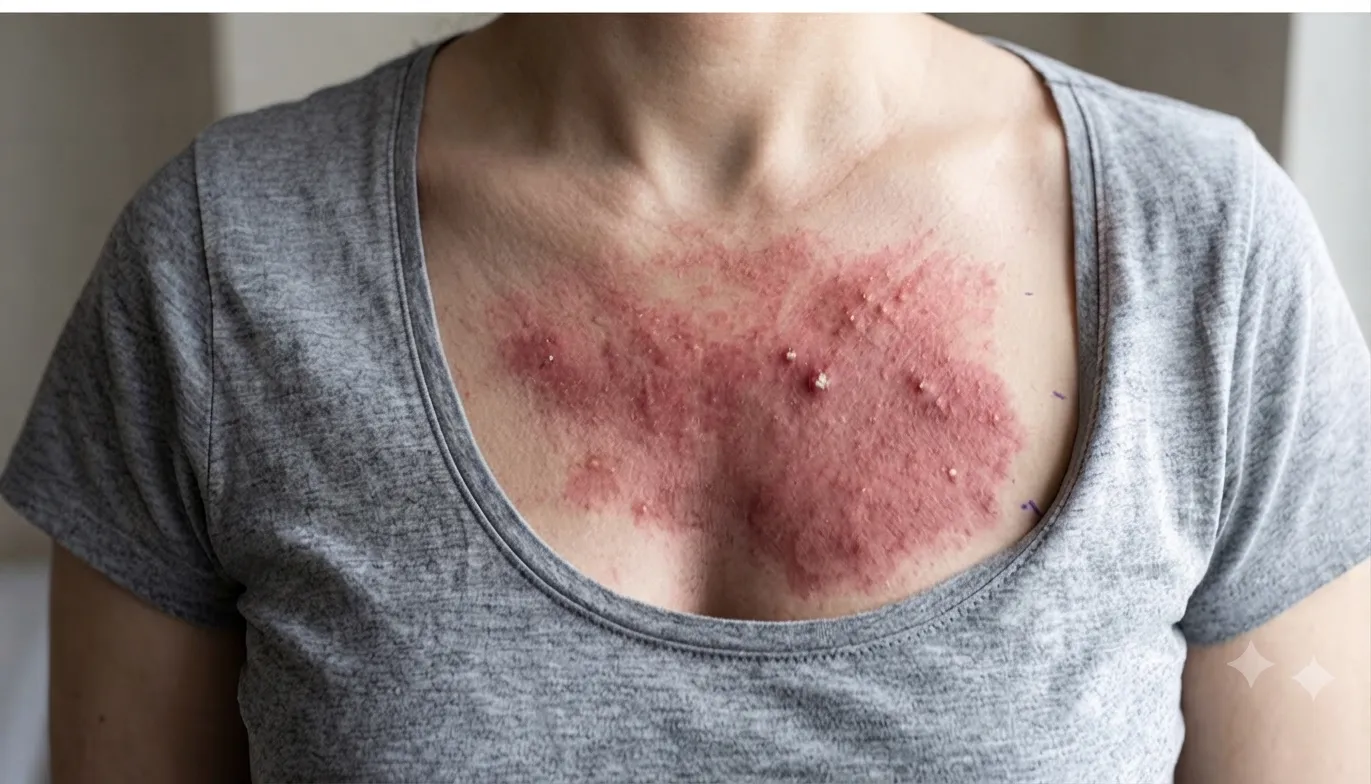
A woman receiving radiotherapy develops erythema and dryness over the irradiated area of her anterior chest. What is the most appropriate nursing management?
- A.
Scrub the area daily with soap and hot water
- B.
Apply a lotion to the area just before each radiation session
- C.
Wear loose cotton clothing and protect the area from friction
- D.
Apply a tight sterile dressing
- A.
Q120 · Nursing Foundations · Elimination needs
A nurse inserts a Foley catheter in a female client and urine returns. How much further should the catheter be advanced before inflating the balloon?
- A.
Half an inch
- B.
1 to 2 inches or 2.5 to 5 cm
- C.
6 inches
- D.
8 inches
- A.
Q121 · Applied Physiology · Circulatory & Lymphatic system
How does the renin-angiotensin-aldosterone system raise blood pressure?
- A.
Angiotensin II causes vasoconstriction, and aldosterone causes sodium and water retention
- B.
Atrial natriuretic peptide causes vasodilation
- C.
Antidiuretic hormone secretion is inhibited
- D.
Bradykinin levels increase
- A.
Q122 · Mental Health Nursing · Principles and Concepts of Mental Health Nursing
During a MSE exam the pt was asked to describe similarities between pear and orange. The pt only stated that they both are round. How should the nurse document this response in MSE?
- A.
Loosening of association
- B.
Neologism
- C.
Intact concrete with impaired abstract thinking
- D.
None
- A.
Q123 · Pharmacology · General Pharmacology
A nurse is about to administer hepatitis B vaccine. Which drug must be kept at the bedside for immediate management of an allergic reaction?
- A.
Epinephrine or adrenaline
- B.
Atropine
- C.
Naloxone
- D.
Diphenhydramine
- A.
Q124 · Applied Microbiology & Infection control · Pathogenic Organisms
Which sexually transmitted infection is known as the great imitator?
- A.
Syphilis
- B.
Trichomoniasis
- C.
Gonorrhea
- D.
Chlamydia
- A.
Q125 · Child Health Nursing (Pediatrics) · Newborn Infants
30 week preterm is admitted in NICU. Which of the following is correct for maintaining developmental supportive care?
- A.
Involve family in treatment
- B.
Make baby Nest in flexed position
- C.
Assess gestational age with ballard score
- D.
Avoid tub bath till term age
- A.
- Sign in free
Done 125 questions? Check your answers
Sign in free: every answer with its explanation, attempt the paper timed with negative marking, and track your score.
Q126 · Child Health Nursing (Pediatrics) · Otolaryngology
After surgical repair of a cleft lip, all of the following are contraindicated except:
- A.
Placing the infant prone to prevent aspiration
- B.
Bottle feeding with a long-tipped nipple
- C.
Applying elbow restraints to the arms
- D.
Giving a soft pacifier to soothe the infant
- A.
Q127 · Obstetrics & Gynaecology · Operative Obstetrics
During lower segment cesarean section, excessive bleeding occurs from the uterine incision. Which instrument should the nurse hand the surgeon to clamp the bleeding edges?
- A.
Sponge-holding forceps
- B.
Green-Armytage forceps
- C.
Allis tissue forceps
- D.
Babcock forceps
- A.
Q128 · Medical & Surgical Nursing · Gas Exchange and Respiratory Function
58 Which arterial blood gas (ABG) finding is most consistent with pH 7.28, PaCO, 62 mmHg, HCO, 26 mEq/L?
- A.
respiratory alkalosis
- B.
metabolic acidosis
- C.
uncompensated respiratory acidosis
- D.
metabolic alkalosis
- A.
Q129 · Obstetrics & Gynaecology · Population Dynamics and Control of Conception
A 34-year-old woman with hypertension asks for combined oral contraceptive pills. What is the best nursing response?
- A.
Start combined oral contraceptive pills today and recheck blood pressure in 3 months
- B.
Advise against combined oral contraceptive pills and offer a copper intrauterine device or a progestin-only pill
- C.
Prescribe a low-dose 20 microgram ethinyl estradiol combined pill instead
- D.
Start combined oral contraceptive pills once antihypertensive treatment controls her blood pressure
- A.
Q130 · Pharmacology · Cardiovascular Drugs
Assertion: ACE inhibitors can cause a dry cough. Reason: ACE inhibitors prevent the breakdown of bradykinin, which accumulates in the respiratory tract.
- A.
Both the assertion and reason are true, and the reason correctly explains the assertion
- B.
Both the assertion and reason are true, but the reason does not correctly explain the assertion
- C.
The assertion is true, but the reason is false
- D.
The assertion is false, but the reason is true
- A.
Q131 · General Knowledge · Miscellaneous
A 10 kg child is prescribed a drug at 16 mg per kg per dose every 8 hours. The drug is available as 160 mg in 5 mL. What is the total daily dose, and how much should be given per dose?
- A.
480 mg per day and 5 mL per dose
- B.
160 mg per day and 5 mL per dose
- C.
480 mg per day and 15 mL per dose
- D.
320 mg per day and 10 mL per dose
- A.
Q132 · Child Health Nursing (Pediatrics) · Development
What is the Denver II Developmental Screening Test primarily used to assess?
- A.
IQ and cognitive superiority in school-going children
- B.
Developmental milestones and possible delays in children from birth to 6 years
- C.
Diagnostic confirmation of autism spectrum disorder
- D.
Physical growth abnormalities and anthropometric deficiencies
- A.
Q133 · Medical & Surgical Nursing · Neurologic Function
Calculate the cerebral perfusion pressure of a client whose mean arterial pressure is 72 mmHg and intracranial pressure is 24 mmHg.
- A.
100 mmHg
- B.
48 mmHg
- C.
96 mmHg
- D.
36 mmHg
- A.
Q134 · Medical & Surgical Nursing · Gas Exchange and Respiratory Function
A polytrauma client on mechanical ventilation develops a high-pressure alarm, airway secretions, and oxygen saturation falls to 82 percent. What is the priority nursing intervention?
- A.
Disconnect the ventilator circuit and start manual ventilation
- B.
Suction the airway
- C.
Increase the fraction of inspired oxygen
- D.
Reassess after 30 minutes
- A.
Q135 · Mental Health Nursing · Schizophrenia
At which developmental age is a person most susceptible to the onset of schizophrenia?
- A.
Preschool age
- B.
School-age childhood
- C.
Late adolescence
- D.
Old age
- A.
Q136 · Mental Health Nursing · Treatment modalities and therapies used in mental disorders
How should the nurse position a client immediately after electroconvulsive therapy while the client recovers from anesthesia?
- A.
Side-lying lateral position
- B.
Supine and flat
- C.
Prone
- D.
High Fowler position
- A.
Q137 · Community Health Nursing · Demography, Surveillance and Interpretation of Data
Which index measures life expectancy free of disability?
- A.
Sullivan index
- B.
Physical Quality of Life Index
- C.
Human Development Index
- D.
Disability-adjusted life years
- A.
Q138 · Medical & Surgical Nursing · Cardiovascular, Circulatory, and Hematologic Function
A patient underwent femoral artery catheterization. After the procedure, the affected leg becomes numb and pale, with decreased circulation and a weak distal pulse. What action is most appropriate?
- A.
Elevate the leg and apply a warm compress
- B.
Apply pressure at the puncture site and reassess later
- C.
Assess the distal pulse and notify the physician immediately about decreased circulation
- D.
Recheck the pulse after one hour
- A.
Q139 · Obstetrics & Gynaecology · Antenatal Assessment of Fetal Well-Being
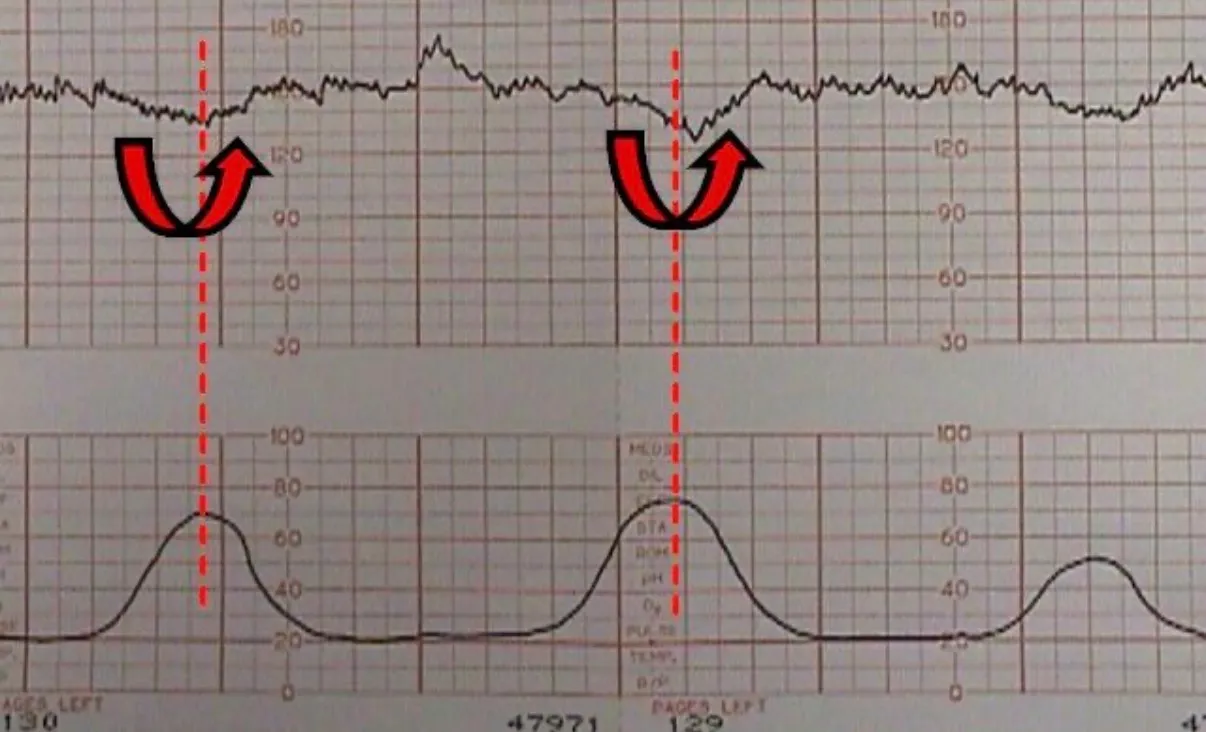
What does this fetal heart rate pattern indicate?
- A.
Late deceleration
- B.
Early deceleration
- C.
Sinusoidal wave pattern
- D.
Variable deceleration
- A.
Q140 · Pharmacology · Antimicrobial Drugs
When is empirical antibiotic therapy started?
- A.
After starting antibiotic therapy
- B.
After blood culture reports are available
- C.
Before blood culture reports are available
- D.
At the time of discharge
- A.
Q141 · Medical & Surgical Nursing · Shock and Multisystem Failure
A client in septic shock has already received 30 mL per kg of crystalloid and is on noradrenaline 0.3 microgram per kg per minute. He develops crackles after repeated fluid boluses and his mean arterial pressure is still 58 mmHg. What should the nurse anticipate next?
- A.
Add vasopressin to the noradrenaline
- B.
Keep increasing the noradrenaline dose only
- C.
Administer another rapid fluid bolus
- D.
Stop the vasopressor and give 2 liters more fluid
- A.
Q142 · Medical & Surgical Nursing · Integumentary Function
A 60 kg client has burns over 60 percent of the total body surface area. Which is the correct Parkland formula for fluid resuscitation in the first 24 hours?
- A.
4 mL Ringer lactate multiplied by body weight in kg multiplied by percent total body surface area burned
- B.
2 mL Ringer lactate multiplied by body weight in kg multiplied by percent total body surface area, all in the first 8 hours
- C.
4 mL 5 percent dextrose multiplied by body weight in kg multiplied by percent total body surface area burned
- D.
1 mL colloid multiplied by body weight in kg multiplied by percent total body surface area burned
- A.
Q143 · Community Health Nursing · National Health Programs
Under NACO district categorization, a district that achieves two of the three 95-95-95 HIV targets is classified as:
- A.
Surakshit Plus
- B.
Surakshit
- C.
Saksham
- D.
Sangharsheel
- A.
Q144 · Medical & Surgical Nursing · Musculoskeletal Function
After a plaster cast is applied for a forearm fracture, the client complains of severe pain in the distal limb. What should the nurse suspect?
- A.
Compartment syndrome
- B.
Carpal tunnel syndrome
- C.
Acute limb ischemia
- D.
Fat embolism syndrome
- A.
Q145 · Medical & Surgical Nursing · Cardiovascular, Circulatory, and Hematologic Function
Where should the nurse place the stethoscope to hear the mitral valve best?
- A.
Second intercostal space at the right sternal border
- B.
Second intercostal space at the left sternal border
- C.
Fourth intercostal space at the left lower sternal border
- D.
Fifth intercostal space at the left midclavicular line
- A.
Q146 · Medical & Surgical Nursing · Cardiovascular, Circulatory, and Hematologic Function
A client in the ward suddenly develops epistaxis and feels blood moving toward the throat. To prevent aspiration, which position should the client be placed in?
- A.
Supine with the head tilted backward
- B.
Sitting upright and leaning forward
- C.
Sitting upright with the head tilted backward
- D.
Left lateral position
- A.
Q147 · Child Health Nursing (Pediatrics) · Fluid and Electrolyte Disturbances
A 5-week-old boy has projectile nonbilious vomiting after every feed and an olive-shaped mass in the upper abdomen. Which arterial blood gas pattern should the nurse expect?
- A.
pH 7.52, PaO2 92 mmHg, PaCO2 48 mmHg, chloride 88 mEq/L
- B.
pH 7.28, PaO2 90 mmHg, PaCO2 30 mmHg, chloride 112 mEq/L
- C.
pH 7.30, PaO2 60 mmHg, PaCO2 58 mmHg, chloride 100 mEq/L
- D.
pH 7.50, PaO2 95 mmHg, PaCO2 30 mmHg, chloride 102 mEq/L
- A.
Q148 · Child Health Nursing (Pediatrics) · Adolescent Health and Development
What is the correct sequence of pubertal changes in girls?
- A.
Thelarche, then pubarche, then growth spurt, then menarche
- B.
Menarche, then thelarche, then pubarche, then growth spurt
- C.
Pubarche, then menarche, then thelarche, then growth spurt
- D.
Growth spurt, then menarche, then pubarche, then thelarche
- A.
Q149 · Obstetrics & Gynaecology · Complications of the Third Stage of Labor
After a vaginal delivery, a woman's estimated blood loss is 320 mL, her blood pressure is 98/60 mmHg, and her pulse is 112 per minute. According to current WHO, FIGO, and ICM guidance, what is the correct interpretation?
- A.
Normal blood loss; continue routine monitoring
- B.
Postpartum hemorrhage; start the treatment bundle immediately
- C.
Wait until blood loss reaches 500 mL
- D.
Wait until blood loss reaches 1000 mL
- A.
Q150 · Mental Health Nursing · Psychiatric Emergencies
Which psychiatric client should the nurse assess first?
- A.
A depressed client who has not eaten anything since morning
- B.
A client with schizophrenia hearing command hallucinations to harm others
- C.
A client with obsessive-compulsive disorder performing repeated hand-washing
- D.
A client with generalized anxiety who is pacing
- A.
- Sign in free
Done 150 questions? Check your answers
Sign in free: every answer with its explanation, attempt the paper timed with negative marking, and track your score.
Q151 · Child Health Nursing (Pediatrics) · Normal Growth and its Disorders
Which of the following anthropometric measurements is considered the most stable parameter for assessing growth in a child?
- A.
Weight
- B.
Height
- C.
Head circumference
- D.
Chest circumference
- A.
Q152 · Child Health Nursing (Pediatrics) · Immunization and Immunodeficiency
Once reconstituted, within how many hours must BCG vaccine be used?
- A.
1 hour
- B.
4 hours
- C.
12 hours
- D.
24 hours
- A.
Q153 · Child Health Nursing (Pediatrics) · Newborn Infants
A 6-month-old infant is found to have bilateral sensorineural hearing loss. Which neonatal condition could have caused this?
- A.
Pulmonary hypoplasia
- B.
Necrotizing enterocolitis
- C.
Neonatal hypoglycemia
- D.
Kernicterus
- A.
Q154 · Medical & Surgical Nursing · Metabolic and Endocrine Function
A client with diabetic ketoacidosis has a serum potassium of 3.0 mEq/L. The physician prescribes an insulin infusion and IV potassium. What should the nurse do?
- A.
Start the insulin infusion first, then give potassium
- B.
Give IV potassium first, then start the insulin infusion
- C.
Start the insulin and potassium infusions together
- D.
Start the insulin infusion and recheck potassium after one hour
- A.
Q155 · Medical & Surgical Nursing · Urinary Tract Function
What length of Foley catheter should be inserted into an adult female urethra?
- A.
Half an inch
- B.
2 inches or 5 cm
- C.
6 inches
- D.
8 inches or 20 cm
- A.
More NORCET papers
- NORCET-11 Prelims2026 · 100 questions
- NORCET-10 Mains2026 · 160 questions
- NORCET-10 Prelims2026 · 100 questions
- NORCET-9 Prelims2025 · 100 questions
- NORCET-9 Mains2025 · 160 questions
- NORCET-8 Prelims2025 · 100 questions
- NORCET-8 Mains2025 · 160 questions
- NORCET-7 Prelims2024 · 100 questions
- NORCET-7 Mains2024 · 160 questions
- NORCET-6 Prelims2024 · 100 questions
- NORCET-6 Mains2024 · 100 questions
- NORCET-5 Prelims (Shift 1)2023 · 100 questions