NORCET-7 Prelims question paper
NORCET · 2024 · 100 questions · 90 minutes · 0.33 mark deducted per wrong answer
- Medical & Surgical Nursing 28
- Obstetrics & Gynaecology 16
- Child Health Nursing (Pediatrics) 12
- Mental Health Nursing 8
- Reasoning 6
- General Knowledge 5
- Nursing Foundations 4
- Pharmacology 4
- Quantitative Aptitude and Mathematics 3
- Applied Microbiology & Infection control 3
- Pathology & Genetics 2
- Applied Anatomy 2
- Applied Nutrition & Dietetics 2
- Nursing Research & Statistics 1
- Community Health Nursing 1
- Nursing Management & Leadership 1
- Biochemistry & Nutrition 1
- Health Information and Technology (Basic Computer) 1
See the answers and explanations
Sign in free: every answer with its explanation, attempt the paper timed with negative marking, and track your score.
Q1 · Obstetrics & Gynaecology · Normal Labor
A nurse is performing a pelvic exam on a laboring woman. What does the term "-1 station 1 cm above iliac spine" indicate?
- A.
The fetal head is at the level of the ischial spines
- B.
The fetal head is 1 cm above the pelvic inlet
- C.
The fetal head is 1 cm below the pelvic inlet
- D.
The fetal head is 1 cm above the ischial spines
- A.
Q2 · Mental Health Nursing · Schizophrenia
A patient claims that they are being watched by the government and that their life is at risk. This is an example of which type of delusion?
- A.
Delusion of reference
- B.
Delusion of grandeur
- C.
Delusion of persecution
- D.
Delusion of control
- A.
Q3 · Medical & Surgical Nursing · Sensorineural Function
A patient presents with redness, discharge, and itching in both eyes. The nurse suspects conjunctivitis. Which type of conjunctivitis is most likely based on these symptoms?
- A.
Viral conjunctivitis
- B.
Allergic conjunctivitis
- C.
Bacterial conjunctivitis
- D.
Chronic conjunctivitis
- A.
Q4 · Child Health Nursing (Pediatrics) · Central Nervous System
Which of the following types of seizures is most likely to be associated with facing jerking movement in a newborn?
- A.
Tonic
- B.
Clonic seizure
- C.
Subtle seizure
- D.
Absent seizure
- A.
Q5 · Obstetrics & Gynaecology · Antepartum Hemorrhage
A nurse is assessing a pregnant woman with gestational hypertension. The nurse understands that a major risk of untreated preeclampsia includes:
- A.
Placental abruption
- B.
Hyperglycemia
- C.
Preterm labor
- D.
Urinary tract infection
- A.
Q6 · Medical & Surgical Nursing · Fluid and Electrolytes: Balance and Distribution
A nurse is caring for a patient with hyperkalemia. The nurse knows that the most likely complication of this condition is:
- A.
Cardiac dysrhythmias and tall tented T waves
- B.
Increased blood pressure
- C.
Decreased urine output
- D.
Acute kidney injury
- A.
Q7 · Pathology & Genetics · Clinical Pathology
Which type of anemia is characterized by macrocytic RBCs with megaloblastic changes?
- A.
Iron deficiency anemia
- B.
Pernicious anemia
- C.
Megaloblastic anemia
- D.
Sickle cell anemia
- A.
Q8 · Quantitative Aptitude and Mathematics · Speed–distance–time
An ambulance travels from Hospital A to Hospital B at an average speed of 60 km/h and returns along the same route at an average speed of 40 km/h. What is the average speed of the ambulance for the entire round trip?
- A.
50 km/h
- B.
48 km/h
- C.
45 km/h
- D.
52 km/h
- A.
Q9 · Reasoning · Number series
What is the next in the series: 0, 1, 1, 2, 3, 5, 8, 13......?
- A.
19
- B.
25
- C.
34
- D.
21
- A.
Q10 · Obstetrics & Gynaecology · Antenatal Assessment of Fetal Well-Being
Identify the following image. Which of the following is the maneuver being depicted in the image?
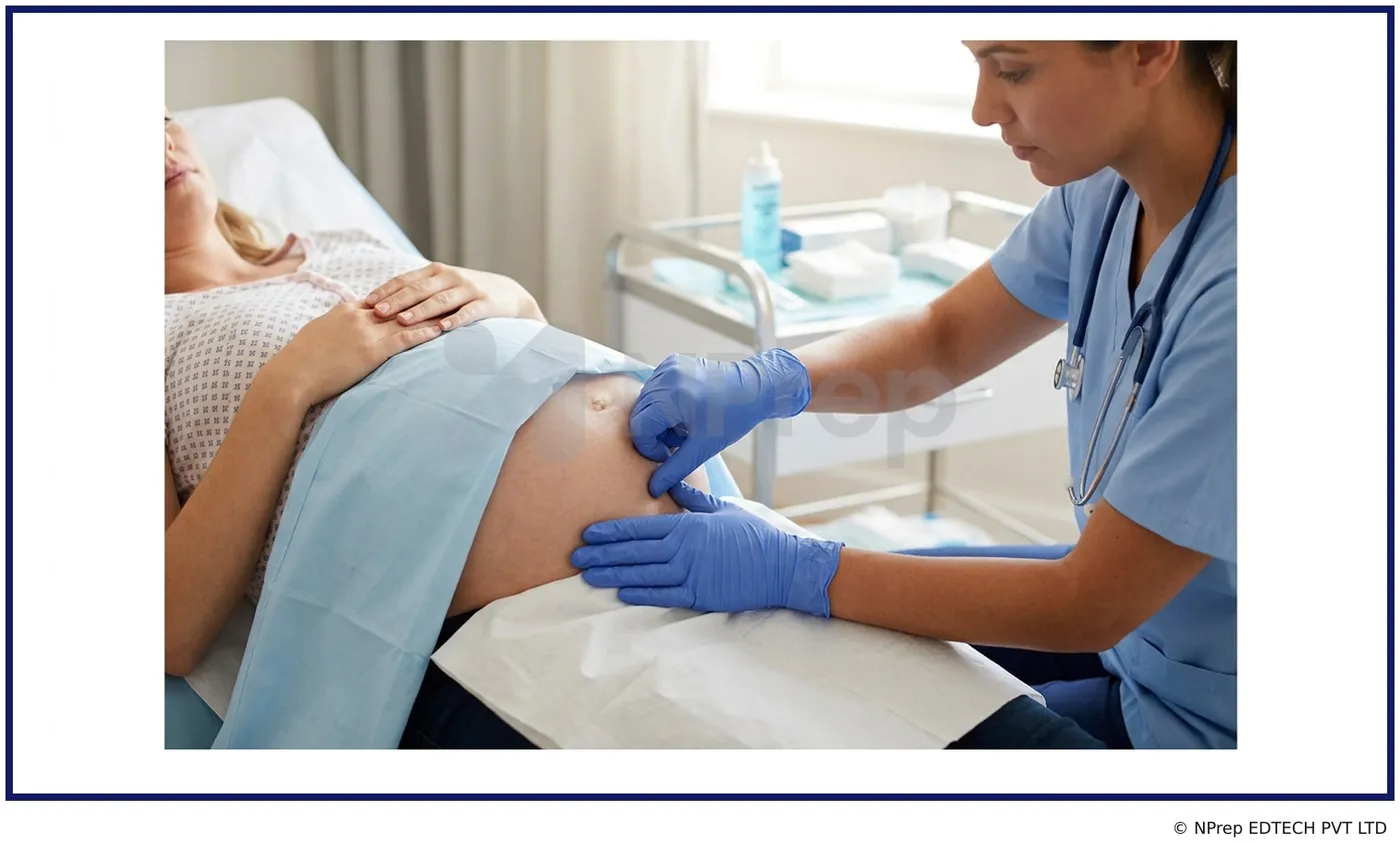
- A.
First Maneuver
- B.
Second Maneuver
- C.
Third Maneuver
- D.
Fourth Maneuver
- A.
Q11 · Applied Microbiology & Infection control · Hospital-Acquired Infections
When a central venous catheter is not in use, how often should the catheter line be flushed to maintain its patency and prevent complications?
- A.
Every 12 hours
- B.
Every 24 hours
- C.
Every 36 hours
- D.
Every 48 hours
- A.
Q12 · Medical & Surgical Nursing · Cardiovascular, Circulatory, and Hematologic Function
Based on the image showing the placement of ECG electrodes, where should the V1 lead be placed?
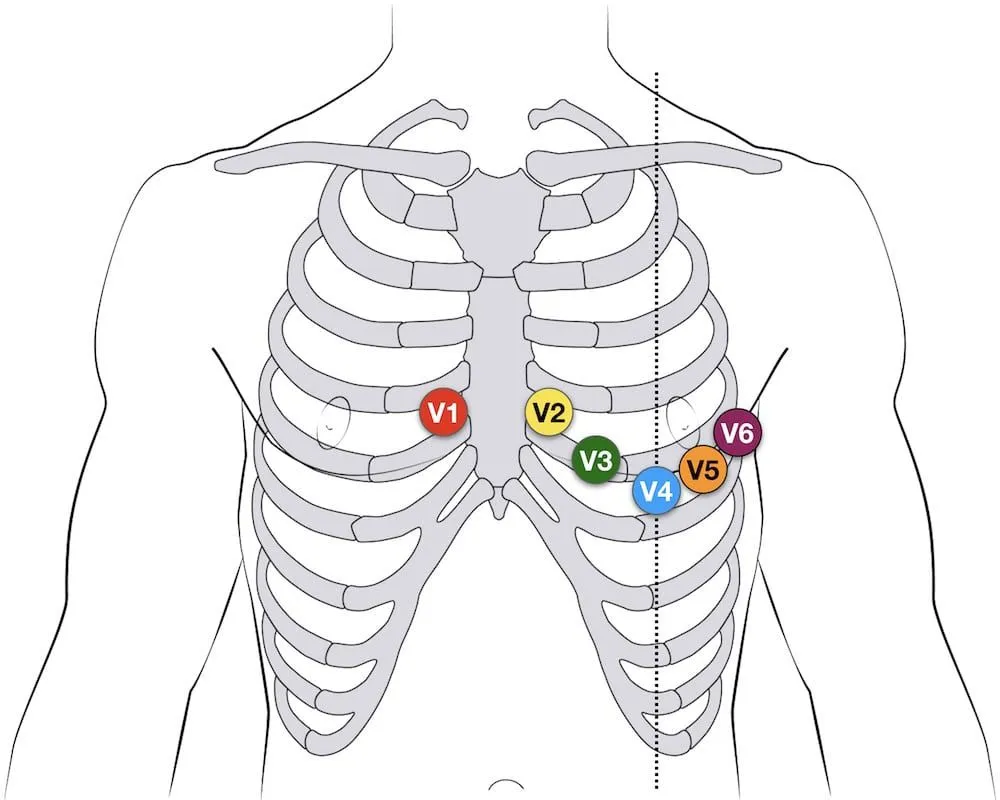
- A.
4th intercostal space, right sternal edge
- B.
5th intercostal space, mid-clavicular line
- C.
Mid-axillary line in straight line with V4 and V5
- D.
4th intercostal space, left sternal edge
- A.
Q13 · Mental Health Nursing · Mood disorders
A nurse is assessing a patient who believes they are the most important person in the world and can control everything around them. This is indicative of:
- A.
Delusion of persecution
- B.
Delusion of grandeur
- C.
Delusion of reference
- D.
Hallucination
- A.
Q14 · Obstetrics & Gynaecology · Population Dynamics and Control of Conception
Which of the following are non-hormonal and non-steroidal contraceptive medicines used in India?
- A.
Combined Oral Contraceptive (COC)
- B.
Progestin-Only Pill (POP)
- C.
Chhaya & Saheli
- D.
Levonorgestrel Emergency Contraceptive Pill (ECP)
- A.
Q15 · Reasoning · Arrangements & Puzzles
P, Q, R, S, and T are sitting in a circle facing the center. R is sitting immediately to the right of Q. T is sitting between P and S. Who is sitting immediately to the left of R?
- A.
P
- B.
Q
- C.
T
- D.
S
- A.
Q16 · Child Health Nursing (Pediatrics) · Nutrition
Which of the following is a true statement regarding breast milk?
- A.
It is not nutritionally adequate for the first 6 months.
- B.
It can be replaced by formula at any time.
- C.
It increases the risk of gastrointestinal infections.
- D.
It contains all the essential nutrients for the infant's first 6 months.
- A.
Q17 · Applied Anatomy · Nervous System
Autonomic dysreflexia is a medical emergency that presents with which of the following clinical signs?
- A.
Hypertension and Bradycardia
- B.
Hypertension and Tachycardia
- C.
Hypotension and Tachycardia
- D.
Hypotension and Bradycardia
- A.
Q18 · Reasoning · Direction Sense
person walks 5 km north, then turns left and walks 3 km, then turns left again and walks 5 km. How far is he from the starting point?
- A.
10 km
- B.
8 km
- C.
5 km
- D.
3 km
- A.
Q19 · Nursing Foundations · Vital Signs
When measuring blood pressure, the nurse places the stethoscope over which artery for accurate auscultation?
- A.
Carotid artery
- B.
Radial artery
- C.
Brachial artery
- D.
Femoral artery
- A.
Q20 · Reasoning · Arrangements & Puzzles
What annual instalment will discharge a debt of Rs. 4600 due in 4 years at 10% p.a. simple interest?
- A.
Rs.1080/-
- B.
Rs.1050/-
- C.
Rs.950/-
- D.
Rs.1000/-
- A.
Q21 · General Knowledge · Everyday science
GPS is an abbreviation for?
- A.
Global Pole Structure
- B.
Global Positioning System
- C.
Global PolySiliconium Store
- D.
Global Poles System
- A.
Q22 · Nursing Foundations · Mobility & Immobility
Which of the following beds is useful for preventing bed sores for a bed-ridden patient?
- A.
Water mattress bed
- B.
Occupied bed
- C.
Open bed
- D.
Fracture bed
- A.
Q23 · Child Health Nursing (Pediatrics) · Newborn Infants
How many resuscitation staff should be present when a newborn requires resuscitation?
- A.
1 staff
- B.
2 staff
- C.
3 staff
- D.
4 staff
- A.
Q24 · General Knowledge · Sports Current Affairs
Who won the first gold medal for India in the Paralympic Games?
- A.
Deepa Malik
- B.
Devender Singh Kadian
- C.
Mary Kom
- D.
Murlikant Petkar
- A.
Q25 · Medical & Surgical Nursing · Neurologic Function
A 50-year-old patient presents with all four limbs are involved, with neck and head paralysis. The nurse understands that this condition is known as:
- A.
Hemiplegia
- B.
Quadriplegia
- C.
Pentaplegia
- D.
Tetraplegia
- A.
- Sign in free
Done 25 questions? Check your answers
Sign in free: every answer with its explanation, attempt the paper timed with negative marking, and track your score.
Q26 · Obstetrics & Gynaecology · Normal Labor
A client is admitted to the labor unit. On vaginal examination, the presenting part in a cephalic presentation was at station plus two. Station +2 means that the?
- A.
Biparietal diameter is 5 cm above the ischial spines
- B.
Presenting part is 2 cm below the level of the ischial spines
- C.
Biparietal diameter is at the level of the ischial spines
- D.
Presenting part is 2 cm above the level of the ischial spines
- A.
Q27 · Medical & Surgical Nursing · Perioperative Concepts and Nursing Management
Why would cricoid pressure be applied during the intubation procedure?
- A.
To help the patient moving in intubation
- B.
To help visualize the adenoids
- C.
To help prevent aspiration of gastric contents
- D.
To help open the patient's airway
- A.
Q28 · Medical & Surgical Nursing · Fluid and Electrolytes: Balance and Distribution
A patient has hyperkalemia. The nurse knows that this condition can cause major life-threatening complications. Which of the following signs indicates a complication of hyperkalemia?
- A.
Cardiac dysrhythmia and tall, tented T wave
- B.
Slow heart rate and flat T wave
- C.
Decreased blood pressure and prolonged PR interval
- D.
Increased heart rate and shallow breathing
- A.
Q29 · Applied Nutrition & Dietetics · National Nutritional Program and Role
A pediatric nurse administers 50,000 IU of Vitamin A to a 7-month-old infant. This dose is commonly used to:
- A.
Prevent vitamin D deficiency
- B.
Treat anemia
- C.
Prevent blindness and support immune function
- D.
Treat scurvy
- A.
Q30 · Applied Nutrition & Dietetics · National Nutritional Program and Role
Which month is Poshan Maah celebrated in India?
- A.
November
- B.
January
- C.
February
- D.
September
- A.
Q31 · Medical & Surgical Nursing · Fluid and Electrolytes: Balance and Distribution
The nurse is reviewing a patient's ABG report. The pH is 7.30, PaCO2 is 50 mmHg, and HCO3 is 24 mEq/L. Based on this, the nurse interprets the results as:
- A.
Metabolic acidosis
- B.
Respiratory acidosis
- C.
Respiratory alkalosis
- D.
Metabolic alkalosis
- A.
Q32 · Child Health Nursing (Pediatrics) · Immunization and Immunodeficiency
Which of the following vaccines should be given to a newborn immediately after birth?
- A.
Hepatitis B
- B.
MMR
- C.
Varicella
- D.
Influenza
- A.
Q33 · Pathology & Genetics · Systemic Pathology
Salt losing syndrome is a feature of?
- A.
Testicular feminization syndrome
- B.
Gonadal dysgenesis
- C.
Intersex
- D.
Congenital adrenal hyperplasia
- A.
Q34 · Medical & Surgical Nursing · Urinary Tract Function
A nurse is setting up a three-way urinary catheter for a patient. What is the purpose of this catheter?
- A.
To facilitate blood drainage after surgery
- B.
To irrigate the bladder and prevent clot formation
- C.
To monitor urine output during surgery
- D.
To administer IV fluids into the bladder
- A.
Q35 · Child Health Nursing (Pediatrics) · Miscellaneous
A nurse is assessing a patient with suspected measles. What is a classic sign of measles that can be identified during a physical exam?
- A.
Koplik spots
- B.
Maculopapular rash
- C.
Strawberry tongue
- D.
Red, swollen tonsils
- A.
Q36 · Medical & Surgical Nursing · Gas Exchange and Respiratory Function
A nurse is using a non-rebreather mask on a patient. The oxygen flow is set at 10–15 L/min, but the reservoir bag is not inflating. What should the nurse do next?
- A.
Check for kinks in the tubing
- B.
Increase the oxygen flow rate
- C.
Change the mask to a nasal cannula
- D.
Remove the mask and check the patient's respiratory rate
- A.
Q37 · Medical & Surgical Nursing · Gas Exchange and Respiratory Function
If a tracheostomy tube becomes dislodged, the nurse should:
- A.
Immediately suction the tube
- B.
Reinsert the tube and secure it
- C.
Call for help and prepare for reintubation
- D.
Apply a dressing to the wound
- A.
Q38 · Obstetrics & Gynaecology · Normal Labor
A nurse observes mottling on a newborn's skin, characterized by a bluish or pale, blotchy appearance with a marbled pattern. What could be the most likely cause of this condition?
- A.
Acute respiratory distress syndrome
- B.
Elevated blood sugar levels
- C.
Gastrointestinal complications
- D.
Normal physiological response to cold temperatures
- A.
Q39 · Medical & Surgical Nursing · Gas Exchange and Respiratory Function
A nurse is assessing an endotracheal tube and needs to press the cricoid. This technique is known as:
- A.
Sellick maneuver
- B.
Valsalva maneuver
- C.
Trendelenburg position
- D.
Heimlich maneuver
- A.
Q40 · Reasoning · Coding-Decoding
If in a code, CAT = DBU, what is DOG?
- A.
EOF
- B.
DPH
- C.
EPF
- D.
EPH
- A.
Q41 · Pharmacology · Cardiovascular Drugs
A nurse is reinforcing dietary teaching with a client who has a new prescription for a monoamine oxidase inhibitor (MAOI). Which of the following foods should the nurse instruct the client to avoid while taking an MAOI?
- A.
High Protein
- B.
Carbohydrates
- C.
Low cholesterol diet
- D.
Tyramine food
- A.
Q42 · Obstetrics & Gynaecology · Fetal Skull and Maternal Pelvis
A nurse is assessing the fetal position of a pregnant woman in labor. The fetal heart tones are best heard in the left lower quadrant of the abdomen. Based on this assessment, the nurse determines that the fetal position is:
- A.
Right Occiput Anterior (ROA)
- B.
Left Occiput Anterior (LOA)
- C.
Right Occiput Posterior (ROP)
- D.
Left Occiput Posterior (LOP)
- A.
Q43 · Quantitative Aptitude and Mathematics · Profit & loss
A and B started a business with an initial amount of 8000. They are invested in 3:2 proportions. After the end of the year they have 60% profit. How much amount will A get?
- A.
3200
- B.
2880
- C.
4800
- D.
1920
- A.
Q44 · Nursing Research & Statistics · Analysis of data
What type of graph is shown in the image above?
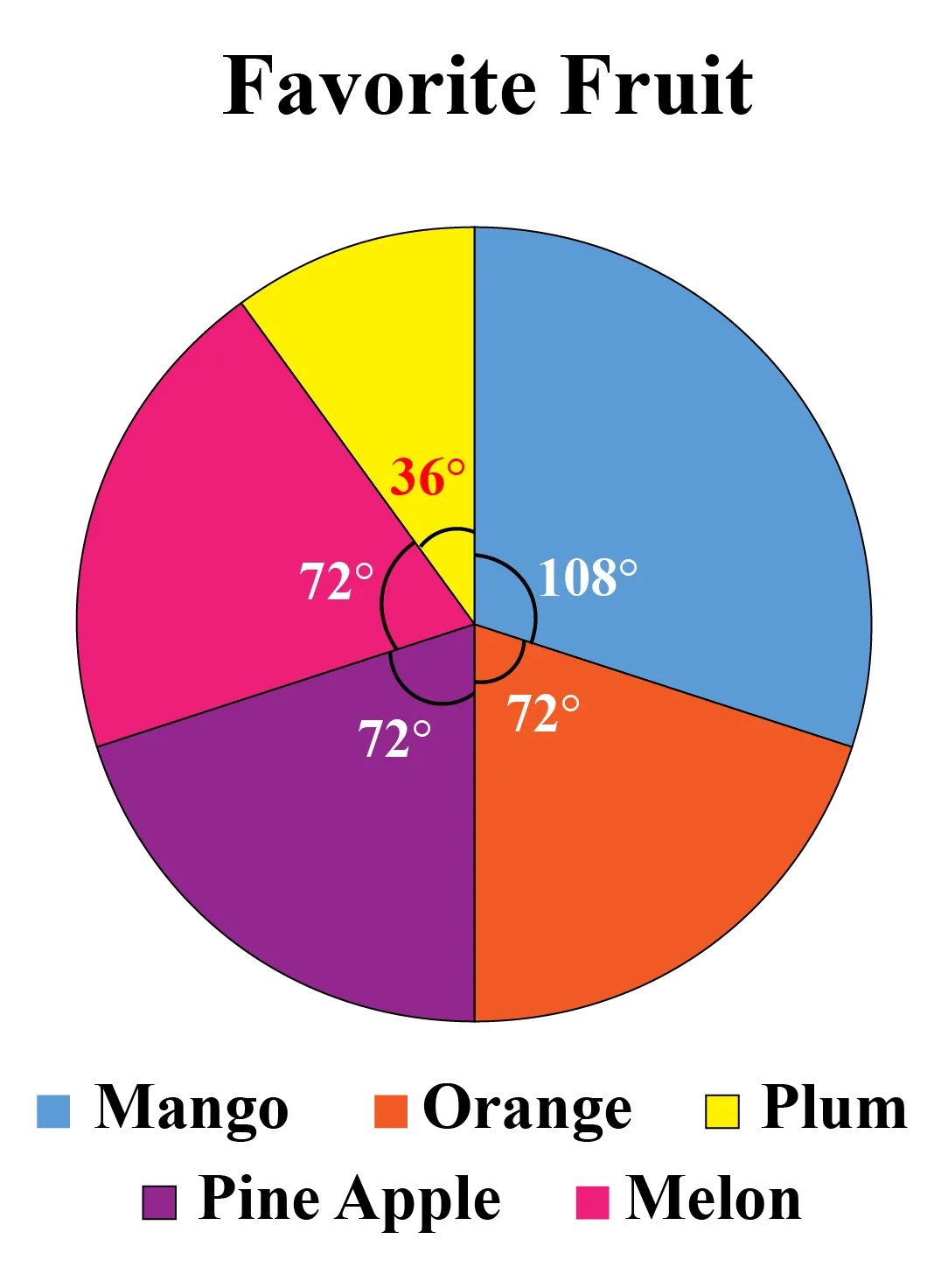
- A.
Scatter Plot
- B.
Pie Chart
- C.
Bar Diagram
- D.
Line Graph
- A.
Q45 · Applied Microbiology & Infection control · Hospital-Acquired Infections
A nurse is caring for a patient with a central line and notices the flush port has not been used in the last 24 hours. What is the most appropriate nursing action?
- A.
Flush the line with normal saline immediately
- B.
Document the finding and inform the physician
- C.
Change the dressing on the line
- D.
Remove the central line and insert a new one
- A.
Q46 · Medical & Surgical Nursing · Gas Exchange and Respiratory Function
Water seal system for chest drainage is done to?
- A.
Minimize risk of infection
- B.
Aid drain into correct position
- C.
Minimize pain on drain insertion
- D.
Prevent further collapse and entry of air
- A.
Q47 · Medical & Surgical Nursing · Gas Exchange and Respiratory Function
A nurse is reviewing an ABG (Arterial Blood Gas) report. If the results are delayed, what may be the most common consequence?
- A.
Inaccurate oxygenation results
- B.
Blood clotting
- C.
Incorrect pH levels
- D.
Elevated blood glucose levels
- A.
Q48 · Pharmacology · Hormones & Related Drugs
A nurse is educating a patient about Chaya/Saheli, a non-hormonal contraceptive. What is the primary advantage of this contraceptive method?
- A.
It prevents ovulation
- B.
It is a non-hormonal method with fewer side effects
- C.
It provides long-term protection
- D.
It requires daily use of oral contraceptives
- A.
Q49 · Obstetrics & Gynaecology · Practical Obstetrics
Identify the following image. Which of the following instruments is depicted in the image?
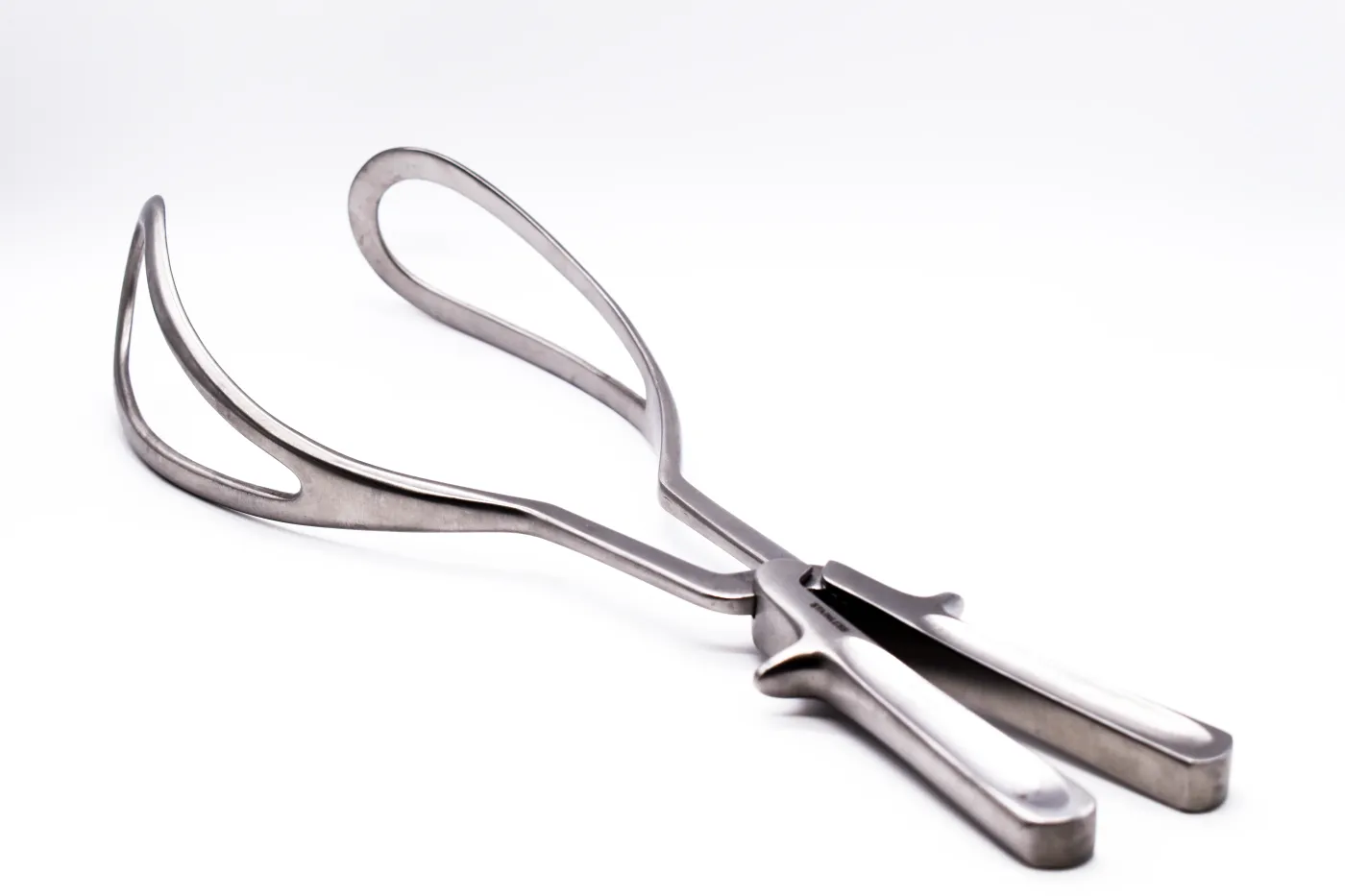
- A.
Ventouse
- B.
Kielland Forceps
- C.
Simpson Forceps
- D.
Tongs Forceps
- A.
Q50 · General Knowledge · Important Health Days & Themes
World no tobacco day is observed on?
- A.
December 1
- B.
December 10
- C.
April 7
- D.
May 31
- A.
- Sign in free
Done 50 questions? Check your answers
Sign in free: every answer with its explanation, attempt the paper timed with negative marking, and track your score.
Q51 · Community Health Nursing · Demography, Surveillance and Interpretation of Data
Which of the following is the best definition of fertility rate?
- A.
The number of births per 1,000 women of reproductive age
- B.
The total number of live births per 1,000 people in a population
- C.
The number of children born to an individual woman during her lifetime
- D.
The ratio of births to deaths in a population over one year
- A.
Q52 · Medical & Surgical Nursing · Gas Exchange and Respiratory Function
When collecting sputum samples for Directly Observed Treatment, Short-course (DOTS), how many samples are typically required for testing?
- A.
1 sample
- B.
2 samples
- C.
3 samples
- D.
4 samples
- A.
Q53 · Medical & Surgical Nursing · Gas Exchange and Respiratory Function
A nurse caring for an adult on high-flow nasal cannula (HFNC) should understand which statement is correct?
- A.
HFNC provides humidification intermittently
- B.
Prongs should cover no more than about 50% of the nares
- C.
HFNC provides an oxygen fraction below 50% only
- D.
Choose the largest cannula size to minimize leak
- A.
Q54 · General Knowledge · Sports Current Affairs
Which of the following is true regarding Mary Kom's first gold medal?
- A.
It was won in the Asian Games
- B.
It was won in the World Boxing Championship
- C.
It was won in the London Olympics
- D.
It was won in the Asian Boxing Championship
- A.
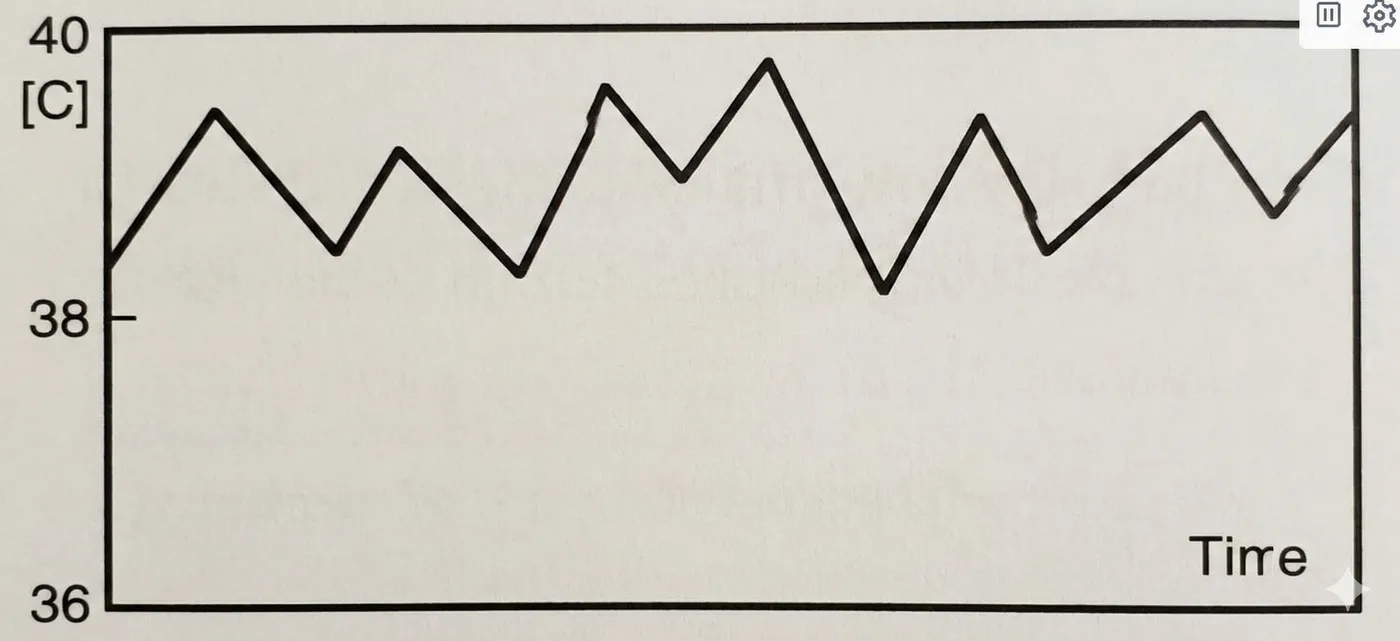
Q55 · Medical & Surgical Nursing · Miscellaneous
What is the condition represented in the graph shown?
- A.
Intermittent fever
- B.
Inverted fever
- C.
Remittent fever
- D.
Continuous fever
- A.
Q56 · Mental Health Nursing · Neurotic, stress related and somatisation disorders
A nurse observes that a patient is repeatedly denying the diagnosis of cancer despite clear evidence. Which defense mechanism is the patient displaying?
- A.
Repression
- B.
Displacement
- C.
Rationalization
- D.
Denial
- A.
Q57 · Medical & Surgical Nursing · Neurologic Function
A patient with delirium is in the hospital room and exhibits agitation. What should the nurse do to help manage this situation?
- A.
Use restraints to control the agitation
- B.
Calmly reassure the patient and redirect their attention
- C.
Increase the level of stimulation in the room
- D.
Encourage the family to leave the room to reduce stress
- A.
Q58 · Nursing Management & Leadership · Management of Nursing Service in the Hospital & Community
When is the census usually maintained in the hospital?
- A.
Morning
- B.
Evening
- C.
Night
- D.
None of them
- A.
Q59 · Biochemistry & Nutrition · Miscellaneous
What is the gold standard test for hemoglobin levels in blood donors?
- A.
Hematocrit test
- B.
Cyanmethemoglobin method
- C.
Complete blood count (CBC)
- D.
Hemoglobin electrophoresis
- A.
Q60 · Child Health Nursing (Pediatrics) · Miscellaneous
A newborn delivered by forceps exhibits an asymmetrical Moro reflex. This finding is indicative of injury to:
- A.
Femoral plexus
- B.
Sacral plexus
- C.
Cervical plexus
- D.
Brachial plexus
- A.
Q61 · Child Health Nursing (Pediatrics) · Integrated Management of Neonatal and Childhood Illness
Recommended daily dose of zinc for management of diarrhea in children (as per WHO):?
- A.
25 mg/day for greater than 6 months
- B.
15 mg/day for all children
- C.
5 mg/day for all children
- D.
10 mg/day for less than 6 months, 20 mg/day for greater than 6 months
- A.
Q62 · Obstetrics & Gynaecology · Population Dynamics and Control of Conception
A nurse is assisting with a procedure that involves the Pomery method for the fallopian tube. What is the goal of this surgical procedure?
- A.
To reverse tubal ligation
- B.
To achieve permanent sterilization
- C.
To prevent ectopic pregnancy
- D.
To enhance fertility in women with blocked tubes
- A.
Q63 · Medical & Surgical Nursing · Cardiovascular, Circulatory, and Hematologic Function
The nurse is preparing to administer platelets. The blood products should be infused over a period of:
- A.
15-30 minutes
- B.
1-2 hours
- C.
30 minutes to 1 hour
- D.
3-4 hours
- A.
Q64 · Medical & Surgical Nursing · Gas Exchange and Respiratory Function
A nurse is caring for a patient with Chronic Obstructive Pulmonary Disease (COPD) and notices that the patient is using a CPAP machine. The nurse understands that CPAP is used to:
- A.
Deliver positive pressure to keep the airways open
- B.
Treat hypovolemic shock
- C.
Provide oxygen to the patient during sleep
- D.
Prevent pneumonia in COPD patients
- A.
Q65 · Mental Health Nursing · Neurotic, stress related and somatisation disorders
A patient is exhibiting repetitive behaviors, such as hand washing multiple times a day, which they feel compelled to perform. The nurse understands that this is characteristic of:
- A.
Generalized Anxiety Disorder
- B.
Post-Traumatic Stress Disorder
- C.
Obsessive-Compulsive Disorder
- D.
Panic Disorder
- A.
Q66 · Reasoning · Arrangements & Puzzles
In a line of girls, Rani is 10^(th) from the left and 12^(th) from the right. How many girls are in the line?
- A.
23
- B.
22
- C.
21
- D.
20
- A.
Q67 · Child Health Nursing (Pediatrics) · Hematological Disorders
A 5-year-old child presents with pallor, lethargy, and learning problems. A blood test shows macrocytic anemia. Which of the following deficiencies is most likely associated with this type of anemia?
- A.
Riboflavin
- B.
Cobalamin
- C.
Niacin
- D.
Iron
- A.
Q68 · Medical & Surgical Nursing · Urinary Tract Function
A patient with kidney failure has been found to have 4+ protein in their urine. The nurse recognizes this finding as indicating:
- A.
Mild proteinuria
- B.
Nephrotic syndrome
- C.
Severe proteinuria
- D.
Chronic kidney disease
- A.
Q69 · Pharmacology · General Pharmacology
A patient is prescribed disulfiram for alcohol dependence. The nurse should instruct the patient that drinking alcohol while on this medication may cause:
- A.
Dizziness and fatigue
- B.
Severe nausea and vomiting
- C.
Hyperactivity
- D.
Weight gain
- A.
Q70 · Medical & Surgical Nursing · Perioperative Concepts and Nursing Management
A patient is being administered general anesthesia. The nurse should assess the patient for:
- A.
Signs of agitation and confusion
- B.
Heart rate and blood pressure stability
- C.
Severe shivering post-anesthesia
- D.
Respiratory rate, oxygenation, and ventilation
- A.
Q71 · Obstetrics & Gynaecology · Pharmacotherapeutics in Obstetrics
A nurse is administering carboprost to a patient with postpartum hemorrhage (PPH). What is the primary action of carboprost in managing PPH?
- A.
Stimulating uterine contractions to reduce bleeding
- B.
Reducing the blood pressure to improve uterine perfusion
- C.
Reversing the effects of excessive blood loss
- D.
Preventing clot formation in the uterus
- A.
Q72 · Health Information and Technology (Basic Computer) · Introduction to computer applications
What is the expansion of the term HTML?
- A.
High Text Markup Language
- B.
Higher Text Machine Language
- C.
Hyper Text Machine Language
- D.
Hyper Text Markup Language
- A.
Q73 · Applied Anatomy · Endocrine System
The nurse is educating a patient with hypercalcemia. Which gland is primarily responsible for regulating calcium levels in the body?
- A.
Thyroid gland
- B.
Adrenal glands
- C.
Parathyroid glands
- D.
Pancreas
- A.
Q74 · Medical & Surgical Nursing · Cardiovascular, Circulatory, and Hematologic Function
A patient exhibits no pulse and is in a pulseless rhythm. What should the nurse do next?
- A.
Administer IV fluids
- B.
Perform chest compressions and apply the defibrillator
- C.
Provide oxygen via non-rebreather mask
- D.
Administer a vasopressor
- A.
Q75 · Medical & Surgical Nursing · Perioperative Concepts and Nursing Management
A nurse notices swelling and a hematoma during jugular vein catheterization. What is the most appropriate initial action?
- A.
Continue the procedure and apply pressure
- B.
Document the complication and notify the doctor
- C.
Apply ice to the area and monitor the patient
- D.
Remove the catheter and stop the procedure immediately
- A.
- Sign in free
Done 75 questions? Check your answers
Sign in free: every answer with its explanation, attempt the paper timed with negative marking, and track your score.
Q76 · General Knowledge · Sports Current Affairs
How many gold medals did India win at the Paris 2024 Olympics?
- A.
10
- B.
2
- C.
7
- D.
1
- A.
Q77 · Obstetrics & Gynaecology · Hypertensive Disorders in Pregnancy
A nurse is caring for a patient who experienced a 2nd-degree perineal tear during childbirth. Which of the following is the correct description of a 2nd-degree perineal tear?
- A.
Involves the vaginal mucosa only
- B.
Involves the vaginal mucosa and perineal skin
- C.
Involves the vaginal mucosa and muscles of the perineum
- D.
Involves the vaginal mucosa and anal sphincter
- A.
Q78 · Mental Health Nursing · Mood disorders
After taking an antidepressant for about a week, a patient reports constipation and blurred vision, with no improvement in mood. The psychiatric-mental health nurse informs the patient:
- A.
"It takes approximately 3 to 4 weeks for depression medications to take effect, and side effects usually diminish over time."
- B.
"Stop the medication immediately and contact your primary care physician."
- C.
"You should contact your doctor. The doctor may need to change your medication."
- D.
"You should schedule an appointment with your ophthalmologist."
- A.
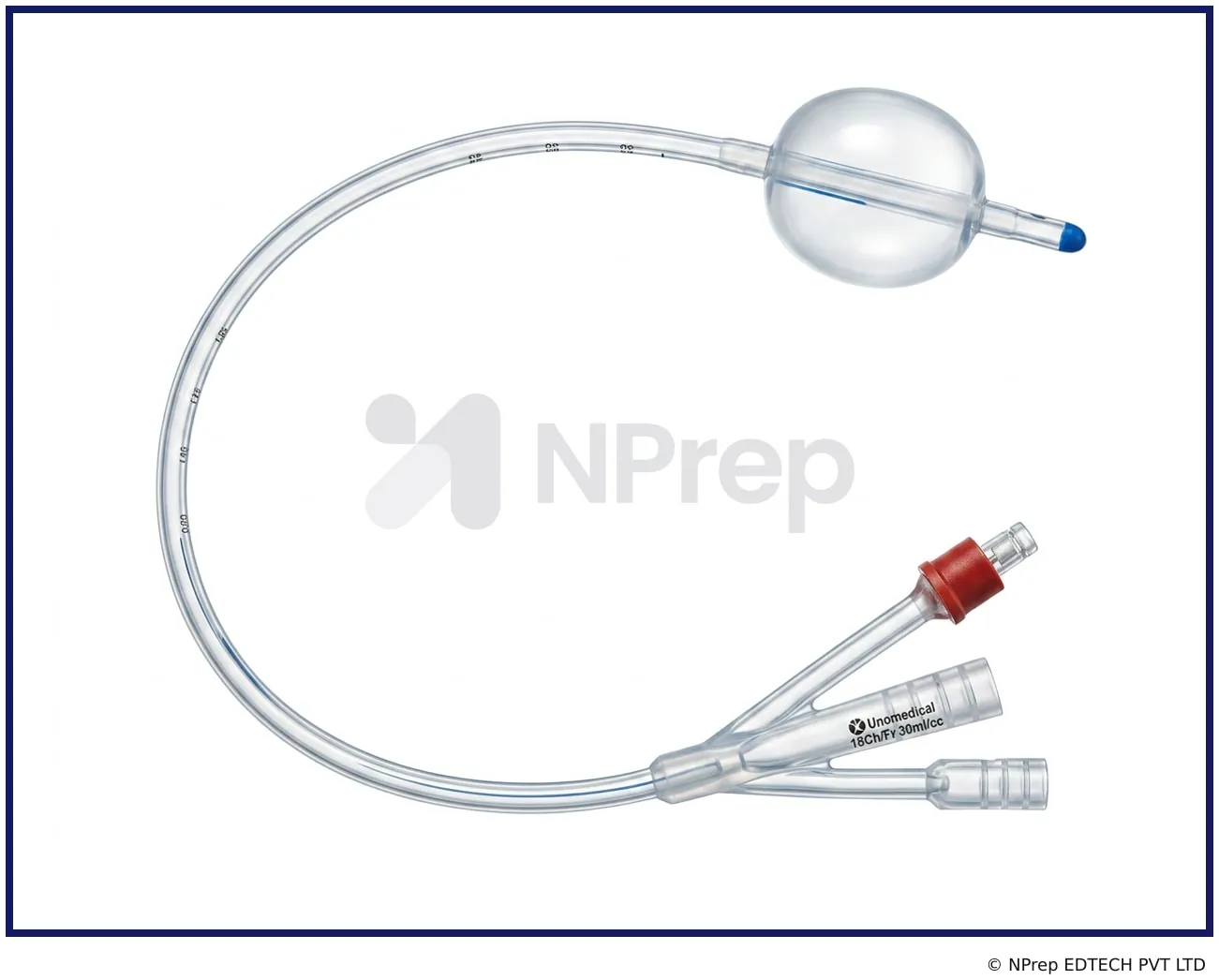
Q79 · Nursing Foundations · Procedures
What is the name of the medical device shown in the image?
- A.
Foley catheter
- B.
Three-way urinary catheter
- C.
Nasogastric tube
- D.
Endotracheal tube
- A.
Q80 · Child Health Nursing (Pediatrics) · Genetic Disorders
A nurse is counseling a family whose child has been diagnosed with Down syndrome. Which of the following is a common characteristic of Down syndrome?
- A.
Short stature and cognitive delays
- B.
Long limbs and reduced muscle tone
- C.
High IQ and exceptional physical skills
- D.
Lack of physical abnormalities
- A.
Q81 · Medical & Surgical Nursing · Cardiovascular, Circulatory, and Hematologic Function
Which of the following blood group combinations correctly match the agglutinogens and agglutinins in the plasma?
- A.
Blood group A has anti-B antibodies in plasma and agglutinogens A on red blood cells
- B.
Blood group B has agglutinogens A and B on red blood cells and anti-A antibodies in plasma
- C.
Blood group AB has anti-A and anti-B antibodies in plasma
- D.
Blood group O has agglutinogens A and B on red blood cells and anti-A and anti-B antibodies in plasma
- A.
Q82 · Medical & Surgical Nursing · Other Acute Problems
Match the following maneuvers with their respective indications or uses:
List I (Maneuver): | List II (Indication or Use):
A) McRoberts maneuver | I) To maintain airway in a patient with suspected cervical spine injury
B) Heimlich maneuver | II) Position used to assess fetal presentation
C) Leopold's maneuver | III) To assist delivery of a baby during shoulder dystocia
D) Jaw-thrust maneuver | IV) Used to increase intrathoracic pressure
E) Valsalva maneuver | V) Relief of choking
- A.
A-III, B-V, C-IV, D-I, E-II
- B.
A-II, B-IV, C-III, D-V, E-I
- C.
A-III, B-V, C-II, D-I, E-IV
- D.
A-III, B-V, C-I, D-II, E-IV
- A.
Q83 · Child Health Nursing (Pediatrics) · Immunization and Immunodeficiency
Which vaccine is typically given at the 6-week immunization visit?
- A.
Hepatitis B
- B.
DTaP
- C.
BCG
- D.
MMR
- A.
Q84 · Obstetrics & Gynaecology · COMPLICATED LABOR-Malposition, Malpresentation and Cord Prolapse
In a prolonged delivery, an abnormal Moro reflex in the newborn may be caused by:
- A.
Birth asphyxia
- B.
Maternal hypertension
- C.
Placental insufficiency
- D.
Prematurity
- A.
Q85 · Medical & Surgical Nursing · Miscellaneous
A nurse is reviewing an ECG that shows ventricular tachycardia. Which of the following characteristics would be most evident on the ECG?
- A.
Slow, irregular heartbeats
- B.
No visible P waves
- C.
P-wave abnormalities
- D.
Rapid, wide QRS complexes
- A.
Q86 · Nursing Foundations · Diagnostic testing
Best time to collect sputum specimen is?
- A.
After steam inhalation
- B.
After drinking morning tea
- C.
Before brushing teeth in the morning
- D.
After antiseptic mouthwash
- A.
Q87 · Quantitative Aptitude and Mathematics · Speed–distance–time
A plane can cover 6000 km in 8 hours. If the speed is increased by 250 kmph, then the time taken by the plane to cover 9000 km is?
- A.
9 hours
- B.
5 hours
- C.
6 hours
- D.
8 hours
- A.
Q88 · Mental Health Nursing · Treatment modalities and therapies used in mental disorders
Aversion therapy is used in the treatment of which of the following conditions?
- A.
Smoking addiction
- B.
Depression
- C.
Panic attacks
- D.
Obsessive-compulsive disorder
- A.
Q89 · Child Health Nursing (Pediatrics) · Newborn Infants
A nurse is preparing to administer Vitamin K to a newborn. The doctor has ordered a needle for the injection. Which of the following is the most appropriate action for the nurse to take when preparing to administer the injection?
- A.
Administer the Vitamin K into the subcutaneous tissue using the 26 G needle.
- B.
Administer the Vitamin K into the intramuscular tissue using the 26 G needle.
- C.
Administer the Vitamin K through an intravenous line using the 26 G needle.
- D.
Administer the Vitamin K into the dermis using the 26 G needle.
- A.
Q90 · Medical & Surgical Nursing · Urinary Tract Function
A patient presents with flank pain and chills. After assessment, pyelonephritis is diagnosed. What is the most likely cause of this condition?
- A.
Urinary tract infection extending to the kidneys
- B.
Chronic kidney disease
- C.
Bladder infection
- D.
Dehydration and electrolyte imbalances
- A.
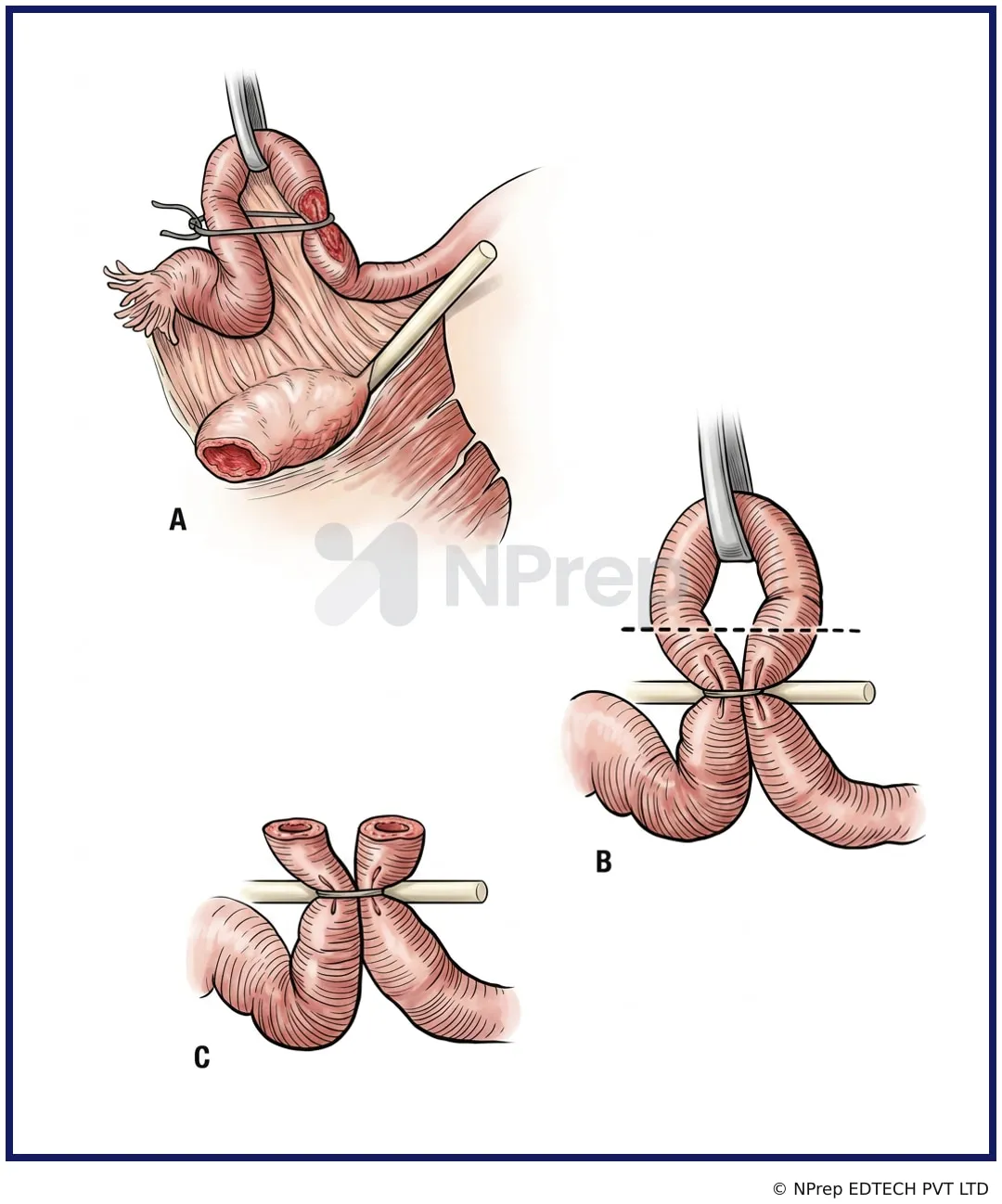
Q91 · Applied Microbiology & Infection control · Disinfection and Sterilization
What is the procedure described in the image related to Minilaparotomy?
- A.
Vasectomy
- B.
Pomeroy method
- C.
Laparoscopic sterilization
- D.
Tubal ligation using filshie clip
- A.
Q92 · Pharmacology · General Pharmacology
A patient is administered sublingual nitroglycerin (NTG). Which of the following adverse effects should the nurse expect? .
- A.
Diplopia
- B.
Dizziness & headache
- C.
Constipation
- D.
Hyperglycemia
- A.
Q93 · Mental Health Nursing · Treatment modalities and therapies used in mental disorders
During electroconvulsive therapy (ECT), oxygen is administered. What is the primary purpose of providing oxygen during this procedure?
- A.
To prevent the patient from feeling any pain
- B.
To facilitate muscle relaxation and prevent injury
- C.
To maintain an adequate oxygen supply to the brain
- D.
To enhance the effectiveness of the therapy
- A.
Q94 · Obstetrics & Gynaecology · Population Dynamics and Control of Conception
A pregnant woman presents to the OPD after giving birth to a healthy baby and asks for the best contraceptive method. Which of the following would be most effective in managing symptoms of hirsutism?
- A.
Depo-Provera
- B.
Combined Oral Contraceptive Pill
- C.
Condom
- D.
IUD
- A.
Q95 · Mental Health Nursing · Treatment modalities and therapies used in mental disorders
Systemic desensitization is most commonly used in the treatment of:
- A.
Panic attacks
- B.
Phobias
- C.
Schizophrenia
- D.
Post-traumatic stress disorder
- A.
Q96 · Medical & Surgical Nursing · Perioperative Concepts and Nursing Management
Vicryl 3-0 suture is classified as?
- A.
Natural absorbable
- B.
Synthetic, absorbable
- C.
Natural, Non-absorbable
- D.
Synthetic, non-absorbable
- A.
Q97 · Obstetrics & Gynaecology · Sexually Transmitted Infections
What condition is most likely to cause green-colored vaginal discharge?
- A.
Bacterial vaginosis
- B.
Candidiasis
- C.
Trichomoniasis
- D.
Gonorrhea
- A.
Q98 · Obstetrics & Gynaecology · Placenta and Fetal Membranes
Umbilical cord compression indicates which of the following conditions in a pregnant woman?
- A.
Variable deceleration
- B.
Early deceleration
- C.
Deceleration
- D.
Acceleration
- A.
Q99 · Child Health Nursing (Pediatrics) · Genetic Disorders
A nurse is counseling a family whose child has been diagnosed with Down syndrome. Which of the following is a common characteristic of Down syndrome?
- A.
Short stature and cognitive delays
- B.
Long limbs and reduced muscle tone
- C.
High IQ and exceptional physical skills
- D.
Lack of physical abnormalities
- A.
Q100 · Obstetrics & Gynaecology · Population Dynamics and Control of Conception
Which contraceptive method is most likely to cause hirsutism (excessive hair growth) as a side effect?
- A.
Progesterone-only pills
- B.
Intrauterine devices (IUDs)
- C.
Depo-Provera injections
- D.
Oral contraceptives with estrogen
- A.
More NORCET papers
- NORCET-11 Mains2026 · 155 questions
- NORCET-11 Prelims2026 · 100 questions
- NORCET-10 Mains2026 · 160 questions
- NORCET-10 Prelims2026 · 100 questions
- NORCET-9 Prelims2025 · 100 questions
- NORCET-9 Mains2025 · 160 questions
- NORCET-8 Prelims2025 · 100 questions
- NORCET-8 Mains2025 · 160 questions
- NORCET-7 Mains2024 · 160 questions
- NORCET-6 Prelims2024 · 100 questions
- NORCET-6 Mains2024 · 100 questions
- NORCET-5 Prelims (Shift 1)2023 · 100 questions