NORCET-6 Prelims question paper
NORCET · 2024 · 100 questions · 90 minutes · 0.33 mark deducted per wrong answer
- Medical & Surgical Nursing 41
- Nursing Foundations 14
- Child Health Nursing (Pediatrics) 11
- Obstetrics & Gynaecology 10
- General Knowledge 5
- Pharmacology 3
- English 3
- Nursing Research & Statistics 2
- Mental Health Nursing 2
- Community Health Nursing 2
- Reasoning 2
- Applied Microbiology & Infection control 2
- Applied Nutrition & Dietetics 2
- Applied Anatomy 1
See the answers and explanations
Sign in free: every answer with its explanation, attempt the paper timed with negative marking, and track your score.
Q1 · Obstetrics & Gynaecology · Genital Malignancy
A 35-year-old female presents with a 2mm mass on ultrasound and elevated CA125 levels. Which of the following is the most likely diagnosis?
- A.
Ovarian cancer
- B.
Cervical cancer
- C.
Mucosal cancer
- D.
Uterine cancer
- A.
Q2 · Nursing Foundations · Loss, Death & Grief
After death of a person, how long cornea can be preserved?
- A.
12 Hours
- B.
8 Hours
- C.
6 Hours
- D.
2 Hours
- A.
Q3 · Medical & Surgical Nursing · Fluid and Electrolytes: Balance and Distribution
A patient undergoes nasogastric suctioning for several days. Which electrolyte imbalance is most likely to occur due to this treatment?
- A.
Hyperkalemia
- B.
Hypernatremia
- C.
Hypokalemia
- D.
Hypercalcemia
- A.
Q4 · Nursing Research & Statistics · Tools and Methods of Data Collection
Which of the following tool in MS Excel predicts a value based on the forecast for the prior period, adjusted for the error in that prior forecast?
- A.
Correlation covariance
- B.
Moving average
- C.
Descriptive statistics
- D.
Exponential smoothing
- A.
Q5 · Nursing Foundations · Vital Signs
Suppose you are a nurse on duty and you are asked to measure BP of an adult. While choosing the cuff, the correct ratio of bladder in length and width is?
- A.
1:3
- B.
2:1
- C.
1:2
- D.
3:1
- A.
Q6 · Medical & Surgical Nursing · Gas Exchange and Respiratory Function
An asthma patient comes to emergency with complaints of wheezing and chest pain. What should be the flow rate of Oxygen for this patient?
- A.
2L/min
- B.
5L/min
- C.
10L/min
- D.
15L/min
- A.
Q7 · Medical & Surgical Nursing · Cardiovascular, Circulatory, and Hematologic Function
The nurse is attending a client who was diagnosed with heart failure. During the examination, the nurse observes that the client is dyspneic with crackles upon auscultation. Which symptoms would manifest for a client with excess fluid volume?
- A.
Decreased central venous pressure
- B.
Flat neck and hand veins
- C.
Hypertension
- D.
Weight loss
- A.
Q8 · Medical & Surgical Nursing · Fluid and Electrolytes: Balance and Distribution
A patient presents to the emergency department with a serum pH of 7.25, pCO2 of 40 mmHg, HCO3 of 22 mEq/L, sodium of 150 mEq/L, and chloride of 100 mEq/L. What is the primary acid-base disturbance in this patient?
- A.
Metabolic acidosis
- B.
Respiratory acidosis
- C.
Metabolic alkalosis
- D.
Respiratory alkalosis
- A.
Q9 · Medical & Surgical Nursing · Cardiovascular, Circulatory, and Hematologic Function
Normal compression to ventilation ratio:
- A.
30:2
- B.
15:2
- C.
2:30
- D.
15:1
- A.
Q10 · Medical & Surgical Nursing · Perioperative Concepts and Nursing Management
You are preparing to perform a lumbar puncture (LP) on a patient. To minimize complications and ensure a successful procedure, what position should the patient be placed in?
- A.
Left lateral
- B.
Right lateral
- C.
Fowler’s position
- D.
Prone position
- A.
Q11 · Child Health Nursing (Pediatrics) · Disorders of Respiratory System
Mother of a 3 year-old child ask the nurse about instruction the use of spacer .what will you tell the mother ?
- A.
mouth rinse after 30 mint
- B.
keep breathing in spacer for 30 sec.
- C.
deep breathing while using spacer
- D.
time between alternate puff is 30 sec
- A.
Q12 · Medical & Surgical Nursing · Pain Management
The pain management nurse follows the recommended protocol for preventing constipation when starting a patient on opioids by:
- A.
Adding bulk fiber to their diet
- B.
Giving the patient enemas as needed
- C.
Increasing fluids and exercise
- D.
Using a bowel stimulant and stool softener
- A.
Q13 · Obstetrics & Gynaecology · Complications of the Third Stage of Labor
A condition in which the placenta is directly attached to the myometrium?
- A.
Placenta accreta
- B.
Placenta praevia
- C.
Placenta velamentous
- D.
Placenta battledore
- A.
Q14 · Mental Health Nursing · Schizophrenia
Repeating the words that are spoken by the caregiver is known as?
- A.
Echopraxia
- B.
Echolalia
- C.
OCD
- D.
Registration
- A.
Q15 · Medical & Surgical Nursing · Gas Exchange and Respiratory Function
A patient is admitted to the emergency department with a decreased level of consciousness. The nurse assesses the patient's airway and determines that intervention is needed to maintain patency. In which type of patient is an oropharyngeal airway (OPA) typically indicated?
- A.
Unconscious
- B.
Semi- conscious
- C.
Conscious
- D.
All of the above
- A.
Q16 · General Knowledge · Indian geography
The Duncan passage is located within?
- A.
Afghanistan and India
- B.
Pakistan and Afghanistan
- C.
South Andaman and Little Andaman
- D.
Shivalik and Karakoram
- A.
Q17 · Medical & Surgical Nursing · Fluid and Electrolytes: Balance and Distribution
A patient is having calcium level 7 mg/dL. Identify ECG changes seen in this patient?
- A.
Shortening of ST segment
- B.
Prolonged QT interval
- C.
Peak T wave
- D.
Prominent U wave
- A.
Q18 · Medical & Surgical Nursing · Urinary Tract Function
Assessing the laboratory findings which results would the nurse most likely to expect to find in a client with chronic renal failure?
- A.
BUN 10 to 30 mg/dl, creatinine 0.5 to 1.5 mg/dl
- B.
BUN 35 to 40 mg/dl, Potassium 3.5 mEq/L, pH 7.35, decreased serum calcium
- C.
BUN 15 mg/dl, increased serum calcium, creatinine 1.0 mg/dl
- D.
Decreased serum calcium, blood pH 7.2, Potassium 6.5 mEq/L
- A.
Q19 · Community Health Nursing · Arthropod-borne infections
What is the most common cause of malaria in India?
- A.
Plasmodium malariae
- B.
Plasmodium primaquine
- C.
Plasmodium ovale
- D.
Plasmodium vivax
- A.
Q20 · Medical & Surgical Nursing · Gas Exchange and Respiratory Function
A patient is receiving oxygen therapy via a mechanical ventilator. The nurse assesses the patient's respiratory status and considers the need for suctioning. Which of the following indicates the need for suctioning?
- A.
Normal air entry on auscultation
- B.
The patient has an effective cough
- C.
Reduced oxygen saturation levels
- D.
Normal respiratory rate
- A.
Q21 · General Knowledge · Indian history
First Indian who beat computer?
- A.
Shakuntala Devi
- B.
CV Raman
- C.
Ramanunj
- D.
Homi J. Bhabha
- A.
Q22 · Medical & Surgical Nursing · Cardiovascular, Circulatory, and Hematologic Function
A patient experiences complications after a blood transfusion. Which of the following signs and symptoms is indicative of circulatory overload?
- A.
Tachycardia, tachypnea, jugular vein, distension
- B.
Bradycardia, hypertension, fever
- C.
Bradycardia, hypotension, fever
- D.
Tachycardia, fever, hypotension
- A.
Q23 · Child Health Nursing (Pediatrics) · Fluid and Electrolyte Disturbances
A child having diarrhoea shows sunken eyes and is thirsty. When milk is provided the baby, it drinks it eagerly. Which type of dehydration is in this patient?
- A.
Mild dehydration
- B.
Moderate dehydration
- C.
Severe dehydration
- D.
No dehydration
- A.
Q24 · Applied Anatomy · Endocrine System
which of the following layers of the adrenal gland secretes glucocorticoids?
- A.
Adrenal medulla
- B.
Zona glomerulosa
- C.
Zona reticularis
- D.
Zona fasciculata
- A.
Q25 · Child Health Nursing (Pediatrics) · Newborn Infants
You are caring for a term 3-day-old infant The infant is hemodynamically stable, with normal vital signs and no signs of respiratory distress. What would you recommend as the best method of feeding for this infant?
- A.
Breastfeeding
- B.
OG tube feeding
- C.
Cup feeding
- D.
IV fluids
- A.
- Sign in free
Done 25 questions? Check your answers
Sign in free: every answer with its explanation, attempt the paper timed with negative marking, and track your score.
Q26 · Medical & Surgical Nursing · Gas Exchange and Respiratory Function
What is the most appropriate method of oxygen delivery for a patient presenting to the emergency department with respiratory trauma (RTA) requiring supplemental oxygen?
- A.
Simple mask
- B.
Rebreather mask
- C.
Nasal cannula
- D.
Non- rebreather mask
- A.
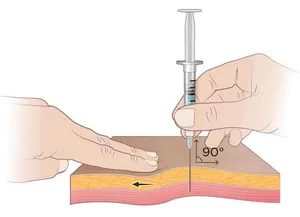
Q27 · Nursing Foundations · Administration of medications
Identify route of drug administration:
- A.
Subcutaneous with Z track
- B.
IM with Z track
- C.
IV
- D.
Intradermal
- A.
Q28 · Medical & Surgical Nursing · Gas Exchange and Respiratory Function
How to tie ET tube to adult patient to prevent bedsore?
- A.
Cheek to cheek on the ear
- B.
Cheek to cheek over the ear
- C.
Cheek to cheek above the ear
- D.
Cheek to cheek over the neck
- A.
Q29 · Medical & Surgical Nursing · Metabolic and Endocrine Function
A 45-year-old patient undergoes a total thyroidectomy and is admitted to the post-anesthesia care unit (PACU) for monitoring. Shortly after arrival, the patient's nurse notices a subtle twitching around the patient's mouth. What is the most likely earliest sign of hypocalcemia in this patient?
- A.
Twitching
- B.
Negative Chvostek’s sign
- C.
Weakness
- D.
Exaggerated DTRs
- A.
Q30 · Medical & Surgical Nursing · Perioperative Concepts and Nursing Management
A patient in post-op area after having right side mastectomy. What should be the priority care in this patient?
- A.
Take BP from right side
- B.
Take BP from left side
- C.
Attach pulse oximetry on left side
- D.
Attach pulse oximetry on right side
- A.
Q31 · Pharmacology · Drugs Acting on Kidney
A patient is administered furosemide injection. What is the primary therapeutic effect of this medication in the clinical setting?
- A.
A loop diuretic to prevent excessive fluid volume
- B.
Acts as ACE inhibitor
- C.
Prevents gastric movement
- D.
Is a thiazide diuretic
- A.
Q32 · Reasoning · Number series
Guess the next number in this series - 150,170,155,160,180,165,?
- A.
130
- B.
150
- C.
160
- D.
170
- A.
Q33 · Medical & Surgical Nursing · Neurologic Function
The best position for doing lumbar puncture is?
- A.
left lateral
- B.
right lateral
- C.
fowlers position
- D.
prone position
- A.
Q34 · General Knowledge · International Current Affairs
Which country supplied Rafale jets to India?
- A.
Italy
- B.
France
- C.
USA
- D.
Germany
- A.
Q35 · Medical & Surgical Nursing · Oncology: Nursing Management in Cancer Care
A 42 year female came to hospital with breast nodule of size 2 c.m which is freely movable, palpable but no nipple discharge is seen from the breast. What is best investigation for this condition?
- A.
F.N.A.C
- B.
Core needle biopsy
- C.
Breast U.S.G
- D.
Mammography
- A.
Q36 · Applied Microbiology & Infection control · Disinfection and Sterilization
Scrubbing will be considered as:
- A.
Chemical sterilization
- B.
Physical sterilization
- C.
Physical disinfection
- D.
Chemical disinfection
- A.
Q37 · Nursing Foundations · Administration of medications
Cefuroxime sodium, 1 g in 50 mL normal saline (NS), is to be administered over 30 minutes to a client with an infection. The drop factor is 15 drops (gtt)/1 mL. The nurse sets the flow rate at how many drops per minute?
- A.
22 gtt/min
- B.
25 gtt/min
- C.
28 gtt/min
- D.
30 gtt/min
- A.
Q38 · Medical & Surgical Nursing · Gas Exchange and Respiratory Function
A 45-year-old patient presents with a severe head injury. Which of the following is a contraindication for the insertion of a nasopharyngeal airway in this patient?
- A.
Skull base Fracture
- B.
Patient has hypoxemia
- C.
Chest infection
- D.
During dental procedures
- A.
Q39 · Medical & Surgical Nursing · Gas Exchange and Respiratory Function
A mechanically ventilated patient is placed on high-flow ventilation to manage acute respiratory distress. Suddenly, the patient's oxygen saturation drops, and a chest X-ray is ordered. What is the most likely complication that the X-ray will reveal?
- A.
Aspiration
- B.
Pneumothorax
- C.
Diaphragmatic Hernia
- D.
COPD
- A.
Q40 · Child Health Nursing (Pediatrics) · Miscellaneous
A child undergoing venipuncture is prescribed Emla, a topical anesthetic. How much time this cream should be applied before procedure?
- A.
10 min
- B.
30 min
- C.
60 min
- D.
Immediately before procedure
- A.
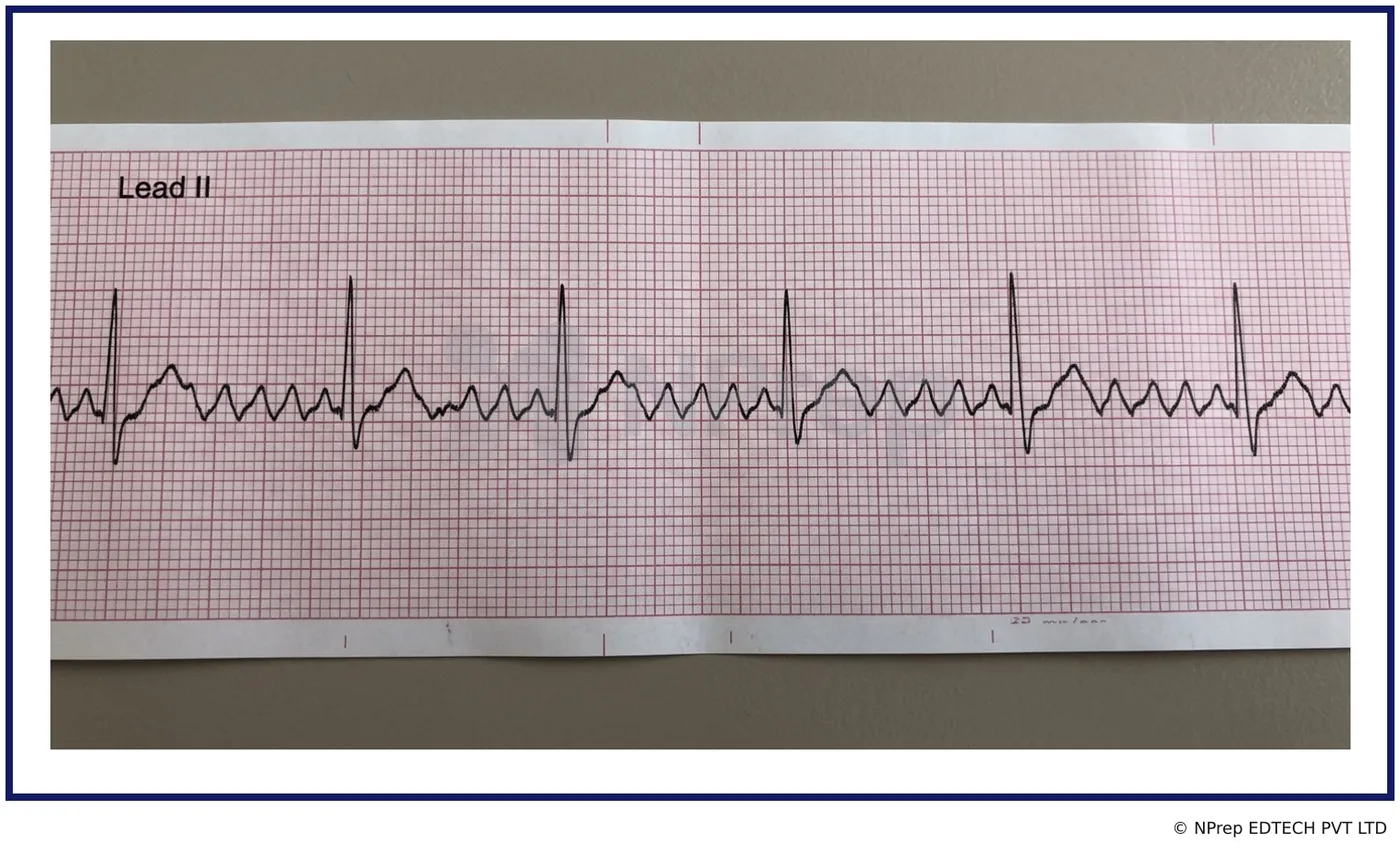
Q41 · Medical & Surgical Nursing · Cardiovascular, Circulatory, and Hematologic Function
Identify the ECG given below:
- A.
Atrial flutter
- B.
Atrial fibrillation
- C.
Sinus tachycardia
- D.
Normal sinus rhythm
- A.
Q42 · Applied Nutrition & Dietetics · Therapeutic Diet
Function of Zinc in management of Diarrhoea is:
- A.
Increases appetite
- B.
Resolves abdominal cramps
- C.
Maintains hydration
- D.
Prevents induration
- A.
Q43 · Medical & Surgical Nursing · Integumentary Function
Most painful type of burns is?
- A.
Fourth-degree burns
- B.
Third-degree burns
- C.
Second-degree burns
- D.
First-degree burns
- A.
Q44 · Child Health Nursing (Pediatrics) · Diseases of Gastrointestinal System and Liver
What should be the usual amount of enema solution for an infant?
- A.
less than 250 ml
- B.
250-350 ml
- C.
300-500 ml
- D.
500 ml
- A.
Q45 · Child Health Nursing (Pediatrics) · Otolaryngology
You are assessing the nutrition of a 3-year-old child in your pediatric clinic. The child is developmentally normal and has no known food allergies or intolerances. You want to recommend a complimentary feed that is nutrient-dense and easy to digest. Which of the following options would you recommend?
- A.
Mashed Bananas
- B.
Dal rice
- C.
Fruit juice
- D.
Boiled soft carrot
- A.
Q46 · Nursing Foundations · Administration of medications
You are administering an intravenous medication to a patient, and the medication label instructs you to infuse 50 mL over 15 minutes. What is the correct flow rate in mL/hour?
- A.
150 mL/hour
- B.
50 mL/hour
- C.
200 mL/hour
- D.
100 mL/hour
- A.
Q47 · Medical & Surgical Nursing · Fluid and Electrolytes: Balance and Distribution
The earliest symptoms of hyponatremia is ?
- A.
Headache
- B.
Ataxia
- C.
Thirst
- D.
Weakness
- A.
Q48 · Medical & Surgical Nursing · Gas Exchange and Respiratory Function
What is the absolute contraindication for performing nasal tracheal intubation in a critically ill patient?
- A.
Conscious patient
- B.
Fracture of base of skull
- C.
Patient with limited mouth opening
- D.
Intra oral mass
- A.
Q49 · Child Health Nursing (Pediatrics) · Common Medical Procedures
three year child , which of the following is the best complimentary feed that can be give to this child ?
- A.
Mashed bananas
- B.
Dal rice
- C.
Fruit juice
- D.
bone marrow aspiration
- A.
Q50 · Applied Nutrition & Dietetics · Fats
Identify the odd one?
- A.
Cream
- B.
Butter
- C.
Ghee
- D.
Oil
- A.
- Sign in free
Done 50 questions? Check your answers
Sign in free: every answer with its explanation, attempt the paper timed with negative marking, and track your score.
Q51 · General Knowledge · Awards & honours
Maximum Bharat ratna awards were given in which year:
- A.
1999
- B.
2024
- C.
1989
- D.
2022
- A.
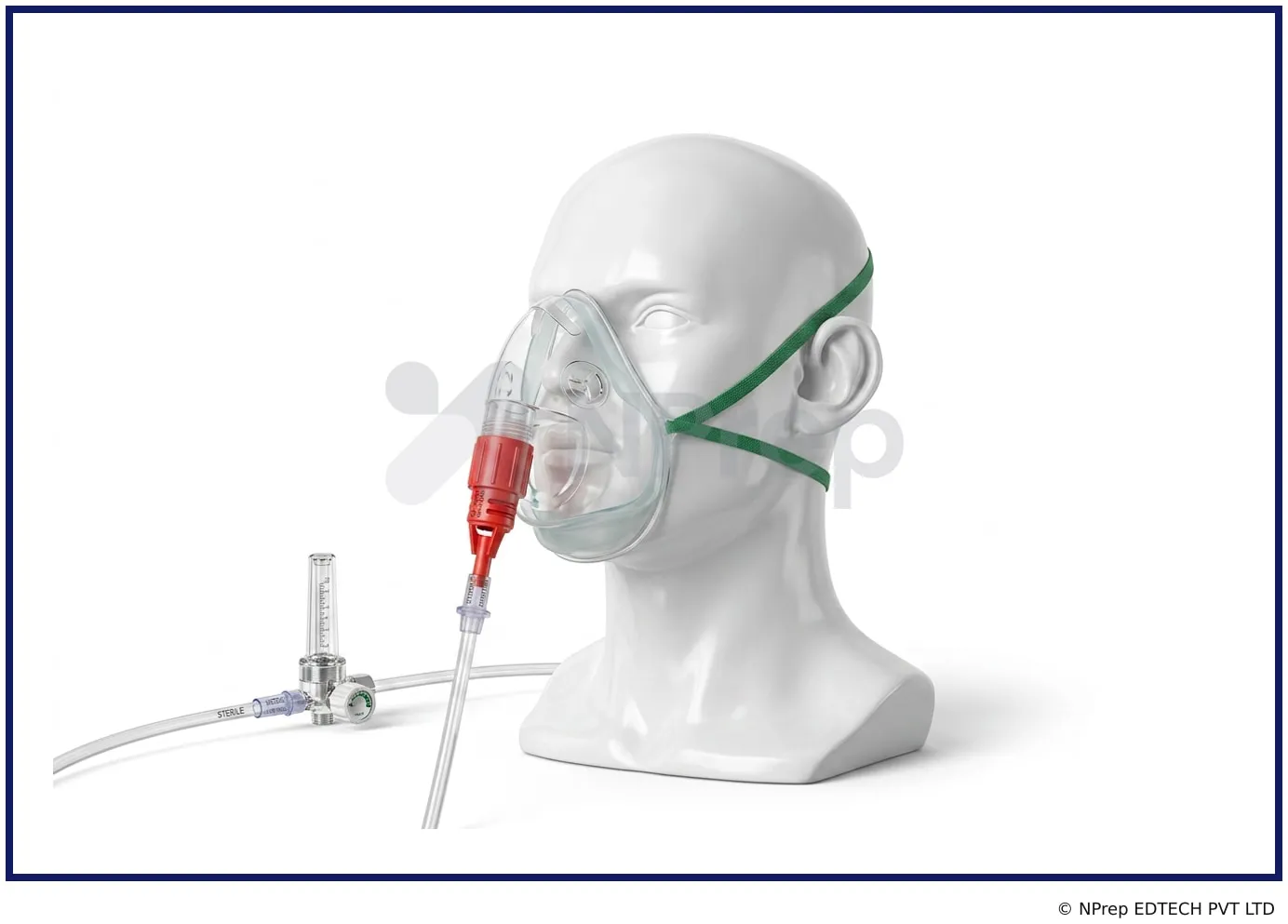
Q52 · Medical & Surgical Nursing · Gas Exchange and Respiratory Function
Identify the FiO2 rate in given venturi mask:
- A.
40%
- B.
31%
- C.
60%
- D.
28%
- A.
Q53 · Nursing Foundations · Vital Signs
During a routine assessment, you notice that a 60-year-old patient's radial pulse is weak and difficult to palpate. The patient's other vital signs are within normal limits. Based on the ABC (Airway, Breathing, Circulation) assessment, what does this finding indicate?
- A.
Hypotension
- B.
Diminished Pulse
- C.
Tachypnea
- D.
CRT < 3 sec
- A.
Q54 · Obstetrics & Gynaecology · Hormones in Gynecological Practice
A 28 year old female presents with hirsutism and male like hairs on body. Which test is best for diagnosing this condition?
- A.
FSH
- B.
LH
- C.
TVS USG
- D.
Progesterone
- A.
Q55 · Medical & Surgical Nursing · Cardiovascular, Circulatory, and Hematologic Function
A patient requires a blood transfusion, and the blood component has just been retrieved from the blood bank. What is the critical timeframe for initiating the transfusion to ensure patient safety?
- A.
30 min
- B.
60 min
- C.
90 min
- D.
No such time limit
- A.
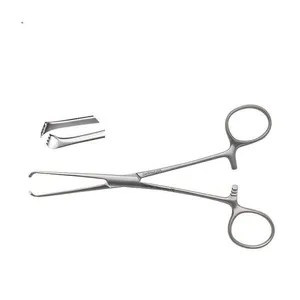
Q56 · Medical & Surgical Nursing · Perioperative Concepts and Nursing Management
Identify this instrument:
- A.
Allis forceps
- B.
Vulsellum forceps
- C.
Cheattle forceps
- D.
Kocher’s forceps
- A.
Q57 · Obstetrics & Gynaecology · Term Newborn Infant
In a newborn, APGAR score at 1 min is 7. Nurse found that baby’s mouth corner is stained with secretions of meconium? What is next best step?
- A.
Prepare for resuscitation
- B.
Inform physician
- C.
Perform the suction of mouth and nose
- D.
Perform the routine care
- A.
Q58 · Mental Health Nursing · Psychiatric Emergencies
Lorazepam challenging test is done to validate the diagnosis of:
- A.
Depression
- B.
Dementia
- C.
Stupor
- D.
Catatonia
- A.
Q59 · Medical & Surgical Nursing · Gas Exchange and Respiratory Function
You are assessing a patient who is experiencing hyperventilation, resulting in a below-normal carbon dioxide (CO2) level. The patient is exhibiting symptoms of respiratory alkalosis. What is the priority nursing management to help correct the patient's CO2 level and alleviate symptoms?
- A.
Paper bag breath
- B.
Give O2 directly
- C.
Inform the doctor
- D.
Give sedative
- A.
Q60 · Medical & Surgical Nursing · Cardiovascular, Circulatory, and Hematologic Function
A patient in the ward experiences sudden cardiac arrest. What is the most appropriate technique for opening the airway to facilitate endotracheal intubation?
- A.
Jaw thurst method
- B.
Head tilt, chin lift method
- C.
Valsalva maneuvr
- D.
Heimlich Maneuvr
- A.
Q61 · Medical & Surgical Nursing · Fluid and Electrolytes: Balance and Distribution
How would you most accurately assess fluid volume status in a patient with 20% total body surface area (TBSA) burns?
- A.
Daily weight measurement
- B.
Evaluation of skin integrity
- C.
Strict monitoring of intake and output
- D.
Measuring patient height
- A.
Q62 · Medical & Surgical Nursing · Other Acute Problems
A patient presents to the emergency department with the following vital signs: blood pressure 120/66 mmHg, pulse rate 88 beats per minute, respiratory rate 23 breaths per minute, and oxygen saturation 99% on room air. Based on the Emergency Severity Index (ESI) triage system, into which category should this patient be classified?
- A.
ESI level 1
- B.
ESI level 2
- C.
ESI level 3
- D.
ESI level 5
- A.
Q63 · Medical & Surgical Nursing · Perioperative Concepts and Nursing Management
Which gas cylinder is color-coded yellow in an anesthesia machine (according to the Indian/UK system)?
- A.
CO2
- B.
Medical air
- C.
Nitrous oxide
- D.
Oxygen
- A.
Q64 · General Knowledge · Union government and Judiciary Bodies
Who was the External affair minister of India in 2019?
- A.
Sushma swaraj
- B.
Dr. S. Jaishankar
- C.
Amit shah
- D.
Nirmala Sitharaman
- A.
Q65 · Reasoning · Analogy
54:18 ::62:?
- A.
16
- B.
24
- C.
20
- D.
15
- A.
Q66 · Medical & Surgical Nursing · Pain Management
A 45-year-old patient presents with chronic leg pain and stiffness. Which behavioral therapy would you recommend to help manage their symptoms?
- A.
Hypnosis
- B.
Relaxation
- C.
Meditation
- D.
Masturbation
- A.
Q67 · Child Health Nursing (Pediatrics) · Immunization and Immunodeficiency
During a vaccination clinic, a nurse prepares to administer the DPT vaccine to a pediatric patient. Upon inspecting the vaccine vial, the nurse notices the presence of granules. What is the most appropriate next step for the nurse to take?
- A.
Discard the vial
- B.
Shake vigorously
- C.
Check after 15 min
- D.
Keep using the vial
- A.
Q68 · Nursing Foundations · Administration of medications
A physician orders a medication to be administered to a patient in a dose of 200mg twice daily (BD). The pharmacy provides tablets of the medication, with each tablet containing 0.1g of the active ingredient?
- A.
1 tab
- B.
2 tab
- C.
3 tab
- D.
4 tab
- A.
Q69 · Obstetrics & Gynaecology · Antepartum Hemorrhage
A 32 week pregnant mother is having abdominal pain, tenderness and fetal distress. What will be the diagnosis in this patient?
- A.
Abruptio placenta
- B.
Placenta previa
- C.
Abortion
- D.
Ectopic Pregnancy
- A.
Q70 · Nursing Foundations · Communication & Nurse-Patient Relationship
When using non-verbal communication in a nurse-client relationship, the nurse must be aware of?
- A.
Nervous hand movements
- B.
Ethnic background
- C.
The client's development level
- D.
Contradictions to the clients
- A.
Q71 · English · Vocabulary
Synonym of the word "Awkward" is?
- A.
Convenient
- B.
Blundering
- C.
Urbane
- D.
Dexterous
- A.
Q72 · Nursing Foundations · Vital Signs
You are assessing a patient's cardiovascular status and notice a discrepancy between the apical and radial pulse rates. The apical pulse is 80 beats per minute, while the radial pulse is 65 beats per minute. What is the pulse deficit in this patient?
- A.
10
- B.
15
- C.
25
- D.
35
- A.
Q73 · Pharmacology · General Pharmacology
You are administering medications to a patient through an intravenous (IV) line. Suddenly, you notice that the IV site is becoming red, swollen, and painful. You suspect extravasation, a potentially serious complication. Which of the following medications is most likely to cause severe tissue damage and necrosis if extravasation occurs?
- A.
Diazepam
- B.
Epinephrine
- C.
Phenytoin
- D.
Ranitidine
- A.
Q74 · Applied Microbiology & Infection control · Hand Hygiene
Why is hand washing a very important step in the procedure for care of a wound?
- A.
This helps remove extra moisture from the wound
- B.
To prevent cross contamination
- C.
To cover the wound and quickens healing
- D.
To avoid any further injury
- A.
Q75 · Obstetrics & Gynaecology · Injuries to the Birth Canal
A G3P2 female had 2 Caesarean sections. What is the risk of uterine rupture in this female?
- A.
2-3%
- B.
5-7%
- C.
10-12%
- D.
46%
- A.
- Sign in free
Done 75 questions? Check your answers
Sign in free: every answer with its explanation, attempt the paper timed with negative marking, and track your score.
Q76 · Pharmacology · General Pharmacology
during IV administration, which of the following drug cause extravasation and damage to site ?
- A.
Diazepam
- B.
Epinephrine
- C.
Phenytoin
- D.
Ranitidine
- A.
Q77 · Nursing Foundations · Administration of medications
Desired dose of Morphine for a patient is 0.4 mg. Dose available is 1 mg/mL. The correct formulation for this patient is:
- A.
0.4 mL
- B.
0.8mL
- C.
0.2mL
- D.
0.3mL
- A.
Q78 · Child Health Nursing (Pediatrics) · Poisonings, Injuries and Accidents
A 5 year old baby drank Kerosine accidentally. What is the priority management in this case?
- A.
Gastric Lavage
- B.
NPO till help arrive
- C.
Induce vomiting
- D.
Give activated charcoal
- A.
Q79 · Nursing Research & Statistics · Research Process
Using precise methods to investigate problems and arrive at solutions is called:?
- A.
Planning and execution
- B.
Critical thinking
- C.
Trial and error
- D.
Scientific problem solving
- A.
Q80 · Medical & Surgical Nursing · Other Acute Problems
A 30-year-old patient presents to the emergency department with a body temperature of 104°F (40°C). The patient’s additional vital signs are as follows: blood pressure 140/90 mmHg, respiratory rate 28 breaths per minute, and pain score 5/10. As the nurse responsible for this patient’s care, which clinical finding should be prioritized as the most immediate concern requiring intervention?
- A.
Temp 104F
- B.
BP 140/ 90 mm Hg
- C.
RR - 30/ min
- D.
Pain scale 5
- A.
Q81 · Medical & Surgical Nursing · Gas Exchange and Respiratory Function
What flow rate should be set when using resuscitation bag?
- A.
10 L O2 per min.
- B.
9 L O2 per min.
- C.
15 L O2 per min.
- D.
8 L O2 per min.
- A.
Q82 · Obstetrics & Gynaecology · Diagnosis of Pregnancy
How should heartburn in the mid-chest region during pregnancy be managed?
- A.
Never prescribe antacid for severe cases
- B.
Sleeping with more pillows than usual
- C.
Exercising the calf muscles by rising on the toes
- D.
Sit or lie down when she feels slight dizziness
- A.
Q83 · Child Health Nursing (Pediatrics) · Integrated Management of Neonatal and Childhood Illness
According to the Integrated Management of Neonatal and Childhood Illnesses (IMNCI) guidelines, which of the following is a recognized danger sign indicating a seriously ill baby?
- A.
Persistent vomiting
- B.
Sole and palm are yellow in colour
- C.
Fever
- D.
Watery eyes
- A.
Q84 · Obstetrics & Gynaecology · Normal Labor
According to the World Health Organization (WHO), which of the following is recommended in the management of the second stage of labor?
- A.
Pushing with valsalva maneuvr
- B.
Monitoring fetal heart rate
- C.
Perineal massage
- D.
Emergency C section
- A.
Q85 · Medical & Surgical Nursing · Gas Exchange and Respiratory Function
A 75-year-old patient, intubated and mechanically ventilated, becomes acutely distressed during a routine suctioning procedure. The patient's oxygen saturation drops to 80% and they begin to show signs of respiratory distress. What is the most appropriate immediate nursing action?
- A.
Immediately remove suction catheter
- B.
Suction rapidly in 5 sec and remove the catheter
- C.
Call senior nurse
- D.
Call doctor immediately
- A.
Q86 · Medical & Surgical Nursing · Gas Exchange and Respiratory Function
Which of the following is the correct measurement for oropharyngeal airway?
- A.
Targus to angle of mouth or Angle of the mouth to angle of mandible
- B.
Corner of mouth and angle of jaw
- C.
Tip of nose and angle of mandible
- D.
Ala of nose and angle of mandible
- A.
Q87 · Obstetrics & Gynaecology · Contracted Pelvis
The pelvic shape that has the poorest prognosis from vaginal delivery is:
- A.
Gynecoid
- B.
Android
- C.
Anthropoid
- D.
Platypelloid
- A.
Q88 · Child Health Nursing (Pediatrics) · Childhood Malignancies
A child is on chemotherapy. The nurse should teach the mother about the following; except:
- A.
Hand washing
- B.
Avoid crowded place
- C.
Brush two times
- D.
Sitz bath
- A.
Q89 · Nursing Foundations · Infection control & BMW management
A patient admitted in hospital and suffering from pain stiffness and fever for 3days ,he is confirmed with HAI. when should a nurse tell the patient about HAI?
- A.
On admission
- B.
After one day
- C.
After 2 days
- D.
At discharge
- A.
Q90 · Medical & Surgical Nursing · Cardiovascular, Circulatory, and Hematologic Function
The normal interval of the QRS complex is ?
- A.
0.08 sec
- B.
0.12 sec
- C.
0.16 sec
- D.
0.4 sec
- A.
Q91 · Nursing Foundations · Administration of medications
To ensure accurate medication administration and prevent errors, what is the most comprehensive method for verifying a patient's identity?
- A.
Patient tells his Name, date of birth, check medication chart and check patient identification band
- B.
Patient tells his Name, check medication chart and check patient identification band
- C.
Patient tells his Name, and check pt identification band
- D.
Patient tells his Name, Patient identification band
- A.
Q92 · Obstetrics & Gynaecology · Special Topics in Obstetrics
While interpreting a cardiotocogram (CTG), the fetal heart rate tracing shows a gradual decrease from the baseline with a gradual return to baseline. The nadir of the deceleration occurs after the peak of each uterine contraction. What type of fetal heart rate deceleration is represented by this pattern?
- A.
Early deceleration
- B.
Late deceleration
- C.
Variable deceleration
- D.
Acceleration
- A.
Q93 · Nursing Foundations · Vital Signs
Core body temperature can be measured using all of the following methods; except:
- A.
Oral
- B.
Rectal
- C.
Temporal artery
- D.
Urinary bladder
- A.
Q94 · Medical & Surgical Nursing · Urinary Tract Function
When initiating the use of a newly inserted Central Venous Access Device (CVAD), what is the recommended syringe size for the initial flushing procedure to ensure patency and prevent catheter damage?
- A.
5ml
- B.
1ml
- C.
2ml
- D.
10ml
- A.
Q95 · Nursing Foundations · Nursing Care & Specific Procedures
You are preparing to suction a patient who is intubated with a 4.5 mm endotracheal tube (ETT). What size suction catheter would you choose to minimize the risk of tracheal trauma while effectively clearing secretions?
- A.
10 French (Fr)
- B.
12 French (Fr)
- C.
15 French (Fr)
- D.
18 French (Fr)
- A.
Q96 · Community Health Nursing · Emerging & Re-emerging infectious diseases
On which date did the World Health Organization (WHO) declare COVID-19 a Public Health Emergency of International Concern (PHEIC)?
- A.
13/01/2020
- B.
30/01/2020
- C.
31/01/2020
- D.
20/01/2020
- A.
Q97 · Medical & Surgical Nursing · Cardiovascular, Circulatory, and Hematologic Function
Trans-illumination procedure is done with:
- A.
Venipuncture
- B.
Angiography
- C.
Blood culture
- D.
Bone marrow aspiration
- A.
Q98 · English · Vocabulary
What is the antonym of monarchy:
- A.
Democracy
- B.
Piracy
- C.
Autocracy
- D.
Kingship
- A.
Q99 · English · Vocabulary
Group of crow is also known as:
- A.
Murder
- B.
Flock
- C.
Herd
- D.
Pack
- A.
Q100 · Medical & Surgical Nursing · Fluid and Electrolytes: Balance and Distribution
A 65-year-old patient is admitted to the hospital with a serum sodium level of 132 mmol/L. Despite being asymptomatic at admission, the patient begins to complain of a general feeling of being "washed out" and lacking energy. What is the most likely earliest symptom of hyponatremia in this patient?
- A.
Fatigue
- B.
Ataxia
- C.
Thirst
- D.
Weakness
- A.
More NORCET papers
- NORCET-11 Mains2026 · 155 questions
- NORCET-11 Prelims2026 · 100 questions
- NORCET-10 Mains2026 · 160 questions
- NORCET-10 Prelims2026 · 100 questions
- NORCET-9 Prelims2025 · 100 questions
- NORCET-9 Mains2025 · 160 questions
- NORCET-8 Prelims2025 · 100 questions
- NORCET-8 Mains2025 · 160 questions
- NORCET-7 Prelims2024 · 100 questions
- NORCET-7 Mains2024 · 160 questions
- NORCET-6 Mains2024 · 100 questions
- NORCET-5 Prelims (Shift 1)2023 · 100 questions