NORCET-8 Prelims question paper
NORCET · 2025 · 100 questions · 90 minutes · 0.33 mark deducted per wrong answer
- Medical & Surgical Nursing 36
- Obstetrics & Gynaecology 10
- Child Health Nursing (Pediatrics) 9
- Mental Health Nursing 8
- Pharmacology 6
- English 5
- Community Health Nursing 5
- Reasoning 4
- Nursing Foundations 4
- General Knowledge 3
- Applied Physiology 2
- Applied Microbiology & Infection control 2
- Nursing Research & Statistics 2
- Nursing Management & Leadership 1
- Applied Anatomy 1
- Quantitative Aptitude and Mathematics 1
- Applied Psychology 1
See the answers and explanations
Sign in free: every answer with its explanation, attempt the paper timed with negative marking, and track your score.
Q1 · Medical & Surgical Nursing · Cardiovascular, Circulatory, and Hematologic Function
What is the heart rate in the given ECG graph?
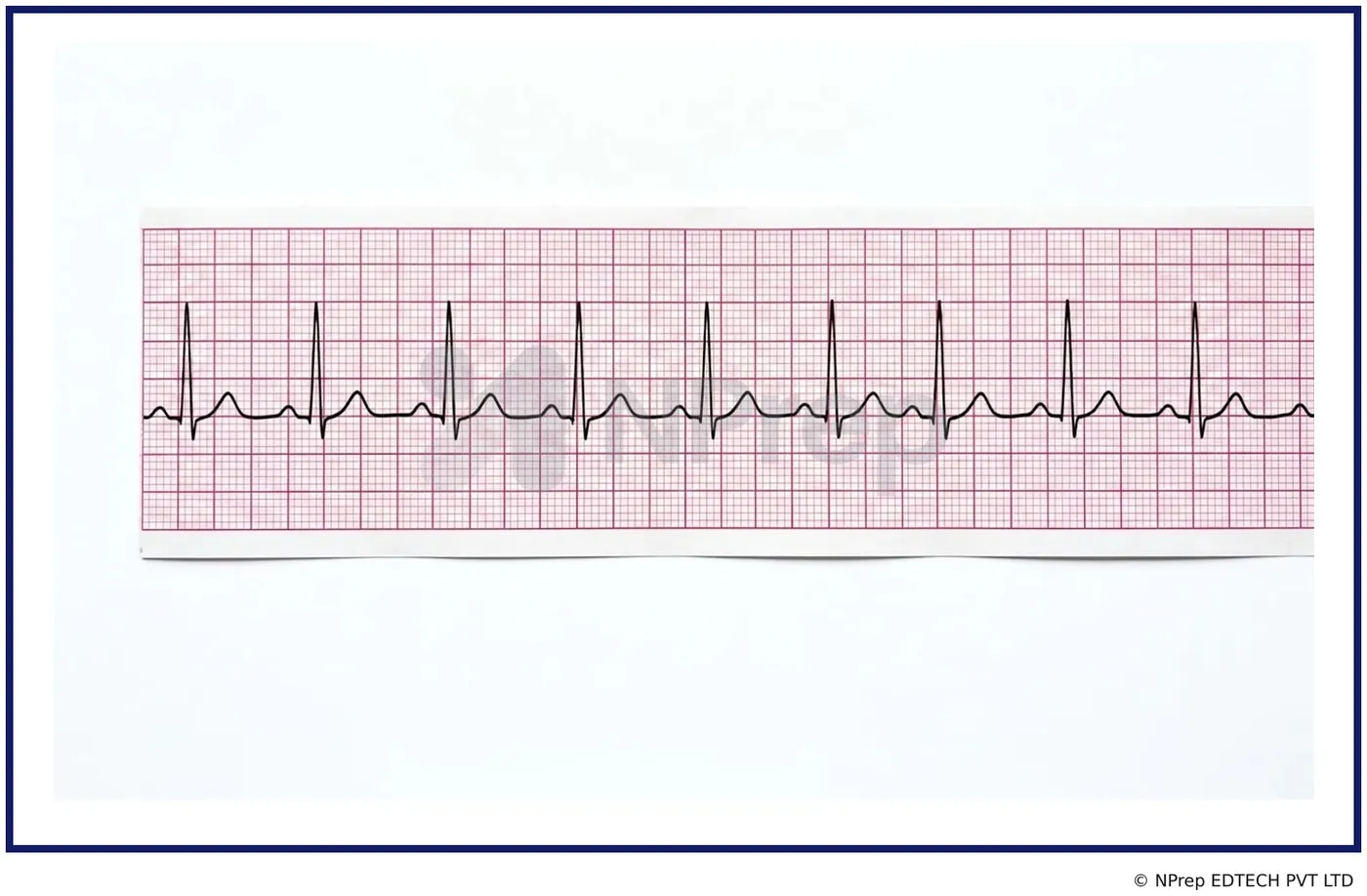
- A.
75 bpm
- B.
100 bpm
- C.
150 bpm
- D.
300 bpm
- A.
Q2 · Medical & Surgical Nursing · Cardiovascular, Circulatory, and Hematologic Function
A nurse is preparing to administer digoxin to an adult patient. The apical pulse is 54/min. What should the nurse do?
- A.
Hold the drug and inform the physician
- B.
Administer the drug as prescribed
- C.
Give half the dose
- D.
Check radial pulse after administration
- A.
Q3 · Obstetrics & Gynaecology · Dysmenorrhea and Other Disorders of Menstrual Cycles
Which of the following is correct about Polycystic Ovary Syndrome (PCOS) in relation to menstrual symptoms?
- A.
Luteal phase defect
- B.
Bloating, constipation, more physical than an oral condition
- C.
First-line treatment of choice for contraceptive pills (OCPs)
- D.
Ovulation occurs in most cycles
- A.
Q4 · Mental Health Nursing · Nursing process in Psychiatry
A 75-year-old patient undergoes the Mini-Mental Status Examination (MMSE) and scores 20 out of 30. How does the nurse interpret this score?
- A.
Normal cognitive function
- B.
Mild cognitive impairment
- C.
Moderate cognitive impairment
- D.
Severe cognitive impairment
- A.
Q5 · Medical & Surgical Nursing · Neurologic Function
What does the acronym BEFAST stand for in stroke recognition?
- A.
Balance, Eyes, Face, Arms, Speech, Time
- B.
Breathing difficulty, Eyes problem, Face irritation, Neck weakness, Speech problem, Timely recognition
- C.
Balance, Ears, Face, Arms, Speech, Treatment
- D.
Breathing difficulty, Eyes problem, Facial muscle pain, Neck weakness, Speech problem, Treatment initiation
- A.
Q6 · Medical & Surgical Nursing · Shock and Multisystem Failure
A postoperative patient suddenly becomes restless, tachycardic, and has a falling blood pressure. The surgical dressing appears dry. What should the nurse suspect?
- A.
Internal bleeding
- B.
Wound infection
- C.
Urinary retention
- D.
Paralytic ileus
- A.
Q7 · Mental Health Nursing · Psychiatric Emergencies
Severe motor restlessness with inability to sit and an urge to move is seen in?
- A.
Ataxia
- B.
Akathisia
- C.
GBS
- D.
Dystonia
- A.
Q8 · Child Health Nursing (Pediatrics) · Newborn Infants
Kangaroo Mother Care (KMC) is provided to a low-birth-weight infant until the baby reaches which approximate body weight?
- A.
2000 gm
- B.
2500 gm
- C.
1500 gm
- D.
3000 gm
- A.
Q9 · Child Health Nursing (Pediatrics) · Fluid and Electrolyte Disturbances
A 3-week-old infant presents with persistent vomiting and a palpable olive-shaped mass in the upper abdomen. Which electrolyte imbalances may be seen in order of pH, HCO₃⁻ and CO₂?
- A.
7.45, 26 mEq/L, 45
- B.
7.50, 29 mEq/L, 45
- C.
7.35, 22 mEq/L, 45
- D.
7.30, 20 mEq/L, 45
- A.
Q10 · Medical & Surgical Nursing · Oncology: Nursing Management in Cancer Care
The nurse is caring for a patient with cervical cancer. The nurse notes that the cervical implant has become dislodged. Which of the following actions should the nurse take first?
- A.
Stay with the patient and contact radiology
- B.
Wrap the implant in a blanket and place it behind the lead shield
- C.
Obtain a dosimeter reading on the patient and report it to the physician
- D.
Pick up the implant with long-handled forceps and place it in a lead container
- A.
Q11 · Reasoning · Classification (Odd One Out)
Which is the odd one out in the options?
- A.
Kilometer
- B.
Inches
- C.
Yard
- D.
Gram
- A.
Q12 · Obstetrics & Gynaecology · Antenatal Care, Preconceptional Counseling and Care
A 4-week pregnant woman comes to the Gynae OPD and her blood report shows a hemoglobin of 12.5 gm/dL. According to the Anemia Mukt Bharat program, which of the following nursing interventions is most appropriate?
- A.
This is normal hemoglobin, no need for any intervention
- B.
Advise for 60 mg elemental iron & 500 mcg FA daily, 1 tab.
- C.
Advise for 100 mg elemental iron & 500 mcg FA daily, 1 tab
- D.
Advise for 60 mg elemental iron and 500 mcg folic acid daily, 2 tablets
- A.
Q13 · Nursing Management & Leadership · Management Process
If 6 nursing officers can complete the physical stock verification of a ward inventory in 4 hours, how many hours will it take 8 nursing officers to complete the exact same task?
- A.
3 hours
- B.
2 hours
- C.
5 hours
- D.
4.5 hours
- A.
Q14 · Applied Physiology · Blood
Which of the following blood group is Universal Donor?
- A.
A
- B.
B
- C.
O
- D.
AB
- A.
Q15 · Medical & Surgical Nursing · Fluid and Electrolytes: Balance and Distribution
Which is the best formula used for a burn patient for fluid replacement therapy?
- A.
Holliday-Segar formula: 100 ml/kg for the 1st 10 kg of weight
- B.
Parkland formula: 4 ml x TBSA x Weight
- C.
Parkland formula: 2 ml x TBSA x Weight
- D.
Modified Brooke formula: 3 ml colloids x TBSA x Weight
- A.
Q16 · Pharmacology · Drugs Acting on Central Nervous System
Examples of SSRI, except?
- A.
Duloxetine
- B.
Citalopram
- C.
Fluoxetine
- D.
Selegiline
- A.
Q17 · Medical & Surgical Nursing · Perioperative Concepts and Nursing Management
WHO prescribed a surgical checklist for safer surgical procedures which includes?
- A.
Before induction of anesthesia, before skin incision and before patient leaves operating room
- B.
Before premedication, before skin incision and before patient leaves operating room
- C.
Before induction of anesthesia, before skin incision and before patient coming in OT
- D.
Before induction of anesthesia, before intubation and before patient leaves operating room
- A.
Q18 · Obstetrics & Gynaecology · Population Dynamics and Control of Conception
What is the mode of action of the injectable contraceptive method shown in the image?

- A.
Increase uterine contraction
- B.
Preventing fertilization and implantation
- C.
Cervical thickening and prevent ovulation
- D.
Increase estrogenic level
- A.
Q19 · Pharmacology · General Pharmacology
Which of the following signs indicate magnesium toxicity, EXCEPT?
- A.
Decreased urine output
- B.
Respiratory rate 12 per minute
- C.
Deep tendon reflexes < 2
- D.
Flushed face
- A.
Q20 · English · Vocabulary
Choose the appropriate meaning of the idiom from the choices given: To call it a day
- A.
Good morning
- B.
To stop the work
- C.
To start the work
- D.
Slow thinking
- A.
Q21 · Medical & Surgical Nursing · Fluid and Electrolytes: Balance and Distribution
Identify the following image.
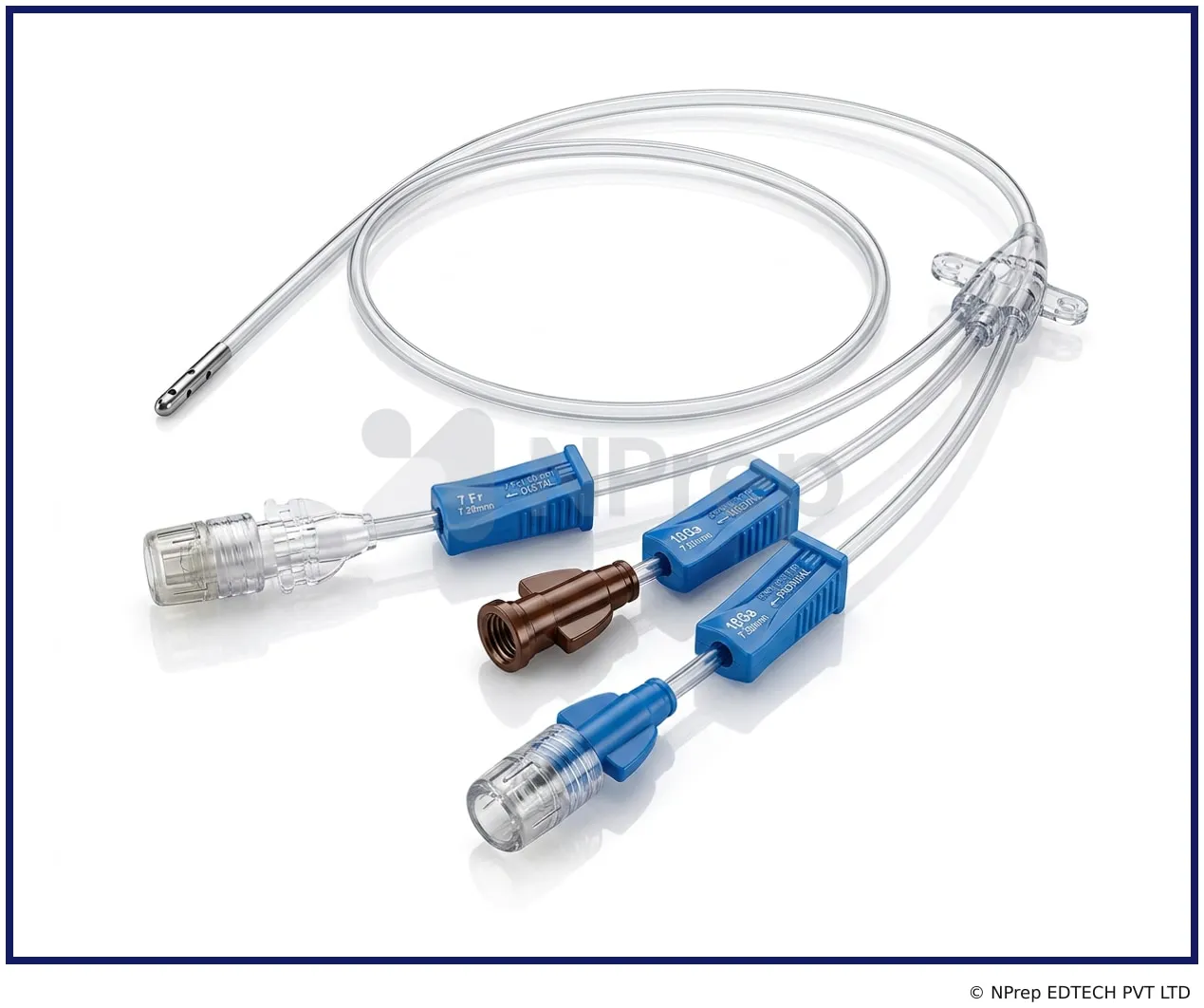
- A.
Hickman catheter
- B.
Triple lumen catheter
- C.
Peripherally inserted catheter
- D.
Tunnelled central venous catheter
- A.
Q22 · Pharmacology · Drugs Acting on Central Nervous System
What precaution should be kept in mind while administering phenytoin?
- A.
IV administration should not exceed a rate of 50 mg per minute
- B.
IV administration should not exceed a rate of 50 mcg per minute
- C.
IV administration should not exceed a rate of 25 mg per minute
- D.
IV administration should not exceed a rate of 25 mcg per minute
- A.
Q23 · Medical & Surgical Nursing · Gas Exchange and Respiratory Function
A 65-year-old patient with known Chronic Obstructive Pulmonary Disease (COPD) presents with shortness of breath. Pulse oximetry reveals an oxygen saturation (SpO2) of 82% on room air. What is the most appropriate immediate action?
- A.
Administer high-flow oxygen via non-rebreather mask at 15 L/min
- B.
Initiate controlled oxygen therapy targeting SpO2 between 88-92%
- C.
Withhold oxygen therapy to prevent CO2 retention
- D.
Begin mechanical ventilation via Bi-pap immediately
- A.
Q24 · Medical & Surgical Nursing · Cardiovascular, Circulatory, and Hematologic Function
What is the standard definition of massive blood transfusion?
- A.
10 units of PRBC administered within 24 hours
- B.
1 unit of PRBC administered in 2 hours
- C.
Replacement of 50% plasma volumes in 24 hours
- D.
Transfusion of 4 units in 24 hours
- A.
Q25 · Mental Health Nursing · Treatment modalities and therapies used in mental disorders
In the psychiatry ward, an ECT procedure is scheduled for a patient with major depressive disorder. Which of the following is the priority nursing pre-operative intervention?
- A.
Administer the pre-medications
- B.
Apply ECG Electrodes
- C.
Ensure NPO status of the patient
- D.
Remove all jewellery of the patient
- A.
- Sign in free
Done 25 questions? Check your answers
Sign in free: every answer with its explanation, attempt the paper timed with negative marking, and track your score.
Q26 · Obstetrics & Gynaecology · Examination of a Gynecological Patient
What is the purpose of the following diagnostic kit
 ?
- A.
Visual inspection kit
- B.
Pap smear kit
- C.
Cervical cancer kit
- D.
Self-inspection kit
- A.
Q27 · Medical & Surgical Nursing · Gas Exchange and Respiratory Function
A male adult patient diagnosed with COPD shows signs of hypoxia without hypercapnia and shortness of breath. This condition is best classified as?
- A.
Type II respiratory failure
- B.
Type I respiratory failure
- C.
Chronic lung infection
- D.
Acute lung infection
- A.
Q28 · Child Health Nursing (Pediatrics) · Fluid and Electrolyte Disturbances
A 9-month-old infant with diarrhea has sunken eyes, dry mucosa, lethargy, and delayed skin turgor. The mother reports decreased urine output. What is the priority nursing concern?
- A.
Risk for impaired skin integrity
- B.
Fluid volume deficit
- C.
Imbalanced nutrition
- D.
Risk for infection
- A.
Q29 · Medical & Surgical Nursing · Shock and Multisystem Failure
The 'Triad of Death' in trauma refers to which of the following?
- A.
Coagulopathy, hypothermia, and acidosis
- B.
Hypertension, tachycardia, and fever
- C.
Tachypnea, hyperthermia, and cyanosis
- D.
Hyperglycemia, bradycardia, and dehydration
- A.
Q30 · Community Health Nursing · Demography, Surveillance and Interpretation of Data
What is the current estimated Total Fertility Rate (TFR) of India as of 2025?
- A.
3.0-3.2
- B.
2.6-2.8
- C.
2.0-2.1
- D.
1.8-1.9
- A.
Q31 · Medical & Surgical Nursing · Gas Exchange and Respiratory Function
A patient with COPD is receiving oxygen through a nasal cannula at 4 L/min. The patient becomes drowsy and respiratory rate drops to 8/min. What is the most appropriate nursing action?
- A.
Increase oxygen flow to 8 L/min
- B.
Stop oxygen immediately
- C.
Encourage deep breathing only
- D.
Notify the physician and monitor ABG
- A.
Q32 · Medical & Surgical Nursing · Miscellaneous
A patient comes in the post-operative ward after craniotomy surgical operation. On duty nursing officer should provide which position to the patient?
- A.
30-degree head elevation
- B.
Flat position
- C.
90-degree head elevation
- D.
Prone position
- A.
Q33 · Mental Health Nursing · Therapeutic Communication and Nurse- Patient Relationship
A primary purpose of the therapeutic nurse-patient relationship is to:
- A.
Provide friendship and socialization for the patient.
- B.
Ensure the nurse's personal needs for satisfaction are met.
- C.
Assist the patient in using their personal resources to meet health needs.
- D.
Establish an intimate, long-term emotional commitment.
- A.
Q34 · Child Health Nursing (Pediatrics) · Central Nervous System
A 2-year-old child is brought to emergency with a generalized seizure during high fever. What is the nurse’s immediate priority?
- A.
Put a spoon in the child’s mouth
- B.
Maintain airway and protect from injury
- C.
Restrain the child firmly
- D.
Give oral paracetamol immediately
- A.
Q35 · Community Health Nursing · National Health Programs
How many vaccine-preventable diseases are covered under the National Immunization Schedule (NIS) of India?
- A.
8
- B.
10
- C.
12
- D.
14
- A.
Q36 · Medical & Surgical Nursing · Cardiovascular, Circulatory, and Hematologic Function
Which abnormal ECG wave is seen in a patient with hypothermia?
- A.
Osborn waves
- B.
J wave
- C.
Osborn + J wave
- D.
None of the above
- A.
Q37 · Mental Health Nursing · Psychiatric Emergencies
A patient admitted to the psychiatric unit states, "I'm planning to end my life." What is the nurse's immediate priority action?
- A.
Administer a PRN anxiolytic medication.
- B.
Initiate one-to-one, constant observation.
- C.
Encourage the patient to join a group therapy session.
- D.
Develop a detailed long-term safety plan with the patient.
- A.
Q38 · Reasoning · Series
What is the next term? D4 G7 J10 M13
- A.
P16
- B.
Q16
- C.
P15
- D.
R20
- A.
Q39 · Pharmacology · General Pharmacology
Which of the following drugs can cause the congenital malformation in the arms and legs of babies shown in the image?
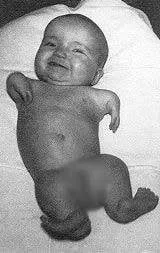
- A.
Isotretinoin
- B.
Warfarin
- C.
Ethambutol
- D.
Thalidomide
- A.
Q40 · Medical & Surgical Nursing · Cardiovascular, Circulatory, and Hematologic Function
What is the most common reaction to blood transfusion?
- A.
Febrile non-haemolytic transfusion reaction
- B.
Allergic hypersensitivity/anaphylactic reaction
- C.
Acute haemolytic transfusion reaction
- D.
Delayed haemolytic transfusion reaction
- A.
Q41 · Child Health Nursing (Pediatrics) · Fluid and Electrolyte Disturbances
The nurse is caring for a 10-year-old on admission to the burn unit. One assessment parameter that will indicate that the child has adequate fluid replacement is
- A.
Urinary output of 30 ml per hour
- B.
No complaints of thirst
- C.
Increased hematocrit
- D.
Good skin turgor around burn
- A.
Q42 · Applied Anatomy · Nervous System
Which of the following is the correct order of layers pierced during a lumbar puncture?
1. Skin
, 2. Epidural space,
3. Supraspinous ligament,
4. Interspinous ligament,
5. Ligamentum flavum,
6. Subcutaneous tissue,
7. Dura mater,
8. Subarachnoid space. Arrange the correct sequence.
- A.
1, 4, 2, 6, 5, 8, 7, 3
- B.
6, 5, 3, 1, 4, 8, 7, 2
- C.
7, 8, 5, 6, 1, 3, 4, 2
- D.
1, 6, 3, 4, 5, 2, 7, 8
- A.
Q43 · Medical & Surgical Nursing · Cardiovascular, Circulatory, and Hematologic Function
During an arteriogram (angiogram), the patient suddenly says, "I'm feeling really hot." Which is the best response?
- A.
"You are having an allergic reaction to the dye. I will get an order for Benadryl."
- B.
"The heat indicates that the clots in the coronary vessels are dissolving."
- C.
"Let me check the room temperature"
- D.
"That feeling of warmth is normal when the dye is injected. It will last up to 20 seconds."
- A.
Q44 · General Knowledge · Indian geography
Which river is known as the lifeline of Egypt?
- A.
Amazon
- B.
Nile River
- C.
Egyptian river
- D.
Tian River
- A.
Q45 · Medical & Surgical Nursing · Cardiovascular, Circulatory, and Hematologic Function
Identify the technique of bag-mask ventilation in the following image?
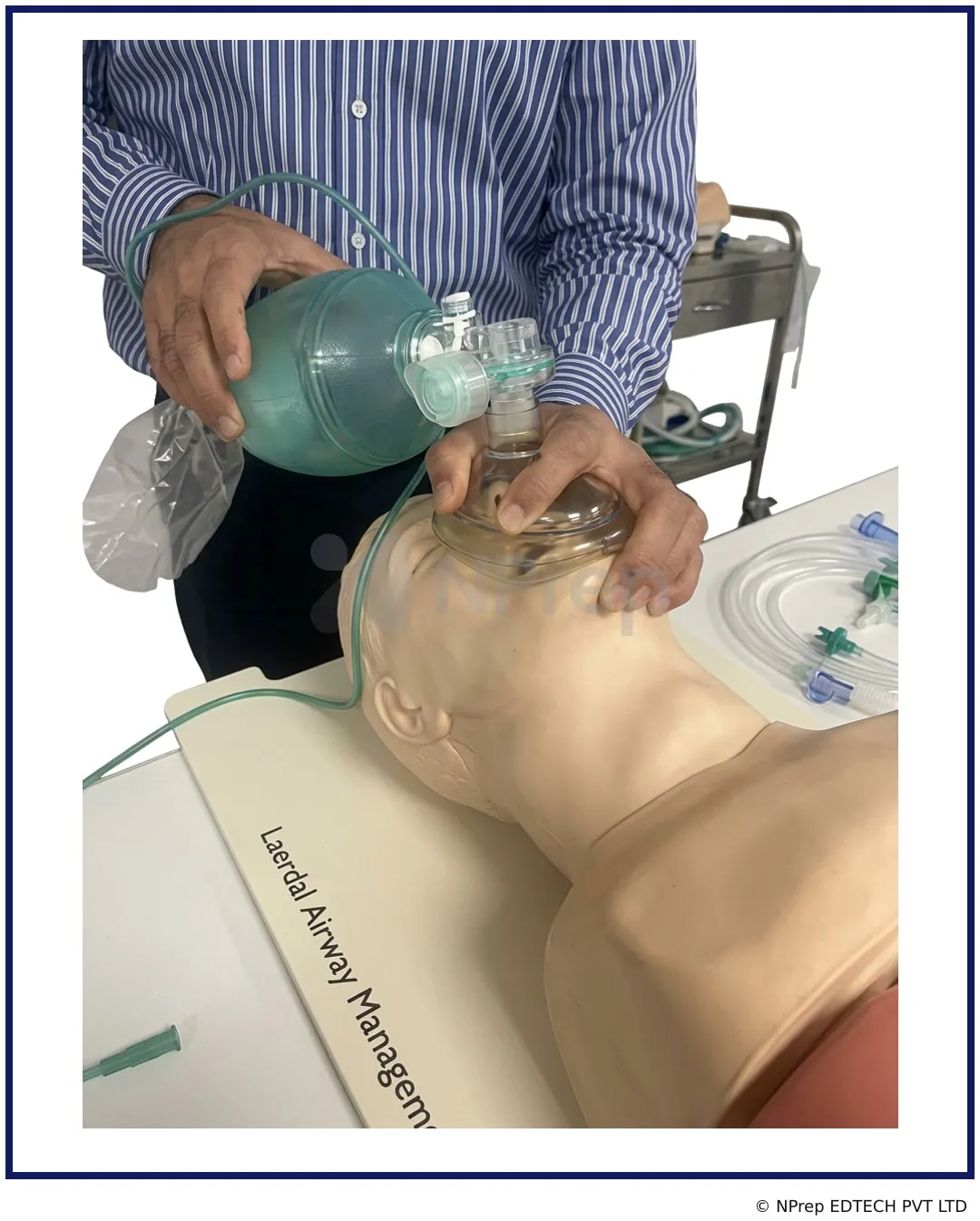
- A.
Hook technique
- B.
E-C technique
- C.
Two hand technique
- D.
None of the above
- A.
Q46 · Medical & Surgical Nursing · Metabolic and Endocrine Function
A nurse is instructing a diabetes patient about self-administration of insulin. What is the minimum distance the patient should maintain between two injection sites?
- A.
2.5 cm
- B.
2.5 mm
- C.
4.5 mm
- D.
4.5 cm
- A.
Q47 · Obstetrics & Gynaecology · Hemorrhage in Early Pregnancy
What are complications of ruptured ectopic pregnancy, except?
- A.
Hypotension
- B.
Bleeding
- C.
Abdominal and shoulder pain
- D.
Hypertension
- A.
Q48 · Mental Health Nursing · Legal Issues in Mental Health Nursing
A 75-year-old patient with early-stage dementia is admitted for a minor surgical procedure. The patient appears confused and is unable to comprehend the details of the procedure explained by the surgeon. What is the most appropriate nursing action regarding the consent form?
- A.
Sign the consent form on behalf of the patient to avoid delaying the surgery
- B.
Ask the patient to sign anyway, as their physical signature is sufficient.
- C.
Obtain substituted consent from the patient's legal guardian or next of kin.
- D.
Postpone the surgery indefinitely until the patient's confusion resolves.
- A.
Q49 · Mental Health Nursing · Neurotic, stress related and somatisation disorders
A psychiatry patient comes in the OPD with history of obsession or unwanted thoughts these force him to engage in repetitive cleaning and hygiene rituals, often include excessive hand washing. What is the drug of choice for the patient?
- A.
Fluoxetine
- B.
Bupropion
- C.
Venlafaxine
- D.
Haloperidol
- A.
Q50 · Community Health Nursing · National Health Programs
When is the biannual National Deworming Day observed in India?
- A.
10 July and 10 January
- B.
10 Feb and 10 Aug
- C.
10 May and 10 December
- D.
10 April and 10 November
- A.
- Sign in free
Done 50 questions? Check your answers
Sign in free: every answer with its explanation, attempt the paper timed with negative marking, and track your score.
Q51 · Medical & Surgical Nursing · Perioperative Concepts and Nursing Management
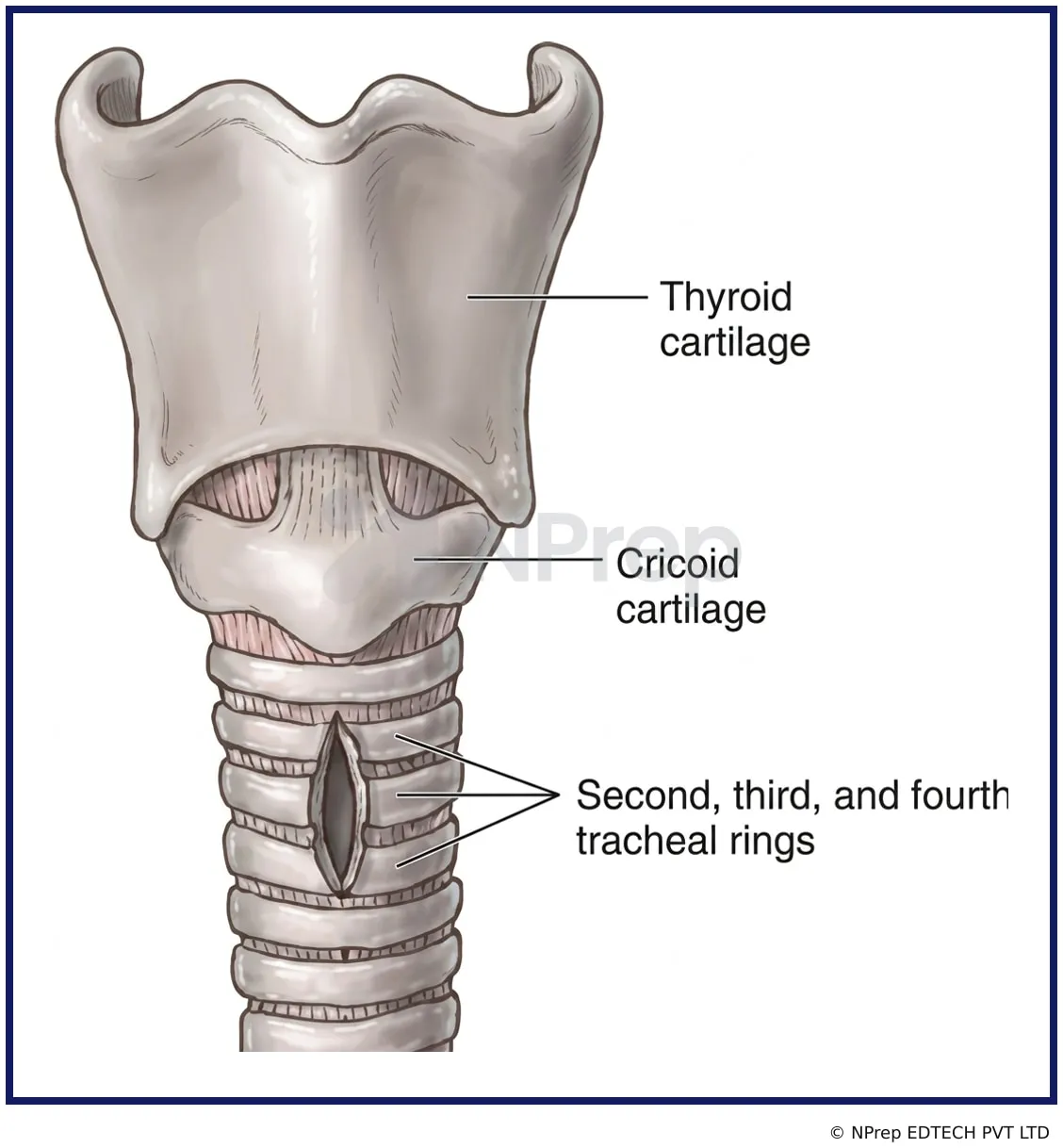
In the following image, identify the correct incision site of tracheostomy?
- A.
Between second and third tracheal ring
- B.
Between third and fourth tracheal ring
- C.
In third tracheal ring
- D.
In fourth tracheal ring
- A.
Q52 · Nursing Foundations · Administration of medications
In a 72 kg patient, lorazepam is prescribed at 40 mcg/kg/min to be administered within 15 minutes. The available concentration is 2 mg/mL. How many ml/min of lorazepam should the nurse administer?
- A.
1.4 ml/min
- B.
1.6 ml/min
- C.
1.5 ml/min
- D.
1.0 ml/min
- A.
Q53 · Applied Microbiology & Infection control · Immunity
The Arthus reaction, characterized by localized edema, hemorrhage, and necrosis after repeated subcutaneous injections of an antigen, is an example of which type of hypersensitivity?
- A.
Type I Hypersensitivity
- B.
Type II Hypersensitivity
- C.
Type III Hypersensitivity
- D.
Type IV Hypersensitivity
- A.
Q54 · Reasoning · Arrangements & Puzzles
In a row, T is to the left of R and to the right of S. V is to the right of R and U is to the left of S. Which one is in the middle?
- A.
T
- B.
R
- C.
U
- D.
S
- A.
Q55 · Medical & Surgical Nursing · Integumentary Function
Match the column-I with column-II
Column-I
(A. Chickenpox,
B. Measles,
C. Scabies,
D. Heat rashes)
Column-II
(I. Itchy lesions,
II. Scaly lesions,
III. Pleomorphism,
IV. Cephalocaudal)
- A.
A-II, B-I, C-IV, D-III
- B.
A-I, B-II, C-IV, D-III
- C.
A-III, B-IV, C-I, D-II
- D.
A-IV, B-I, C-III, D-II
- A.
Q56 · Child Health Nursing (Pediatrics) · Disorders of Kidney and Urinary Tract
A 9-year-old child with nephrotic syndrome is on corticosteroid therapy. What should be the first priority in the assessment?
- A.
Monitor blood glucose and infection
- B.
Assess for fluid retention
- C.
Check for signs of gastrointestinal bleeding
- D.
Evaluate for skin thinning and bruising
- A.
Q57 · Medical & Surgical Nursing · Cardiovascular, Circulatory, and Hematologic Function
Slurring of the initial part of the QRS complex on an ECG is most commonly associated with which condition?
- A.
Atrial fibrillation
- B.
Ventricular tachycardia
- C.
WPW syndrome
- D.
Left bundle branch block
- A.
Q58 · Applied Microbiology & Infection control · Immunity
During the primary immune response, which class of antibody is the first to be produced?
- A.
IgG
- B.
IgA
- C.
IgE
- D.
IgM
- A.
Q59 · Medical & Surgical Nursing · Urinary Tract Function
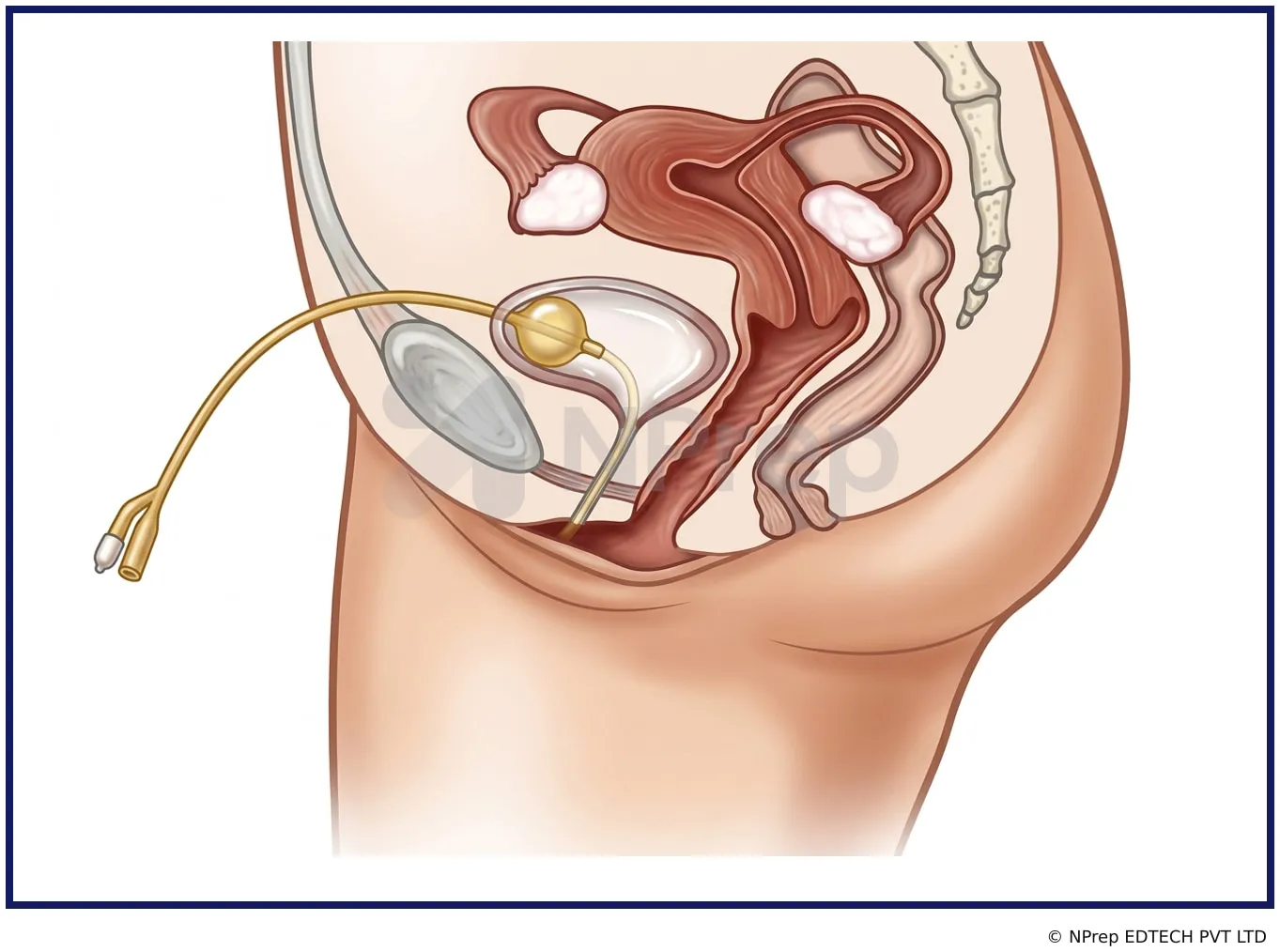
Identify the surgical device shown in the following image?
- A.
Gastrostomy tube
- B.
Supraprenal drainage pipe
- C.
Supra-pubic tube
- D.
Ryles tube
- A.
Q60 · Nursing Foundations · Elimination needs
Which of the following is a primary nursing intervention necessary for all patients with a Foley Catheter in place?
- A.
Maintain the drainage tubing and collection bag level with the patient's bladder
- B.
Irrigate the patient with 1% Neosporin solution three times a daily
- C.
Clamp the catheter for 1 hour every 4 hours to maintain the bladder's elasticity
- D.
Maintain the drainage tubing and collection bag below bladder level
- A.
Q61 · Obstetrics & Gynaecology · COMPLICATED LABOR-Malposition, Malpresentation and Cord Prolapse
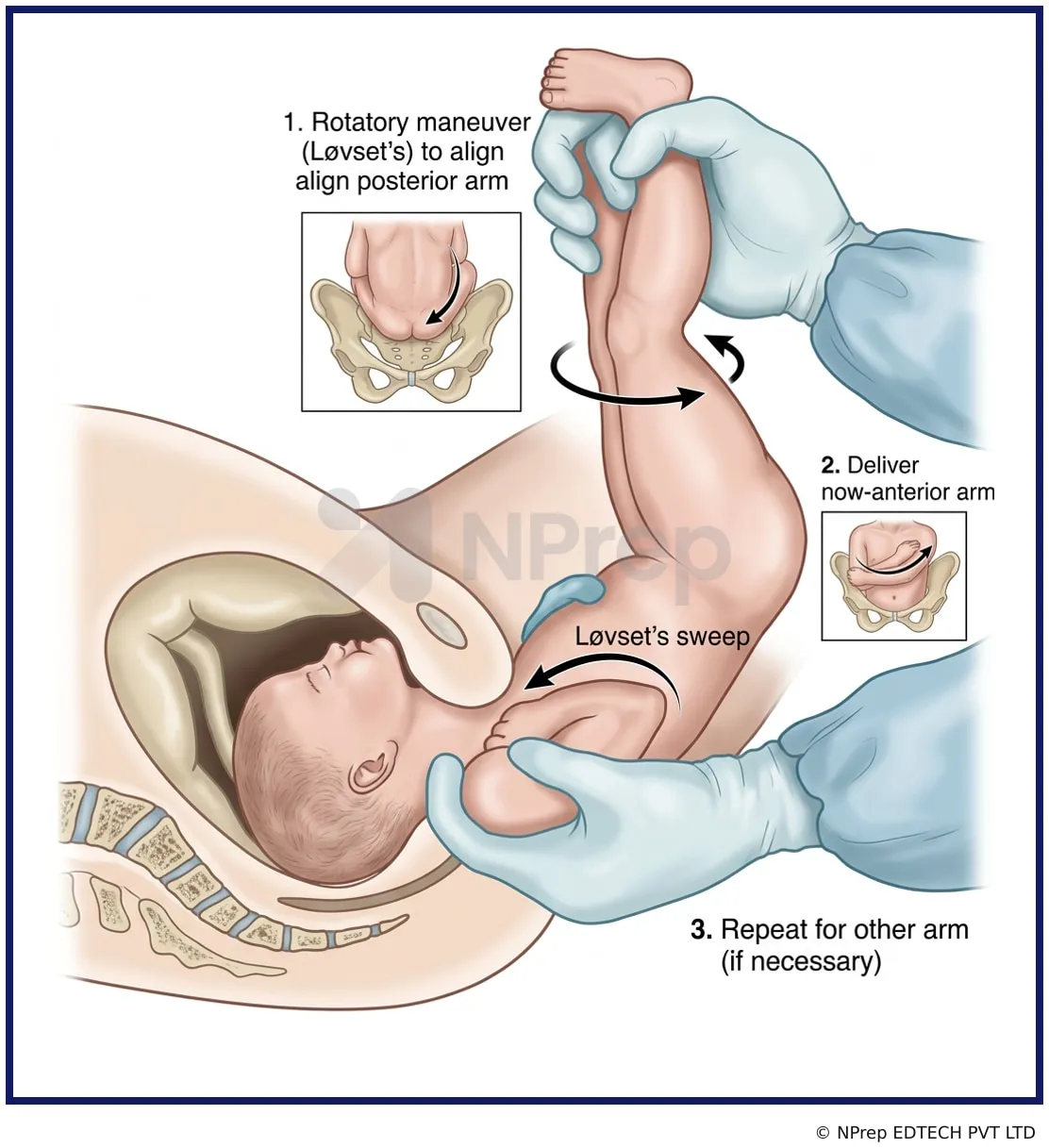
Identify the following maneuver show in the image?
- A.
Lovset maneuver
- B.
Prague maneuver
- C.
Pinard maneuver
- D.
Burns-Marshall maneuver
- A.
Q62 · Mental Health Nursing · Schizophrenia
A patient with schizophrenia who previously improved on risperidone has become non-compliant with oral medication and is now experiencing delusions of persecution. What is the most appropriate next step in management?
- A.
Start haloperidol
- B.
Prescribe injectable risperidone
- C.
Initiate psychotherapy
- D.
Switch to syrup risperidone
- A.
Q63 · Pharmacology · General Pharmacology
Digoxin Toxicity causes the perception of which light color?
- A.
Green
- B.
Red
- C.
Pink
- D.
Yellow
- A.
Q64 · Medical & Surgical Nursing · Other Acute Problems
A patient has a Modified Early Warning Score (MEWS) of more than 7. What is the most appropriate interpretation and action?
- A.
High risk patient requiring immediate attention
- B.
Low risk, continue monitoring
- C.
Normal, Discharge the patient
- D.
Start routine medication
- A.
Q65 · Obstetrics & Gynaecology · Abnormal Uterine Action
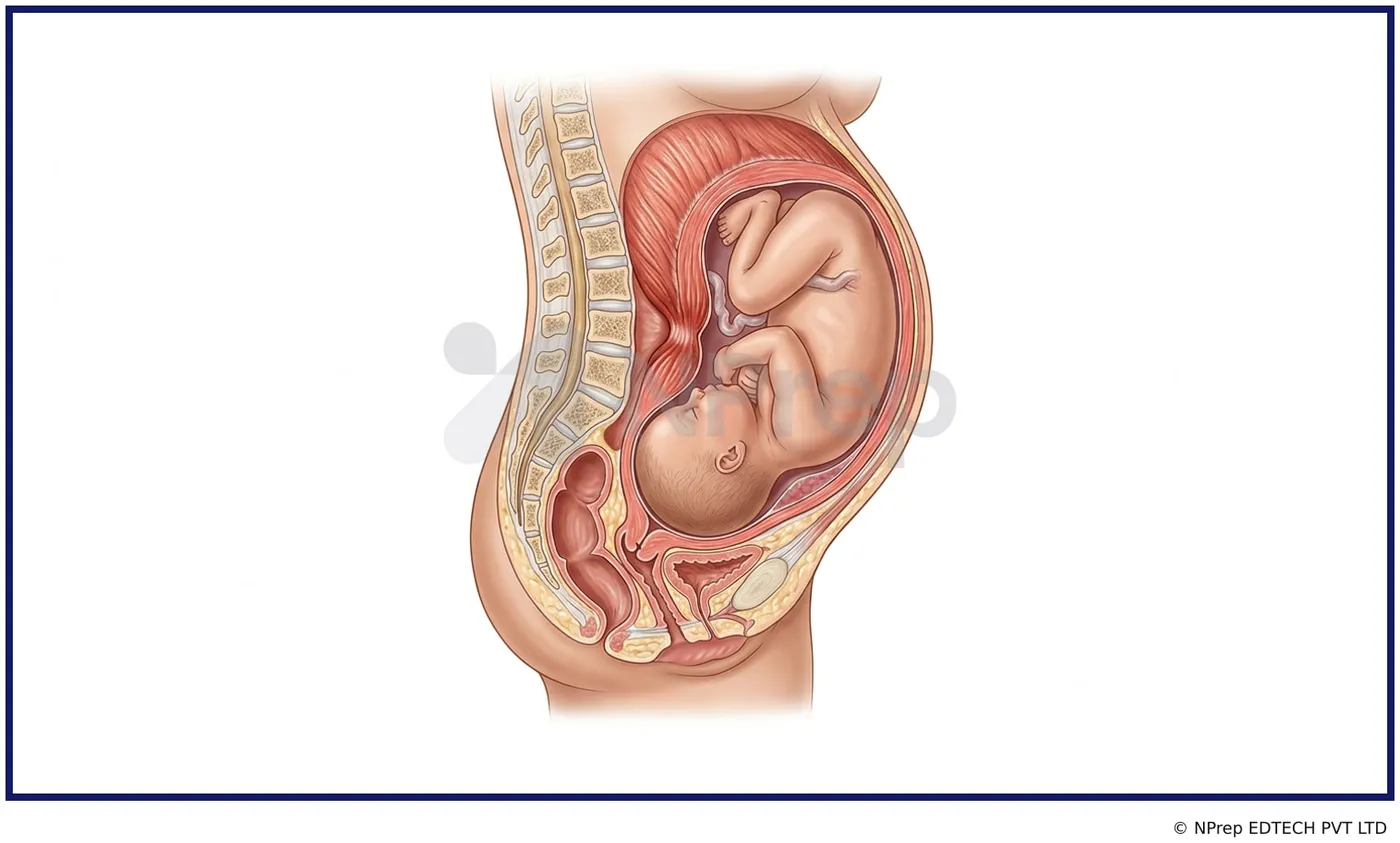
The Image shows a pathological retraction ring observed in obstructed labour. What is the name of this condition?
- A.
Bandl's ring
- B.
Physiological retraction ring
- C.
Shroader ring
- D.
Uterine ring
- A.
Q66 · Medical & Surgical Nursing · Integumentary Function
A 70 kg patient comes to the emergency department with a 40% TBSA burn injury. According to the Parkland formula, what will be the expected fluid to be given in the first 8 hours to this patient?
- A.
5800 ml
- B.
11200 ml
- C.
5600 ml
- D.
6000 ml
- A.
Q67 · Medical & Surgical Nursing · Cardiovascular, Circulatory, and Hematologic Function
A patient admitted to an intensive care unit is receiving a blood transfusion. Which of the following immunogenic deficiencies is associated with the development of an anaphylactic reaction?
- A.
IgG deficiency
- B.
IgM deficiency
- C.
IgE deficiency
- D.
IgA deficiency
- A.
Q68 · English · Grammar
Fill in the blank with the appropriate preposition: She was annoyed ______ his rude nature.
- A.
By
- B.
With
- C.
On
- D.
At
- A.
Q69 · Medical & Surgical Nursing · Fluid and Electrolytes: Balance and Distribution
A 60-year-old patient with end-stage renal disease has a serum potassium level of 6.5 mEq/L. What is the appropriate immediate management to protect the cardiac membrane?
- A.
Administer 3% hypertonic saline
- B.
Initiate intravenous fluids
- C.
Give intravenous calcium gluconate bolus
- D.
Start insulin with glucose infusion
- A.
Q70 · Reasoning · Arrangements & Puzzles
P is taller than Q, Q is shorter than R, and S is shorter than P. Who is the tallest?
- A.
P
- B.
Q
- C.
R
- D.
Cannot be determined
- A.
Q71 · Nursing Research & Statistics · Application of Statistics in Health and Uses of Computer in Statistics
The ratio of nursing staff to doctors in a community health center is 5:2. If there are 14 doctors currently working at the center, what is the total number of nursing staff?
- A.
28
- B.
35
- C.
49
- D.
70
- A.
Q72 · Obstetrics & Gynaecology · Multiple Pregnancy, Amniotic Fluid Disorders, Abnormalities of Placenta and Cord
Identify the following clinical abnormal condition of the placenta?
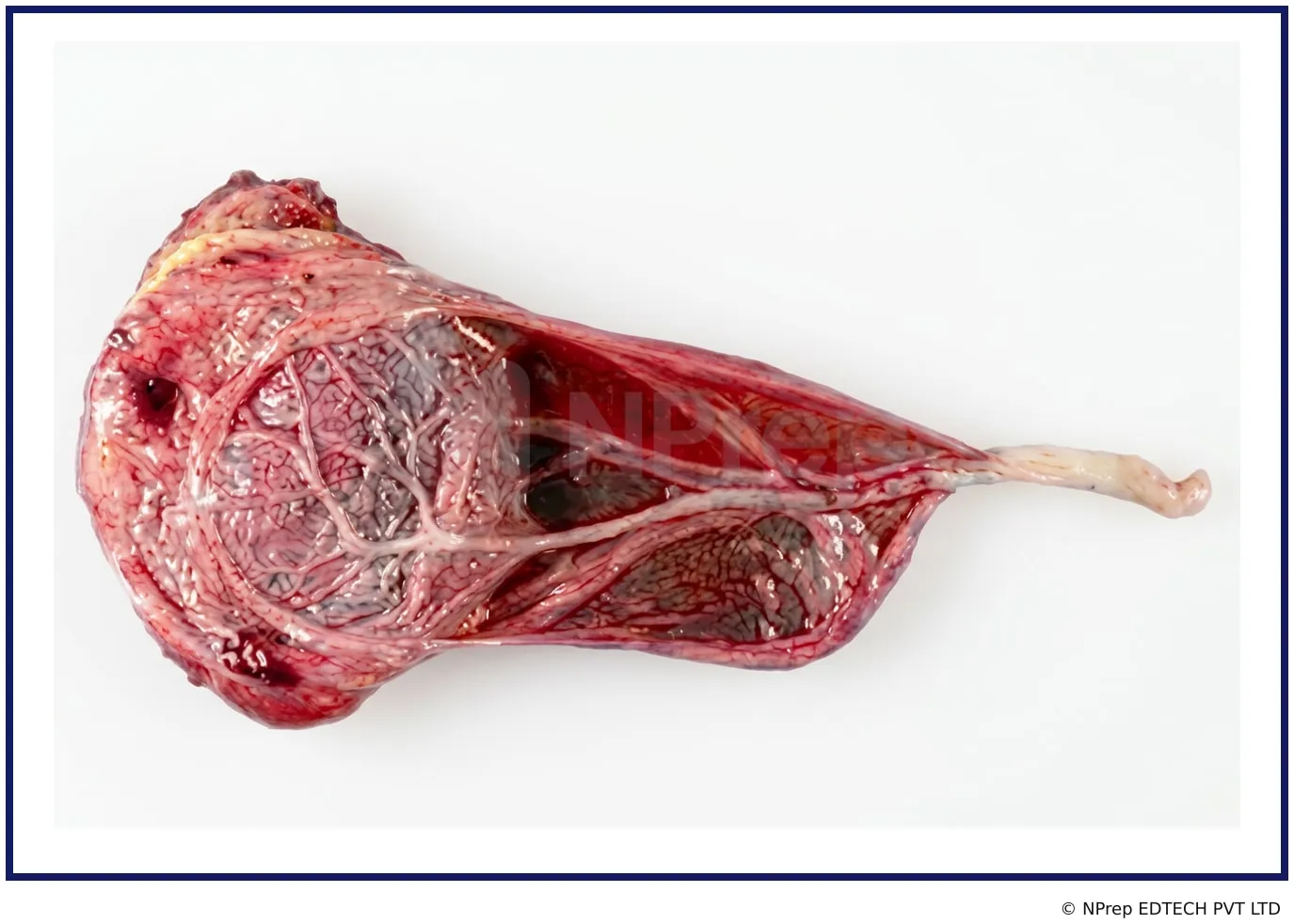
- A.
Marginal insertion
- B.
Velamentous insertion
- C.
Abruption placenta
- D.
Preterm labour
- A.
Q73 · English · Vocabulary
Choose the correctly spelt word.
- A.
supercede
- B.
supersede
- C.
supercide
- D.
superside
- A.
Q74 · English · Vocabulary
Write the noun form of the verb 'resist'.
- A.
Resistance
- B.
Resistant
- C.
Resisting
- D.
Resistive
- A.
Q75 · Applied Physiology · Respiratory system
In some cases, a venous blood gas (VBG) sample is preferred over an arterial blood gas (ABG). What is the key difference between arterial and venous samples?
- A.
Oxygen levels differ significantly
- B.
All blood values are the same
- C.
Hemoglobin values differ significantly
- D.
Venous sample gives exact pO₂
- A.
- Sign in free
Done 75 questions? Check your answers
Sign in free: every answer with its explanation, attempt the paper timed with negative marking, and track your score.
Q76 · Medical & Surgical Nursing · Fluid and Electrolytes: Balance and Distribution
A 60-year-old patient presents with lethargy and muscle weakness. Laboratory results reveal serum sodium of 150 mEq/L and potassium of 5 mEq/L. What is the most appropriate initial management?
- A.
Administer 3% hypertonic saline
- B.
Initiate intravenous 5% dextrose in water (D5W)
- C.
Begin intravenous 0.9% normal saline with potassium chloride supplementation
- D.
Restrict fluid intake
- A.
Q77 · Obstetrics & Gynaecology · Hypertensive Disorders in Pregnancy
Match the list-I with list-II
List-I
A. Oxytocin,
B. MgSO4,
C. Misoprostol,
D. Methylergometrine)
List-II
I. Management of eclampsia,
II. Induction of labor,
III. To manage postpartum haemorrhage, I
V. Cervical ripening)
- A.
A-II, B-I, C-IV, D-III
- B.
A-I, B-II, C-IV, D-III
- C.
A-I, B-II, C-III, D-IV
- D.
A-IV, B-I, C-III, D-II
- A.
Q78 · Child Health Nursing (Pediatrics) · Infections and Infestations
Which of the following is the most common complication of measles?
- A.
Encephalitis
- B.
Pneumonia
- C.
Otitis media
- D.
Diarrhoea
- A.
Q79 · Child Health Nursing (Pediatrics) · Fluid and Electrolyte Disturbances
A 3-week-old infant presents with persistent projectile vomiting and a palpable olive-shaped mass in the right upper abdomen. Which electrolyte imbalances would be seen in order of pH, HCO3 and CO2?
- A.
7.45, 26 mEq/L, 45
- B.
7.50, 29 mEq/L, 40
- C.
7.35, 22 mEq/L, 45
- D.
7.30, 20 mEq/L, 40
- A.
Q80 · Child Health Nursing (Pediatrics) · Disorders of Cardiovascular System
A child with Tetralogy of Fallot develops sudden cyanosis and difficulty breathing while crying. Which position should the nurse place the child in?
- A.
Supine position
- B.
Left lateral position
- C.
Knee-chest position
- D.
Trendelenburg position
- A.
Q81 · Nursing Foundations · Vital Signs
While teaching a nursing officer to a patient about slow deep breathing. Which of the following indicates that the technique is being performed correctly?
- A.
Shoulder movement upward during inhalation
- B.
Chest rises and abdomen moves inward during inhalation
- C.
Chest inward and abdomen moves outward during inhalation
- D.
Rapid breathing through the mouth
- A.
Q82 · Community Health Nursing · National Health Programs
The 4 D's are related to which national health program?
- A.
JSY
- B.
RBSK
- C.
RKSK
- D.
NSSK
- A.
Q83 · Pharmacology · General Pharmacology
Most prefilled injections are commonly used through which route?
- A.
Intradermal (ID)
- B.
Intramuscular (IM)
- C.
Subcutaneous (SC)
- D.
Intravenous (IV)
- A.
Q84 · Medical & Surgical Nursing · Cardiovascular, Circulatory, and Hematologic Function
Where should you place the AED pads on an adult victim?
- A.
One under the left armpit and one high on the right side of the chest
- B.
One under the right arm and one high on the left side of the chest
- C.
One under each armpit
- D.
One in the center of the back and one over the center of the chest
- A.
Q85 · General Knowledge · Everyday science
Which gas is most abundant in the Earth's atmosphere?
- A.
Oxygen
- B.
Nitrogen
- C.
CO2
- D.
None of above
- A.
Q86 · Medical & Surgical Nursing · Neurologic Function
Which of the following is the most common complication of Guillain-Barré Syndrome (GBS)?
- A.
Muscle weakness
- B.
Hyperventilation
- C.
Kidney failure
- D.
Respiratory failure
- A.
Q87 · Medical & Surgical Nursing · Cardiovascular, Circulatory, and Hematologic Function
A patient with chest pain has ST elevation on ECG and is sweating profusely. Which nursing action has the highest priority?
- A.
Encourage ambulation
- B.
Give high-fiber diet
- C.
Administer oxygen if prescribed and monitor vitals
- D.
Apply warm compress over chest
- A.
Q88 · Community Health Nursing · Epidemiology – Epidemiological Approaches and Processes
What is the best epidemiological method for studying the relationship between pollution and respiratory disorders, particularly in the last 10 years?
- A.
Cross sectional
- B.
Case control
- C.
Cohort studies
- D.
Experimental
- A.
Q89 · Nursing Foundations · Nutritional Needs
Which nursing action is essential when providing continuous enteral feeding?
- A.
Elevating the head of the bed.
- B.
Positioning the patient on left side
- C.
Warming the formula before administering it
- D.
Hanging the formula for 8 hrs in the beginning of morning shift
- A.
Q90 · Obstetrics & Gynaecology · Medical and Surgical Illness Complicating Pregnancy
A 17-week pregnant woman delivers a stillborn baby with a large size, and the placenta is also large. The baby has rashes on the face. What is the most likely cause of these findings?
- A.
Congenital rubella syndrome
- B.
Herpes Simplex Virus (HSV)
- C.
Parvovirus syndrome
- D.
Congenital syphilis syndrome
- A.
Q91 · English · Vocabulary
Choose the correct synonym for the following word: CANDID
- A.
Frank
- B.
Cruel
- C.
Hesitant
- D.
Dishonest
- A.
Q92 · Medical & Surgical Nursing · Perioperative Concepts and Nursing Management
A patient is in the post-operative ward after a craniotomy. Which position should the on-duty nurse provide to the patient?
- A.
30-degree head elevation
- B.
Flat position
- C.
90-degree head elevation
- D.
Prone position
- A.
Q93 · Medical & Surgical Nursing · Gas Exchange and Respiratory Function
A patient with multiple facial fractures is brought into the emergency department with GCS 7 score, oropharyngeal bleeding and anaesthetist perform tracheal intubation but unable to visualise the vocal cord. What would be the appropriate priority next step?
- A.
Prepare for cricothyroidotomy
- B.
Provide side lying position and wait to stop bleeding
- C.
Reattempt with small size tubes
- D.
Perform vigorous suctioning to clear bleeding airway
- A.
Q94 · Nursing Research & Statistics · Application of Statistics in Health and Uses of Computer in Statistics
A hospital has 1200 total beds. If 35% of the beds are reserved for intensive care units (ICU), how many beds are non-ICU beds?
- A.
420
- B.
780
- C.
840
- D.
650
- A.
Q95 · General Knowledge · Indian geography
In which of the following States is the Sundarban mangrove located?
- A.
Kerala
- B.
West Bengal
- C.
Karnataka
- D.
Andhra Pradesh
- A.
Q96 · Medical & Surgical Nursing · Cardiovascular, Circulatory, and Hematologic Function
The chest X-ray shown demonstrates an enlarged cardiac silhouette consistent with which of the following conditions?
- A.
Cardiomyopathy
- B.
Pneumothorax
- C.
Pleural effusion
- D.
Cardiac tamponade
- A.
Q97 · Medical & Surgical Nursing · Shock and Multisystem Failure
A sepsis patient admitted in ICU. Which laboratory value is abnormal?
- A.
WBC count 9000
- B.
RBS 110 mg/dl
- C.
Urine output 1.5 ml per minute
- D.
Lactate more than 5.5 mmol/L
- A.
Q98 · Quantitative Aptitude and Mathematics · Profit & loss
A medical store purchase manager buys a digital thermometer for ₹200 and sells it to a patient for ₹260. What is the profit percentage earned by the store?
- A.
20%
- B.
25%
- C.
30%
- D.
60%
- A.
Q99 · Applied Psychology · Cognitive Process
A person who is thinking that "If I make one mistake then my job will be fired and my carrier will be over". What would be the thinking process in the patient?
- A.
Personalization
- B.
Catastrophizing
- C.
Delusion of persecution
- D.
None of the above
- A.
Q100 · Medical & Surgical Nursing · Neurologic Function
Lumbar puncture is contraindicated in which of the following conditions?
- A.
Headache
- B.
Increased ICP
- C.
Back pain
- D.
Mild fever
- A.
More NORCET papers
- NORCET-11 Mains2026 · 155 questions
- NORCET-11 Prelims2026 · 100 questions
- NORCET-10 Mains2026 · 160 questions
- NORCET-10 Prelims2026 · 100 questions
- NORCET-9 Prelims2025 · 100 questions
- NORCET-9 Mains2025 · 160 questions
- NORCET-8 Mains2025 · 160 questions
- NORCET-7 Prelims2024 · 100 questions
- NORCET-7 Mains2024 · 160 questions
- NORCET-6 Prelims2024 · 100 questions
- NORCET-6 Mains2024 · 100 questions
- NORCET-5 Prelims (Shift 1)2023 · 100 questions