NORCET-5 Prelims (Shift 1) question paper
NORCET · 2023 · 100 questions · 90 minutes · 0.33 mark deducted per wrong answer
- Medical & Surgical Nursing 32
- Child Health Nursing (Pediatrics) 14
- Pharmacology 12
- Obstetrics & Gynaecology 8
- Applied Anatomy 6
- General Knowledge 5
- Reasoning 4
- Pathology & Genetics 3
- Community Health Nursing 3
- Applied Physiology 3
- Applied Microbiology & Infection control 2
- Health Information and Technology (Basic Computer) 2
- Applied Nutrition & Dietetics 2
- Nursing Foundations 2
- Nursing Management & Leadership 1
- Forensic Nursing & Indian laws 1
See the answers and explanations
Sign in free: every answer with its explanation, attempt the paper timed with negative marking, and track your score.
Q1 · Child Health Nursing (Pediatrics) · Newborn Infants
A baby brought in the casualty with following lab findings. Which of the following is a concern?
- A.
RBC 4 million/mm3
- B.
WBC 18000/mm3
- C.
Platelets 3,00,000/mm3
- D.
Hb 16 gm/dl
- A.
Q2 · Medical & Surgical Nursing · Cardiovascular, Circulatory, and Hematologic Function
Which is a preferred gauze cannula for blood transfusion?
- A.
18 G
- B.
20 G
- C.
24 G
- D.
26 G
- A.
Q3 · Child Health Nursing (Pediatrics) · Newborn Infants
A nurse entered in a nursery unit and observed that a newborn shows jerky movement of the lower limbs. Which of the following is priority nursing action?
- A.
To check blood glucose level
- B.
Inform to Neonatologist
- C.
Observe activity and poor sucking
- D.
Observe breathing rate
- A.
Q4 · Medical & Surgical Nursing · Integumentary Function
A male patient comes in casualty who has a lacerated untidy wound after 4 hours. What would be the priority nursing action?
- A.
Primary suturing
- B.
Clean thoroughly and dressing
- C.
Debridement with suture immediately
- D.
Debridement with suture secondarily
- A.
Q5 · Medical & Surgical Nursing · Gas Exchange and Respiratory Function
Which position is best to identify left pleural effusion?
- A.
Right lateral decubitus
- B.
Supine
- C.
left lateral decubitus
- D.
Axial
- A.
Q6 · Applied Anatomy · Miscellaneous
A developmental remnant of the embryological hindgut persisting in the retrorectal (presacral) space is most likely to give rise to which of the following lesions?
- A.
Chondroma
- B.
Tailgut cyst
- C.
Epidermoid cyst
- D.
Dermoid cyst
- A.
Q7 · Pharmacology · Drugs Acting on Kidney
A male patient is receiving furosemide therapy for the management of hypertension. After some days patient complains for muscle weakness, fatigue and myalgia. All of the clinical findings may suggest?
- A.
Hyperkalemia
- B.
Hypokalemia
- C.
Hypocalcaemia
- D.
Hypercalcaemia
- A.
Q8 · Child Health Nursing (Pediatrics) · Pediatric Critical Care
An unresponsive infant is need to resuscitation. Which artery would be assessed?
- A.
Brachial
- B.
Radial
- C.
Femoral
- D.
Carotid
- A.
Q9 · Pharmacology · Drugs acting on Autonomic Nervoys system
A patient comes into the ED with organophosphate poisoning (OPS). Doctor ordered atropine sulphate. Which of the following is a best assessment to evaluate effect of atropine?
- A.
Heart rate
- B.
Pupil dilation
- C.
Respiration rate
- D.
Blood pressure
- A.
Q10 · Medical & Surgical Nursing · Cardiovascular, Circulatory, and Hematologic Function
A chronic smoker patient is admitted in the hospital. Initial assessment done which in leg arteries are occlusion, popliteal pulse weekly feeble and femoral pulse normally palpable. Which of the following diagnostic test preferably would be done?
- A.
Doppler
- B.
CTAngiography
- C.
Arteriography
- D.
Leg Ultrasonography
- A.
Q11 · Medical & Surgical Nursing · Metabolic and Endocrine Function
The nurse is aware that nutrition is an important aspect of care for a client with hepatitis. Which of the following diets would be most therapeutic?
- A.
High carbohydrates and high calorie
- B.
High protein and low carbohydrate
- C.
Low calorie and low protein
- D.
Low carbohydrate and high calorie
- A.
Q12 · Pathology & Genetics · Systemic Pathology
Which type of gall stone is related to hemolytic anemia?
- A.
Mixed
- B.
Cholesterol
- C.
Calcium oxylate
- D.
Pigmented stone
- A.
Q13 · Pharmacology · Hormones & Related Drugs
Which type of insulin can be given intravenously?
- A.
NPH insulin
- B.
Regular insulin
- C.
Humulin insulin
- D.
Lente insulin
- A.
Q14 · General Knowledge · National Current Affairs
Chandrayaan-3’s Lander module comprising the Vikram Lander has been separated from the propulsion module on?
- A.
14 July 2023
- B.
13 August 2023
- C.
14 June 2023
- D.
17 August 2023
- A.
Q15 · Medical & Surgical Nursing · Digestive and Gastrointestinal Function
Which of the following clinical features are seen in intestinal obstruction, except?
- A.
Abdominal distension
- B.
Diarrhea
- C.
Abdominal pain
- D.
Obstipation
- A.
Q16 · Medical & Surgical Nursing · Gas Exchange and Respiratory Function
In tension pneumothorax needle insertion site is?
- A.
5th inter-costal muscle at mid-axillary line
- B.
5th inter-costal muscle at mid-clavicular line
- C.
2nd inter-costal muscle at mid-axillary line
- D.
2nd inter-costal muscle at mid-clavicular line
- A.
Q17 · General Knowledge · International Current Affairs
Where will be held International Miss World Competition 2023?
- A.
Kashmir
- B.
Singapore
- C.
Mumbai
- D.
New Delhi
- A.
Q18 · Nursing Management & Leadership · Management Basics Applied to Nursing
The famous 14 principles of Management were first defined by?
- A.
James Watt
- B.
Henri Fayol
- C.
Adam Smith
- D.
Elton Mayo
- A.
Q19 · Pharmacology · Antimicrobial Drugs
A patient is receiving isoniazid and rifampicin therapy for tuberculosis treatment. Which of the following vitamin supplement would be given to prevent peripheral neuritis to the patient?
- A.
Vitamin B₆
- B.
Vitamin B₁₂
- C.
Vitamin C
- D.
Vitamin D
- A.
Q20 · Child Health Nursing (Pediatrics) · Disorders of Kidney and Urinary Tract
Additional defects associated with exstrophy of bladder is?
- A.
Imperforate anus
- B.
Congenital heart disease
- C.
Pubic bone malformation
- D.
Absence of one kidney
- A.
Q21 · Child Health Nursing (Pediatrics) · Immunization and Immunodeficiency
Which vaccine should not be given to an HIV positive newborn?
- A.
BCG
- B.
Measles
- C.
Rubella
- D.
Mumps
- A.
Q22 · Medical & Surgical Nursing · Gas Exchange and Respiratory Function
A patient with carbon monoxide poisoning, all interventions should be done, EXCEPT?
- A.
Administer 100% oxygen
- B.
Shift the patient in cold environment
- C.
Loose the clothes of the patient
- D.
Take the patient in fresh air environment
- A.
Q23 · Medical & Surgical Nursing · Perioperative Concepts and Nursing Management
In postoperative period, redness, swelling and heat at surgical site indicate to?
- A.
Phlebitis
- B.
Infection
- C.
Dehiscence
- D.
Evisceration
- A.
Q24 · Reasoning · Classification (Odd One Out)
Identify the odd one?
- A.
Mango
- B.
Wood apple
- C.
Juice
- D.
Fingered citron
- A.
Q25 · Pharmacology · Cardiovascular Drugs
An adult male patient is admitted to the hospital with congestive heart failure. Medical management of heart failure focuses on improving myocardial contractility. This can be achieved by administering?
- A.
Tab. Digoxin (Lanoxin) 0.25 mg per orally daily
- B.
Frusemide (Lasix) 40 mg po every morning
- C.
2 liter O2 by via nasal cannula
- D.
Nitroglycerin (Nitrol) 1 inch topically every 4 hours
- A.
- Sign in free
Done 25 questions? Check your answers
Sign in free: every answer with its explanation, attempt the paper timed with negative marking, and track your score.
Q26 · Pharmacology · Autacoids & Related Drugs
Which is an example of antipyretic drug?
- A.
Ranitidine
- B.
Pantoprazole
- C.
Paracetamol
- D.
Aspirin
- A.
Q27 · Medical & Surgical Nursing · Perioperative Concepts and Nursing Management
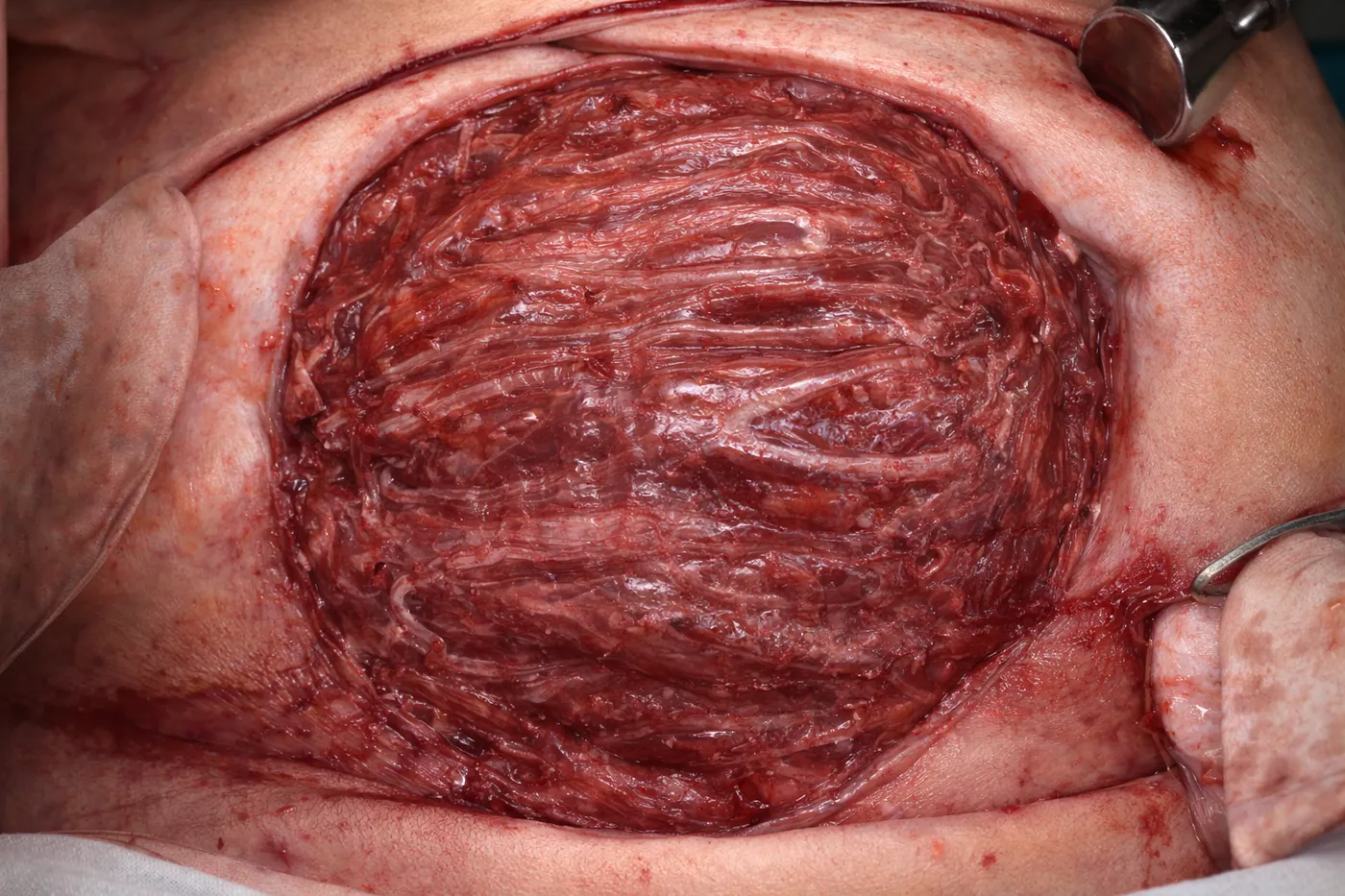
Identify the following image?
- A.
Bogota bag
- B.
Mesh with laparotomy
- C.
Mesh with hernioplasty
- D.
Ileal conduit
- A.
Q28 · Community Health Nursing · Occupational Health
Byssinosis is an occupational disease which is caused by exposure of?
- A.
Sugarcane dust
- B.
Cotton dust and flax fiber
- C.
Coal dust
- D.
Silica
- A.
Q29 · Obstetrics & Gynaecology · Diagnosis of Pregnancy
In a pregnant woman LMP is 15 January, and then calculate EDD?
- A.
15 October
- B.
22 October
- C.
8 October
- D.
15 November
- A.
Q30 · Pharmacology · General Pharmacology
Which drug route is preferably used for administration of analgesics in severe burn patient?
- A.
IM
- B.
IV
- C.
SC
- D.
Topical
- A.
Q31 · Medical & Surgical Nursing · Digestive and Gastrointestinal Function
A patient comes in the ED with hematemesis and mild splenomegaly. What would be the possible cause?
- A.
Gastritis
- B.
Pneumonia
- C.
Esophageal varices
- D.
Leukemia
- A.
Q32 · General Knowledge · International Current Affairs
G-20 summit world leaders pay homage to which Indian leader?
- A.
Subhash Chandra Bose
- B.
Mahatma Gandhi
- C.
Sardar Vallabh Bhai Patel
- D.
Jawaharlal Nehru
- A.
Q33 · Medical & Surgical Nursing · Perioperative Concepts and Nursing Management
Which is the most common complication after ET tube removal?
- A.
Malposition
- B.
Abducent injury
- C.
Bleeding
- D.
Sore throat
- A.
Q34 · Obstetrics & Gynaecology · Injuries to the Birth Canal
In the postpartum period a woman complains rectal pressure and severe pain in perineal area. These features may be indicative of?
- A.
Afterbirth pain
- B.
A hematoma of vagina and vulva
- C.
Cystitis
- D.
Constipation
- A.
Q35 · Medical & Surgical Nursing · Shock and Multisystem Failure
Which of the following clinical features is not seen in shock?
- A.
Hypotension
- B.
Decrease tissue perfusion
- C.
Hypoxia
- D.
Tremors
- A.
Q36 · Applied Physiology · General Physiology
Kupffer's cells are found in liver which act as?
- A.
Phagocytic
- B.
Pinocytic
- C.
Secretary cell
- D.
Mucus producing cell
- A.
Q37 · Child Health Nursing (Pediatrics) · Pediatric Critical Care
A newborn baby comes in the emergency department with difficulty in breathing, fever and cough from three days. After examination reveals his heart rate is 68 per minute. Which would not be assessment of the baby?
- A.
Assess for tuberculosis
- B.
Intubation of the baby
- C.
Assess for pneumonia
- D.
Explain the possible outcome or condition to the mother
- A.
Q38 · Medical & Surgical Nursing · Cardiovascular, Circulatory, and Hematologic Function
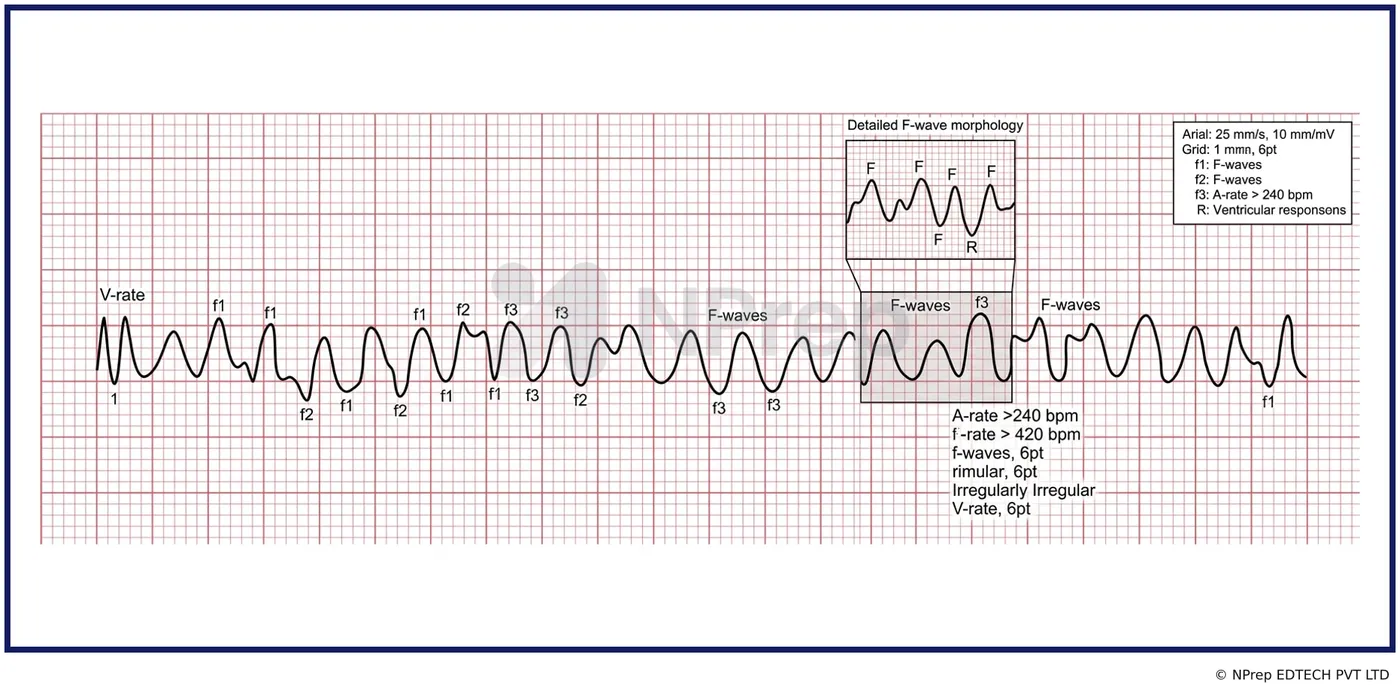
Identify the following ECG finding in the depicted image?
- A.
Ventricular fibrillation (VF)
- B.
Ventricular tachycardia (VT)
- C.
Supra-ventricular tachycardia (SVT)
- D.
Atrial fibrillation (AF)
- A.
Q39 · Medical & Surgical Nursing · Urinary Tract Function
Patient who recently underwent a transurethral resection of the prostate (TURP) reports noticing small blood clots in his urine. Which is the most appropriate response by the nurse?
- A.
This is normal and nothing to do for it
- B.
Inform to doctor immediately
- C.
It will clear with bladder irrigation
- D.
We will change the catheter
- A.
Q40 · Obstetrics & Gynaecology · Infections of the Individual Pelvic Organs
A patient having pruritus and white discharge, which would be seen?
- A.
Trichomoniasis
- B.
Candida
- C.
E-coli
- D.
Gonorrhea
- A.
Q41 · Child Health Nursing (Pediatrics) · Diseases of Gastrointestinal System and Liver
Hirschsprung's disease may be suspected if a newborn is unable to pass meconium within?
- A.
48 hours
- B.
96 hours
- C.
12 hours
- D.
72 hours
- A.
Q42 · Applied Microbiology & Infection control · Hospital-Acquired Infections
Most common late complication of central venous line or PICC?
- A.
Phlebitis
- B.
Air embolism
- C.
Thromboembolism
- D.
Sepsis or infection
- A.
Q43 · Reasoning · Number series
Choose a correct option – 13 → 24 → 46 → ? → 123
- A.
79
- B.
68
- C.
55
- D.
78
- A.
Q44 · Pharmacology · Drugs Acting on Central Nervous System
Which of the following solution is only used for dilution of phenytoin (Dilantin)?
- A.
NS
- B.
D5%
- C.
Ringers lactate
- D.
D5% with RL
- A.
Q45 · Child Health Nursing (Pediatrics) · Infections and Infestations
What is the most serious complication of meningitis in young children?
- A.
Communicating hydrocephalus
- B.
Blindness
- C.
Peripheral circulatory collapse
- D.
Epilepsy
- A.
Q46 · Medical & Surgical Nursing · Fluid and Electrolytes: Balance and Distribution
A patient who is receiving vasopressin. Which of the following is a best assessment for fluid status?
- A.
Daily weight
- B.
Monitor for constipation
- C.
Test for Glycosuria
- D.
Restrict fluid intake
- A.
Q47 · Health Information and Technology (Basic Computer) · Introduction to computer applications
Short key for undo is?
- A.
Ctrl+Z
- B.
Ctrl+A
- C.
Ctrl+X
- D.
Ctrl+C
- A.
Q48 · Medical & Surgical Nursing · Gas Exchange and Respiratory Function
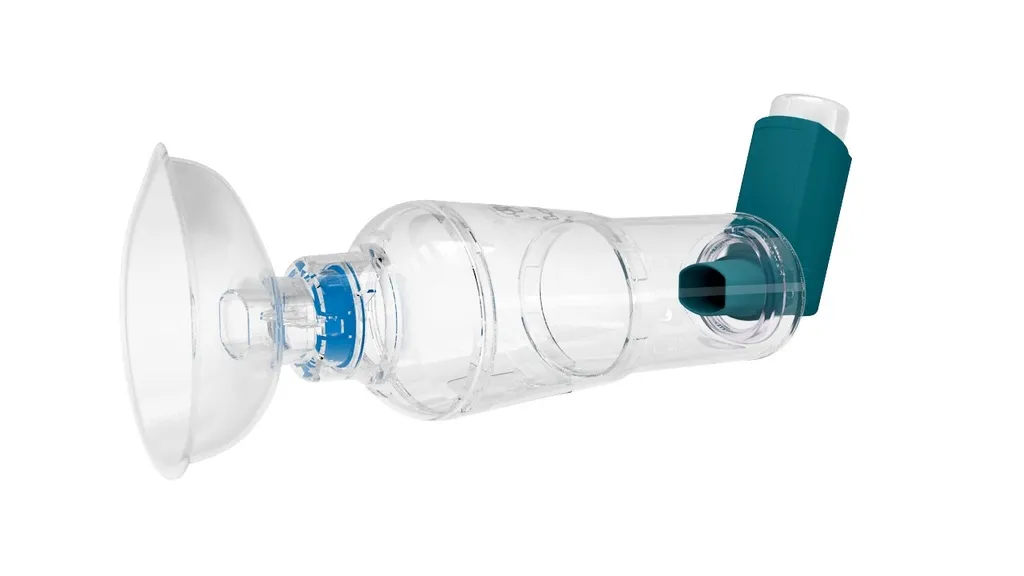
Identify the following image?
- A.
Incentive spirometry
- B.
PET machine
- C.
Spacer
- D.
Venture mask
- A.
Q49 · Child Health Nursing (Pediatrics) · Childhood Malignancies
The nurse should concern for which while a child who is on chemotherapy?
- A.
Avoid infected person to contact the child
- B.
Monitor vitals every hourly
- C.
Restrict fluid intake
- D.
Restrict all physical activities
- A.
Q50 · Applied Microbiology & Infection control · Hand Hygiene
Which action should be done first before changing the surgical dressing of the patient?
- A.
Remove old dressing with normal saline
- B.
Arrange sterile gloves and open it
- C.
Hand washing
- D.
Wear clean gloves before and remove the old dressing
- A.
- Sign in free
Done 50 questions? Check your answers
Sign in free: every answer with its explanation, attempt the paper timed with negative marking, and track your score.
Q51 · Forensic Nursing & Indian laws · Forensic Toxicology
A patient comes in the emergency department with suspicious poisoning. In which of the following type of poisoning are hairs preserved?
- A.
Arsenic
- B.
Iron
- C.
Alcohol
- D.
None of them
- A.
Q52 · Obstetrics & Gynaecology · Operative Obstetrics
Pressure used in suction & evacuation in MTP?
- A.
200-300 mm hg
- B.
400-600 mm hg
- C.
600-800 mm hg
- D.
800-1000 mm hg
- A.
Q53 · Applied Anatomy · Sensory Organs
Which of the following is a helping bone in hearing?
- A.
Incus
- B.
Tibia
- C.
Maxila
- D.
Mastoid bone
- A.
Q54 · Medical & Surgical Nursing · Cardiovascular, Circulatory, and Hematologic Function
Which of the following is not used in management of orthostatic hypotension?
- A.
Increased water and sodium intake
- B.
Physical maneuver
- C.
Fludrocortisones
- D.
Dopamine
- A.
Q55 · Applied Anatomy · Digestive System
All of the structures pass through Calot's triangle EXCEPT:
- A.
Portal vein
- B.
Cystic artery
- C.
Right hepatic artery
- D.
cystic Lymph node
- A.
Q56 · Obstetrics & Gynaecology · Examination of a Gynecological Patient
The patient who has an appointment for a Pap smear should have been instructed.?
- A.
That the procedure takes about 45 minutes.
- B.
Not to douche or use vaginal medication before the test.
- C.
To bring sanitary pad because moderate bleeding may occur.
- D.
That she will know the test results before leaving the office.
- A.
Q57 · Medical & Surgical Nursing · Urinary Tract Function
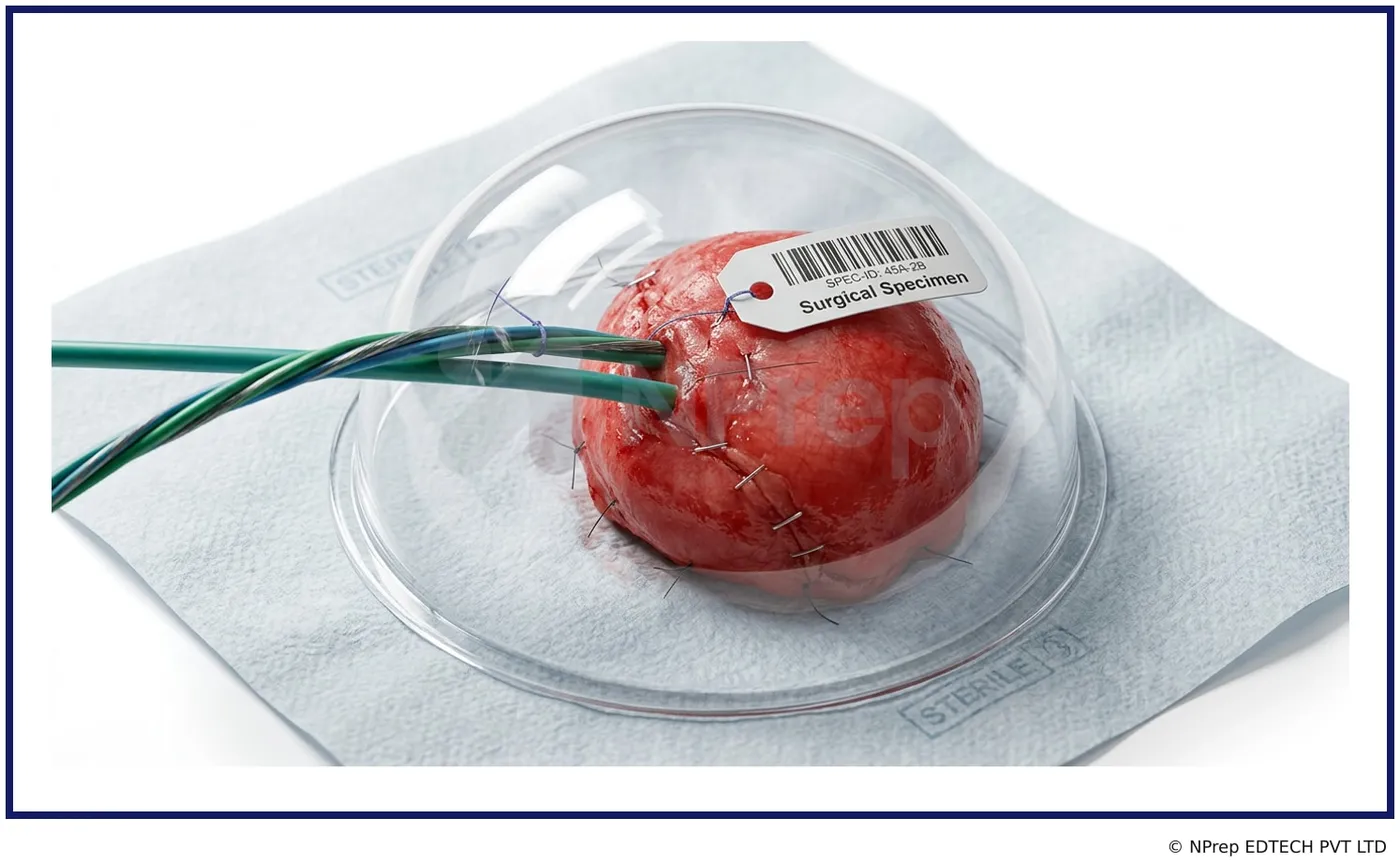
Identify the following image?
- A.
Bagota bag
- B.
Mesh with laparotomy
- C.
Mesh with hernioplasty
- D.
Ilial conduit
- A.
Q58 · Obstetrics & Gynaecology · Antenatal Care, Preconceptional Counseling and Care
A 38-year-old pregnant woman visits her nurse practitioner for her regular antenatal check-up at 28 weeks of gestation. Considering her age, the nurse should be most alert for which of the following conditions?
- A.
Iron deficiency anemia
- B.
Sexually transmitted disease (STD)
- C.
Intra uterine growth retardation (IUGR)
- D.
Pregnancy induced hypertension (PIH)
- A.
Q59 · Applied Nutrition & Dietetics · National Nutritional Program and Role
Which vitamin is given with MR vaccine in primary immunization?
- A.
Vitamin B
- B.
Vitamin C
- C.
Vitamin A
- D.
Vitamin D
- A.
Q60 · Community Health Nursing · Occupational Health
During working hours, maximum limit of loudness (expressed as decibels) that workers can tolerate without substantial damage to their hearing is?
- A.
65 db
- B.
75 db
- C.
85 db
- D.
55 db
- A.
Q61 · Nursing Foundations · Elimination needs
Which of the following is not a self-retaining catheter?
- A.
Malecot
- B.
Gallen
- C.
Foley catheter
- D.
Red rubber
- A.
Q62 · Obstetrics & Gynaecology · Population Dynamics and Control of Conception
Which is a statement true related to emergency contraceptive?
- A.
Consume just after menstrual bleeding
- B.
Take only if HCP prescribed
- C.
Available dose is 0.75 mg LNG
- D.
Replace with regular contraceptives
- A.
Q63 · Medical & Surgical Nursing · Digestive and Gastrointestinal Function
Ranson score is used in which clinical finding?
- A.
Acute pancreatitis
- B.
Acute appendicitis
- C.
Acute gastritis
- D.
Prostate cancer
- A.
Q64 · Pharmacology · Miscellaneous
Which of the following is a freeze sensitive vaccine?
- A.
Hepatitis B
- B.
RVV
- C.
OPV
- D.
Measles
- A.
Q65 · Medical & Surgical Nursing · Gas Exchange and Respiratory Function
Identify the following image?
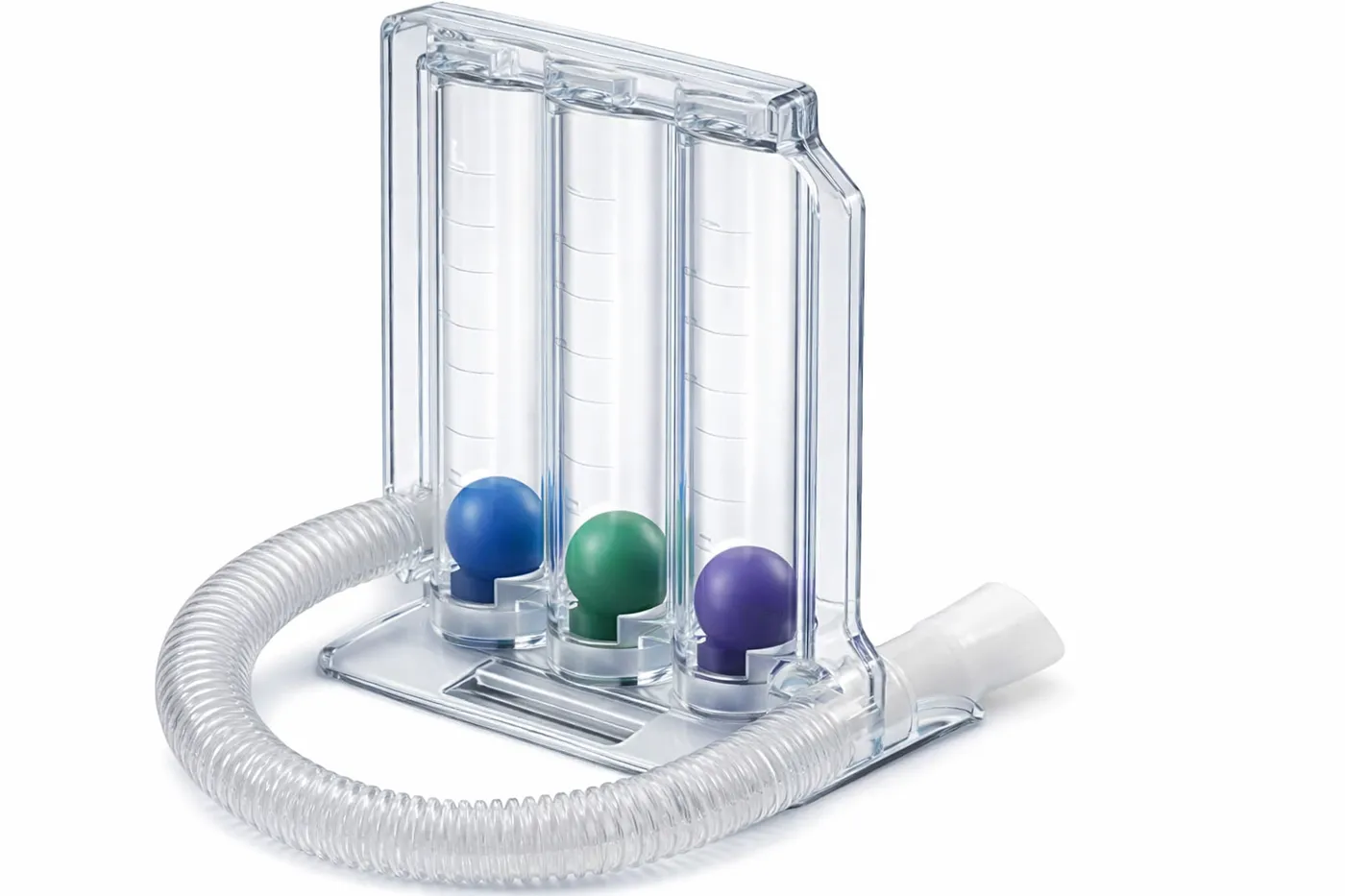
- A.
Incentive spirometry
- B.
PET machine
- C.
Spacer
- D.
Venturi mask
- A.
Q66 · Child Health Nursing (Pediatrics) · Poisonings, Injuries and Accidents
In a school, children are gathering on the playground surrounding a child who is unconscious and.....By the history reveals that child had raisins. What would be the priority nursing action?
- A.
Do nothing
- B.
Five abdominal thrusts and perform Heimlich maneuver
- C.
Encourage child to talk
- D.
Instruct the teacher to call 108
- A.
Q67 · Child Health Nursing (Pediatrics) · Infections and Infestations
A pediatric patient is admitted in pediatric unit. Which parameter indicates that the child would require isolation or a separate room?
- A.
Hb 7 gm/dl
- B.
WBC 18000 cells/mm3
- C.
Platelets 3,00,000 cells/mm3
- D.
RBC 4 millions/mm3
- A.
Q68 · Medical & Surgical Nursing · Gas Exchange and Respiratory Function
Foul-smelling discharge from unilateral nose is seen in?
- A.
Foreign body
- B.
Rhinolith
- C.
Sinusitis
- D.
Rhinitis
- A.
Q69 · Applied Physiology · Respiratory system
Paradoxical breathing pattern usually seen in?
- A.
Diaphragmatic palsy
- B.
COPD
- C.
Left sided heart failure
- D.
Metabolic acidosis
- A.
Q70 · Medical & Surgical Nursing · Miscellaneous
Identify the correct option for FAST assessment in trauma?
- A.
First Assessment With Sonography In Trauma
- B.
Forced Assessment With Sonography In Trauma
- C.
Focused Assessment With Sonography In Trauma
- D.
Final Assessment With Sonography In Trauma
- A.
Q71 · Community Health Nursing · Nutrition Assessment and Nutrition Education
According to Weekly Iron and Folic Acid Supplementation (WIFS) recommended dose of IFA tablets provided to adolescents is?
- A.
60 mg elemental iron and 400 mg folic acid
- B.
100 mg elemental iron and 500 mcg folic acid
- C.
100 mg elemental iron and 500 mg folic acid
- D.
45 mg elemental iron and 400 mcg folic acid
- A.
Q72 · Nursing Foundations · Vital Signs
In a patient, core body temperature would be assessed by?
- A.
Fore Head and skin
- B.
Axilla
- C.
Oral
- D.
Tympanic membrane
- A.
Q73 · Applied Nutrition & Dietetics · Minerals
Zinc deficiency causes, EXCEPT?
- A.
Pigmentation
- B.
Dwarfism
- C.
Decreased immunity
- D.
Hypogonadism
- A.
Q74 · Medical & Surgical Nursing · Neurologic Function
Haemato-tympanum and otorrhoea are associated with which of the following head injuries?
- A.
Basilar skull fracture
- B.
Subdural hematoma
- C.
Epidural hematoma
- D.
Frontal lobe fracture
- A.
Q75 · Obstetrics & Gynaecology · Antenatal Assessment of Fetal Well-Being
A primigravida woman comes in OPD for her ANC visit. Position of the fetus revealed left occipito anterior (LOA) by the examination of ultrasound. Identify a location from illustration where does FHR heard maximally?
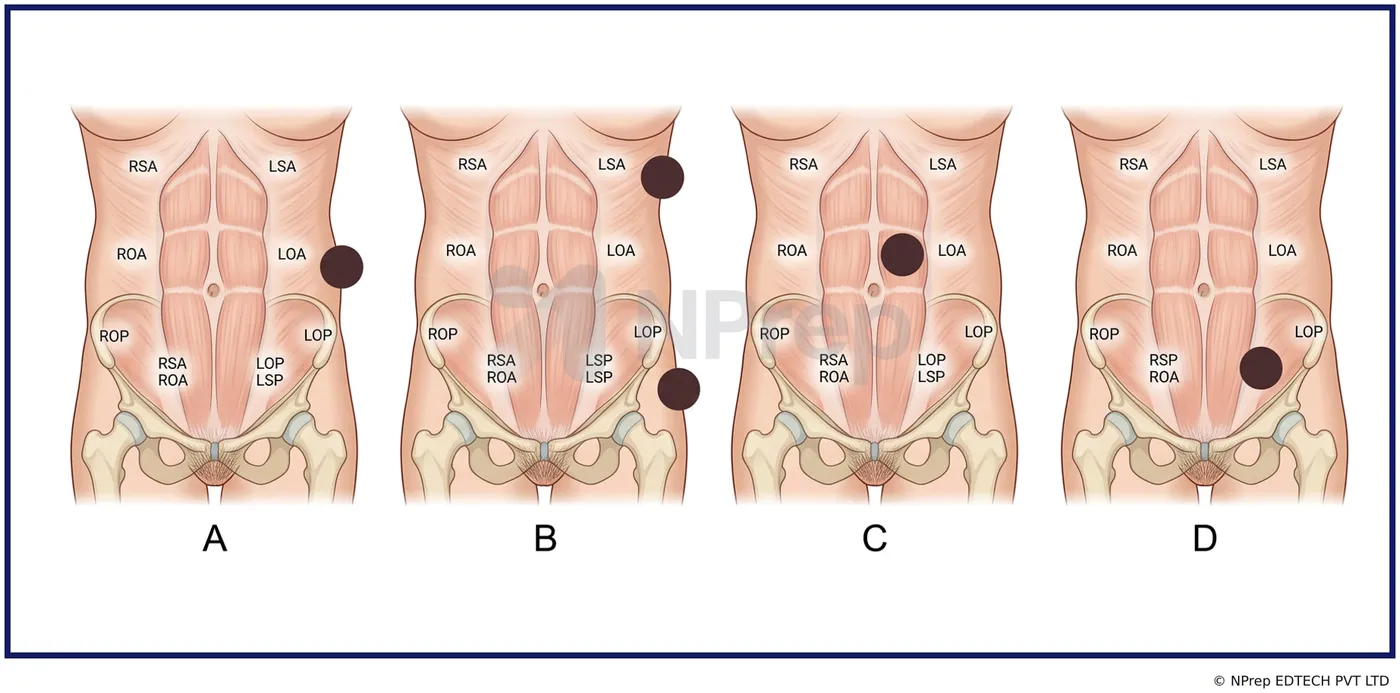
- A.
A
- B.
C
- C.
B
- D.
D
- A.
- Sign in free
Done 75 questions? Check your answers
Sign in free: every answer with its explanation, attempt the paper timed with negative marking, and track your score.
Q76 · Medical & Surgical Nursing · Perioperative Concepts and Nursing Management
A client who underwent abdominal surgery earlier in the day has a small amount of bright red blood on the surgical dressing. How should the nurse document this type of wound drainage?
- A.
Serosanguineous
- B.
Purulent
- C.
Sanguineous
- D.
Catarrhal
- A.
Q77 · General Knowledge · International Current Affairs
Which is an officially G-20 Motto 2023?
- A.
Vasudhaiva Kutumbakam
- B.
One Earth, One Future
- C.
Vande Matram
- D.
Bharat Mandapam
- A.
Q78 · Applied Anatomy · Endocrine System
A polytrauma patient following a head injury passed 1000 ml urine output in 3 hours. What would be the first assessment in this patient?
- A.
Assess urine specific gravity
- B.
Assess sugar in urine
- C.
Administer IV fluids
- D.
Measure weight
- A.
Q79 · Medical & Surgical Nursing · Cardiovascular, Circulatory, and Hematologic Function
Which of the following electrocardiogram finding would be seen in a client with Hyperkalemia?
- A.
ST depression
- B.
Inverted T wave
- C.
Widened QRS complex
- D.
Flat T wave
- A.
Q80 · Pharmacology · Drugs acting on peripheral nervous system
A patient is given succinylcholine chloride that is going to receive electroconvulsive therapy. The nurse must know that it is given for?
- A.
To reduce anxiety
- B.
For induce anesthetic effect
- C.
To reduce gastric secretion
- D.
For muscle relaxation
- A.
Q81 · Pathology & Genetics · Genetics
Which type of gall stone related to hemolytic anemia?
- A.
Mixed
- B.
Cholesterol
- C.
Calcium oxalate
- D.
Pigmented stone
- A.
Q82 · Applied Anatomy · Nervous System
A patient is unable to see downward and lateral movement of the eyes. Which of the following cranial nerve primarily would be affected?
- A.
Trigeminal
- B.
Abducent
- C.
Oculomotor
- D.
Trochlear
- A.
Q83 · Medical & Surgical Nursing · Neurologic Function
A traumatic patient is brought to the ED, initial assessment includes eyes opens with painful stimulus, verbally respond with inappropriate words, minimal flexion of the left hand with painful stimulus in the right hand and unilateral pupils reactive and right pupil is dilated. What would be the possible GCS-P score of the patient?
- A.
8
- B.
10
- C.
9
- D.
7
- A.
Q84 · Applied Anatomy · Nervous System
Following the head injury a person comes in the emergency department with personality changes and loss of voluntary control. Which lobe of the brain would be affected which are depicted in following figures?
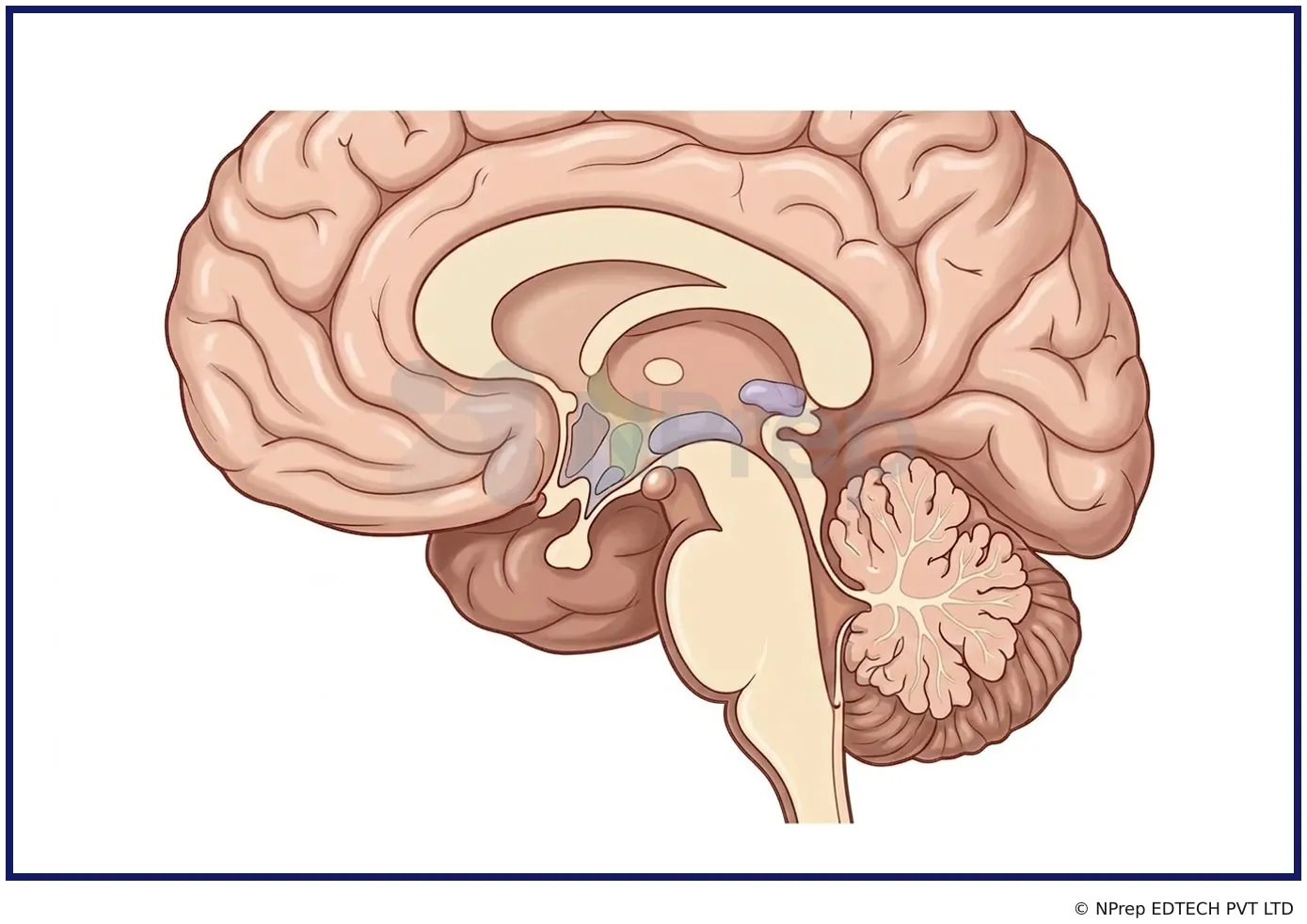
- A.
Medulla
- B.
Cerebellum
- C.
Temporal
- D.
Frontal
- A.
Q85 · Reasoning · Arrangements & Puzzles
P, Q, R, S, T are sitting in a circle. R is to the immediate right of Q. T is between P and S. Who is sitting to the immediate left of R?
- A.
P
- B.
Q
- C.
T
- D.
S
- A.
Q86 · Reasoning · Coding-Decoding
If A = 1, Z = 26, then what is the value of the word “BAD”?
- A.
7
- B.
9
- C.
10
- D.
11
- A.
Q87 · Child Health Nursing (Pediatrics) · Newborn Infants
A newborn infant is exhibiting signs of respiratory distress. Which of the following would the nurse recognize as the earliest clinical sign of respiratory distress?
- A.
Cyanosis
- B.
Increased respirations
- C.
Sternal and sub-costal retractions
- D.
Decreased respirations
- A.
Q88 · Pharmacology · Drug Affecting Blood & Blood Formation
A patient is receiving anticoagulant heparin sulphate therapy. Which of the following lab report should be monitored?
- A.
Clotting time
- B.
Partial thromboplastin time
- C.
Prothrombin time
- D.
Hb level
- A.
Q89 · Child Health Nursing (Pediatrics) · Childhood Malignancies
The nurse should be concerned for which while a child is on chemotherapy?
- A.
Avoid infected person to contact the child
- B.
Monitor vitals every hourly
- C.
Restrict fluid intake
- D.
Restrict all physical activities
- A.
Q90 · Medical & Surgical Nursing · Perioperative Concepts and Nursing Management
Which of the following is a function of scrub nurse in operation theatre?
- A.
Handing the instruments to the surgeon
- B.
Applying surgical drapes
- C.
Giving gown
- D.
Position to the patient
- A.
Q91 · Health Information and Technology (Basic Computer) · Information Law & Governance in Clinical Practice
How many nibbles are in 128 bytes?
- A.
1024
- B.
512
- C.
256
- D.
64
- A.
Q92 · Medical & Surgical Nursing · Metabolic and Endocrine Function
Accidental removal of parathyroid gland during thyroidectomy cause?
- A.
Tetany
- B.
Adrenocortical stimulation
- C.
Myxedema
- D.
Hypovolemia
- A.
Q93 · Pathology & Genetics · General Pathology
A pathologist receives a formalin-fixed paraffin-embedded (FFPE) tissue section. Which technique is most appropriate for identifying and localizing specific proteins within this section in situ?
- A.
Fluorescence in situ hybridisation (FISH)
- B.
Flow cytometry
- C.
Western blot
- D.
Immunohistochemistry (IHC)
- A.
Q94 · Applied Physiology · General Physiology
Following a head injury, a person comes into the emergency department with personality changes and loss of voluntary control. Which lobe of the brain would be affected, which are depicted in the following figures?
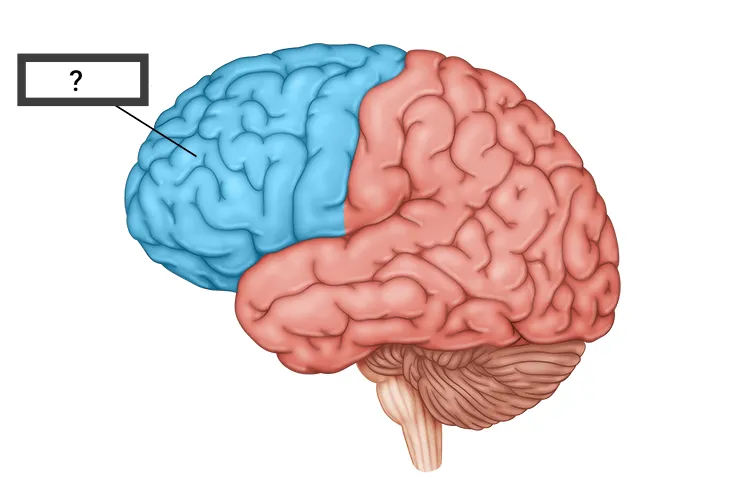
- A.
Medulla
- B.
Cerebellum
- C.
Temporal
- D.
Frontal
- A.
Q95 · Medical & Surgical Nursing · Digestive and Gastrointestinal Function
Which of the following statement is NOT TRUE regarding peptic ulcer and duodenal ulcer?
- A.
Gastric ulcers are more prone to change in malignancies
- B.
Duodenal ulcers are more common compare to gastric ulcers
- C.
2 degree gastric ulcer is commonly associated with increased secretion of HCl
- D.
Anterior wall of duodenal ulcer are more prone to bleeding than perforation
- A.
Q96 · Medical & Surgical Nursing · Miscellaneous
In ATLS algorithm E stands for?
- A.
Environment only
- B.
Exposure only
- C.
Environment and exposure both
- D.
None of above
- A.
Q97 · General Knowledge · Economy and Business Current Affairs
National fish of India?
- A.
Ganges river dolphin
- B.
Shark
- C.
Blue wheal
- D.
All of the above
- A.
Q98 · Pharmacology · Respiratory System Drugs
Which of the following medications requires close observation for bronchospasm in the client with chronic obstructive pulmonary disease or asthma?
- A.
Verapamil (Isoptin)
- B.
Amrinone (Inocor)
- C.
Epinephrine (Adrenalin)
- D.
Propranolol (Inderal)
- A.
Q99 · Child Health Nursing (Pediatrics) · Newborn Infants
A nurse entered a nursery unit and observed that a newborn shows jerky movement of the lower limbs. Which of the following is the priority nursing action?
- A.
To check blood glucose level
- B.
Inform to Neonatologist
- C.
Observe activity and poor sucking
- D.
None of these
- A.
Q100 · Medical & Surgical Nursing · Gas Exchange and Respiratory Function
A patient admitted in intensive care unit that has difficulty in breathing and chest pain while breathing. ABG assessment reveals pH 7.33, PaCO2 43 and HCO3 is 23. What would be the priority nursing action?
- A.
Ask the patient to take deep breaths and cough in every 5 minutes
- B.
7 liter per minute O2 for 10 minutes
- C.
Take electrocardiogram (ECG)
- D.
Intubate the child
- A.
More NORCET papers
- NORCET-11 Mains2026 · 155 questions
- NORCET-11 Prelims2026 · 100 questions
- NORCET-10 Mains2026 · 160 questions
- NORCET-10 Prelims2026 · 100 questions
- NORCET-9 Prelims2025 · 100 questions
- NORCET-9 Mains2025 · 160 questions
- NORCET-8 Prelims2025 · 100 questions
- NORCET-8 Mains2025 · 160 questions
- NORCET-7 Prelims2024 · 100 questions
- NORCET-7 Mains2024 · 160 questions
- NORCET-6 Prelims2024 · 100 questions
- NORCET-6 Mains2024 · 100 questions