NORCET-8 Mains question paper
NORCET · 2025 · 160 questions · 180 minutes · 0.33 mark deducted per wrong answer
- Child Health Nursing (Pediatrics) 40
- Medical & Surgical Nursing 36
- Obstetrics & Gynaecology 31
- Community Health Nursing 16
- Pharmacology 11
- Mental Health Nursing 8
- Applied Microbiology & Infection control 4
- Nursing Foundations 3
- Applied Nutrition & Dietetics 2
- Nursing Education 2
- Applied Physiology 2
- Pathology & Genetics 2
- Applied Psychology 1
- General Knowledge 1
- Nursing Management & Leadership 1
See the answers and explanations
Sign in free: every answer with its explanation, attempt the paper timed with negative marking, and track your score.
Q1 · Obstetrics & Gynaecology · Medical and Surgical Illness Complicating Pregnancy
The most critical time in the treatment of a woman suffering from heart disease is
- A.
In the first 48 hours postpartum
- B.
During the intrapartum period
- C.
In the early weeks of pregnancy
- D.
In the later postpartum period
- A.
Q2 · Obstetrics & Gynaecology · Special Topics in Obstetrics
What condition is demonstrated in the image based on the fetal heart rate pattern?
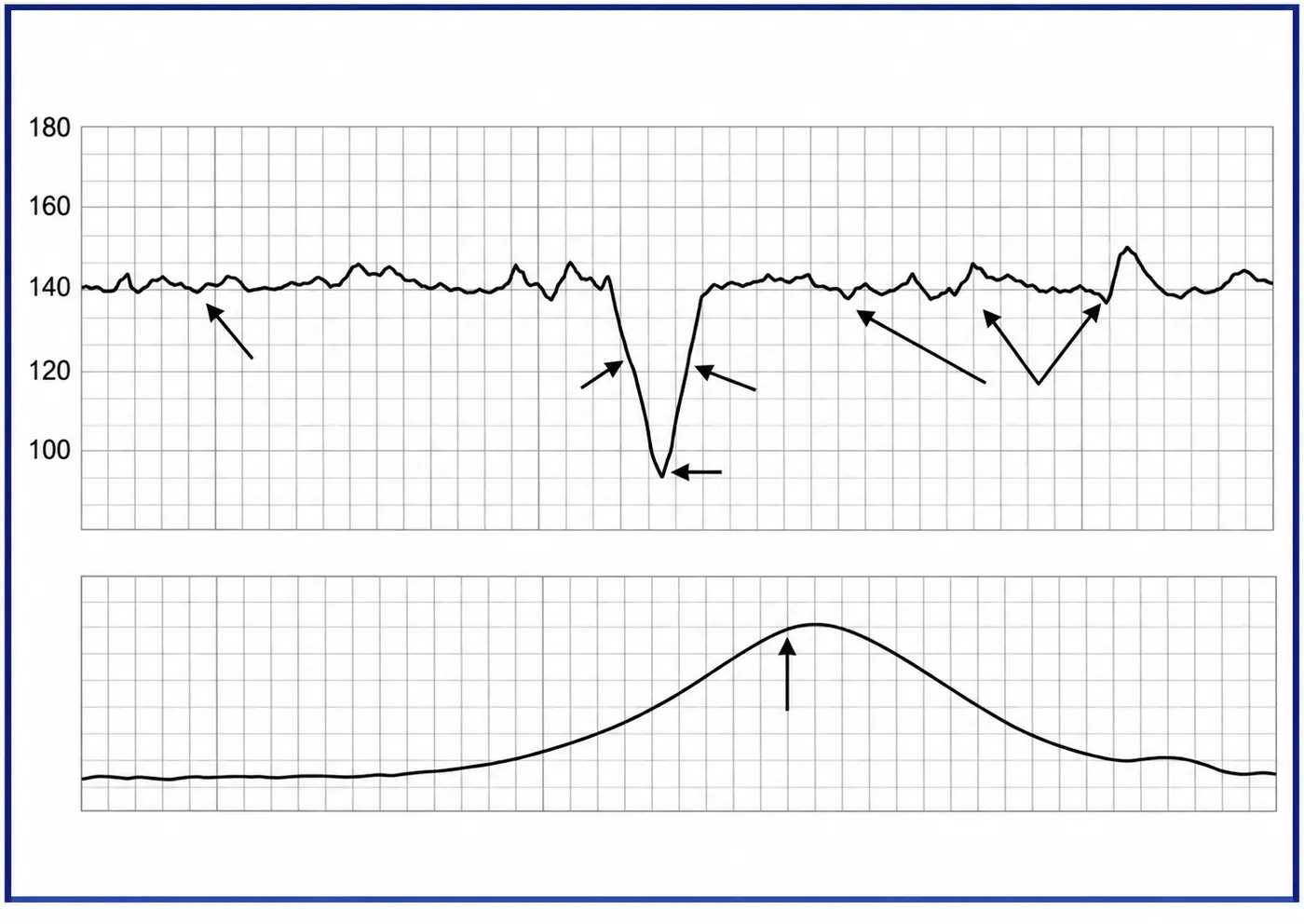
- A.
Early Deceleration
- B.
Late Deceleration
- C.
Variable Deceleration
- D.
Accelerations
- A.
Q3 · Child Health Nursing (Pediatrics) · Modern concepts of child- care
The nurse is monitoring a child with burns during treatment. Which assessment provides the most accurate guide to determine the adequacy of fluid resuscitation?
- A.
Skin turgor
- B.
Level of edema at burn site
- C.
Adequacy of capillary filling
- D.
Amount of fluid tolerated in 24 hours
- A.
Q4 · Mental Health Nursing · Eating Disorders
A patient with bulimia nervosa is being admitted to the psychiatric ward. Which of the following nursing interventions is most appropriate?
- A.
Encourage the patient to consume small meals to prevent purging.
- B.
Observe the patient in the washroom immediately after meals.
- C.
Allow the patient privacy and monitor weight weekly.
- D.
Provide laxatives to help reduce binge effects.
- A.
Q5 · Obstetrics & Gynaecology · Normal Labor
What is the term for when the baby's head becomes fully visible at the vaginal opening, often with an intense burning or stinging sensation as the baby's head stretches the perineum?
- A.
Lightening
- B.
Engagement
- C.
Crowning
- D.
Descent
- A.
Q6 · Medical & Surgical Nursing · Gas Exchange and Respiratory Function
A patient is in severe respiratory distress and does not improve with a non-rebreather mask. What is the next appropriate intervention?
- A.
Continue with the non-rebreather mask
- B.
Use a nasal cannula
- C.
Perform intubation
- D.
Begin bag-mask ventilation (BMV)
- A.
Q7 · Child Health Nursing (Pediatrics) · Miscellaneous
A doctor prescribed IV fluids as 50 ml NS 0.9%, 10 ml D50%, and 50 ml RL, which should be administered in 2 hours via a standard pediatric burette set. How many drops per minute should be administered?
- A.
50 drops/min
- B.
55 drops/min
- C.
60 drops/min
- D.
110 drops/min
- A.
Q8 · Applied Nutrition & Dietetics · Therapeutic Diet
The nurse provides feeding instructions to the parent of an infant diagnosed with gastroesophageal reflux disease. Which instruction would the nurse give to the parent to assist in reducing the episodes of emesis?
- A.
Provide less frequent, larger feedings.
- B.
Burp the infant less frequently during feedings.
- C.
Thin the feedings by adding water to the formula.
- D.
Thicken the feedings by adding rice cereal to the formula.
- A.
Q9 · Obstetrics & Gynaecology · COMPLICATED LABOR-Malposition, Malpresentation and Cord Prolapse
A primigravida woman presents with a breech presentation. The nurse should be aware of which possible complication?
- A.
Preterm labor
- B.
Quickening
- C.
Cord prolapse
- D.
Oligohydramnios
- A.
Q10 · Child Health Nursing (Pediatrics) · Childhood Malignancies
A 4-year-old child is diagnosed with Acute Lymphoblastic Leukemia (ALL). Which finding in the bone marrow aspirate is considered diagnostic for this condition?
- A.
Presence of more than 5% lymphoblasts
- B.
Myeloid cells exceeding 20% of the total count
- C.
Presence of more than 25% lymphoblasts
- D.
A complete absence of hematopoietic cells
- A.
Q11 · Child Health Nursing (Pediatrics) · Disorders of Kidney and Urinary Tract
Which of the following conditions is a potential serious complication of Kawasaki disease?
- A.
Mitral valve stenosis
- B.
Coronary artery aneurysms
- C.
Severe dehydration
- D.
Osteoarthritis
- A.
Q12 · Child Health Nursing (Pediatrics) · Central Nervous System
Consider the following statements about a toddler with hydrocephalus: Assertion (A): Hydrocephalus in toddlers results in increased intracranial pressure (ICP). Reason (R): Before the closure of cranial sutures, enlargement of the sutures occurs due to increased pressure. Which of the following is correct?
- A.
Both A and R are true, and R correctly explains A.
- B.
Both A and R are true, but R does not explain A.
- C.
A is true, but R is false.
- D.
R is true, but A is false.
- A.
Q13 · Medical & Surgical Nursing · Gas Exchange and Respiratory Function
If a chest drainage system line is broken or interrupted, the nurse's first course of action should be to?
- A.
Document findings
- B.
Notify the physician
- C.
Check the patient's vitals
- D.
Immerse distal end in sterile water
- A.
Q14 · Community Health Nursing · Family planning
Which of the following statements about the Nishchay Kit and related family planning programs in India is correct?
- A.
Nishchay kit provides free iron tablets to pregnant women only
- B.
Nishchay kit is a government-provided free pregnancy testing kit under family planning initiatives
- C.
Free contraceptives are not part of Mission Parivar Vikas
- D.
The program started only in 2020 as part of Ayushman Bharat
- A.
Q15 · Community Health Nursing · National Health Programs
The 6 × 6 × 6 strategy is related to which program?
- A.
Janani Suraksha program
- B.
Janani Shishu Suraksha program
- C.
Anemia Mukt Bharat
- D.
Pradhanmantri Ayushman Bharat program
- A.
Q16 · Child Health Nursing (Pediatrics) · Newborn Infants
Match the neonatal reflex in List-I with its description in List-II.
List-I List-II A. Moro reflex 1. When the baby's mouth is touched, they turn their head and mouth in that direction B. Rooting reflex 2. Sudden movements or loud noises result in them extending their arms and legs, then bringing them back C. Palmar grasp reflex 3. When the baby's foot is stroked, the big toe extends upward, and the other toes fan out D. Babinski reflex 4. When touching a baby's palm, they will grasp your finger tightly - A.
A-1, B-2, C-3, D-4
- B.
A-2, B-1, C-4, D-3
- C.
A-1, B-2, C-4, D-3
- D.
A-3, B-4, C-1, D-2
- A.
Q17 · Applied Microbiology & Infection control · Hospital-Acquired Infections
What is the single most important and effective measure a nurse can take to prevent the spread of Hospital-Acquired Infections?
- A.
Ensuring patients are in private rooms
- B.
Administering prophylactic antibiotics to all patients
- C.
Wearing a mask and gown for all patient interactions
- D.
Performing proper and frequent hand washing
- A.
Q18 · Mental Health Nursing · Schizophrenia
Repetition of words, phrases, or ideas in a cognitively impaired patient due to the failure of getting another thought?
- A.
Imitation
- B.
Neologism
- C.
Mannerism
- D.
Perseveration
- A.
Q19 · Obstetrics & Gynaecology · Normal Labor
A 39-week pregnant woman presents in labor with adequate contractions, a cervical dilation of 4 cm, and 90% effacement. After 3 hours, there is no further cervical dilation and contractions have become weak. What is the most appropriate next step in management?
- A.
Augment with oxytocin
- B.
Ambulate and reassess in 2 hours
- C.
Stripping of membranes
- D.
Amniotomy
- A.
Q20 · Child Health Nursing (Pediatrics) · Central Nervous System
A hollow or cracked pot sound is heard during percussion of skull is called?
- A.
Chadwick sign
- B.
Macewen's sign
- C.
Sunsetting sign
- D.
Babinski sign
- A.
Q21 · Child Health Nursing (Pediatrics) · Orthopedic disorders
A 2-week-old infant presents with asymmetric hip clicks and a positive Ortolani test, indicating developmental dysplasia of the hip (DDH). As a nursing officer, what is the next appropriate intervention?
- A.
Inform the mother that it will resolve spontaneously.
- B.
Educate the parents about using a Pavlik harness.
- C.
Assure the parents that surgery will correct the condition.
- D.
Refer the baby to a pediatric orthopedic surgeon.
- A.
Q22 · Medical & Surgical Nursing · Gas Exchange and Respiratory Function
A patient has an 85% oxygen saturation in room air. What should be the next nursing priority?
- A.
Place the patient on a non-rebreather mask (NRM)
- B.
Suggest a nasal cannula
- C.
Perform intubation
- D.
Begin bag-mask ventilation (BMV)
- A.
Q23 · Medical & Surgical Nursing · Other Acute Problems
Which of the following is not correct for the first aid of Snake bite (Snake bite)?
- A.
Transport the patient to a medical facility
- B.
Reassure the patient because 70 % of all snake bites are not by venomous snakes
- C.
Finding a locally famous snake charmer
- D.
Immobilize the bitten limb
- A.
Q24 · Child Health Nursing (Pediatrics) · Infections and Infestations
According to the 'Rule of Fives' by Lynch and Blocker for pediatric burn patients, what percentage of total body surface area (TBSA) does the head and neck represent in an infant?
- A.
10%
- B.
15%
- C.
20%
- D.
25%
- A.
Q25 · Obstetrics & Gynaecology · Diagnosis of Pregnancy
Which of the following services provided to a pregnant woman under the Janani Shishu Suraksha Karyakram (JSSK) scheme is an exception?
- A.
Free and cashless delivery
- B.
Free drugs and consumables
- C.
Free transport from home to health institutes
- D.
Free taxi services in rural area
- A.
- Sign in free
Done 25 questions? Check your answers
Sign in free: every answer with its explanation, attempt the paper timed with negative marking, and track your score.
Q26 · Child Health Nursing (Pediatrics) · Newborn Infants
A baby born at 30 weeks gestation via emergency LSCS develops restlessness, grunting, and chest retractions. An X-ray shows a ground-glass appearance. What is the diagnosis?
- A.
Respiratory distress syndrome
- B.
Transient tachypnea of newborn
- C.
Meconium aspiration syndrome
- D.
Pneumonia
- A.
Q27 · Obstetrics & Gynaecology · Induction of Labor
Ripeness of cervix is assessed by:
- A.
Apgar score
- B.
Downe score
- C.
Bishop score
- D.
New Ballard score
- A.
Q28 · Child Health Nursing (Pediatrics) · Childhood Malignancies
Which of the following assessment techniques should be avoided in a child with Wilms' tumor?
- A.
X-ray
- B.
Palpating the abdomen
- C.
Auscultating the abdomen
- D.
Measuring the abdominal girth
- A.
Q29 · Community Health Nursing · National Health Programs
Which of the following are the four strategic pillars under the National Tuberculosis Elimination Program?
- A.
Promote, treat, prevent and build
- B.
Prevent, detect, promote and build
- C.
Detect, treat, prevent and build
- D.
Cure, treat, build and prevent
- A.
Q30 · Child Health Nursing (Pediatrics) · Common Medical Procedures
Which of the following restraints is most commonly used for a baby with a cleft lip and palate following surgery?
- A.
Mitten restraint
- B.
Jacket restraint
- C.
Elbow restraint
- D.
Wrist restraint
- A.
Q31 · Medical & Surgical Nursing · Urinary Tract Function
Most common type of surgery for BPH?
- A.
Suprapubic prostatectomy
- B.
Perineal prostatectomy
- C.
Transurethral resection
- D.
Retropubic resection
- A.
Q32 · Mental Health Nursing · Schizophrenia
A belief that persists despite evidence to the contrary is characteristic of what?
- A.
Hallucination
- B.
Illusions
- C.
Delusion
- D.
Confabulation
- A.
Q33 · Obstetrics & Gynaecology · COMPLICATED LABOR-Malposition, Malpresentation and Cord Prolapse
Identify the maneuver shown in the diagram, which is used in assisted vaginal breech delivery for the aftercoming head.
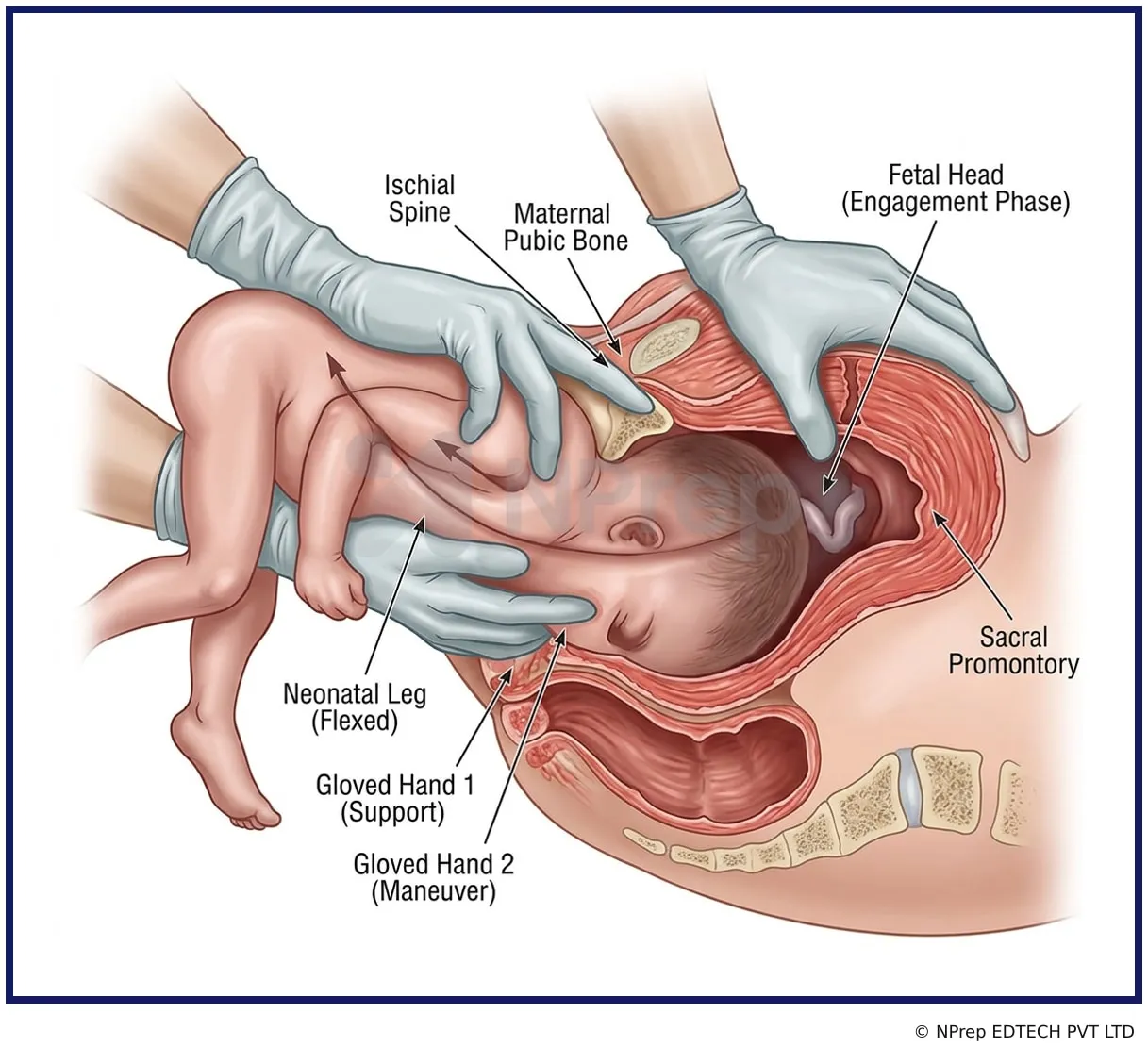
- A.
Pinard maneuver
- B.
Burn-Marshall maneuver
- C.
Mauriceau-Smellie-Veit maneuver
- D.
McRoberts maneuver
- A.
Q34 · Medical & Surgical Nursing · Neurologic Function
Which of the following is the most effective way to prevent post-lumbar puncture headache (PLPH)?
- A.
Placing the patient in a high Fowler's position
- B.
Using an atraumatic pencil-point needle for the lumbar puncture
- C.
Keeping the patient supine (flat) for only 30 minutes
- D.
Using a large-gauge traumatic needle for the lumbar puncture
- A.
Q35 · Medical & Surgical Nursing · Miscellaneous
A patient admitted in the ICU is receiving feeding through a Ryles tube. The nursing officer is about to give the next feed, which is scheduled for every 3 hours. Upon aspirating the stomach content, 600 ml is received in the syringe. What should be the next intervention by the nursing officer?
- A.
Feed the patient
- B.
Wait and reassess after 2 hours
- C.
Place the patient in supine position and feed the patient
- D.
Immediately remove the Ryles tube
- A.
Q36 · Community Health Nursing · Reproductive, maternal, newborn, child and adolescent Health (Review from OBG Nursing and application in community setting)
What is the primary objective of the Pradhan Mantri Surakshit Matritva Abhiyan (PMSMA) in India?
- A.
To provide family planning services
- B.
To provide antenatal care (ANC) services and identify high-risk pregnancies
- C.
To promote institutional deliveries
- D.
To improve postnatal care
- A.
Q37 · Community Health Nursing · Nutrition Assessment and Nutrition Education
A G2P1 pregnant woman visits the gynecology OPD with a hemoglobin level of 10.6 g/dL. She is receiving free iron supplementation through a government program. Which of the following national health programs specifically aims to combat anemia in pregnant women in India?
- A.
JSY (Janani Suraksha Yojana)
- B.
ICDS (Integrated Child Development Services)
- C.
AMB (Anemia Mukt Bharat)
- D.
CSSM (Child Survival and Safe Motherhood Programme)
- A.
Q38 · Community Health Nursing · Management of delivery of community health services:
According to IPHS guidelines, how many essential beds should a non-FRU CHC have?
- A.
50 beds
- B.
30 beds
- C.
100 beds
- D.
60 beds
- A.
Q39 · Medical & Surgical Nursing · Neurologic Function
Painful spasms of the hamstring muscle and resistance to further extension of the leg at the knee while flexing the hip of a recumbent patient is called?
- A.
Kernig's Sign
- B.
Brudzinski's Sign
- C.
Opisthotonus
- D.
Ankle Clonus
- A.
Q40 · Obstetrics & Gynaecology · Antenatal Assessment of Fetal Well-Being
What is considered a normal Biophysical Profile (BPP) score?
- A.
A score of 4/10
- B.
A score of 6/10
- C.
A score of 8/10 or 10/10
- D.
A score below 4/10
- A.
Q41 · Child Health Nursing (Pediatrics) · Development
A group of preschoolers are playing in a sandbox. They are sharing toys and talking to each other, but each child is building their own castle without a common goal. What type of play is this?
- A.
Solitary Play
- B.
Associative Play
- C.
Cooperative Play
- D.
Parallel Play
- A.
Q42 · Nursing Education · Miscellaneous
What is the primary purpose of continuing education programs in the nursing profession?
- A.
To fulfill the initial requirements for obtaining a nursing license
- B.
To provide institution-specific training on new equipment and policies
- C.
To maintain current skills, acquire new knowledge, and learn new techniques
- D.
To prepare for graduate-level studies in a specialized nursing field
- A.
Q43 · Applied Physiology · General Physiology
Primary effect of cold application?
- A.
Vasodilatation
- B.
Vasoconstriction
- C.
Ventilation
- D.
Hyperaemia
- A.
Q44 · Medical & Surgical Nursing · Digestive and Gastrointestinal Function
A client is receiving TPN (1000 ml) in ICU from 8 AM. In the next day at 8 AM on duty nurse noticed that there is 200 ml solution left in the bag. Which action is appropriate?
- A.
Note the finding in client's notes
- B.
Discard the left solution and reconnect a new TPN bag
- C.
Immediately inform to on duty doctor
- D.
Observe and record all vitals
- A.
Q45 · Applied Psychology · Cognitive Process
A child has an IQ of 50. How would their level of intellectual disability be classified?
- A.
Mild intellectual disability
- B.
Moderate intellectual disability
- C.
Severe intellectual disability
- D.
Profound intellectual disability
- A.
Q46 · Obstetrics & Gynaecology · COMPLICATED LABOR-Malposition, Malpresentation and Cord Prolapse
A 29-year-old pregnant woman at 39 weeks gestation is admitted to the labor ward. Her cervical dilation is 4 cm, and she is scheduled for an amniotomy (artificial rupture of membranes) to help progress labor. Following the procedure, what should the nurse assess first?
- A.
Maternal blood pressure
- B.
Fetal heart rate (FHR) pattern
- C.
Cervical dilation and effacement
- D.
Amniotic fluid characteristics
- A.
Q47 · Medical & Surgical Nursing · Other Acute Problems
Which category of TB was merged and is no longer used in the TB disease classification?
- A.
Category-I
- B.
Category-II
- C.
Category-III
- D.
Category-IV
- A.
Q48 · Child Health Nursing (Pediatrics) · Normal Growth and its Disorders
In a child experiencing chronic malnutrition, which growth parameter plotted on a growth chart is typically the last to show a decline?
- A.
Weight-for-length
- B.
Height/Length
- C.
Weight
- D.
Head circumference
- A.
Q49 · Child Health Nursing (Pediatrics) · Newborn Infants
Following birth, a baby has secretions in the mouth and nose. How should suctioning be performed in the newborn?
- A.
Mouth followed by nose
- B.
Nose followed by mouth
- C.
Only mouth
- D.
Only nose
- A.
Q50 · Community Health Nursing · Epidemiology of Chronic Non-Communicable Diseases & Conditions
Commonest cause of blindness in India is:
- A.
Vitamin A deficiency
- B.
Cataract
- C.
Glaucoma
- D.
Refractive error
- A.
- Sign in free
Done 50 questions? Check your answers
Sign in free: every answer with its explanation, attempt the paper timed with negative marking, and track your score.
Q51 · Pharmacology · Drugs Acting on Central Nervous System
Which of the following side effects commonly occurs with atypical antipsychotics?
- A.
Increased bone density
- B.
Improved glucose metabolism
- C.
Extrapyramidal symptoms
- D.
Increased weight
- A.
Q52 · Nursing Foundations · Miscellaneous
Where should you place the AED pads on an adult victim?
- A.
One under the left armpit and one high on the right side of the chest
- B.
One under the right arm and one high on the left side of the chest
- C.
One under each armpit
- D.
One in the center of the back and one over the center of the chest
- A.
Q53 · Community Health Nursing · Concepts of Community Health and Community Health Nursing
A statistical composite index of life expectancy, education, and per capita income indicators is called?
- A.
Socio-economical Index
- B.
Human standard Index
- C.
Human Development Index
- D.
Socio-cultural Index
- A.
Q54 · Obstetrics & Gynaecology · Preterm Labor, Preterm Rupture of the Membranes, Postmaturity, Intrauterine Fetal Death
A G3P1 woman at 32 weeks of gestation is at risk for preterm labor. Which of the following is the best nursing intervention?
- A.
Prepare for caesarean section
- B.
Advise for bed rest
- C.
Administer oxygen
- D.
Administer corticosteroids
- A.
Q55 · Medical & Surgical Nursing · Miscellaneous
Following endotracheal intubation in an adult, where should the tip of the endotracheal tube (ETT) ideally be positioned on a chest X-ray?
- A.
At the level of the carina
- B.
2-3 cm above the carina
- C.
In the right mainstem bronchus
- D.
At the level of the sternal angle
- A.
Q56 · Child Health Nursing (Pediatrics) · Newborn Infants
A baby presents with coughing, choking, and cyanosis during feeding. These symptoms are most indicative of which condition?
- A.
Pyloric stenosis
- B.
Tracheoesophageal fistula
- C.
Atelectasis
- D.
Gastroesophageal reflux
- A.
Q57 · Obstetrics & Gynaecology · Miscellaneous
The item shown in the picture below is effective for how many years?
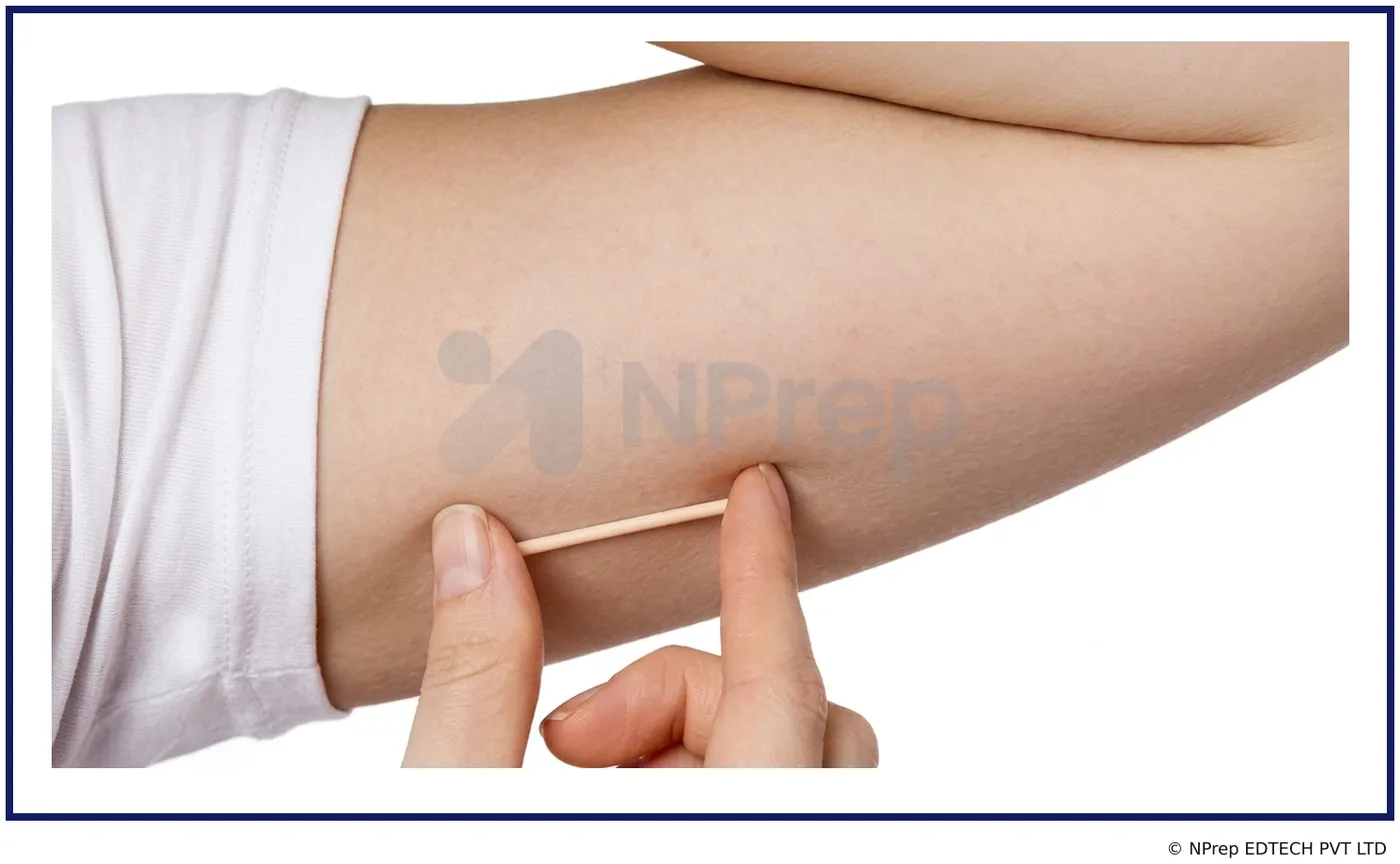
- A.
5 years
- B.
2 years
- C.
10 years
- D.
3 years
- A.
Q58 · Community Health Nursing · Health Management Information System (HMIS)
What is the recommended frequency for updating the hospital management information system in the community for record-keeping and preventive care purposes?
- A.
Daily
- B.
Weekly
- C.
Monthly
- D.
Yearly
- A.
Q59 · Pharmacology · Drugs Acting on Central Nervous System
A 65-year-old seizure patient requires an IV phenytoin loading dose. Which IV fluid should not be used for dilution?
- A.
Normal saline (0.9% NaCl)
- B.
Dextrose 5% in water (D5W)
- C.
Lactated Ringer's solution
- D.
Sterile water
- A.
Q60 · Medical & Surgical Nursing · Neurologic Function
What is the most significant diagnostic test that needs to be done prior to a lumbar puncture?
- A.
Blood culture
- B.
Lumbar spine x-ray
- C.
Chest X-ray
- D.
CT Brain
- A.
Q61 · Mental Health Nursing · Schizophrenia
A nurse is caring for a schizophrenia patient who is experiencing auditory hallucinations. Which intervention is MOST appropriate?
- A.
Encourage the patient to ignore the voices completely
- B.
Ask the patient, "What are the voices telling you?"
- C.
Agree with the patient that the voices are real
- D.
Advise the patient to talk back to the voices loudly
- A.
Q62 · Pharmacology · Miscellaneous
Drug of Choice in anaphylactic Reaction is?
- A.
Atropine
- B.
Epinephrine
- C.
Digoxin
- D.
Dobutamine
- A.
Q63 · Obstetrics & Gynaecology · Special Topics in Obstetrics
A pregnant woman in active labor presents with a cervical dilation of 7 cm, fetal station 0, and frequent late decelerations noted on cardiotocography. What is the most appropriate next step in management?
- A.
Administer oxygen and change maternal position
- B.
Prepare for emergency cesarean section
- C.
Administer oxytocin
- D.
Wait for normal delivery
- A.
Q64 · Obstetrics & Gynaecology · Fundamentals of Reproduction
Which of the following is correct about the life span of an ovum?
- A.
12-24 hours
- B.
48-72 hours
- C.
24-36 hours
- D.
48-72 hours
- A.
Q65 · Community Health Nursing · Reproductive, maternal, newborn, child and adolescent Health (Review from OBG Nursing and application in community setting)
Which of the following is an entitlement for sick newborns under the Janani Shishu Suraksha Karyakram (JSSK)?
- A.
Free treatment
- B.
Free transport between facilities in case of referral
- C.
Free diagnostics
- D.
All of the above
- A.
Q66 · Child Health Nursing (Pediatrics) · Newborn Infants
What technique of feeding in unilateral cleft lip and cleft palates is shown in the image below?
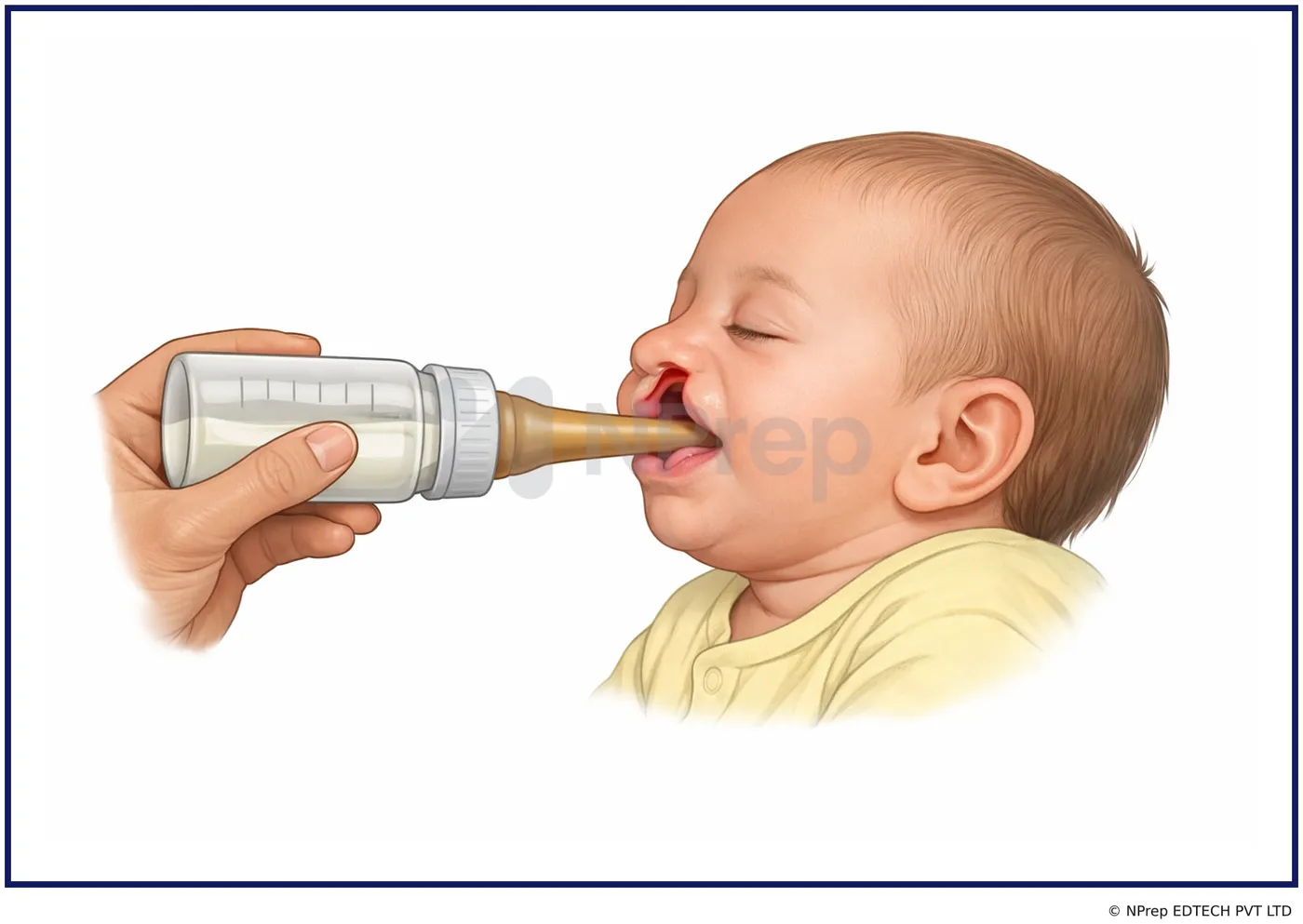
- A.
Exclusively breast feeding
- B.
spoon feeding
- C.
long nipple feeding
- D.
NOP
- A.
Q67 · Child Health Nursing (Pediatrics) · Fluid and Electrolyte Disturbances
A child comes to the OPD with frequent loose motions. The child is irritable, restless, and drinks water eagerly, being very thirsty. How is the child's dehydration best classified?
- A.
No dehydration
- B.
Some dehydration
- C.
Severe dehydration
- D.
Moderate dehydration
- A.
Q68 · Obstetrics & Gynaecology · Diagnosis of Pregnancy
A nurse teaches a pregnant client to perform Kegel exercises. Which statement by the client indicates an understanding of the purpose of these types of exercises?
- A.
The exercises will help prevent edema
- B.
The exercises will help strengthen the pelvic floor in preparation for delivery
- C.
The exercises will help reduce uterine contraction
- D.
The exercises will help prevent urinary tenderness
- A.
Q69 · Child Health Nursing (Pediatrics) · Newborn Infants
A nurse in a newborn nursery receives a phone call to prepare for the admission of a 43-week gestation newborn with Apgar scores of 1 and 4. In planning for the admission of this infant, what should be the nurse's highest priority?
- A.
Connect the resuscitation bag to the oxygen outlet
- B.
Turn on the apnea and cardiorespiratory monitors
- C.
Set up the intravenous line with 5% dextrose in water
- D.
Set the radiant warmer control temperature at 38.5°C (92.6°F)
- A.
Q70 · Obstetrics & Gynaecology · Fetus
During which week does the fetal heart begin pumping is own blood?
- A.
3rd week
- B.
4th week
- C.
5th week
- D.
6th week
- A.
Q71 · Obstetrics & Gynaecology · Normal Labor
Untwisting of the neck sustained during internal rotation is called as?
- A.
Crowning
- B.
Flexion
- C.
Restitution
- D.
Torsion
- A.
Q72 · Child Health Nursing (Pediatrics) · Newborn Infants
A 6-month-old child is brought to the emergency department with complaints of frequent episodes of loose stool, lethargy, and weakness. The physical assessment findings reveal poor skin turgor, dry and dull mucous membranes, and a rapid heartbeat. The child is diagnosed with severe dehydration. What is the best management for fluid resuscitation for this child?
- A.
30 ml/kg body weight in the initial 60 minutes, then 70 ml/kg body weight in 5 hours
- B.
50 ml/kg body weight in the initial 30 minutes, then 70 ml/kg body weight in 2.5 hours
- C.
30 ml/kg body weight in the initial 30 minutes, then 70 ml/kg body weight in 2.5 hours
- D.
20 ml/kg body weight bolus and then 70 ml/kg body weight in 5 hours
- A.
Q73 · Community Health Nursing · Intestinal Infections
When is the biannual National Deworming Day observed in India?
- A.
10 July and 10 January
- B.
10 Feb and 10 Aug
- C.
10 May and 10 December
- D.
10 April and 10 November
- A.
Q74 · Community Health Nursing · Screening of Disease
What is the primary public health challenge highlighted by the iceberg phenomenon of disease?
- A.
The high cost of treating advanced diseases
- B.
The lack of effective treatments for most chronic conditions
- C.
The difficulty in managing patient compliance with long-term therapy
- D.
The need to detect and control the large reservoir of unrecognized disease in the community
- A.
Q75 · Obstetrics & Gynaecology · Diagnosis of Pregnancy
Under the Pradhan Mantri Surakshit Matritva Abhiyan (PMSMA) program, what does a red sticker on a pregnant woman's card signify?
- A.
No risk factor detected
- B.
High-risk pregnancy
- C.
Scheduled for institutional delivery
- D.
Completed all antenatal checkups
- A.
- Sign in free
Done 75 questions? Check your answers
Sign in free: every answer with its explanation, attempt the paper timed with negative marking, and track your score.
Q76 · Medical & Surgical Nursing · Gas Exchange and Respiratory Function
Which value can be primarily affected if there is a delay in transferring an arterial blood sample for gas analysis and the sample is not refrigerated?
- A.
pH
- B.
pCO₂
- C.
pO₂
- D.
HCO₃
- A.
Q77 · Mental Health Nursing · Legal Issues in Mental Health Nursing
A schizophrenic patient with renal failure is admitted to the psychiatric ward for dialysis. When the time for the procedure arrives, the patient refuses dialysis, stating "God will heal me." What is the best nursing intervention in this situation?
- A.
Force the dialysis
- B.
Obtain a court order
- C.
Seek consent from the patient's parent
- D.
Assess the patient's decision-making ability
- A.
Q78 · Obstetrics & Gynaecology · Diagnosis of Pregnancy
Match the pregnancy sign in List-I with its description in List-II.
List-I List-II A. Hegar's sign 1. Softening of the lower uterine segment B. Goodell's sign 2. Softening of the uterine cervix C. Chadwick's sign 3. Bluish or violet discoloration of the vagina, cervix and vulva D. Ballottement 4. Rebounding of the fetus against the examiner's fingers on palpation - A.
A-2, B-4, C-1, D-3
- B.
A-1, B-2, C-4, D-3
- C.
A-3, B-4, C-1, D-2
- D.
A-1, B-2, C-3, D-4
- A.
Q79 · Obstetrics & Gynaecology · Special Topics in Obstetrics
Which of the following parameters is included in a biophysical profile, EXCEPT?
- A.
Cervical dilation
- B.
Fetal tone
- C.
Fetal breathing movements
- D.
Amniotic fluid volume
- A.
Q80 · Pharmacology · Drug Affecting Blood & Blood Formation
A patient with chronic renal failure is receiving Epoetin Alfa. Which laboratory result would indicate a therapeutic effect of the medication?
- A.
Hematocrit 32%
- B.
Platelet count of 400,000 cells /mm³
- C.
WBC count of 6000 cells /mm³
- D.
BUN of 15 mg/dl
- A.
Q81 · Medical & Surgical Nursing · Miscellaneous
After RTA, a patient came into emergency department with massive blood loss, which colour cannula used by a prudent nurse to administer large amount of fluid or blood?
- A.
Grey
- B.
Green
- C.
Blue
- D.
Pink
- A.
Q82 · Obstetrics & Gynaecology · Antenatal Assessment of Fetal Well-Being
What does a normal Biophysical Profile (BPP) score indicate?
- A.
The central nervous system is functional and not hypoxic.
- B.
The fetus is ready for delivery.
- C.
The mother's cervix is dilating.
- D.
The presence of a congenital anomaly.
- A.
Q83 · Medical & Surgical Nursing · Metabolic and Endocrine Function
A patient with ascites should take a diet which is?
- A.
Restricted in potassium
- B.
Increased in potassium
- C.
Increased in sodium
- D.
Restricted in sodium
- A.
Q84 · Child Health Nursing (Pediatrics) · Immunization and Immunodeficiency
The DPT (Diphtheria, Pertussis, Tetanus) vaccine is generally contraindicated in which of the following conditions?
- A.
Mild local reaction to a previous dose
- B.
Mild GI disturbances
- C.
Mild cough or cold
- D.
Progressive neurological disorder
- A.
Q85 · Applied Microbiology & Infection control · Pathogenic Organisms
What is the causative organism for whooping cough?
- A.
Salmonella typhi
- B.
Vibrio cholera
- C.
Sarcoptes scabiei
- D.
Bordetella pertussis
- A.
Q86 · Applied Microbiology & Infection control · Disinfection and Sterilization
Which of the following sterilization techniques is best suited for heat or moisture-sensitive medical equipment like an endoscope?
- A.
Boiling
- B.
Autoclaving
- C.
Dry heat sterilization
- D.
Ethylene oxide gas sterilization
- A.
Q87 · Obstetrics & Gynaecology · Abnormalities of the Puerperium
A postpartum woman complains of fever, inflammation, and tenderness in the breast, with lymph node enlargement noted. These findings suggest what condition?
- A.
Engorgement
- B.
Mastitis
- C.
Blocked duct
- D.
Puerperal sepsis
- A.
Q88 · Medical & Surgical Nursing · Cardiovascular, Circulatory, and Hematologic Function
A patient with hemophilia presents with joint bleeding (hemarthrosis). What is the priority nursing intervention?
- A.
Administer clotting factor VIII (Anti-Hemophilic Factor, AHF)
- B.
Encourage range of motion exercises
- C.
Monitor fluid and electrolyte balance
- D.
Apply warm compresses to the legs
- A.
Q89 · Medical & Surgical Nursing · Miscellaneous
Which of the following test is specific diagnostic test for disseminated intravascular coagulation (DIC)?
- A.
PT
- B.
INR
- C.
D-Dimer
- D.
Bleeding time, clotting time
- A.
Q90 · Child Health Nursing (Pediatrics) · Disorders of Cardiovascular System
An infant with heart failure is being cared for. Which nursing intervention is appropriate to reduce cardiac demand?
- A.
Encourage vigorous play to strengthen the heart
- B.
Provide small, frequent feedings
- C.
Maintain a cool room temperature to induce shivering
- D.
Cluster all care activities to allow for long rest periods
- A.
Q91 · Child Health Nursing (Pediatrics) · Development
Which type of play is typically seen in a 3-year-old child?
- A.
Solitary play: when a child plays alone
- B.
Parallel play: children play near each other
- C.
Cooperative play: children play together towards a common goal, sharing resources
- D.
Competitive play: children trying to outperform each other, often with rules
- A.
Q92 · General Knowledge · Important Health Days & Themes
World no tobacco day is observed on?
- A.
May 31
- B.
April 7
- C.
December 10
- D.
December 1
- A.
Q93 · Obstetrics & Gynaecology · Normal Labor
After an amniotomy, which of the following results can be observed during labor?
- A.
Progressive dilation and effacement
- B.
Engagement of the fetus
- C.
Increase in fetal tone
- D.
Decreased uterine contractions
- A.
Q94 · Medical & Surgical Nursing · Integumentary Function
What clinical condition is shown in the image below?
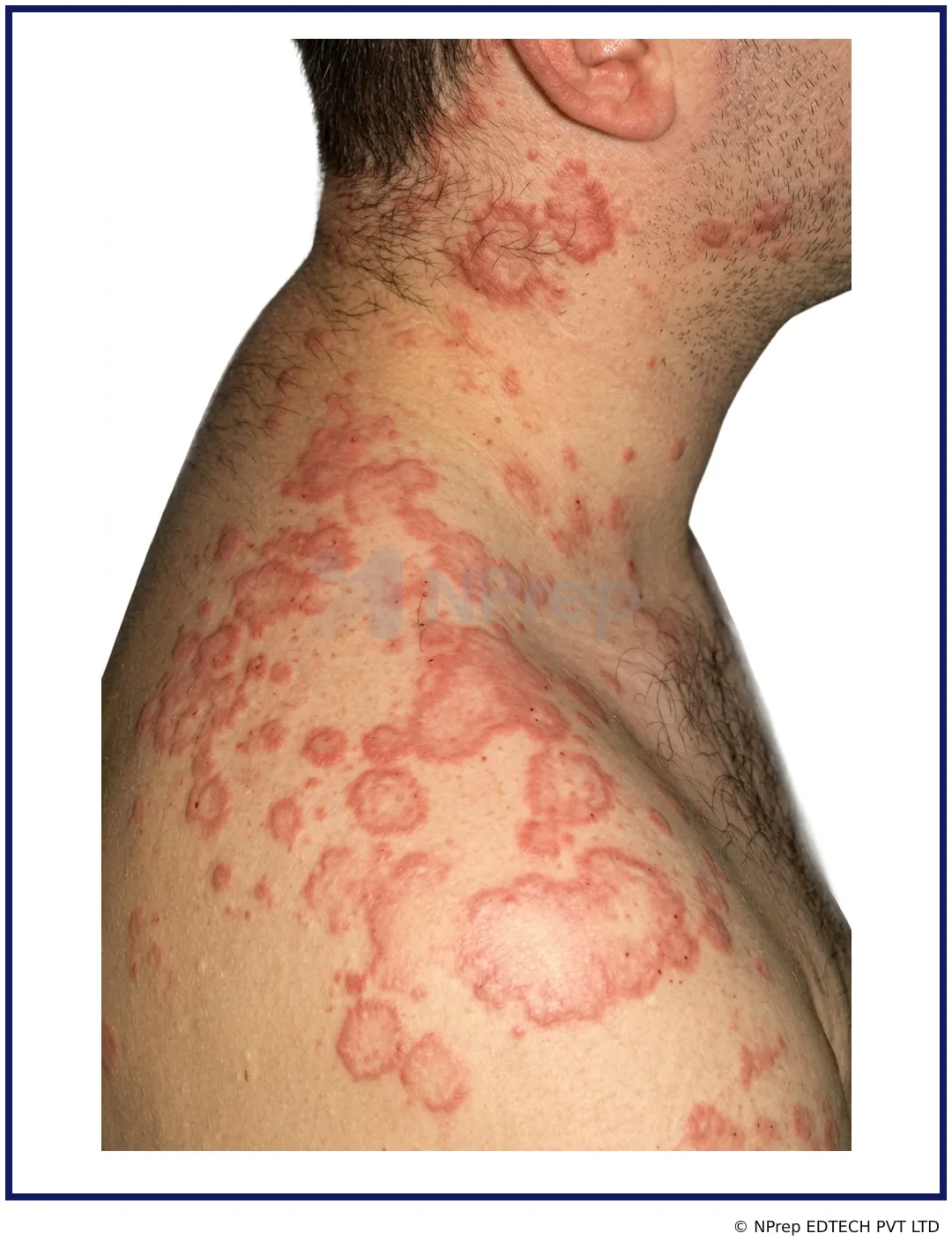
- A.
Drug induced urticaria
- B.
Stevens-Johnson syndrome
- C.
Ibuprofen induced urticaria
- D.
Carbamazepine induced urticaria
- A.
Q95 · Medical & Surgical Nursing · Neurologic Function
A patient presents to the outpatient department (OPD) with a blood pressure of 180/100 mmHg, fatigue, slurred speech, and elevated temperature. What is the most likely diagnosis?
- A.
Hypertensive crisis
- B.
Stroke
- C.
Sepsis
- D.
Acute respiratory distress
- A.
Q96 · Child Health Nursing (Pediatrics) · Newborn Infants
What is the most critical step before performing an exchange blood transfusion on a newborn?
- A.
Warming the blood to body temperature
- B.
Ensuring compatibility between the baby's blood and the donor blood
- C.
Obtaining parental consent
- D.
Checking the baby's vital signs
- A.
Q97 · Obstetrics & Gynaecology · Abnormalities of the Puerperium
A post-partum woman comes to the OPD with fever, chills, and malodorous lochia discharge. These findings are indicative of what condition?
- A.
Post-partum haemorrhage
- B.
Puerperal sepsis
- C.
Hematoma
- D.
Endometritis
- A.
Q98 · Child Health Nursing (Pediatrics) · Fluid and Electrolyte Disturbances
A pediatrician prescribes an intravenous (IV) solution of 5% dextrose and half-normal saline (0.45%) with 40 mEq of potassium chloride for a child with hypotonic dehydration. Which priority assessment must the nurse perform before administering this IV prescription?
- A.
Obtain a weight
- B.
Take the temperature
- C.
Take the blood pressure
- D.
Check the amount of urine output
- A.
Q99 · Medical & Surgical Nursing · Miscellaneous
If highest temperature recorded in the morning and lowest temperature in the evening. This type of fever is known as?
- A.
Inverse fever
- B.
Lysis
- C.
Remittent fever
- D.
Crisis
- A.
Q100 · Child Health Nursing (Pediatrics) · Development
During a developmental assessment, a nurse asks a 2-year-old child to build a tower with blocks. What is the expected number of blocks the child can stack at this age?
- A.
2-3 blocks
- B.
6 blocks
- C.
9 blocks
- D.
12 blocks
- A.
- Sign in free
Done 100 questions? Check your answers
Sign in free: every answer with its explanation, attempt the paper timed with negative marking, and track your score.
Q101 · Obstetrics & Gynaecology · COMPLICATED LABOR-Malposition, Malpresentation and Cord Prolapse
Consider the following statements: Assertion (A): Breech presentation can cause cord prolapse. Reason (R): The buttocks do not fully cover the internal OS, allowing the cord to descend. Which of the following is correct?
- A.
A is correct, but R is incorrect.
- B.
A is incorrect, but R is correct.
- C.
Both A and R are correct, but R does not explain the correct definition of A.
- D.
Both A and R are correct, and R explains the correct definition of A.
- A.
Q102 · Community Health Nursing · National Health Programs
What is the main objective of Pradhan Mantri Jan Arogya Yojana (PMJAY)?
- A.
To provide health insurance coverage to vulnerable families
- B.
To provide free antenatal checkups
- C.
To promote institutional deliveries
- D.
To reduce anemia prevalence
- A.
Q103 · Child Health Nursing (Pediatrics) · Orthopedic disorders
A 6-year-old child falls on an outstretched arm. An X-ray reveals that one side of the bone is broken while the other side is bent. Which type of fracture is most likely described?
- A.
Complete fracture
- B.
Greenstick fracture
- C.
Buckle (torus) fracture
- D.
Bowing fracture
- A.
Q104 · Nursing Foundations · Communication & Nurse-Patient Relationship
A primary purpose of the therapeutic nurse-patient relationship is to:?
- A.
Provide friendship and socialization for the patient.
- B.
Ensure the nurse's personal needs for satisfaction are met.
- C.
Assist the patient in using their personal resources to meet health needs.
- D.
Establish an intimate, long-term emotional commitment.
- A.
Q105 · Child Health Nursing (Pediatrics) · Disorders of Cardiovascular System
A newborn is diagnosed with Tetralogy of Fallot (TOF). While crying during an examination, the infant suddenly becomes severely cyanotic and dyspneic ("Tet" spell). What is the nurse's IMMEDIATE priority action?
- A.
Administer IV Digoxin immediately
- B.
Place the infant in a knee-chest position
- C.
Apply continuous positive airway pressure (CPAP)
- D.
Perform immediate endotracheal intubation
- A.
Q106 · Mental Health Nursing · Mood disorders
A patient is diagnosed with melancholic depression. What symptoms are most commonly associated with this condition?
- A.
Anhedonia and decreased activity
- B.
Agitation and restlessness
- C.
Increased motor activity and alogia
- D.
Avolition and grandiosity
- A.
Q107 · Obstetrics & Gynaecology · Miscellaneous
PAP smear test is used for?
- A.
Screening for cervical cancer
- B.
Screening for ovarian cancer
- C.
Confirmation for cervical cancer
- D.
Confirmation of ovarian cancer
- A.
Q108 · Medical & Surgical Nursing · Miscellaneous
What is the recommended suction pressure for adults?
- A.
60-80 mm Hg
- B.
80-100 mm Hg
- C.
100-120 mm Hg
- D.
120-200 mm Hg
- A.
Q109 · Community Health Nursing · Reproductive, maternal, newborn, child and adolescent Health (Review from OBG Nursing and application in community setting)
A community health worker demonstrates a home-based pregnancy test card to a group of women. Which of the following is the name of a home-based pregnancy test card commonly used in India's public health programs?
- A.
Nikshay
- B.
Nishchay
- C.
Today
- D.
Saheli
- A.
Q110 · Medical & Surgical Nursing · Gas Exchange and Respiratory Function
Peritonsillar abscess is also called as?
- A.
Quinsy
- B.
Pleurisy
- C.
Tonsillitis
- D.
Cystic fibrosis
- A.
Q111 · Pharmacology · Drugs Acting on Central Nervous System
Which electrolyte imbalance can increase the risk of lithium toxicity?
- A.
Hypernatremia
- B.
Hyponatremia
- C.
Hypokalemia
- D.
Hypercalcemia
- A.
Q112 · Medical & Surgical Nursing · Perioperative Concepts and Nursing Management
According to the WHO surgical safety checklist, which of the following is completed in the 'sign out' phase?
- A.
Patient identity confirmed
- B.
Check instrument, sponge, and needle counts
- C.
Site marking confirmed
- D.
Prophylactic antibiotics administered
- A.
Q113 · Mental Health Nursing · Nursing process in Psychiatry
If a person is asked to recall 3 out of 5 items, which mental function is being assessed?
- A.
Attention
- B.
Concentration
- C.
Memory
- D.
Thinking
- A.
Q114 · Medical & Surgical Nursing · Neurologic Function
Which of the following neurotransmitters is deficient in Myasthenia gravis?
- A.
Acetylcholine
- B.
Dopamine
- C.
Serotonin
- D.
Nor-epinephrine
- A.
Q115 · Medical & Surgical Nursing · Fluid and Electrolytes: Balance and Distribution
A patient's ABG values are: pH 7.30, pCO2 50 mmHg, and HCO3 24 mEq/L. What is the most likely acid-base imbalance?
- A.
Respiratory acidosis
- B.
Metabolic acidosis
- C.
Respiratory alkalosis
- D.
Metabolic alkalosis
- A.
Q116 · Pharmacology · Cardiovascular Drugs
Cough and Hyperkalemia are the side effects of?
- A.
ACE inhibitor
- B.
Calcium channel blocker
- C.
Potassium channel blocker
- D.
Protease inhibitor
- A.
Q117 · Pharmacology · Antimicrobial Drugs
Most common side effect of chloramphenicol drug?
- A.
Bronze baby syndrome
- B.
Gray baby syndrome
- C.
Red baby syndrome
- D.
A & B
- A.
Q118 · Child Health Nursing (Pediatrics) · Disorders of Cardiovascular System
Which congenital heart defect is characterized by a wide pulse pressure (a large difference between systolic and diastolic pressure)?
- A.
Atrial septal defect
- B.
Ventricular septal defect
- C.
Patent ductus arteriosus
- D.
Tetralogy of Fallot
- A.
Q119 · Child Health Nursing (Pediatrics) · Micronutrients in Health and Disease
The clinical condition shown is associated with which vitamin deficiency?
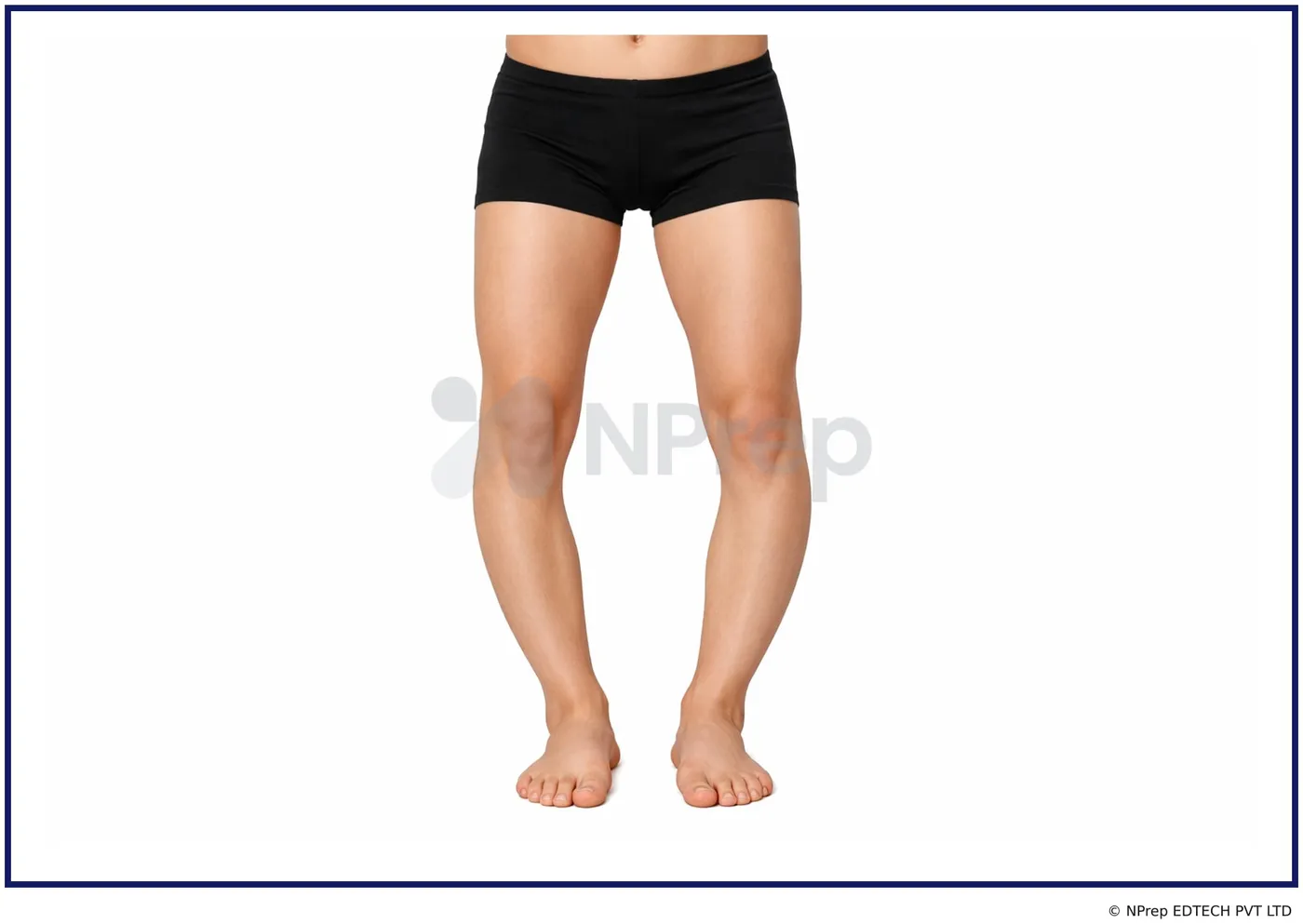
- A.
Vit K
- B.
Vit D
- C.
Vit A
- D.
Vit C
- A.
Q120 · Nursing Management & Leadership · Management Process
Which of the following is INCORRECT about SWOT analysis for decision making?
- A.
S is for strengths.
- B.
W is for weaknesses.
- C.
O is for opportunities
- D.
T is for time
- A.
Q121 · Medical & Surgical Nursing · Miscellaneous
Which among the following is one of the laboratory findings of dengue shock syndrome (DSS)?
- A.
Thrombocytopenia < 100000 cells/mm3
- B.
No evidence of plasma loss
- C.
Decreased Total Leucocyte Count
- D.
Rising haematocrit (5% - 10%)
- A.
Q122 · Pharmacology · Cardiovascular Drugs
Which parameter should be closely monitored when administering Digoxin?
- A.
Blood sugar levels
- B.
Potassium levels and Apical pulse rate
- C.
Liver function tests
- D.
Hemoglobin levels
- A.
Q123 · Applied Physiology · Nervous System
Pupillary reflex is elicited by the function of which cranial nerve?
- A.
Oculomotor
- B.
Optic
- C.
Ophthalmic
- D.
Olfactory
- A.
Q124 · Medical & Surgical Nursing · Cardiovascular, Circulatory, and Hematologic Function
Identify the following ECG graph in the image.
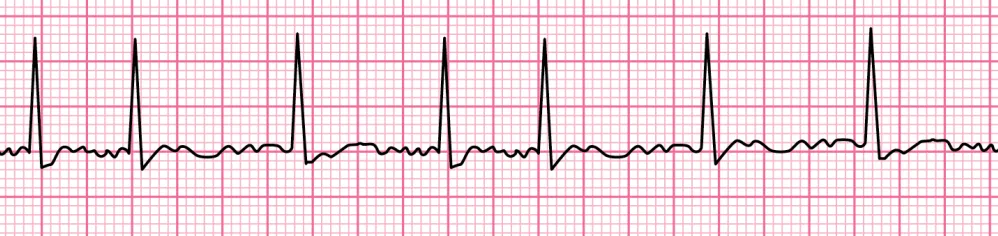
- A.
Supraventricular tachycardia
- B.
Sinus tachycardia
- C.
Ventricular tachycardia
- D.
Atrial fibrillation
- A.
Q125 · Child Health Nursing (Pediatrics) · Development
After a tonsillectomy, a child begins to vomit bright red blood. Which initial action would the nurse take?
- A.
Turn the child to the side.
- B.
Administer the prescribed antiemetic.
- C.
Maintain NPO (nothing by mouth) status.
- D.
Notify the primary health care provider (PHCP).
- A.
- Sign in free
Done 125 questions? Check your answers
Sign in free: every answer with its explanation, attempt the paper timed with negative marking, and track your score.
Q126 · Medical & Surgical Nursing · Gas Exchange and Respiratory Function
A patient in the emergency department has an endotracheal tube in place and is on the ventilator. His relative comes running to you telling you that the patient has pulled the tube out of his mouth. What would be your next step?
- A.
Apply face mask with high flow oxygen
- B.
Sit the patient up and consider chest physiotherapy to get the secretions out
- C.
Reinsert the tube immediately under sedation
- D.
Pull the tube out completely, bag and mask the patient and assess spontaneous breathing efforts
- A.
Q127 · Child Health Nursing (Pediatrics) · Development
A toddler consistently refuses requests from their mother and pushes toys away after playing, often saying "No!". This is primarily an example of:
- A.
Temper tantrum
- B.
Separation anxiety
- C.
Negativism
- D.
Ritualism
- A.
Q128 · Nursing Foundations · History of Nursing & Nursing as a profession
The ethical principle that obligates a nurse to act for the benefit of others and to "do good" is known as:?
- A.
Justice
- B.
Autonomy
- C.
Non-maleficence
- D.
Beneficence
- A.
Q129 · Obstetrics & Gynaecology · Fetus
The fetal kidneys start producing urine at:
- A.
8 weeks
- B.
10 weeks
- C.
12 weeks
- D.
14 weeks
- A.
Q130 · Child Health Nursing (Pediatrics) · Newborn Infants
Identify the condition in the following image.
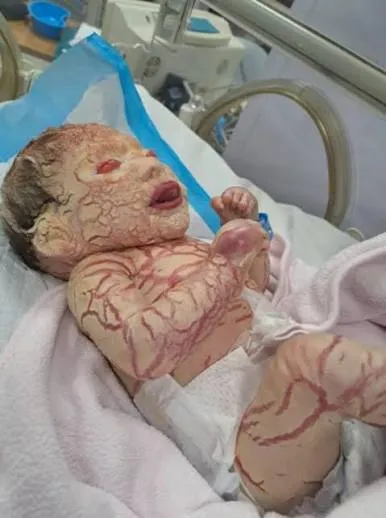
- A.
Thalidomide exposure baby
- B.
Harlequin Changes
- C.
Fixed drug eruption
- D.
Erythema Toxicum Neonatorum
- A.
Q131 · Pharmacology · Drugs Acting on Central Nervous System
A psychiatric patient with schizophrenia is taking the antipsychotic drug clozapine. Which of the following is a serious potential side effect of Clozapine treatment?
- A.
Increased appetite
- B.
Agranulocytosis
- C.
Enhanced memory
- D.
Mild drowsiness
- A.
Q132 · Pharmacology · Miscellaneous
A single dose of DMPA injectable contraceptive is effective for up to how many days?
- A.
39 days
- B.
90 days
- C.
60 days
- D.
15 days
- A.
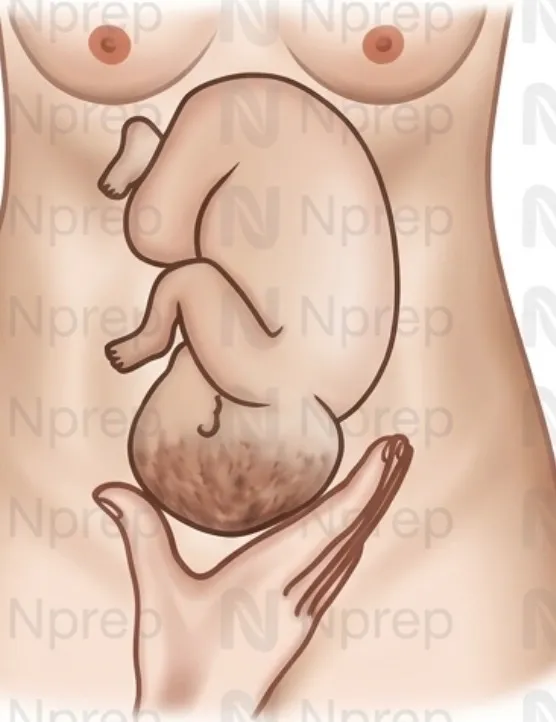
Q133 · Obstetrics & Gynaecology · Fetus-in-Utero
Identify the obstetric maneuver shown in the image ?
- A.
Fundal grip
- B.
Pawlik's grip
- C.
Pelvic grip
- D.
Lateral grip
- A.
Q134 · Community Health Nursing · Epidemiology of Chronic Non-Communicable Diseases & Conditions
Which noncommunicable disease (NCD) is responsible for the highest number of deaths in India, according to the WHO?
- A.
Chronic respiratory diseases
- B.
Cardiovascular diseases
- C.
Diabetes
- D.
Cancer
- A.
Q135 · Medical & Surgical Nursing · Gas Exchange and Respiratory Function
An unconscious patient has a Glasgow Coma Scale (GCS) score of 4. Which type of artificial airway is most appropriate for airway management in this case?
- A.
Oropharyngeal airway
- B.
Nasopharyngeal airway
- C.
Laryngeal Mask Airway (LMA)
- D.
Endotracheal intubation
- A.
Q136 · Nursing Education · Miscellaneous
Which theory is most commonly used to guide effective communication and behavior change in health education?
- A.
Betty Neuman's Systems Model
- B.
Health Belief Model
- C.
Orem's Self-Care Theory
- D.
Roy's Adaptation Model
- A.
Q137 · Pathology & Genetics · Systemic Pathology
A delayed hypersensitivity reaction is primarily mediated by which component of the immune system?
- A.
IgE antibodies
- B.
Circulating serum antibodies
- C.
Mast cells and basophils
- D.
Sensitized T-lymphocytes
- A.
Q138 · Pharmacology · Drugs Acting on Central Nervous System
A psychiatric patient with bipolar mood disorder has been taking lithium carbonate for a long time. Which of the following blood parameters should be regularly monitored, EXCEPT?
- A.
Kidney function tests
- B.
Thyroid function tests
- C.
Electrolyte levels
- D.
Liver function test
- A.
Q139 · Obstetrics & Gynaecology · Preterm Labor, Preterm Rupture of the Membranes, Postmaturity, Intrauterine Fetal Death
Which of the following signs of intrauterine death (IUD) is an exception?
- A.
Maceration
- B.
Robert's sign
- C.
Stallworthy's sign
- D.
Spalding's sign
- A.
Q140 · Medical & Surgical Nursing · Perioperative Concepts and Nursing Management
On physical examination, the nurse notes that there is separation of layers of a surgical wound. She records it as?
- A.
Evisceration
- B.
Herniation
- C.
Prolapsed
- D.
Dehiscence
- A.
Q141 · Medical & Surgical Nursing · Shock and Multisystem Failure
Patient arrived at emergency after road accident, pulse rate is 127, blood pressure is 90/56 with cold extremities, which type of shock may occurs?
- A.
Neurogenic shock
- B.
Hypovolemic
- C.
Spinal shock
- D.
Cardiogenic shock
- A.
Q142 · Child Health Nursing (Pediatrics) · Newborn Infants
After surfactant administration in a preterm baby, which of the following outcomes is expected?
- A.
Increase FHR pattern
- B.
Decrease breathing efforts
- C.
Increase breathing efforts
- D.
Increase need of oxygen
- A.
Q143 · Mental Health Nursing · Community Mental Health Nursing
An ASHA worker is conducting a home visit in a community setting to assess a family member for depression. Which depression screening tool is most appropriate to use in this setting?
- A.
PHQ-9
- B.
Hamilton Depression Rating Scale
- C.
Beck Depression Inventory (BDI)
- D.
Montgomery-Asberg Depression Rating Scale (MADRS)
- A.
Q144 · Medical & Surgical Nursing · Perioperative Concepts and Nursing Management
When should prophylactic antibiotics be administered before a surgical procedure?
- A.
Within 30 minutes before shifting to OT
- B.
Within 60 minutes before the surgical incision (120 minutes for vancomycin or fluoroquinolones)
- C.
Within 120 minutes before shifting to OT
- D.
Within 60 minutes before leaving for OT
- A.
Q145 · Applied Nutrition & Dietetics · Nutritional Assessment and Nutrition Education
Which anthropometric index measures low weight-for-height?
- A.
Wasting
- B.
Stunting
- C.
Underweight
- D.
Head circumference-for-age
- A.
Q146 · Medical & Surgical Nursing · Perioperative Concepts and Nursing Management
In a patient a cotton swab left inside the abdominal cavity after surgery. It is termed as?
- A.
Textiloma
- B.
Gauzema
- C.
Gossypiboma
- D.
All of the above
- A.
Q147 · Community Health Nursing · Arthropod-borne infections
Which of the following is a commonly used biological method for mosquito control?
- A.
Gambusia fish
- B.
Frog
- C.
Mosquito larva
- D.
DDT
- A.
Q148 · Child Health Nursing (Pediatrics) · Newborn Infants
A newborn fails to pass meconium within the first 24 to 48 hours after birth. On rectal examination, the infant passes stool and flatus. This clinical presentation should raise suspicion of which congenital condition?
- A.
Intussusception
- B.
Hirschsprung's disease
- C.
Pyloric stenosis
- D.
Meconium ileus
- A.
Q149 · Obstetrics & Gynaecology · Antepartum Hemorrhage
Which condition is most commonly associated with painless vaginal bleeding during pregnancy?
- A.
Abruptio placenta
- B.
Placenta previa
- C.
Preterm labor
- D.
Hydatidiform mole
- A.
Q150 · Medical & Surgical Nursing · Immunologic Function
According to the revised Jones criteria for the diagnosis of Rheumatic Heart Disease, which of the following is classified as a minor criterion?
- A.
Carditis
- B.
Chorea (Sydenham's chorea)
- C.
Arthralgia (joint pain without swelling)
- D.
Polyarthritis (migratory joint inflammation)
- A.
- Sign in free
Done 150 questions? Check your answers
Sign in free: every answer with its explanation, attempt the paper timed with negative marking, and track your score.
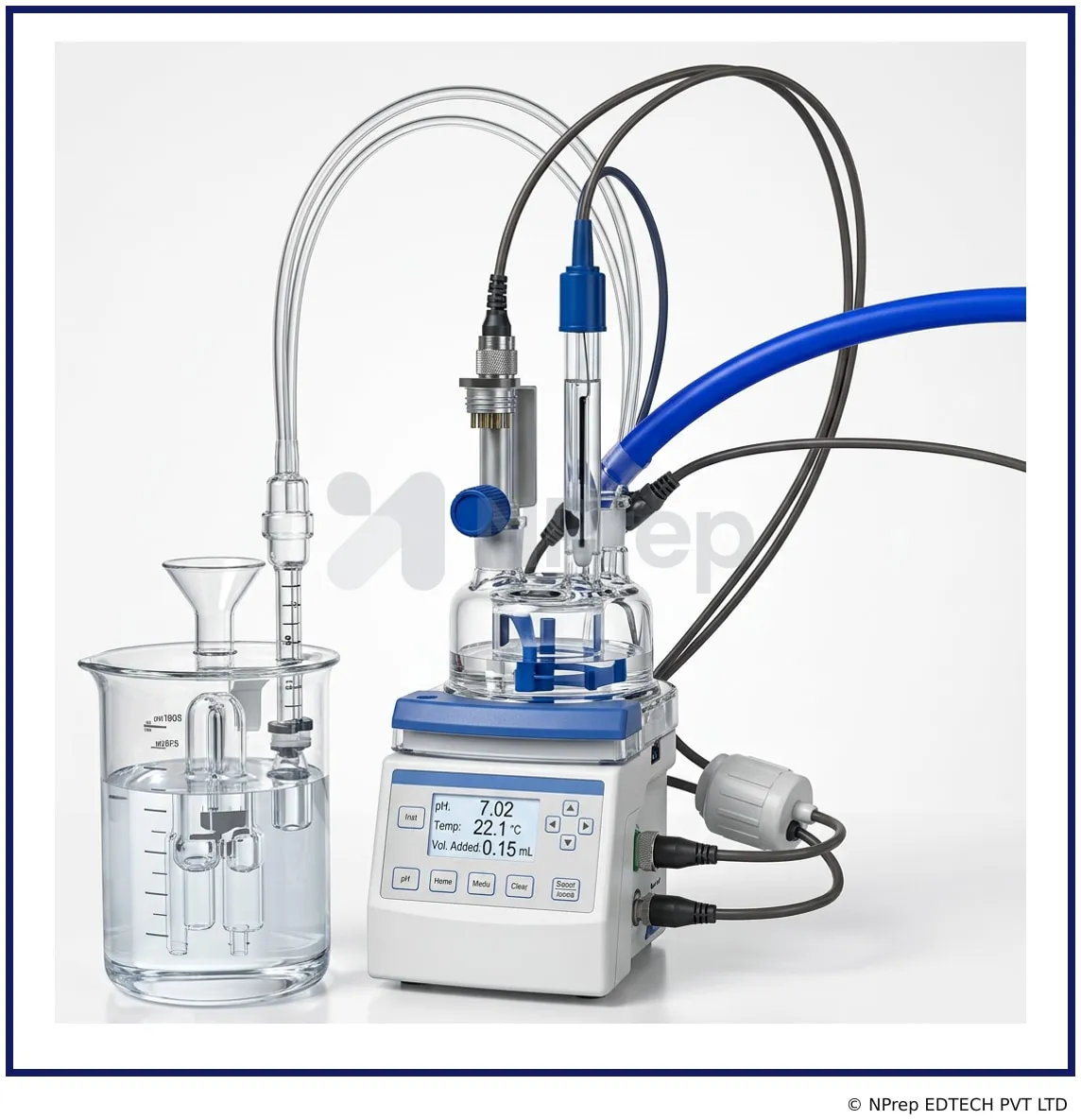
Q151 · Child Health Nursing (Pediatrics) · Miscellaneous
Identify the device shown in the image.
- A.
Bubble CPAP
- B.
HFNA Mask
- C.
Humidifier
- D.
Nebulizer
- A.
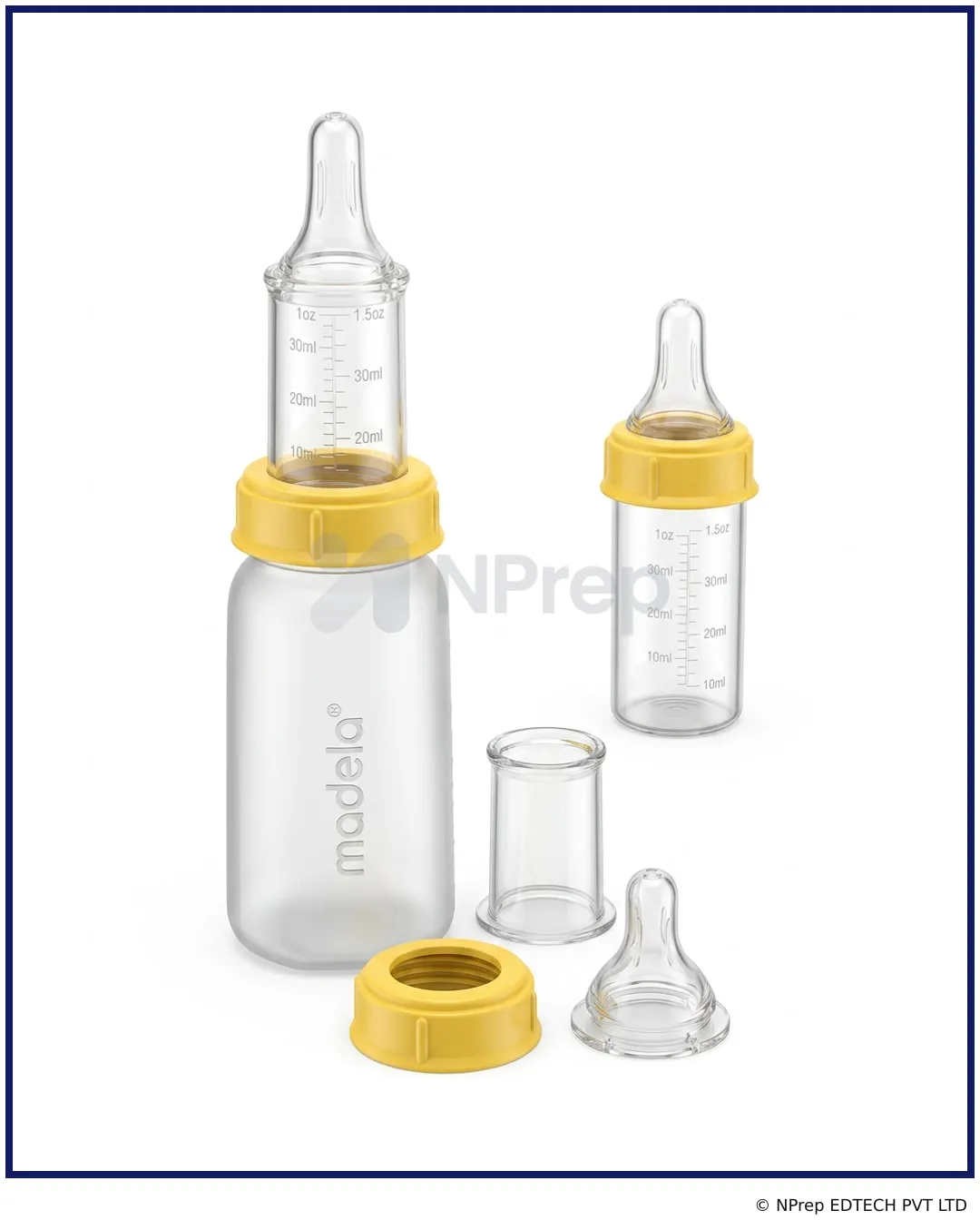
Q152 · Child Health Nursing (Pediatrics) · Newborn Infants
Identify the feeding device used for infants with cleft lip and palate shown in the images.
- A.
Haberman feeder
- B.
NUK nipple
- C.
Pidgeon bottle
- D.
Miracle nipple syringe
- A.
Q153 · Obstetrics & Gynaecology · Population Dynamics and Control of Conception
Which contraceptive method is recommended for additional protection during lactation?
- A.
Combined oral contraceptive pills
- B.
Progestin only pills
- C.
Estrogen only pills
- D.
Barrier methods
- A.
Q154 · Applied Microbiology & Infection control · Immunity
A child who recovers from chickenpox develops which type of immunity against the same disease?
- A.
Natural active immunity
- B.
Artificial active immunity
- C.
Natural passive immunity
- D.
Artificial passive immunity
- A.
Q155 · Medical & Surgical Nursing · Fluid and Electrolytes: Balance and Distribution
In a conscious and stable patient, what instructions should be given while removing the central venous catheter to minimize complications?
- A.
Take a deep breath and hold it (Valsalva maneuver)
- B.
Place the patient in the Trendelenburg position before catheter removal
- C.
Exhale forcefully during catheter removal
- D.
Drink water while the catheter is being removed
- A.
Q156 · Medical & Surgical Nursing · Cardiovascular, Circulatory, and Hematologic Function
Storage temperature of fresh frozen plasma (FFP)?
- A.
-30°C
- B.
-15°C
- C.
+15°C
- D.
+30°C
- A.
Q157 · Pathology & Genetics · Genetics
What is Marfan syndrome?
- A.
X-linked recessive condition
- B.
X-linked dominant condition
- C.
Autosomal recessive condition
- D.
Autosomal dominant condition
- A.
Q158 · Child Health Nursing (Pediatrics) · Infections and Infestations
A 32-year-old G5 delivers a stillborn fetus at 34 weeks. The placenta is noted to be much larger than normal. The fetus appeared hydropic and had petechiae over much of the skin. What is the most likely causative agent?
- A.
Parvovirus
- B.
Treponema pallidum (syphilis)
- C.
Herpes simplex virus
- D.
Rubella
- A.
Q159 · Child Health Nursing (Pediatrics) · Modern concepts of child- care
A weight-for-height z-score of -2.9 in a child indicates which condition?
- A.
Severe wasting
- B.
Moderate wasting
- C.
Stunting
- D.
Underweight
- A.
Q160 · Child Health Nursing (Pediatrics) · Newborn Infants
The nurse is caring for a 10-year-old on admission to the burn unit. One assessment parameter that will indicate that the child has adequate fluid replacement is
- A.
Urinary output of 30 ml per hour
- B.
No complaints of thirst
- C.
Increased hematocrit
- D.
Good skin turgor around burn
- A.
More NORCET papers
- NORCET-11 Mains2026 · 155 questions
- NORCET-11 Prelims2026 · 100 questions
- NORCET-10 Mains2026 · 160 questions
- NORCET-10 Prelims2026 · 100 questions
- NORCET-9 Prelims2025 · 100 questions
- NORCET-9 Mains2025 · 160 questions
- NORCET-8 Prelims2025 · 100 questions
- NORCET-7 Prelims2024 · 100 questions
- NORCET-7 Mains2024 · 160 questions
- NORCET-6 Prelims2024 · 100 questions
- NORCET-6 Mains2024 · 100 questions
- NORCET-5 Prelims (Shift 1)2023 · 100 questions