NORCET-6 Mains question paper
NORCET · 2024 · 100 questions · 90 minutes · 0.33 mark deducted per wrong answer
- Medical & Surgical Nursing 36
- Pharmacology 13
- Mental Health Nursing 9
- Child Health Nursing (Pediatrics) 9
- Nursing Foundations 8
- Obstetrics & Gynaecology 6
- Applied Microbiology & Infection control 4
- Community Health Nursing 2
- Applied Physiology 2
- Forensic Nursing & Indian laws 2
- Applied Nutrition & Dietetics 2
- Pathology & Genetics 2
- Nursing Research & Statistics 1
- Applied Anatomy 1
- Applied Psychology 1
- Biochemistry & Nutrition 1
- Nursing Education 1
See the answers and explanations
Sign in free: every answer with its explanation, attempt the paper timed with negative marking, and track your score.
Q1 · Medical & Surgical Nursing · Gas Exchange and Respiratory Function
A nurse knows that which syringe is used for ABG sampling?
- A.
Heparinised syringe
- B.
Tuberculin syringe
- C.
Acepto syringe
- D.
All of the above
- A.
Q2 · Pharmacology · Antimicrobial Drugs
The physician prescribes a medical regimen of isoniazid, rifampin, and vitamin B6 for a tuberculosis client. The nurse instructs the client that B6 is given because it:
- A.
Increases activity of isoniazid
- B.
Increases activity of rifampicin
- C.
Improves nutritional status
- D.
Reduces peripheral neuropathy
- A.
Q3 · Obstetrics & Gynaecology · Prenatal Genetic Counseling, Screening and Diagnosis
During a prenatal check-up at 16 weeks of gestation, a pregnant client's blood test shows elevated levels of maternal serum alpha-fetoprotein (MSAFP). This finding is most indicative of which potential fetal condition?
- A.
Down syndrome
- B.
Gestational diabetes
- C.
Preeclampsia
- D.
Neural tube defect
- A.
Q4 · Mental Health Nursing · Therapeutic Communication and Nurse- Patient Relationship
Therapeutic communication technique where directing ideas, feelings, questions content back to client so as to enable exploring their own ideas and feelings about situation?
- A.
Probing
- B.
Clarifying
- C.
Reflecting
- D.
Challenging
- A.
Q5 · Nursing Foundations · Elimination needs
Which position is provided to the patient for enema administration and rectal examination?
- A.
Sims' position
- B.
Prone position
- C.
Supine position
- D.
Lithotomy position
- A.
Q6 · Mental Health Nursing · Mood disorders
A long-term goal for the nurse in planning care for a depressed, suicidal client would be to:
- A.
Provide him with a safe and structured environment.
- B.
Assist him to develop more effective coping mechanisms.
- C.
Have him sign a “no-suicide” contract.
- D.
Isolate him from stressful situations that may precipitate a depressive episode.
- A.
Q7 · Medical & Surgical Nursing · Other Acute Problems
A patient arrives at an Emergency OPD with active bleeding from the nose. Which of the following actions would the nurse perform to prevent further bleeding?
- A.
Encourage the patient to sneeze
- B.
Raise the head end of the patient
- C.
Instruct the patient to blow nose
- D.
Advise the patient to pinch the soft part of the nose
- A.
Q8 · Mental Health Nursing · Schizophrenia
A schizophrenic patient is telling the nursing officer that while he is watching TV, someone is giving secret messages to him. The Nursing Officer best knows that the patient is suffering from?
- A.
Delusion of reference
- B.
Delusion of grandiosity
- C.
Hallucination
- D.
Illusion
- A.
Q9 · Nursing Research & Statistics · Tools and Methods of Data Collection
A method in which several round of question are given to a panel of experts is called?
- A.
meta analysis
- B.
Delphi technique
- C.
Q- sort methodology
- D.
Content analysis
- A.
Q10 · Medical & Surgical Nursing · Other Acute Problems
A confused elderly patient is brought to the emergency department from a long-term care facility. The patient is unable to provide a medical history. To gather essential information quickly, the nurse uses the AMPLE mnemonic. Which question best assesses the 'M' component?
- A.
"Has the patient eaten anything in the last few hours?"
- B.
"Is the patient allergic to any food or drugs?"
- C.
"What were the events that led to coming to the hospital?"
- D.
"Is the patient currently taking any prescribed or over-the-counter drugs?"
- A.
Q11 · Applied Anatomy · Reproductive System
Cooper's ligaments are located at?
- A.
Abdomen
- B.
Breast
- C.
Knee joint
- D.
Shoulder joint
- A.
Q12 · Pharmacology · Drugs Acting on Central Nervous System
Naltrexone is used in opioid addiction because?
- A.
Treat withdrawal symptoms
- B.
Treat overdose of opioids and prevent respiratory depression
- C.
Prevent relapse
- D.
Has addiction potential; used for detoxification of opioid
- A.
Q13 · Community Health Nursing · National Health Programs
Scheme for providing quality mother and child care with guarantee for services is safeguarded under the:
- A.
SUMAN
- B.
PMSMA
- C.
MLB
- D.
PM-MVY
- A.
Q14 · Medical & Surgical Nursing · Perioperative Concepts and Nursing Management
According to WHO Surgical checklist, starting of surgery in OT, which task should be done before skin incision?
- A.
Time In
- B.
Sign In
- C.
Time Out
- D.
Sign Out
- A.
Q15 · Medical & Surgical Nursing · Neurologic Function
Why is a stylet used in a lumbar puncture procedure?
- A.
To maintain the integrity of the needle
- B.
To prevent infection
- C.
To guide the needle
- D.
To measure cerebrospinal fluid pressure
- A.
Q16 · Medical & Surgical Nursing · Cardiovascular, Circulatory, and Hematologic Function
Which of the following is included in flat line ECG protocol, EXCEPT?
- A.
Continue CPR
- B.
Check leads
- C.
Increase gain/amplitude
- D.
Change lead
- A.
Q17 · Nursing Foundations · History of Nursing & Nursing as a profession
Which criteria of the Profession deals with nurses' independent functioning and being responsible and accountable for the care they provide?
- A.
Specialized education
- B.
Body of knowledge
- C.
Code of ethics
- D.
Autonomy
- A.
Q18 · Child Health Nursing (Pediatrics) · Newborn Infants
What mode should a radiant warmer be set to for pre-warming a preterm infant?
- A.
Manual mode
- B.
Servo mode
- C.
Automatic mode
- D.
Standby mode
- A.
Q19 · Medical & Surgical Nursing · Gas Exchange and Respiratory Function
A client is having a vertical partial laryngectomy, and the nurse is planning his postoperative care. A priority postoperative nursing diagnosis for a client having a vertical partial laryngectomy would be:
- A.
Activity intolerance
- B.
Ineffective airway clearance
- C.
High risk for infection
- D.
Altered oral mucous membrane
- A.
Q20 · Applied Microbiology & Infection control · Hospital-Acquired Infections
While changing the dressing on a client's central line, the nurse notices redness and warmth at the needle insertion site. Which of the following actions would be appropriate to implement based on this finding?
- A.
Discontinue the central line.
- B.
Begin a peripheral IV.
- C.
Document in the nurse's notes and notify the physician after redressing the site.
- D.
Clean the site well and redress.
- A.
Q21 · Medical & Surgical Nursing · Gas Exchange and Respiratory Function
Before performing an arterial blood gas (ABG) sampling from the radial artery, the Allen test is conducted to assess the patency of the ulnar artery. A positive test confirms adequate collateral circulation. Which of the following indicates a positive Allen test?
- A.
Patient complains of numbness and irritation
- B.
After releasing pressure, blood flow returns within 3-5 seconds
- C.
After releasing pressure, blood flow returns in 1-2 minutes
- D.
None of the above
- A.
Q22 · Medical & Surgical Nursing · Gas Exchange and Respiratory Function
what is the absolute contraindication for perforMing nasal tracheal intubation in a critically ill patient?
- A.
conscioius patient
- B.
fracture of base of skull
- C.
patient with limited mouth opening
- D.
intra oral mass
- A.
Q23 · Medical & Surgical Nursing · Musculoskeletal Function
A patient is brought to the emergency department after a high-impact motor vehicle accident. Upon assessment of the right lower extremity, the nurse observes significant swelling, deformity, and ecchymosis over the thigh. Which additional finding is most characteristic of a displaced femoral shaft fracture?
- A.
Lengthening of the affected limb
- B.
Shortening of the affected limb
- C.
Absence of pain with passive movement
- D.
Paresthesia in the foot without swelling
- A.
Q24 · Medical & Surgical Nursing · Fluid and Electrolytes: Balance and Distribution
A client returns to the cardiovascular intensive care unit following his coronary artery bypass graft. In planning his care, the most important electrolyte the nurse needs to monitor will be?
- A.
Chloride
- B.
HCO₃
- C.
Potassium
- D.
Sodium
- A.
Q25 · Mental Health Nursing · Psychiatric Emergencies
Identify the following disease condition in the image?
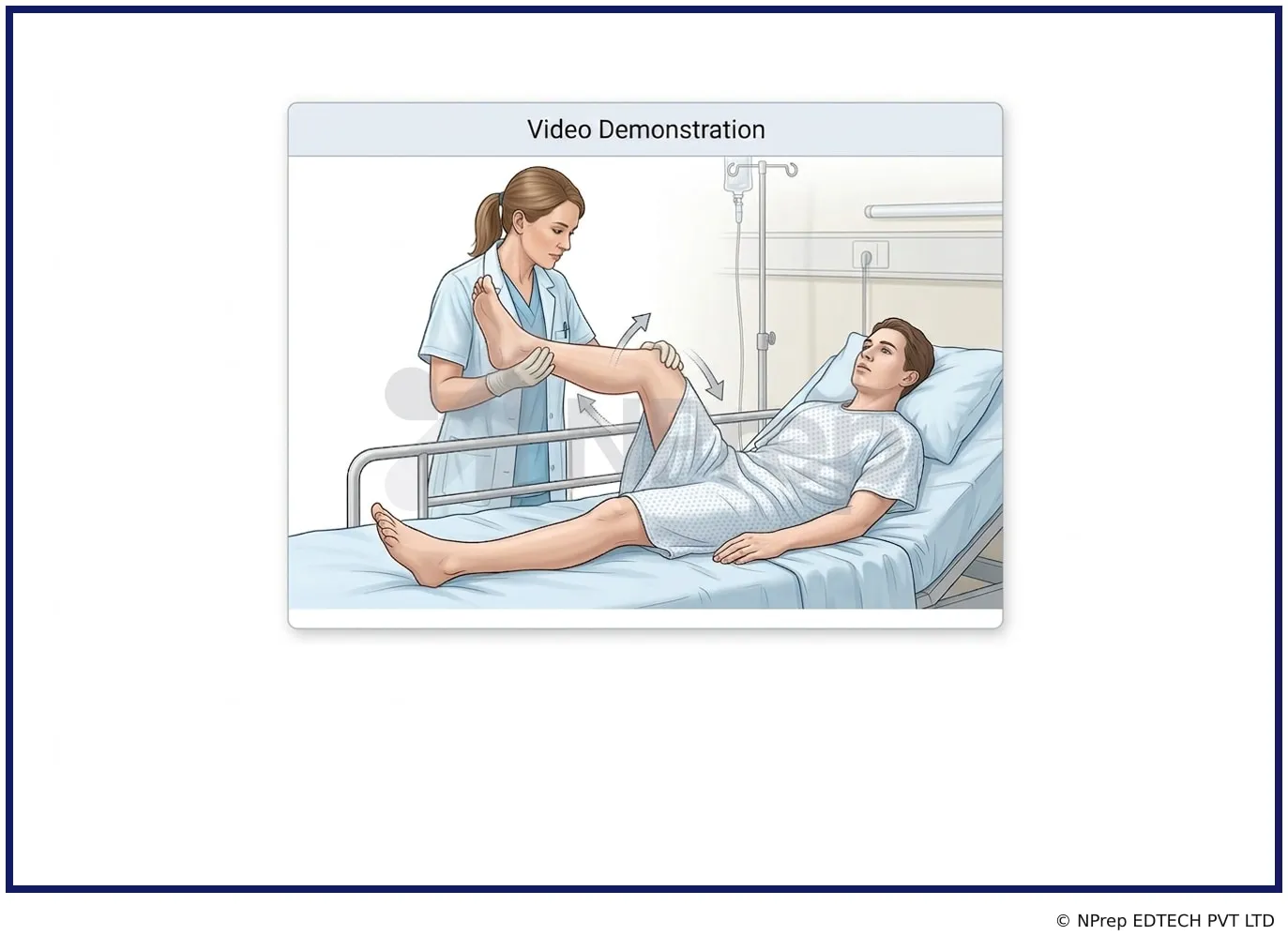
- A.
Withdrawal
- B.
Waxy flexibility
- C.
Circumstantiality
- D.
Cataplexy
- A.
- Sign in free
Done 25 questions? Check your answers
Sign in free: every answer with its explanation, attempt the paper timed with negative marking, and track your score.
Q26 · Medical & Surgical Nursing · Cardiovascular, Circulatory, and Hematologic Function
A nurse is performing cardiac compression on an adult client. How far must the nurse depress the lower sternum to maintain circulation until a defibrillator is available?
- A.
¾ to 1 inch
- B.
½ to ¾ inch
- C.
1 to 1½ inches
- D.
2 to 2½ inche
- A.
Q27 · Pharmacology · Miscellaneous
Which of the following vaccines should NEVER be frozen?
- A.
DTP, TT
- B.
OPV
- C.
MMR
- D.
Measles
- A.
Q28 · Child Health Nursing (Pediatrics) · Integrated Management of Neonatal and Childhood Illness
The amount of ORS (Oral Rehydration Solution) to be given after each stool for children less than 24 months is?
- A.
40 ml – 55 ml
- B.
As wanted
- C.
10 ml – 30 ml
- D.
50 ml – 100 ml
- A.
Q29 · Medical & Surgical Nursing · Neurologic Function
A 70-year-old female client is admitted to the medical intensive care unit with a diagnosis of cerebrovascular accident (CVA). She is semi-comatose, responding to pain and change in position. She is unable to speak or cough. In planning her nursing care for the first 24 hours following a CVA, which nursing diagnosis should receive the highest priority?
- A.
Altered cerebral tissue perfusion related to pathophysiological changes that decrease blood flow
- B.
Potential for injury related to impaired mobility and seizures
- C.
Impaired verbal communication related to aphasia
- D.
Ineffective airway clearance related to immobility, ineffective cough, and decreased level of consciousness
- A.
Q30 · Obstetrics & Gynaecology · Population Dynamics and Control of Conception
Which is an emergency contraceptive of choice?
- A.
Oestrogen
- B.
Progesterone only pills
- C.
Levonorgestrel
- D.
Condom
- A.
Q31 · Medical & Surgical Nursing · Urinary Tract Function
A patient has undergone a cutaneous urinary diversion procedure where the ureters are implanted into an isolated section of the terminal ileum, with one end brought to the abdominal wall to form a stoma. Which procedure does this describe?
- A.
Cutaneous ureterostomy
- B.
Ileal conduit
- C.
Vesicostomy
- D.
Nephrostomy
- A.
Q32 · Applied Microbiology & Infection control · Pathogenic Organisms
An acid - fast bacillus which is pathogenic?
- A.
Bacillus pertussis
- B.
corynebacterium diphtheriae
- C.
Salmonella typhi
- D.
mycobacterium leprae
- A.
Q33 · Child Health Nursing (Pediatrics) · Otolaryngology
Which restraint is typically used for a child immediately after cleft lip surgery?
- A.
Wrist restraints
- B.
Ankle restraints
- C.
Vest restraint
- D.
Elbow or mummy restraint
- A.
Q34 · Applied Physiology · General Physiology
Excessive vomiting will cause:?
- A.
Acidosis
- B.
Alkalosis
- C.
None of these
- D.
All of the above
- A.
Q35 · Pharmacology · Hormones & Related Drugs
A patient taking an oral bisphosphateonate, such as alendronate, for osteoporosis also requires a calcium supplement. What is the most important instruction for the nurse to provide regarding the administration of these two medications?
- A.
Discontinue the calcium supplement as it is contraindicated with bisphosphonates.
- B.
Take the calcium supplement at a different time of day, not with the bisphosphonate.
- C.
Take both medications with a large glass of milk to prevent stomach upset.
- D.
Take the calcium supplement and the bisphosphonate together to enhance absorption.
- A.
Q36 · Medical & Surgical Nursing · Urinary Tract Function
A patient with an uncomplicated lower UTI is prescribed a 3-day course of antibiotics. The patient reports feeling better after one day and asks if they can stop taking the medication. What is the nurse's best response?
- A.
Yes, you can stop once the symptoms have resolved to avoid side effects.
- B.
You must complete the entire prescribed course to fully eradicate the bacteria and prevent recurrence.
- C.
Continue for one more day and then you can stop if you still feel well.
- D.
Switch to taking the medication every other day until the pills are finished.
- A.
Q37 · Mental Health Nursing · Mood disorders
A manic patient is admitted to the psychiatry department. Which one is the best food option for the manic patient?
- A.
Finger food
- B.
Solid food
- C.
Liquid food
- D.
Spicy food
- A.
Q38 · Obstetrics & Gynaecology · Placenta and Fetal Membranes
A mother delivered a male baby and following delivery, the placenta is coming out from the vagina with a shiny surface of the placenta, which indicates?
- A.
Duncan, maternal surface
- B.
Schultz, fetal surface
- C.
Duncan, fetal surface
- D.
Schultz, maternal surface
- A.
Q39 · Forensic Nursing & Indian laws · Forensic Nursing
A nurse gives a medication using an incorrect technique, and the patient develops an injury as a result. Which legal term best describes this situation?
- A.
Assault
- B.
battery
- C.
Malpractice
- D.
False imprisonment
- A.
Q40 · Pharmacology · Autacoids & Related Drugs
A patient complaining of headache with sensitivity to light, heat, and sound. Which drug is to be given?
- A.
Sumatriptan
- B.
Paracetamol
- C.
Atropine
- D.
Domperidone
- A.
Q41 · Medical & Surgical Nursing · Perioperative Concepts and Nursing Management
A client has consented to have a central venous catheter placed. The best position in which to place the client is the Trendelenburg position. The reason is that the Trendelenburg position:
- A.
Reduces the possibility of air embolism
- B.
Allows the physician to visualize the subclavian vein
- C.
Reduces the possibility of hematoma formation
- D.
Makes the procedure more comfortable for the client
- A.
Q42 · Pharmacology · Antimicrobial Drugs
Which of the following anticoagulant should not be given during pregnancy?
- A.
Warfarin
- B.
Heparin
- C.
LMWH
- D.
All of the above
- A.
Q43 · Medical & Surgical Nursing · Gas Exchange and Respiratory Function
A patient with COPD requires controlled oxygen therapy. The nurse selects a Venturi mask. Which color-coded adapter delivers approximately 24% oxygen?
- A.
Blue
- B.
White
- C.
Yellow
- D.
Green
- A.
Q44 · Mental Health Nursing · Personality and Sexual Disorders
Practice of gaining sexual pleasure from watching others when they are naked or engaged in sexual activity.
- A.
Fetishism
- B.
Transvestism
- C.
Sexual sadism
- D.
Voyeurism
- A.
Q45 · Medical & Surgical Nursing · Pain Management
A patient with a history of a spinal cord injury reports a persistent burning pain below the level of the injury. How should the nurse classify this type of pain?
- A.
Nociceptive somatic pain
- B.
Nociceptive visceral pain
- C.
Neuropathic centrally generated pain
- D.
Neuropathic peripherally generated pain
- A.
Q46 · Medical & Surgical Nursing · Cardiovascular, Circulatory, and Hematologic Function
Which of the following is a first-line treatment for ventricular fibrillation?
- A.
Assess vital signs and act accordingly
- B.
Start oxygen
- C.
Perform CPR and initiate defibrillation
- D.
Initiate cardioversion
- A.
Q47 · Applied Microbiology & Infection control · Disinfection and Sterilization
Which of the following is the causative agent of lymphatic filariasis?
- A.
Plasmodium
- B.
Wuchereria bancrofti
- C.
Trichomonas
- D.
Entamoeba histolytica
- A.
Q48 · Applied Microbiology & Infection control · General Characteristics of Microbes
Schick test is used in confirming the diagnosis of?
- A.
Tuberculosis
- B.
Diphtheria
- C.
Syphilis
- D.
Scarlet fever
- A.
Q49 · Applied Nutrition & Dietetics · Therapeutic Diet
A patient who is admitted in ICU and receiving TPN therapy. The on-duty nursing officer best knows that Intralipids can be administered by which of the following route?
- A.
Central line
- B.
Gastrostomy tube
- C.
Peripheral line
- D.
Feeding tube
- A.
Q50 · Medical & Surgical Nursing · Immunologic Function
Felty's syndrome is a complication of?
- A.
Osteoarthritis
- B.
Rheumatoid arthritis
- C.
SLE
- D.
Osteochondritis
- A.
- Sign in free
Done 50 questions? Check your answers
Sign in free: every answer with its explanation, attempt the paper timed with negative marking, and track your score.
Q51 · Medical & Surgical Nursing · Cardiovascular, Circulatory, and Hematologic Function
Which of the following medicine should be administered using the double syringe technique?
- A.
Epinephrine
- B.
Amiodarone
- C.
Adenosine
- D.
Valproic acid
- A.
Q52 · Mental Health Nursing · Mood disorders
Indirect speech that is delayed in reaching the point but eventually gets from the original point to desired goal?
- A.
Flight of ideas
- B.
Tangentiality
- C.
Loosening of association
- D.
Circumstantiality
- A.
Q53 · Pharmacology · General Pharmacology
The nurse must ensure safe administration to prevent complications such as cardiac arrhythmias or tissue necrosis. Which of the following statements is correct regarding potassium chloride injection?
- A.
Should be administered by IV bolus
- B.
Should be dissolved in 0.9% Normal Saline (NS) and given via infusion pump
- C.
Should be administered by intramuscular (IM) route
- D.
Should be dissolved in dextrose solution
- A.
Q54 · Medical & Surgical Nursing · Cardiovascular, Circulatory, and Hematologic Function
During CPR in a pregnant mother, if the uterus is palpable, what should the nurse keep in mind regarding chest compressions?
- A.
Increase the depth of chest compressions
- B.
Decrease the depth of chest compressions
- C.
Shift the uterus to the left
- D.
No changes in chest compression
- A.
Q55 · Medical & Surgical Nursing · Cardiovascular, Circulatory, and Hematologic Function
What is a key action during the head tilt, chin lift maneuver?
- A.
Elevate the head with one hand
- B.
Elevate the chin with one hand
- C.
Compress the chest
- D.
Check for pulse
- A.
Q56 · Mental Health Nursing · Neurotic, stress related and somatisation disorders
The situation in which individual have excessive worry or belief that they are suffering form a physical illness despite lack of medical evidence is known as:
- A.
Somatoform disorders
- B.
phobic disorder
- C.
Dissociative disorder
- D.
pain disorder
- A.
Q57 · Forensic Nursing & Indian laws · Dummy
False written report with an intention of harming the reputation of one person is known as?
- A.
Slander
- B.
Libel
- C.
Battery
- D.
Assault
- A.
Q58 · Medical & Surgical Nursing · Gas Exchange and Respiratory Function
In mechanical ventilation, if a low-pressure alarm sounds, what is the priority nursing action?
- A.
Check the ventilator settings
- B.
Manually ventilate the patient with an AMBU bag
- C.
Administer a sedative
- D.
Increase the oxygen flow rate
- A.
Q59 · Medical & Surgical Nursing · Cardiovascular, Circulatory, and Hematologic Function
During a blood transfusion, which IV fluid can be administered concurrently?
- A.
Dextrose 5% in water
- B.
Lactated Ringer's solution
- C.
Only Normal Saline 0.9%
- D.
Dextrose 5% in Normal Saline
- A.
Q60 · Applied Psychology · Personality
As per the psychosocial development theory of Erikson, identity and role confusion are associated with?
- A.
Infancy
- B.
Toddler
- C.
Preschooler
- D.
Adolescents
- A.
Q61 · Nursing Foundations · Administration of medications
Which of the following option is correct about calcium gluconate injection, EXCEPT?
- A.
Rapid IV bolus
- B.
Diluted
- C.
Slow
- D.
Over 1 hour
- A.
Q62 · Biochemistry & Nutrition · Proteins
Phenylketonuria is detected by which urine test
- A.
Guthrie test14
- B.
Sodium nitroprusside test
- C.
Blot test
- D.
Ferric chloride test
- A.
Q63 · Child Health Nursing (Pediatrics) · Normal Growth and its Disorders
The expected weight of a child at the age of 8 years is?
- A.
20.5
- B.
25.5
- C.
30.5
- D.
35.5
- A.
Q64 · Nursing Foundations · History of Nursing & Nursing as a profession
A nurse from a medical-surgical unit is asked to 'float' to the emergency department (ED), an area where they have not worked for over five years. The nurse feels unprepared to handle the high-acuity patients in the ED. What is the nurse's primary legal and ethical responsibility?
- A.
Accept the assignment without question to be a team player and avoid conflict.
- B.
Refuse the assignment outright and return to their home unit.
- C.
Inform the ED supervisor of their specific limitations and request an orientation and a suitable patient assignment.
- D.
Call the nursing union representative to report an unsafe work assignment.
- A.
Q65 · Nursing Foundations · Nursing Care & Specific Procedures
Identify the following device?
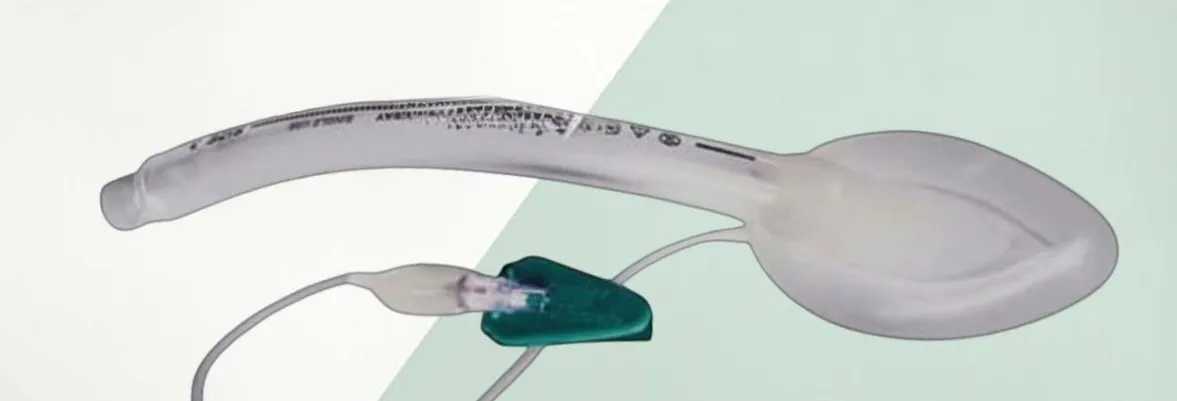
- A.
LMA airway
- B.
NPA airway
- C.
Supra-glottic airway
- D.
Infra-glottic airway
- A.
Q66 · Child Health Nursing (Pediatrics) · Fluid and Electrolyte Disturbances
A baby who was diagnosed with pyloric stenosis has continued to have projectile vomiting. With prolonged vomiting, the baby is prone to?
- A.
Respiratory acidosis
- B.
Respiratory alkalosis
- C.
Metabolic acidosis
- D.
Metabolic alkalosis
- A.
Q67 · Pharmacology · Cardiovascular Drugs
What is the most serious adverse effect of MAOIs?
- A.
Sedation
- B.
Dry mouth
- C.
Hypertensive crisis
- D.
Orthostatic hypotension
- A.
Q68 · Pharmacology · Hormones & Related Drugs
Tamoxifen is ?
- A.
Estrogen agonist
- B.
Progesterone agonist
- C.
Estrogen antagonist
- D.
Progesterone antagonist
- A.
Q69 · Community Health Nursing · Epidemiology – Epidemiological Approaches and Processes
A cervical cancer screening was conducted in a rural community among 1000 adult population. During the survey it was found that 8 women already diagnosed with cancer of cervix and 12 new cases of cancer of cervix identified. Estimate the prevalence of cancer of cervix in the community.
- A.
2%
- B.
3.57%
- C.
2.14%
- D.
1.45%
- A.
Q70 · Obstetrics & Gynaecology · Normal Labor
Which of the following is a non-pharmacological management technique for labor pain?
- A.
Administering epidural anesthesia
- B.
Encouraging deep breathing
- C.
Providing opioid analgesics
- D.
Performing a nerve block
- A.
Q71 · Pathology & Genetics · Genetics
What is the confirmatory diagnostic test for cystic fibrosis?
- A.
Blood test
- B.
Genetic testing
- C.
Sweat chloride test
- D.
Chest X-ray
- A.
Q72 · Applied Nutrition & Dietetics · Cookery Rules and Preservation of Nutrients
Epidemic dropsy is due to ?
- A.
Ergot
- B.
BOAA
- C.
Aflatoxin
- D.
Sanguninarine
- A.
Q73 · Pharmacology · General Pharmacology
Which of the following drug administration route is most preferable for the following drug?
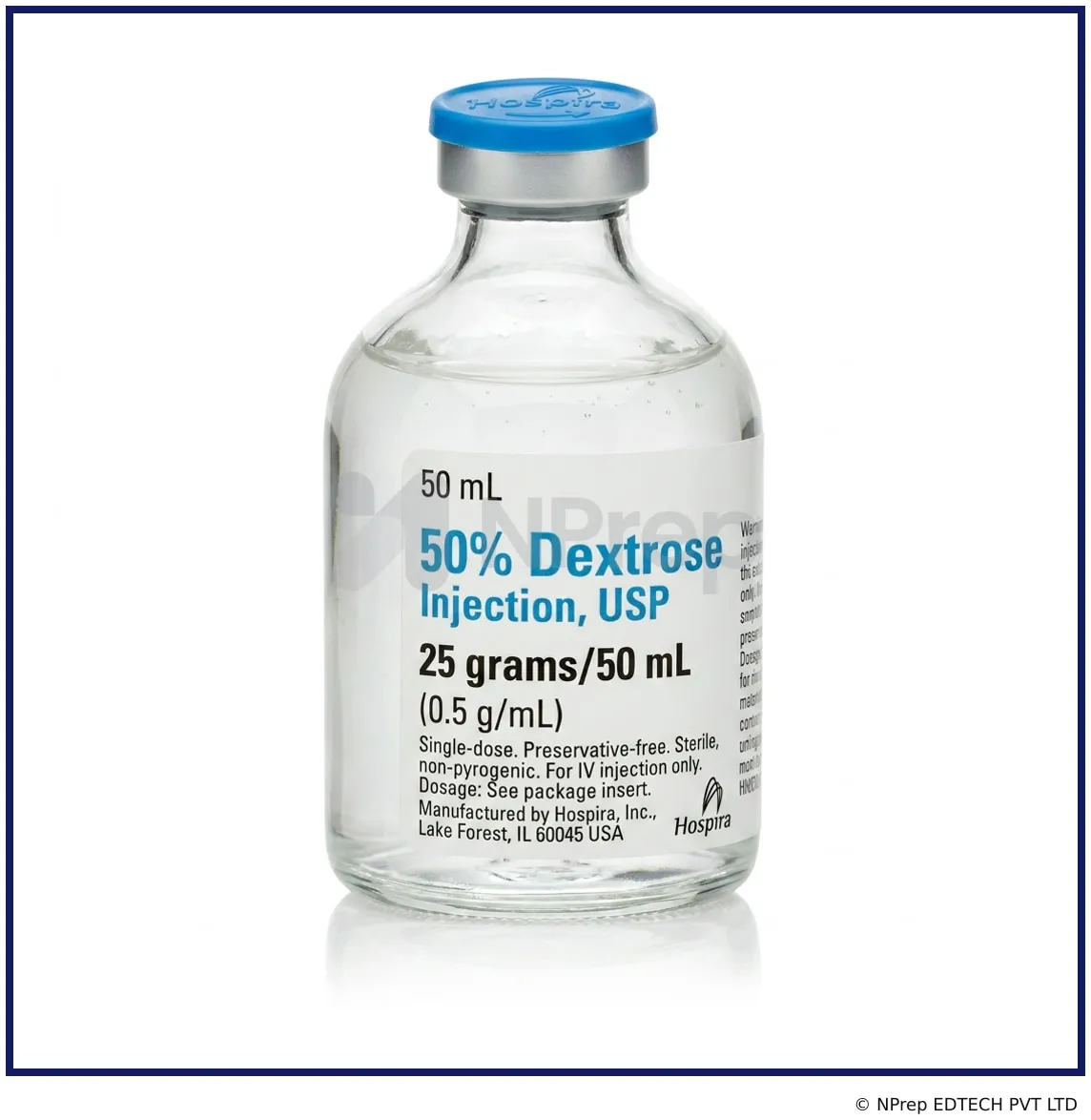
- A.
Intramuscular
- B.
Subcutaneous
- C.
Central line
- D.
Peripheral IV line
- A.
Q74 · Medical & Surgical Nursing · Cardiovascular, Circulatory, and Hematologic Function
How often should a blood transfusion set be changed when used for blood and fat emulsion administration?
- A.
After each unit or 4 hours
- B.
Every 8 hours
- C.
Once daily
- D.
After every two units
- A.
Q75 · Pharmacology · Miscellaneous
Therapeutic maintenance lithium dose is?
- A.
900-1200 mg
- B.
1200-1800 mg
- C.
1800-2000 mg
- D.
2000 mg
- A.
- Sign in free
Done 75 questions? Check your answers
Sign in free: every answer with its explanation, attempt the paper timed with negative marking, and track your score.
Q76 · Medical & Surgical Nursing · Pain Management
The surgical intervention for pain management that involves cutting a nerve root to relieve pain is called?
- A.
Rhizotomy
- B.
Cryoanalgesia
- C.
Radio frequency ablation
- D.
Cordotomy
- A.
Q77 · Medical & Surgical Nursing · Digestive and Gastrointestinal Function
Which is the most reliable and accurate method to confirm the position of a nasogastric tube in patients?
- A.
Auscultation
- B.
Aspiration of contents from tube
- C.
Measuring the pH of aspirated contents
- D.
X-ray examination of the tube
- A.
Q78 · Medical & Surgical Nursing · Cardiovascular, Circulatory, and Hematologic Function
Why is heparin used in an ABG test syringe?
- A.
To prevent the blood from clotting
- B.
To sterilize the syringe
- C.
To dilute the blood sample
- D.
To numb the insertion site
- A.
Q79 · Medical & Surgical Nursing · Digestive and Gastrointestinal Function
To perform colostomy irrigation, the catheter should be inserted into the stoma up to?
- A.
10 cm
- B.
5 cm
- C.
15 cm
- D.
20 cm
- A.
Q80 · Applied Physiology · Circulatory & Lymphatic system
Duration of QRS complex?
- A.
0.06 seconds
- B.
0.04 seconds
- C.
0.10 seconds
- D.
0.20 seconds
- A.
Q81 · Pharmacology · Miscellaneous
Why should nicotine be stored in a safe place?
- A.
To prevent from theft and misuse
- B.
To maintain its potency
- C.
To avoid exposure to light
- D.
To prevent accidental spillage
- A.
Q82 · Medical & Surgical Nursing · Fluid and Electrolytes: Balance and Distribution
A patient develops hypovolemia after severe vomiting and diarrhea. Which type of IV fluid is most appropriate for initial fluid replacement?
- A.
Hypotonic fluid
- B.
Hypertonic fluid
- C.
Isotonic fluid
- D.
Free water
- A.
Q83 · Nursing Foundations · Comfort, Rest & Sleep & Pain
Which position should be provided to the patient to prevent respiratory distress?
- A.
Head end of the bed elevated at 90 degree
- B.
Head end of the bed elevated at 30 degree
- C.
Foot end of the bed elevated at 90 degree
- D.
Head end of the bed elevated at 45 degree
- A.
Q84 · Mental Health Nursing · Mood disorders
The Condition in which inability to experience pleasure from pleasurable situation?
- A.
Exaltation
- B.
Anhedonia
- C.
Dementia
- D.
Delusion
- A.
Q85 · Medical & Surgical Nursing · Cardiovascular, Circulatory, and Hematologic Function
Identify the correct statement about usages of resuscitation bag (AMBU)?
- A.
Without oxygen
- B.
With oxygen
- C.
None of the above
- D.
With or without oxygen
- A.
Q86 · Pathology & Genetics · Systemic Pathology
A 55-year-old woman presents with diffuse bone pain and muscle weakness. Laboratory tests reveal low serum calcium, low serum phosphate, and markedly elevated serum alkaline phosphatase. These findings are most characteristic of which metabolic bone disorder?
- A.
Osteoporosis
- B.
Osteomalacia
- C.
Paget's disease
- D.
Osteitis fibrosa cystica
- A.
Q87 · Medical & Surgical Nursing · Cardiovascular, Circulatory, and Hematologic Function
A patient arrives at the emergency department with a blood pressure reading of 148/94 mm Hg. According to the American Heart Association (AHA) guidelines, how should this blood pressure level be categorized?
- A.
Normal
- B.
Elevated
- C.
Hypertension stage 1
- D.
Hypertension stage 2
- A.
Q88 · Obstetrics & Gynaecology · Antenatal Assessment of Fetal Well-Being
What are the main components to assess for acuity using the OTAS scale?
- A.
Maternal blood pressure and heart rate
- B.
Fetal Heart Rate (FHR) and uterine contraction
- C.
Maternal temperature and respiratory rate
- D.
Fetal movement and amniotic fluid volume
- A.
Q89 · Child Health Nursing (Pediatrics) · Newborn Infants
What is the Most accurate temperature measuring route in a 15-month-old child?
- A.
Oral
- B.
Axillary
- C.
Rectum
- D.
Tympanic
- A.
Q90 · Obstetrics & Gynaecology · Complications of the Third Stage of Labor
What is the B-Lynch suture technique used for?
- A.
Repairing uterine rupture
- B.
Compressing the uterus to control postpartum hemorrhage (PPH)
- C.
Closing an episiotomy
- D.
Performing a cesarean section
- A.
Q91 · Nursing Foundations · Nursing Process
A patient has a history of back pain, with a pain scale rating of 7/10. What is the priority nursing action?
- A.
Administer pain medication
- B.
Assess the location, duration, and intensity of pain
- C.
Apply a hot pack
- D.
Document the pain score
- A.
Q92 · Medical & Surgical Nursing · Integumentary Function
A client sustained second- and third-degree burns to his face, neck, and upper chest. Which of the following nursing diagnoses would be given the highest priority in the first 8 hours postburn?
- A.
Fluid volume deficit secondary to alteration in skin integrity
- B.
Alteration in comfort secondary to alteration in skin integrity
- C.
Alteration in sensation secondary to third-degree burn
- D.
Alteration in airway integrity secondary to edema of neck and face
- A.
Q93 · Child Health Nursing (Pediatrics) · Newborn Infants
There is a swelling in a diffuse area. It is characterized by edema that appears at birth, disappears in several days, and crosses suture lines. This is the?
- A.
Hydrocephalus
- B.
Cephalohematoma
- C.
Reye's disease
- D.
Caput succedaneum
- A.
Q94 · Nursing Foundations · Fluid, electrolytes & Acid-base balances
Before potassium chloride administration, what assessments are necessary?
- A.
Blood pressure and heart rate
- B.
Level of consciousness and pupillary response
- C.
Respiratory rate and oxygen saturation
- D.
Urine output and cardiac rhythm
- A.
Q95 · Nursing Education · Introduction and Theoretical Foundations
A patient best understands their new medication regimen after physically handling the pillbox and practicing the schedule. This indicates which type of learning style?
- A.
Auditory
- B.
Visual
- C.
Kinesthetic
- D.
Reading/Writing
- A.
Q96 · Child Health Nursing (Pediatrics) · Newborn Infants
In a one-day newborn, if there is drooling and an NG tube insertion fails, what condition is suspected?
- A.
Tracheoesophageal Fistula (TEF)
- B.
Pyloric stenosis
- C.
Esophageal atresia
- D.
Diaphragmatic hernia
- A.
Q97 · Medical & Surgical Nursing · Fluid and Electrolytes: Balance and Distribution
A potassium level greater than 7 mEq/L can cause what serious complication?
- A.
Muscle weakness
- B.
Nausea and vomiting
- C.
Cardiac dysrhythmia
- D.
Diarrhea
- A.
Q98 · Pharmacology · Miscellaneous
What is the antidote of heparin overdose?
- A.
Naloxone
- B.
Protamine sulphate
- C.
Activated charcoal
- D.
Deferoxamine
- A.
Q99 · Child Health Nursing (Pediatrics) · Common Medical Procedures
A child is admitted with fever, weighs 15 kg, and has a prescription of PCM of 20 mg/kg body weight. Available dose 250 mg/5 ml. Calculate the required dose?
- A.
5 ml
- B.
5.5 ml
- C.
6 ml
- D.
4 ml
- A.
Q100 · Medical & Surgical Nursing · Shock and Multisystem Failure
In a Road Traffic Accident (RTA) patient, what is a major clinical manifestation associated with shock?
- A.
Hypertension
- B.
Bradycardia
- C.
Hypotension
- D.
Bradypnea
- A.
More NORCET papers
- NORCET-11 Mains2026 · 155 questions
- NORCET-11 Prelims2026 · 100 questions
- NORCET-10 Mains2026 · 160 questions
- NORCET-10 Prelims2026 · 100 questions
- NORCET-9 Prelims2025 · 100 questions
- NORCET-9 Mains2025 · 160 questions
- NORCET-8 Prelims2025 · 100 questions
- NORCET-8 Mains2025 · 160 questions
- NORCET-7 Prelims2024 · 100 questions
- NORCET-7 Mains2024 · 160 questions
- NORCET-6 Prelims2024 · 100 questions
- NORCET-5 Prelims (Shift 1)2023 · 100 questions