Nursing Foundations · Infection control & BMW management

Infection Control & BMW

Hospital-Acquired Infectiondefinition

An infection not present or incubating at the time of admission.

in simple words: Also called nosocomial infection. Distinguished from community-acquired infection, which is present or incubating on admission.

e.g. Infection appearing 48 hours or more after hospital admission is classified as hospital-acquired.

Why 48 hours?

The 48-hour window separates hospital-acquired from community-acquired infection. Symptoms within 24–48 hours are usually attributed to pre-admission incubation.

Iatrogenic Infection – Caused by a medical procedure or treatment

  • Not all nosocomial infections are iatrogenic.
  • Example: infection caught from another patient in the ward is nosocomial but not iatrogenic.
© NextNurse

nextnurse.in

Infection Control & BMW · Nursing Foundations

Chain of Infection

Reservoirdefinition

The natural habitat where an infectious agent lives, grows and multiplies.

in simple words: May be living (humans, animals) or non-living (soil, water, food).

e.g. Contaminated water supply is a non-living environmental reservoir for cholera and Legionnaires' disease.

Chain of Infection

  1. Infectious agente.g. Staphylococcus
  2. Reservoirhabitat of the agent
  3. Mode of transmissione.g. tick (vector)
  4. Susceptible hoste.g. uninfected patient

© NextNurse

nextnurse.in

Infection Control & BMW · Nursing Foundations

Asepsis

Sterilizationdefinition

Complete elimination of all microbial life, including spores.

in simple words: Goal of surgical asepsis. Medical asepsis may use disinfection, which reduces pathogen numbers but does not require sterilization.

Diagram showing four sterilization methods labelled formalin chamber, autoclave, dental boiler and electric instrument sterilizer.
Methods of sterilizing nursing instruments

Medical Asepsis – Clean technique

  • Reduces number of microorganisms.
  • Prevents transmission from one person or place to another.
  • Used for oral medication, BP measurement, bed linen changes.

Surgical Asepsis – Sterile technique

  • Eliminates all microorganisms.
  • Prevents entry into body during invasive procedures.
  • Used for surgery, catheter insertion, sterile dressing changes.

© NextNurse

nextnurse.in

Infection Control & BMW · Nursing Foundations

Sterile Gloving

Donning sterile gloves

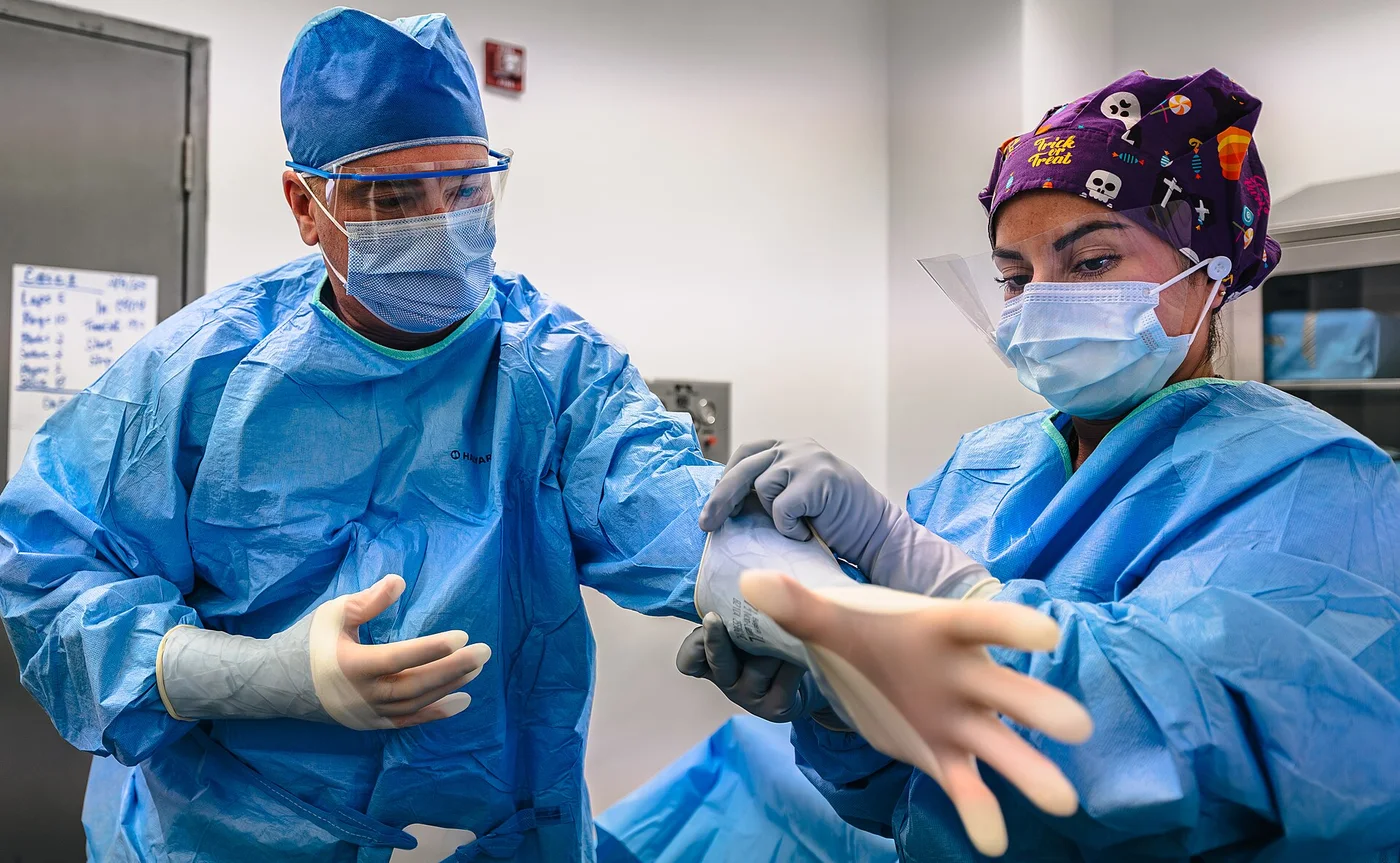
The first glove is picked up by grasping the inside of the cuff with the bare hand (unsterile touches unsterile). The second glove is donned by sliding the gloved fingers under the cuff outside the glove (sterile touches sterile). Adjust by sliding gloved fingers under the sterile cuff and pulling over the wrist.

Step-by-step illustration of a nurse putting on sterile gloves without contaminating them.
Donning sterile gloves technique

Image: U.S. Air Force photo by Airman 1st Class Zeeshan Naeem, Public domain

Key points

  • Contaminated glove – Cannot be re-sterilized; discard and don a new pair. Perform hand hygiene before donning new sterile gloves.
  • Sterile drape below tabletop – Any part hanging below tabletop is contaminated; discard entire sterile field and set up again.

© NextNurse

nextnurse.in

Infection Control & BMW · Nursing Foundations

Hand Hygiene

Hand Hygienedefinition

The single most effective measure to break the chain of infection.

in simple words: Physically removes transient flora and pathogens from hands, preventing cross-contamination.

Hand Hygiene Methods

MethodDurationWhen to use
Soap and water40–60 secondsVisibly soiled hands; after exposure to spore-forming pathogens such as Clostridioides difficile
Alcohol-based hand rub20–30 secondsHands not visibly soiled; no exposure to spore-forming organisms
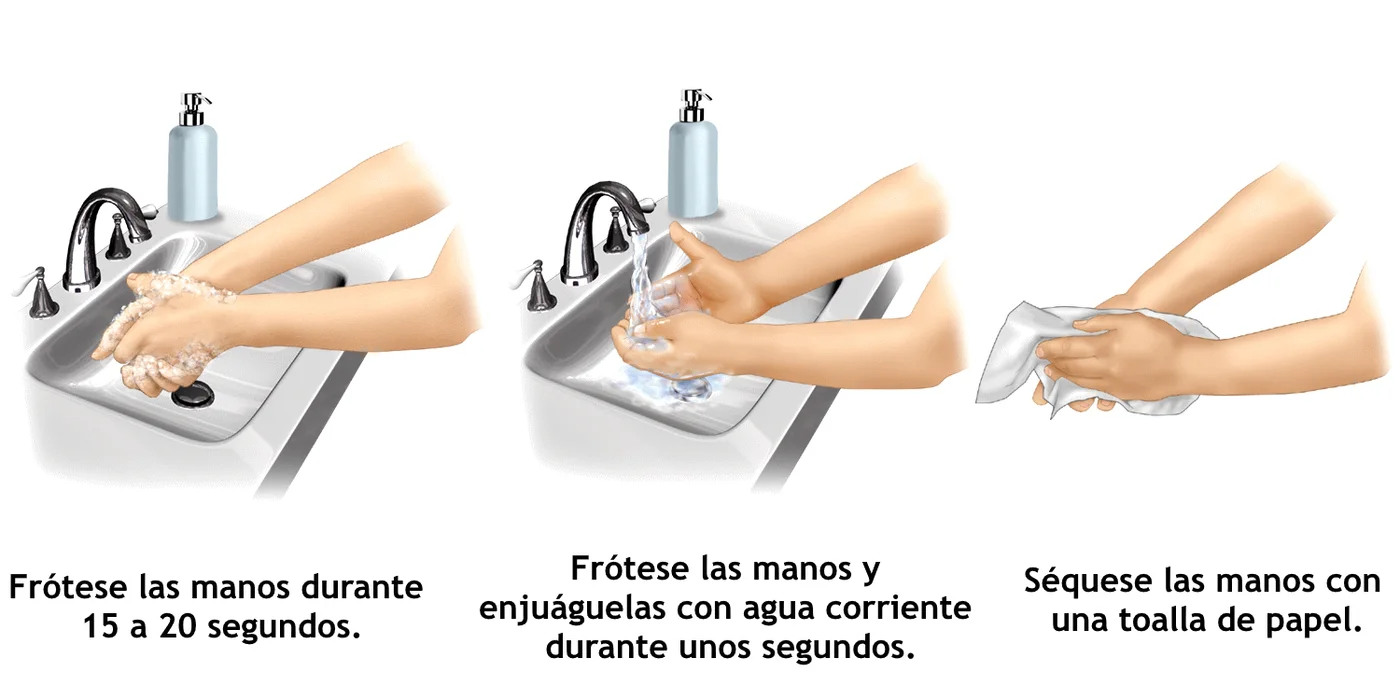
Illustration of correct handwashing and alcohol rub technique for breaking the chain of infection.
Hand hygiene technique

Image: BruceBlaus, CC BY 4.0

WHO 5 Moments for Hand Hygiene

  • Before touching a patient
  • Before a clean/aseptic procedure
  • After body fluid exposure risk
  • After touching a patient
  • After touching patient surroundings

© NextNurse

nextnurse.in

Infection Control & BMW · Nursing Foundations

Personal Protective Equipment

Doffing PPE (order)

  1. Glovesmost contaminated first
  2. Eye protectionhandle only strap
  3. Gownroll inside-out, touch inner surface
  4. Maskhandle only ties/straps
  5. Hand hygienefinal step

N95 Respirator – NIOSH classification: N = not resistant to oil; 95 = filters at least 95% of airborne particles

  • Used for airborne precautions (TB, SARS-CoV-2).
  • Fit test required for tight seal.

© NextNurse

nextnurse.in

Infection Control & BMW · Nursing Foundations

Standard Precautions

Standard Precautionsdefinition

Minimum infection prevention practices applied to all patients regardless of diagnosis.

in simple words: Includes hand hygiene, gloves, gown, mask, eye protection based on risk of exposure to blood or body fluids.

When to use PPE

  • Gloves – Contact with blood, body fluids, mucous membranes, non-intact skin; perineal care after childbirth.
  • Mask – Splash risk (wound care, colostomy care); primary PPE for a patient with cough.
  • Eye protection – Danger of blood/body fluid splash or spray (intubation, arterial line, wound irrigation).

© NextNurse

nextnurse.in

Infection Control & BMW · Nursing Foundations

Biomedical Waste Management

Biomedical Wastedefinition

Waste generated during diagnosis, treatment or immunisation of humans or animals.

in simple words: Governed in India by the Bio-Medical Waste Management Rules, 2016.

Segregation by Colour

ColourWaste typeExamples
YellowHuman anatomical, heavily soiled dressings, expired medicines, chemical/cytotoxic wasteTissues, organs, body parts, fetuses, placenta, soiled cotton, cytotoxic drugs
BlackGeneral non-infectious municipal wasteFood scraps, paper, packaging, uncontaminated cotton
BlueDiscarded broken glassware, medicine vials, ampoules, metallic body implantsGlassware, implants (not fine-pointed sharps)
White (translucent)SharpsNeedles, scalpels, blades
RedContaminated recyclable plasticIV tubing, catheters, syringes without needles, gloves, used NG tube
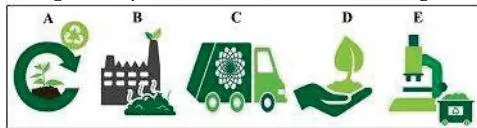
Flowchart showing the correct sequence of steps for managing biomedical waste.
Biomedical waste management steps

© NextNurse

nextnurse.in

Infection Control & BMW · Nursing Foundations

Cytotoxic Waste

Cytotoxic Wastedefinition

Waste defined by its genotoxic properties, meaning it damages or mutates genetic material (DNA).

in simple words: Cytotoxic drugs are genotoxic, carcinogenic and teratogenic. They must never be discarded with municipal waste.

e.g. Used in cancer chemotherapy.

Disposal rules

  • Yellow bin – All items contaminated with cytotoxic drugs: vials, ampoules, IV sets, PPE.
  • Incineration – High-temperature incineration above 1200°C or encapsulation followed by secure landfill.
  • Autoclaving – Does not neutralise cytotoxic drugs because it kills microorganisms but does not break down their chemical structure.

© NextNurse · Checked against: NextNurse Q-Bank explanations

nextnurse.in