Nursing Foundations · Promoting safety in health care environment

Promoting Safety in Health Care

Scene Safetydefinition

The first aider must assess scene safety before approaching a casualty.

in simple words: Check for danger to yourself and the patient before helping.

e.g. Look for fire, traffic, or electrical hazards.

First Aid Sequence

Rescue breaths are given only after confirming unresponsiveness and absence of breathing, and after ensuring scene safety. Chest compressions are started only after confirming cardiac arrest and ensuring the area is safe. Rescue breaths and compressions are not the first step; scene safety and assessment come first.

Environmental Modifications for Fall Prevention

  • Confused elderly – Ensure clear pathways and adequate lighting to prevent falls.
  • Locking door – Considered physical restraint and violation of patient rights; also fire hazard.
  • Removing personal items – Can cause anxiety and disorientation, leading to unsafe behaviors.
© NextNurse

nextnurse.in

Promoting Safety in Health Care · Nursing Foundations

Fire and Radiation Safety

RACEdefinition

RACE stands for Rescue, Alarm, Confine, Extinguish/Evacuate in hospital fire safety.

in simple words: The sequence of actions during a fire.

RACE Protocol

  1. RescueMove patients and staff away.
  2. AlarmActivate the fire alarm.
  3. ConfineClose doors, shut off oxygen.
  4. Extinguish/EvacuateUse extinguisher if safe, else evacuate.

Fire Classes and Extinguishers

ClassType of FireExtinguisher
AOrdinary combustiblesWater or foam
BFlammable liquids and gasesFoam, CO2, dry chemical
CEnergized electrical equipmentCO2 or dry chemical
DCombustible metalsSpecial agents

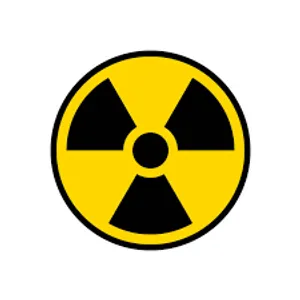
Radiation Trefoil – International radiation hazard symbol

  • Warns of ionizing radiation.
  • Apply time, distance, shielding.

Biohazard Symbol – Three interlocking circles

  • Warns of infectious agents.
  • Use PPE, safe waste handling.

© NextNurse

nextnurse.in

Promoting Safety in Health Care · Nursing Foundations

Fire and Radiation Safety (contd.)

The international radiation hazard trefoil symbol on a yellow background.
Radiation hazard trefoil symbol

© NextNurse

nextnurse.in

Promoting Safety in Health Care · Nursing Foundations

Fall Risk Assessment

Fall Riskdefinition

A patient's likelihood of falling due to intrinsic and extrinsic factors.

in simple words: Who is likely to fall and why.

Key Fall Prevention Interventions

  • Bed height – Keep bed low; lower bed height for fall-risk patients.
  • Call bell – Keep within reach for toileting, pain, thirst.
  • Hourly rounding – Check the 4 Ps: pain, positioning, toileting, possessions.
  • Wheelchair brakes – Lock before transfer.
  • Mobility assessment – Before every transfer to decide technique and staff needed.
  • Environment – Night lights, non-slip footwear, coil cords and tubing.

Medications and Fall Risk

Sedatives such as anxiolytics and hypnotics increase fall risk by causing drowsiness, dizziness, confusion and orthostatic hypotension. Beta-blockers like metoprolol increase risk because heart rate cannot rise to compensate. Medication review is part of fall prevention.

© NextNurse

nextnurse.in

Promoting Safety in Health Care · Nursing Foundations

Nurse's Role in Safe Environment

Nurse's Responsibility

The nurse ensures a safe and clean environment by identifying hazards, implementing safety measures, and educating patients and families. This includes proper handling of equipment, safe use of restraints, and infection control practices.

Cryotherapydefinition

Therapeutic application of cold, causing vasoconstriction that reduces blood flow, inflammation, swelling and pain.

in simple words: Using cold to reduce swelling and pain.

e.g. Cold packs for sprains, strains, post-operative swelling.

Cryotherapy Guidelines

  • Duration – Limit to 15-20 minutes with a barrier between cold pack and skin.
  • Contraindications – Peripheral vascular disease, diabetic neuropathy.

© NextNurse

nextnurse.in

Promoting Safety in Health Care · Nursing Foundations

Safety Devices and Restraints

Bed Side Railsdefinition

Primary intended outcome is preventing the patient from falling out of bed.

in simple words: Physical barrier for weak, sedated or high fall-risk patients.

Types of Restraints

TypePurposeKey Point
MittenPrevents grasping and pulling at catheters, IV linesLess restrictive; arm movement preserved
ElbowImmobilizes elbow jointDoes not restrict hand/finger movement
Wrist/AnkleLimits limb movementRequires frequent neurovascular checks
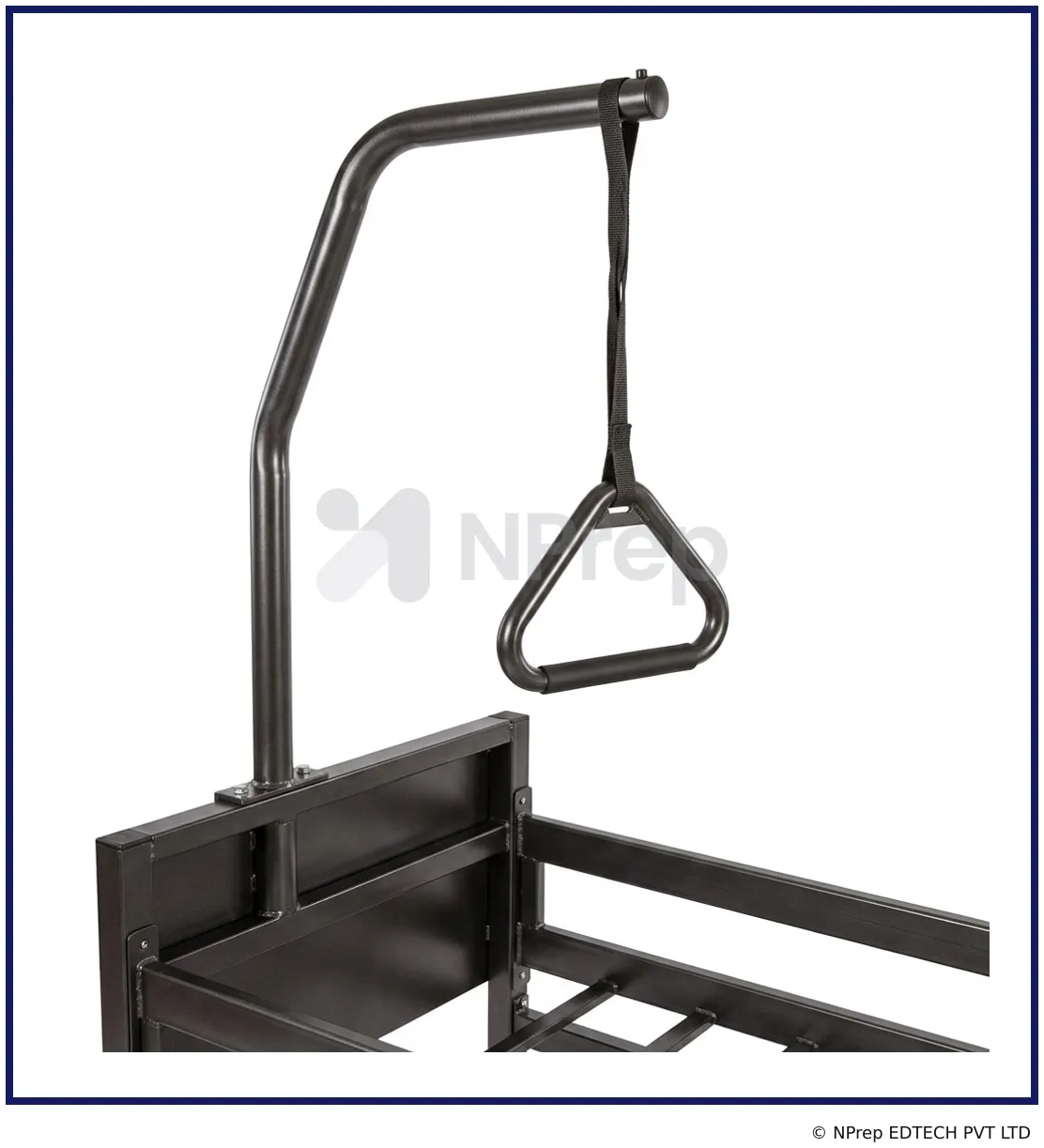
A trapeze bar suspended above a hospital bed used by patients to pull themselves up.
Trapeze bar over bed

Hazards of Physical Restraints

  • Nerve damage – From direct compression.
  • Pressure sores – From immobility.
  • Foot drop – From plantar flexion and pressure on peroneal nerve.

© NextNurse · Checked against: NextNurse Q-Bank explanations

nextnurse.in