Nursing Foundations · Oxygenation needs

Oxygenation Needs

Vesicular breath soundsdefinition

Normal, soft, low-pitched rustling sounds heard over most lung fields.

in simple words: Normal breathing sound.

Adventitious Breath Sounds

SoundCharacterCause
WheezesHigh-pitched, continuous musicalNarrowed airways (asthma, bronchitis)
RhonchiLow-pitched, continuous snoring/rumblingSecretions in larger airways
Gurgles (coarse crackles)Loud, low-pitched, bubbling, intermittentAir moving through fluid in airways

Hypoxia: Early vs Late Signs

  • Conscious patient – Restlessness, apprehension, agitation – early sign (sympathetic stimulation, cerebral hypoxia).
  • Unconscious patient – Tachycardia – earliest reliable sign (cannot observe behavioural changes).
  • Late sign – Cyanosis – appears only when hypoxia is advanced (desaturated haemoglobin).
© NextNurse

nextnurse.in

Oxygenation Needs · Nursing Foundations

Oxygen Delivery Devices

Choosing the right device

Oxygen delivery devices vary in flow and precision. The Venturi mask gives a fixed, accurate FiO2; the nasal cannula gives an approximate, variable FiO2; the non-rebreather mask delivers the highest oxygen concentration for acute distress.

Comparison of Oxygen Devices

DeviceFiO2Key point
Nasal cannulaApproximate, variableLow-flow; depends on respiratory rate and tidal volume
Venturi maskFixed, accurateMost reliable for precise FiO2; uses colour-coded diluter jets
Non-rebreather maskUp to 95%Initial choice for acute respiratory distress needing highest O2

Oxygen Therapy Essentials

  • Humidification – Add when flow rate exceeds 4 L/min to prevent mucosal drying.
  • Cylinder colour – Oxygen = black with white shoulders; nitrogen = black; nitrous oxide = light blue; carbon dioxide = grey.
  • Nasal cannula setup – Connect tubing to oxygen source first, adjust flow rate, then insert prongs and secure behind ears.

© NextNurse

nextnurse.in

Oxygenation Needs · Nursing Foundations

Suctioning & Pulse Oximetry

Suctioning safety

Suctioning clears secretions but can cause hypoxaemia, mucosal trauma, atelectasis and vagal bradycardia. Pre-oxygenate with 100% O2 for 30–60 seconds, limit each pass to 10 seconds, and suction only while withdrawing the catheter.

Suction Pressure Guidelines

PatientPressure (mm Hg)
Adults100–120
Infants and children80–100
Neonates60–80

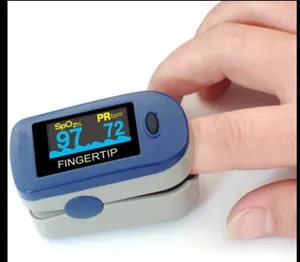
Pulse Oximetry (SpO2)

  • Normal – 95–99%; below 90% is hypoxaemia (emergency).
  • COPD target – 88–92% to avoid oxygen-induced respiratory depression in chronic CO2 retainers.
  • Interferences – Nail polish, bandaging, poor circulation, intravascular dyes, carboxyhaemoglobin (falsely high).
  • Improve signal – Warm extremity, reposition probe, remove nail polish, keep patient still; use earlobe, toe or forehead sensor.
A pulse oximeter clipped onto a patient's finger displaying oxygen saturation reading.
Pulse oximeter device

© NextNurse · Checked against: NextNurse Q-Bank explanations

nextnurse.in